
Lord of the Fishes
Ardha Matsyendrasana
By Elena Rostova Updated: verified Medically Reviewed
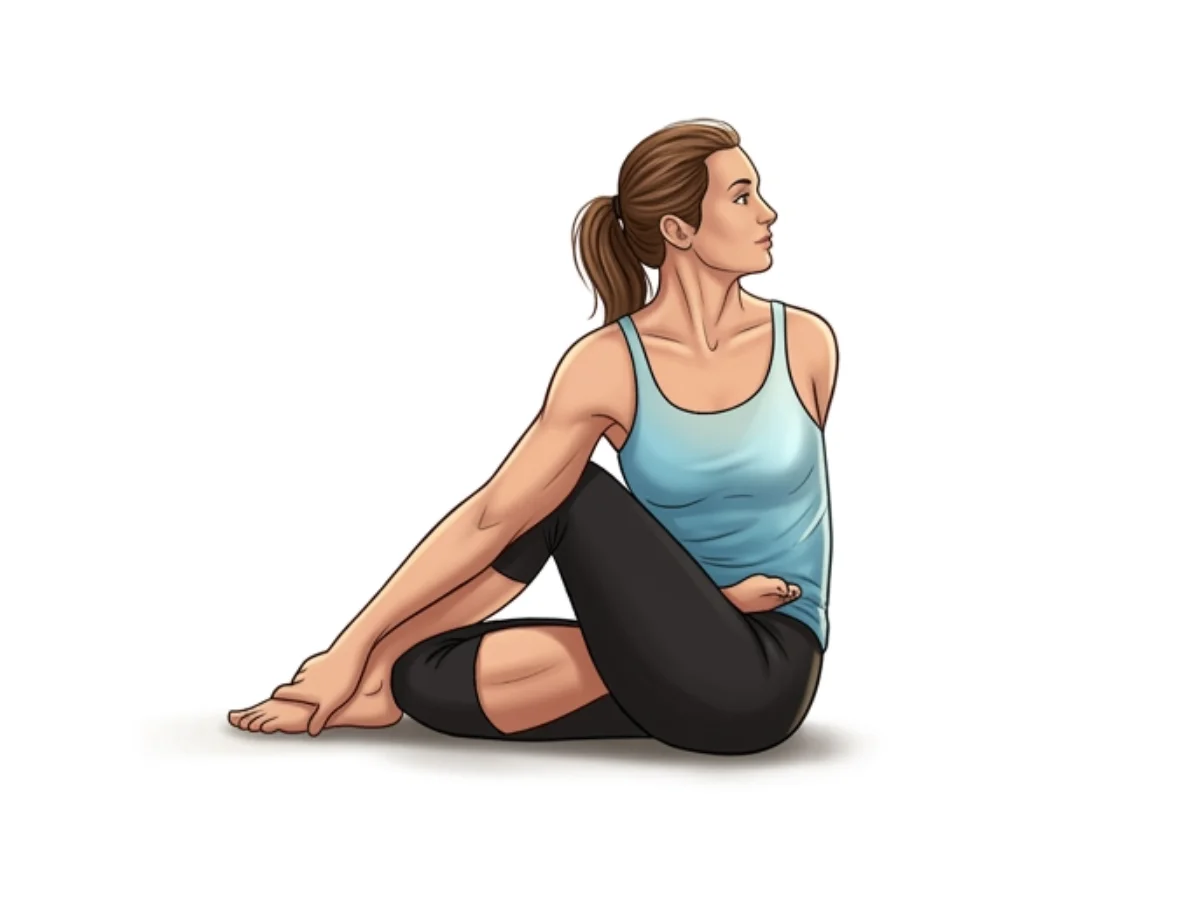
Half Lord of the Fishes Pose (Ardha Matsyendrasana) is a classic seated twist that deeply rotates the spine and massages the abdominal organs. By anchoring the hips and twisting the torso, this posture restores the spine's natural range of motion, releasing tension in the back muscles and stimulating digestion. It serves as a potent neutralizing pose in any sequence, helping to re-center the nervous system and build core awareness.
Hold Time
30–60 sec per side
Pronunciation
ARE-dah MOT-see-en-DRAHS-anna
About Lord of the Fishes
Lord of the Fishes (Ardha Matsyendrasana) is a grounding posture that draws its natural shape from the animal kingdom. By gently focusing on spinal mobility & digestion, it actively stretches your muscles and builds heat. Over time, adding this to your routine is a great way to support increases spinal mobility while calming the mind.
How to Practice
Start in Dandasana
Begin seated on your mat with both legs extended forward in Staff Pose (Dandasana).
Cross the Right Leg
Bend your right knee, lift the right foot, and place it flat on the floor on the outside of your left thigh or knee.
Fold the Left Leg
Bend your left knee and tuck your left foot in toward your right buttock. Keep your right sit bone grounded on the mat.
Lengthen the Spine
Inhale deeply as you sit up tall, lifting through the crown of your head and extending your left arm toward the ceiling.
Initiate the Twist
Exhale and twist your torso to the right. Hug your right knee with your left arm, or hook your left elbow outside your right thigh for a deeper twist.
Anchor the Back Hand
Place your right fingertips on the floor lightly behind your hips to act as a second spine, supporting your upright posture.
Refine with Breath
With every inhalation, grow slightly taller. With every exhalation, use your core to twist a fraction of an inch deeper.
Gaze Over the Shoulder
Turn your head gently to look over your right shoulder, completing the twist through the cervical spine without straining your neck.
Hold and Breathe
Maintain the posture for 5 to 10 deep breaths, keeping both sit bones firmly rooted to the floor.
Release and Switch
Inhale to face forward, untwist the body, and extend both legs. Repeat the sequence twisting to the left side.
Practice with the Yoga Timer
Keep track of your hold time and breath count for this pose.
Beginner Modifications & Prop Options
Yoga is a personal journey. These modifications and prop options allow you to adapt the pose to your current level of balance and flexibility, ensuring a safe and supportive practice.
Keep the Bottom Leg Straight
Keep the bottom leg extended straight out in front of you to reduce hip tension and ensure a safer, more grounded foundation for the twist.
Tip: Focus on alignment rather than depth.
Hug the Knee
Wrap your arm around the bent knee and hug it closely to your chest instead of hooking the elbow over it. This provides a gentler twist and protects the lower back.
Tip: Focus on alignment rather than depth.
Sit on a Blanket
Place a folded blanket or low block beneath your hips. Elevating the pelvis encourages a straighter, longer spine before twisting.
Tip: Focus on alignment rather than depth.
Benefits of Lord of the Fishes
Increases Spinal Mobility
Deeply rotates the vertebrae, improving flexibility along the entire spine and relieving stiffness in the upper and lower back.
Stimulates Digestion
The twisting action gently compresses the abdominal organs, which may aid in digestion and stimulate the liver and kidneys.
Stretches Hips and Glutes
Crossing the leg over provides a moderate to deep stretch to the outer hips, IT band, and gluteus medius.
Opens Shoulders and Chest
Using the arms to leverage the twist broadens the collarbones and stretches the pectoral muscles, counteracting slouching.
Relieves Mild Backache
By stretching the erector spinae and releasing muscular tension, this pose can alleviate mild discomfort associated with fatigue.
Common Mistakes to Avoid
Mistake: Rounding the Back
How to fix: Always prioritize spinal length. Sit up tall and use your back hand only for support, not to lean your weight backward.
Mistake: Lifting One Sit Bone
How to fix: Ensure both sit bones remain firmly rooted. If one lifts, extend the bottom leg straight out.
Mistake: Forcing the Neck
How to fix: Let the twist originate from the core and upper back; the head should be the last thing to turn, following naturally.
Safety and Precautions
Severe Back Injuries
Herniated discs or recent spinal surgeries contraindicate deep twisting motions.
Pregnancy
During later stages, deep closed twists should be avoided to prevent compression on the abdomen. Opt for open twists instead.
Recent Abdominal Surgery
Twisting compresses the core and may disrupt healing tissues in the abdomen.
Hip Replacements
Crossing the knee over the midline may compromise certain joint replacements; consult a doctor.
Severe Sciatica
Deep hip stretches combined with spinal rotation might aggravate an inflamed sciatic nerve.
Medical Disclaimer: If you have any of the above conditions, consult your doctor or a qualified yoga instructor before attempting this pose.
Muscles Worked in Lord of the Fishes
Lord of the Fishes demands synchronized muscular effort, creating a profound sense of engagement and release throughout the body. The activation of the primary muscles supports the structure, while the secondary muscles provide stability and balance.
Primary Muscles
Internal & External Obliques
Contract actively to rotate the torso to the side.
Erector Spinae
Engages to keep the spine lengthened and upright.
Gluteus Medius & Minimus
Stretch moderately on the side of the crossed leg.
Secondary Muscles
Pectoralis Major
Stretches as the chest broadens during the twist.
Rhomboids
Engage to draw the shoulder blades together and open the chest.
Latissimus Dorsi
Assists in stabilizing the back and shoulder position.
Poses to Practice Before and After Lord of the Fishes
Prepare with these Poses
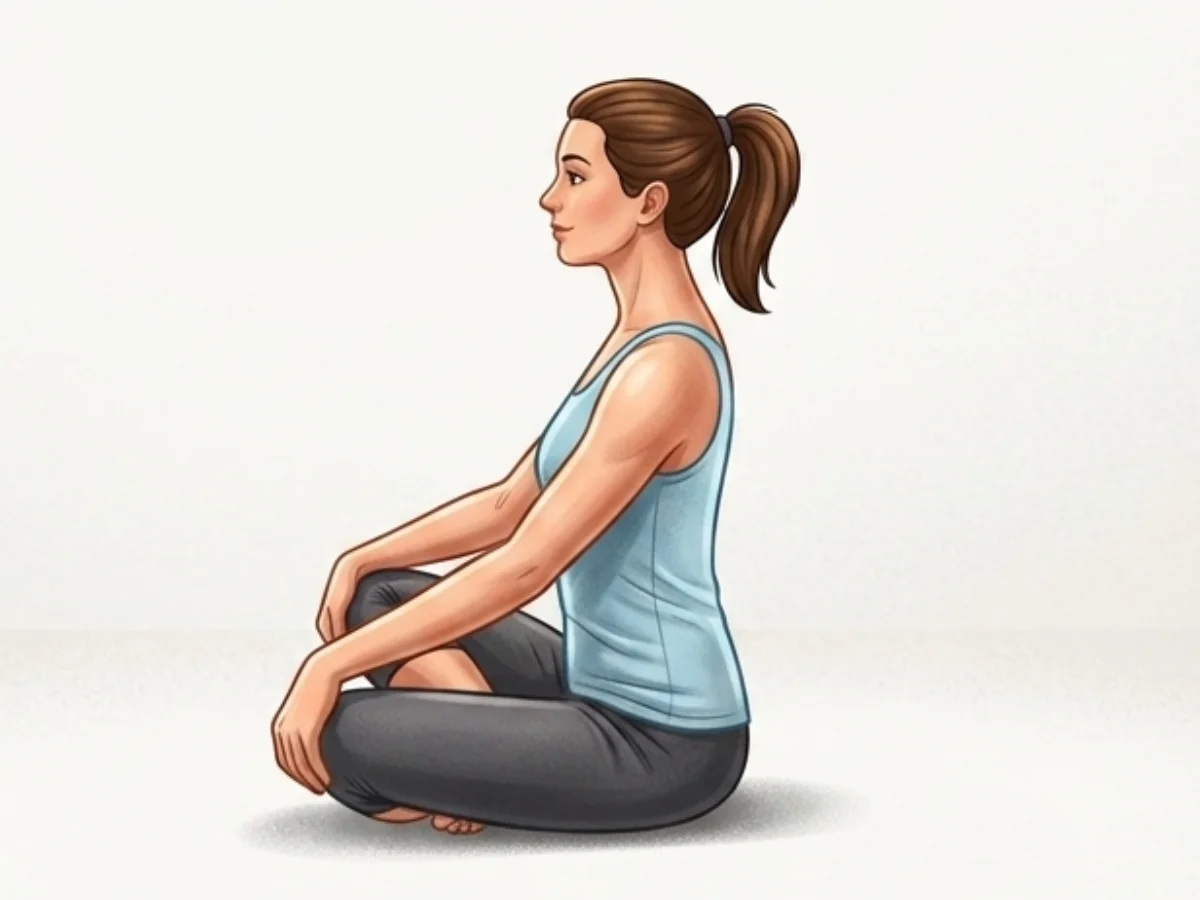
Easy Pose
SukhasanaA foundational seated posture to establish length in the spine and focus the breath.
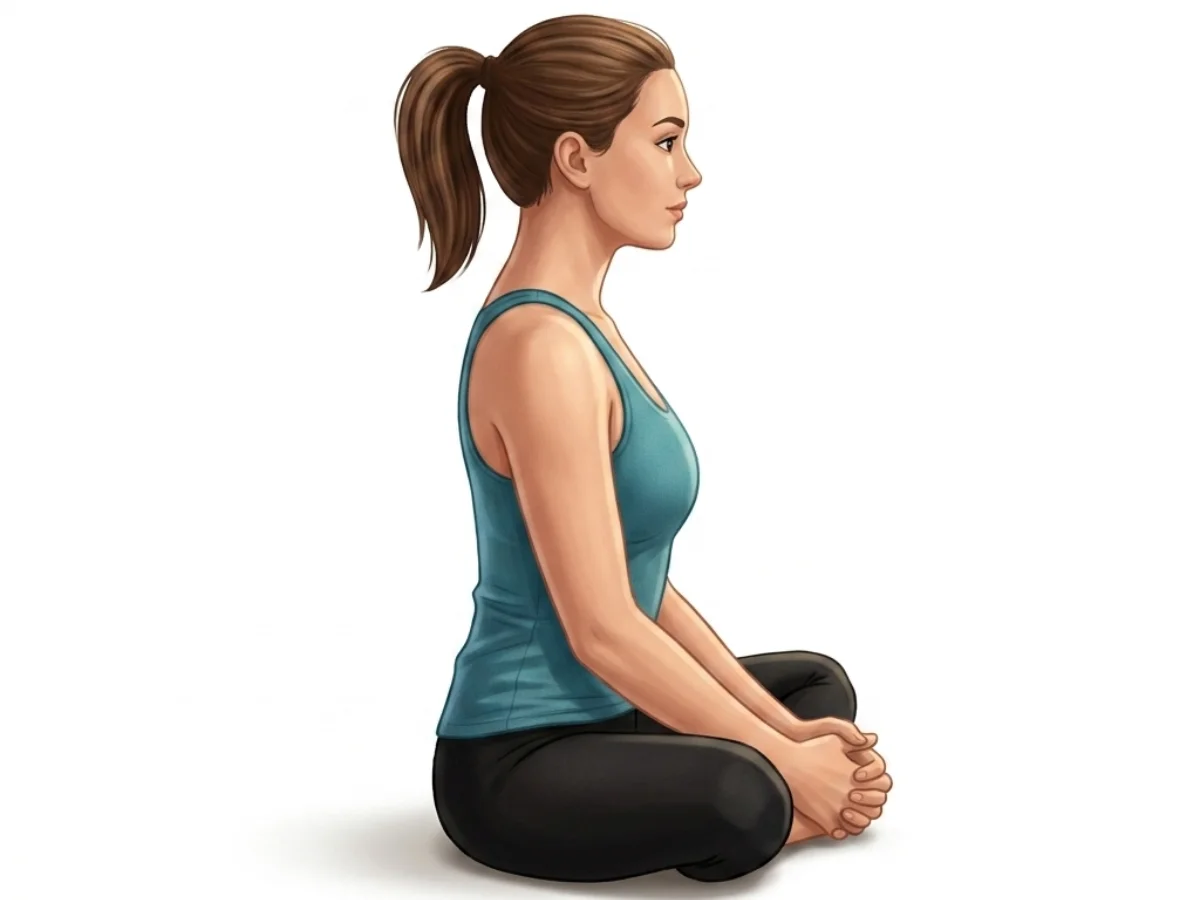
Bound Angle
Baddha KonasanaOpens the hips and inner thighs, preparing the lower body for seated folds and twists.
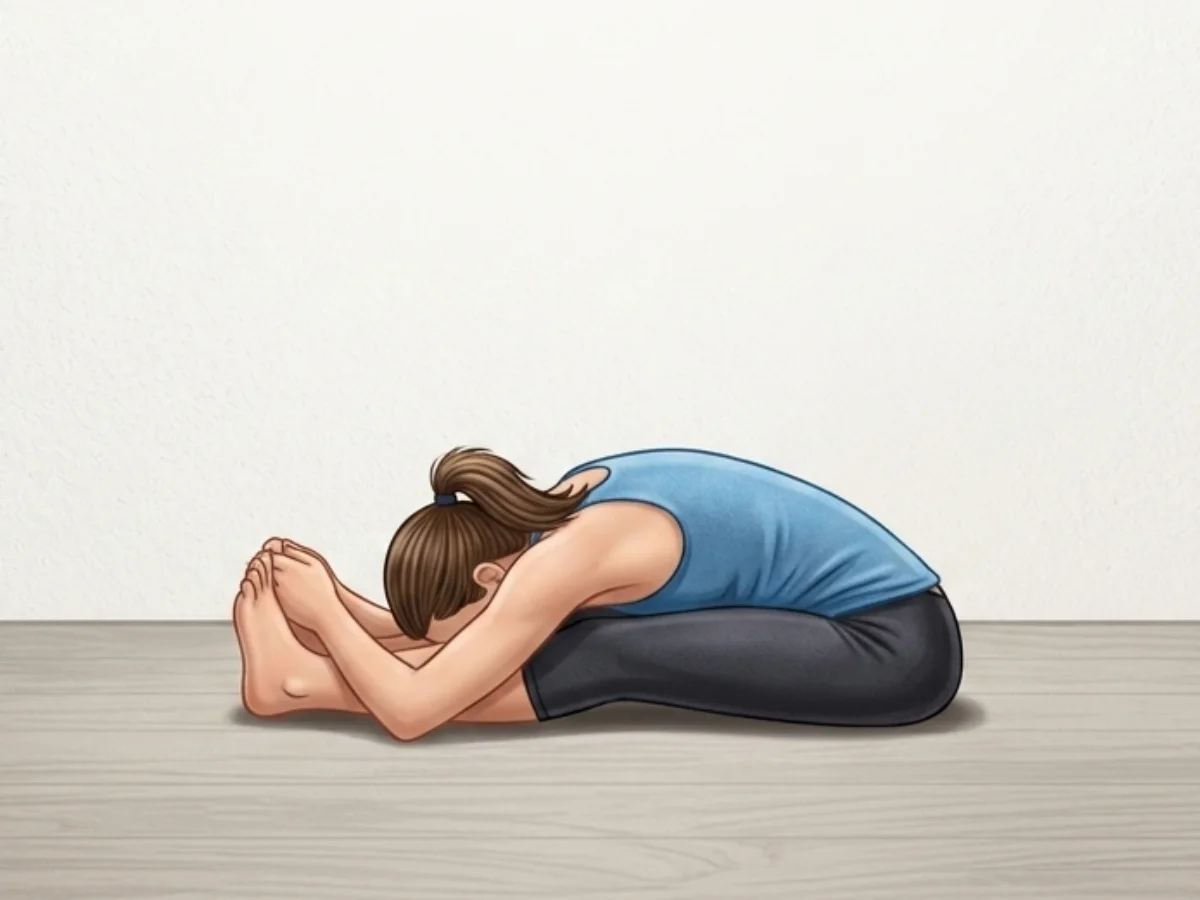
Seated Forward Bend I
PaschimottanasanaStretches the back of the body and creates length along the spinal column.
Follow with neutralizing Counter-poses
Seated Forward Bend I
PaschimottanasanaNeutralizes the spine symmetrically after a deep asymmetrical twist.
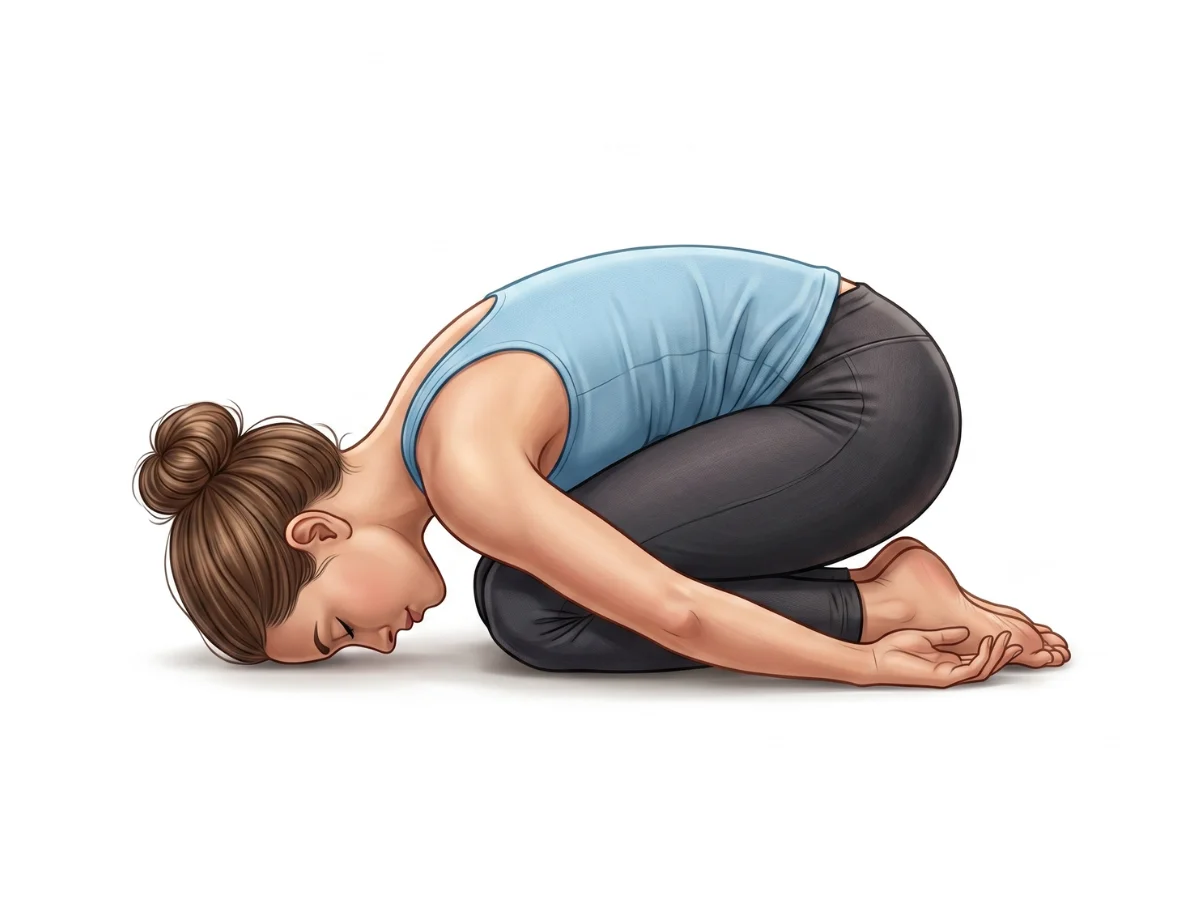
Child's Pose
BalasanaAllows the lower back to gently stretch and the organs to relax.
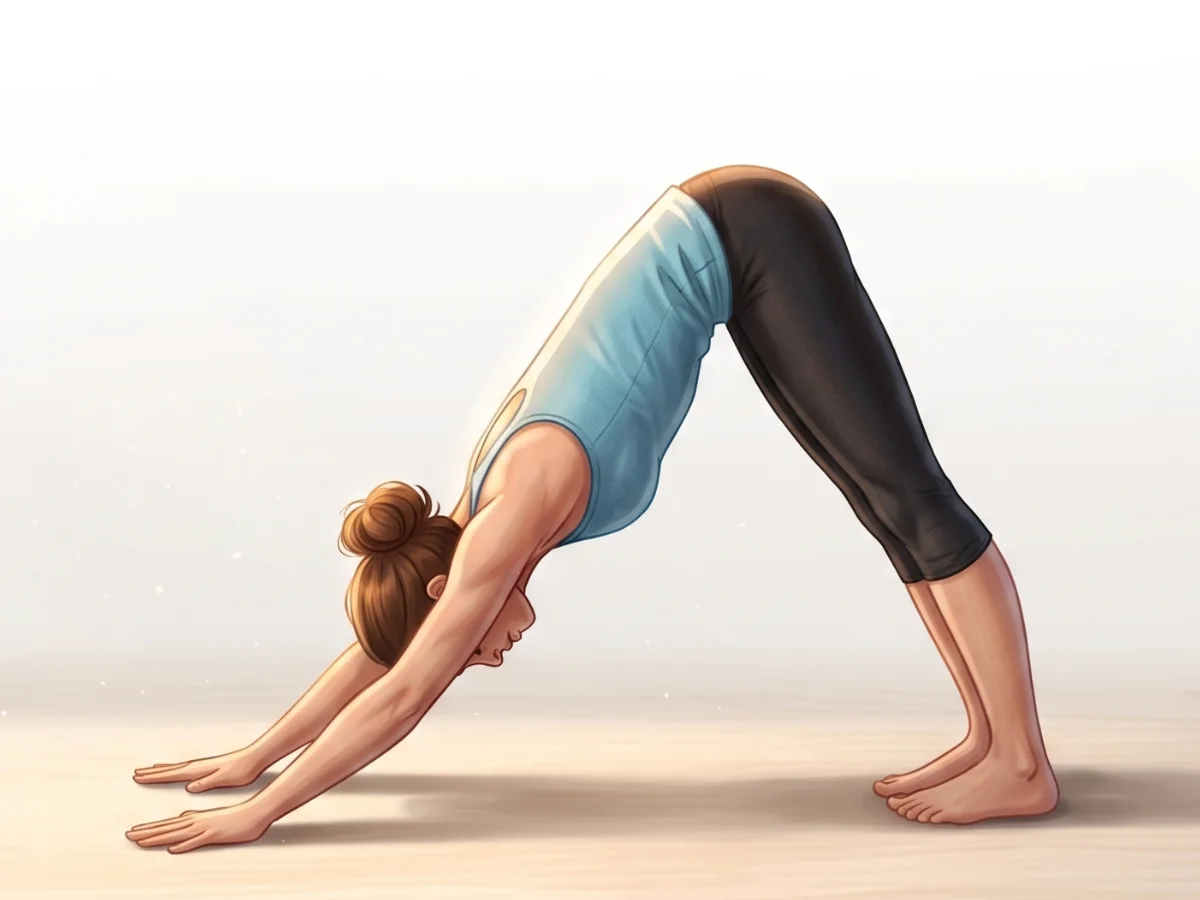
Downward-Facing Dog
Adho Mukha SvanasanaLengthens and realigns the entire spine to restore balance.
Frequently Asked Questions
What if I can’t reach my elbow over my knee?
There is no need to force it. Simply wrap your arm around your knee and hug it toward your chest.
Why does one side feel tighter than the other?
Asymmetry in flexibility is completely normal and often stems from dominant hand usage, how we sit, or past injuries. Move slowly and respect your body’s limits on the tighter side without forcing parity.
Should my back hand bear my weight?
No. Your back hand should act merely as a prop or a "kickstand" to help keep your spine straight.
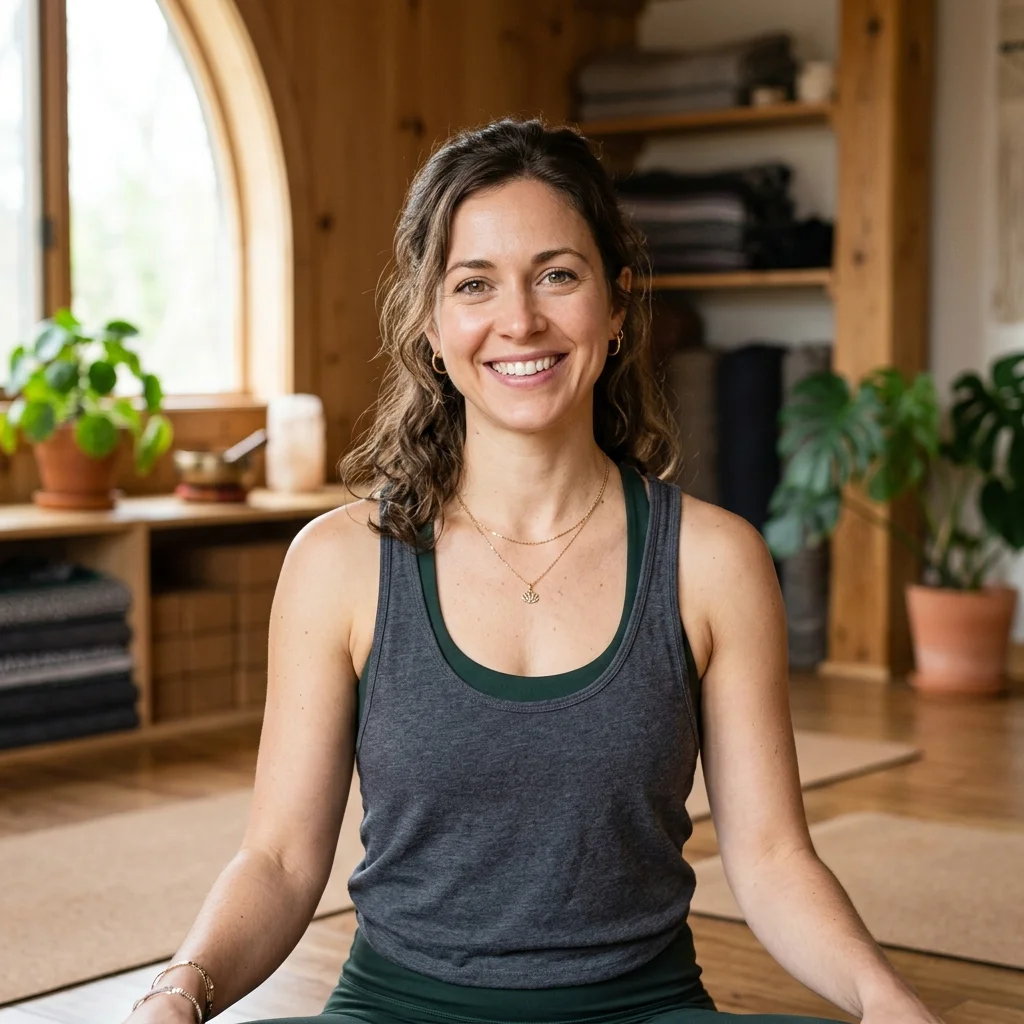
Elena Rostova is an accredited yoga educator and anatomy specialist with over 15 years of clinical experience. She focuses on functional biomechanics and injury prevention, translating complex anatomy into accessible guidance for safe, sustainable practice.
Read Full ProfileContinue Your Yoga Journey
Ready to deepen your practice? Explore our extensive library of poses, or join a structured program designed to build strength, flexibility, and mindfulness.