
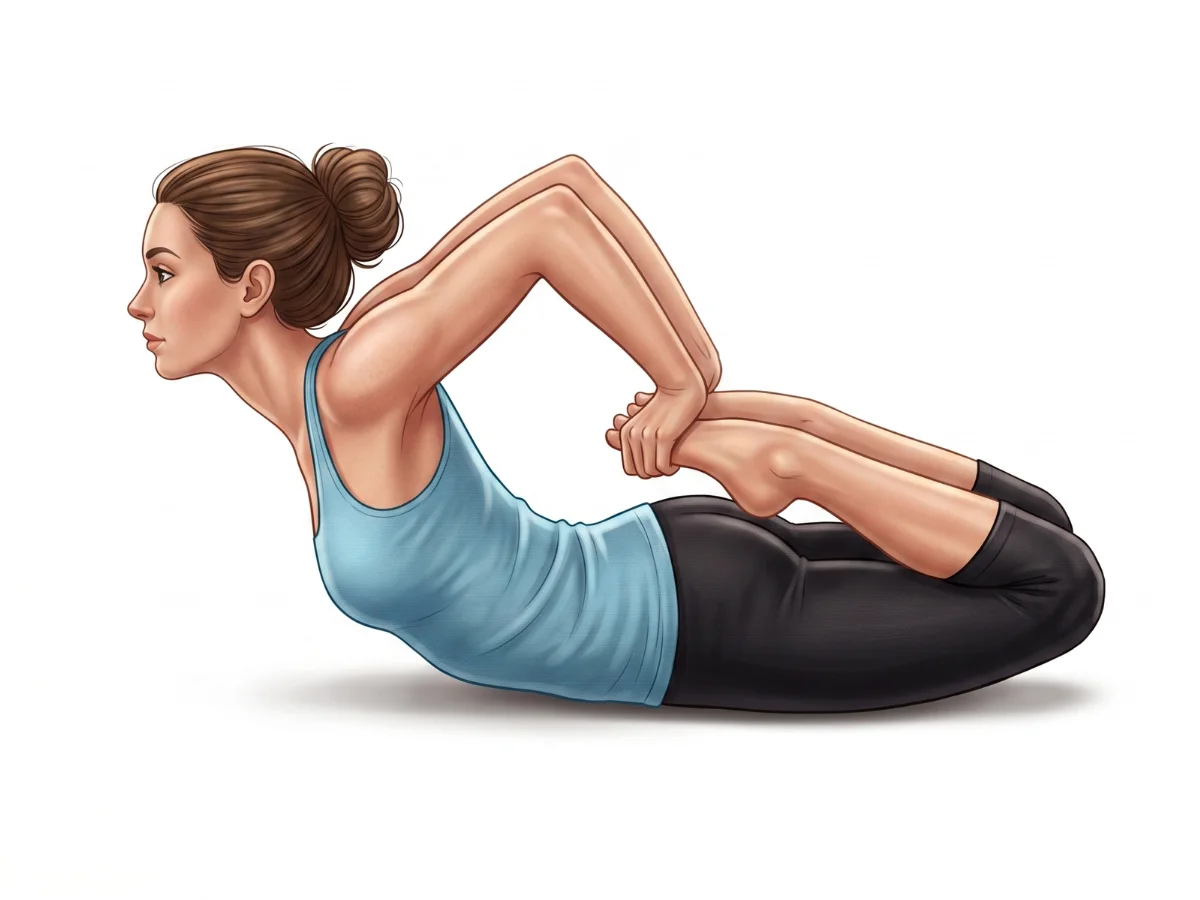
Frog
Mandukasana
By Elena Rostova Updated: verified Medically Reviewed
Frog Pose (Mandukasana) is an intense, deep hip-opening posture that targets the inner thighs, groin, and hips. By widening the knees on the floor and resting the upper body, it safely uses gravity to increase flexibility and release deeply held emotional and physical tension.
Hold Time
1–5 min · 10–50 breaths
Pronunciation
mahn-doo-KAHS-anna
About Frog
Drawing inspiration from nature, Frog (Mandukasana) is a powerful pose that encourages a deep connection to movement. It primarily targets the deep inner thigh & groin stretch, helping to create length and strength exactly where you need it most. Consistent practice will actively assist in deeply opens the hips, helping you feel lighter and more balanced off the mat.
How to Practice
Tabletop Foundation
Begin in a Tabletop position on your hands and knees, ensuring your spine is neutral and your core is lightly engaged.
Widen the Knees
Slowly walk your knees outward to the sides as far as they will comfortably go. You may want to place folded blankets under your knees for extra padding.
Align Feet and Ankles
Ensure your ankles remain directly behind your knees, with your shins parallel to each other. Flex your feet outward so your inner arches rest on the floor.
Lower to Forearms
Exhale and gently lower your upper body down to rest on your forearms. Keep your elbows stacked directly beneath your shoulders.
Melt the Hips
Allow your hips to sink down and back slightly. Ensure your hips stay in line with your knees, not shifting too far forward or too far back.
Lengthen the Spine
Keep your chest slightly lifted and your neck in a neutral position. Avoid collapsing completely into the shoulders.
Breathe Deeply
Hold this intense stretch for 1 to 5 minutes. Direct your breath into the groin and inner thighs, encouraging the muscles to release and soften with each exhale.
Exit Carefully
To come out safely, press up onto your hands, bring your toes together behind you, and slowly walk your knees back toward the center.
Rest and Neutralize
Sit back on your heels in Child's Pose (Balasana) to allow your hips and lower back to recover and neutralize after the intense opening.
Practice with the Yoga Timer
Keep track of your hold time and breath count for this pose.
Beginner Modifications & Prop Options
Yoga is a personal journey. These modifications and prop options allow you to adapt the pose to your current level of balance and flexibility, ensuring a safe and supportive practice.
Half Frog (Ardha Mandukasana)
Keep one leg straight behind you while bending the other knee out to the side. Practice on both sides individually to reduce intensity.
Tip: Focus on alignment rather than depth.
Support with a Bolster
Place a bolster or firm cushion lengthwise under your torso and head to fully support your upper body weight.
Tip: Focus on alignment rather than depth.
Pad the Knees
Fold your yoga mat over or place soft blankets under your knees to cushion the joint against the hard floor.
Tip: Focus on alignment rather than depth.
Benefits of Frog
Deeply Opens the Hips
Provides an intense stretch to the adductor muscles of the inner thighs, significantly improving hip mobility and flexibility.
Relieves Lower Back Tension
Releasing tight hips can help alleviate corresponding tightness in the lower back, promoting a healthier spine.
Stimulates Digestion
The prone position and deep breathing gently massage the abdominal organs, aiding in digestion and detoxification.
Improves Circulation
Increases blood flow to the pelvic region and groin, promoting reproductive health and reducing stagnation.
Releases Emotional Stress
The hips are known to store tension and stress. This deep, sustained hold can be profoundly grounding and emotionally releasing.
Common Mistakes to Avoid
Mistake: Hips Shifting Too Far Forward
How to fix: Keep your hips aligned in a straight line with your knees. Shifting forward bypasses the groin stretch.
Mistake: Tensing the Glutes
How to fix: Actively relax your buttock and hip muscles. Tensing fights the stretch; use your breath to encourage softness.
Mistake: Feet Pointing Inward
How to fix: Ensure your shins are parallel and feet are flexed outward (inner arches down) to protect the knee joints.
Safety and Precautions
Knee Injuries
The direct pressure and lateral torque can aggravate existing knee conditions like meniscus tears.
Hip or Groin Injuries
Deep stretching can worsen acute strains in the adductor muscles or hip joints.
Lower Back Pain
If the core is not engaged, the lower back can over-arch painfully; avoid if you have severe lumbar issues.
Medical Disclaimer: If you have any of the above conditions, consult your doctor or a qualified yoga instructor before attempting this pose.
Muscles Worked in Frog
Frog demands synchronized muscular effort, creating a profound sense of engagement and release throughout the body. The activation of the primary muscles supports the structure, while the secondary muscles provide stability and balance.
Primary Muscles
Adductors (Inner Thighs)
Stretched intensely as the knees move widely apart.
Gracilis & Pectineus
Deeply lengthened to open the groin region.
Gluteus Medius
Relaxed to allow the hips to drop and open fully.
Secondary Muscles
Erector Spinae
Supports the natural curve of the spine while prone.
Transversus Abdominis
Engages mildly to prevent extreme dumping into the lower back.
Pectoralis Major
Provides structural support when resting on the forearms.
Poses to Practice Before and After Frog
Prepare with these Poses
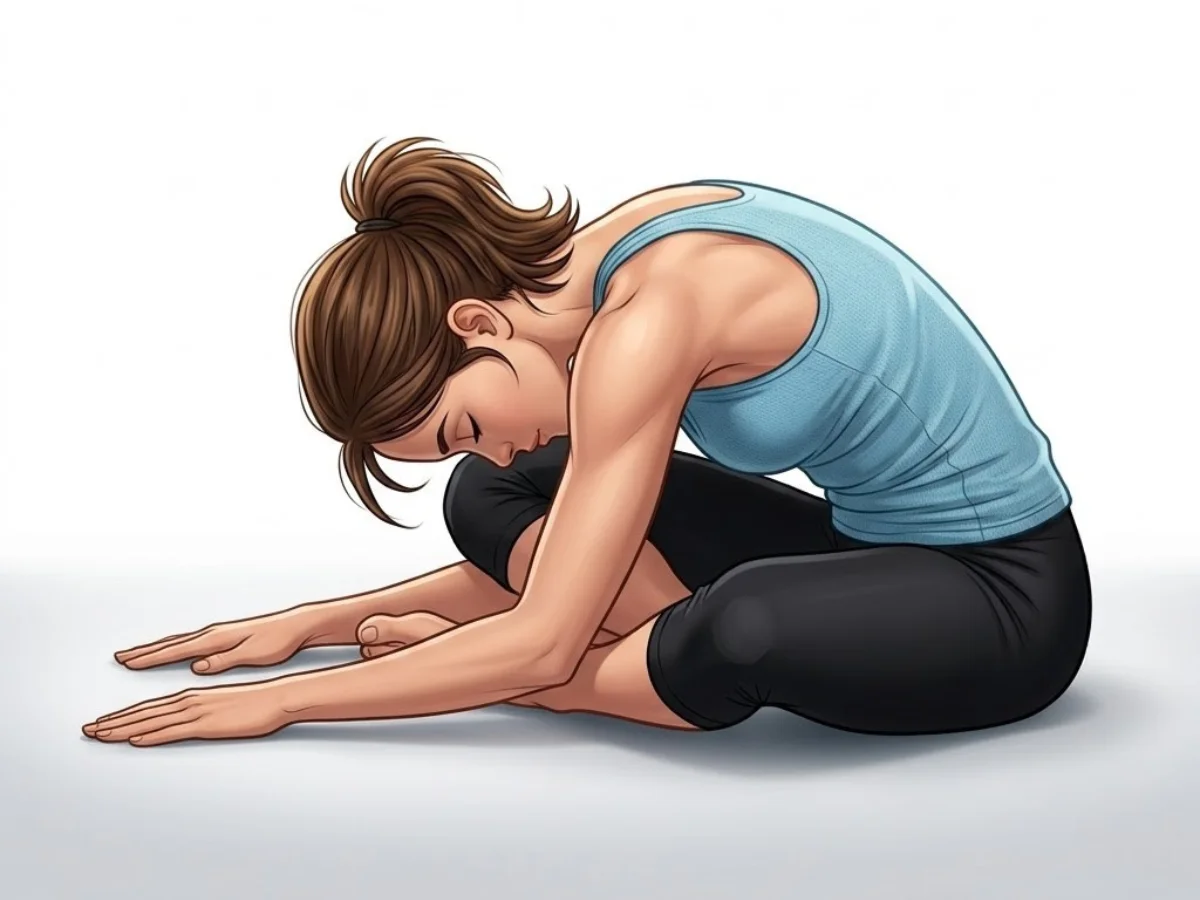
Butterfly Pose
Baddha KonasanaA gentle, seated hip opener to warm up the adductors and groin.
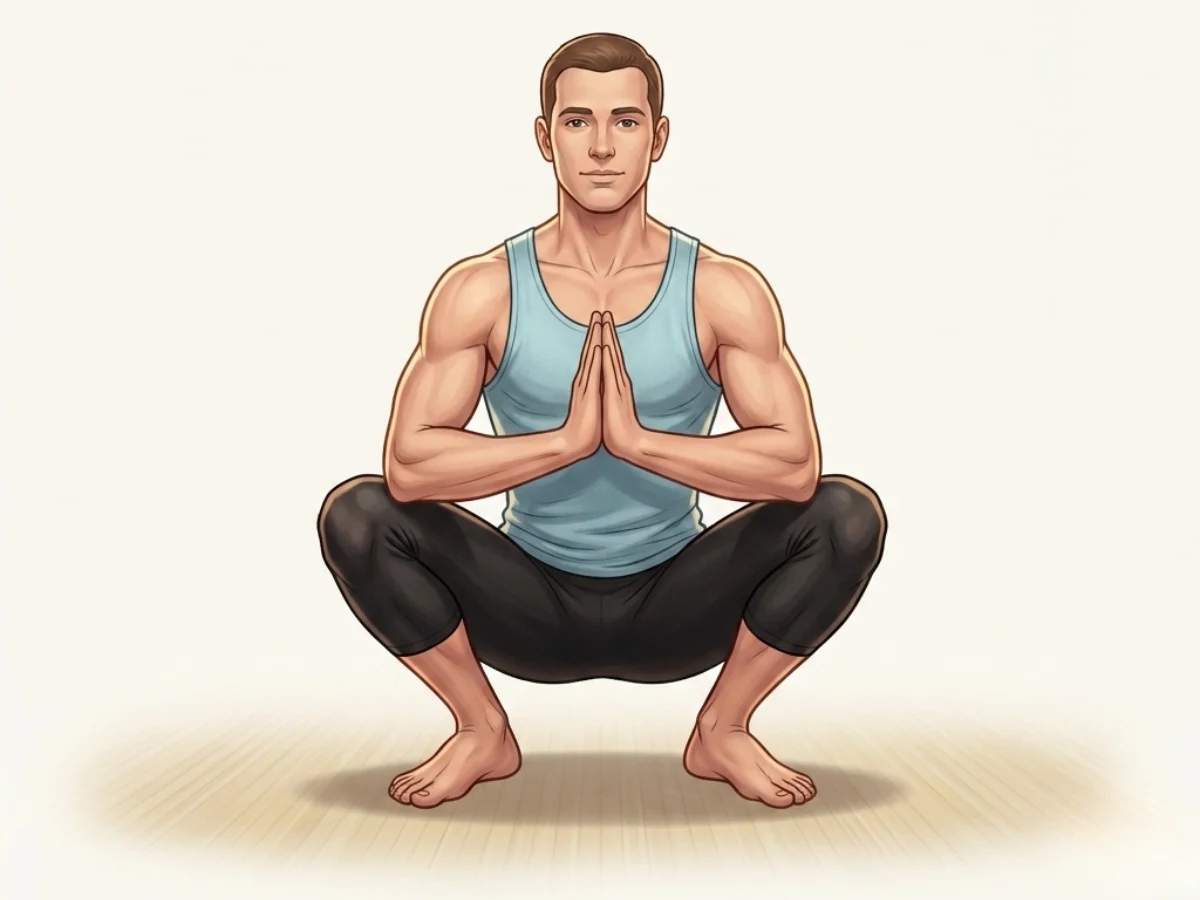
Garland Pose
MalasanaOpens the hips and stretches the groin in an active squatting position.
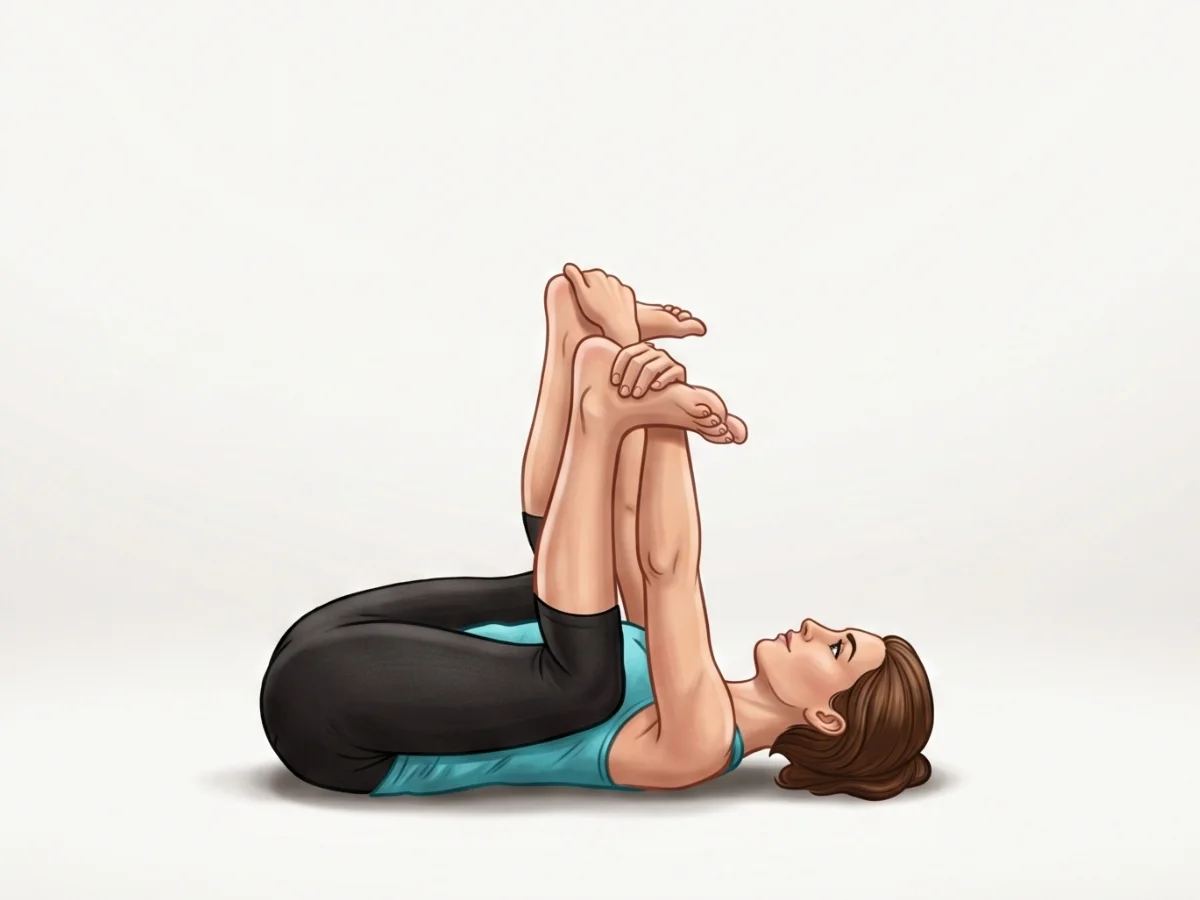
Happy Baby Pose
Ananda BalasanaSafely opens the hips and stretches the inner thighs while the spine is supported.
Follow with neutralizing Counter-poses
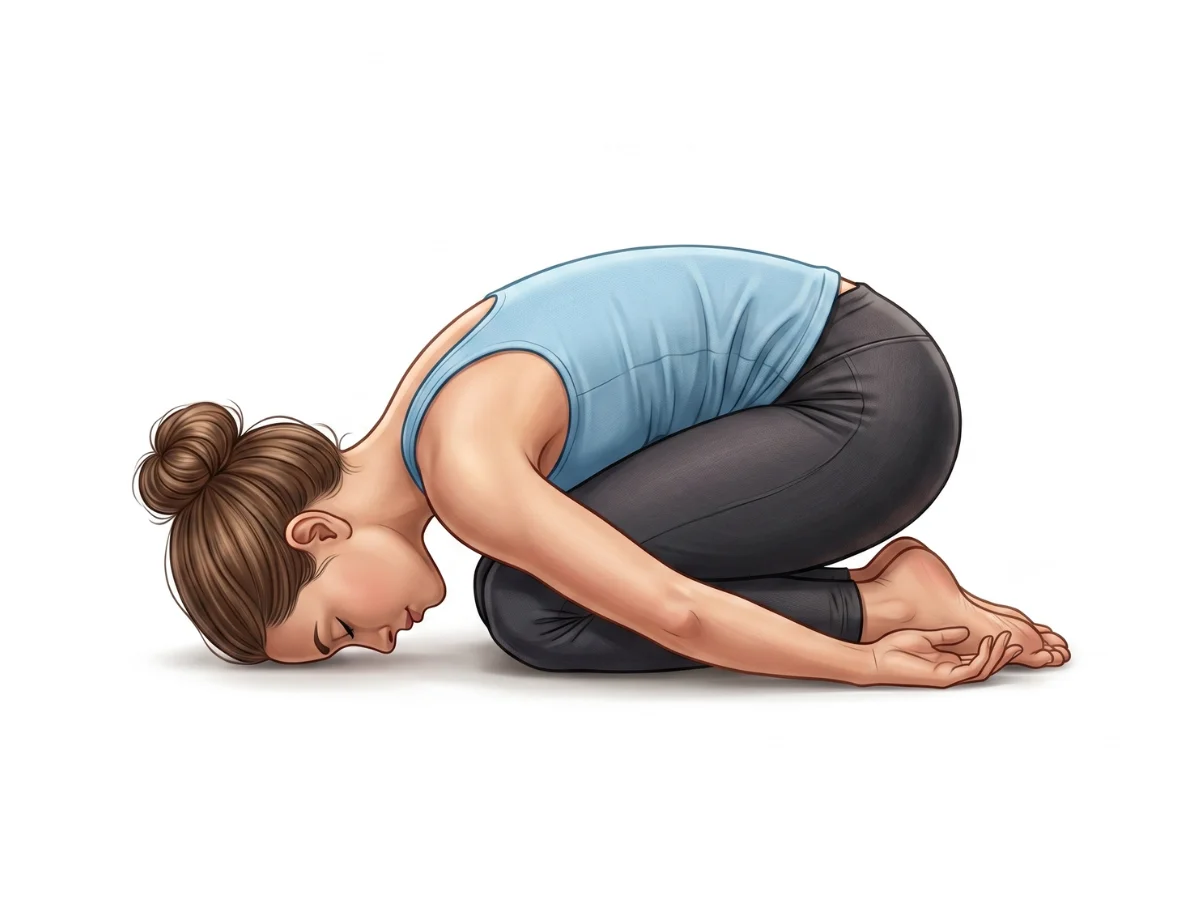
Child's Pose
BalasanaNeutralizes the hips and spine, providing a safe, closed-hip rest.
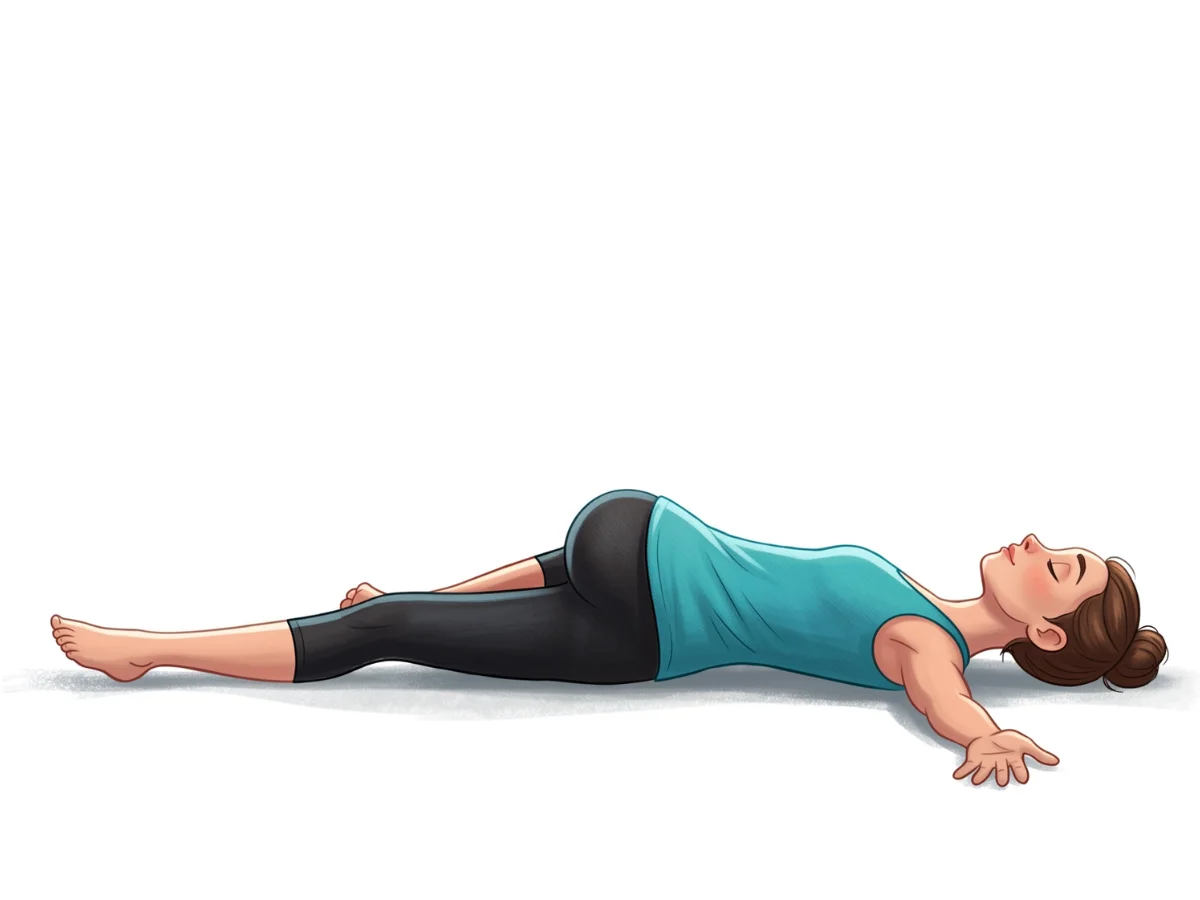
Supine Spinal Twist
Supta MatsyendrasanaRealigns the pelvis and spine after a deep, symmetrical opening.
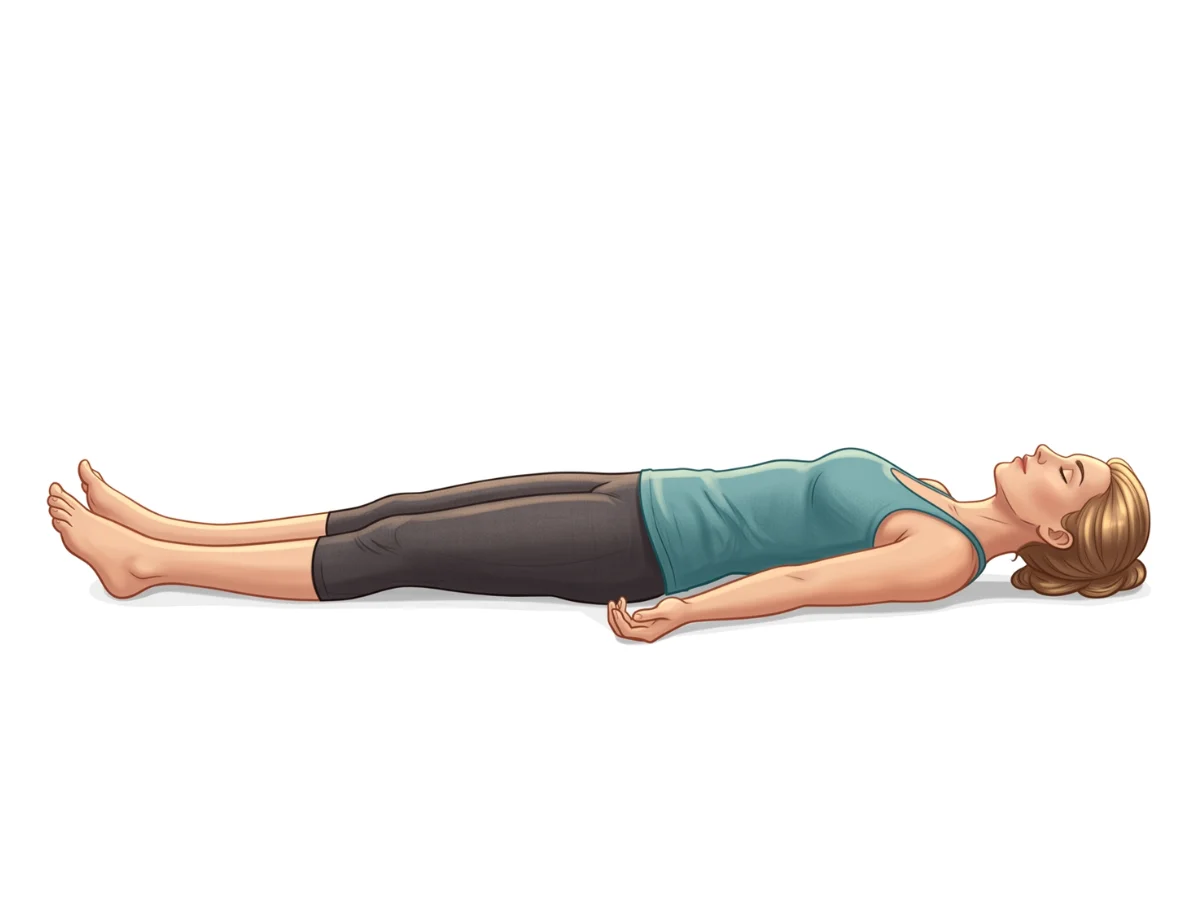
Corpse Pose
SavasanaAllows the body and nervous system to completely integrate the intense release.
Frequently Asked Questions
How can I stop my knees from hurting on the floor?
Always use extra padding. Fold your yoga mat over to double the thickness, or place dedicated yoga blankets or knee pads directly under your knees.
Why is Frog Pose so uncomfortable?
The inner thighs and groin are deeply connected to our fight-or-flight response and often hold significant physical and emotional tension. Breathe deeply and back out slightly if the sensation shifts from intense stretch to sharp pain.
Is it normal if my hips don't touch the floor?
Yes, perfectly normal! Very few people have the anatomical structure or flexibility to touch their pelvis to the floor in this pose. Support yourself with a bolster if you feel you are holding tension to stay up.
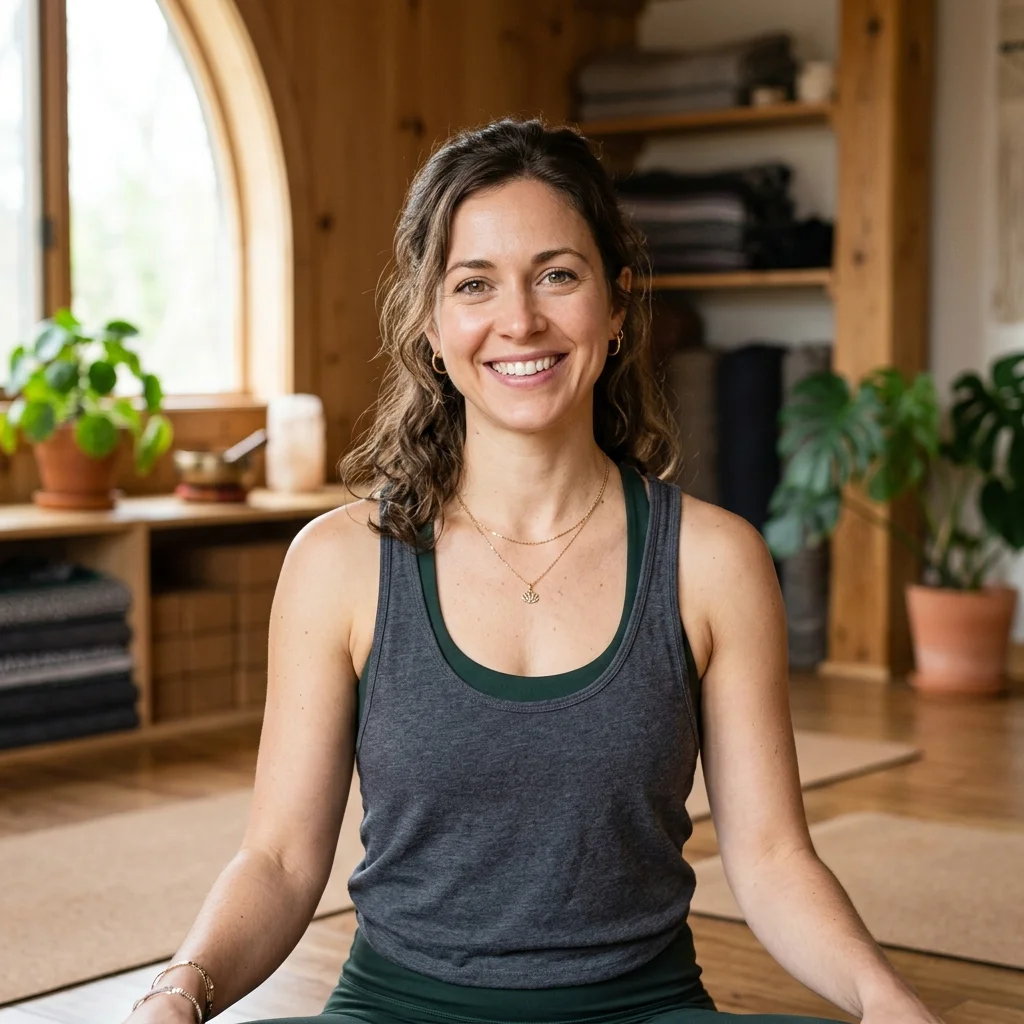
Elena Rostova is an accredited yoga educator and anatomy specialist with over 15 years of clinical experience. She focuses on functional biomechanics and injury prevention, translating complex anatomy into accessible guidance for safe, sustainable practice.
Read Full ProfileContinue Your Yoga Journey
Ready to deepen your practice? Explore our extensive library of poses, or join a structured program designed to build strength, flexibility, and mindfulness.