
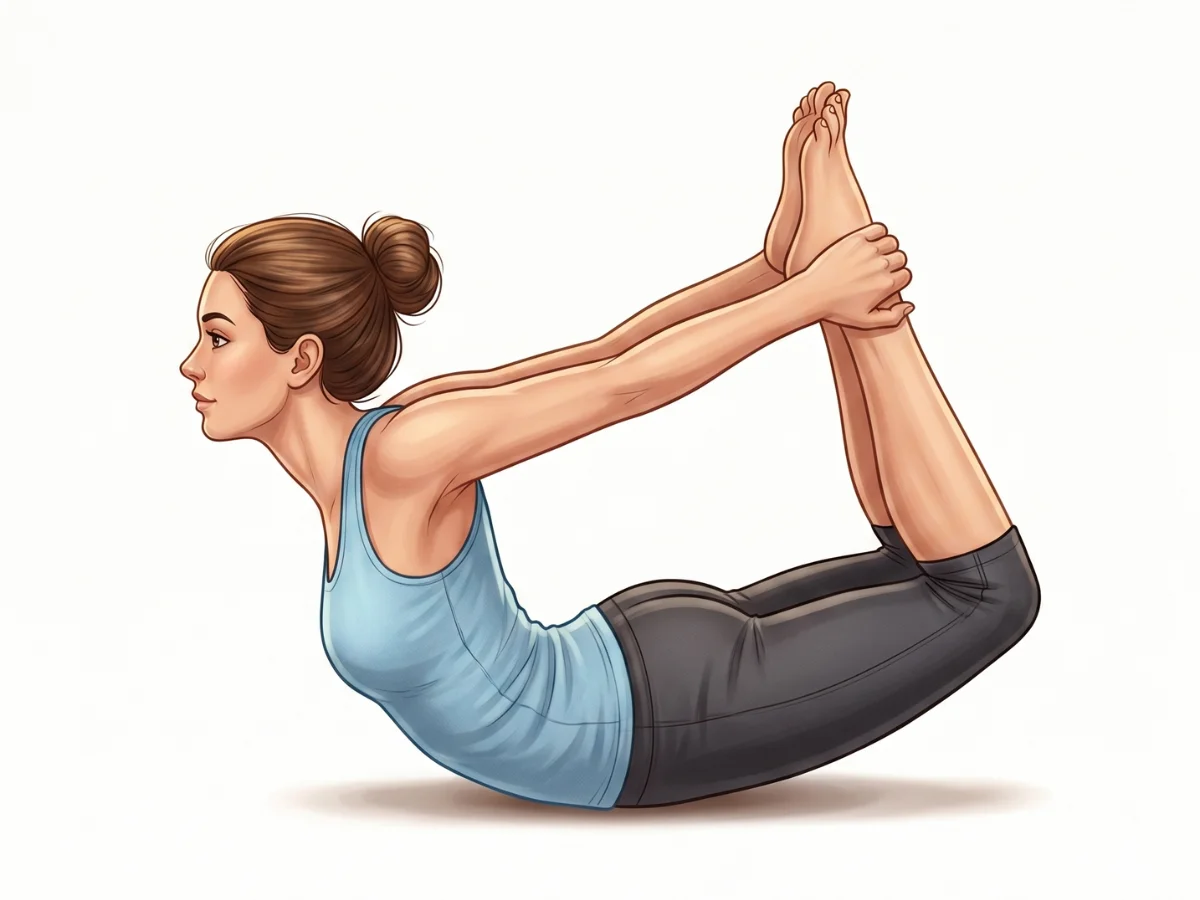
Bow Pose
Dhanurasana
By Elena Rostova Updated: verified Medically Reviewed
Bow Pose (Dhanurasana) is a powerful floor-based backbend that beautifully opens the entire front of the body while deeply strengthening the back muscles. Named for its resemblance to an archer's bow, this posture simultaneously engages the shoulders, chest, abdominals, and quadriceps.
Hold Time
20�30 sec � 4�6 breaths
Pronunciation
dah-noor-AHS-anna
About Bow Pose
Embodying the beauty found in nature, Bow (Dhanurasana) helps anchor the body while creating a wonderful sense of space. It primarily targets the full body stretch & back strength, helping to create length and strength exactly where you need it most. Practicing this pose regularly helps with deeply stretches the front body and leaves you feeling completely refreshed.
How to Practice
Prone Foundation
Begin by lying flat on your stomach in Reverse Corpse Pose. Rest your arms quietly by your sides with your palms facing upward.
Bend the Knees
Exhale slowly as you bend your knees, drawing your heels as close to your glutes as comfortably possible while keeping your knees hip-width apart.
Grip the Ankles
Reach your hands backward and firmly grasp the outsides of your ankles. If reaching the ankles is difficult, use a yoga strap looped around the front of your ankles.
Inhale to Lift
Take a deep inhalation as you strongly kick your feet backward and upward into your hands. This action will naturally peel your chest, shoulders, and head off the mat.
Lift the Thighs
Continue to kick your feet up and back to lift your thighs higher off the floor. Keep your knees from splaying wider than your hips.
Open the Chest
Draw your shoulder blades firmly together and down your back. Let the tension between your kicking legs and grasping arms create a profound opening across your collarbones.
Hold and Breathe
Balance on your navel center or lower abdomen. Breathe softly into the back of your rib cage, holding the pose for 20 to 30 seconds.
Release Safely
To exit the posture, exhale gently as you release your grip on your ankles and lower your thighs, chest, and head slowly back to the floor.
Practice with the Yoga Timer
Keep track of your hold time and breath count for this pose.
Beginner Modifications & Prop Options
Yoga is a personal journey. These modifications and prop options allow you to adapt the pose to your current level of balance and flexibility, ensuring a safe and supportive practice.
Use a Yoga Strap
Loop a strap around the front of both ankles and hold the ends with your hands. Kick into the strap to lift your chest without straining to reach the feet.
Tip: Focus on alignment rather than depth.
One-Sided Bow (Half Bow)
Practice Half Bow Pose (Ardha Dhanurasana) by reaching for only one ankle at a time while resting your other forearm on the mat in front of you.
Tip: Focus on alignment rather than depth.
Benefits of Bow Pose
Deeply Stretches the Front Body
Effectively elongates the quadriceps, hip flexors (psoas), abdominals, chest, and anterior deltoids.
Strengthens the Back Musculature
Fires up the erector spinae, latissimus dorsi, and rhomboids to maintain the lift against gravity.
Improves Spinal Flexibility
Encourages full spinal extension, helping to counteract the habitual forward slouching of daily life.
Stimulates Abdominal Organs
Balancing on the abdomen provides a gentle massage to the digestive organs, aiding in healthy digestion.
Common Mistakes to Avoid
Mistake: Splaying Knees Too Wide
How to fix: Actively hug your inner thighs toward each other so your knees remain hip-distance apart throughout the pose.
Mistake: Pulling with the Arms
How to fix: Rely on the backward kick of your legs to lift your chest, keeping your arms relatively straight like the string of a bow.
Safety and Precautions
Severe Back Injuries
Deep backbending can aggravate spinal issues, herniated discs, or severe lumbar strain.
Pregnancy
Avoid putting intense pressure on the abdomen during any stage of pregnancy.
Neck Issues
If you have cervical spine sensitivities, keep your gaze neutral or slightly downward instead of looking up.
Medical Disclaimer: If you have any of the above conditions, consult your doctor or a qualified yoga instructor before attempting this pose.
Muscles Worked in Bow Pose
Bow Pose demands synchronized muscular effort, creating a profound sense of engagement and release throughout the body. The activation of the primary muscles supports the structure, while the secondary muscles provide stability and balance.
Primary Muscles
Erector Spinae
Extends the spine deeply to lift the torso.
Quadriceps (Femoris)
Stretched powerfully across the front of the thighs.
Pectoralis Major
Lengthens profoundly to allow chest expansion.
Secondary Muscles
Gluteus Maximus
Engages to extend the hips and lift the thighs.
Rhomboids
Retract the scapulae to open the front of the shoulders.
Poses to Practice Before and After Bow Pose
Prepare with these Poses
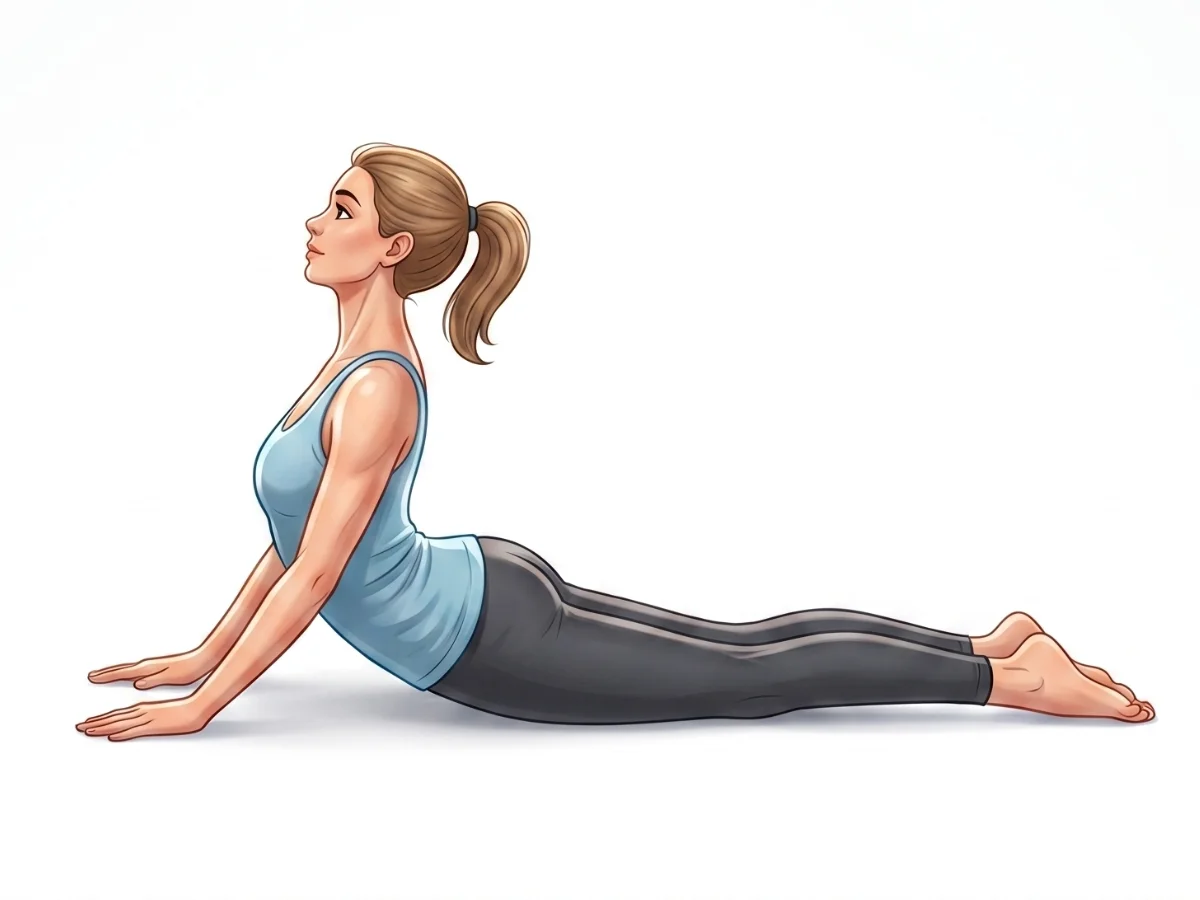
Cobra Pose
BhujangasanaGently prepares the spine for extension and opens the chest.
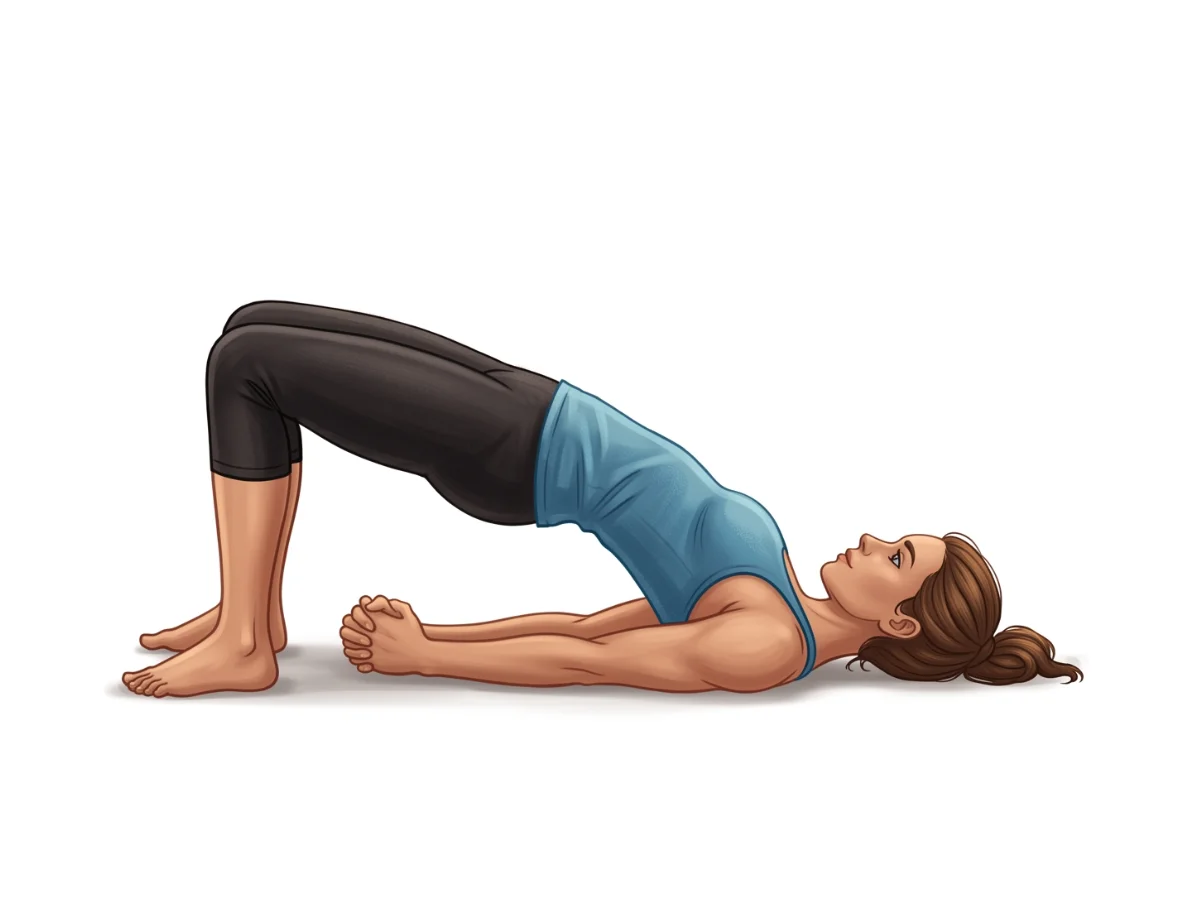
Bridge Pose
Setu BandhasanaActivates the backline of the body and opens the hip flexors in a supported manner.
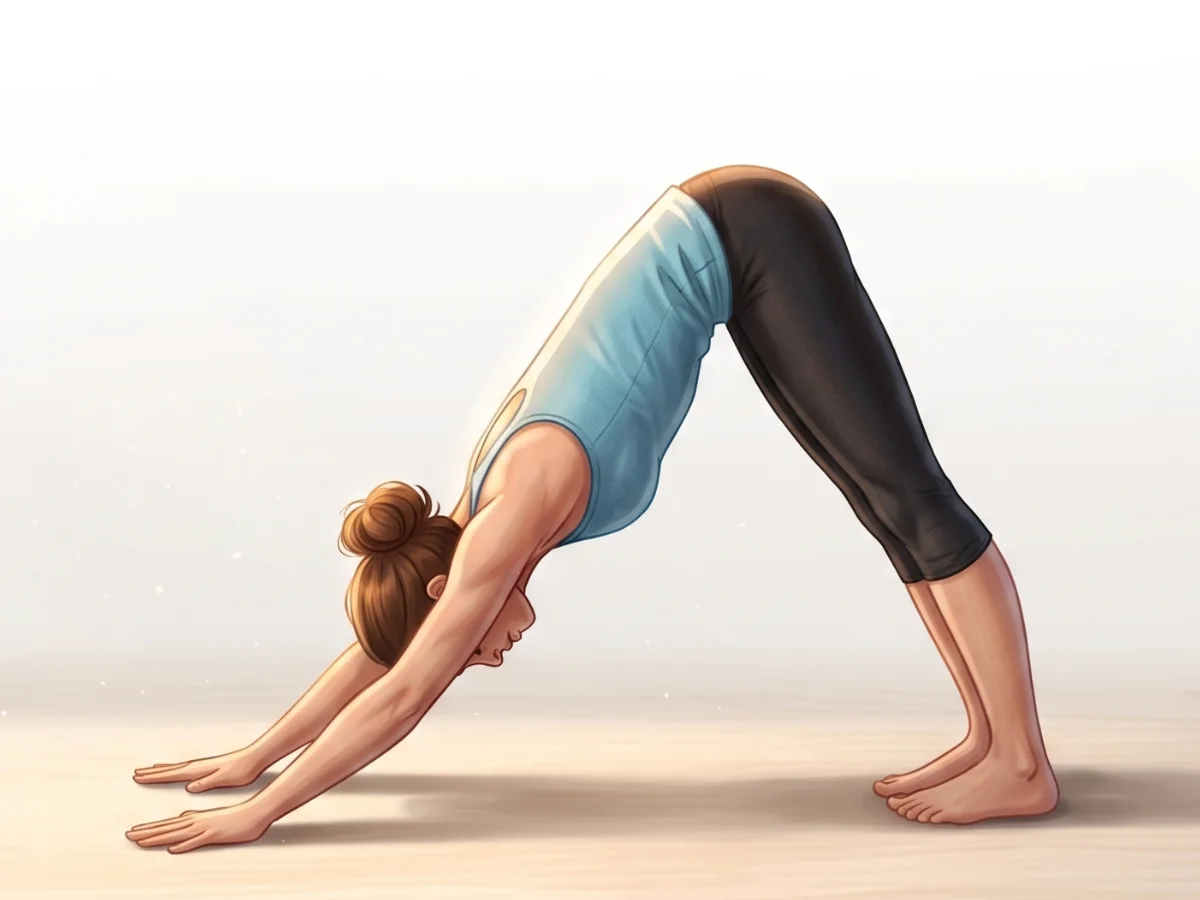
Follow with neutralizing Counter-poses
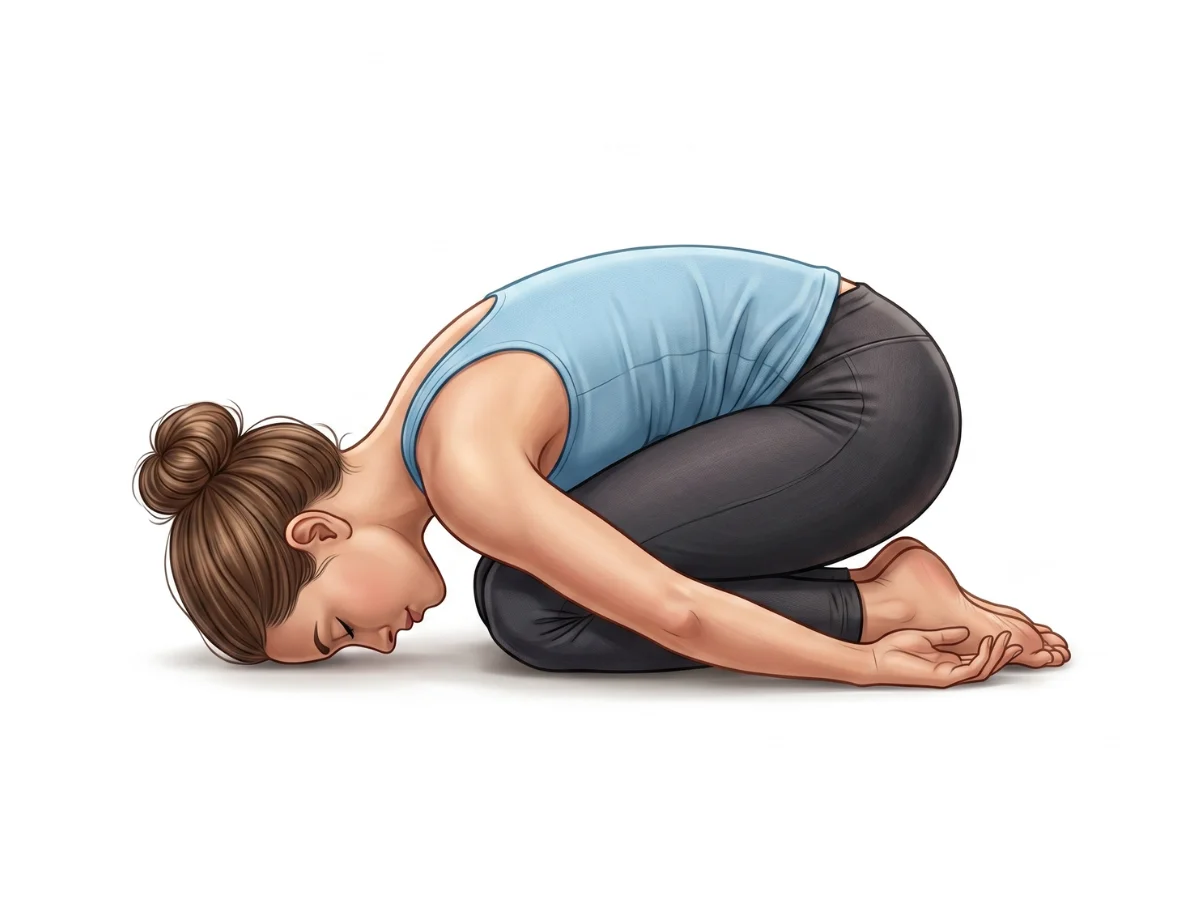
Frequently Asked Questions
Should my knees be together in Bow Pose?
Your knees should ideally be hip-width apart. Allowing them to splay wider can compress the lower back, while squeezing them completely together can be overly restrictive for the hips.
Is it normal to rock back and forth?
Yes. Because you are balancing on your abdomen, your natural breathing will cause a slight, soothing rocking motion.
Elena Rostova is an accredited yoga educator and anatomy specialist with over 15 years of clinical experience. She focuses on functional biomechanics and injury prevention, translating complex anatomy into accessible guidance for safe, sustainable practice.
Read Full ProfileContinue Your Yoga Journey
Ready to deepen your practice? Explore our extensive library of poses, or join a structured program designed to build strength, flexibility, and mindfulness.