
Firefly II
Tittibhasana B
By Elena Rostova Updated: verified Medically Reviewed
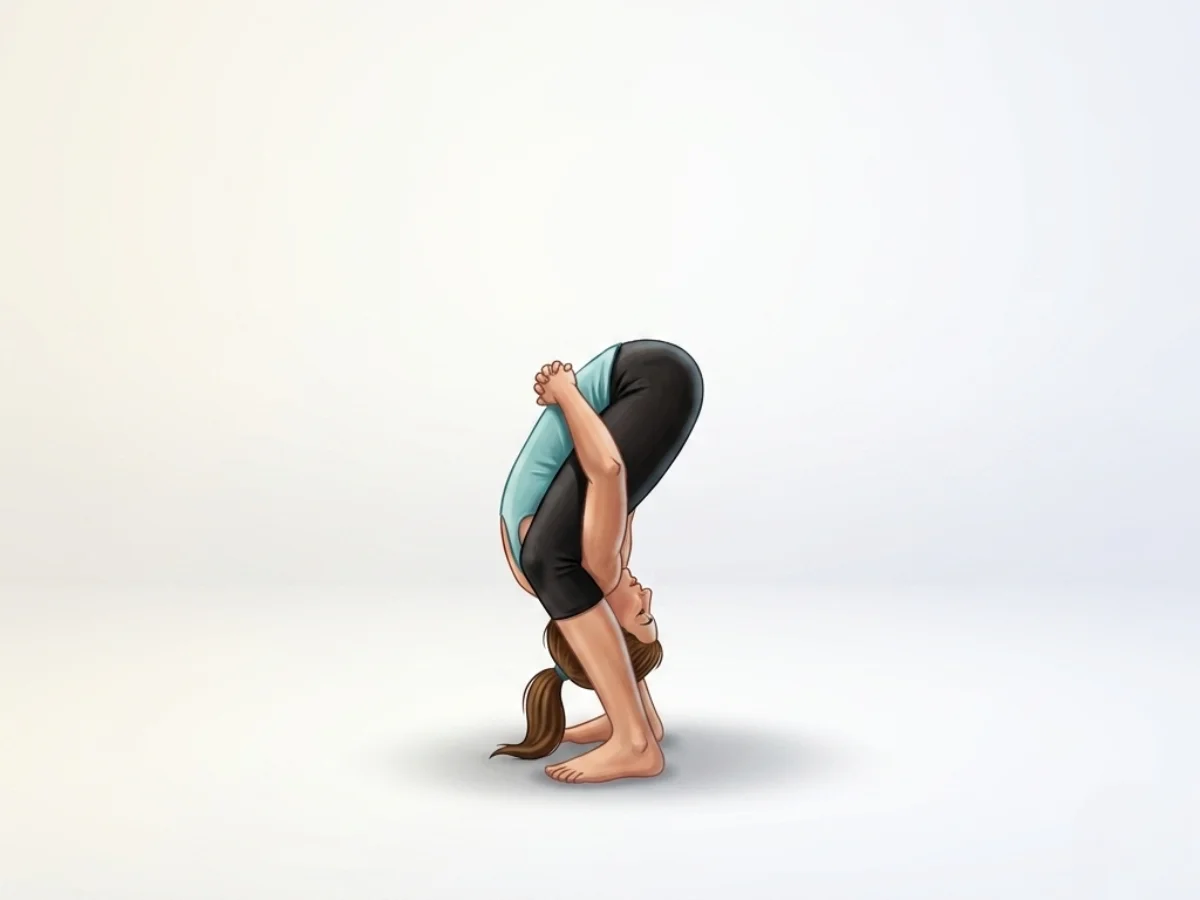
Firefly II (Tittibhasana B) is a profoundly intense standing forward fold found in the intermediate series of Ashtanga Yoga. In this advanced posture, the practitioner binds their arms behind their legs and actively pulls their torso backward until their head is positioned directly between or behind their shins.
Hold Time
5–10 deep breaths
Pronunciation
tih-tih-BHAHS-anna bee
About Firefly II
Commonly practiced as Firefly II (Tittibhasana B), this dynamic posture is beautifully designed to help unlock tension. As you settle into the shape, it gently works the intense hamstring & spine flexibility to increase your overall flexibility. Practicing this pose regularly helps with profoundly stretches hamstrings and leaves you feeling completely refreshed.
How to Practice
Start in a Wide Stance
Begin standing with your feet parallel and spread slightly wider than hip-width apart. Ground down through the four corners of both feet.
Fold Forward
Exhale deeply as you hinge at your hips, folding your torso forward into a Standing Forward Bend (Uttanasana variation). Let your knees bend slightly if needed.
Thread the Arms
Reach your arms between your legs. Bend your elbows and wrap your arms around the outside of your calves and ankles.
Create the Bind
Bring your hands behind your lower back or upper glutes and interlace your fingers, or grasp one wrist with the opposite hand if your flexibility allows.
Pull the Torso Through
On an exhale, use the leverage of your bound arms against your legs to pull your torso deeper between your thighs. Aim to bring your chest behind your knees.
Straighten the Legs
Slowly begin to straighten your legs by lifting your kneecaps and engaging your quadriceps. This will intensify the stretch along your entire posterior chain.
Position the Head
Gently guide your head down and back, striving to place the back of your neck or head between your shins.
Hold and Breathe
Hold this intense forward compression for 5 to 10 deep, steady breaths. Keep your core engaged (Uddiyana Bandha) to protect the lower back.
Release Safely
To exit, inhale as you bend your knees slightly, unbind your hands, and place your palms on the floor in front of you.
Return to Standing
Slowly roll up to a standing position, or transition smoothly into the next posture in your sequence (such as Firefly III).
Practice with the Yoga Timer
Keep track of your hold time and breath count for this pose.
Beginner Modifications & Prop Options
Yoga is a personal journey. These modifications and prop options allow you to adapt the pose to your current level of balance and flexibility, ensuring a safe and supportive practice.
Bent Knees (No Bind)
Keep knees generously bent. Thread arms through your legs and hold your ankles instead of binding behind your back to safely build hip flexion.
Tip: Focus on alignment rather than depth.
Using a Strap
Hold a yoga strap in one hand before threading arms. Grab the other end behind your back, slowly walking hands closer over time.
Tip: Focus on alignment rather than depth.
Benefits of Firefly II
Profoundly Stretches Hamstrings
The leverage created by the arm bind forces the hamstrings into their maximum range of extension, increasing elasticity over time.
Decompresses the Lumbar Spine
Folding so deeply while pulling the torso through the legs creates intense traction along the spine, relieving pressure on the intervertebral discs.
Opens the Shoulders
Binding the hands behind the back while the arms are threaded around the legs stretches the deltoids and pectorals significantly.
Stimulates Abdominal Organs
The deep compression of the torso against the thighs massages the digestive organs, promoting detoxification and efficient digestion.
Calms the Nervous System
As an extreme forward fold, the pose draws blood to the brain and activates the parasympathetic nervous system, inducing a deep state of introversion.
Common Mistakes to Avoid
Mistake: Forcing Straight Legs
How to fix: Prioritize the depth of the torso fold with bent knees first. Straighten the legs incrementally over months of practice.
Mistake: Rounding the Upper Back Excessively
How to fix: Ensure the movement initiates from a deep anterior pelvic tilt at the hips, keeping the spine relatively long as you pull through.
Mistake: Holding the Breath
How to fix: Direct your breath into your back body. Focus on smooth, continuous exhales to signal safety to your nervous system.
Safety and Precautions
Hamstring Tears or Sciatica
The extreme stretch will aggravate any acute or healing hamstring injury or sciatic nerve pain. Avoid entirely until fully healed.
Lower Back Injuries
Herniated discs or severe lumbar strain can be worsened by the intense spinal flexion under load.
High Blood Pressure or Glaucoma
Keeping the head below the heart in an intense compression for extended periods can dangerously spike pressure in the head and eyes.
Medical Disclaimer: If you have any of the above conditions, consult your doctor or a qualified yoga instructor before attempting this pose.
Muscles Worked in Firefly II
Firefly II demands synchronized muscular effort, creating a profound sense of engagement and release throughout the body. The activation of the primary muscles supports the structure, while the secondary muscles provide stability and balance.
Primary Muscles
Hamstrings
Stretch to their absolute maximum limit as the legs straighten.
Erector Spinae
Lengthen deeply as the torso is pulled backward through the legs.
Quadriceps
Contract forcefully to straighten the legs and reciprocally inhibit the hamstrings.
Secondary Muscles
Anterior Deltoids
Stretch intensely due to the internal rotation and bind behind the back.
Transversus Abdominis
Engages to compress the abdomen and deepen the fold.
Poses to Practice Before and After Firefly II
Prepare with these Poses
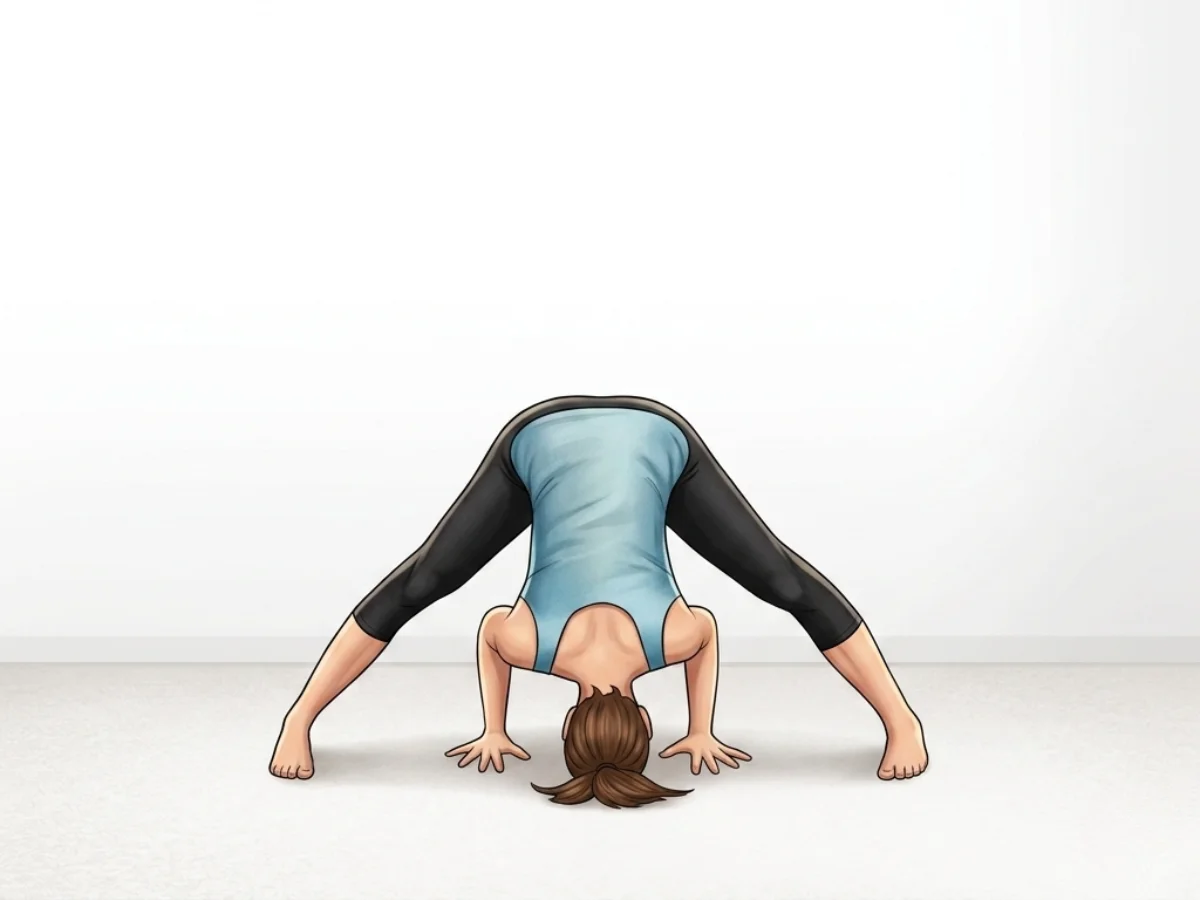
Wide Legged Forward Bend I
Prasarita Padottanasana ASafely opens the hamstrings, groins, and lower back in preparation for deeper folds.
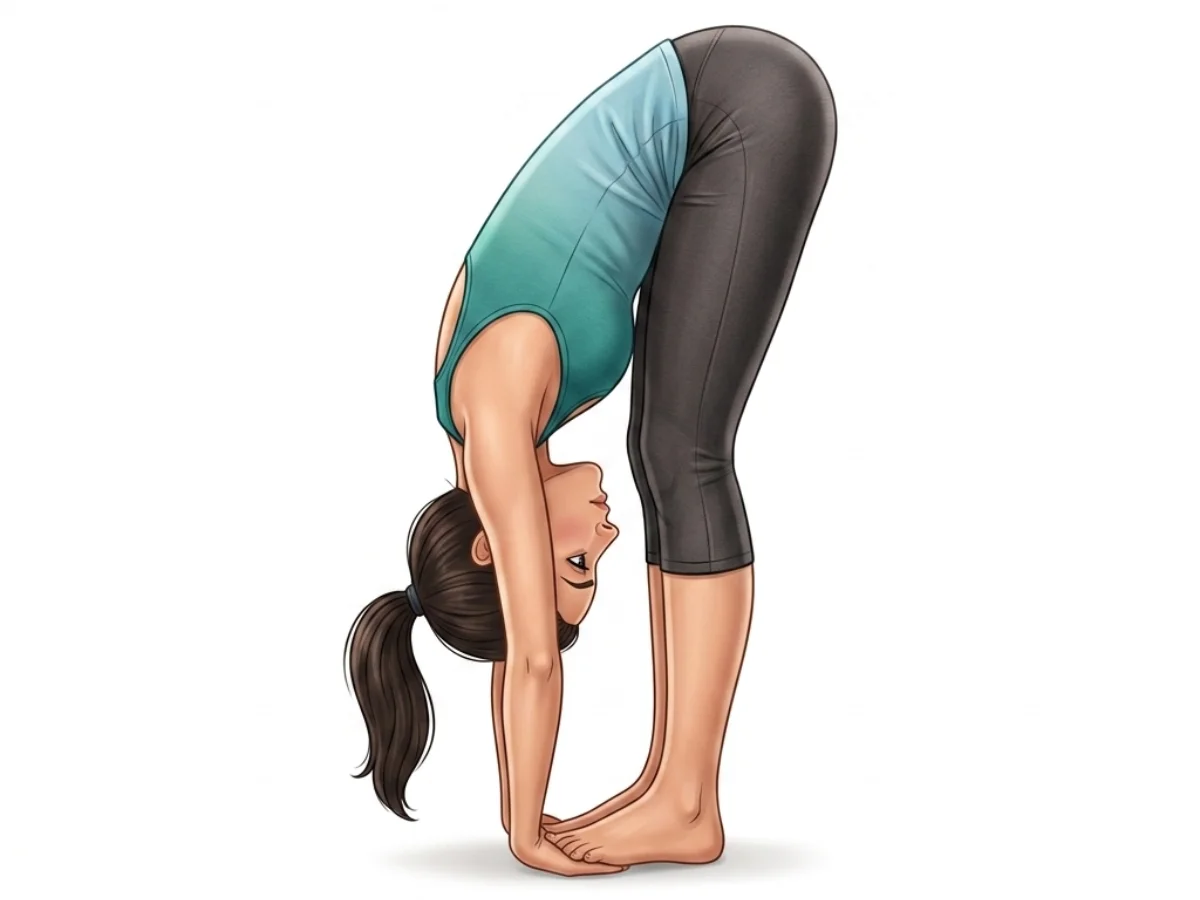
Gorilla
Pada HastasanaBuilds intense hamstring flexibility while teaching the body to fold deeply with engaged quads.
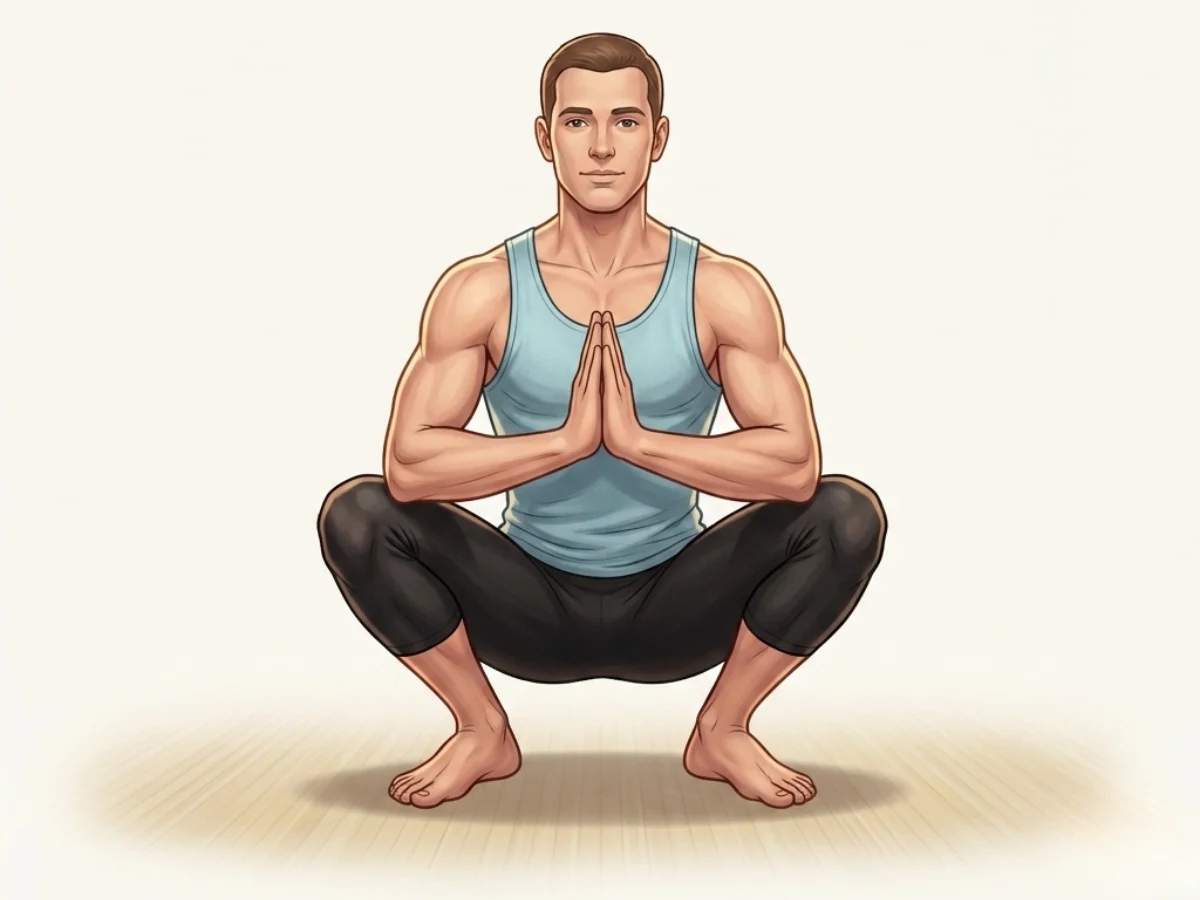
Garland
MalasanaOpens the hips and decompresses the lumbar spine before intense forward flexion.
Follow with neutralizing Counter-poses
Garland
MalasanaA gentle squat that releases the intense stretch on the hamstrings while keeping the spine neutralized.
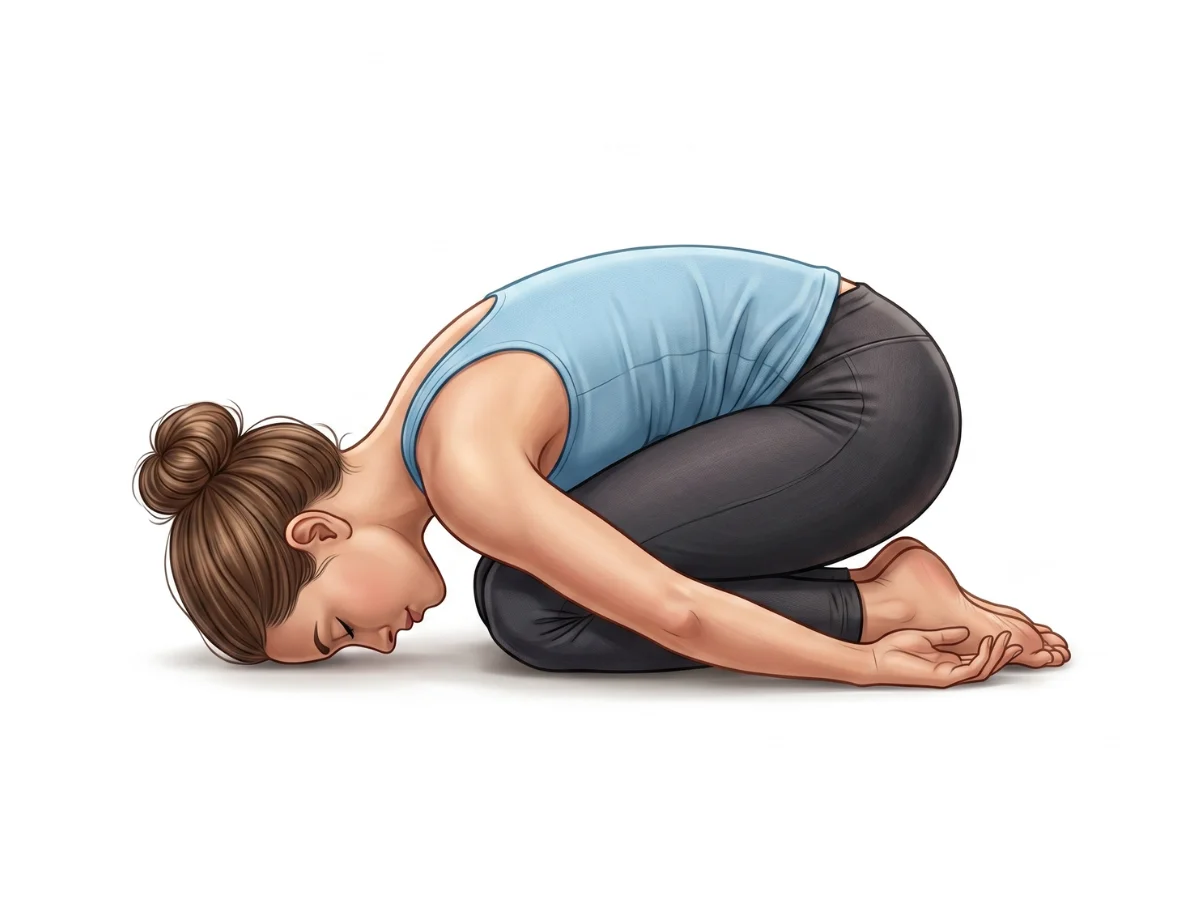
Child's
BalasanaAllows the entire body to rest and the nervous system to recover from the intense compression.
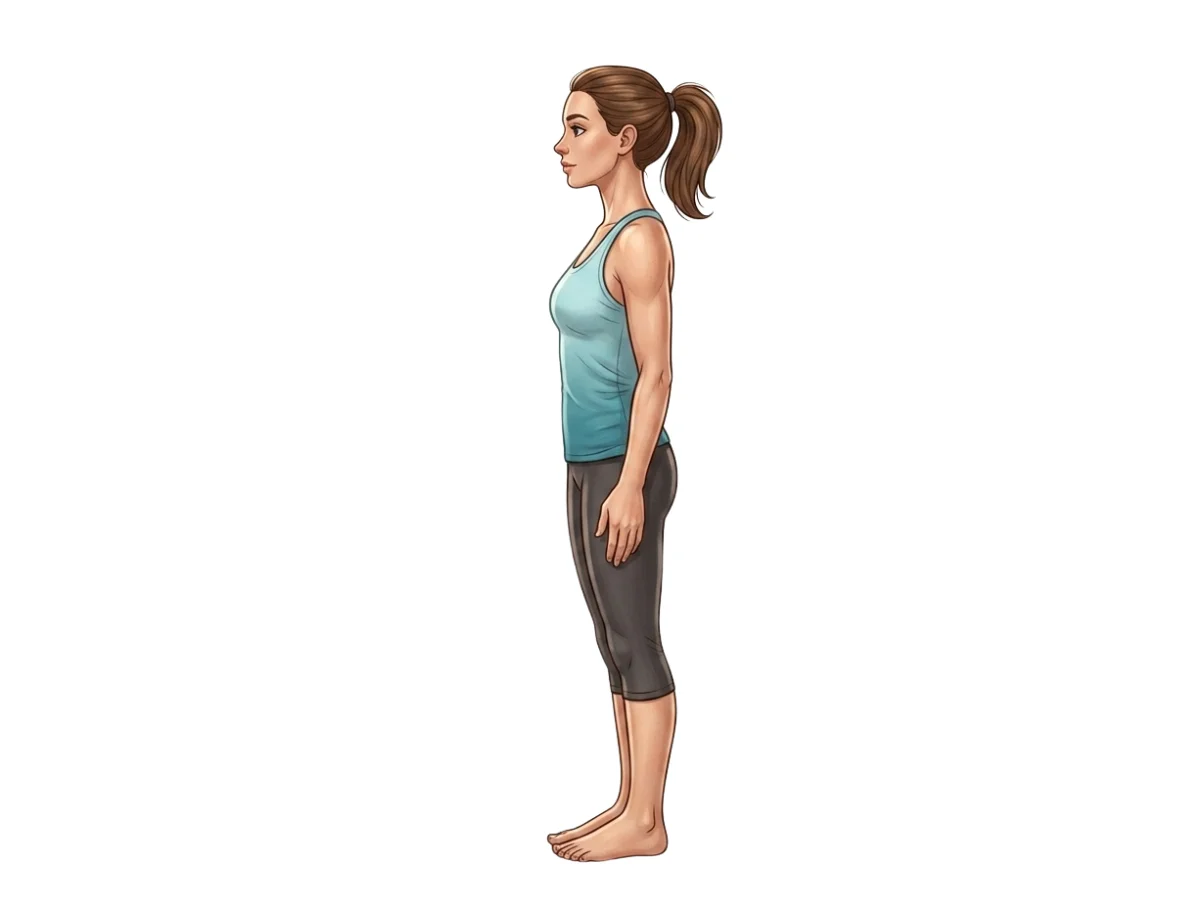
Mountain Pose
TadasanaReturns the body to an upright, neutral alignment, normalizing blood pressure and respiration.
Frequently Asked Questions
How long does it take to get your head behind your legs?
This requires master-level flexibility. For most practitioners, it takes several years of dedicated, daily practice to open the hamstrings and hips enough to place the head behind the shins safely.
Is it normal to feel dizzy coming out of Firefly II?
Yes, very normal. You are releasing an intense compression where the head was far below the heart.

Elena Rostova is an accredited yoga educator and anatomy specialist with over 15 years of clinical experience. She focuses on functional biomechanics and injury prevention, translating complex anatomy into accessible guidance for safe, sustainable practice.
Read Full ProfileContinue Your Yoga Journey
Ready to deepen your practice? Explore our extensive library of poses, or join a structured program designed to build strength, flexibility, and mindfulness.