
Gorilla Pose
Padahastasana
By Elena Rostova Updated: verified Medically Reviewed
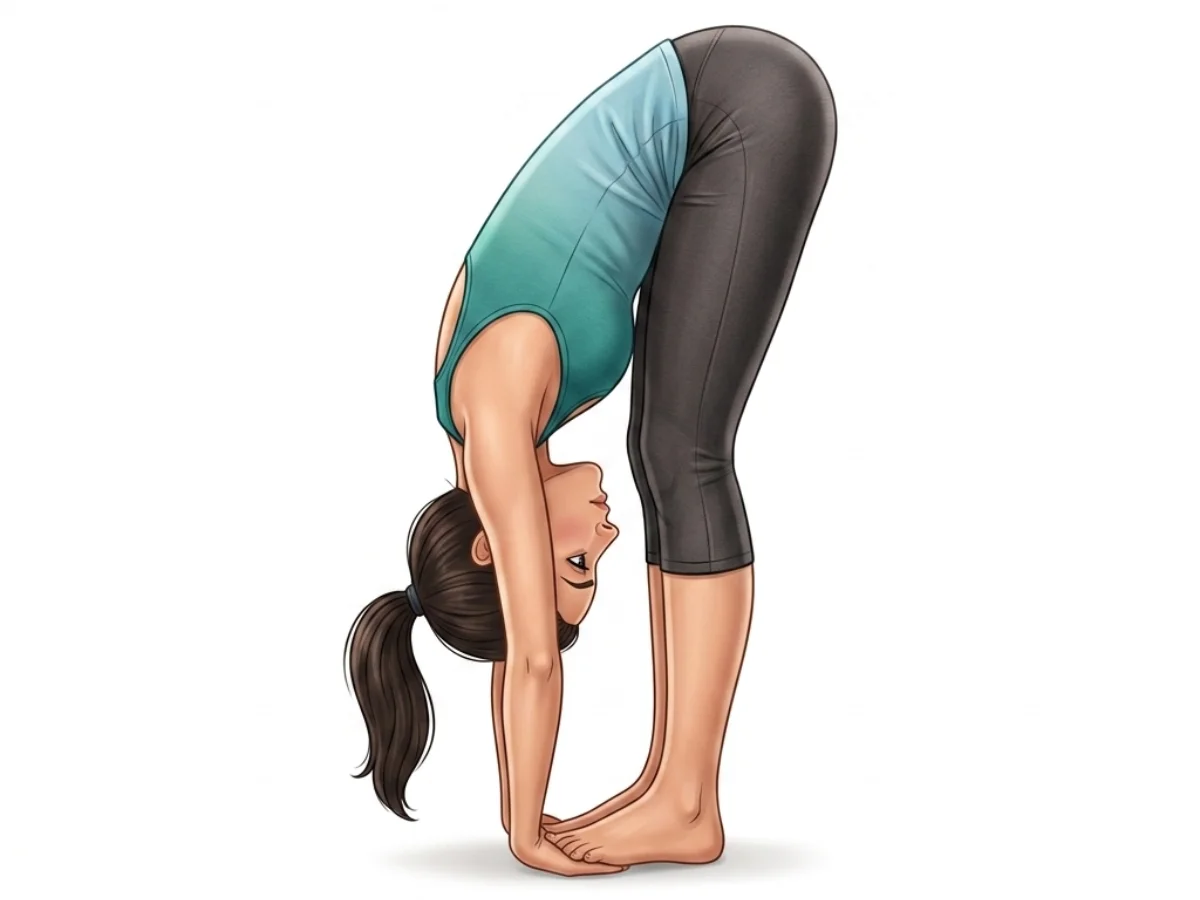
Gorilla Pose (Padahastasana), is an intense forward bend that offers a powerful release for the entire back body. By stepping on the palms of your hands, this posture provides an incredible stretch for the hamstrings, calves, and lower back, while simultaneously massaging the wrists.
Hold Time
30–60 sec · 5–10 breaths
Pronunciation
pah-dah-hah-STAH-sah-nah
About Gorilla Pose
Often praised by experienced instructors, Gorilla Pose (Padahastasana) acts as a powerful tool for finding balance and realignment. By gently focusing on hamstring flexibility & wrist release, it actively stretches your muscles and builds heat. Practicing this pose regularly helps with deep hamstring stretch and leaves you feeling completely refreshed.
How to Practice
Standing Foundation
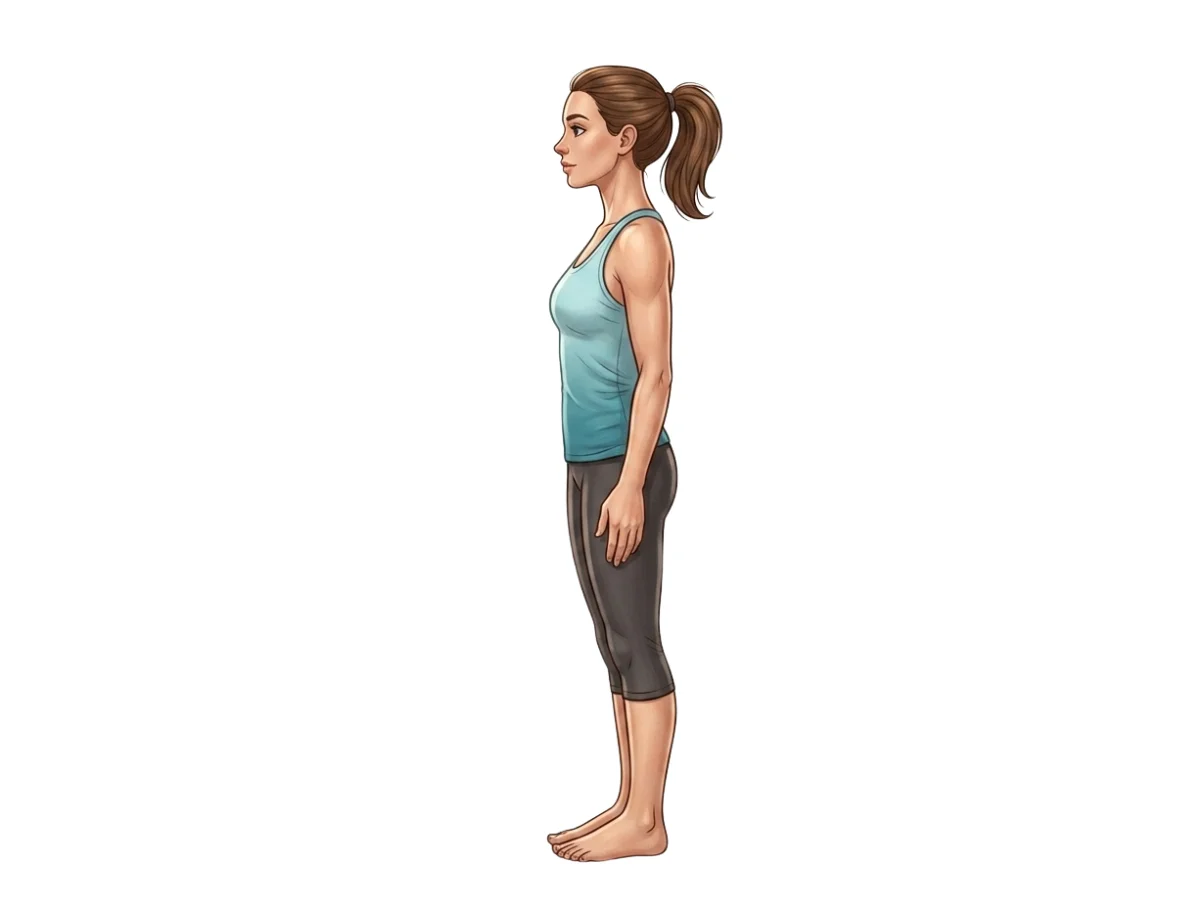
Begin standing at the top of your mat in Mountain Pose (Tadasana), with your feet planted firmly, hip-distance apart and parallel.
Hinge from the Hips
Exhale deeply as you bend your knees slightly and hinge forward from your hips, keeping your torso long as you drape it over your thighs.
Position the Hands
Lift the front of your feet, slightly bending your knees if necessary, and slide your hands underneath your feet from the front. The palms should face up, with your toes pressing into your wrist creases.
Connect Feet to Hands
Let your toes gently massage the base of your thumbs. Allow the weight of your body to shift slightly forward toward the balls of your feet, pressing firmly into your palms.
Lengthen and Fold
Inhale to lift your head and lengthen your spine, bringing your chest forward slightly. Then, exhale to fold deeper, letting your head hang heavy toward the floor.
Bend the Elbows
As you fold, actively bend your elbows out to the sides, drawing your upper body closer to your lower body while keeping your shoulders relaxed and away from your ears.
Hold and Breathe
Remain in this forward bend for 5 to 10 deep, steady breaths. With each exhalation, see if you can surrender deeper into the posture.
Release Hands
To exit the pose safely, release your hands from underneath your feet one at a time. Bring your hands to your hips.
Rise with a Flat Back
Press firmly through your feet, engage your core, and inhale as you rise to standing with a flat back.
Return to Center
Exhale to release your arms back to your sides, returning to Mountain Pose to observe the effects in your body.
Practice with the Yoga Timer
Keep track of your hold time and breath count for this pose.
Beginner Modifications & Prop Options
Yoga is a personal journey. These modifications and prop options allow you to adapt the pose to your current level of balance and flexibility, ensuring a safe and supportive practice.
Deeply Bent Knees
Bend your knees generously so your torso rests fully on your thighs. This protects the spine while still allowing you to receive the wrist massage.
Tip: Focus on alignment rather than depth.
Hands on Shins or Blocks
Rest your hands on your shins or on yoga blocks beside your feet. Focus on lengthening the spine and stretching hamstrings safely.
Tip: Focus on alignment rather than depth.
Partial Hand Placement
Slide just your fingers under the toes instead of the entire hand. This reduces pressure on the carpal tunnel while offering a mild stretch.
Tip: Focus on alignment rather than depth.
Benefits of Gorilla Pose
Deep Hamstring Stretch
Provides an intense stretch to the hamstrings and calves, improving overall flexibility and mobility in the posterior chain.
Therapeutic Wrist Relief
By stepping on the palms, the pressure releases tension in the wrists, offering a perfect counter-stretch after poses like Downward Dog or handstands.
Calms the Nervous System
As an inversion and deep forward fold, it encourages blood flow to the brain, relieving stress, anxiety, and mild depression.
Stimulates Digestion
The compression of the abdomen against the thighs provides a gentle massage to internal organs, supporting healthy digestion.
Decompresses the Spine
Allowing the head to hang heavy uses gravity to create space between the cervical and lumbar vertebrae, relieving lower back tension.
Common Mistakes to Avoid
Mistake: Locking the Knees
How to fix: Keep a micro-bend in the knees at all times, or a deep bend if your hamstrings are tight.
Mistake: Shifting Weight Too Far Back
How to fix: Gently rock your weight forward into the balls of your feet, pressing the toes into the wrist creases.
Mistake: Rounding the Upper Back
How to fix: Focus on folding from the hips, keeping the front of the torso long, and let the head hang freely.
Safety and Precautions
Recent Lower Back Injury
Forward bending can exacerbate sciatica, herniated discs, or severe lumbar strain.
Severe Wrist Injuries
Putting body weight on injured wrists (e.g., severe carpal tunnel syndrome) should be avoided.
High Blood Pressure or Glaucoma
Inverting the head below the heart can increase pressure in the head and eyes.
Pregnancy
In later stages, taking a wider stance is required, and deep forward folds may be uncomfortable.
Medical Disclaimer: If you have any of the above conditions, consult your doctor or a qualified yoga instructor before attempting this pose.
Muscles Worked in Gorilla Pose
Gorilla Pose demands synchronized muscular effort, creating a profound sense of engagement and release throughout the body. The activation of the primary muscles supports the structure, while the secondary muscles provide stability and balance.
Primary Muscles
Hamstrings
Lengthens significantly to allow the forward fold.
Gastrocnemius (Calves)
Stretches as weight shifts forward onto the hands.
Erector Spinae
Releases and lengthens along the back of the spine.
Secondary Muscles
Quadriceps
Engages to keep the legs active and stabilize the knee joints.
Wrist Flexors
Stretches under the pressure of the feet.
Poses to Practice Before and After Gorilla Pose
Prepare with these Poses
Mountain Pose
TadasanaEstablishes basic standing alignment and grounds the feet.
Standing Forward Bend
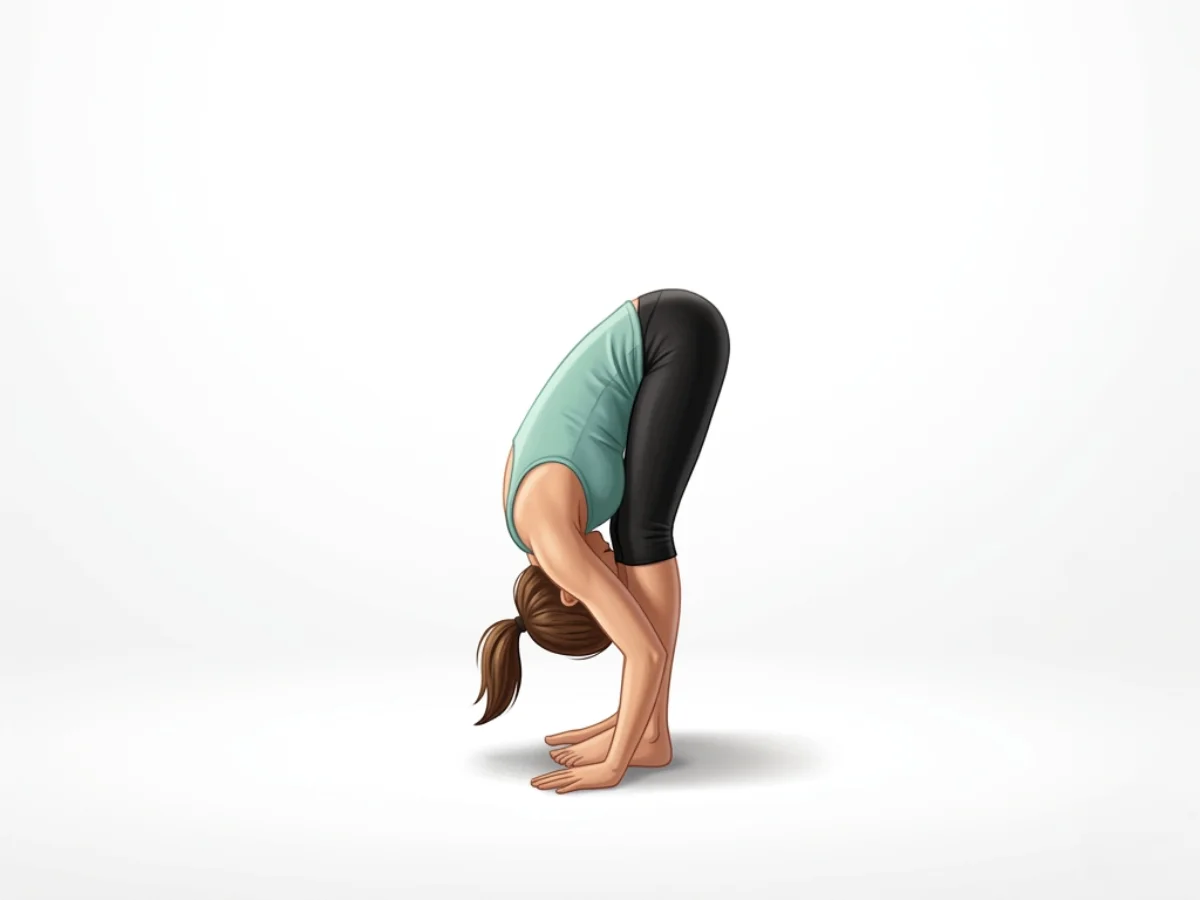
UttanasanaWarms up the hamstrings and lower back for a deeper fold.
Downward-Facing Dog
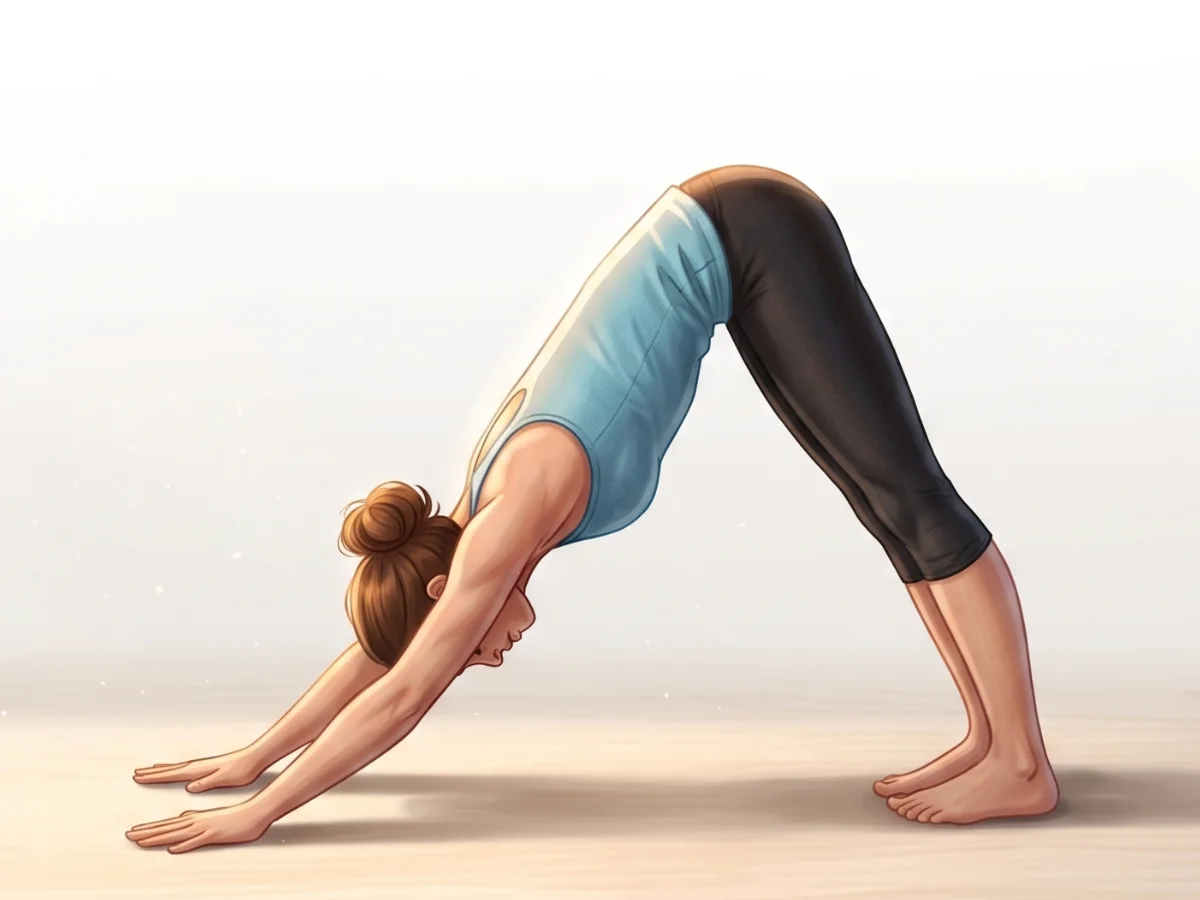
Adho Mukha SvanasanaCreates length along the entire posterior chain.
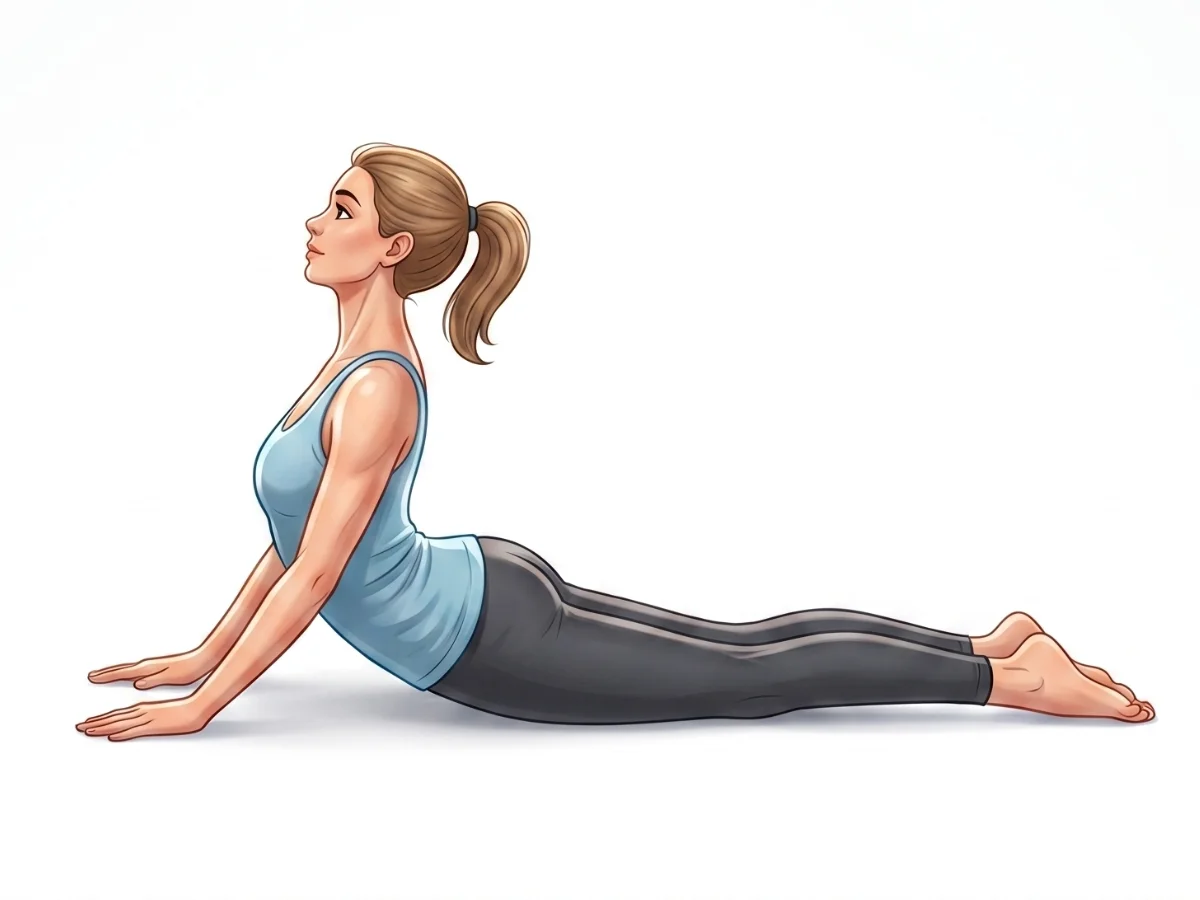
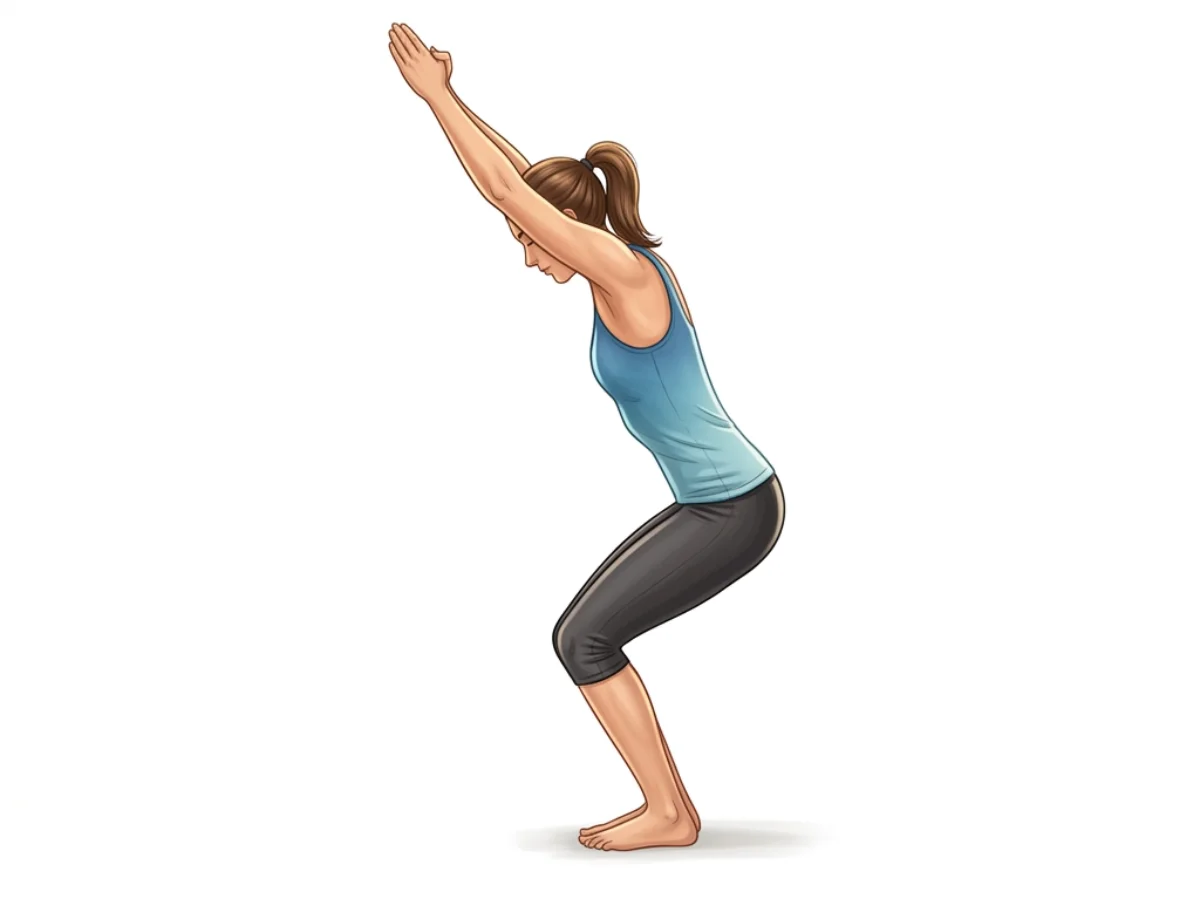
Follow with neutralizing Counter-poses
Frequently Asked Questions
Do my legs need to be perfectly straight?
No. In fact, keeping a slight micro-bend in the knees is safer for the joints.
How much weight should I put on my hands?
You should shift enough weight forward so your toes press into the creases of your wrists, but you should not feel pain. The sensation should be a therapeutic massage, not a crushing pressure.
What if my hands don't reach my feet?
If your hands don't comfortably reach under your feet, bend your knees as much as needed until they do. Alternatively, hold onto your ankles or use blocks under your hands.
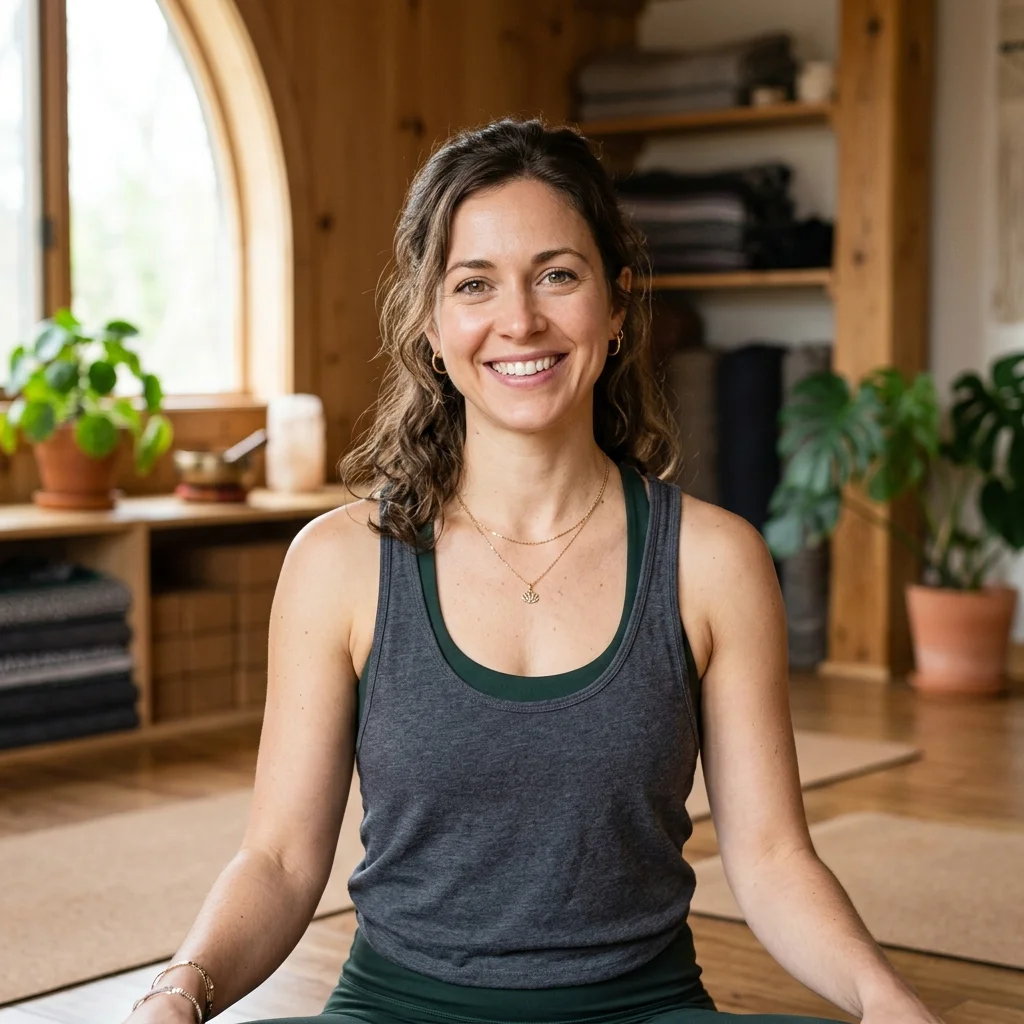
Elena Rostova is an accredited yoga educator and anatomy specialist with over 15 years of clinical experience. She focuses on functional biomechanics and injury prevention, translating complex anatomy into accessible guidance for safe, sustainable practice.
Read Full ProfileContinue Your Yoga Journey
Ready to deepen your practice? Explore our extensive library of poses, or join a structured program designed to build strength, flexibility, and mindfulness.