
Upward-Facing Dog
Urdhva Mukha Svanasana
By Elena Rostova Updated: verified Medically Reviewed
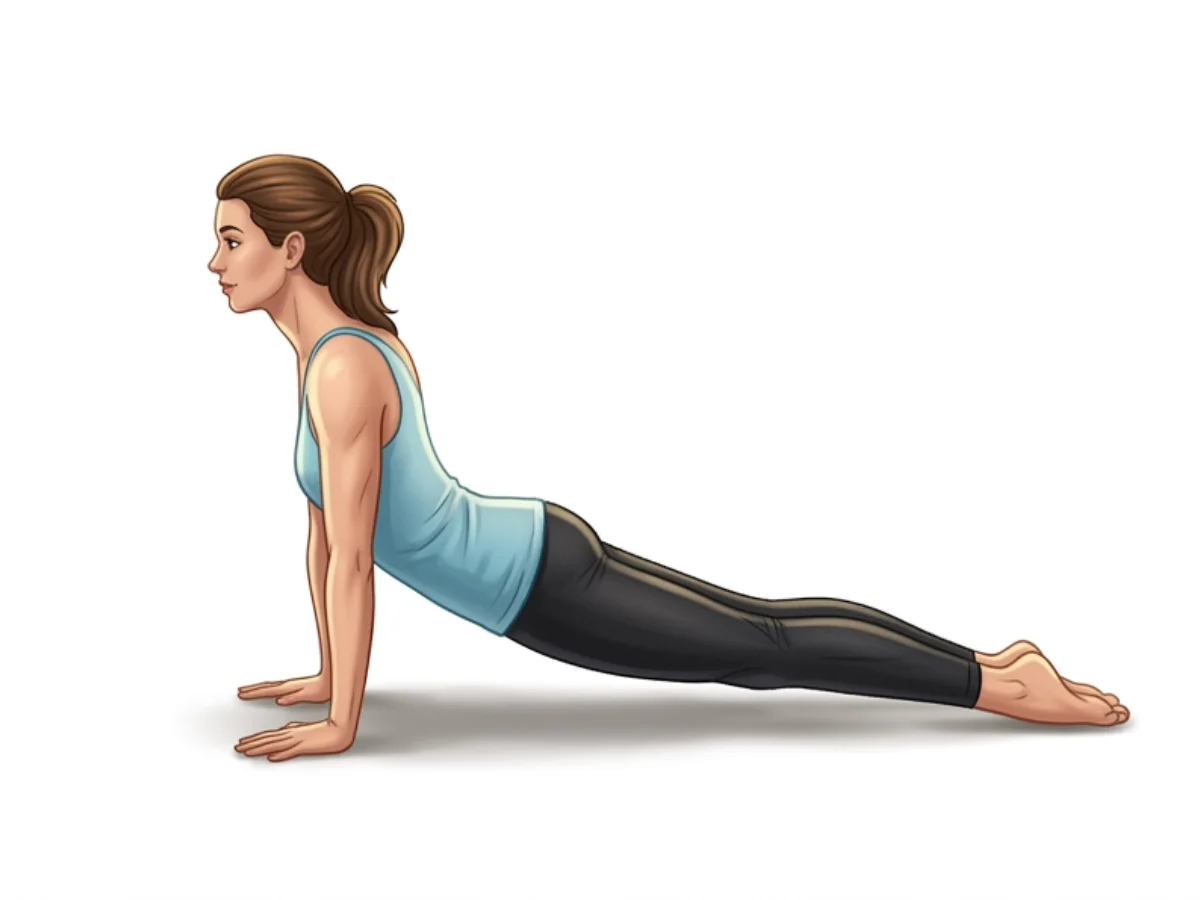
Upward-Facing Dog (Urdhva Mukha Svanasana) is a powerful chest-opening backbend that frequently serves as a core component of the Sun Salutation (Surya Namaskar) sequence. By supporting the body's weight purely on the hands and the tops of the feet, it strengthens the arms and spine while deeply stretching the front torso.
Hold Time
3–5 breaths
Pronunciation
OORD-vah MOO-kah shvah-NAHS-anna
About Upward-Facing Dog
Drawing inspiration from nature, Upward-Facing Dog (Urdhva Mukha Svanasana) is a powerful pose that encourages a deep connection to movement. As you settle into the shape, it gently works the chest opening & arm strength to increase your overall flexibility. Ultimately, it is a fantastic pose for strengthens the spine and arms, leaving you with a profound sense of grounded energy.
How to Practice
Prone Foundation
Lie on your stomach with your legs extended straight back, hip-width apart. Rest the tops of your feet flat on the floor.
Hand Placement
Bend your elbows and place your palms flat on the mat directly alongside your lower ribs. Point your fingers straight forward.
Engage Legs and Core
Press the tops of your feet firmly into the mat so your knees and thighs lift slightly off the floor. Draw your lower belly in to protect your lumbar spine.
Inhale and Lift
On an inhalation, press firmly into your hands and straighten your arms, simultaneously lifting your torso, hips, and thighs off the mat.
Open the Chest
Roll your shoulders back and down away from your ears. Firm your shoulder blades against your back and lift your sternum proudly forward and upward.
Align the Neck
Keep your neck long. You can look straight ahead or gaze slightly upward, but avoid aggressively throwing your head back and crunching the cervical spine.
Hold and Breathe
Hold the posture for 3 to 5 deep breaths, maintaining active engagement in your legs to keep your lower back spacious and safe.
Exhale and Release
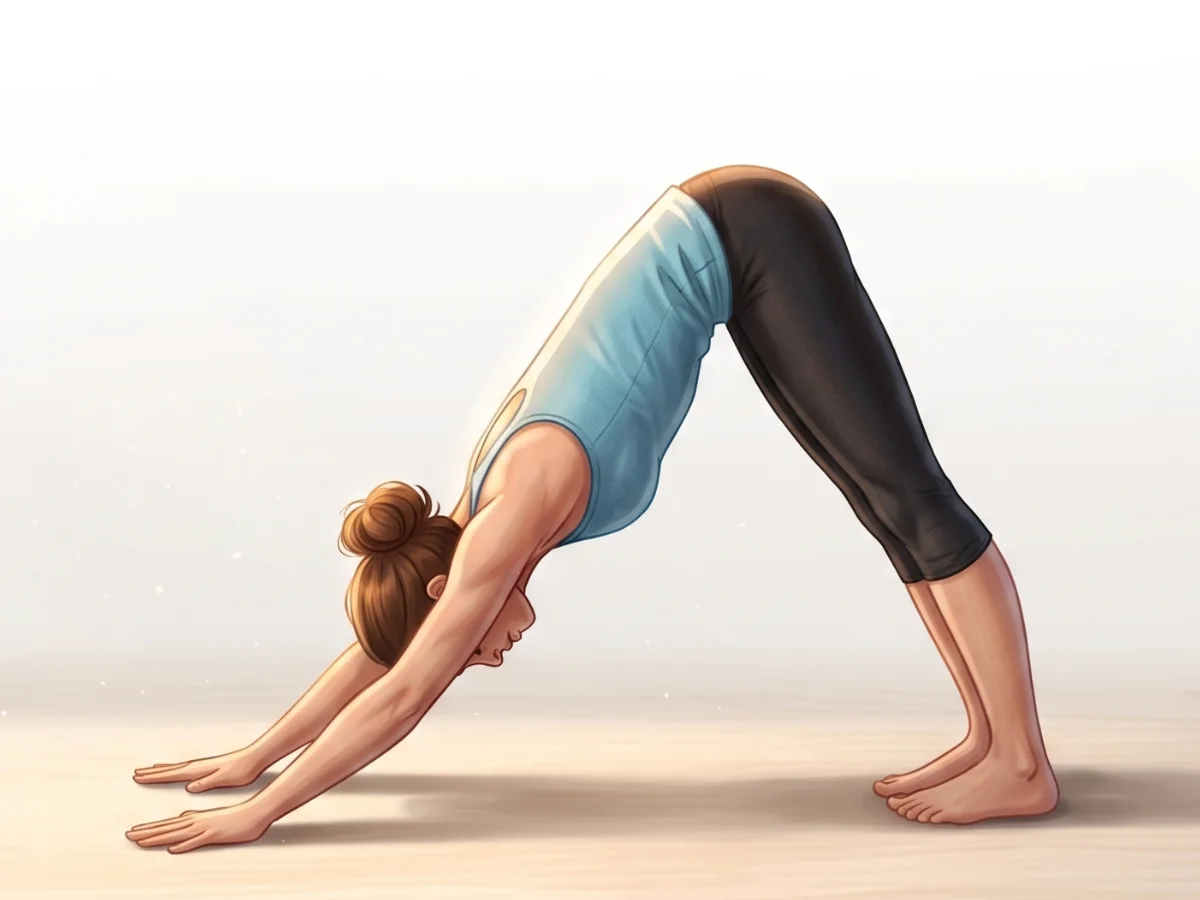
To exit, exhale as you slowly bend your elbows and lower your torso and thighs back down to the mat, or transition smoothly into Downward-Facing Dog.
Practice with the Yoga Timer
Keep track of your hold time and breath count for this pose.
Beginner Modifications & Prop Options
Yoga is a personal journey. These modifications and prop options allow you to adapt the pose to your current level of balance and flexibility, ensuring a safe and supportive practice.
Substitute with Cobra Pose
If Upward Dog causes lower back compression, keep your thighs and pelvis on the floor and practice Cobra Pose (Bhujangasana) instead, keeping the elbows bent.
Tip: Focus on alignment rather than depth.
Use Blocks Under Hands
Place blocks under your palms to give yourself more height, making it easier to lift the thighs and pull the chest through the arms.
Tip: Focus on alignment rather than depth.
Keep Knees Down
Leave your knees resting on the mat while lifting the hips and chest. This reduces the weight load while you learn the spinal action.
Tip: Focus on alignment rather than depth.
Benefits of Upward-Facing Dog
Strengthens the Spine and Arms
Bearing the body's weight on the arms builds triceps and shoulder strength, while the back muscles work to hold the spinal extension.
Deeply Stretches the Chest and Lungs
Expands the thoracic cavity, stretching the pectoralis muscles and increasing lung capacity for deeper breathing.
Improves Posture
Counteracts the effects of sitting and slouching by opening the front body and reinforcing the muscles of the upper back.
Stimulates Abdominal Organs
The stretch across the abdomen can aid digestion and massage the internal organs gently.
Energizes the Nervous System
Like many backbends, it stimulates the nervous system, helping to alleviate mild fatigue and depression.
Common Mistakes to Avoid
Mistake: Crunching the Lower Back
How to fix: Do not let the hips sag passively. Engage the quadriceps and core, and visualize lifting up out of the lower back to create space between the vertebrae.
Mistake: Shoulders Shrugging to Ears
How to fix: Press firmly down into the hands to straighten the arms, and physically roll the shoulder blades down your back to free the neck.
Mistake: Resting Thighs on the Mat
How to fix: In a true Upward-Facing Dog, only the hands and the tops of the feet touch the mat. Press the tops of the feet down actively to lift the thighs.
Safety and Precautions
Carpal Tunnel Syndrome
Heavy weight-bearing on extended wrists can cause intense pain and nerve compression.
Late Pregnancy
The deep stretching of the abdomen and pressure of lying prone to enter the pose are generally contraindicated.
Severe Back Injuries
Those with herniated discs, spinal stenosis, or acute lumbar strain should avoid intense backbends.
Shoulder Injuries
Rotator cuff issues or bursitis may be aggravated by bearing weight in this position.
Medical Disclaimer: If you have any of the above conditions, consult your doctor or a qualified yoga instructor before attempting this pose.
Muscles Worked in Upward-Facing Dog
Upward-Facing Dog demands synchronized muscular effort, creating a profound sense of engagement and release throughout the body. The activation of the primary muscles supports the structure, while the secondary muscles provide stability and balance.
Primary Muscles
Erector Spinae
Contracts to extend the spine deeply.
Triceps Brachii
Contracts to straighten the arms and hold the body up.
Pectoralis Major
Stretches powerfully to open the chest.
Secondary Muscles
Quadriceps
Engage to lift the knees and thighs off the floor.
Latissimus Dorsi
Helps draw the shoulders down and back.
Poses to Practice Before and After Upward-Facing Dog
Prepare with these Poses
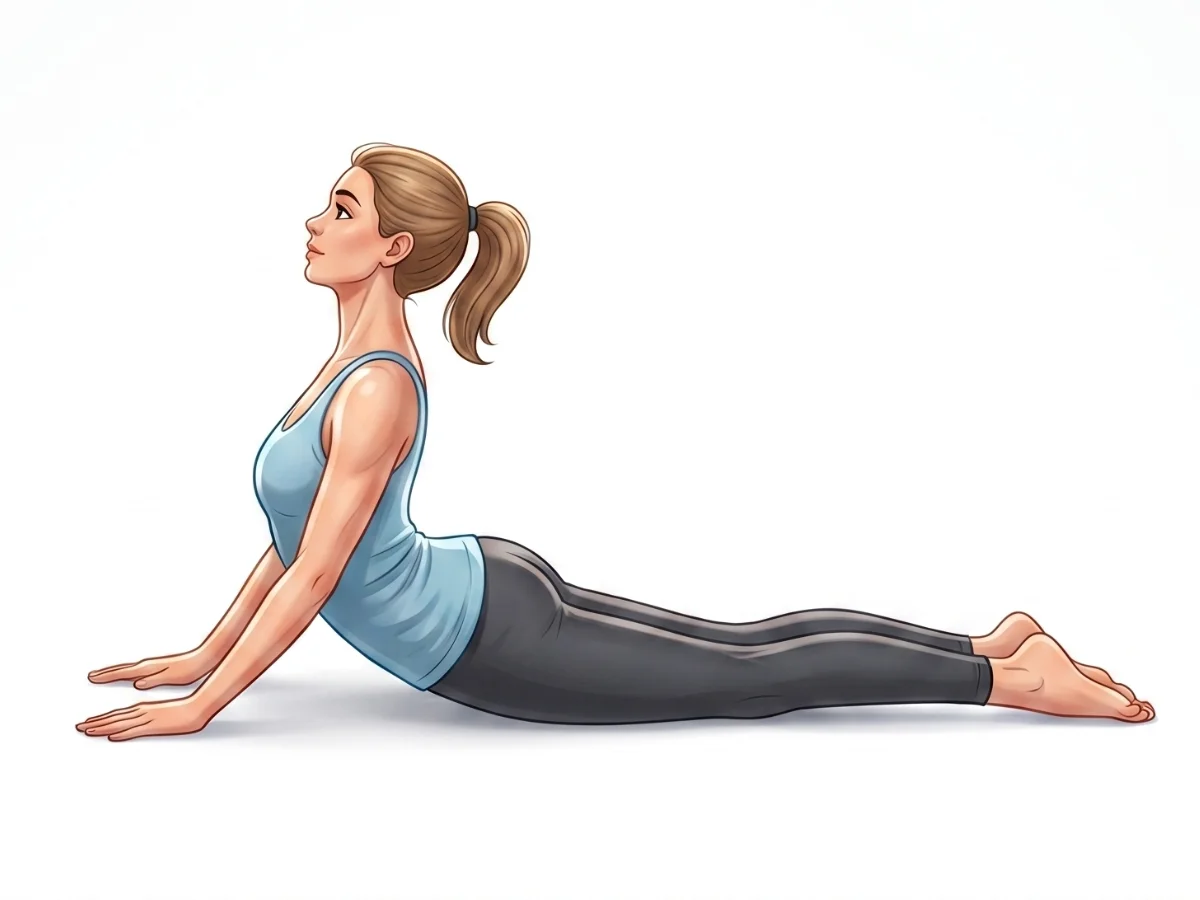
Cobra Pose
BhujangasanaA gentler backbend that teaches the spinal extension required without lifting the thighs.
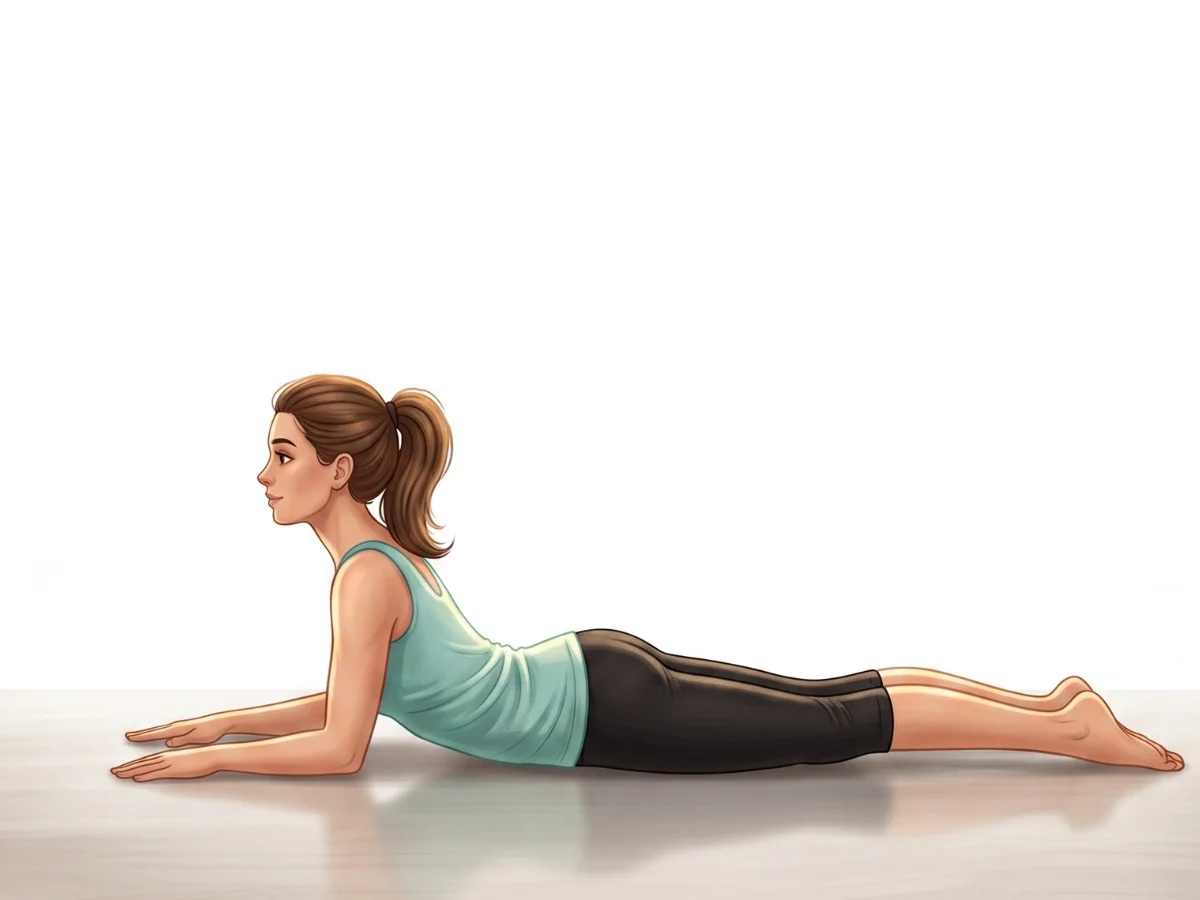
Sphinx Pose
Salamba BhujangasanaOpens the chest passively while resting on the forearms.
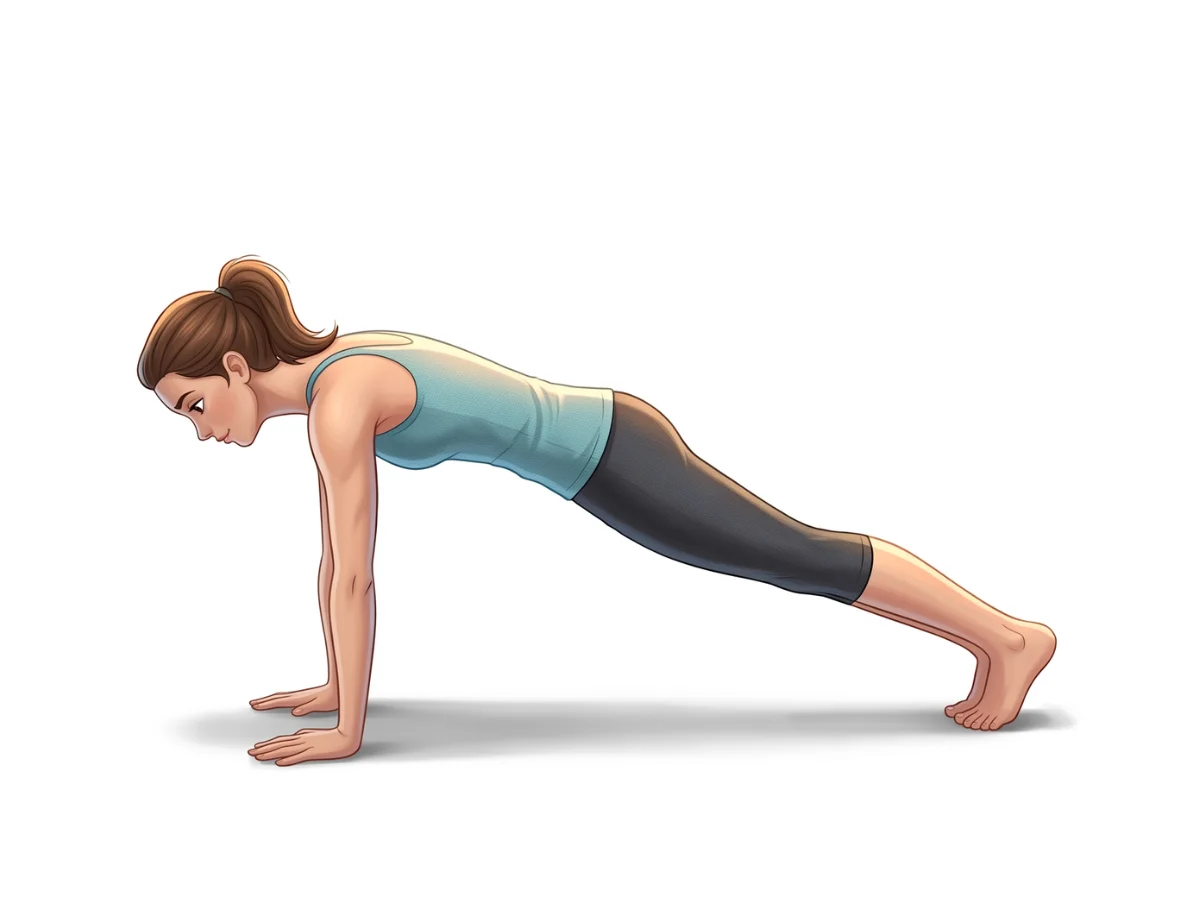
Plank Pose
PhalakasanaBuilds the necessary arm and core strength for weight-bearing.
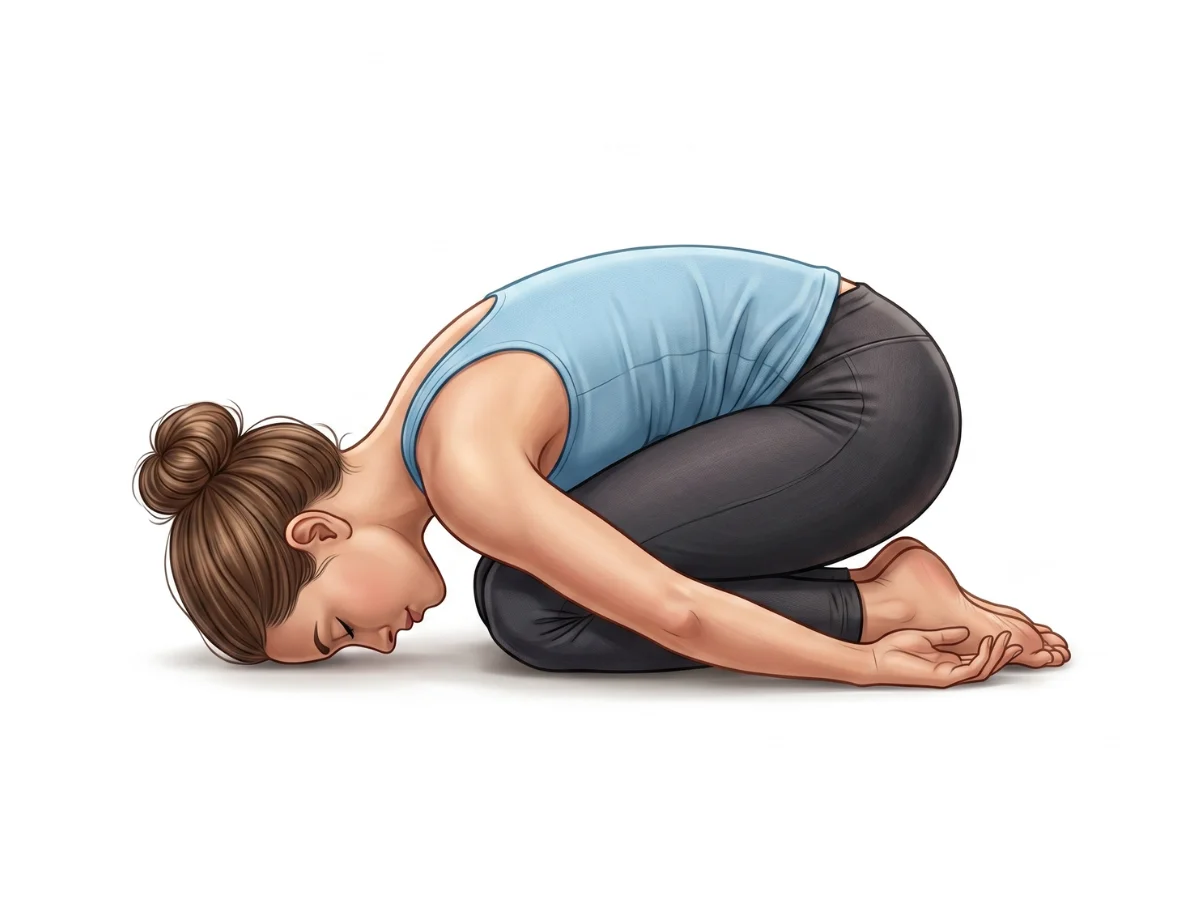
Follow with neutralizing Counter-poses
Frequently Asked Questions
What is the difference between Cobra and Upward-Facing Dog?
In Cobra Pose, your pelvis, thighs, and knees remain on the floor, and your elbows stay slightly bent. In Upward-Facing Dog, your arms are fully straight, and your pelvis, thighs, and knees are lifted entirely off the mat, resting only on your hands and the tops of your feet.
Why does my lower back ache after this pose?
An aching lower back often means you are collapsing your weight into your lumbar spine instead of distributing the backbend. Ensure your core is slightly engaged, your thighs are active, and you are pulling your chest forward, not just bending backward.
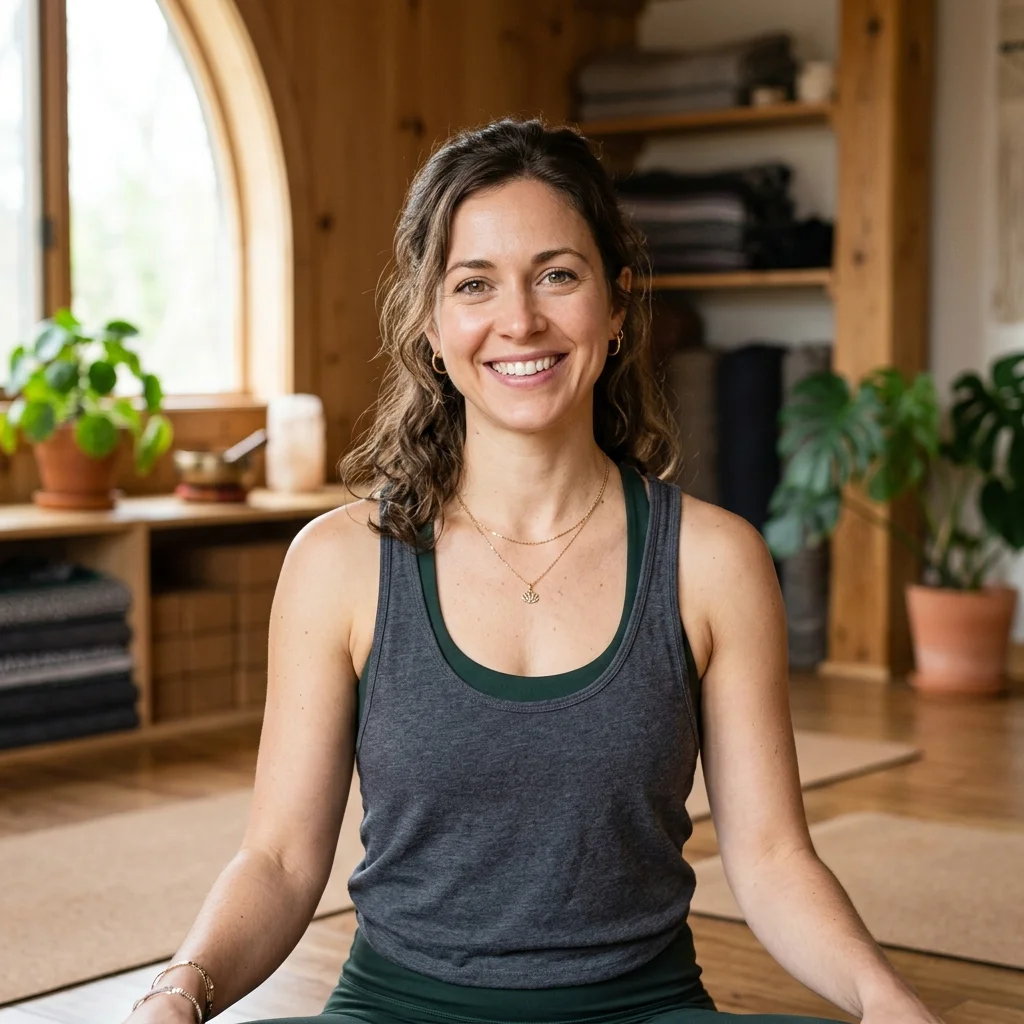
Elena Rostova is an accredited yoga educator and anatomy specialist with over 15 years of clinical experience. She focuses on functional biomechanics and injury prevention, translating complex anatomy into accessible guidance for safe, sustainable practice.
Read Full ProfileContinue Your Yoga Journey
Ready to deepen your practice? Explore our extensive library of poses, or join a structured program designed to build strength, flexibility, and mindfulness.