
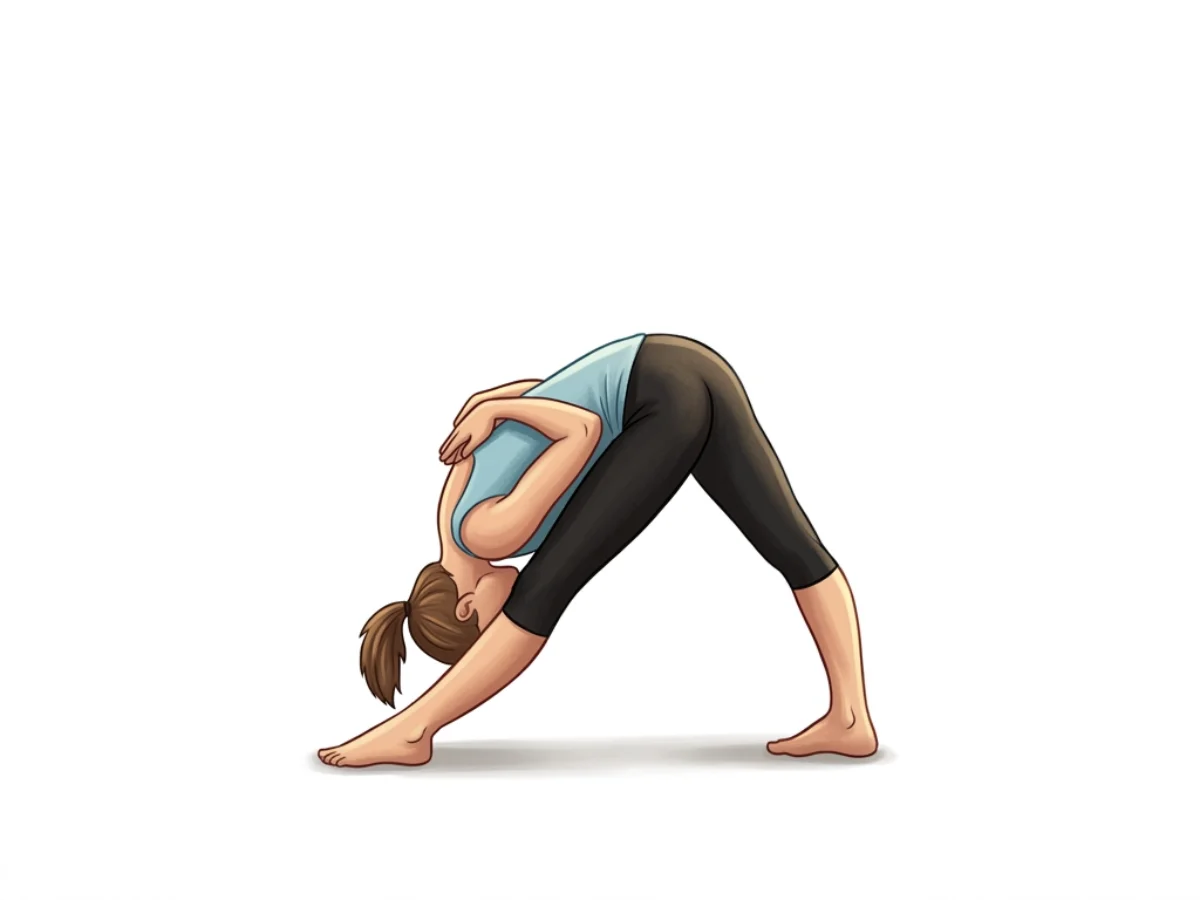
Pyramid
Parsvottanasana
By Elena Rostova Updated: verified Medically Reviewed
Pyramid Pose (Parsvottanasana), sometimes called Intense Side Stretch, is a deep standing forward bend that provides a powerful stretch to the hamstrings, IT band, and calves of the front leg. By establishing a short, staggered stance and folding over a straight leg with squared hips, you develop profound leg flexibility while challenging your balance and core stability.
Hold Time
30–60 sec · 5–10 breaths per side
Pronunciation
parsh-voh-tahn-AHS-anna
About Pyramid
Commonly practiced as Pyramid (Parsvottanasana), this dynamic posture is beautifully designed to help unlock tension. This posture specifically engages the hamstring flexibility & balance, making it highly effective for developing both strength and mobility. Consistent practice will actively assist in deep hamstring stretch, helping you feel lighter and more balanced off the mat.
How to Practice
Start in Mountain Pose
Begin in Mountain Pose (Tadasana) at the top of your mat. Place your hands on your hips.
Step Back
Step your left foot back about 3 to 4 feet. Angle your left foot out to about 45 degrees, keeping your right foot pointing straight ahead.
Square the Hips
Ensure your heels are aligned, or step them slightly wider for balance. Actively pull your right hip back and press your left hip forward so both hip points face the front of the mat.
Lengthen the Spine
Inhale deeply as you press firmly into both feet. Lift your chest and lengthen your torso, avoiding arching the lower back.
Hinge Forward
Exhale and hinge forward from your hips, keeping your spine completely straight. Fold out over your right leg.
Hand Placement
Release your hands down to frame your front foot. If they don't reach the floor with a straight spine, place them on yoga blocks, or rest them on your shin.
Deepen the Fold
With every inhale, lengthen your spine forward; with every exhale, fold a little deeper over your front leg. Keep your neck relaxed.
Rise Up
To exit, press firmly into both feet, engage your core, and inhale as you lift your torso back up with a flat back. Step forward to Mountain Pose and switch sides.
Practice with the Yoga Timer
Keep track of your hold time and breath count for this pose.
Beginner Modifications & Prop Options
Yoga is a personal journey. These modifications and prop options allow you to adapt the pose to your current level of balance and flexibility, ensuring a safe and supportive practice.
Use Yoga Blocks
Place a yoga block on either side of your front foot to rest your hands on. Elevating the floor allows you to keep the spine perfectly straight.
Tip: Focus on alignment rather than depth.
Widen Your Stance
Step your feet slightly wider apart laterally (like train tracks) instead of heel-to-heel. This creates a broader base and makes squaring hips easier.
Tip: Focus on alignment rather than depth.
Micro-bend the Front Knee
Maintain a tiny, almost invisible bend in the front knee to engage muscles and protect the joint from hyperextension.
Tip: Focus on alignment rather than depth.
Benefits of Pyramid
Deep Hamstring Stretch
Provides an intense, isolated stretch to the hamstrings of the front leg, improving flexibility and relieving tightness.
Stretches the Calves and Ankles
Grounding the back heel strongly stretches the gastrocnemius and soleus muscles in the back leg.
Improves Posture and Balance
Requires a flat back and core engagement to balance in a staggered stance, strengthening the spinal erectors.
Stimulates Digestion
The forward folding motion gently compresses the abdominal organs, aiding in digestion and circulation.
Calms the Mind
As an inversion where the head is below the heart, it soothes the nervous system and encourages introspection.
Common Mistakes to Avoid
Mistake: Rounding the Back
How to fix: Focus on bringing your chest toward your toes, not your head to your knee. Use blocks if necessary.
Mistake: Hips Opening to the Side
How to fix: Actively pull the front hip crease backward and press the back hip forward to square the pelvis.
Mistake: Lifting the Back Heel
How to fix: Shorten the distance between your front and back feet until you can firmly press the back heel into the mat.
Safety and Precautions
Severe Hamstring Tears
The intense stretch can aggravate recent or severe injuries to the hamstring muscles or attachments.
High Blood Pressure or Glaucoma
Inverting the head below the heart can increase pressure; keep the torso parallel to the floor instead.
Acute Lower Back Pain
Folding forward with straight legs can strain the lumbar discs if the core is not adequately engaged.
Medical Disclaimer: If you have any of the above conditions, consult your doctor or a qualified yoga instructor before attempting this pose.
Muscles Worked in Pyramid
Pyramid demands synchronized muscular effort, creating a profound sense of engagement and release throughout the body. The activation of the primary muscles supports the structure, while the secondary muscles provide stability and balance.
Primary Muscles
Hamstrings
Stretched intensely on the front leg.
Gastrocnemius (Calf)
Stretched deeply on the back leg.
Erector Spinae
Engage to maintain a straight, flat back while folding.
Secondary Muscles
Quadriceps
Engage to lift the kneecaps and protect the knee joints.
Core Stabilizers
Support the spine and aid in the hinging motion.
Poses to Practice Before and After Pyramid
Prepare with these Poses
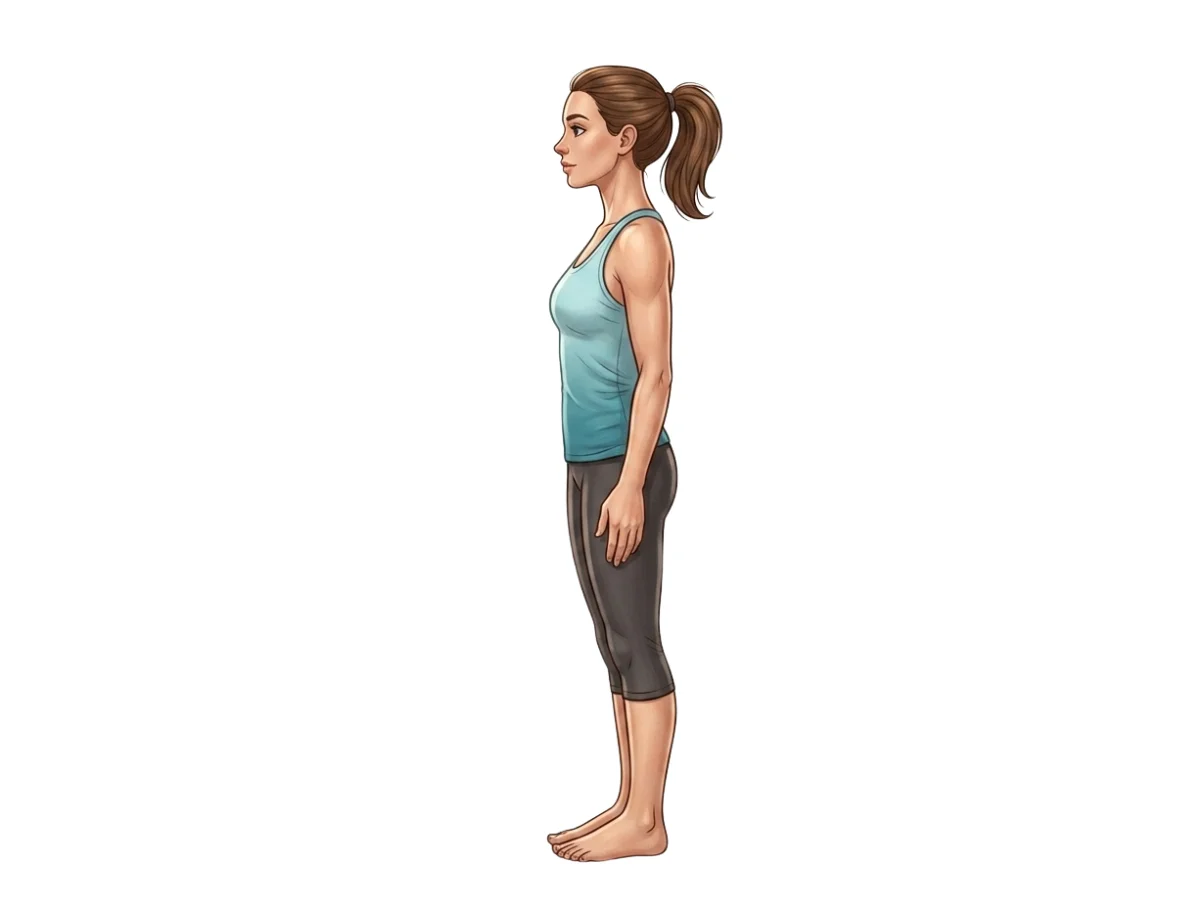
Mountain Pose
TadasanaEstablishes foundational standing alignment and balance.
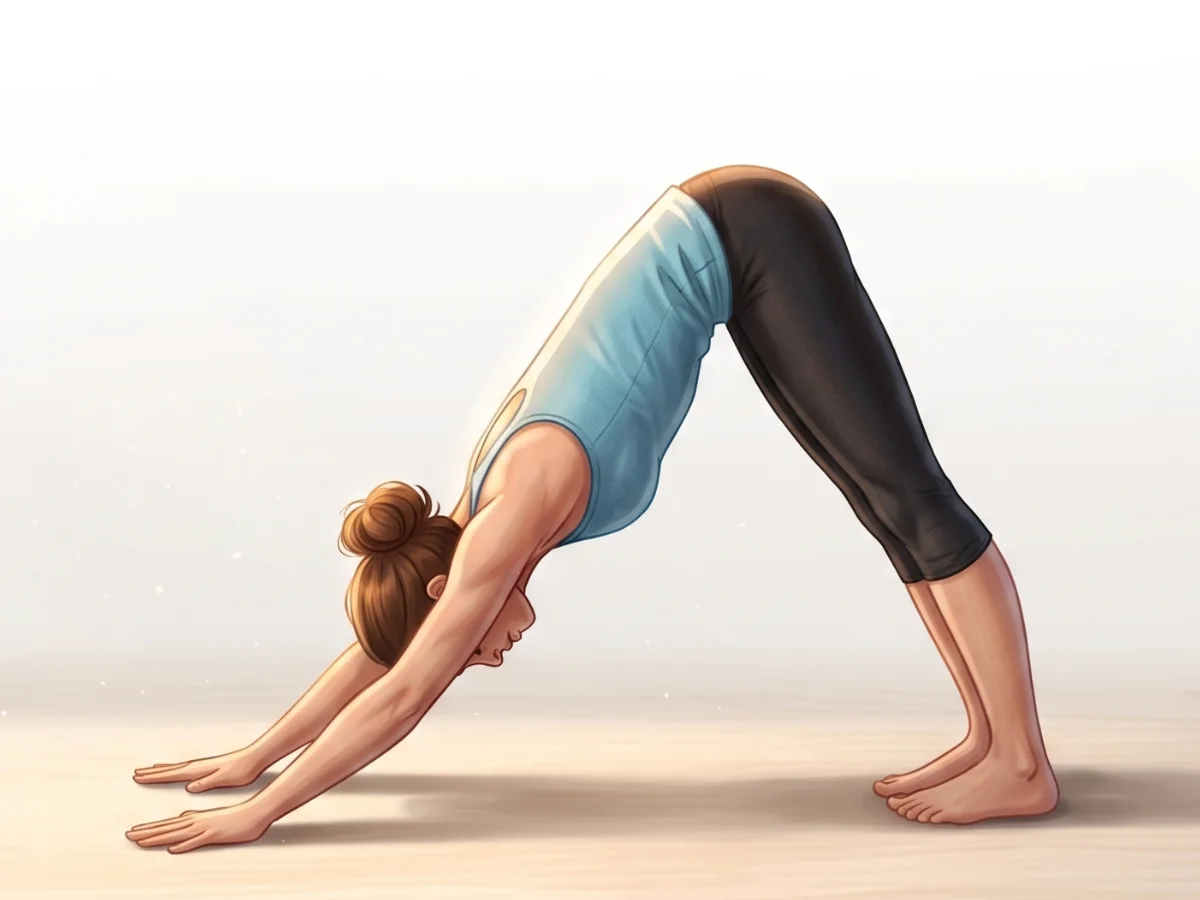
Downward-Facing Dog
Adho Mukha SvanasanaWarms up the calves, hamstrings, and spine.
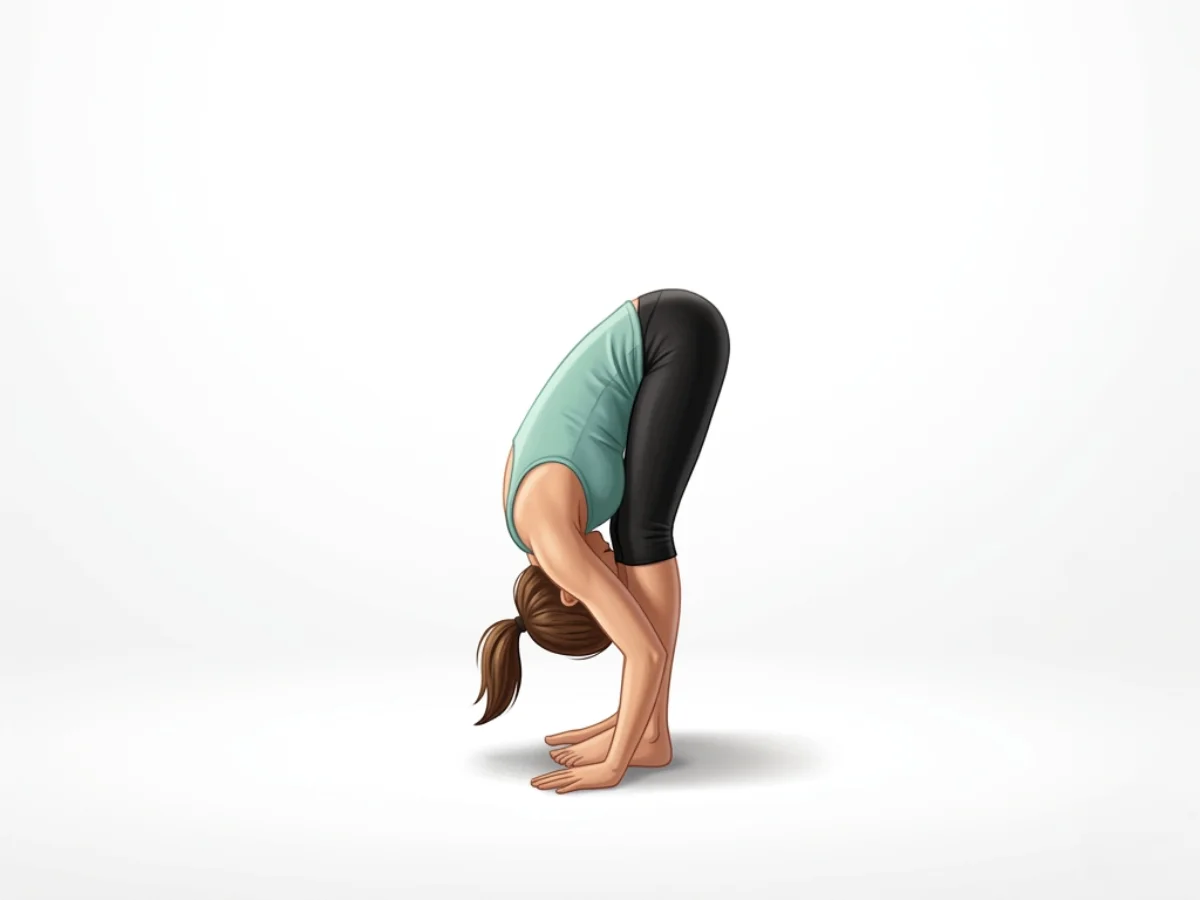
Standing Forward Bend
UttanasanaA symmetrical stretch for the hamstrings to prepare for the asymmetrical fold.
Follow with neutralizing Counter-poses
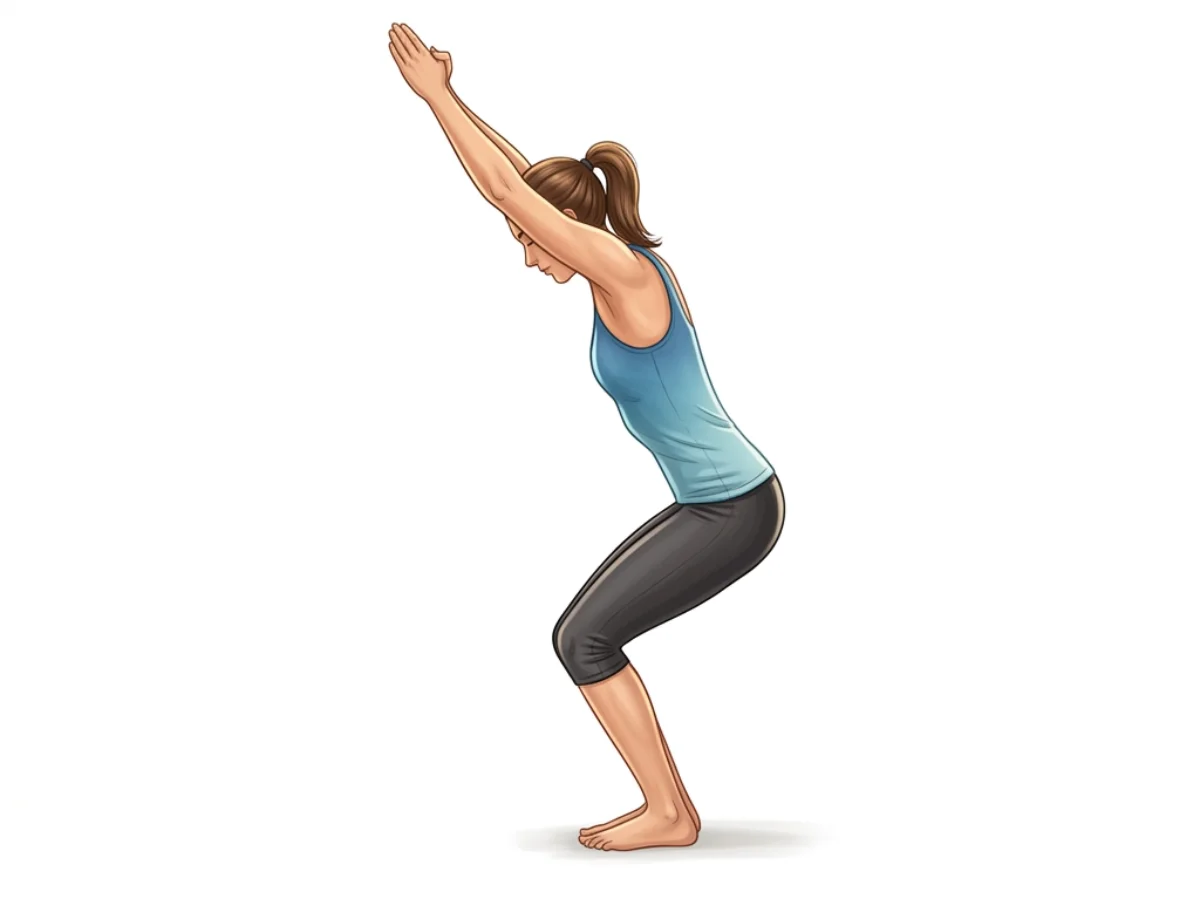
Frequently Asked Questions
What if my hands do not reach the floor?
Do not sacrifice the straightness of your spine just to touch the floor. It is much safer and more effective to place your hands on yoga blocks or rest them lightly on your front shin.
How wide should my stance be?
Lengthwise, your feet should be about 3 to 4 feet apart—short enough that your back heel can stay flat on the ground. Widthwise, keeping your feet hip-width apart (like they are on train tracks) improves balance compared to a heel-to-heel alignment.
Elena Rostova is an accredited yoga educator and anatomy specialist with over 15 years of clinical experience. She focuses on functional biomechanics and injury prevention, translating complex anatomy into accessible guidance for safe, sustainable practice.
Read Full ProfileContinue Your Yoga Journey
Ready to deepen your practice? Explore our extensive library of poses, or join a structured program designed to build strength, flexibility, and mindfulness.