1 Setting Up Your Dedicated Home Sanctuary
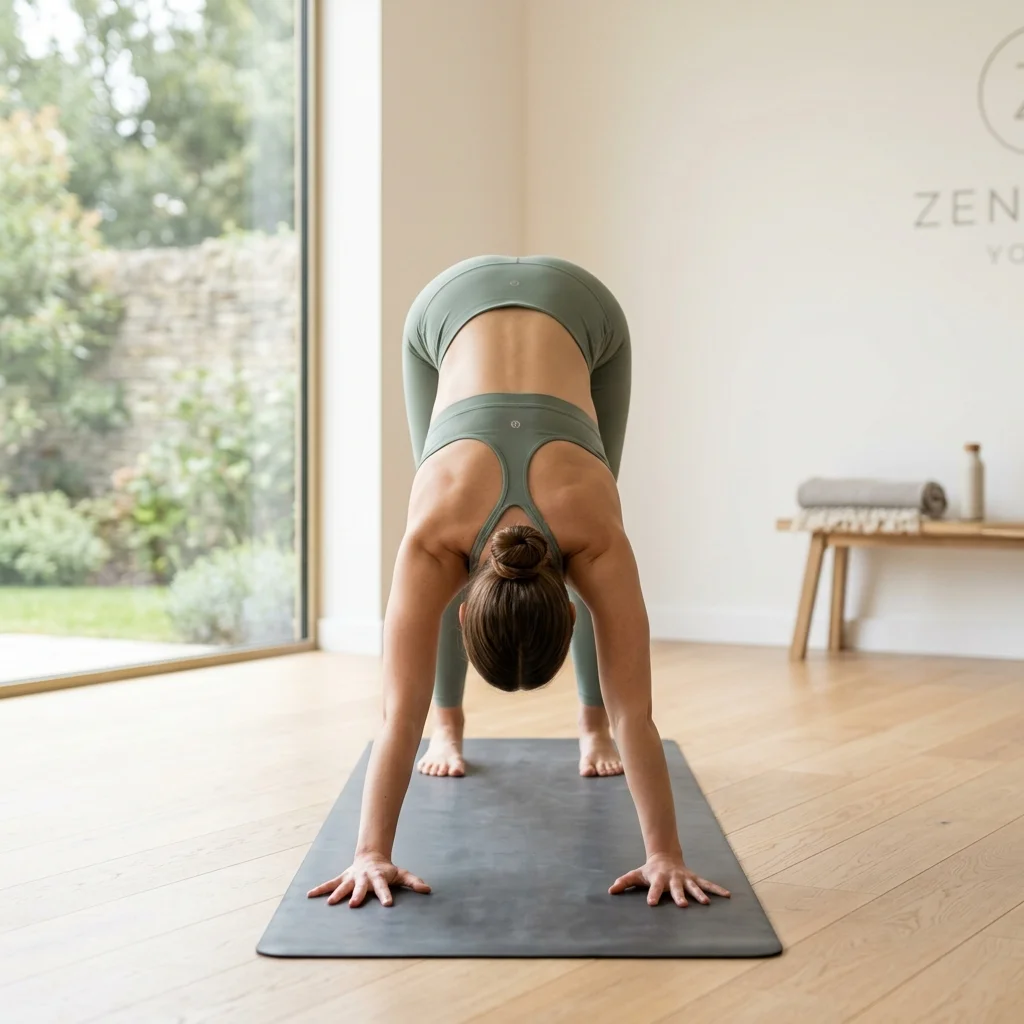
Creating a reliable visual cue is the first psychological cornerstone of habit formation. You do not need an expansive, sunlit room to practice yoga effectively; you simply need a dedicated corner where your mat can remain unrolled or easily accessible without rearranging furniture. When your mat is visible, it acts as an unspoken invitation to practice, removing the initial barrier of setup friction that often derails morning routines.
Key Details & Technique
- Ensure your: designated space is relatively quiet, free from immediate clutter, and appropriately ventilated.
- Having a: small focal point—such as a single candle, a comforting houseplant, or a soft blanket—instantly signals to your nervous system that it is time to transition from external demands to internal presence.
- For detailed: tips on aligning your physical space, check out our guide on designing your at-home yoga sanctuary.
Pro Tip:
"Keep your yoga mat unrolled in your bedroom or living room overnight. Stepping directly onto it when you wake up eliminates the decision fatigue of starting."
2 The Power of Micro-Practices: Why 10 Minutes is Enough
One of the most prevalent misconceptions among beginners is that a valid yoga session must last an uninterrupted 60 or 90 minutes. This all-or-nothing mindset is precisely why many aspiring yogis quit when their schedules tighten. In the realm of habit building, frequency and consistency vastly outweigh duration. Practicing for just 10 to 15 minutes every single day builds deep neurological pathways and physical muscle memory far more effectively than an erratic two-hour weekend marathon.
Key Details & Technique
- When you: commit to a micro-practice, you lower the mental resistance required to begin.
- Even on: your most exhausting days, you can easily convince yourself to do three rounds of Sun Salutations or five restorative breathing cycles.
- If you: want a structured short routine to begin with, explore our free Morning Yoga Routine designed specifically for busy mornings.
3 Linking Breath with Movement for Deep Presence
Yoga is fundamentally distinguished from standard stretching gymnastics by the deliberate synchronization of physical movement with conscious respiration. When you inhale to expand into a backbend and exhale to fold forward, your nervous system shifts from the sympathetic fight-or-flight state into the parasympathetic rest-and-digest mode. This conscious breath connection is the secret to making your daily practice something you crave rather than something you feel obligated to endure.
Key Details & Technique
- As you: step onto your mat each day, spend the first two minutes in a comfortable seated posture or Child's Pose simply observing the natural rhythm of your breath.
- Cultivate an: even inhalation and exhalation through your nostrils.
- To understand: the exact mechanics of breath control, explore our guide on Ujjayi Pranayama and how it acts as an internal metronome for your flow.
Pro Tip:
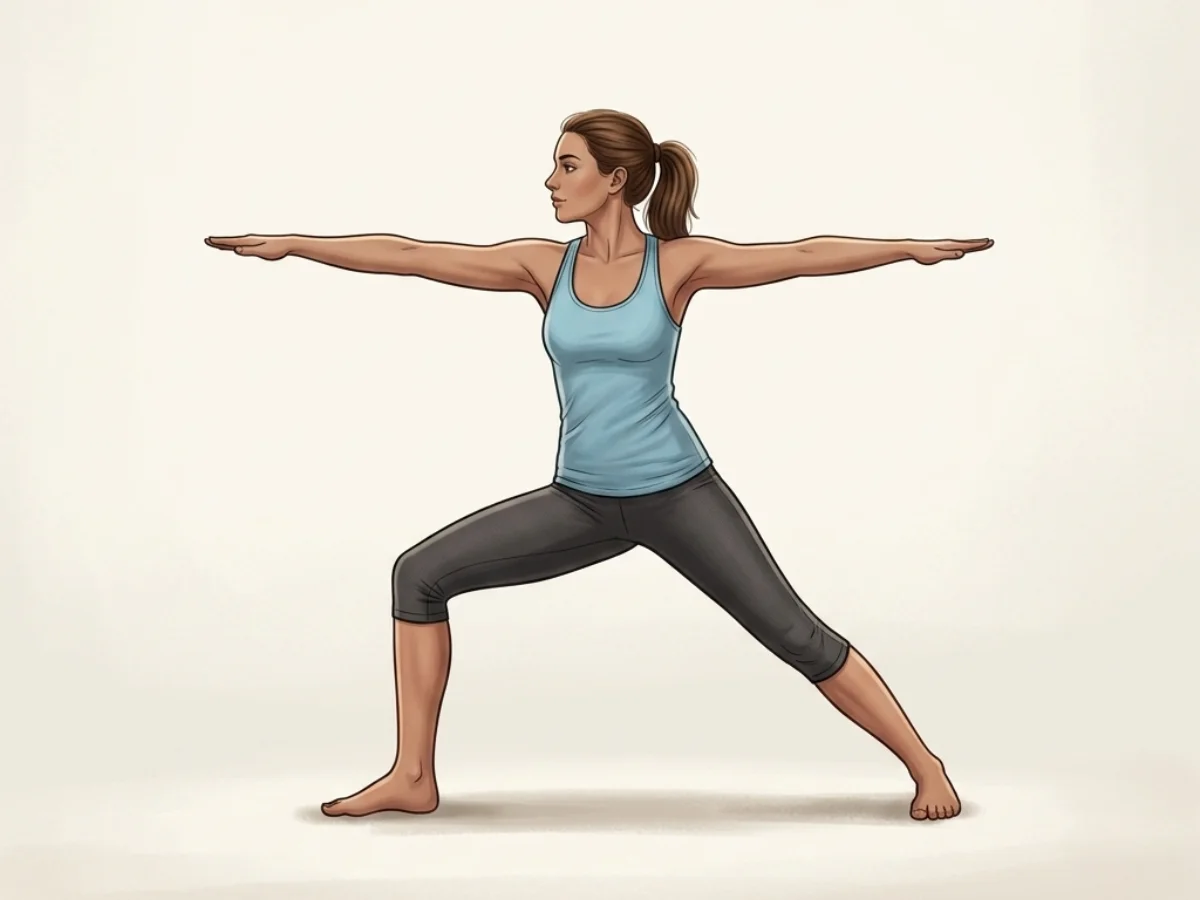
"When holding a challenging posture like Downward Dog or Warrior II, let your breath be your guide. If your breath becomes jagged or shallow, ease out of the pose slightly until smooth respiration returns."
4 Navigating Inevitable Resistance and Missed Days
Even the most seasoned practitioners experience days when their body feels heavy, their mind is scattered, or external emergencies disrupt their schedule. The defining trait of a lifelong yogi is not perfect adherence without missed days, but rather the capacity to return to the mat with profound self-compassion after an interruption. When you miss a day or two, avoid the trap of self-judgment or guilt, which only builds negative psychological associations with your mat.
Key Details & Technique
- Instead, view: each return to the mat as a fresh beginning.
- If physical: soreness or fatigue is high, grant yourself permission to engage in purely restorative postures.
- You can: practice gentle reclined twists.
- For a: comprehensive look at common beginner pitfalls, read our breakdown of 5 common yoga mistakes to avoid as you build your foundation.
5 Cultivating Intuitive Alignment and Progression
As your daily habit solidifies over the weeks and months, you will notice a profound shift in how you relate to your physical body. Rather than forcing your limbs into rigid external shapes based on photographs or aesthetic ideals, you will begin to practice intuitive alignment. You will develop the nuanced sensitivity to differentiate between the healthy sensation of muscular effort and the sharp warning signs of joint compression or strain.
Key Details & Technique
- Allow your: daily sequence to evolve naturally in response to what your body needs on any given morning.
- Some days: will call for vigorous standing balances and core activations, while other days will require gentle spinal undulations and hip openers.
- To build: a balanced repertoire of foundational postures, reference our complete Yoga Poses Library for step-by-step alignment cues.
Pro Tip:
"Use yoga props liberally! Blocks, straps, and bolsters are not crutches for beginners; they are sophisticated tools used by advanced practitioners to make postures therapeutic and structurally sound."
✨ Summary & Next Steps
Establishing a consistent daily yoga habit is a beautiful journey of self-discovery, resilience, and profound physical empowerment. By setting up a dedicated sanctuary, committing to accessible micro-practices, linking your breath with movement, and treating yourself with boundless grace on difficult days, you build a practice that supports you for a lifetime. Start today by unrolling your mat for just 10 minutes and stepping into your internal power. Ready for a guided structured journey? Join our free 30-Day Beginner Yoga Challenge to kickstart your daily routine!
Frequently Asked Questions
Elena Rostova
Elena Rostova is an accredited yoga educator and anatomy specialist with over 15 years of clinical experience. She focuses on functional biomechanics and injury prevention, translating complex anatomy into accessible guidance for safe, sustainable practice.