1 The Anatomical Secret: Constricting the Epiglottis
The precise physical mechanism that generates the soothing oceanic sound of Ujjayi breath is a subtle, deliberate muscular narrowing of the epiglottis at the back of your throat. To understand this sensation easily, imagine holding up a small pocket mirror in front of your mouth and whispering the syllable "Haaaaa" to fog up the glass with your warm breath. Notice the gentle contraction at the back of your throat as you do this.
Key Details & Technique
- Now, maintain: that exact gentle throat constriction, but close your lips entirely and continue breathing exclusively in and out through your nostrils.
- You will: immediately hear a soft, whispering vibration echoing inside your cranium.
- For a: complete look at beginner breathing foundations, explore our beginner's guide to starting a daily yoga habit.
Pro Tip:
"Ensure your jaw and facial muscles remain completely relaxed during Ujjayi. The constriction should happen deep in your vocal cords, not by clenching your teeth or furrowing your brow."
2 Tending the Internal Fire: How Ujjayi Builds Tapas
In traditional yogic philosophy, Ujjayi breath is highly revered for its ability to generate profound internal heat—a purifying biological fire known as "Tapas." Because the air entering your lungs must pass through a narrowed glottal passage, friction is created, gently warming the incoming air before it reaches your delicate pulmonary alveoli.
Key Details & Technique
- This internal: thermal elevation warms your core temperature from within, dilating blood vessels and making your muscular and fascial tissues exceptionally supple and responsive during deep stretches and demanding balances.
- Experience this: warming breath in our 3-week Core Strength Yoga Program.
3 The Neurological Anchor: Stimulating the Vagus Nerve
Beyond physical heat generation, Ujjayi breath is a sophisticated neurobiological tool. The subtle vibration created at the back of your throat directly stimulates the vagus nerve (cranial nerve X], the master controller of your parasympathetic nervous system. This continuous vagal stimulation actively suppresses cortisol release and lowers systemic blood pressure.
Key Details & Technique
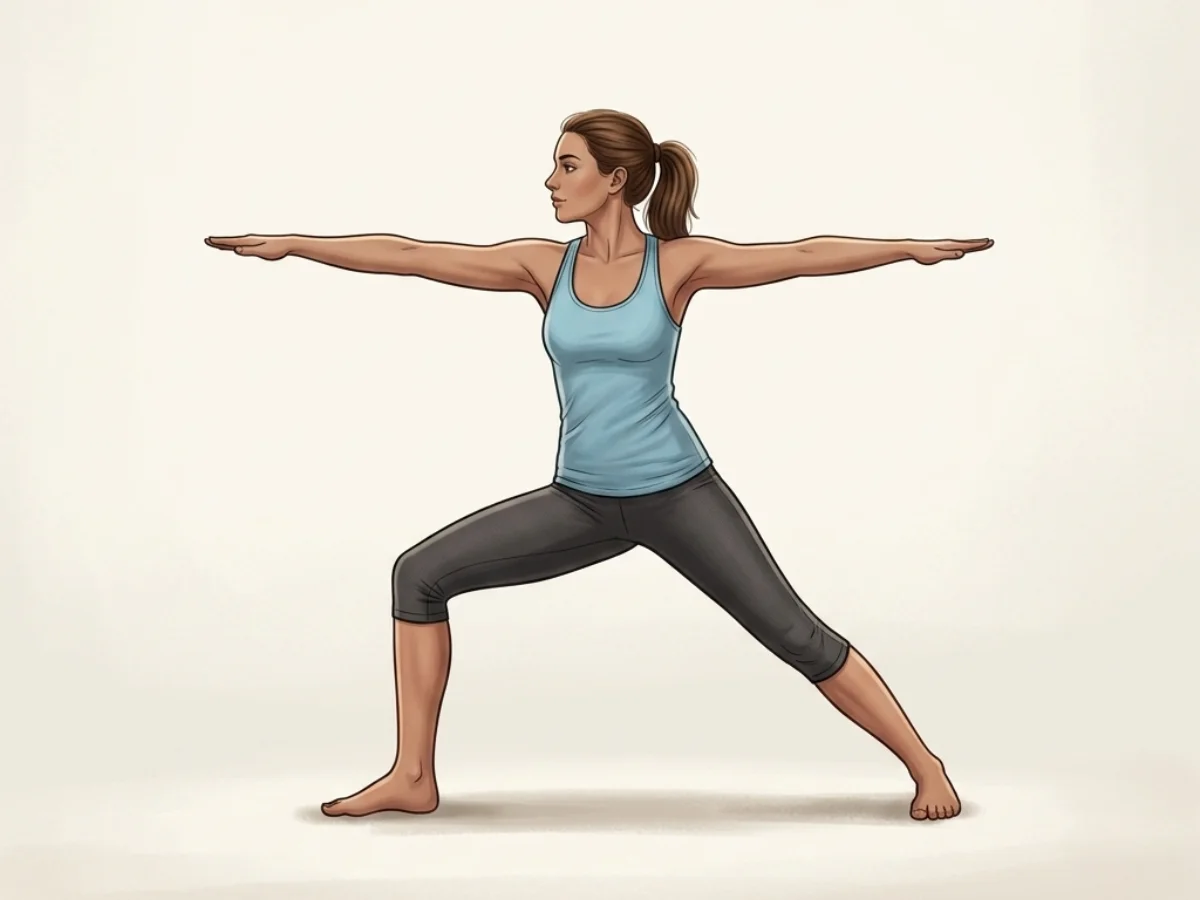
- This is: precisely why you can hold an exceptionally intense, physically exhausting standing posture like Warrior II while maintaining profound internal composure and mental serenity.
- Discover stress-soothing: routines in our Stress Relief Yoga Program.
Pro Tip:
"Let the sound of your Ujjayi breath act as your personal internal biofeedback monitor during your practice. If the sound becomes strained, raspy, or disappears entirely, you have lost your center of balance."
4 The Internal Metronome: Establishing Flow Cadence
In a dynamic Vinyasa practice, Ujjayi breath serves as your flawless internal metronome, establishing the exact pacing and duration of your physical transitions. Every physical movement should perfectly mirror the length of your breath; for example, taking a full four-second Ujjayi inhalation to sweep your arms overhead, and a full four-second Ujjayi exhalation to fold forward.
Key Details & Technique
- When your: breath and movement lock into perfect temporal symmetry, your practice evolves into an effortless, moving meditation.
- Explore seamless: transitions in our Morning Yoga Routine.
5 Taking Ujjayi Off the Mat: Everyday Stress Mastery
The ultimate power of Ujjayi Pranayama is that this somatic technology is entirely portable and invisible to the outside world. When you experience intense external stress off your mat—such as during a difficult workplace meeting, standing in dense traffic, or navigating emotional conflict—you can instantly engage Ujjayi breathing without anyone noticing.
Key Details & Technique
- Taking just: five victorious breaths instantly downshifts your nervous system, allowing you to respond to life with calm clarity rather than reactive panic.
- Explore more: lifestyle insights in our comprehensive Yoga Blog Library.
Pro Tip:
"Practice Ujjayi breath for five minutes while lying in bed before sleep. The rhythmic, soothing oceanic hum acts as a powerful hypnotic lullaby for an overactive mind."
✨ Summary & Next Steps
Mastering Ujjayi Pranayama is the single most transformative leap you can make in your yoga journey, elevating your practice from a physical exercise into an empowered, neurobiologically sound moving meditation. By constricting your epiglottis to create the gentle ocean hum, stoking internal warming Tapas, stimulating your vagus nerve, anchoring your flow cadence, and taking this invisible tool into your daily life, you unlock profound somatic mastery. Unroll your mat today and try five rounds of victorious breath in Child's Pose. Ready to apply your breath control to a structured challenge? Join our free 30-Day Beginner Yoga Challenge today!
Frequently Asked Questions

Elena Rostova
Elena Rostova is an accredited yoga educator and anatomy specialist with over 15 years of clinical experience. She focuses on functional biomechanics and injury prevention, translating complex anatomy into accessible guidance for safe, sustainable practice.