1 The Architectural Complexity of the Shoulder Girdle
The human shoulder complex is arguably the most mobile and least bone-constrained joint structure in the entire skeleton. Unlike the deep ball-and-socket socket of the hip, the shoulder blade (scapula] glides freely over the posterior ribcage, attaching to the collarbone (clavicle] at the tiny acromioclavicular joint. Because bone support is exceptionally minimal, the shoulder relies almost entirely on an intricate balance of surrounding muscles and rotator cuff tendons for stability.
Key Details & Technique
- When this: muscular balance is disrupted by daily postural habits, the scapulae tilt forward and splay outward, impinging sensitive nerves and blood vessels in the brachial plexus.
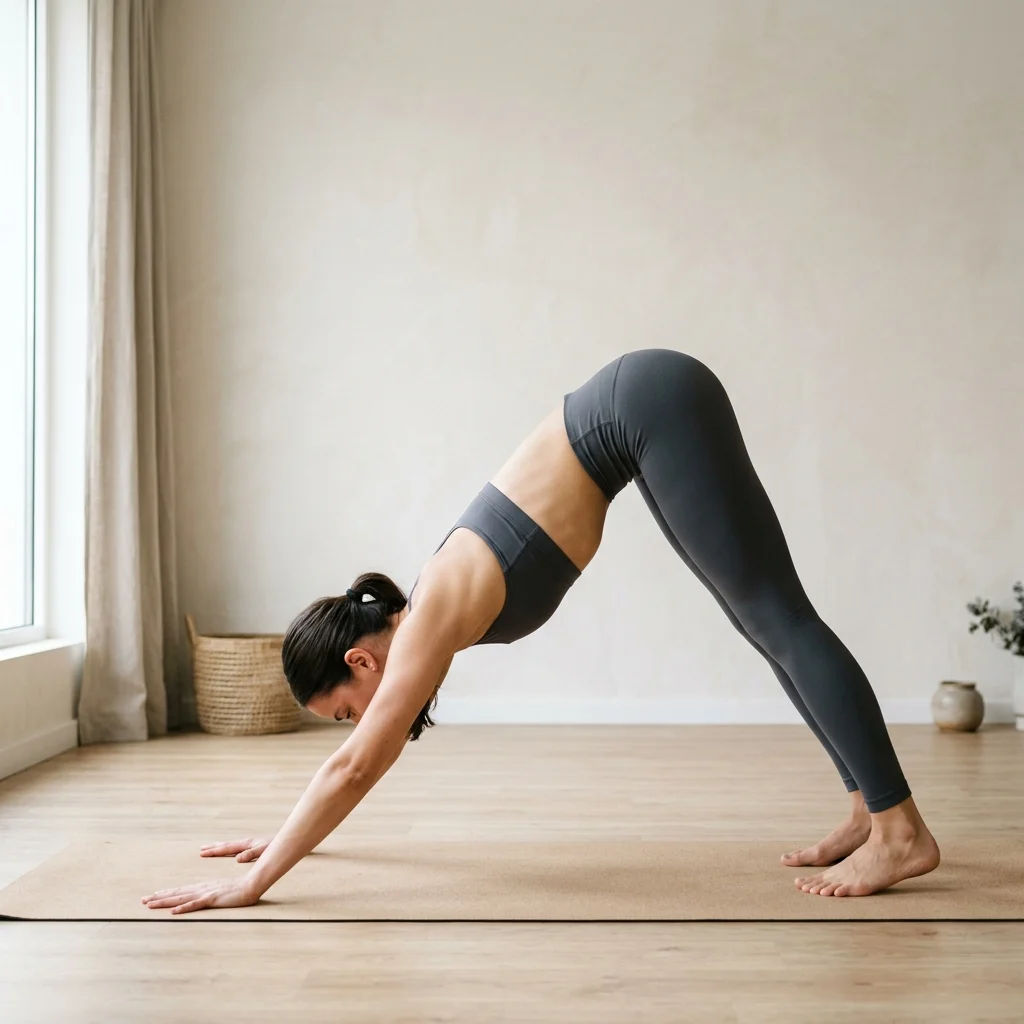
- Explore foundational: shoulder alignment in our Downward-Facing Dog (Adho Mukha Svanasana] guide.
Pro Tip:
"Set a recurring hourly timer on your work computer. When it rings, stand up and perform five slow, luxurious backward shoulder rolls to instantly break the cycle of forward slouching."
2 Upper Cross Syndrome: The Biomechanical Cost of Slouching
Upper Cross Syndrome is characterized by a precise "X" pattern of muscular imbalance across the upper torso. The anterior chest muscles—specifically the pectoralis major and minor—become chronically shortened and tight from reaching forward to type. Concurrently, the opposing upper back muscles—the rhomboids, middle trapezius, and serratus anterior—become overstretched, fatigued, and weak.
Key Details & Technique
- This constant: pulling forward rounds the upper thoracic spine into kyphosis and forces the cervical spine (neck] to hyper-extend just to keep your eyes level with your screen.
- Discover upper: body relief in our 4-week Yoga for Back Pain Program.
3 Unlocking the Anterior Chest Wall: Passive Pec Releases
To effectively reverse Upper Cross Syndrome, you must first lengthen the shortened anterior chest wall before attempting to strengthen your upper back. One of the most restorative, profound ways to open tight pecs is Supported Fish Pose (Salamba Matsyasana]. Place a yoga bolster or two stacked foam blocks lengthwise along your spine and lay your back gently over the support.
Key Details & Technique
- Let your: arms open out to the sides into a goalpost position with your palms facing upward.
- Remain in: this passive chest opener for five minutes while breathing deeply into your collarbones, allowing fascial adhesions across your sternum to unwind.
- Experience calming: evening releases in our Stress Relief Yoga Program.
Pro Tip:
"Stand in an open doorway, place your forearms against the doorframe at a 90-degree angle, and gently step one foot forward. Hold this doorway stretch for 30 seconds daily to dramatically open shortened pec minor fibers."
4 Activating the Posterior Chain: Rhomboids and Scapular Stability
Once your pecs are successfully lengthened, the critical next step is waking up your dormant posterior chain stabilizers. Postures like Locust Pose (Salabhasana] and Cobra Pose (Bhujangasana] are absolute masterclasses in scapular retraction and depression. Actively squeeze your shoulder blades together and glide them downward toward your back pockets.
Key Details & Technique
- This isometric: engagement strengthens your rhomboids and lower trapezius, providing the strong posterior anchor needed to hold your shoulders back effortlessly throughout your workday.
- Build robust: upper back posture with our Core Strength Program.
5 Releasing Upper Trapezius and Levator Scapulae Tension
Finally, target the upper trapezius and levator scapulae—the muscles that run from your shoulders up into your skull, which frequently become hard as rocks from stress. In a seated position, reach your right hand over your head to rest gently on your left ear; without yanking, let the weight of your arm tilt your right ear toward your right shoulder while reaching your left fingertips down toward the floor.
Key Details & Technique
- Hold for: ten deep Ujjayi breaths before switching sides to release accumulated mental and physical stress.
- For a: complete library of therapeutic upper body stretches, explore our Yoga Poses Library.
Pro Tip:
"Place two tennis balls inside a clean sock and tie the end shut. Lie on your back and place the tennis balls directly underneath your upper back between your shoulder blades and spine; rest there for two minutes for incredible myofascial release."
✨ Summary & Next Steps
Reclaiming your shoulder mobility from the grips of modern desk life is a profound journey of anatomical self-awareness and targeted somatic care. By understanding the fragile architecture of your shoulder girdle, recognizing upper cross imbalances, committing to passive pec lengthening, activating your dormant posterior stabilizers, and practicing gentle neck releases, you unlock effortless upright posture and deep physical ease. Unroll your mat today and test out Supported Fish Pose with a bolster. Ready for a therapeutic, structured plan to eliminate upper body aches? Join our comprehensive Yoga for Back Pain series today!
Frequently Asked Questions
Elena Rostova
Elena Rostova is an accredited yoga educator and anatomy specialist with over 15 years of clinical experience. She focuses on functional biomechanics and injury prevention, translating complex anatomy into accessible guidance for safe, sustainable practice.