
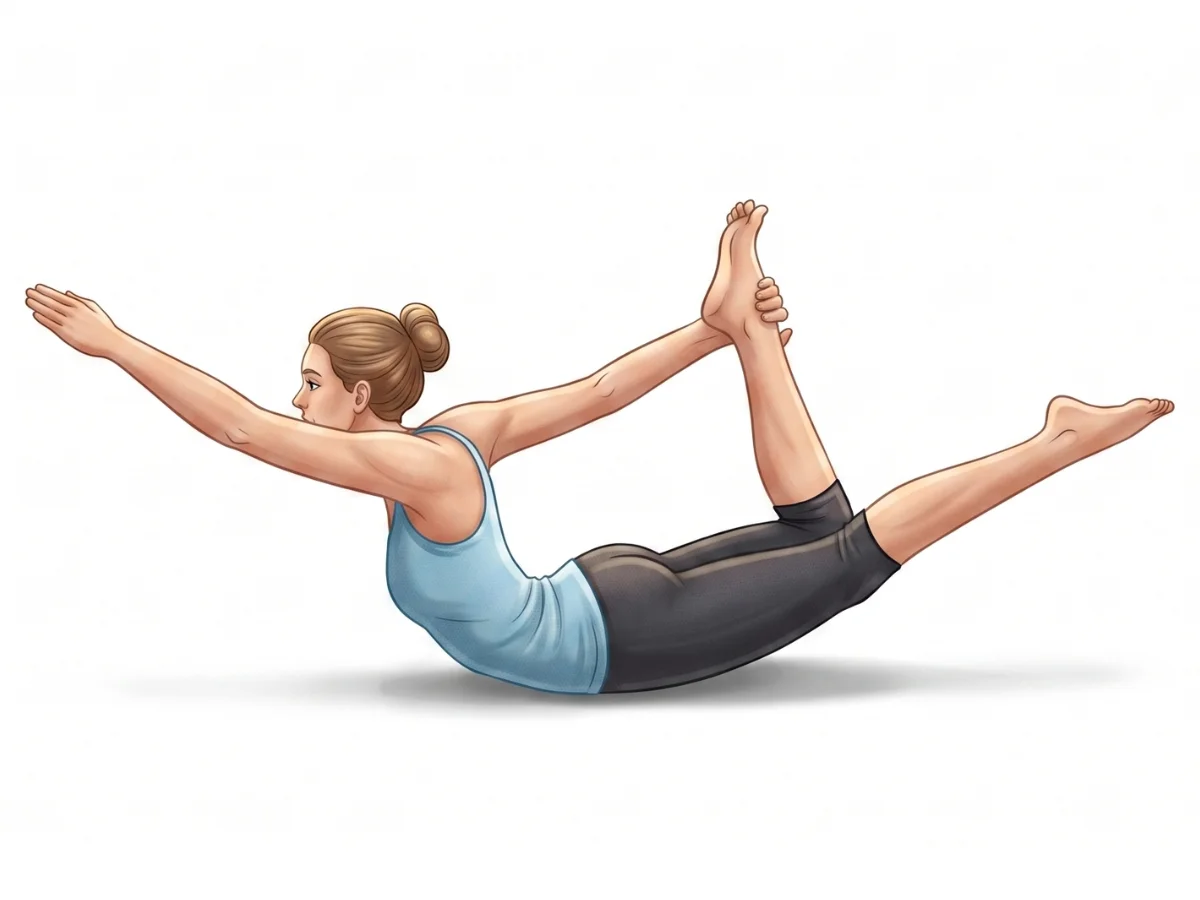
Half Bow
Ardha Dhanurasana
By Elena Rostova Updated: verified Medically Reviewed
Half Bow Pose (Ardha Dhanurasana) is an asymmetrical variation of the full Bow Pose that offers an accessible and highly effective stretch for the quadriceps, hip flexors, and shoulders. By focusing on one side at a time, it gently prepares the back for deeper extensions and allows for focused muscular engagement.
Hold Time
20–30 sec per side
Pronunciation
AR-dah dah-noor-AHS-anna
About Half Bow
Reflecting the quiet power of the natural world, Half Bow (Ardha Dhanurasana) is an expansive pose that cultivates inner stillness. It primarily targets the asymmetrical backbend & quad stretch, helping to create length and strength exactly where you need it most. Consistent practice will actively assist in isolates quadricep stretch, helping you feel lighter and more balanced off the mat.
How to Practice
Prone Foundation
Lie flat on your stomach with your legs extended straight back. Prop yourself up on your left forearm, keeping your left elbow slightly ahead of your shoulder.
Bend the Knee
Exhale slowly as you bend your right knee, bringing your right heel toward your right glute. Keep the knee aligned with your hip.
Grip the Ankle
Reach your right hand back and grasp the outside or inside of your right ankle. Ensure a firm, secure grip.
Inhale to Lift
Inhale deeply and gently press your right foot back into your right hand. Allow this tension to lift your right thigh off the mat.
Lift the Chest
Press firmly into your left forearm to lift your chest higher, keeping your collarbones broad and your gaze slightly forward.
Hold and Breathe
Maintain the pose for 20 to 30 seconds, breathing smoothly and evenly into the stretch across your right quadriceps and shoulder.
Release Safely
Exhale to release the grip on your ankle. Slowly lower your leg and chest back to the mat.
Switch Sides
Repeat the posture on the opposite side for the same duration to maintain structural balance.
Practice with the Yoga Timer
Keep track of your hold time and breath count for this pose.
Beginner Modifications & Prop Options
Yoga is a personal journey. These modifications and prop options allow you to adapt the pose to your current level of balance and flexibility, ensuring a safe and supportive practice.
Use a Strap
Loop a strap around your ankle and hold the ends. This extends your reach and allows you to enjoy the stretch without straining your shoulder or knee.
Tip: Focus on alignment rather than depth.
Keep the Thigh Grounded
Focus only on stretching the quad by drawing the heel toward the glute, without attempting to lift the thigh off the floor.
Tip: Focus on alignment rather than depth.
Benefits of Half Bow
Isolates Quadricep Stretch
Provides a targeted, deep stretch to the quadriceps and hip flexors on the active side.
Builds Back Strength Safely
Gently strengthens the erector spinae and lower back with less intensity than the full Bow Pose.
Opens the Shoulders
Expands the chest and anterior deltoid on the side that is reaching backward.
Improves Body Awareness
Highlights asymmetrical tightness or imbalances in the shoulders and hips.
Common Mistakes to Avoid
Mistake: Collapsing the Supporting Shoulder
How to fix: Press firmly into the forearm resting on the mat to keep the chest lifted and avoid sinking into the shoulder joint.
Mistake: Knee Drifting Outward
How to fix: Keep the bent knee aligned with your hip. Do not let it splay widely out to the side.
Safety and Precautions
Knee or Shoulder Injuries
Avoid if you have recent sprains or injuries to the knee joint or rotator cuff.
Lower Back Pain
If lifting the thigh causes pinching in the lumbar spine, keep the leg down and focus only on the quad stretch.
Pregnancy
Avoid practicing prone (on the belly) postures after the first trimester.
Medical Disclaimer: If you have any of the above conditions, consult your doctor or a qualified yoga instructor before attempting this pose.
Muscles Worked in Half Bow
Half Bow demands synchronized muscular effort, creating a profound sense of engagement and release throughout the body. The activation of the primary muscles supports the structure, while the secondary muscles provide stability and balance.
Primary Muscles
Quadriceps
Deeply stretched on the side with the bent knee.
Pectoralis Major
Elongated on the reaching side to open the chest.
Erector Spinae
Engaged mildly to hold the torso in mild extension.
Secondary Muscles
Psoas Major
Stretches deeply alongside the quadriceps.
Serratus Anterior
Stabilizes the shoulder girdle on the supporting arm.
Poses to Practice Before and After Half Bow
Prepare with these Poses
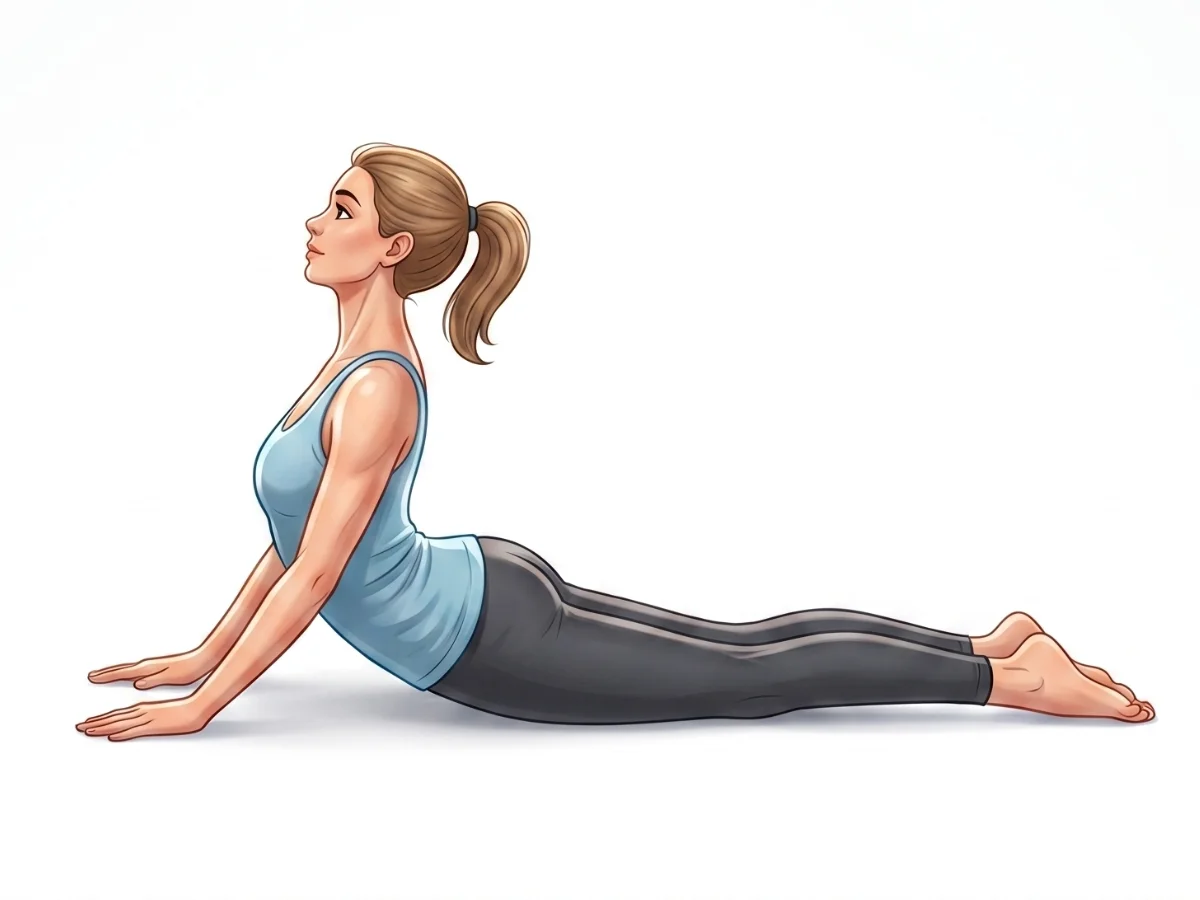
Cobra Pose
BhujangasanaGently introduces spinal extension and chest opening.
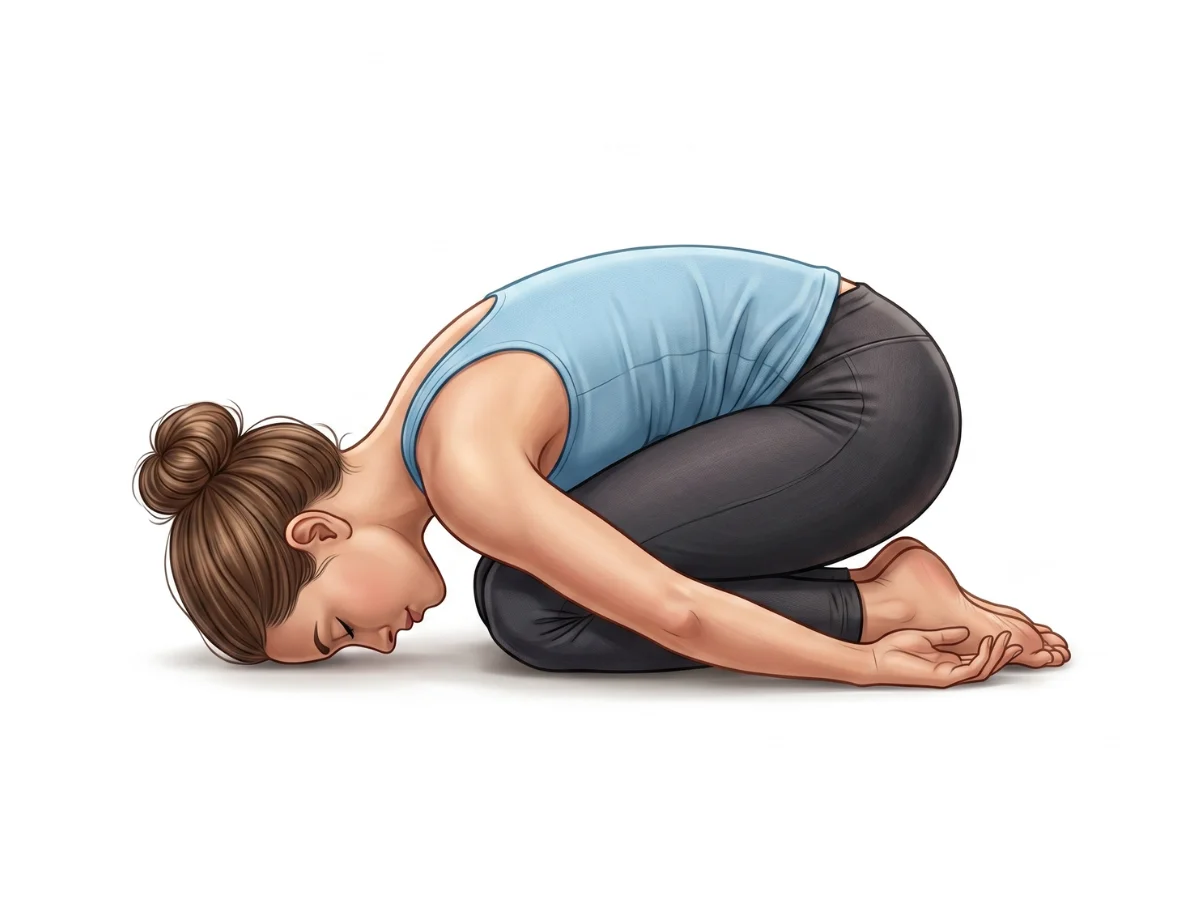
Child's Pose
BalasanaRelaxes the back before attempting extension postures.
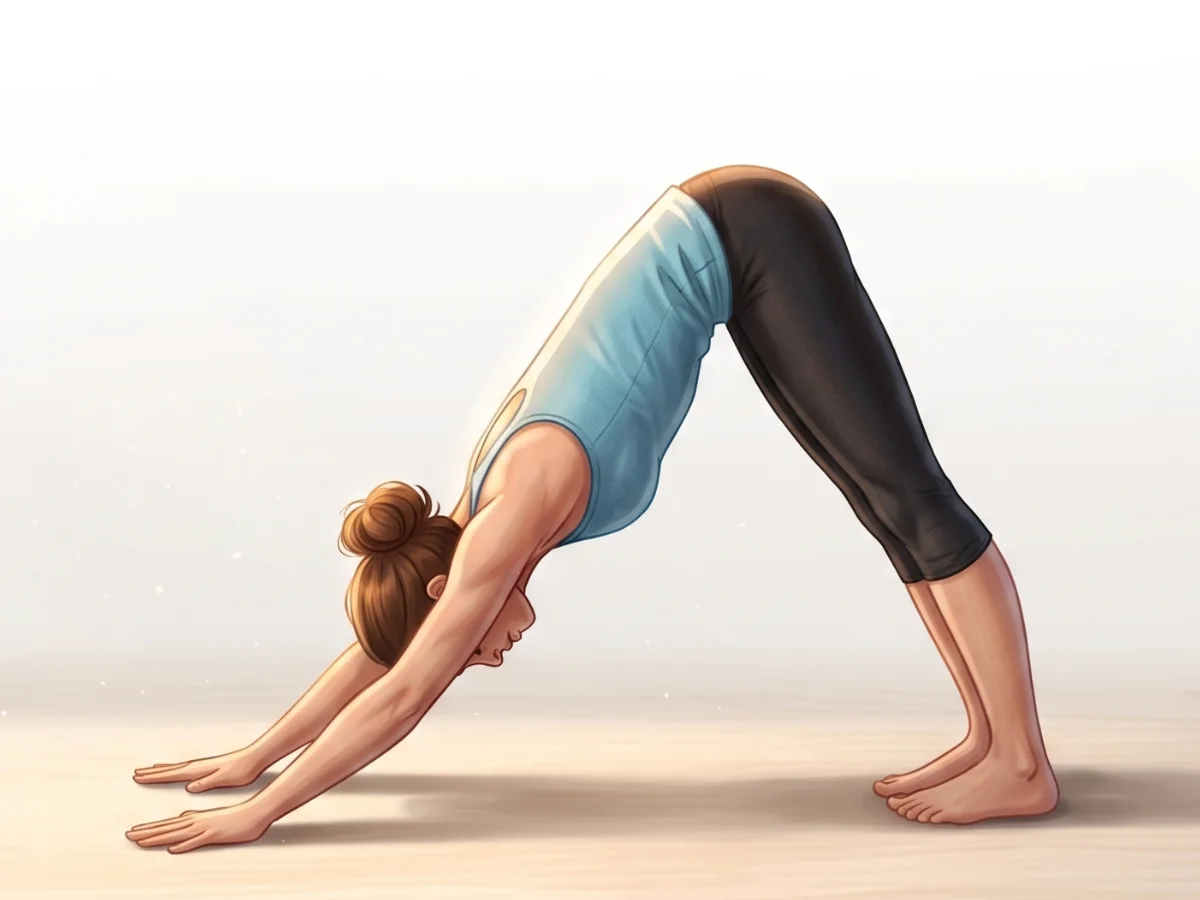
Follow with neutralizing Counter-poses
Frequently Asked Questions
Should I look forward or back at my foot?
Keep your gaze forward or slightly down to maintain a neutral, comfortable alignment in your cervical spine (neck).
Why does my lower back pinch?
Pinching often occurs if you lift the thigh too high without engaging the core. Focus more on pressing the foot into the hand rather than lifting aggressively.
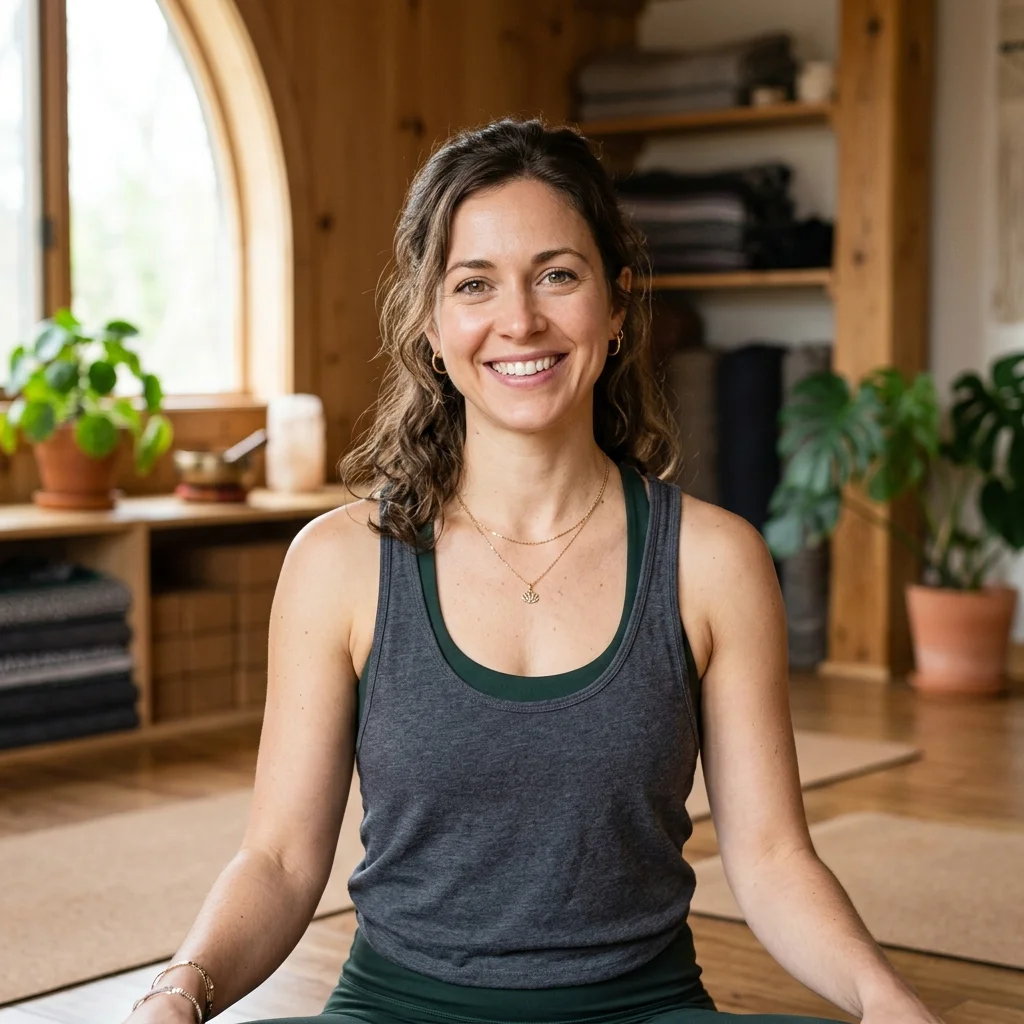
Elena Rostova is an accredited yoga educator and anatomy specialist with over 15 years of clinical experience. She focuses on functional biomechanics and injury prevention, translating complex anatomy into accessible guidance for safe, sustainable practice.
Read Full ProfileContinue Your Yoga Journey
Ready to deepen your practice? Explore our extensive library of poses, or join a structured program designed to build strength, flexibility, and mindfulness.