
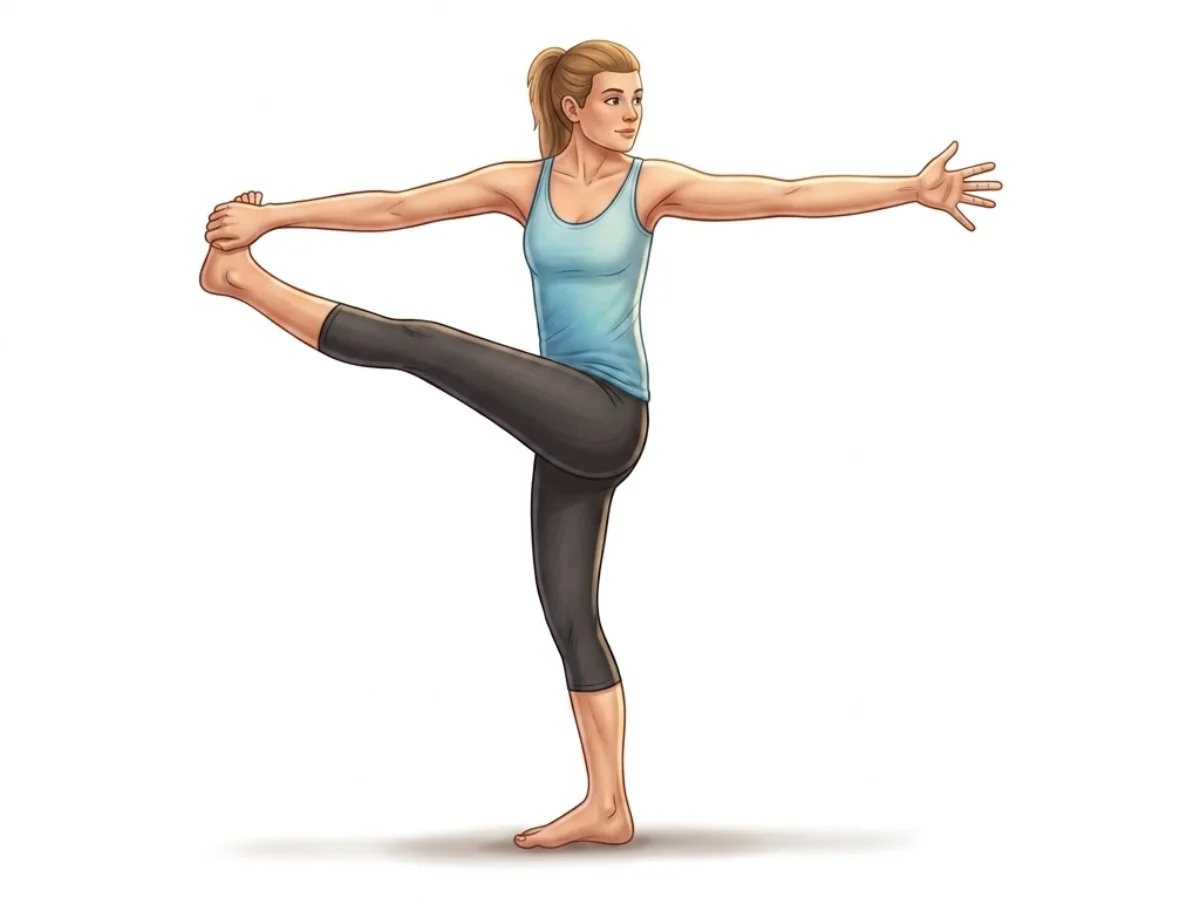
Revolved Standing Hand to Big Toe Pose
Parivrtta Hasta Padangusthasana
By Elena Rostova Updated: verified Medically Reviewed
Revolved Standing Hand to Big Toe Pose (Parivrtta Hasta Padangusthasana) is a highly advanced posture that challenges balance, flexibility, and core strength simultaneously. By extending one leg forward and twisting the torso toward the lifted leg while reaching the opposite arm back, you create a profound stretch along the outer hip and IT band.
Hold Time
30–60 sec · 5–10 breaths
Pronunciation
par-ee-VRIT-tah HAHS-tah pah-dahn-goosh-TAHS-anna
About Revolved Standing Hand to Big Toe Pose
A vital part of many yoga sequences, Revolved Standing Hand to Big Toe Pose (Parivrtta Hasta Padangusthasana) offers wonderful benefits that go beyond its simple shape. This posture specifically engages the balance, deep twisting & it band stretch, making it highly effective for developing both strength and mobility. Consistent practice will actively assist in profound it band stretch, helping you feel lighter and more balanced off the mat.
How to Practice
Begin in Mountain Pose
Start in Mountain Pose (Tadasana) at the top of your mat. Ground down firmly through your left foot and bring your hands to your hips.
Lift the Knee
Inhale and draw your right knee up toward your chest, keeping your spine tall and shoulders relaxed.
Cross the Grip
Reach your left hand across your body and grip the outside edge of your right foot. (Alternatively, hook the big toe with your left index and middle fingers, or hold the outside of the right knee).
Extend the Leg
Exhale and slowly straighten your right leg forward, pressing through the heel. Keep your right hand on your right hip for stability.
Initiate the Twist
Inhale to lengthen your spine. As you exhale, pull your belly in and begin to twist your torso to the right, opening your chest toward the side wall.
Extend the Arm
Reach your right arm straight back behind you, parallel to the floor, in line with your right shoulder.
Adjust the Gaze
Initially, keep your gaze straight ahead to maintain balance. If you feel steady, slowly turn your head to look back toward your right thumb.
Hold and Breathe
Hold the pose for 5 steady breaths. With each inhale, grow taller; with each exhale, gently deepen the twist.
Release Safely
Inhale to bring your gaze and torso back to the front. Release the grip on the foot, keeping the leg lifted for one breath.
Switch Sides
Exhale to lower the leg to the floor. Shake out the standing leg, return to Mountain Pose, and repeat on the other side.
Practice with the Yoga Timer
Keep track of your hold time and breath count for this pose.
Beginner Modifications & Prop Options
Yoga is a personal journey. These modifications and prop options allow you to adapt the pose to your current level of balance and flexibility, ensuring a safe and supportive practice.
Hold the Knee
Keep the knee bent at 90 degrees. Place your opposite hand on the outside of the bent knee and twist to gain spinal benefits without requiring hamstring flexibility.
Tip: Focus on alignment rather than depth.
Use a Strap
Loop a strap around the ball of the lifted foot and hold it with the opposite hand. This allows full leg extension while keeping the chest lifted and spine straight.
Tip: Focus on alignment rather than depth.
Twist Near a Wall
Stand near a wall so that your back fingertips lightly touch it. This provides a tactile anchor for balance and helps leverage deeper into the twist.
Tip: Focus on alignment rather than depth.
Benefits of Revolved Standing Hand to Big Toe Pose
Profound IT Band Stretch
Crossing the arm over the extended leg creates an intense stretch along the outer thigh, IT band, and glutes of the lifted leg.
Improves Digestion & Detoxification
The deep, compressive twist of the abdomen massages the internal organs, stimulating digestion and supporting liver function.
Strengthens Standing Leg
The ankle, calf, quadriceps, and gluteus medius of the standing leg work intensely to maintain stability against the rotational force.
Increases Spinal Mobility
Twisting while balancing encourages flexibility in the thoracic and lumbar spine, releasing tension in the back muscles.
Develops Supreme Focus
Combining a balancing posture with a spinal twist challenges the vestibular system, demanding total mental presence and concentration.
Common Mistakes to Avoid
Mistake: Leaning Backward
How to fix: Engage the core and stack the shoulders directly over the hips. If this is impossible, use a strap.
Mistake: Hiking the Lifted Hip
How to fix: Actively press the lifted hip down toward the floor so the pelvis remains level before twisting.
Mistake: Turning the Gaze Too Quickly
How to fix: Establish the twist first while looking forward. Turn the head slowly only if the balance feels completely secure.
Safety and Precautions
Spinal Injuries
Herniated discs or SI joint issues can be severely aggravated by deep twisting while balancing.
Pregnancy
Deep closed twists compress the abdomen and restrict space for the baby; avoid after the first trimester.
Ankle or Knee Injuries
The standing leg joints endure significant torque during the twisting motion.
Medical Disclaimer: If you have any of the above conditions, consult your doctor or a qualified yoga instructor before attempting this pose.
Muscles Worked in Revolved Standing Hand to Big Toe Pose
Revolved Standing Hand to Big Toe Pose demands synchronized muscular effort, creating a profound sense of engagement and release throughout the body. The activation of the primary muscles supports the structure, while the secondary muscles provide stability and balance.
Primary Muscles
Obliques
Contract deeply to rotate the torso to the side.
Gluteus Medius
Stabilizes the pelvis and supports the standing leg.
IT Band / Tensor Fasciae Latae
Stretches deeply on the lifted leg due to the adduction and internal rotation.
Secondary Muscles
Hamstrings
Stretch on the lifted leg.
Quadriceps
Engage to keep both the standing and lifted legs straight.
Poses to Practice Before and After Revolved Standing Hand to Big Toe Pose
Prepare with these Poses
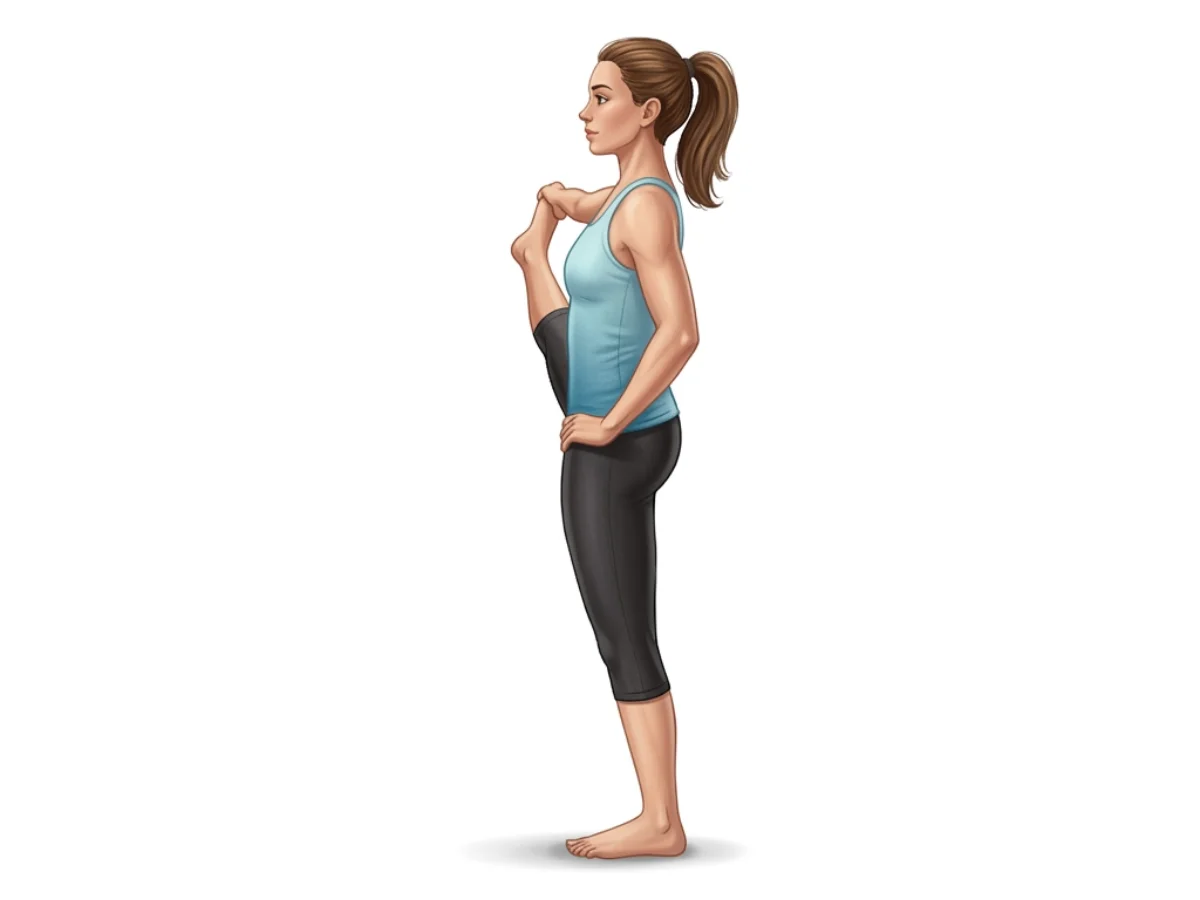
Extended Standing Hand to Big Toe Pose
Utthita Hasta PadangusthasanaBuilds the foundation of balancing on one leg while extending the other forward.
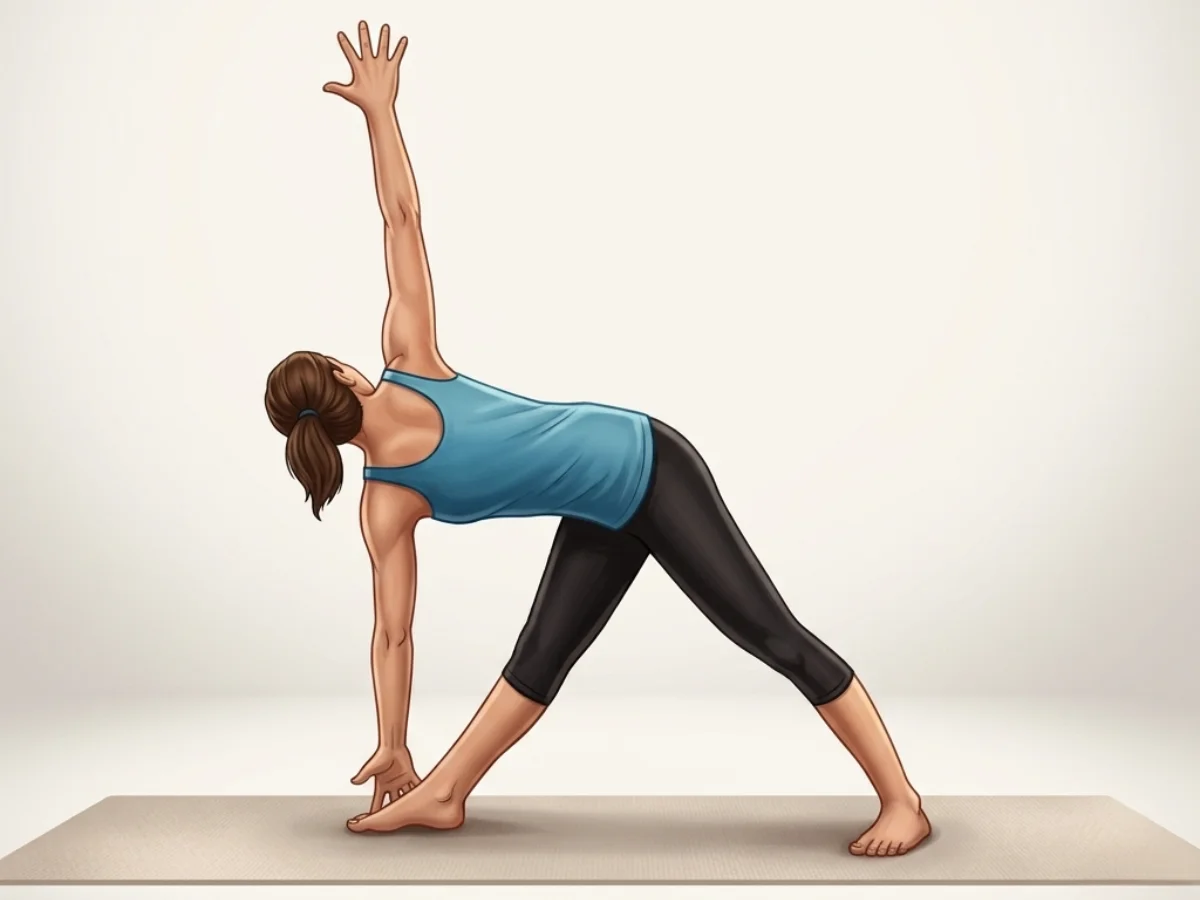
Revolved Triangle Pose
Parivrtta TrikonasanaWarms up the IT band and introduces a deep twist with both feet grounded.
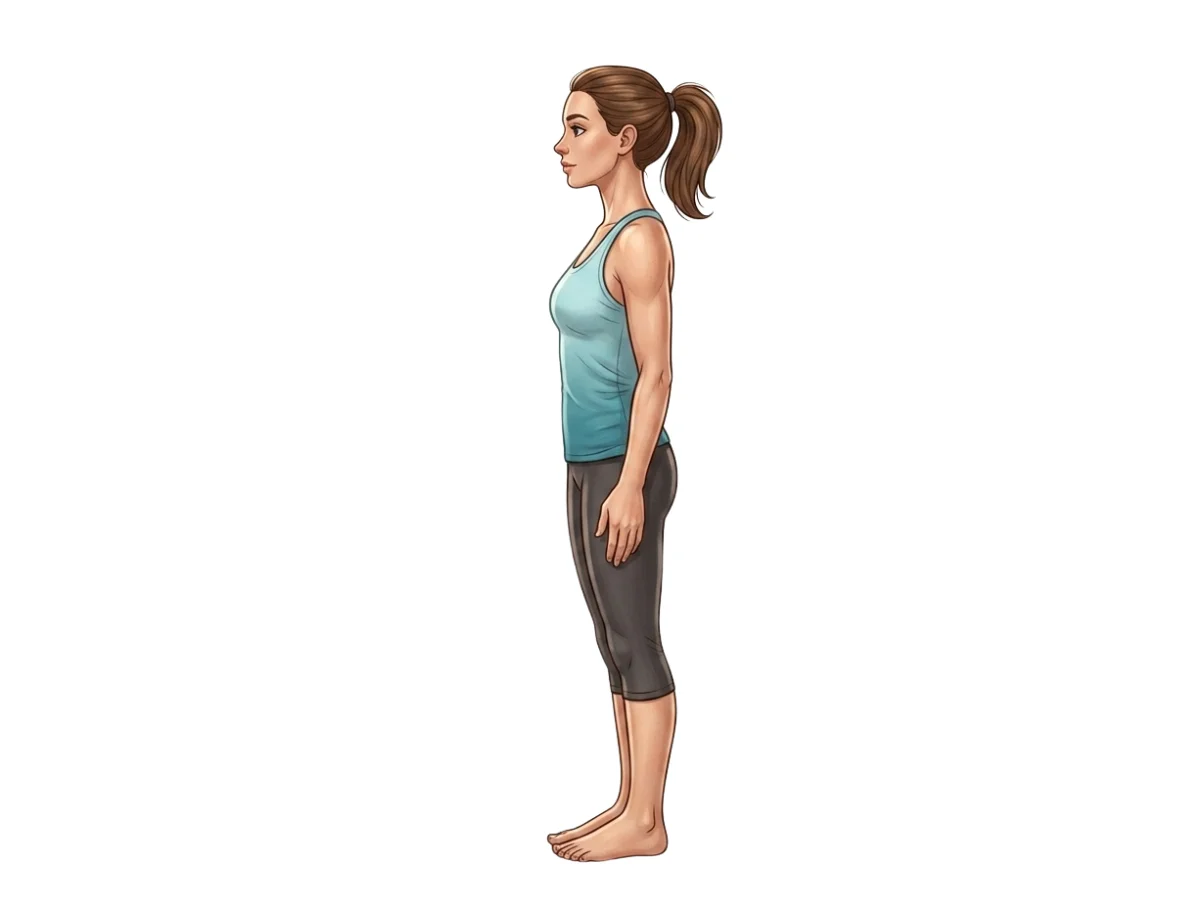
Mountain Pose
TadasanaEstablishes basic posture and focus.
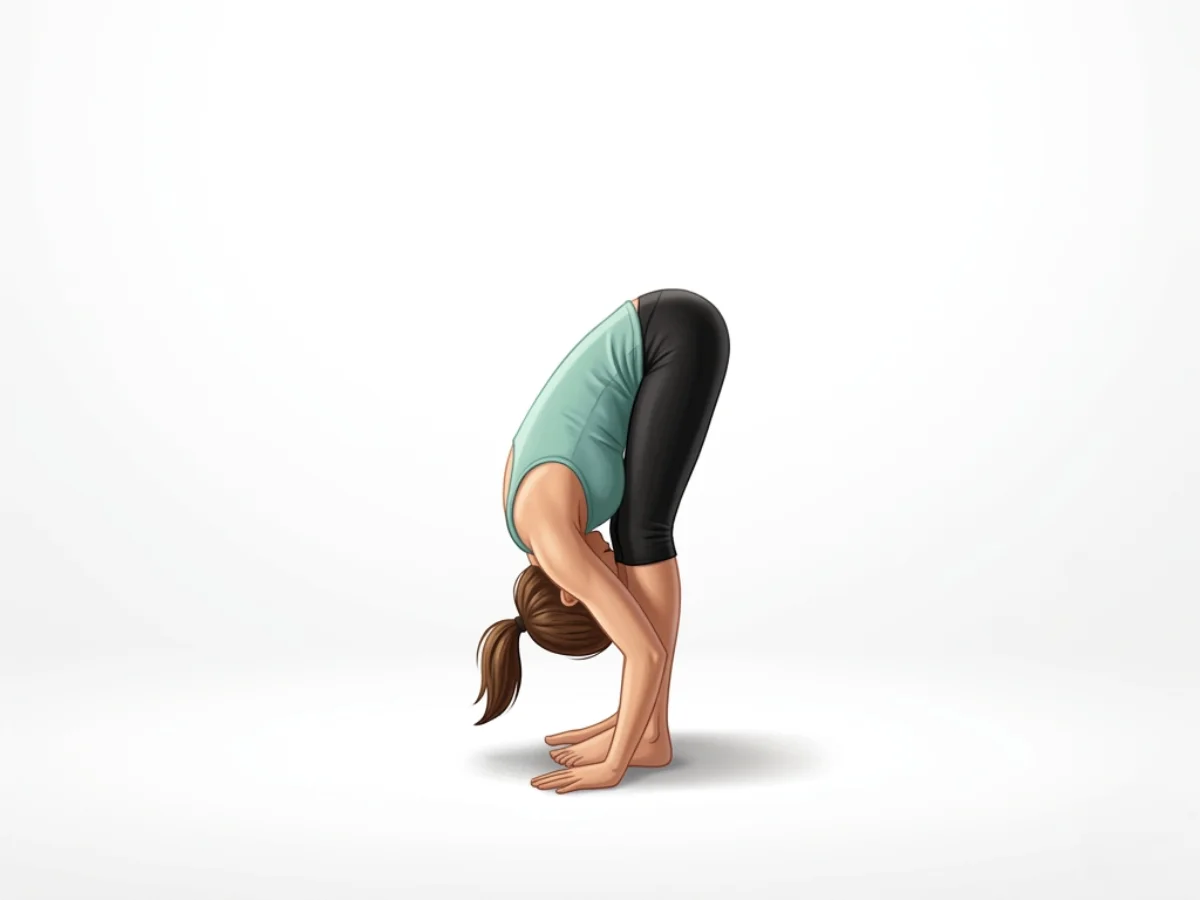
Follow with neutralizing Counter-poses
Frequently Asked Questions
Is it better to hold the outside of the foot or the big toe?
Holding the outside edge of the foot provides a much deeper stretch along the IT band and outer hip because it naturally internally rotates the leg. However, if that grip is too intense, holding the big toe is perfectly acceptable.
I cannot keep my balance when I twist. What should I do?
Keep your gaze fixed straight forward. The moment you turn your head, you challenge your balance systems.

Elena Rostova is an accredited yoga educator and anatomy specialist with over 15 years of clinical experience. She focuses on functional biomechanics and injury prevention, translating complex anatomy into accessible guidance for safe, sustainable practice.
Read Full ProfileContinue Your Yoga Journey
Ready to deepen your practice? Explore our extensive library of poses, or join a structured program designed to build strength, flexibility, and mindfulness.