
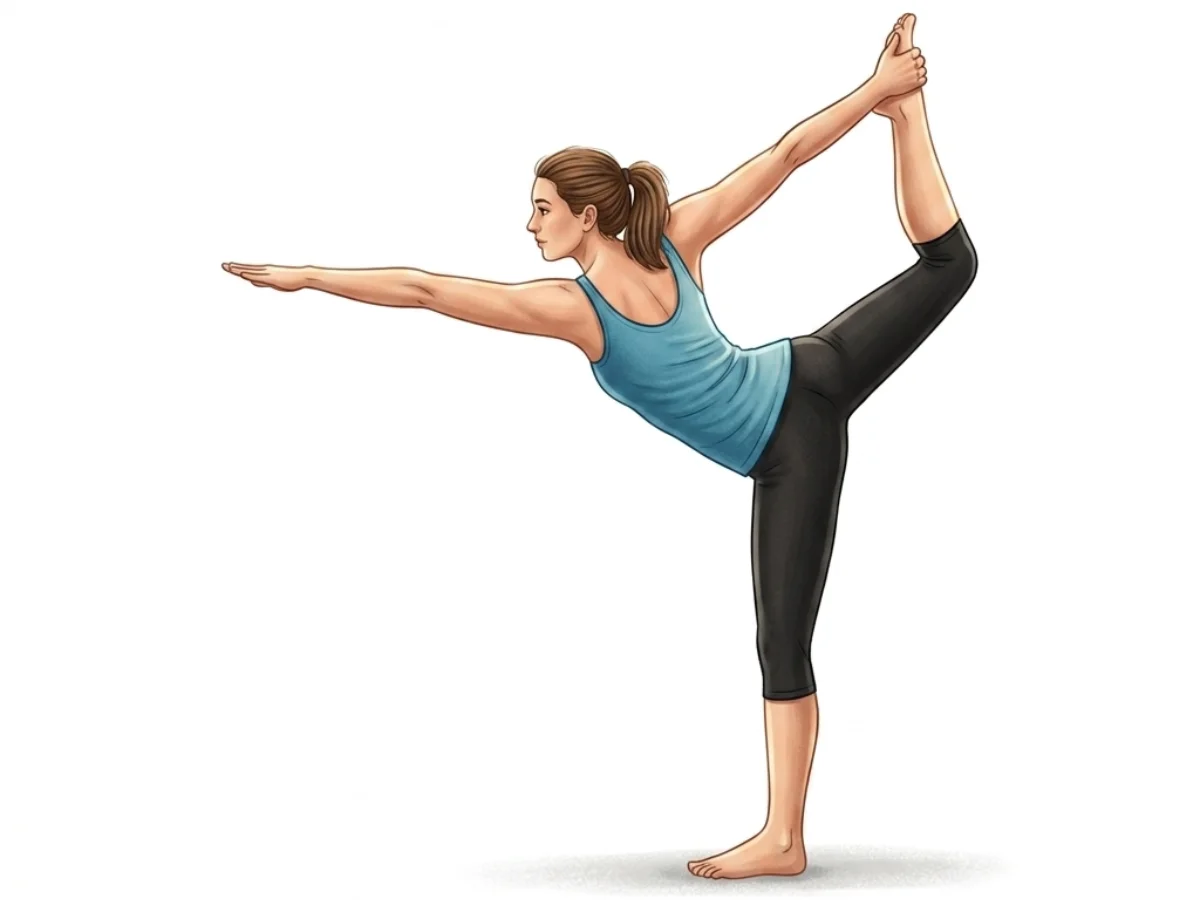
Standing Bow Pose
Dandayamana Dhanurasana
By Elena Rostova Updated: verified Medically Reviewed
Standing Bow Pose (Dandayamana Dhanurasana) is a dynamic balancing posture that simultaneously combines a deep backbend with intense stretching. By rooting firmly through your standing leg and kicking powerfully into your raised hand, you create a beautiful arc that opens the chest, shoulders, and hips.
Hold Time
30–60 sec · 5–10 breaths
Pronunciation
dahn-dah-yah-MAH-nah dahn-yoor-AHS-anna
About Standing Bow Pose
Standing Bow Pose is a challenging but deeply rewarding posture that requires immense focus and determination. It beautifully marries the grounded stability of a standing pose with the expansive opening of a backbend. Practicing this pose regularly will strengthen your entire lower body while dramatically improving your balance and flexibility. As you extend your body in opposite directions, you learn how to find stillness and breath amidst intense physical effort.
How to Practice
Start in Mountain Pose
Begin standing tall in Mountain Pose (Tadasana) with your feet together and your spine elongated. Shift your weight onto your left leg.
Catch the Right Foot
Bend your right knee and lift your right heel toward your glutes. Reach your right hand back and grasp the inside of your right ankle (palm facing out, thumb pointing back).
Extend the Left Arm
Reach your left arm straight up toward the ceiling, keeping it active and close to your left ear. Fix your gaze on a single, unmoving point in front of you.
Kick and Reach
Inhale deeply. As you exhale, begin to kick your right foot straight back and up into your right hand. Simultaneously, hinge at your hips to bring your torso forward.
Find the Balance
Keep the kicking force equal to the forward reach. Let the power of your right leg pull your right shoulder back, opening your chest.
Refine the Pose
Continue to lower your abdomen until it is parallel to the floor. Keep your left leg strong but avoid locking the knee. Keep your right knee hugging slightly inward so it does not splay out.
Hold and Breathe
Hold the posture for 5 to 10 deep, steady breaths. Embrace the wobble and stay focused on your balancing point.
Release Safely
To exit, slowly lift your torso back up as you ease the kicking tension. Release your right foot, lower your arm, and return to Mountain Pose.
Switch Sides
Take a breath to reset, then shift your weight to your right leg and repeat the pose on the other side.
Practice with the Yoga Timer
Keep track of your hold time and breath count for this pose.
Beginner Modifications & Prop Options
Yoga is a personal journey. These modifications and prop options allow you to adapt the pose to your current level of balance and flexibility, ensuring a safe and supportive practice.
Use a Wall
Stand near a wall and rest your extended hand against it for support. This allows you to focus on the backbend and the kick without falling.
Tip: Focus on alignment rather than depth.
Use a Yoga Strap
Loop a yoga strap around the ankle of your lifted leg. Hold the strap with your hand if reaching the foot directly compromises your alignment.
Tip: Focus on alignment rather than depth.
Stay Upright
Focus purely on the quad stretch and slight backbend while keeping your torso upright, rather than hinging forward.
Tip: Focus on alignment rather than depth.
Benefits of Standing Bow Pose
Improves Balance and Focus
Requires intense concentration, which clears the mind and develops steadfast mental focus and physical equilibrium.
Opens Chest and Shoulders
The kicking action pulls the shoulder back, creating a deep opening across the heart center and improving posture.
Strengthens the Legs
The standing leg works vigorously to support your entire body weight, building strength in the ankles, calves, and thighs.
Enhances Spinal Flexibility
Creates a strong, active backbend that decompresses the spine and increases its elasticity.
Stimulates Circulation
The dynamic nature of the pose gets the heart pumping, improving blood flow and energizing the entire body.
Common Mistakes to Avoid
Mistake: Splaying the Lifted Knee
How to fix: Actively hug your inner thighs toward the midline, keeping the lifted knee tracking directly behind you.
Mistake: Locking the Standing Knee
How to fix: Keep a micro-bend in your standing knee and engage your quadriceps to lift the kneecap.
Mistake: Collapsing the Chest
How to fix: Keep your collarbones broad and use the kicking action of your leg to draw your shoulder back.
Safety and Precautions
Recent Lower Back Injury
The deep backbend and asymmetrical stance can aggravate lumbar issues.
High Blood Pressure
The strenuous effort required might raise blood pressure; practice mildly or avoid.
Knee or Ankle Injuries
The standing leg bears intense weight; avoid if joints are currently compromised.
Medical Disclaimer: If you have any of the above conditions, consult your doctor or a qualified yoga instructor before attempting this pose.
Muscles Worked in Standing Bow Pose
Standing Bow Pose demands synchronized muscular effort, creating a profound sense of engagement and release throughout the body. The activation of the primary muscles supports the structure, while the secondary muscles provide stability and balance.
Primary Muscles
Quadriceps
Engaged on the standing leg for stability.
Gluteus Maximus
Actively engages to lift and kick the back leg.
Erector Spinae
Contracts to lift the chest and support the backbend.
Secondary Muscles
Pectoralis Major
Stretches deeply as the shoulder is pulled back.
Hamstrings
Work to bend the knee and stabilize the standing leg.
Ankle Stabilizers
Fire continuously to maintain balance.
Poses to Practice Before and After Standing Bow Pose
Prepare with these Poses
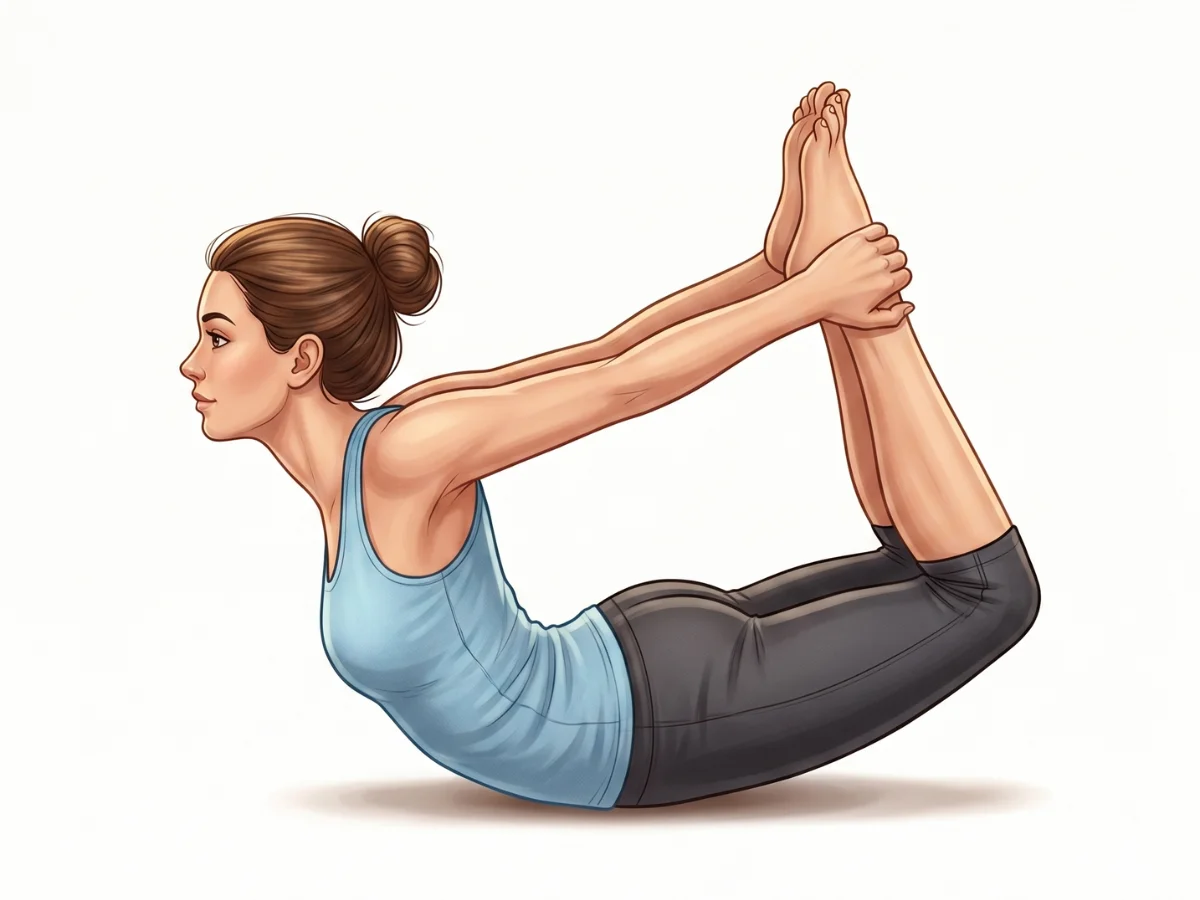
Bow Pose
DhanurasanaA floor-based backbend that familiarizes the body with the kicking action.
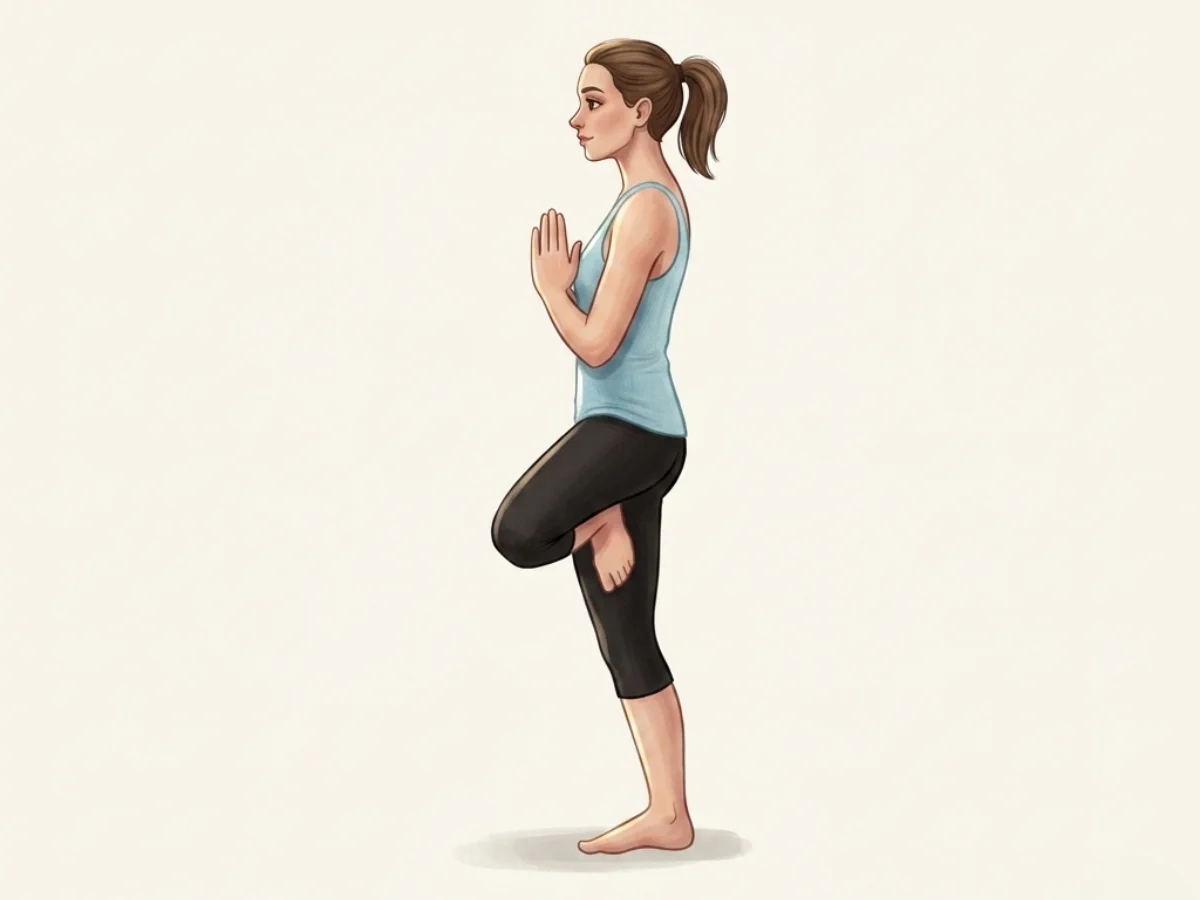
Tree Pose
VrksasanaEstablishes foundational standing balance and mental focus.
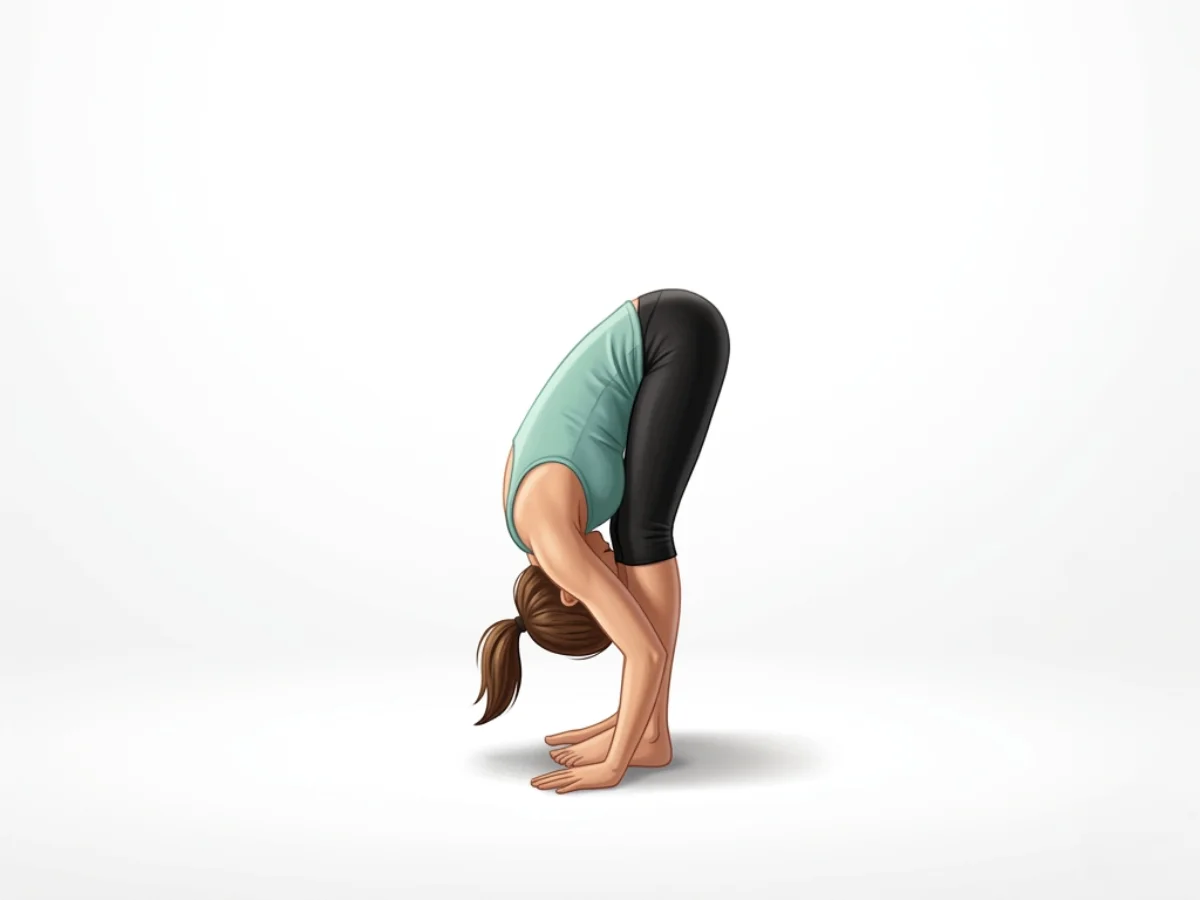
Follow with neutralizing Counter-poses
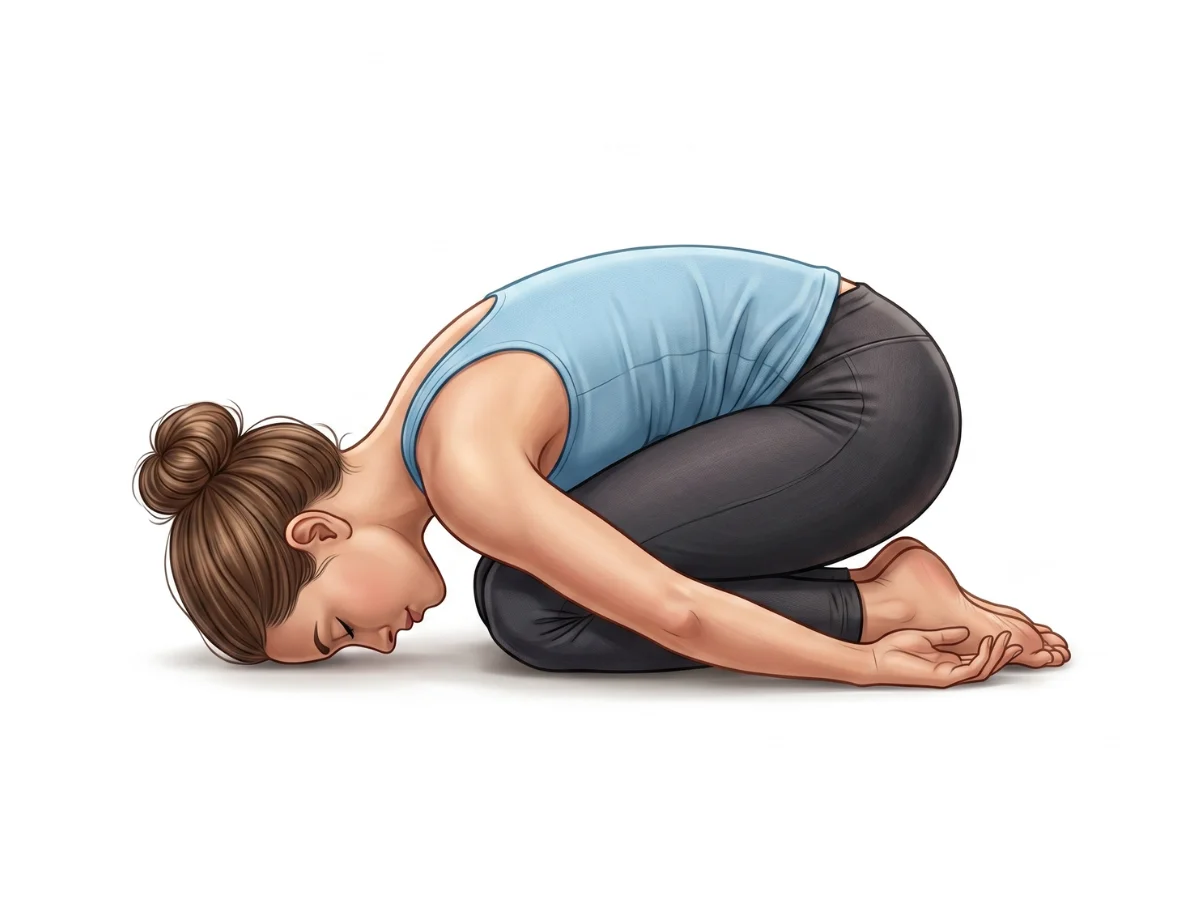
Frequently Asked Questions
How do I keep from falling over?
Balance in Standing Bow comes from opposing forces. Kick your foot back just as hard as you reach your front arm forward. Keep your gaze locked on a single point (drishti) to steady your mind and body.
Is it better to kick higher or lean further forward?
Focus on the kick first. The power of your leg kicking back and up is what naturally brings your torso forward. Don't sacrifice the chest opening just to lower your chest to the floor.
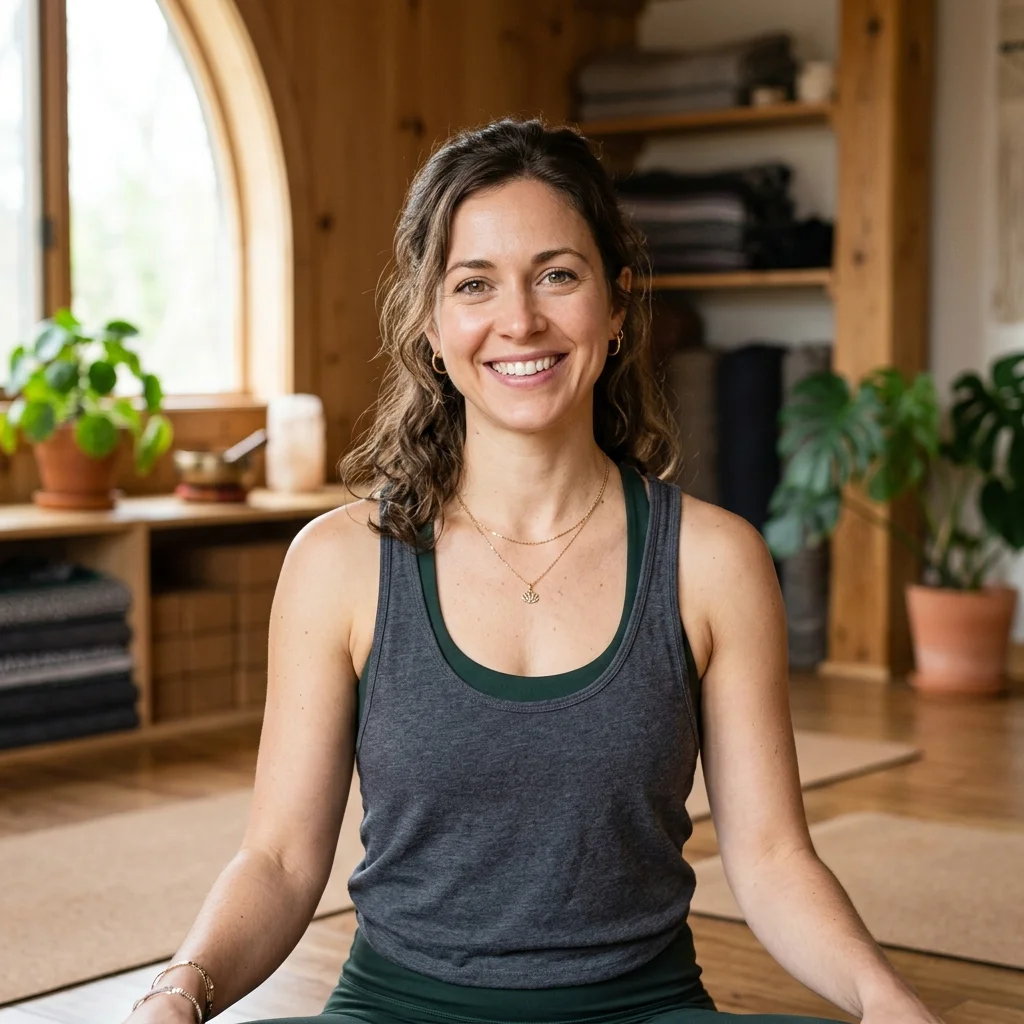
Elena Rostova is an accredited yoga educator and anatomy specialist with over 15 years of clinical experience. She focuses on functional biomechanics and injury prevention, translating complex anatomy into accessible guidance for safe, sustainable practice.
Read Full ProfileContinue Your Yoga Journey
Ready to deepen your practice? Explore our extensive library of poses, or join a structured program designed to build strength, flexibility, and mindfulness.