
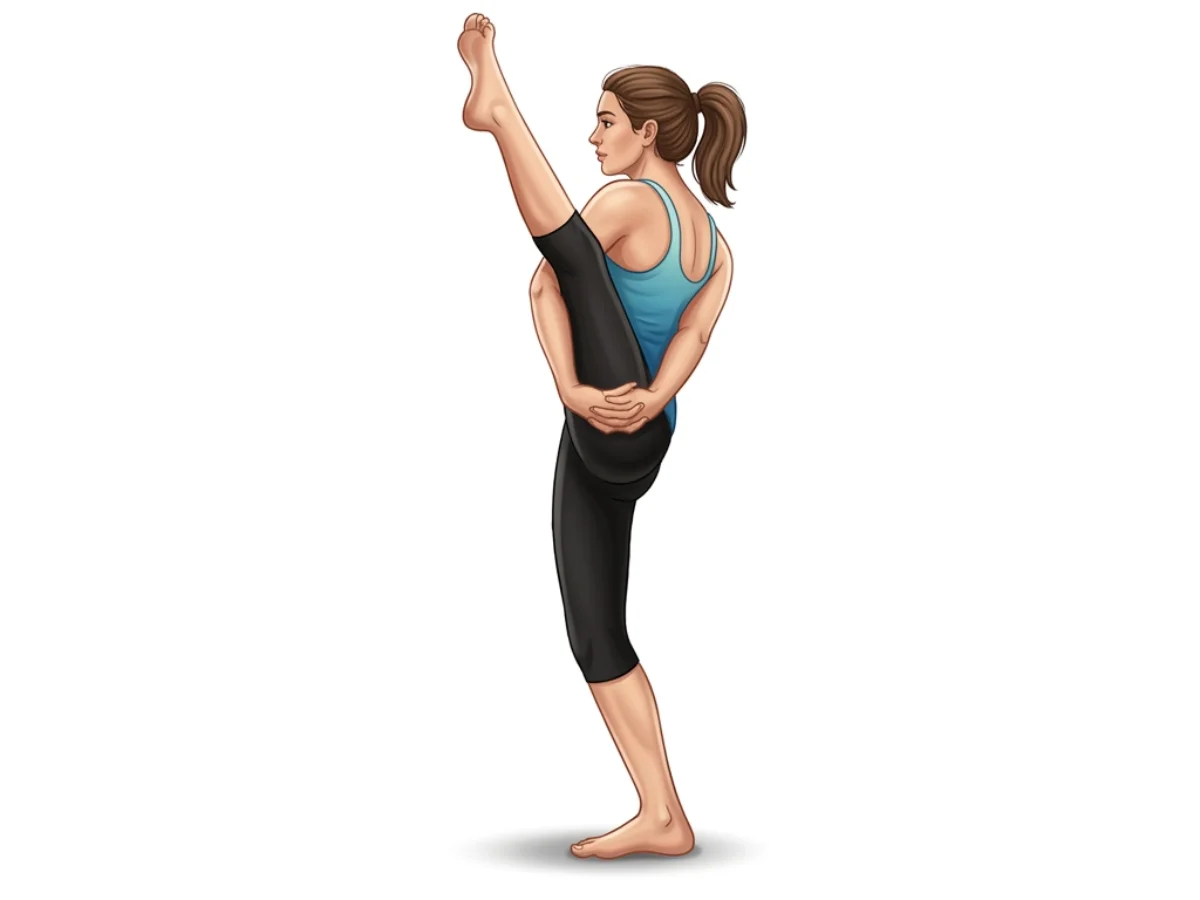
Bird of Paradise
Svarga Dvijasana
By Elena Rostova Updated: verified Medically Reviewed
Bird of Paradise (Svarga Dvijasana) is an advanced standing balance posture resembling a tropical flower. It elegantly combines a deep shoulder bind, open hips, single-leg stability, and full hamstring extension.
Hold Time
15–30 sec · 3–5 breaths
Pronunciation
svar-gah dvee-jahs-anna
About Bird of Paradise
Bird of Paradise (Svarga Dvijasana) is a grounding posture that draws its natural shape from the animal kingdom. By gently focusing on hip opening & complex balance, it actively stretches your muscles and builds heat. Ultimately, it is a fantastic pose for builds profound dynamic balance, leaving you with a profound sense of grounded energy.
How to Practice
Bound Side Angle Setup
Begin in a deep Extended Side Angle Pose (Utthita Parsvakonasana) on your right side. Thread your right arm under your front thigh and wrap your left arm around your lower back to clasp your hands in a bind.
Step the Back Foot Forward
Look down at your right foot. Take a deep inhale, and on the exhale, step your left foot forward to meet your right foot at the front of your mat, keeping your feet parallel and hip-width apart while maintaining the bind.
Transfer Your Weight
Shift your physical weight completely into your left foot (your standing leg), grounding firmly through all four corners of the left foot and activating your left quadricep.
Find Your Drishti
Bend your left knee slightly and find a steady, unmoving gaze point (Drishti) on the floor or wall in front of you to secure your balance.
Slow Lift-Off
Engage your deep core muscles and press firmly into your standing left foot. On a slow inhale, slowly begin to lift your torso upright, lifting your bound right leg off the floor as you stand tall.
Torso Elongation
Once upright, roll your shoulders back and down to broaden your chest, keeping your collarbones wide and maintaining a strong, steady bind around your right thigh.
Neutralize Your Pelvis
Actively draw your standing left hip in toward your midline to stabilize your pelvis, preventing your hips from splaying out to the side.
Extend the Elevated Leg
If your balance feels completely secure, slowly and mindfully begin to extend your right knee, straightening your elevated right leg out to the side and pointing or flexing your toes.
Sustained Breath
Maintain this posture for 3 to 5 slow, steady nasal breaths, keeping your chest lifted and enjoying the deep opening across your hips and chest.
Controlled Release
To exit the pose safely, slowly bend your elevated right knee on an exhale, lower your right foot back to the floor with control, step your left foot back to return to a Bound Side Angle, and release the bind.
Practice with the Yoga Timer
Keep track of your hold time and breath count for this pose.
Beginner Modifications & Prop Options
Yoga is a personal journey. These modifications and prop options allow you to adapt the pose to your current level of balance and flexibility, ensuring a safe and supportive practice.
Using a Yoga Strap for the Bind
Hold a yoga strap between your hands to complete the bind if your shoulders are tight. Keep the strap taut as you stand upright to lift safely without shoulder strain.
Tip: Focus on alignment rather than depth.
Hovering with Knee Bent (Half Bird)
Keep the elevated knee bent at a 90-degree angle instead of straightening it. Focus entirely on stabilizing the standing leg, lifting the chest, and maintaining steady breath.
Tip: Focus on alignment rather than depth.
Practicing Against a Wall
Practice with your back or shoulder resting gently against a wall. This provides a supportive guide to focus on lengthening the standing leg and opening the hip without balance distractions.
Tip: Focus on alignment rather than depth.
Benefits of Bird of Paradise
Builds Profound Dynamic Balance
Standing on a single leg while raising a bound leg challenges and strengthens your dynamic balance, cerebellar coordination, and deep core stabilizer muscles.
Deeply Opens Shoulders & Chest
The deep bind behind your back stretches the pectoralis major and anterior deltoids, helping to counteract rounded posture and open the front chest.
Advanced Hip External Rotation
Demands and cultivates deep external rotation of the elevated hip joint, lengthening the adductor group and opening the pelvic floor muscles.
Strengthens Supporting Leg
Bearing weight solely on one leg builds high isometric endurance and strength in the standing ankle, calf, quadriceps, and gluteus medius.
Lengthens Elevated Hamstring
Straightening the elevated leg puts the hamstring group (biceps femoris, semitendinosus) under active extension, restoring flexibility.
Common Mistakes to Avoid
Mistake: Rounding the Spine Forward
How to fix: Prioritize a straight, upright spine over a straight elevated leg; keep the knee bent if needed to stand completely tall.
Mistake: Shrugging the Shoulders
How to fix: Actively draw your shoulder blades down your back, broaden across your collarbones, and lift the crown of your head upward.
Mistake: Hyperextending the Standing Knee
How to fix: Keep a tiny, active micro-bend in the standing leg and engage the quadriceps to lift the kneecap.
Safety and Precautions
Acute Shoulder or Rotator Cuff Injuries
The deep bind puts the shoulder joints under high extension and rotation, which can aggravate healing tissues.
Severe Hip, Knee, or Ankle Joint Injuries
Bearing the entire body weight on a single leg while twisting the elevated hip can aggravate joint conditions.
Uncontrolled Vertigo or Low Blood Pressure
Standing on one leg and elevating the torso rapidly can trigger dizzy spells or loss of balance.
Severe Hamstring or Groin Strains
Extending the bound leg under tension can worsen existing micro-tears in the hamstrings or adductors.
Late-Stage Pregnancy
The complex balance, core strain, and potential risk of falling make this pose unsafe during later stages of pregnancy.
Medical Disclaimer: If you have any of the above conditions, consult your doctor or a qualified yoga instructor before attempting this pose.
Muscles Worked in Bird of Paradise
Bird of Paradise demands synchronized muscular effort, creating a profound sense of engagement and release throughout the body. The activation of the primary muscles supports the structure, while the secondary muscles provide stability and balance.
Primary Muscles
Gluteus Medius & Minimus
Stabilize the pelvis of the standing leg.
Quadriceps (Standing)
Extends the standing leg and supports body weight.
Deltoids & Pectorals
Rotated and stretched under isometric bind.
Secondary Muscles
Hamstrings (Elevated)
Stretched under active extension.
Transversus Abdominis
Engages deeply to maintain vertical balance.
Erector Spinae
Keeps the spine straight and chest lifted.
Poses to Practice Before and After Bird of Paradise
Prepare with these Poses
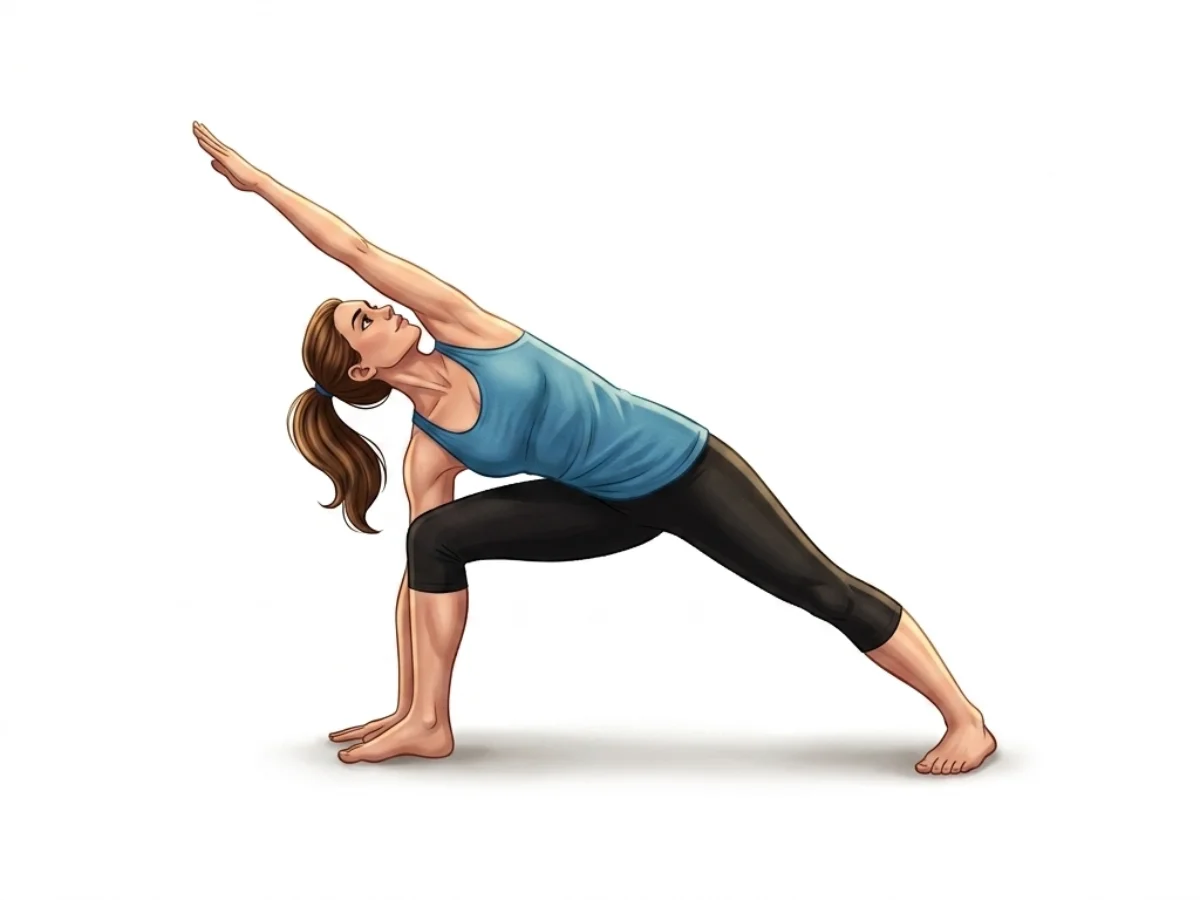
Bound Extended Side Angle
Baddha Utthita ParsvakonasanaEstablishes the deep shoulder bind and hip rotation required for Bird of Paradise.
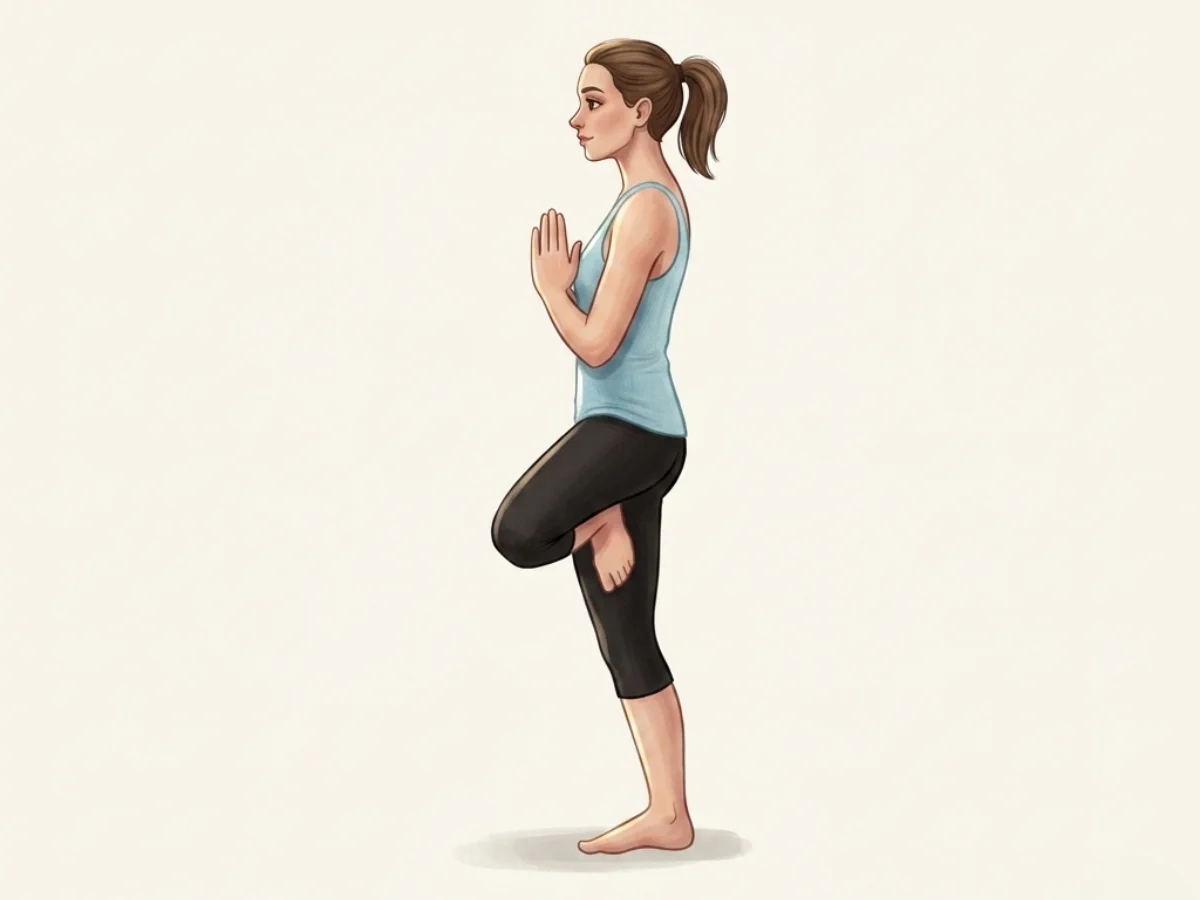
Tree Pose
VrikshasanaTeaches single-leg balance and active hip opening in an upright vertical position.
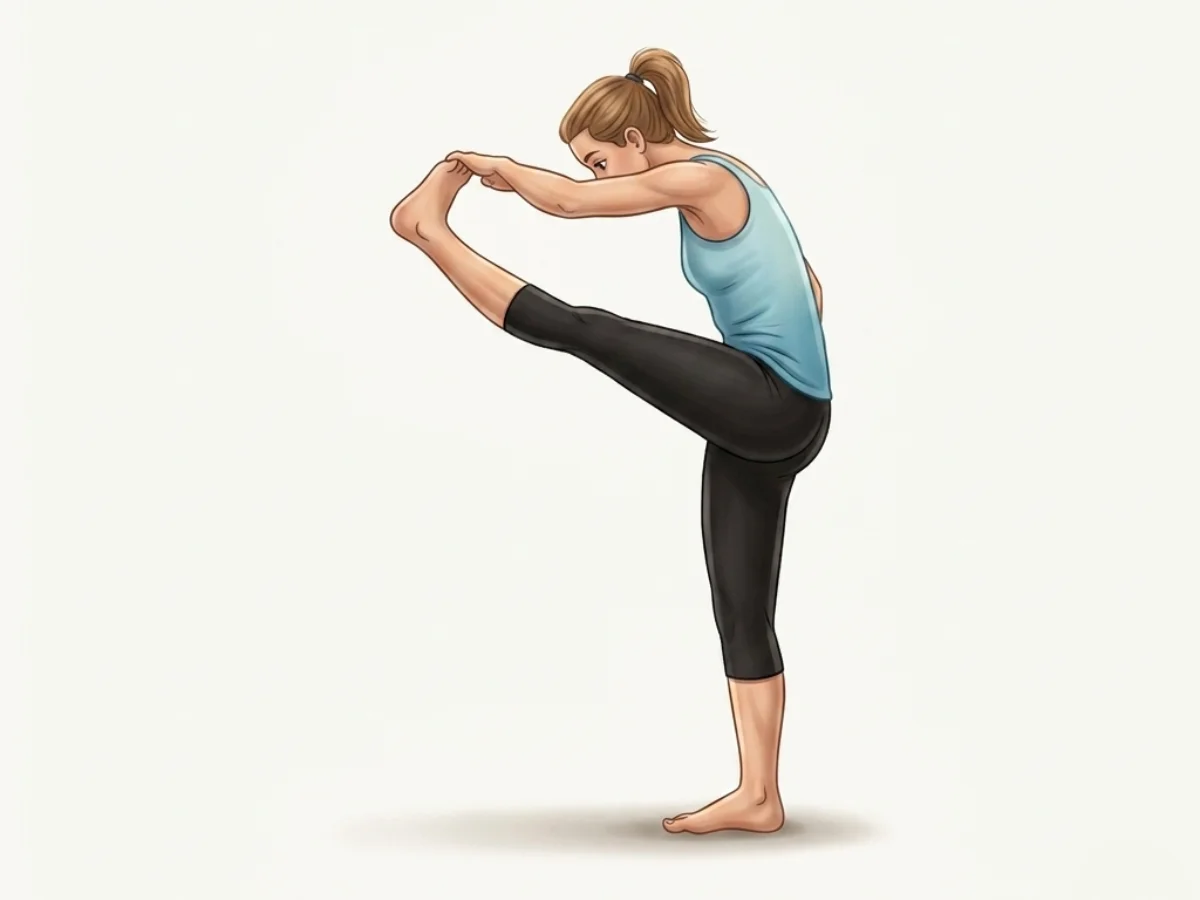
Standing Hand to Big Toe
Utthita Hasta PadangusthasanaStretches the hamstrings and groins while training upright single-leg balance.
Follow with neutralizing Counter-poses
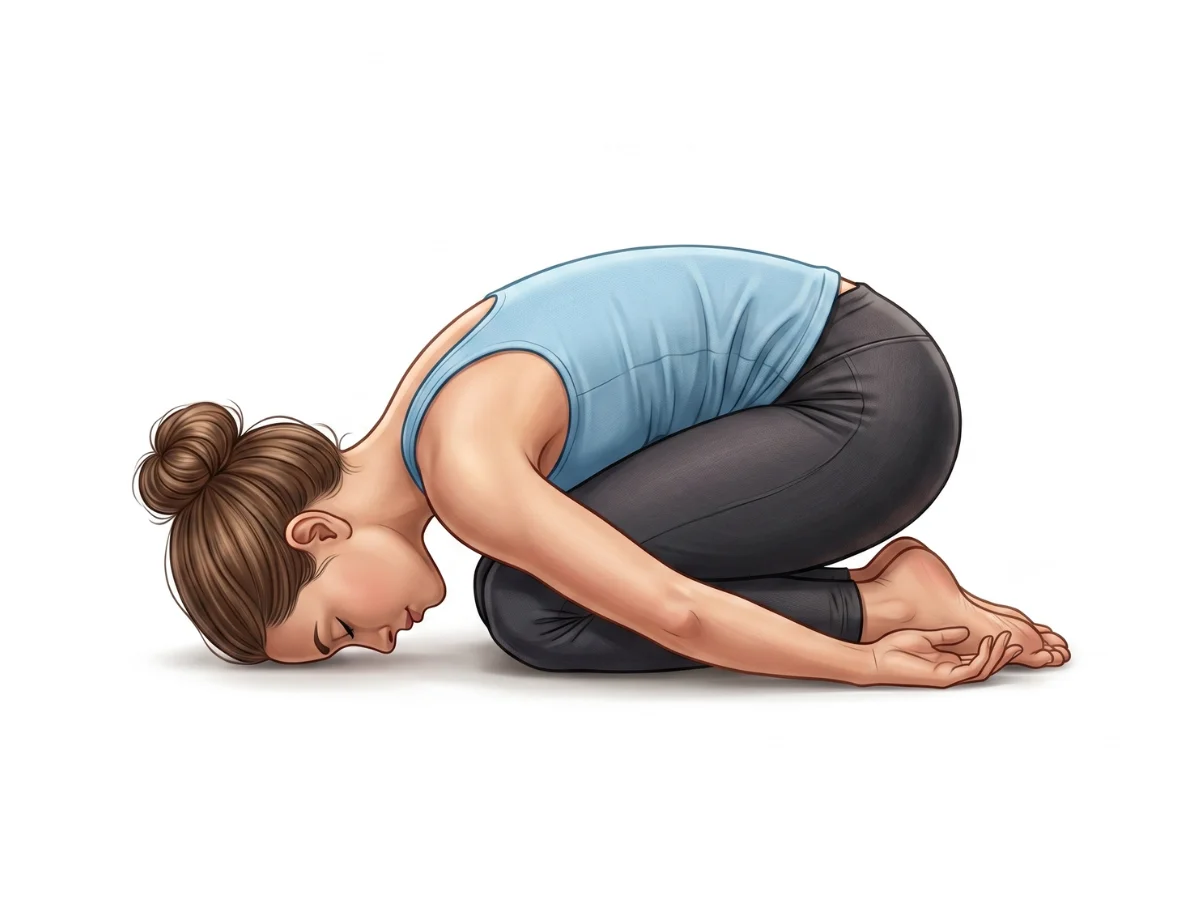
Child's Pose
BalasanaSinks the hips back to completely relax the wrists, shoulders, and hips after effort.
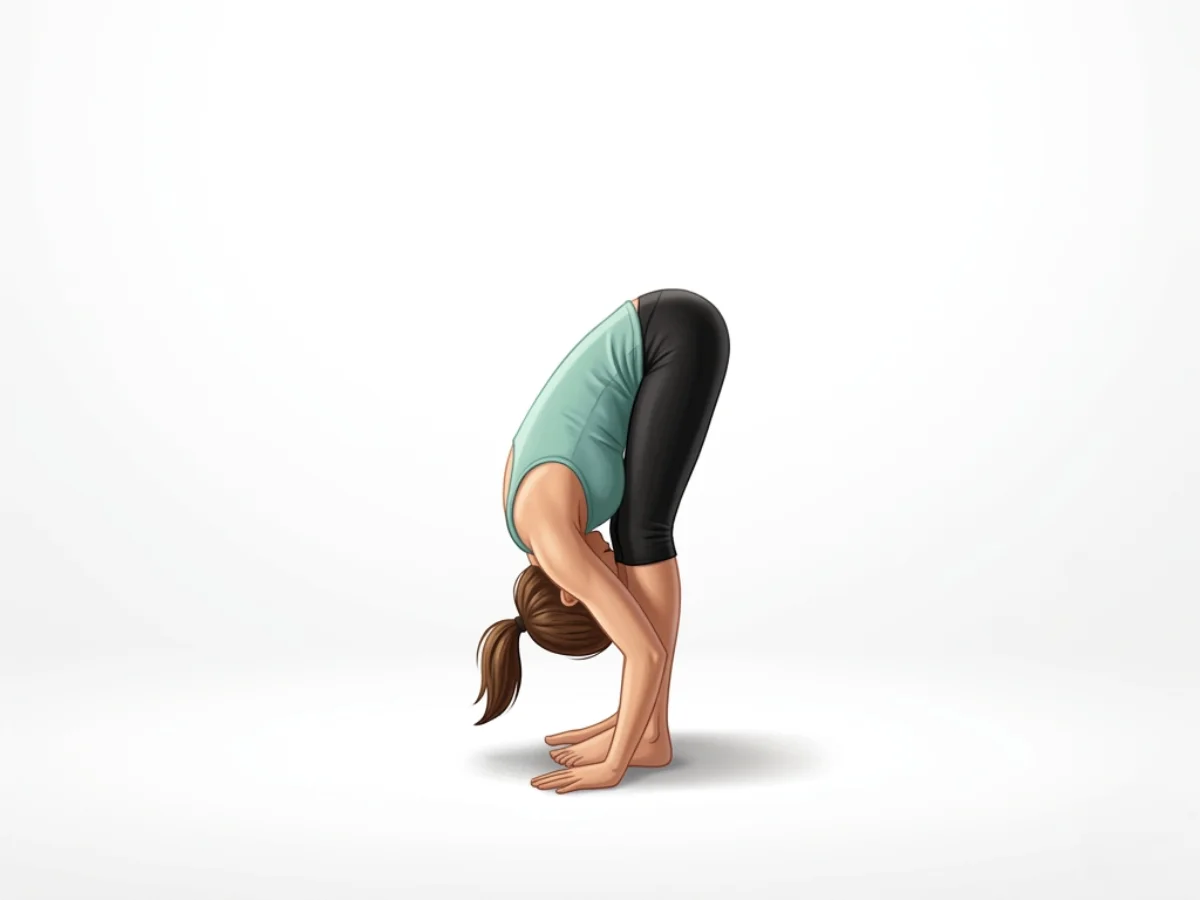
Standing Forward Bend
UttanasanaReleases the hips and decompresses the lower back in a gentle, symmetrical fold.
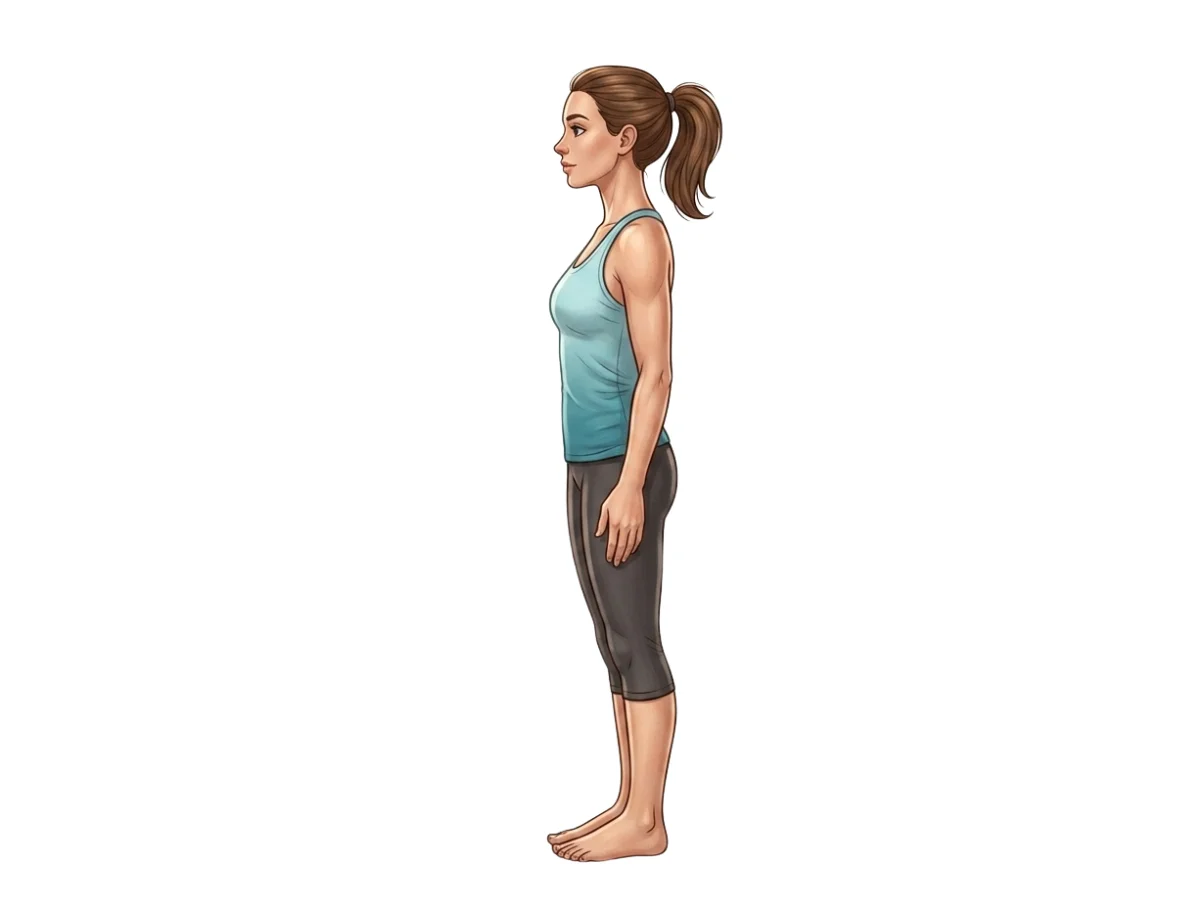
Mountain Pose
TadasanaRestores neutral skeletal alignment and helps ground the nervous system.
Frequently Asked Questions
How can I keep my hands bound when standing up?
If your hands slip when you stand up, it usually means your shoulders or hips are tight. Focus on keeping your spine straight and use a yoga strap between your hands to complete the bind until your flexibility increases naturally.
Do I have to straighten my elevated leg completely?
No. Straightening the elevated leg is the final stage of the posture.
Which leg is working harder in this pose?
Both legs work intensely, but in different ways. The standing leg works isometrically to support all your weight, strengthening the ankle and glutes.
Elena Rostova is an accredited yoga educator and anatomy specialist with over 15 years of clinical experience. She focuses on functional biomechanics and injury prevention, translating complex anatomy into accessible guidance for safe, sustainable practice.
Read Full ProfileContinue Your Yoga Journey
Ready to deepen your practice? Explore our extensive library of poses, or join a structured program designed to build strength, flexibility, and mindfulness.