
Eight Point Pose
Ashtangasana
By Elena Rostova Updated: verified Medically Reviewed
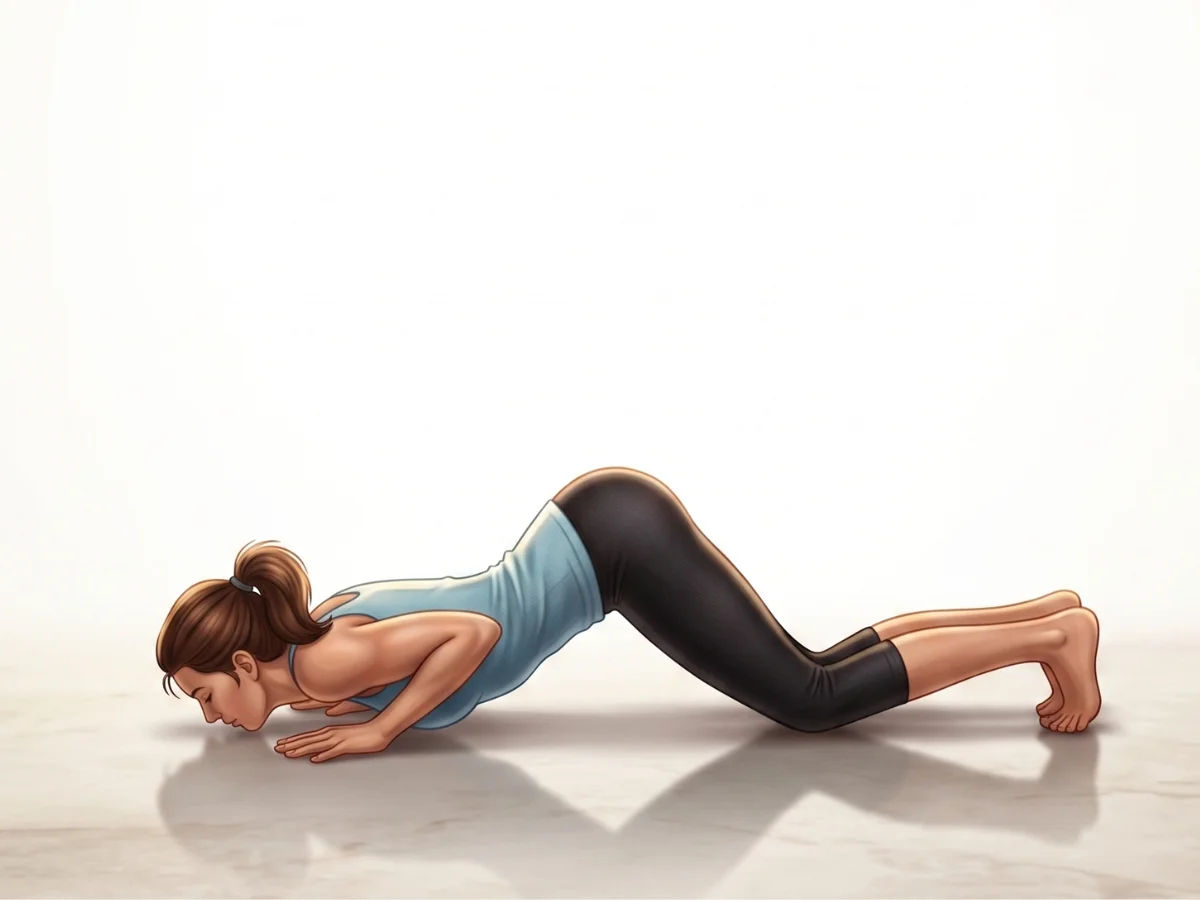
Eight Point Pose (Ashtangasana), also known as Knees-Chest-Chin Pose, is a foundational transition posture in traditional Sun Salutations. It builds foundational arm strength and prepares the body for deeper backbends like Cobra Pose.
Hold Time
15–30 sec · 3–5 breaths
Pronunciation
ahsh-TAHNG-ahs-anna
About Eight Point Pose
Commonly practiced as Eight Point Pose (Ashtangasana), this dynamic posture is beautifully designed to help unlock tension. It primarily targets the arm & core strength, helping to create length and strength exactly where you need it most. Over time, adding this to your routine is a great way to support strengthens arms & shoulders while calming the mind.
How to Practice
Start in Plank
Begin in Plank Pose with your shoulders directly over your wrists, fingers spread wide, and core engaged forming a straight line from head to heels.
Lower the Knees
Exhale and gently lower both knees to the mat simultaneously, keeping your toes tucked under.
Shift Forward
Keep your elbows hugged tightly to your ribs and shift your weight slightly forward.
Lower Chest and Chin
Exhale to lower your chest to the floor between your hands, and lightly rest your chin on the mat. Keep your hips elevated.
Eight Points of Contact
Ensure your two feet (toes), two knees, two hands, chest, and chin are the only eight points touching the mat.
Hug the Midline
Keep your elbows pointing straight back and hugging in toward your sides, engaging your triceps.
Engage the Core
Draw your navel toward your spine to support your lower back, even as your hips remain lifted in the air.
Hold and Breathe
Maintain the pose for 3 to 5 smooth breaths, focusing on building strength in the upper body and back.
Transition
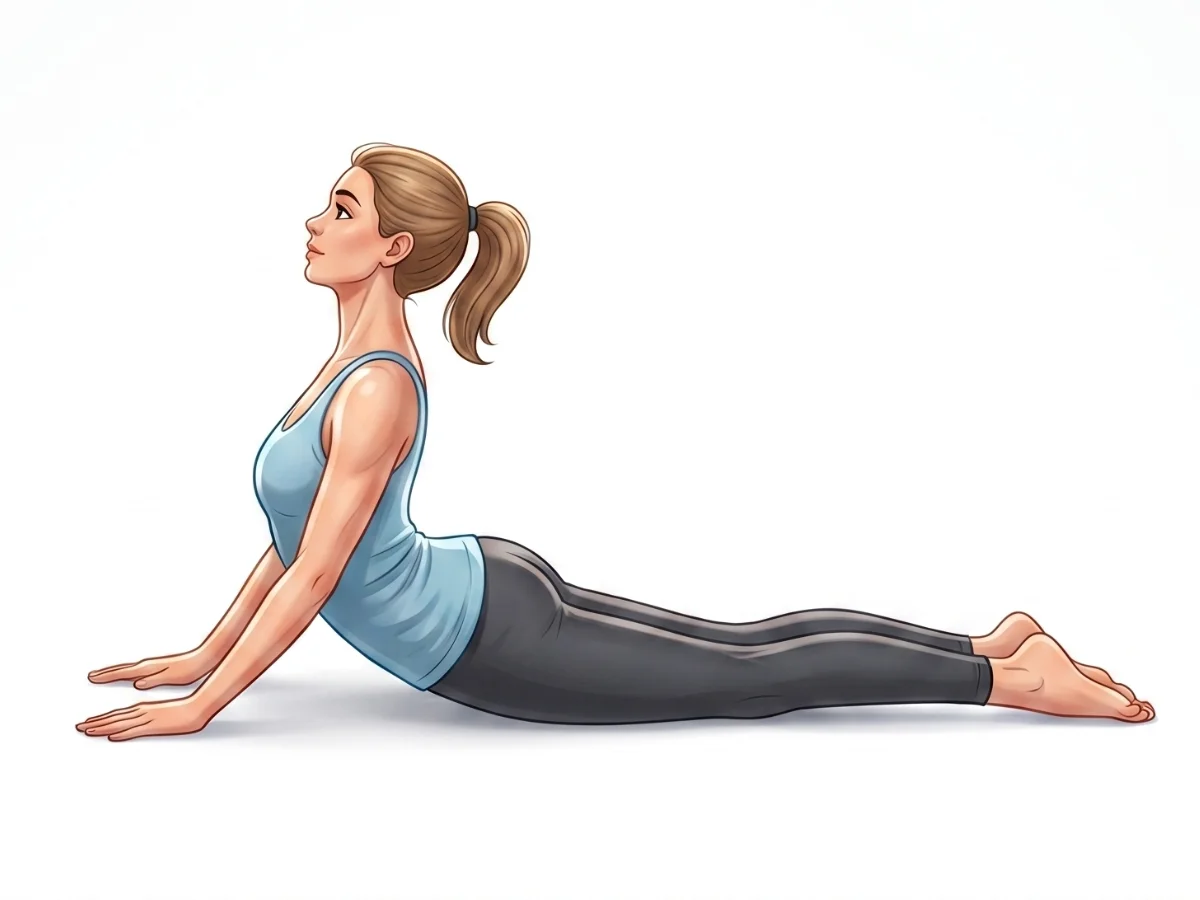
To exit, slide your legs back and your chest forward, inhaling as you lift into Cobra Pose (Bhujangasana).
Resting Alternative
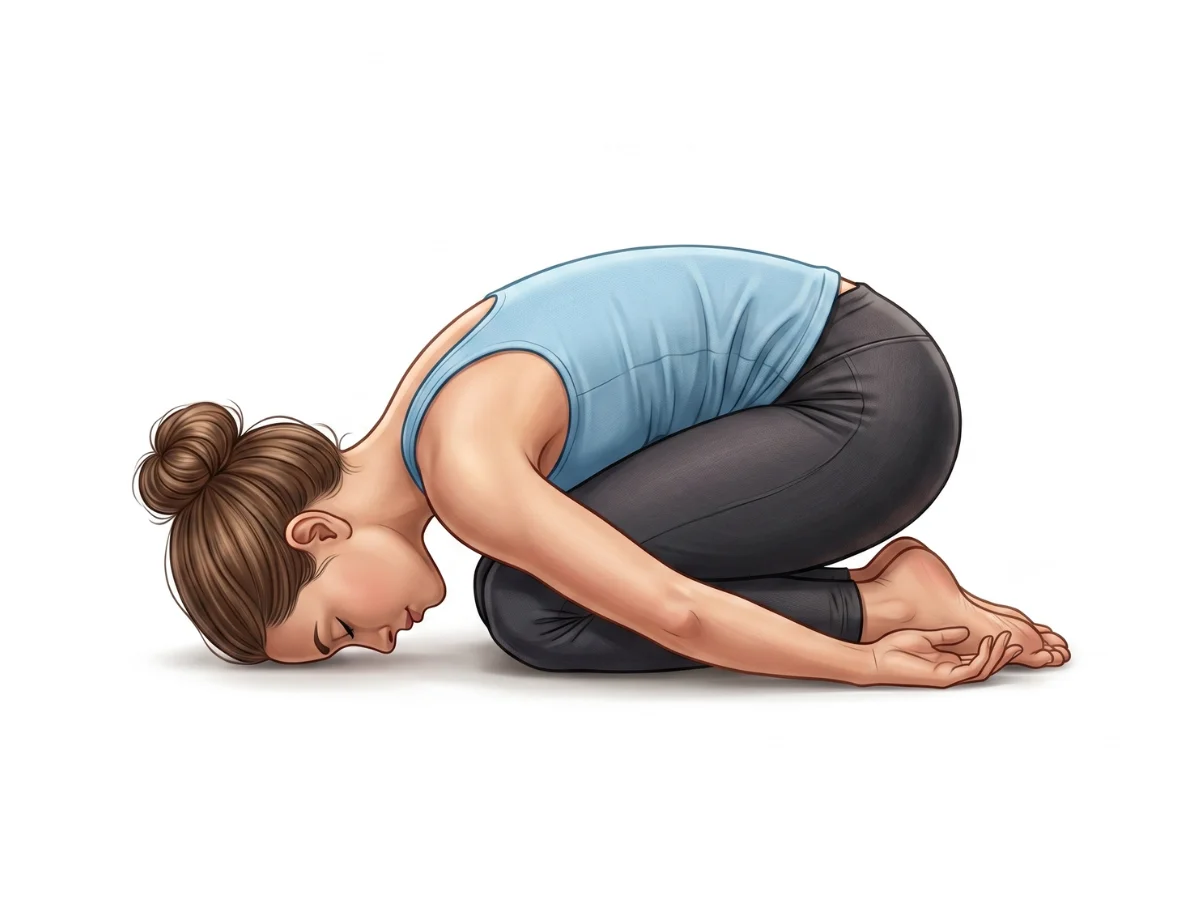
Alternatively, press back from this posture into Child's Pose (Balasana) to rest your arms and shoulders.
Practice with the Yoga Timer
Keep track of your hold time and breath count for this pose.
Beginner Modifications & Prop Options
Yoga is a personal journey. These modifications and prop options allow you to adapt the pose to your current level of balance and flexibility, ensuring a safe and supportive practice.
Use a Blanket
Place a folded blanket under your knees to provide extra cushioning and alleviate pressure on the knee joints.
Tip: Focus on alignment rather than depth.
Modified Range of Motion
If lowering the chest all the way to the floor is too difficult, lower only halfway down while keeping the hips lifted, building strength gradually.
Tip: Focus on alignment rather than depth.
Forehead to Mat
Instead of resting your chin on the mat, lower your forehead to the floor to keep the back of the neck long and relaxed.
Tip: Focus on alignment rather than depth.
Benefits of Eight Point Pose
Strengthens Arms & Shoulders
Effectively builds foundational strength in the triceps, biceps, and deltoids, preparing practitioners for Chaturanga.
Increases Spinal Flexibility
The lifted hip position paired with a lowered chest promotes extension in the thoracic and lumbar spine.
Opens the Chest
Resting the chest on the floor between the hands expands the ribcage and stretches the pectoral muscles.
Tones the Core
Requires active engagement of the transversus abdominis to stabilize the lower back while the hips are elevated.
Improves Body Awareness
Coordinating eight different points of contact demands heightened proprioception and precise muscular control.
Common Mistakes to Avoid
Mistake: Elbows Splaying Out
How to fix: Hug your elbows closely into your ribs to engage your triceps and protect your shoulder joints.
Mistake: Dropping the Hips
How to fix: Keep your core engaged and your hips lifted high in the air throughout the posture.
Mistake: Collapsing into Shoulders
How to fix: Press firmly through your palms to maintain active engagement rather than resting your full dead weight on your chest.
Safety and Precautions
Carpal Tunnel Syndrome
The deep extension of the wrists bearing body weight can exacerbate symptoms.
Neck Injuries
Resting on the chin extends the cervical spine, which can be harmful for those with neck issues.
Shoulder Injuries
Significant weight is placed on the shoulders and rotator cuffs during the lowering phase.
Late-Stage Pregnancy
Lying face down and compressing the chest and abdomen is contraindicated.
Medical Disclaimer: If you have any of the above conditions, consult your doctor or a qualified yoga instructor before attempting this pose.
Muscles Worked in Eight Point Pose
Eight Point Pose demands synchronized muscular effort, creating a profound sense of engagement and release throughout the body. The activation of the primary muscles supports the structure, while the secondary muscles provide stability and balance.
Primary Muscles
Triceps Brachii
Work eccentrically to control the lowering of the chest.
Pectoralis Major
Supports the chest and stabilizes the shoulder girdle.
Erector Spinae
Extends the spine to keep the hips lifted.
Secondary Muscles
Deltoids
Assist in stabilizing the arms and shoulders.
Transversus Abdominis
Engages to protect the lower back.
Latissimus Dorsi
Helps keep the elbows hugged into the body.
Poses to Practice Before and After Eight Point Pose
Prepare with these Poses
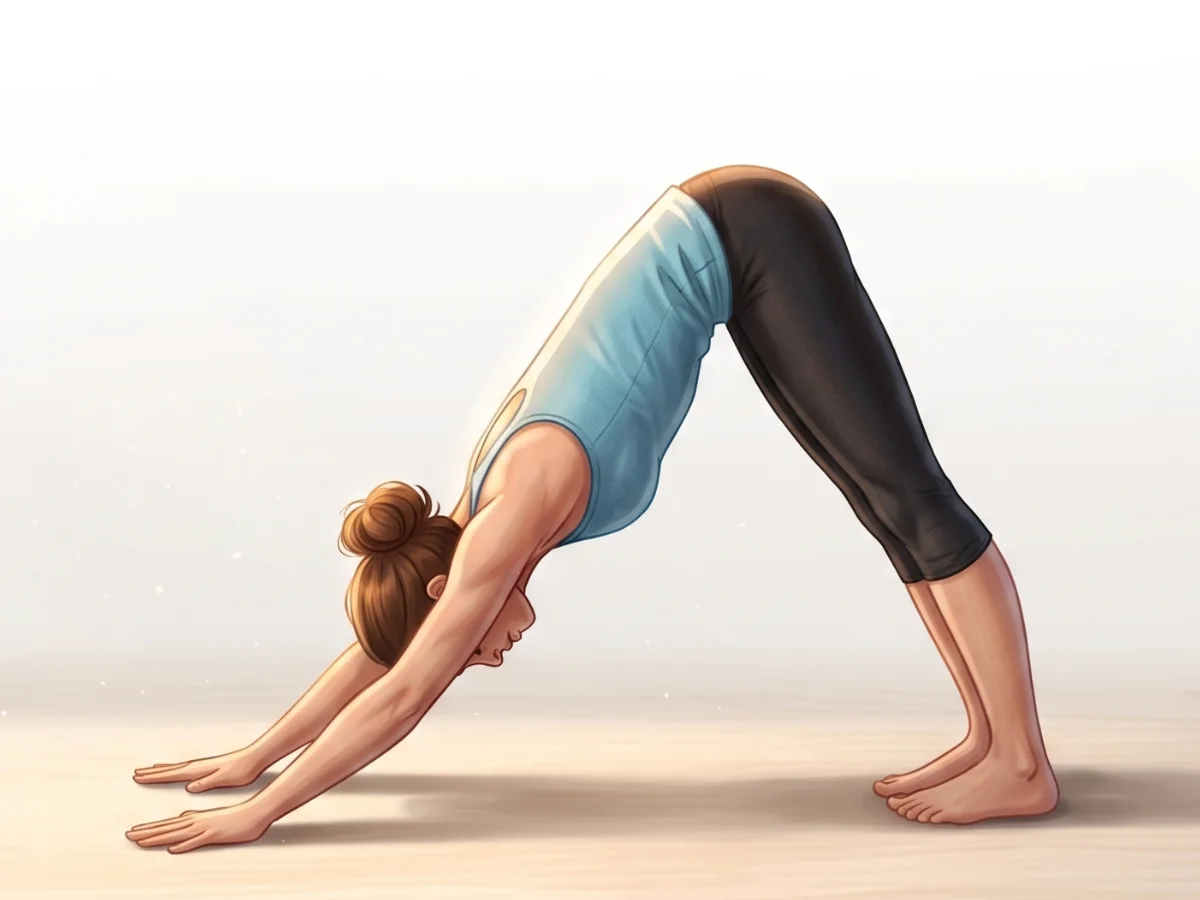
Downward-Facing Dog
Adho Mukha SvanasanaBuilds upper body strength and prepares the arms and shoulders for weight-bearing.
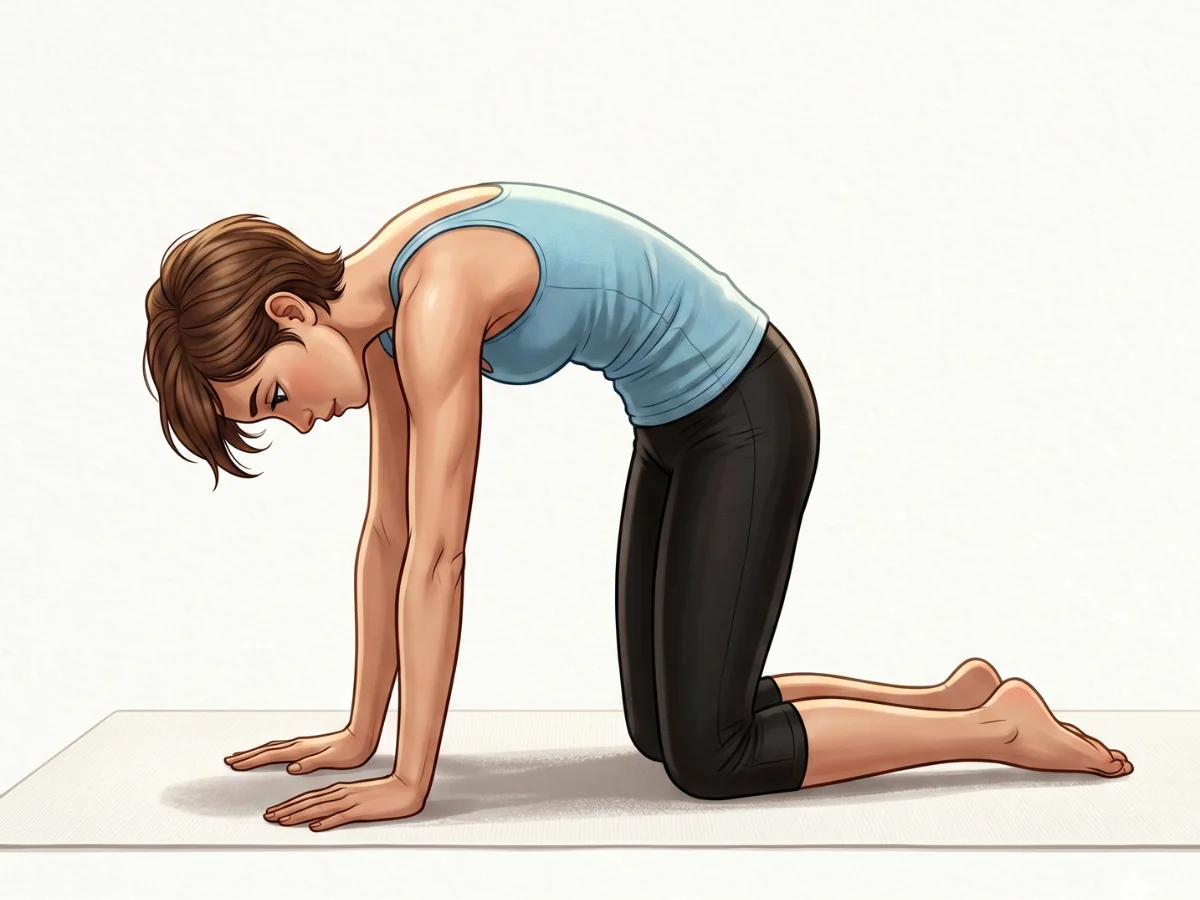
Cat Pose
MarjaryasanaWarms up the spine and familiarizes the body with the hands-and-knees foundation.
Follow with neutralizing Counter-poses
Frequently Asked Questions
Is Eight Point Pose the same as Chaturanga?
No. Eight Point Pose (Knees-Chest-Chin) is often taught as a beginner modification or precursor to Chaturanga Dandasana. In Chaturanga, the body hovers parallel to the floor without the knees or chest touching down.
Where should my hips be in this pose?
Your hips should be lifted high up toward the ceiling, creating a dip in your lower back. Only your knees, chest, and chin should touch the floor in the midsection.
How can I avoid neck pain?
Do not force your chin into the mat. Let it rest lightly, and if it still hurts, bring your forehead to the mat instead. Ensure the weight is supported by your hands and arms, not your neck.
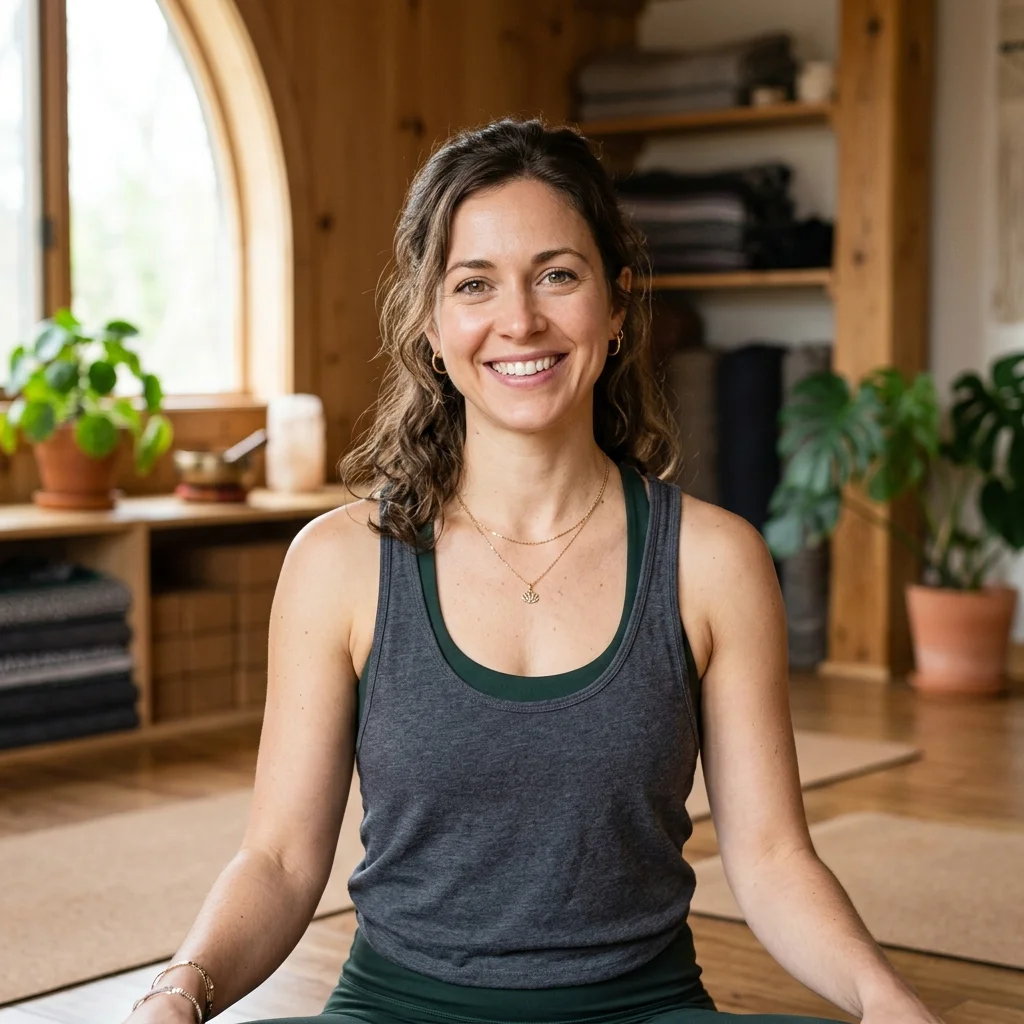
Elena Rostova is an accredited yoga educator and anatomy specialist with over 15 years of clinical experience. She focuses on functional biomechanics and injury prevention, translating complex anatomy into accessible guidance for safe, sustainable practice.
Read Full ProfileContinue Your Yoga Journey
Ready to deepen your practice? Explore our extensive library of poses, or join a structured program designed to build strength, flexibility, and mindfulness.