
Gate Pose
Parighasana
By Elena Rostova Updated: verified Medically Reviewed
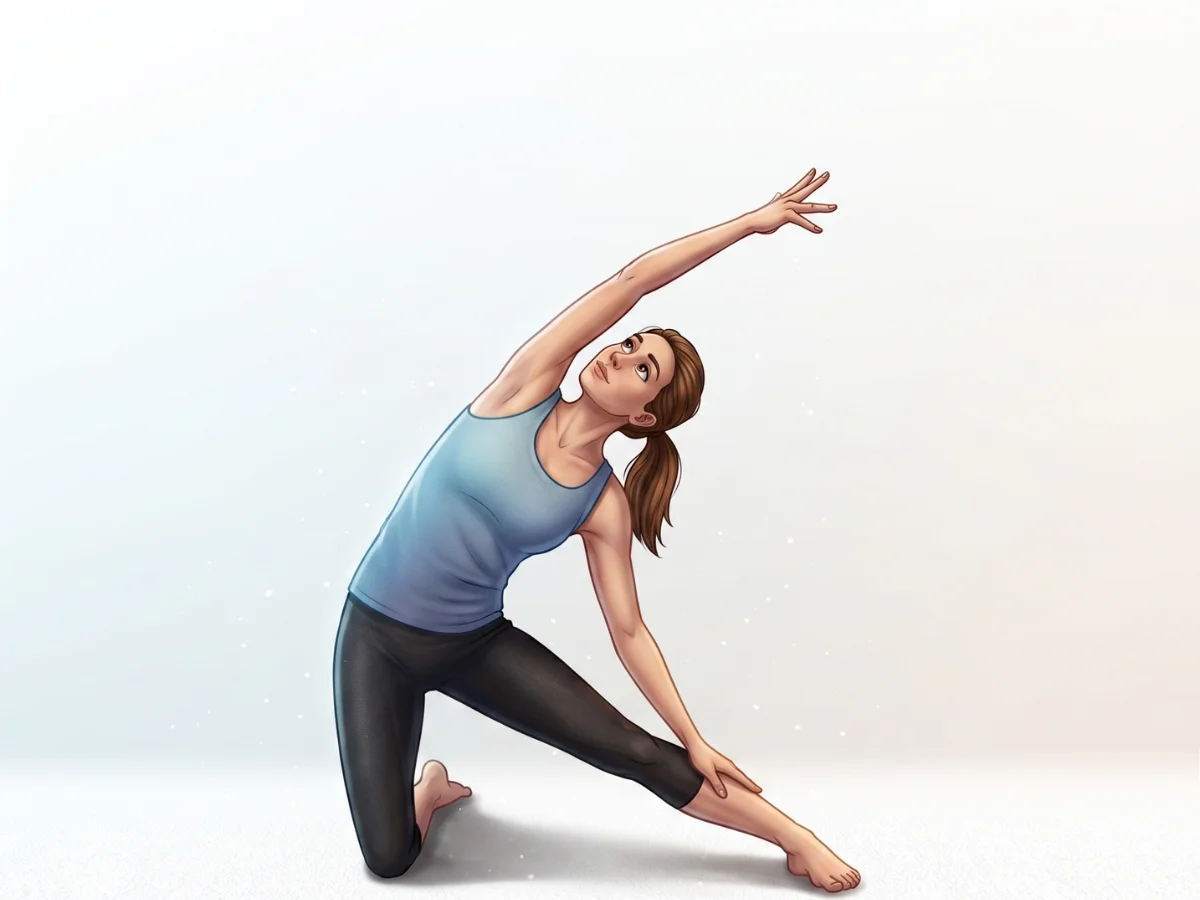
Gate Pose (Parighasana) is a kneeling posture that deeply opens the side body, stretches the intercostal muscles between the ribs, and aids respiratory function. It is an excellent stretch to relieve tightness from sitting and to prepare the body for deeper lateral extensions.
Hold Time
30–60 sec · 5–10 breaths
Pronunciation
par-ee-GHAHS-anna
About Gate Pose
Commonly practiced as Gate Pose (Parighasana), this dynamic posture is beautifully designed to help unlock tension. This posture specifically engages the side body & intercostal stretch, making it highly effective for developing both strength and mobility. Ultimately, it is a fantastic pose for stretches the side body, leaving you with a profound sense of grounded energy.
How to Practice
Start Kneeling
Begin in a kneeling position on your mat. Ensure your hips are stacked directly over your knees.
Extend One Leg
Extend your right leg straight out to the right side, keeping the leg in line with your left knee. Point your right toes forward or up to the ceiling.
Align the Foot
Press the sole of your right foot flat on the floor if possible, or keep the heel grounded and toes pointing up if your ankle is tight.
Inhale Arms Up
Inhale deeply as you sweep your arms out to the sides and up toward the ceiling, creating length through your spine and side waist.
Exhale and Side Bend
Exhale as you arch your torso over your extended right leg. Let your right hand rest lightly on your right shin or ankle.
Reach Overhead
Extend your left arm straight over your left ear, reaching actively through the fingertips to feel a stretch from your left knee to your left hand.
Open the Chest
Roll your top (left) shoulder slightly back to keep your chest open toward the front of the room, preventing the torso from collapsing downward.
Hold and Breathe
Breathe deeply into your left ribcage, maintaining the stretch for 5 to 10 steady breaths.
Release Safely
Inhale to lift your torso back upright, reaching both arms overhead. Exhale to lower your arms and bring your right knee back to the starting kneeling position.
Switch Sides
Repeat the posture on the opposite side, extending your left leg out to ensure a balanced practice.
Practice with the Yoga Timer
Keep track of your hold time and breath count for this pose.
Beginner Modifications & Prop Options
Yoga is a personal journey. These modifications and prop options allow you to adapt the pose to your current level of balance and flexibility, ensuring a safe and supportive practice.
Pad the Knee
Place a folded blanket or double up your yoga mat underneath the kneeling knee for extra cushioning and joint protection.
Tip: Focus on alignment rather than depth.
Use a Block
Place a yoga block on the outside of your extended leg. Rest your lower hand on the block instead of your leg to prevent collapsing in the chest.
Tip: Focus on alignment rather than depth.
Foot Placement
If keeping the sole of the extended foot flat is uncomfortable, rotate the leg outward and balance on the heel with toes pointing up.
Tip: Focus on alignment rather than depth.
Benefits of Gate Pose
Stretches the Side Body
Deeply opens the intercostal muscles, latissimus dorsi, and obliques on the extended side.
Improves Breathing
By stretching the muscles between the ribs, it expands lung capacity and facilitates deeper, fuller breaths.
Opens the Hamstrings and Adductors
The extended leg receives a deep stretch along the inner thigh (adductors) and the back of the leg (hamstrings).
Stimulates Digestion
The lateral compression and extension gently massage the abdominal organs, aiding digestion and elimination.
Relieves Spinal Tension
Releases tightness in the lower back and sides of the spine caused by prolonged sitting or poor posture.
Common Mistakes to Avoid
Mistake: Collapsing the Chest
How to fix: Keep your top shoulder rolling back and your chest open toward the ceiling, rather than folding forward over the extended leg.
Mistake: Putting Weight on the Knee
How to fix: Rest your lower hand lightly on your thigh or shin, never directly on the knee joint to avoid hyperextension.
Mistake: Hips Misaligned
How to fix: Ensure your kneeling hip remains stacked directly over your kneeling knee, without jutting out to the side.
Safety and Precautions
Knee Injuries
Kneeling and bearing weight on a single knee can aggravate acute knee injuries or bursitis.
Hip Replacements
The lateral extension and pressure on the hip joint may be contraindicated for those with recent hip surgeries.
Severe Lower Back Pain
Deep side bending can pinch the nerves or exacerbate herniated discs if the spine is not elongated first.
Medical Disclaimer: If you have any of the above conditions, consult your doctor or a qualified yoga instructor before attempting this pose.
Muscles Worked in Gate Pose
Gate Pose demands synchronized muscular effort, creating a profound sense of engagement and release throughout the body. The activation of the primary muscles supports the structure, while the secondary muscles provide stability and balance.
Primary Muscles
Intercostals
Stretch deeply between the ribs on the upper side.
Latissimus Dorsi
Stretches intensely as the arm reaches overhead.
Adductor Longus
Stretches along the inner thigh of the extended leg.
Secondary Muscles
Obliques
Stretch on one side and contract on the other to facilitate the bend.
Hamstrings
Stretch on the extended leg.
Quadratus Lumborum
Stretches deeply in the lower back on the open side.
Poses to Practice Before and After Gate Pose
Prepare with these Poses
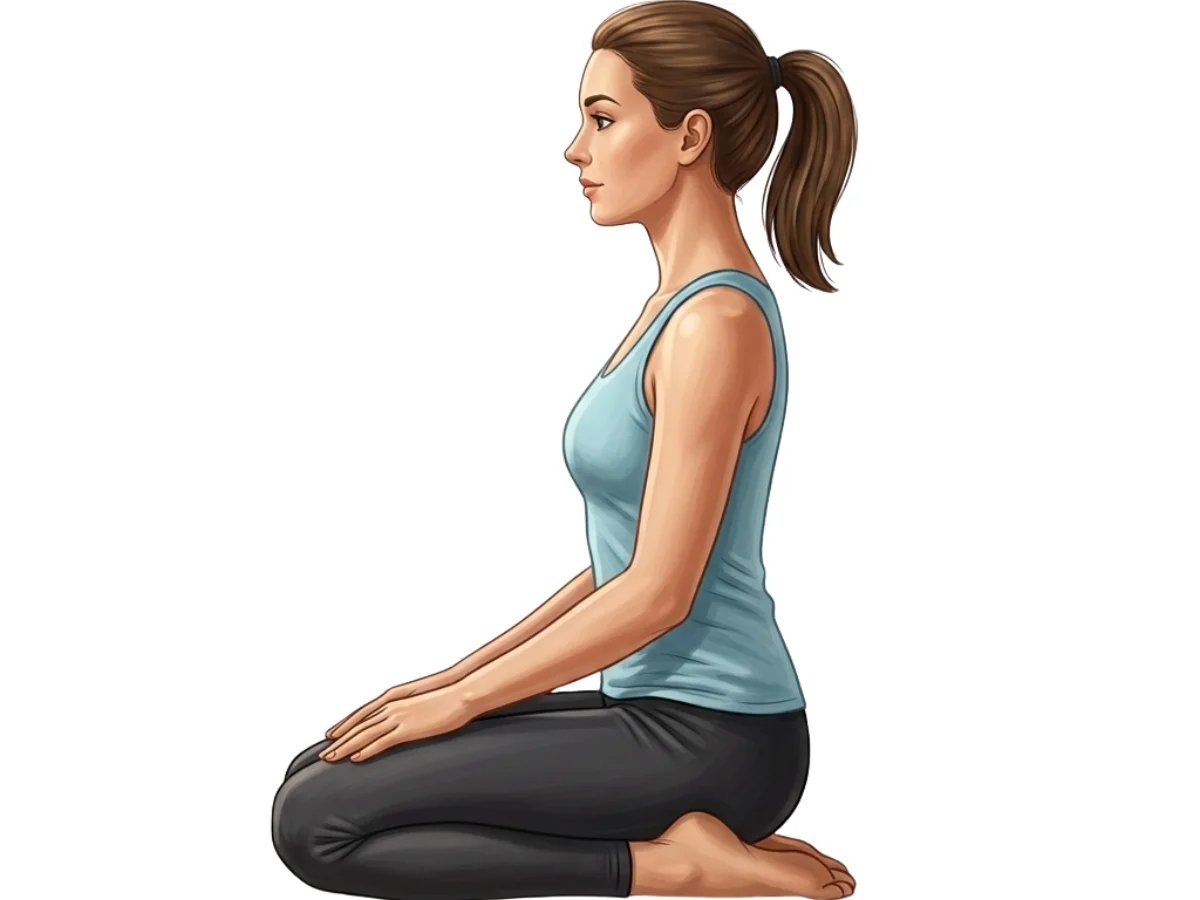
Hero Pose
VirasanaPrepares the knees and stretches the quadriceps before kneeling work.
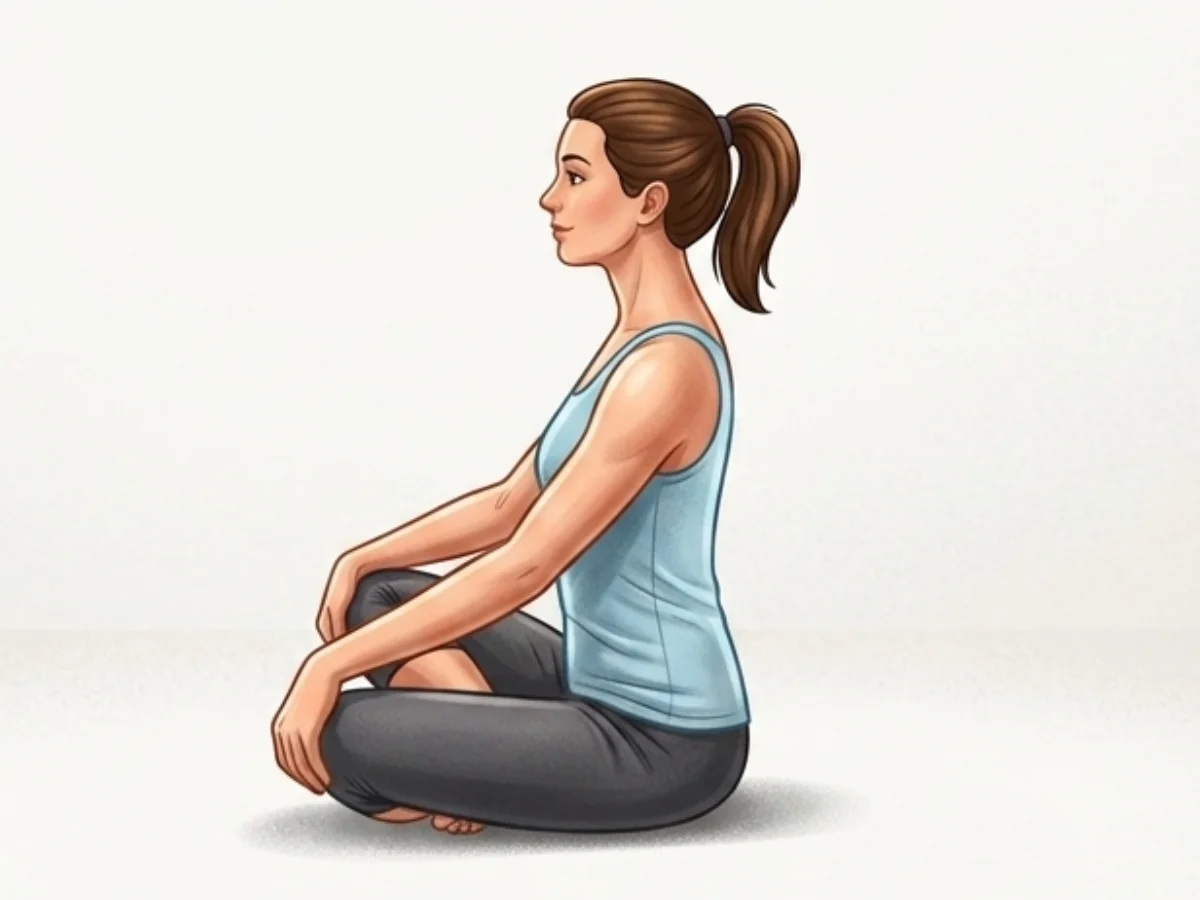
Easy Pose
SukhasanaA grounding posture to center the breath before deep lateral stretching.
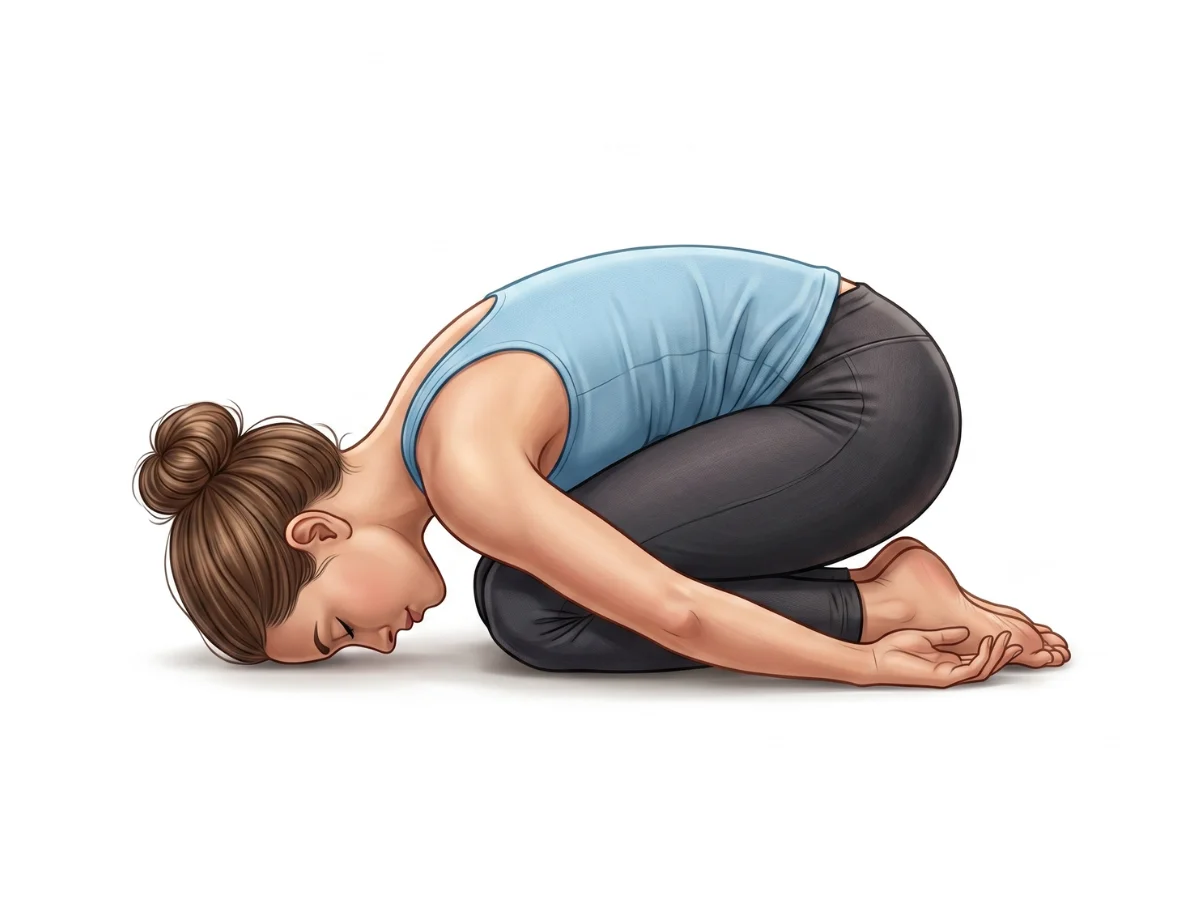
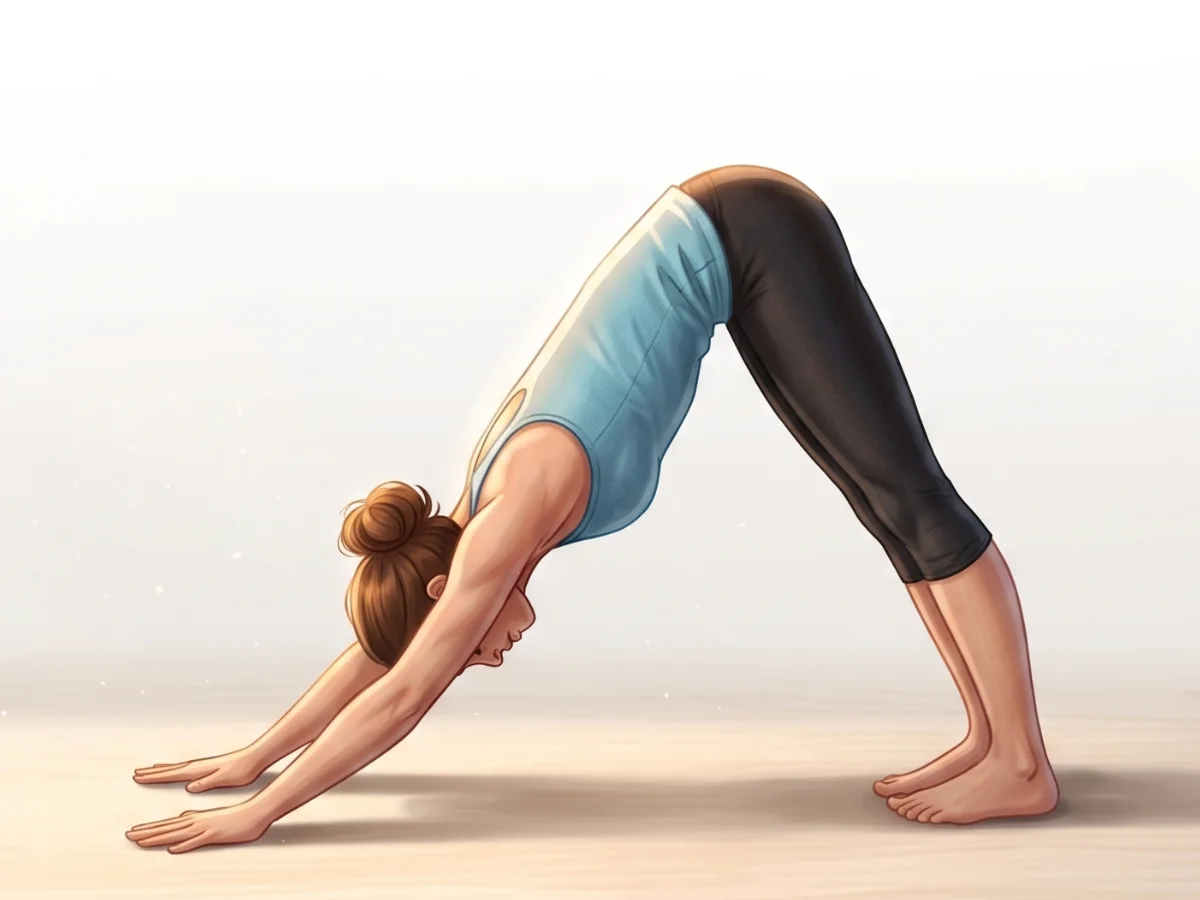
Follow with neutralizing Counter-poses
Frequently Asked Questions
What if my knee hurts when kneeling?
Always prioritize joint safety. Fold your yoga mat over to double its thickness or place a dedicated yoga blanket beneath your knee to soften the pressure.
How deep should I bend to the side?
Only bend as far as you can without letting your chest collapse forward. The goal is to feel a stretch along the side of your torso, not to touch your toes at the expense of alignment.
Where should I look in Gate Pose?
You can gaze straight ahead, or if your neck feels comfortable, turn your head gently to look up underneath your top arm toward the ceiling.
Elena Rostova is an accredited yoga educator and anatomy specialist with over 15 years of clinical experience. She focuses on functional biomechanics and injury prevention, translating complex anatomy into accessible guidance for safe, sustainable practice.
Read Full ProfileContinue Your Yoga Journey
Ready to deepen your practice? Explore our extensive library of poses, or join a structured program designed to build strength, flexibility, and mindfulness.