
Horse Pose
Vatayanasana
By Elena Rostova Updated: verified Medically Reviewed
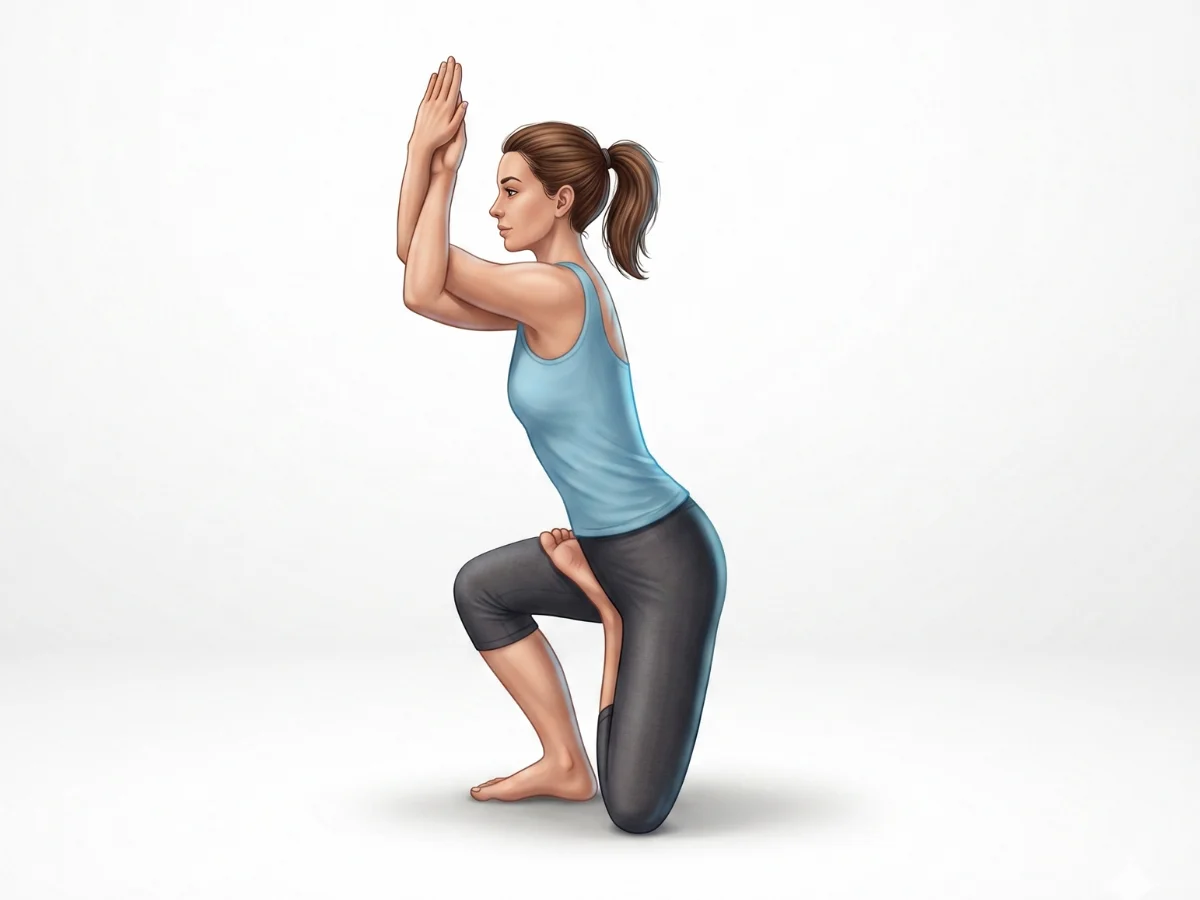
Horse Pose (Vatayanasana) is an advanced balancing posture that requires extreme flexibility in the hips and knees. It involves placing one foot into a half-lotus position while resting the knee of that leg on the floor, balancing on the opposite foot, and wrapping the arms in Eagle Pose.
Hold Time
15–30 sec · 3–5 breaths
Pronunciation
vah-tah-YAH-nah-sah-nah
About Horse Pose
Often praised by experienced instructors, Horse Pose (Vatayanasana) acts as a powerful tool for finding balance and realignment. This posture specifically engages the hip opening & balance, making it highly effective for developing both strength and mobility. Practicing this pose regularly helps with increases hip flexibility and leaves you feeling completely refreshed.
How to Practice
Start in Mountain Pose
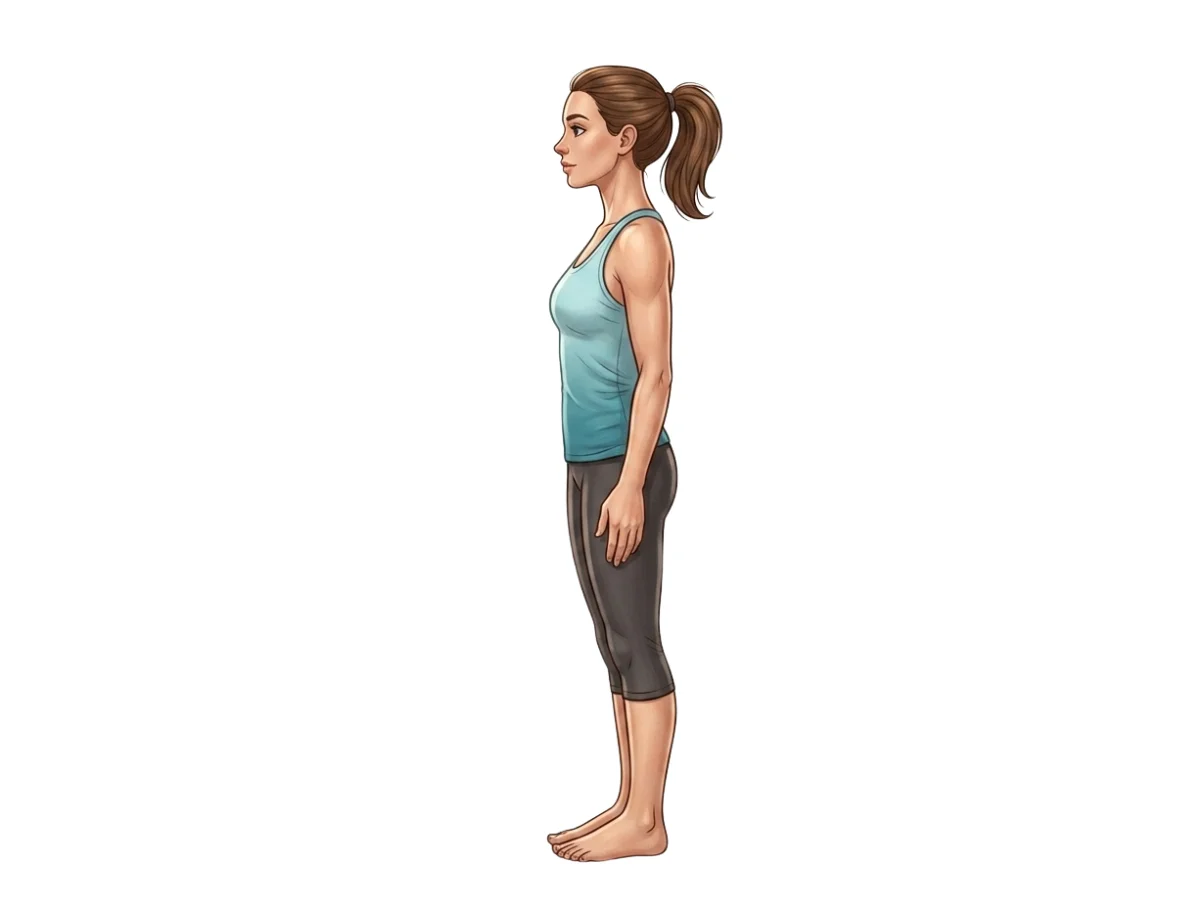
Begin standing tall in Mountain Pose (Tadasana), rooting down through both feet to establish your balance.
Take Half Lotus
Shift your weight onto your left foot. Bend your right knee and carefully place your right foot into the crease of your left hip for a Half Lotus position.
Bend the Standing Knee
Engage your core and slowly bend your left knee, lowering your hips toward the floor as if coming into a one-legged squat.
Lower the Right Knee
Continue to lower down until your right knee (the Half Lotus knee) gently touches the floor beside your left foot.
Establish the Base
Balance your weight carefully between your left foot and your right knee. Keep your spine as upright as possible.
Eagle Arms
Inhale and extend your arms forward. Cross your left arm over your right arm, bending at the elbows to wrap your forearms into Eagle Pose (Garudasana) arms.
Lift the Chest
Lift your elbows up to shoulder height and draw your forearms away from your face to open the upper back.
Hold and Breathe
Hold this complex balance for 3 to 5 steady breaths, keeping your gaze fixed on a single point to maintain stability.
Release Safely
To exit, release the arm bind, press firmly into your left foot, and slowly straighten your left leg to rise back to standing. Gently release the right foot.
Switch Sides
Take a moment to center yourself, then repeat the posture balancing on the right foot with the left foot in Half Lotus.
Practice with the Yoga Timer
Keep track of your hold time and breath count for this pose.
Beginner Modifications & Prop Options
Yoga is a personal journey. These modifications and prop options allow you to adapt the pose to your current level of balance and flexibility, ensuring a safe and supportive practice.
Use a Block
If your knee does not reach the floor comfortably, place a yoga block under the knee for support and elevation.
Tip: Focus on alignment rather than depth.
Modify the Arms
If Eagle arms are too restrictive, simply press your palms together at your chest in prayer position (Anjali Mudra) to help with balance.
Tip: Focus on alignment rather than depth.
Figure Four Variation
Instead of pulling the foot into the hip crease, cross the ankle over the opposite thigh (Figure Four) and simply practice the one-legged squat without touching the knee down.
Tip: Focus on alignment rather than depth.
Benefits of Horse Pose
Increases Hip Flexibility
The Half Lotus placement provides a deep stretch to the external rotators of the hip and the gluteus muscles.
Strengthens the Lower Body
The standing leg works intensely through the squatting motion, building power in the quadriceps and calves.
Enhances Balance and Focus
Balancing on one foot and one knee requires advanced proprioception, concentration, and core control.
Opens the Shoulders
The Eagle arm bind stretches the rhomboids and the back of the shoulder joints.
Corrects Asymmetry
Working each side individually helps identify and balance out strength and flexibility differences in the hips and legs.
Common Mistakes to Avoid
Mistake: Forcing the Half Lotus
How to fix: Never force your foot into the hip crease if you feel pain in the knee. The rotation must come from the hip joint, not the knee joint.
Mistake: Collapsing Forward
How to fix: Avoid letting your chest drop heavily forward. Engage your core to keep your torso as upright as possible over your hips.
Mistake: Hard Impact on the Knee
How to fix: Lower down slowly and with control to prevent bruising or injuring the knee cap when it touches the floor.
Safety and Precautions
Knee Injuries
The extreme flexion and rotation placed on the knee joint make this pose highly dangerous for anyone with meniscus or ligament issues.
Hip Replacements
The deep external rotation required is generally contraindicated after hip surgery.
Ankle Issues
The standing ankle bears significant load and requires full mobility to squat down effectively.
Medical Disclaimer: If you have any of the above conditions, consult your doctor or a qualified yoga instructor before attempting this pose.
Muscles Worked in Horse Pose
Horse Pose demands synchronized muscular effort, creating a profound sense of engagement and release throughout the body. The activation of the primary muscles supports the structure, while the secondary muscles provide stability and balance.
Primary Muscles
Quadriceps
Work eccentrically to control the descent and isometrically to hold the posture.
Gluteus Medius
Stretch deeply on the lifted leg side.
Rhomboids
Stretch actively across the upper back during the arm bind.
Secondary Muscles
Transversus Abdominis
Engages to stabilize the core and keep the torso upright.
Gastrocnemius
Stabilizes the ankle of the standing foot.
Deltoids
Stretch at the back and engage at the front to hold the arms up.
Poses to Practice Before and After Horse Pose
Prepare with these Poses
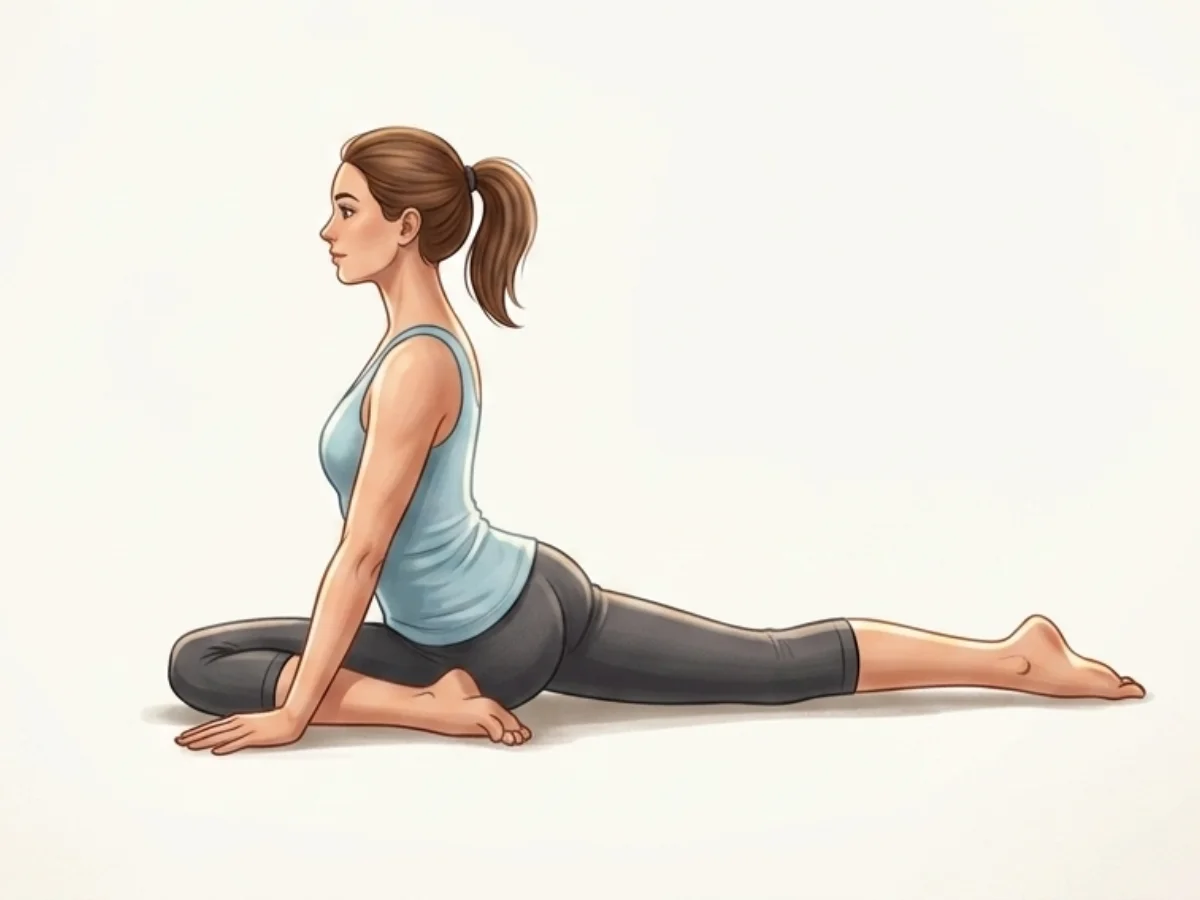
Half Pigeon Pose
Eka Pada RajakapotasanaDeeply opens the external rotators of the hips in preparation for Half Lotus.
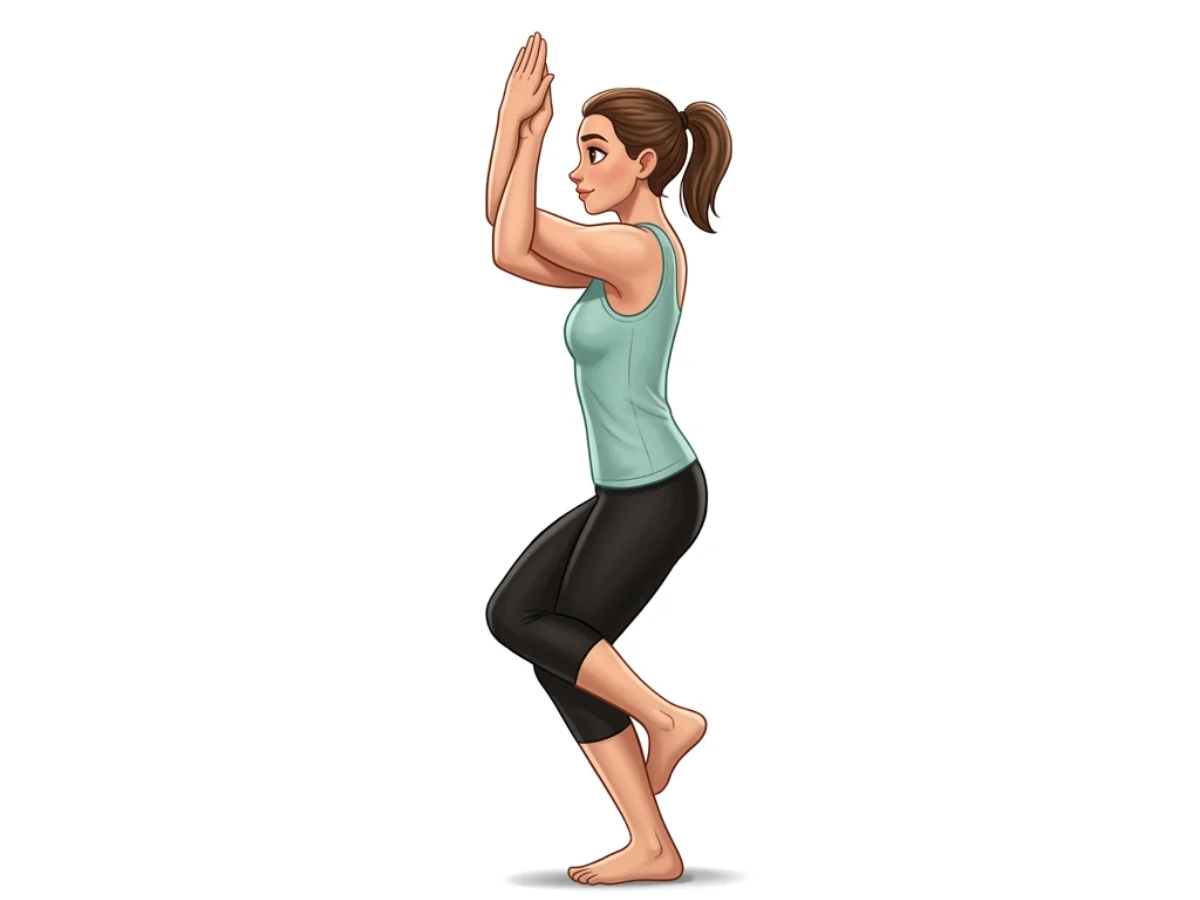
Eagle Pose
GarudasanaFamiliarizes the body with the complex arm bind and single-leg balance.
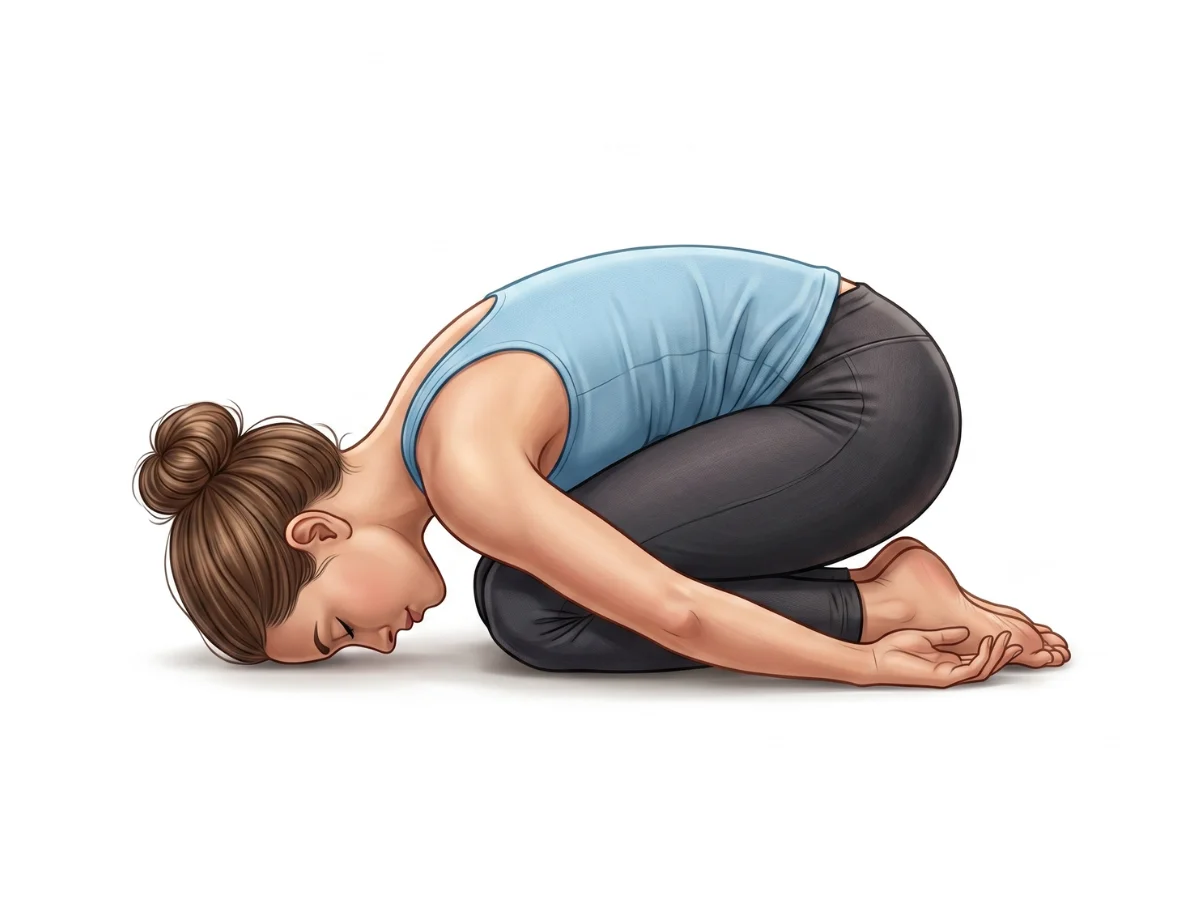
Follow with neutralizing Counter-poses
Frequently Asked Questions
Why does my knee hurt when trying to do Half Lotus?
Knee pain indicates that your hips are not open enough to allow the necessary external rotation, so the twisting force transfers to the delicate knee joint. You must stop immediately and work on hip openers like Pigeon Pose instead.
How can I stop my foot from slipping down my thigh?
Wearing yoga pants made of slippery material can make it harder to grip. Practicing in shorts or pulling the foot very high into the hip crease (if flexibility allows) provides a better anchor.
Is it normal to wobble a lot?
Yes, Vatayanasana is a highly advanced balancing posture. Wobbling is your body's nervous system learning to adapt to a very unfamiliar center of gravity.
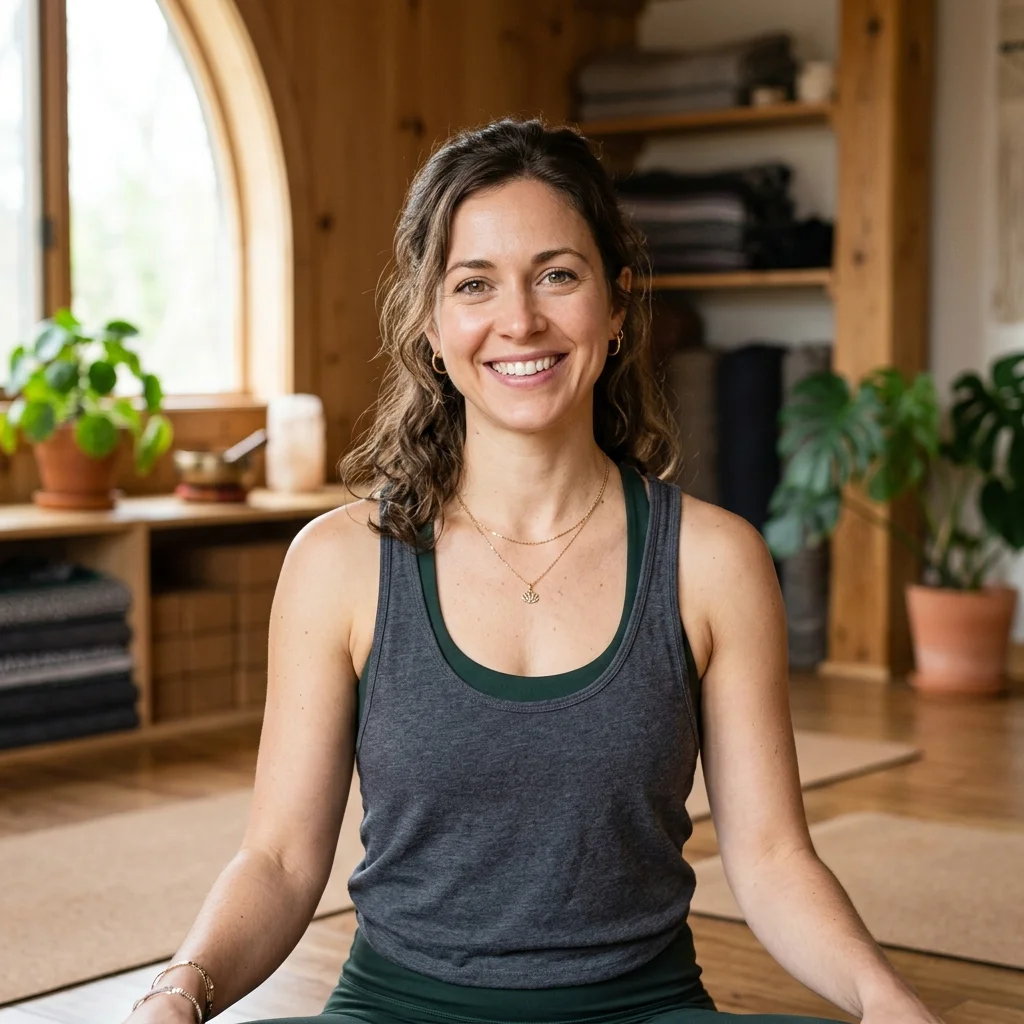
Elena Rostova is an accredited yoga educator and anatomy specialist with over 15 years of clinical experience. She focuses on functional biomechanics and injury prevention, translating complex anatomy into accessible guidance for safe, sustainable practice.
Read Full ProfileContinue Your Yoga Journey
Ready to deepen your practice? Explore our extensive library of poses, or join a structured program designed to build strength, flexibility, and mindfulness.