
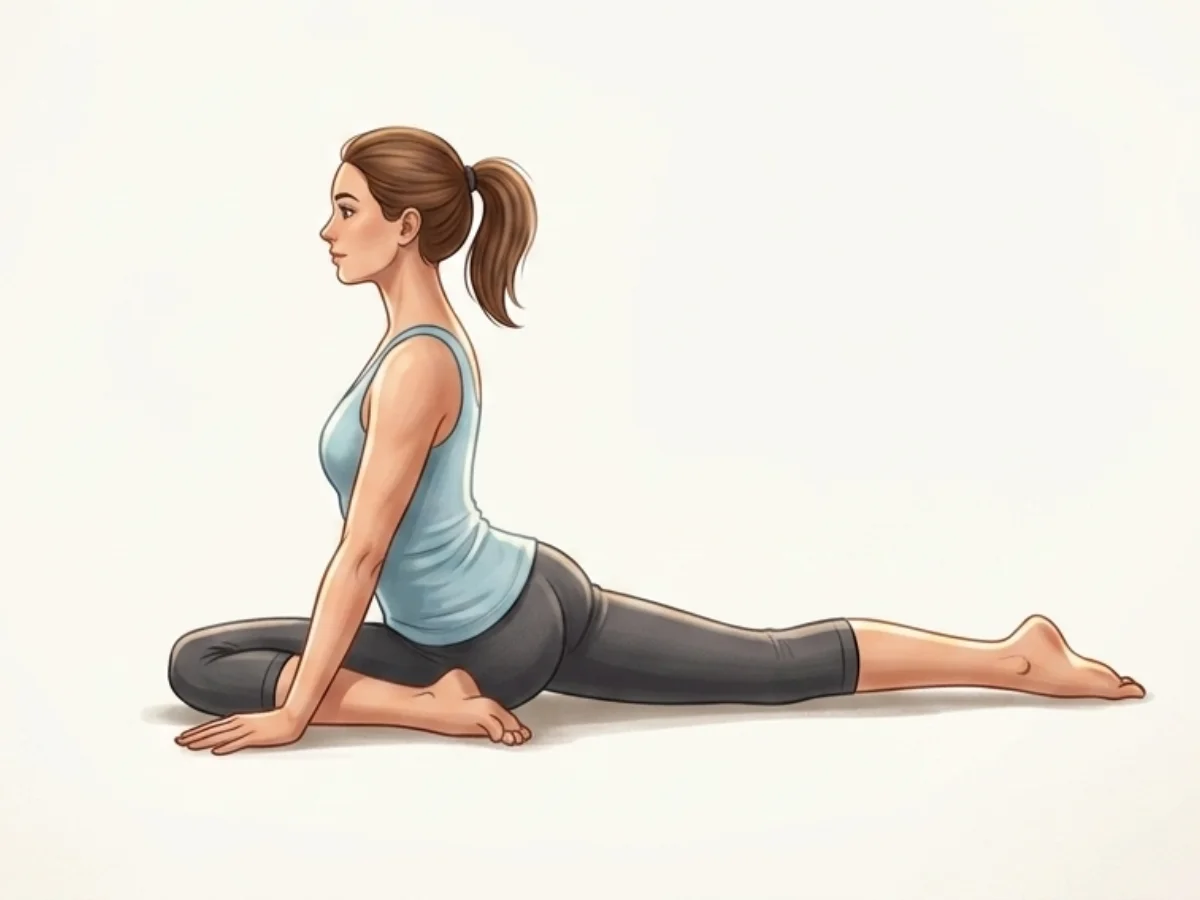
Half Pigeon
Ardha Kapotasana
By Elena Rostova Updated: verified Medically Reviewed
Half Pigeon Pose (Ardha Kapotasana) is a highly effective, deep hip-opening posture that targets the external rotators of the front leg and the hip flexors of the back leg. Often practiced toward the end of a sequence, it encourages the release of physical and emotional tension stored in the pelvis.
Hold Time
1–3 min per side · 10–30 breaths
Pronunciation
ARE-dah kah-poh-TAHS-anna
About Half Pigeon
Universally known as Half Pigeon (Ardha Kapotasana), this pose mimics the natural strength and grace of its namesake. It primarily targets the deep hip opening & glute stretch, helping to create length and strength exactly where you need it most. Ultimately, it is a fantastic pose for deeply opens the hips, leaving you with a profound sense of grounded energy.
How to Practice
Start in Downward Dog
Begin in Downward-Facing Dog (Adho Mukha Svanasana). Inhale and lift your right leg up behind you into a three-legged dog.
Bring the Knee Forward
Exhale and sweep your right knee forward, placing it on the mat just behind your right wrist. Angle your right shin slightly toward the left wrist, depending on your hip flexibility.
Extend the Back Leg
Slide your left leg back, straightening the knee and resting the top of your left foot flat on the mat. Ensure your left leg extends straight back from your hip.
Square the Hips
Look over your right shoulder to ensure your left leg is straight. Square your hips toward the front edge of your mat. If your right hip hovers, place a folded blanket or block underneath it for support.
Lift and Lengthen
Inhale, press your fingertips into the mat, lift your chest, and lengthen your spine. Stay here in upright pigeon to focus on the hip flexor stretch.
Fold Forward
Exhale and slowly walk your hands forward, lowering your torso over your front leg. You can rest on your forearms or bring your forehead all the way down to the mat or a block.
Breathe and Release
Hold the pose for 1 to 3 minutes. Direct your breath into the areas of tension in your right hip and glute, allowing the muscles to soften and release with every exhale.
Exit the Pose
To exit, inhale and walk your hands back to lift your torso. Tuck your left toes, press into your palms, and step back into Downward-Facing Dog. Walk your dog out before repeating on the other side.
Practice with the Yoga Timer
Keep track of your hold time and breath count for this pose.
Beginner Modifications & Prop Options
Yoga is a personal journey. These modifications and prop options allow you to adapt the pose to your current level of balance and flexibility, ensuring a safe and supportive practice.
Use a Prop Under the Hip
Wedge a folded blanket, bolster, or yoga block underneath the glute of your front leg to prevent hips from spilling to one side and protect the knee.
Tip: Focus on alignment rather than depth.
Supine Figure Four (Thread the Needle)
Lie on your back, cross your right ankle over your left knee, and gently pull your left thigh toward your chest to provide the same hip stretch without knee strain.
Tip: Focus on alignment rather than depth.
Stay Upright
Keep your torso upright, resting your hands on blocks if needed. This shifts focus toward the hip flexor stretch of the back leg.
Tip: Focus on alignment rather than depth.
Benefits of Half Pigeon
Deeply Opens the Hips
Stretches the external hip rotators and gluteus maximus of the front leg, increasing mobility and reducing stiffness.
Stretches the Psoas
Elongates the hip flexors and psoas of the extended back leg, which counteracts the effects of prolonged sitting.
Releases Emotional Tension
The hips are known for storing stress and emotional tension; this deep release often promotes a sense of calm and relief.
Alleviates Lower Back Pain
By improving hip flexibility, the pose reduces the compensatory strain placed on the lumbar spine.
Improves Posture
Opening the hip flexors allows for a more neutral pelvis alignment when standing and walking.
Common Mistakes to Avoid
Mistake: Collapsing Onto One Hip
How to fix: Keep your hips squared to the floor. Use a prop underneath the floating hip to provide support and maintain balance.
Mistake: Forcing the Shin Parallel
How to fix: Allow your foot to tuck closer to your groin. The angle of the shin matters less than the sensation in the hip and the safety of the knee.
Mistake: Tensing the Shoulders
How to fix: Actively relax your shoulders away from your ears, and rest your forehead on your hands or a block to let the neck release.
Safety and Precautions
Knee Injuries
The rotation in the front leg can aggravate meniscus tears or ligament issues. Use the supine Figure Four modification instead.
Sacroiliac (SI) Joint Issues
Deep hip stretches can destabilize an already hypermobile or irritated SI joint.
Recent Hip Replacements
Deep flexion and external rotation should be avoided unless cleared by a medical professional.
Ankle Injuries
If the ankle of the front leg is injured, the pressure of resting it on the mat can be painful.
Medical Disclaimer: If you have any of the above conditions, consult your doctor or a qualified yoga instructor before attempting this pose.
Muscles Worked in Half Pigeon
Half Pigeon demands synchronized muscular effort, creating a profound sense of engagement and release throughout the body. The activation of the primary muscles supports the structure, while the secondary muscles provide stability and balance.
Primary Muscles
Gluteus Maximus & Medius (Front Leg)
Stretches deeply due to external rotation and flexion.
Piriformis (Front Leg)
Lengthens, which can help alleviate sciatic nerve compression.
Psoas & Iliacus (Back Leg)
Stretches deeply as the leg is extended backward.
Secondary Muscles
Tensor Fasciae Latae (TFL)
Stretches along the outer hip of the front leg.
Erector Spinae
Engages to keep the torso upright before folding.
Quadriceps (Back Leg)
Stretches gently along the front of the extended thigh.
Poses to Practice Before and After Half Pigeon
Prepare with these Poses
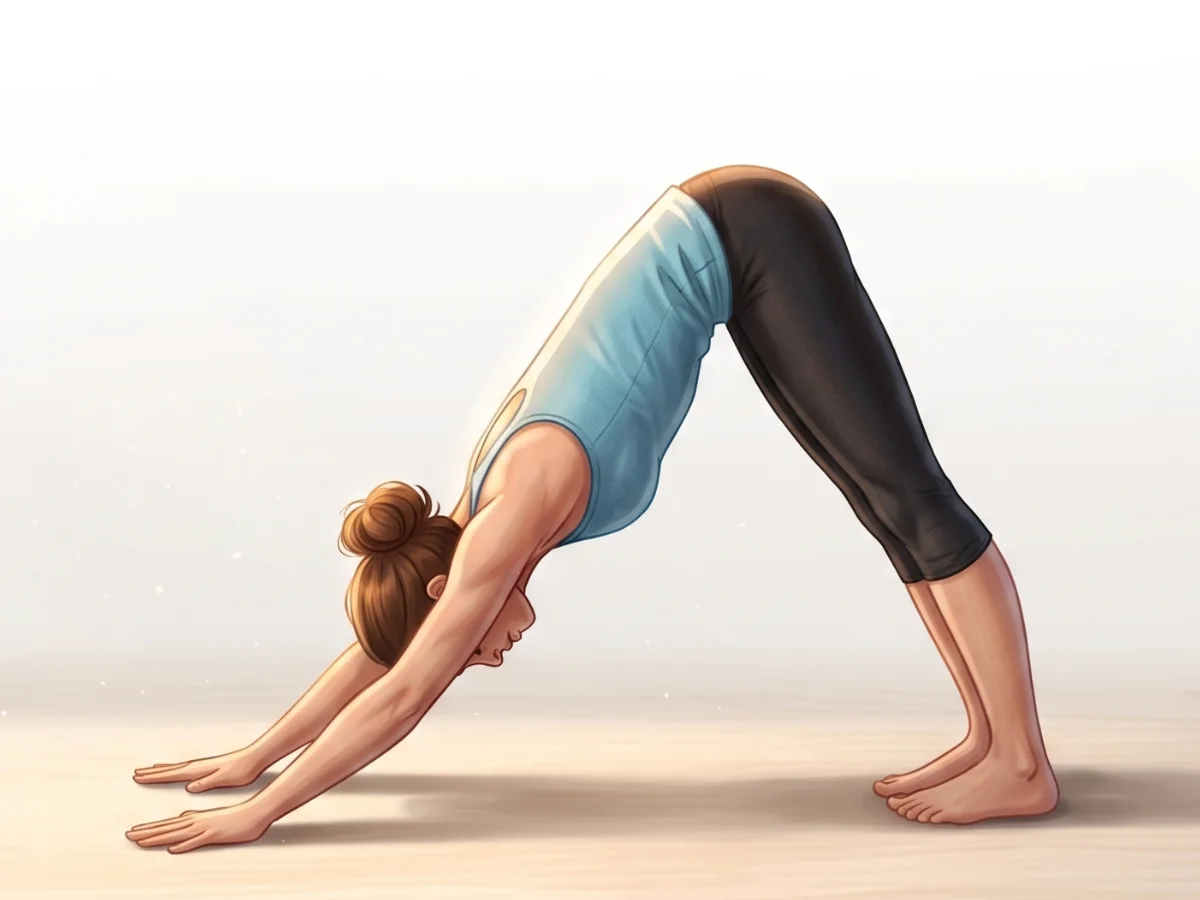
Downward-Facing Dog
Adho Mukha SvanasanaWarms up the body and serves as the primary entry point into Pigeon Pose.
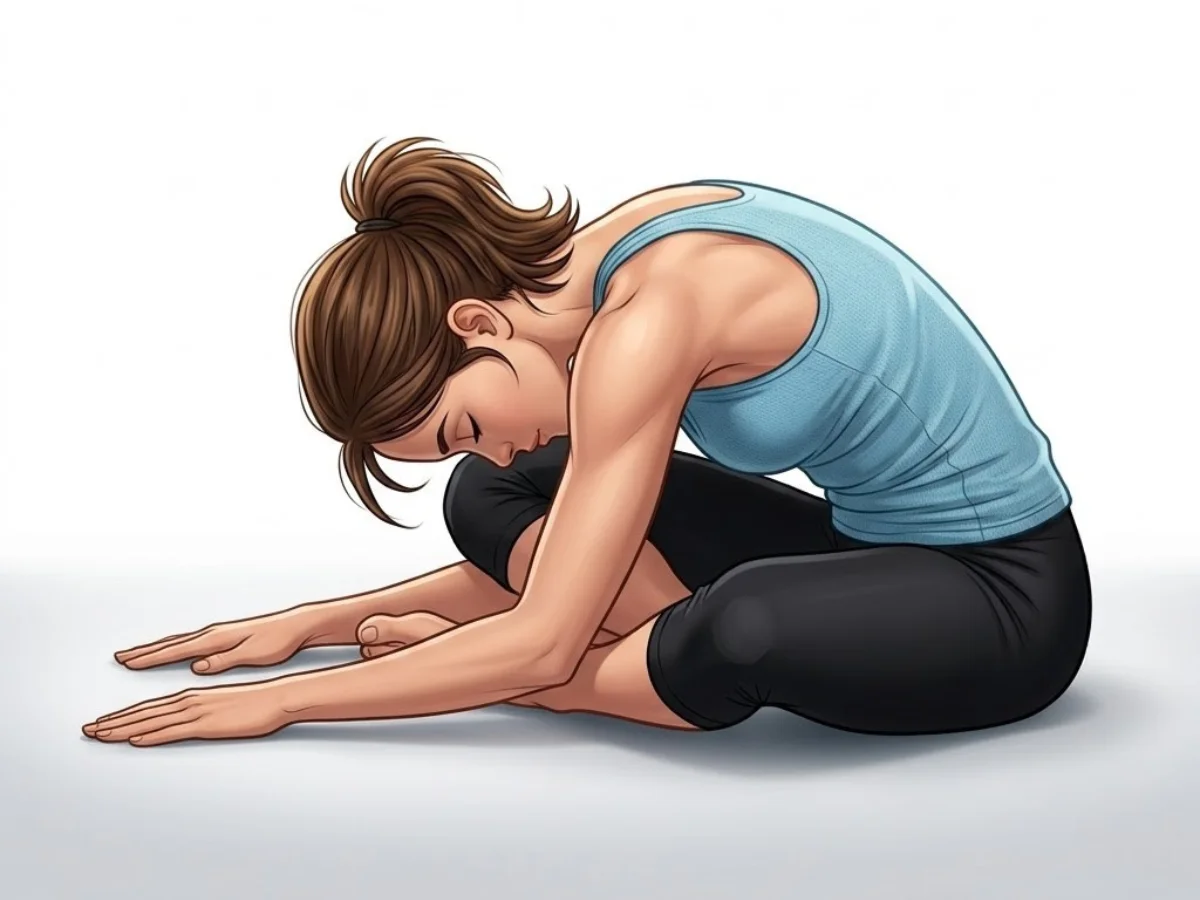
Butterfly Pose
Baddha KonasanaGently begins to open the hips in external rotation.
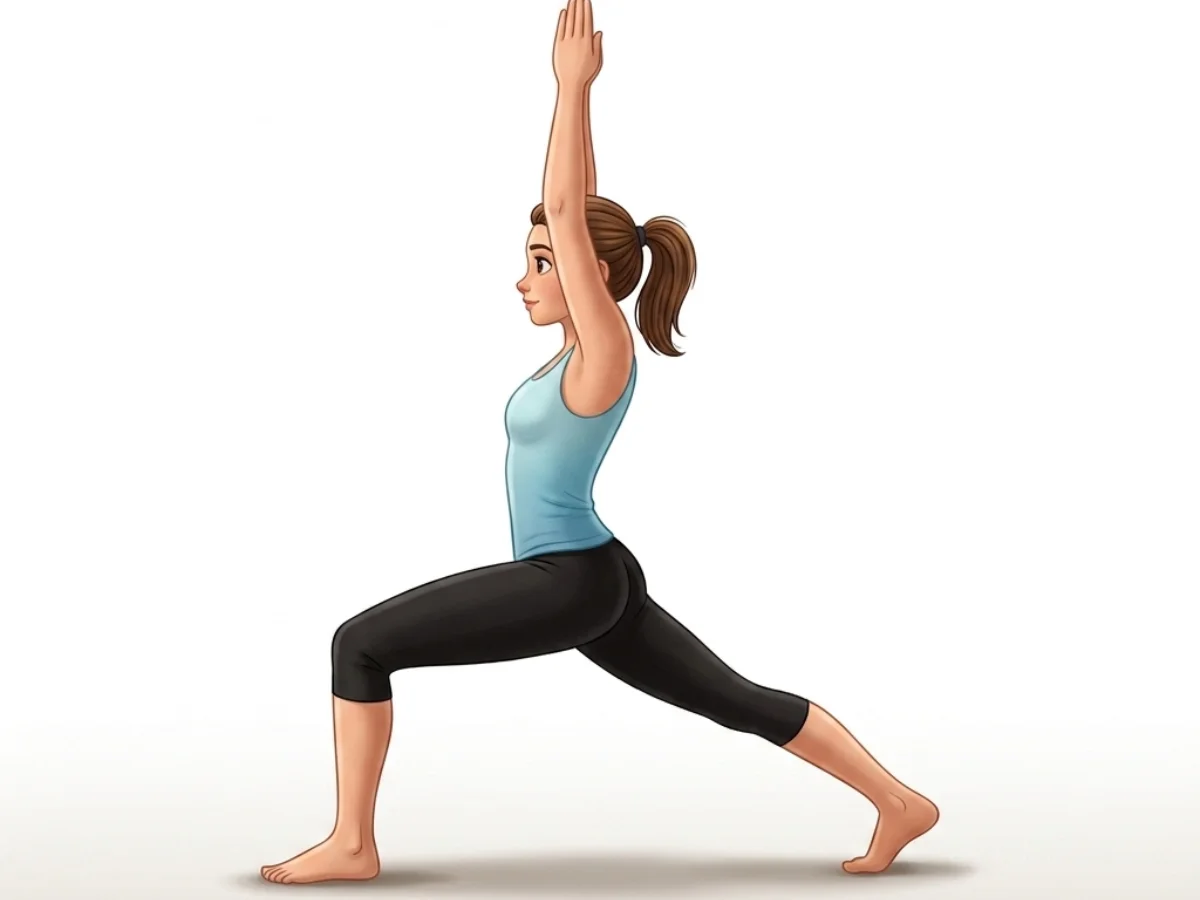
Crescent Lunge
AnjaneyasanaStretches the hip flexors, preparing the back leg for extension.
Follow with neutralizing Counter-poses
Downward-Facing Dog
Adho Mukha SvanasanaRe-lengthens the legs and restores blood flow after intense hip flexion.
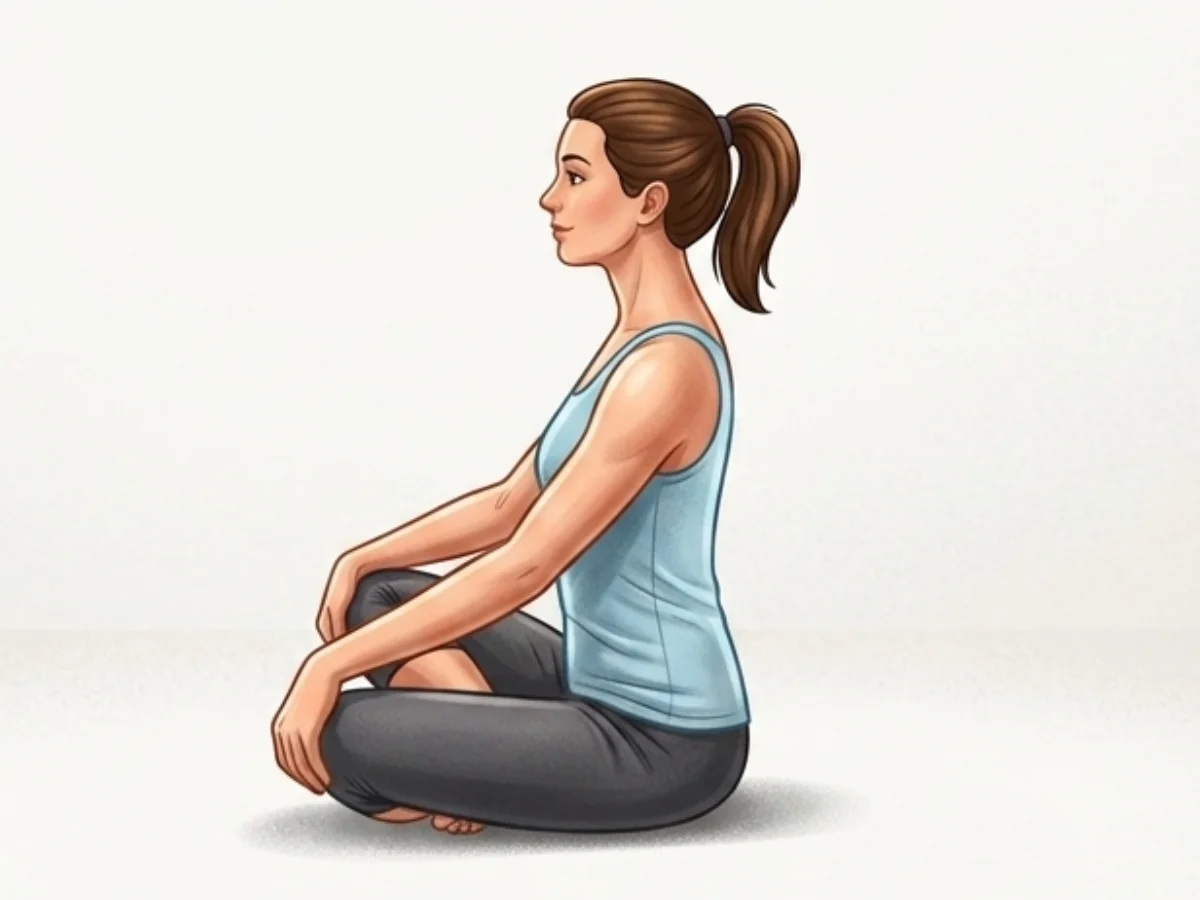
Easy Pose
SukhasanaA neutral seated position to rest and observe the opening in the hips.
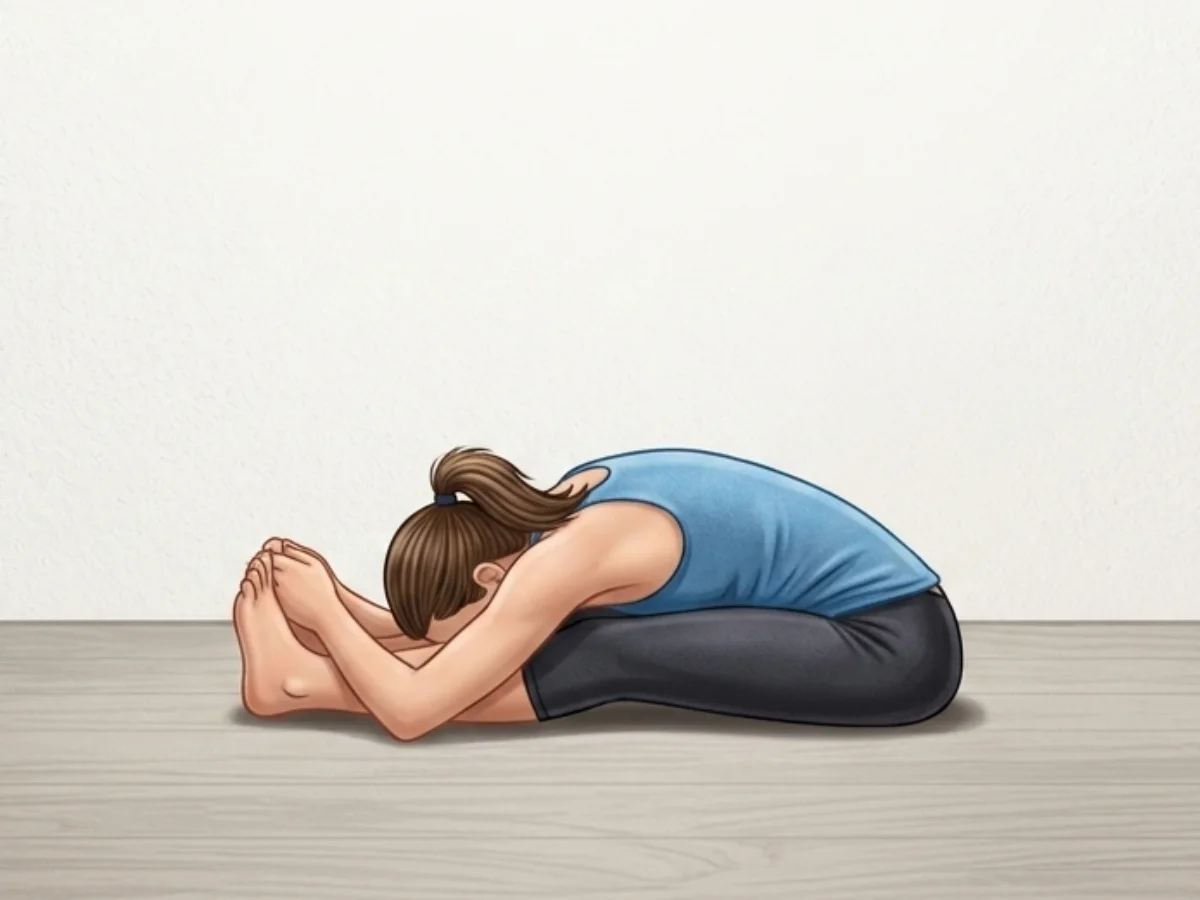
Seated Forward Bend
PaschimottanasanaSymmetrically stretches the back and hamstrings, neutralizing the pelvis.
Frequently Asked Questions
Should my front shin be parallel to the top of the mat?
No, not necessarily. While a parallel shin is often taught as an "advanced" goal, it requires extreme external hip rotation.
Why does my knee hurt in Half Pigeon?
Knee pain usually occurs when the hip is too tight to externally rotate, causing the rotational force to transfer to the more vulnerable knee joint. If you feel any tweaking in your knee, immediately back out and practice the supine Figure Four modification instead.
Is it normal to feel intense emotion in this pose?
Yes. The hip area is linked to the sympathetic nervous system and is known as a common place where the body stores stress and trauma.

Elena Rostova is an accredited yoga educator and anatomy specialist with over 15 years of clinical experience. She focuses on functional biomechanics and injury prevention, translating complex anatomy into accessible guidance for safe, sustainable practice.
Read Full ProfileContinue Your Yoga Journey
Ready to deepen your practice? Explore our extensive library of poses, or join a structured program designed to build strength, flexibility, and mindfulness.