
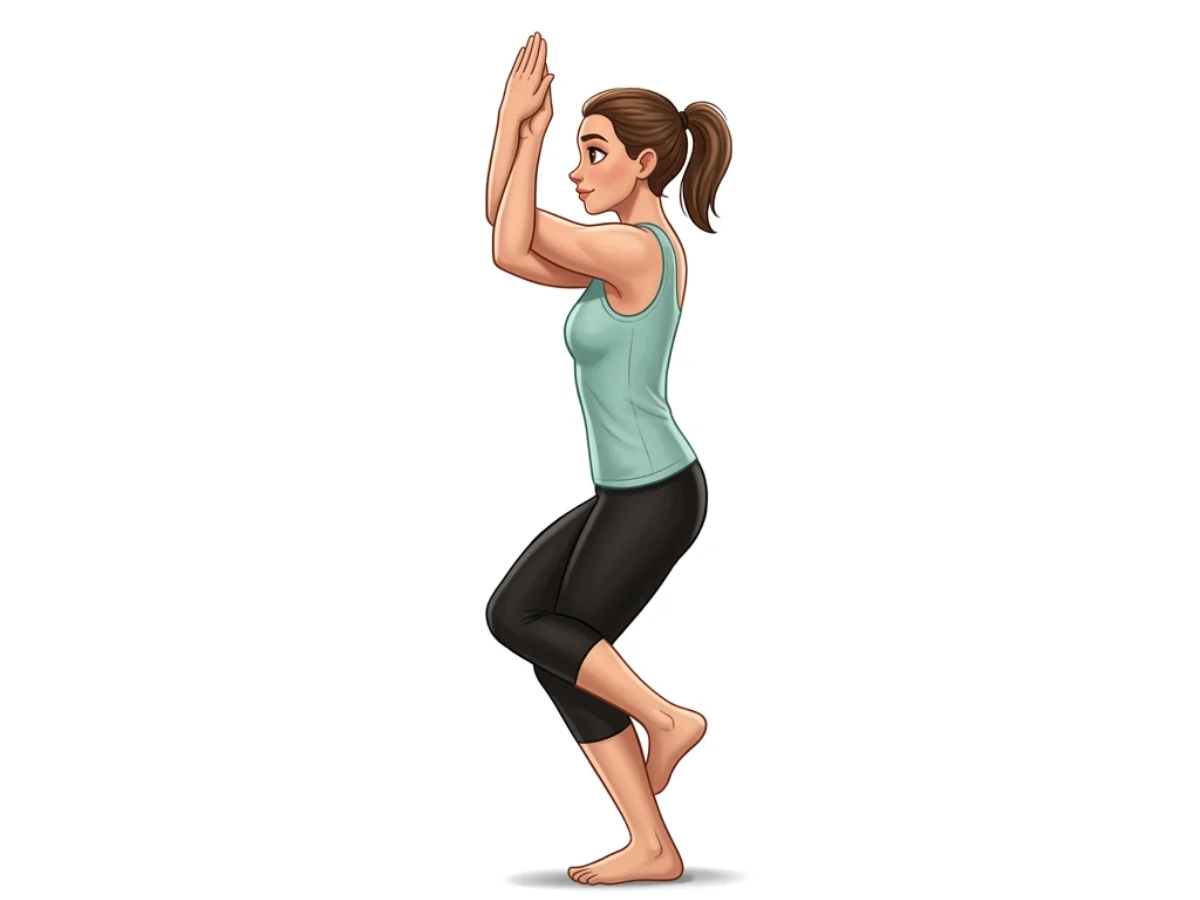
Eagle
Garudasana
By Elena Rostova Updated: verified Medically Reviewed
Eagle Pose (Garudasana) is a complex standing balance that involves wrapping both the arms and the legs to create a powerful constriction of blood flow, followed by a rush of fresh circulation upon release. By binding the limbs and squatting down, practitioners challenge their central nervous system while intensely stretching the upper back, shoulders, and outer hips.
Hold Time
30–60 sec · 5–10 breaths per side
Pronunciation
gah-roo-DAHS-anna
About Eagle
Eagle (Garudasana) is a grounding posture that draws its natural shape from the animal kingdom. As you settle into the shape, it gently works the balance, joint mobility & upper back opening to increase your overall flexibility. Practicing this pose regularly helps with deeply opens the upper back and leaves you feeling completely refreshed.
How to Practice
Start in Mountain
Begin standing tall at the front of your mat in Mountain Pose (Tadasana), grounding evenly through both feet with your arms resting by your sides.
Bend the Knees
Inhale and bend both knees slightly, sitting your hips back as if moving into a shallow Chair Pose (Utkatasana). Shift your body weight onto your left foot.
Wrap the Legs
Lift your right leg and cross your right thigh tightly over your left thigh. Point your right toes toward the floor, and if accessible, hook the top of your right foot behind your left calf.
Position the Arms
Extend both arms straight out in front of you. Cross your left arm over your right arm, ensuring the cross is above the elbows.
Bind the Arms
Bend your elbows so your forearms point upward. Wrap your forearms around each other and press your palms together. If palms do not touch, press the backs of your hands together.
Lift and Sink
Inhale to lift your elbows to the height of your shoulders and press your hands slightly away from your face. Exhale to sink your hips a little deeper into the standing leg.
Find Your Drishti
Fix your gaze (drishti) steadily on a single, unmoving point just beyond your wrapped forearms to anchor your balance.
Hold and Squeeze
Squeeze your inner thighs and arms tightly together. Hold the pose for 5 to 10 deep, nasal breaths, keeping your spine as straight and upright as possible.
Release and Unwind
To exit, inhale as you slowly unwrap your arms and legs simultaneously. Stand tall, reach your arms overhead, and place both feet on the floor.
Repeat on the Other Side
Exhale to return to Mountain Pose. Repeat the entire sequence, this time balancing on the right leg (wrapping the left leg over the right, and the right arm over the left).
Practice with the Yoga Timer
Keep track of your hold time and breath count for this pose.
Beginner Modifications & Prop Options
Yoga is a personal journey. These modifications and prop options allow you to adapt the pose to your current level of balance and flexibility, ensuring a safe and supportive practice.
Kickstand the Foot
Cross your thigh over and rest the toes of your lifted foot on the floor like a kickstand. This provides balance while still delivering a hip stretch.
Tip: Focus on alignment rather than depth.
Bear Hug the Shoulders
Cross your arms deeply over your chest and grab opposite shoulders, giving yourself a tight "bear hug." You will still achieve an upper back stretch.
Tip: Focus on alignment rather than depth.
Wall Support
Practice the pose with your back resting flat against a wall. This supports your torso, allowing focus on deep binding and joint opening.
Tip: Focus on alignment rather than depth.
Benefits of Eagle
Deeply Opens the Upper Back
Wrapping the arms pulls the shoulder blades apart, providing an intense stretch to the rhomboids and the trapezius muscles between the shoulder blades.
Increases Joint Mobility
The binding action compresses the joints in the ankles, knees, hips, wrists, elbows, and shoulders, flushing them with synovial fluid upon release.
Enhances Concentration
The asymmetrical wrapping combined with balancing on one leg requires immense focus, drawing the mind away from distractions and into the present moment.
Strengthens the Standing Leg
Balancing in a squatted position builds significant endurance and strength in the calves, quadriceps, ankles, and stabilizing foot muscles.
Improves Circulation
The tourniquet-like constriction of the limbs temporarily restricts blood flow.
Common Mistakes to Avoid
Mistake: Collapsing the Chest Forward
How to fix: Actively lift your chest, pull your lower belly in, and lift your elbows up to shoulder height.
Mistake: Misaligned Hips
How to fix: Draw the hip of the wrapped leg back and the hip of the standing leg forward, ensuring your pelvis remains perfectly square to the front of the mat.
Mistake: Gripping with the Toes
How to fix: Spread the toes of your standing foot wide and press down evenly through the heel and the ball of the foot.
Safety and Precautions
Knee Injuries
The twisting and compression forces in the wrapped knee can aggravate meniscus tears or ligament damage. Use the kickstand modification or avoid the leg wrap entirely.
Shoulder, Elbow, or Wrist Injuries
Binding the arms can strain healing joints. Use the bear hug modification or simply keep the hands in prayer at the chest.
Late-Stage Pregnancy
Balance poses carry a risk of falling. Pregnant practitioners should use a wall for support or stick to wide-legged grounding poses.
Medical Disclaimer: If you have any of the above conditions, consult your doctor or a qualified yoga instructor before attempting this pose.
Muscles Worked in Eagle
Eagle demands synchronized muscular effort, creating a profound sense of engagement and release throughout the body. The activation of the primary muscles supports the structure, while the secondary muscles provide stability and balance.
Primary Muscles
Rhomboids and Trapezius
Stretch deeply as the shoulder blades are pulled apart by the arm bind.
Outer Thighs and Glutes
Stretch and engage to wrap the legs and stabilize the pelvis.
Quadriceps
Contract isometrically on the standing leg to support the squatted posture.
Secondary Muscles
Calves and Ankles
Work constantly to maintain balance on the standing leg.
Transversus Abdominis
Engages to stabilize the torso and keep the spine upright.
Deltoids
Engage to hold the bound arms lifted at shoulder height.
Poses to Practice Before and After Eagle
Prepare with these Poses
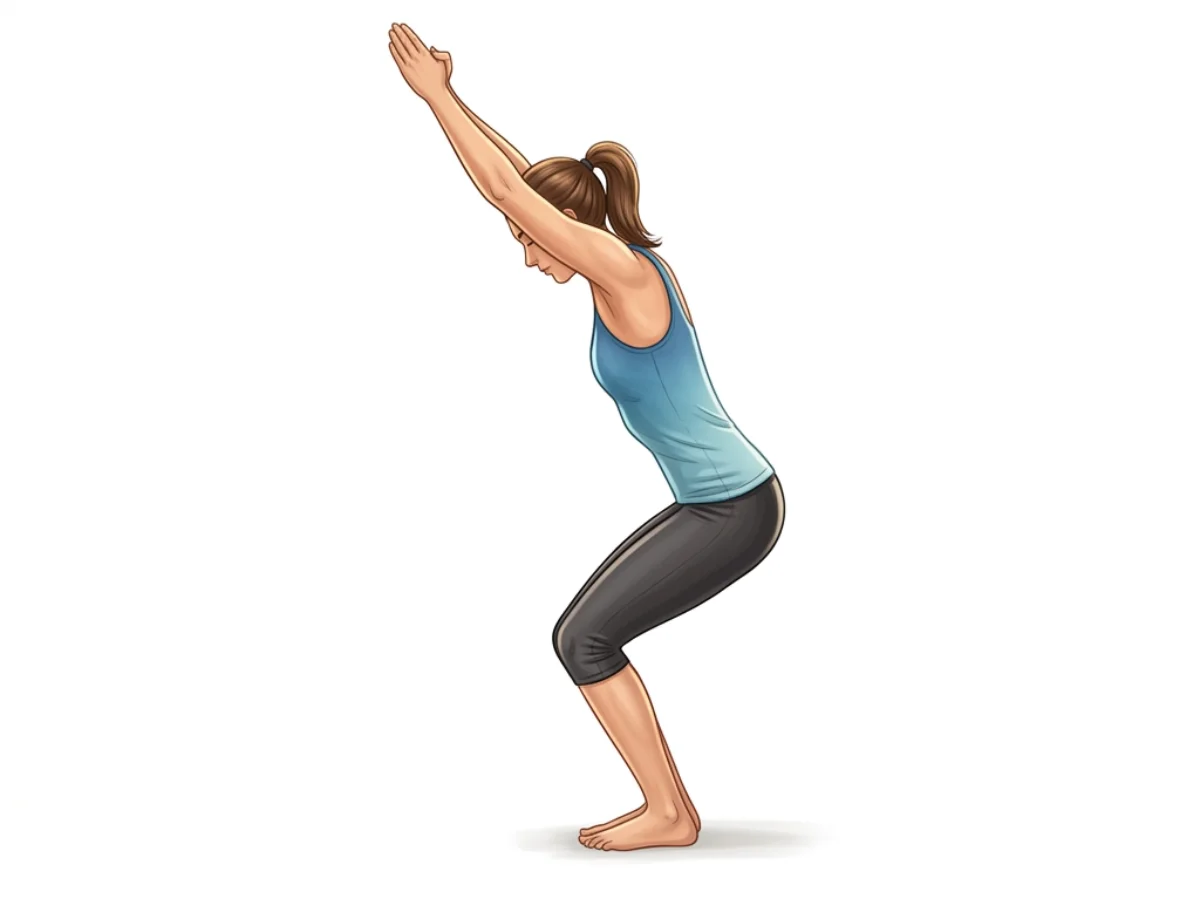
Chair Pose
UtkatasanaBuilds the foundational leg strength and core engagement required to hold the squatted balance.
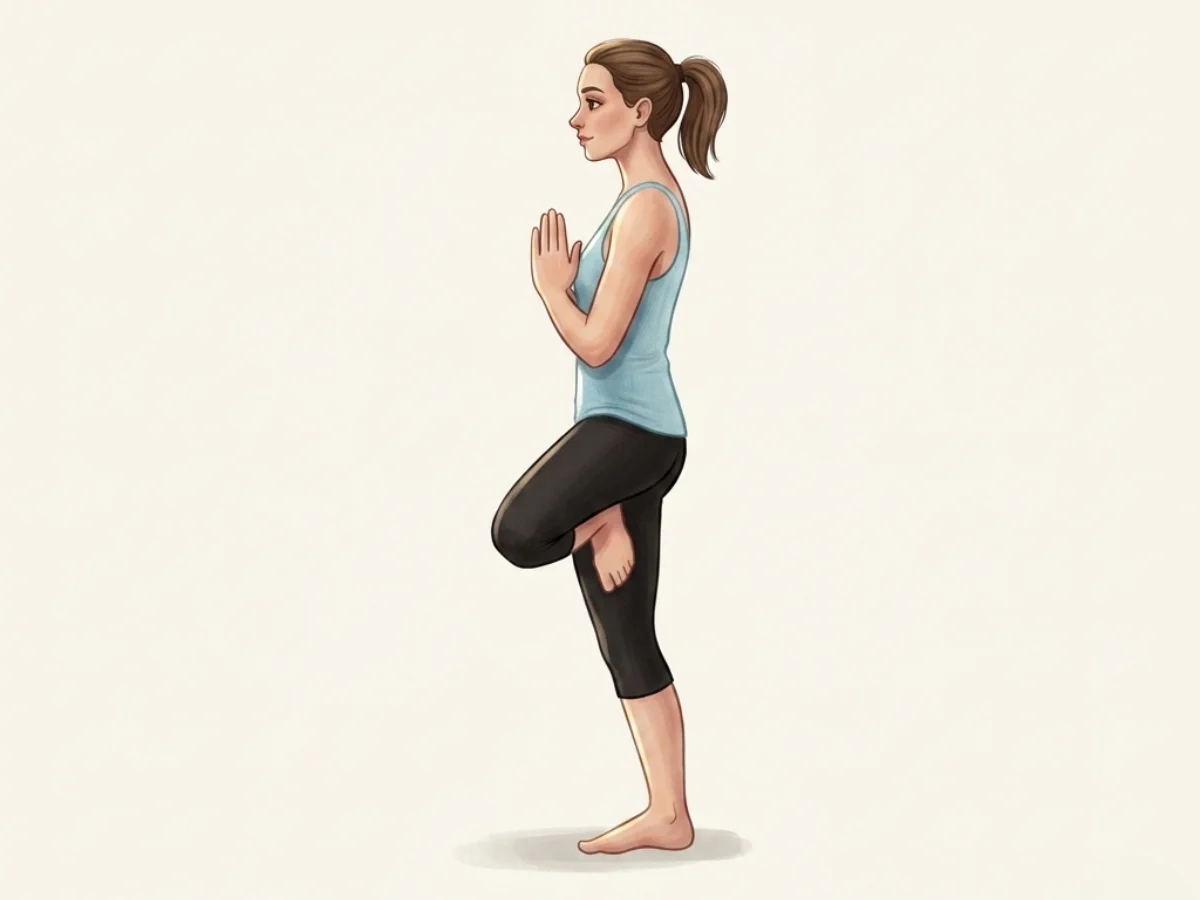
Tree
VrikshasanaA simpler single-leg balance that helps establish focus, grounding, and ankle stability.
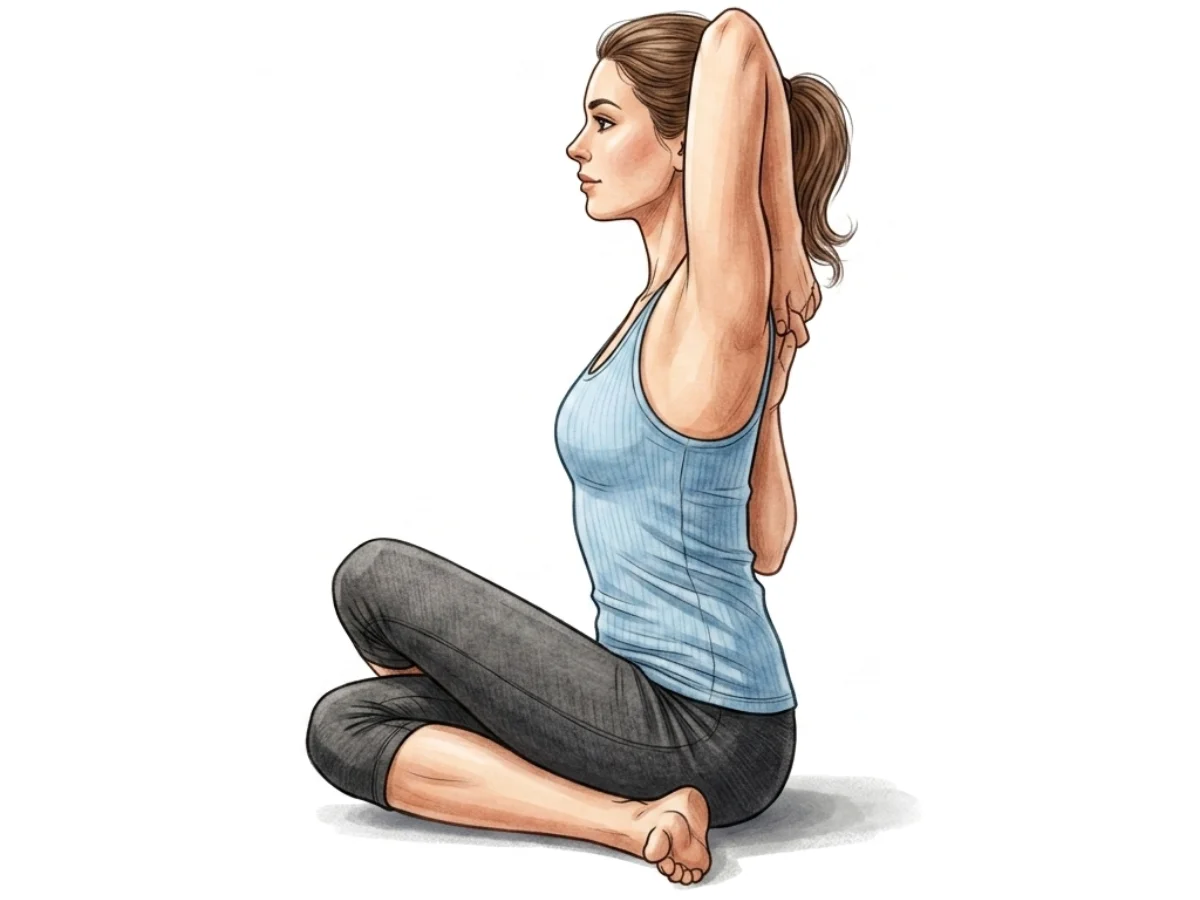
Cow Face
GomukhasanaA seated pose that prepares the outer hips and shoulders for deep internal rotation and binding.
Follow with neutralizing Counter-poses
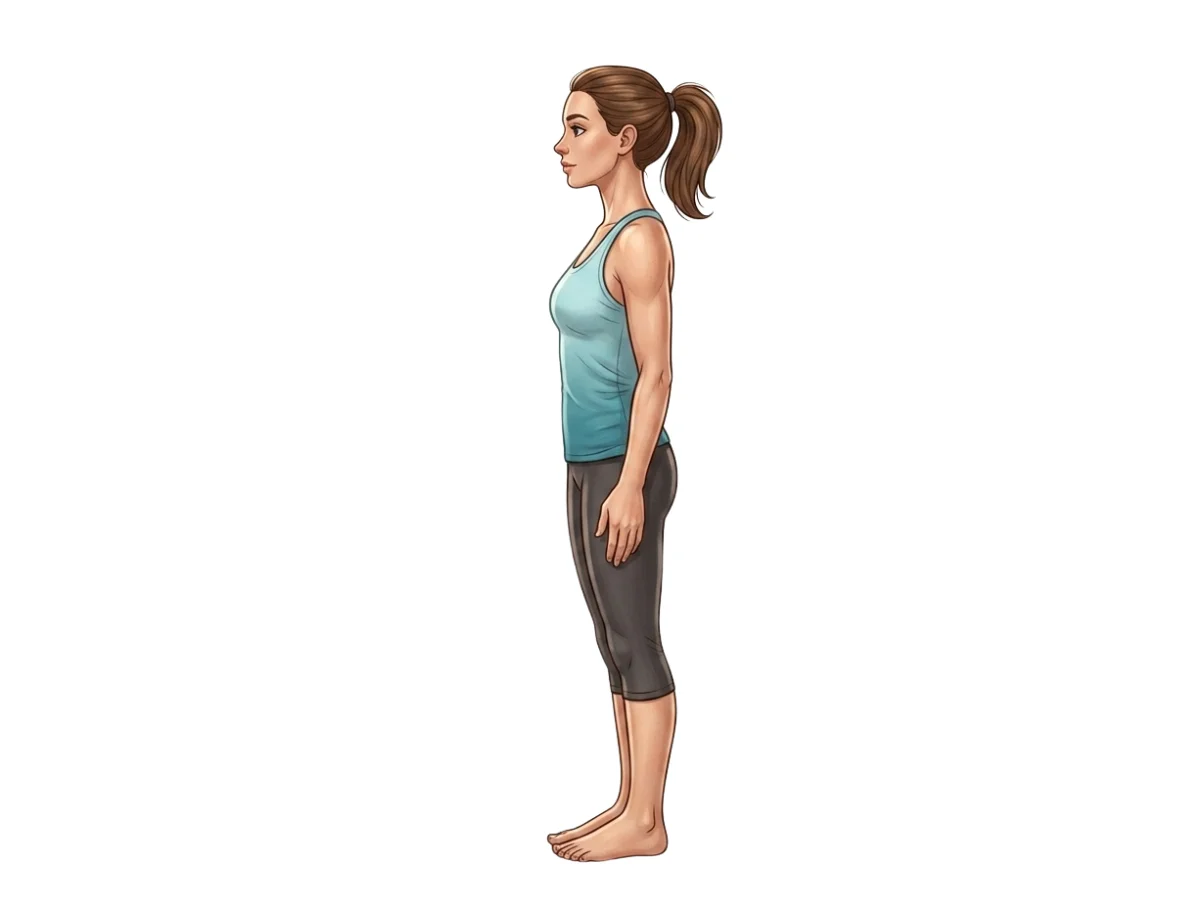
Mountain Pose
TadasanaAllows the blood flow to normalize and the joints to decompress in a neutral standing position.
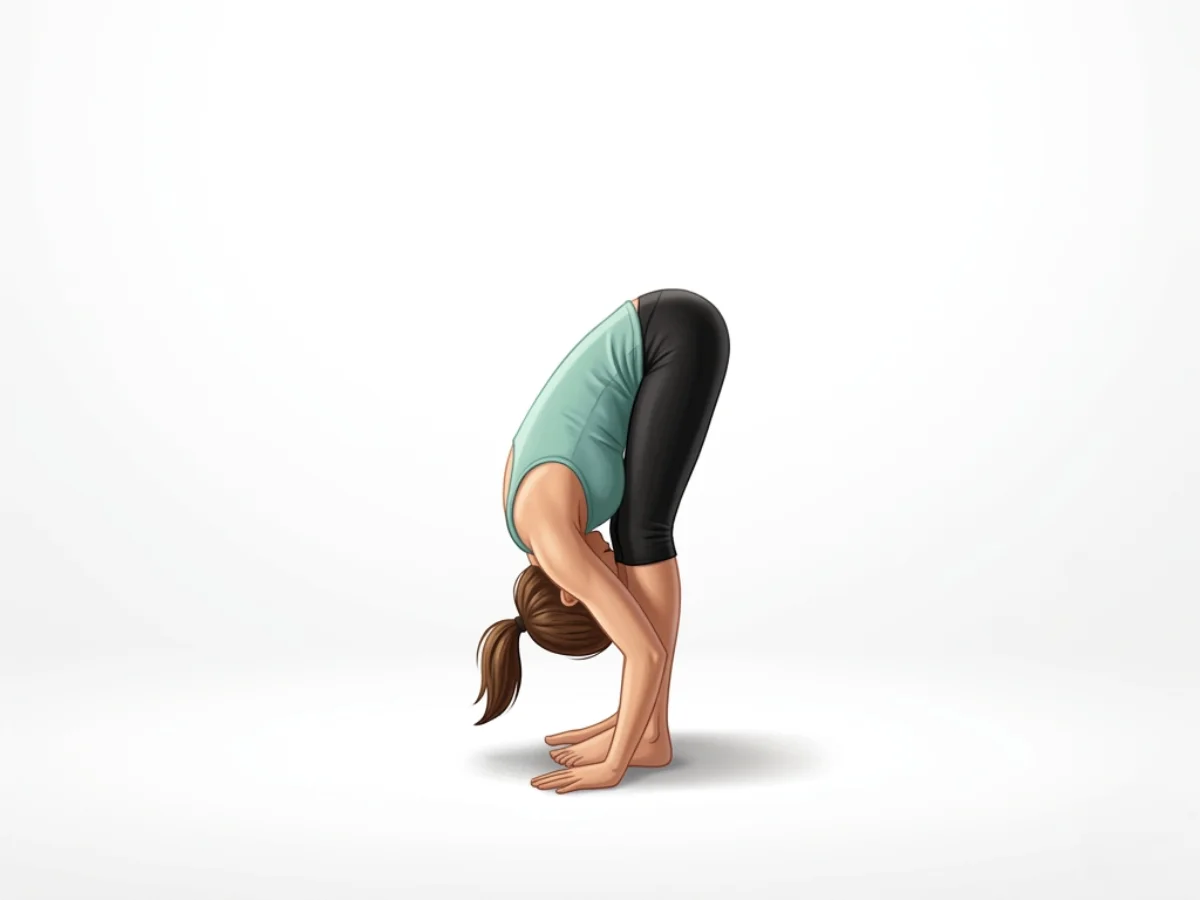
Standing Forward Bend
UttanasanaReleases tension in the lower back and stretches out the fatigued hamstrings of the standing leg.
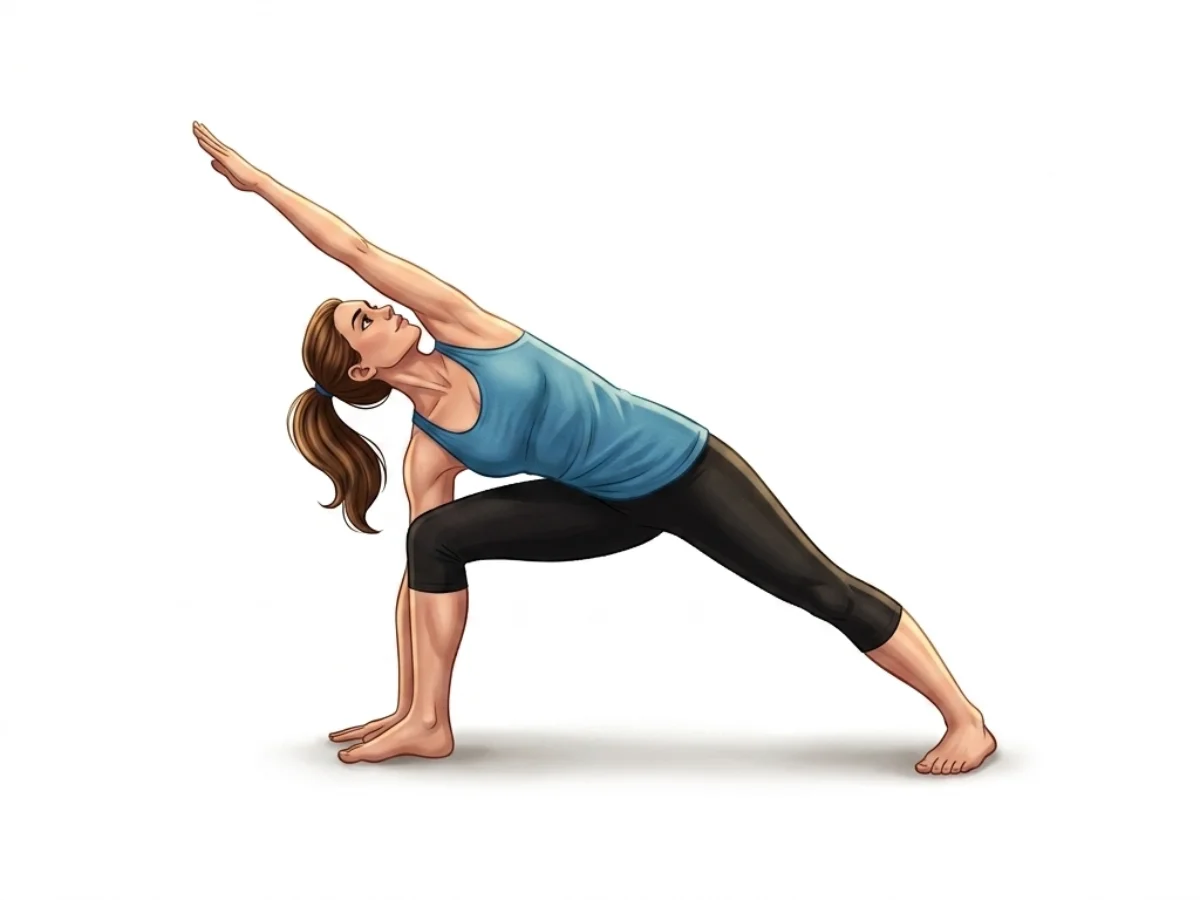
Extended Side Angle
Utthita ParshvakonasanaOpens the hips and chest broadly, acting as a perfect counter to the constricted, bound shape of Eagle.
Frequently Asked Questions
Why can I balance easily on one side but not the other?
This is entirely normal! Most people have a dominant leg that is stronger or more stable, and a dominant hip that is more flexible.
I cannot hook my foot behind my calf. What should I do?
Do not force the joint. Simply cross the thigh as tightly as you can and let the foot point down toward the floor, or rest the toes on the mat like a kickstand.
How low should I squat in Eagle Pose?
The goal is not necessarily depth, but structural integrity. Squat low enough that you can wrap your leg effectively, but ensure you can keep your chest lifted and your spine straight.
Elena Rostova is an accredited yoga educator and anatomy specialist with over 15 years of clinical experience. She focuses on functional biomechanics and injury prevention, translating complex anatomy into accessible guidance for safe, sustainable practice.
Read Full ProfileContinue Your Yoga Journey
Ready to deepen your practice? Explore our extensive library of poses, or join a structured program designed to build strength, flexibility, and mindfulness.