
Cow Face
Gomukhasana
By Elena Rostova Updated: verified Medically Reviewed
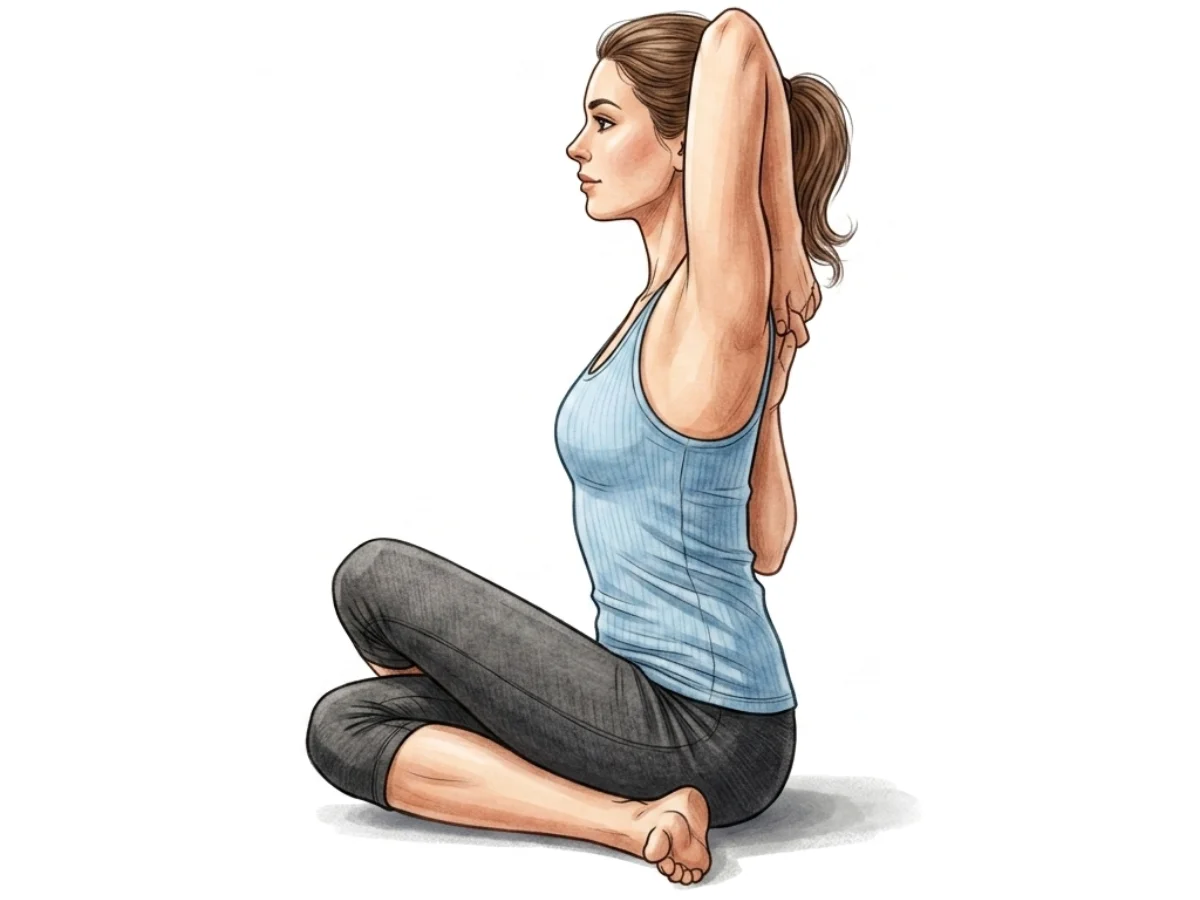
Cow Face Pose (Gomukhasana) is a deeply effective seated posture that targets two of the most commonly tight areas in the human body: the hips and the shoulders. By stacking the knees directly on top of one another and binding the hands behind the back, practitioners experience a profound external rotation and stretch.
Hold Time
30–60 sec · 5–10 breaths per side
Pronunciation
go-moo-KAHS-anna
About Cow Face
Cow Face (Gomukhasana) is a grounding posture that draws its natural shape from the animal kingdom. By gently focusing on deep hip & shoulder opening, it actively stretches your muscles and builds heat. Practicing this pose regularly helps with deep hip and glute stretch and leaves you feeling completely refreshed.
How to Practice
Starting Position
Begin seated on your mat in Staff Pose (Dandasana) with your legs extended in front of you. Bend both knees and place your feet flat on the floor.
Stack the Knees
Slide your left foot under your right knee to the outside of your right hip. Then, cross your right leg over your left, stacking your right knee directly on top of your left knee. Bring your right foot to the outside of your left hip.
Even the Sit Bones
Ensure both sitting bones are firmly rooted into the mat. If your right hip is lifted, sit on a folded blanket or block to level the pelvis.
Lift the Arm
Inhale and extend your left arm straight up toward the ceiling. Bend your left elbow, dropping your left hand down between your shoulder blades.
Bind the Hands
Extend your right arm out to the side, internally rotate the shoulder so the thumb points down, bend the elbow, and slide the back of your right hand up your spine. Reach to clasp your left fingers. If they don’t touch, use a yoga strap between your hands.
Lift the Chest
Keep your torso upright and lift your chest. Avoid letting your head push forward; gently press the back of your head into your left forearm to keep your neck in a neutral position.
Hold and Breathe
Hold the posture for 5 to 10 deep, steady breaths. Focus on opening the chest and releasing tension in the hips.
Fold Forward (Optional)
For a deeper hip stretch, exhale and hinge forward from the hips, keeping your spine straight. Avoid rounding your back.
Release and Repeat
Inhale to come upright, gently release the clasp of your hands, and uncross your legs. Shake them out, then repeat the pose on the opposite side (right arm high, left leg on top).
Rest
Return to Staff Pose (Dandasana) or transition to a gentle symmetrical forward fold to integrate the stretch.
Practice with the Yoga Timer
Keep track of your hold time and breath count for this pose.
Beginner Modifications & Prop Options
Yoga is a personal journey. These modifications and prop options allow you to adapt the pose to your current level of balance and flexibility, ensuring a safe and supportive practice.
Use a Yoga Strap
Hold a yoga strap in your top hand and reach your bottom hand up to grab it. Slowly inch hands closer over time, focusing on opening the chest.
Tip: Focus on alignment rather than depth.
Sit on a Block or Blanket
Sit on a block or a folded blanket to elevate the pelvis. This significantly reduces strain on the hips and knees.
Tip: Focus on alignment rather than depth.
Half Cow Face Pose
Keep your bottom leg extended straight out and only cross the top leg over so the knee points forward. This reduces stretch intensity while addressing the top outer hip.
Tip: Focus on alignment rather than depth.
Benefits of Cow Face
Deep Hip and Glute Stretch
Intensely stretches the piriformis, glutes, and outer thighs, helping to relieve sciatica and hip tightness.
Enhances Shoulder Mobility
The binding action stretches the rotator cuff, deltoids, and triceps, improving range of motion in the shoulder joints.
Opens the Chest and Lungs
Lifting the chest and drawing the elbows back expands the thoracic cavity, improving breathing capacity and countering hunched posture.
Improves Posture
By stretching the pectorals and strengthening the upper back, it helps correct the forward-head and rounded-shoulder posture common in desk workers.
Highlights Body Imbalances
Because it is highly asymmetrical, practicing both sides clearly reveals differences in flexibility, allowing you to address muscular imbalances.
Common Mistakes to Avoid
Mistake: Pushing the Head Forward
How to fix: Use a strap so you can keep your chest lifted and gently press the back of your head into your top arm to maintain a neutral neck alignment.
Mistake: Lifting One Sitting Bone
How to fix: Sit on a block or blanket to level the pelvis. It is crucial for spinal health that both sit bones are evenly grounded.
Mistake: Forcing the Hands to Clasp
How to fix: Accept where your mobility is today. Use a strap and prioritize the opening of the chest over the physical connection of the hands.
Mistake: Arching the Lower Back
How to fix: Actively draw your lower ribs in and engage your core to keep your spine long and supported.
Safety and Precautions
Shoulder Injuries
If you have a rotator cuff tear, impingement, or active shoulder inflammation, do not force the binding of the arms. Practice the leg portion only, or gently rest the hands on the opposite shoulders.
Knee Problems
The deep flexion and slight rotation of the knees can exacerbate meniscus tears or ligament issues. Modify by keeping the bottom leg straight or avoid the pose.
Sciatica
While helpful for some, deep external hip rotation can aggravate sciatica in others. Stop if you feel sharp, shooting pain down the leg.
Neck Pain
Ensure you are not pushing your head forward against your top arm, which can worsen cervical spine issues.
Medical Disclaimer: If you have any of the above conditions, consult your doctor or a qualified yoga instructor before attempting this pose.
Muscles Worked in Cow Face
Cow Face demands synchronized muscular effort, creating a profound sense of engagement and release throughout the body. The activation of the primary muscles supports the structure, while the secondary muscles provide stability and balance.
Primary Muscles
Piriformis and Glutes
Stretch deeply in both hips due to the stacked, crossed-leg position.
Triceps Brachii
Stretches significantly on the arm reaching upward.
Deltoids and Rotator Cuff
Stretch heavily on the arm reaching behind and up the back.
Secondary Muscles
Pectoralis Major/Minor
Open and stretch as the chest broadens and shoulders draw back.
Latissimus Dorsi
Stretches on the side of the upward-reaching arm.
Erector Spinae
Engages to keep the torso upright and prevent rounding.
Poses to Practice Before and After Cow Face
Prepare with these Poses
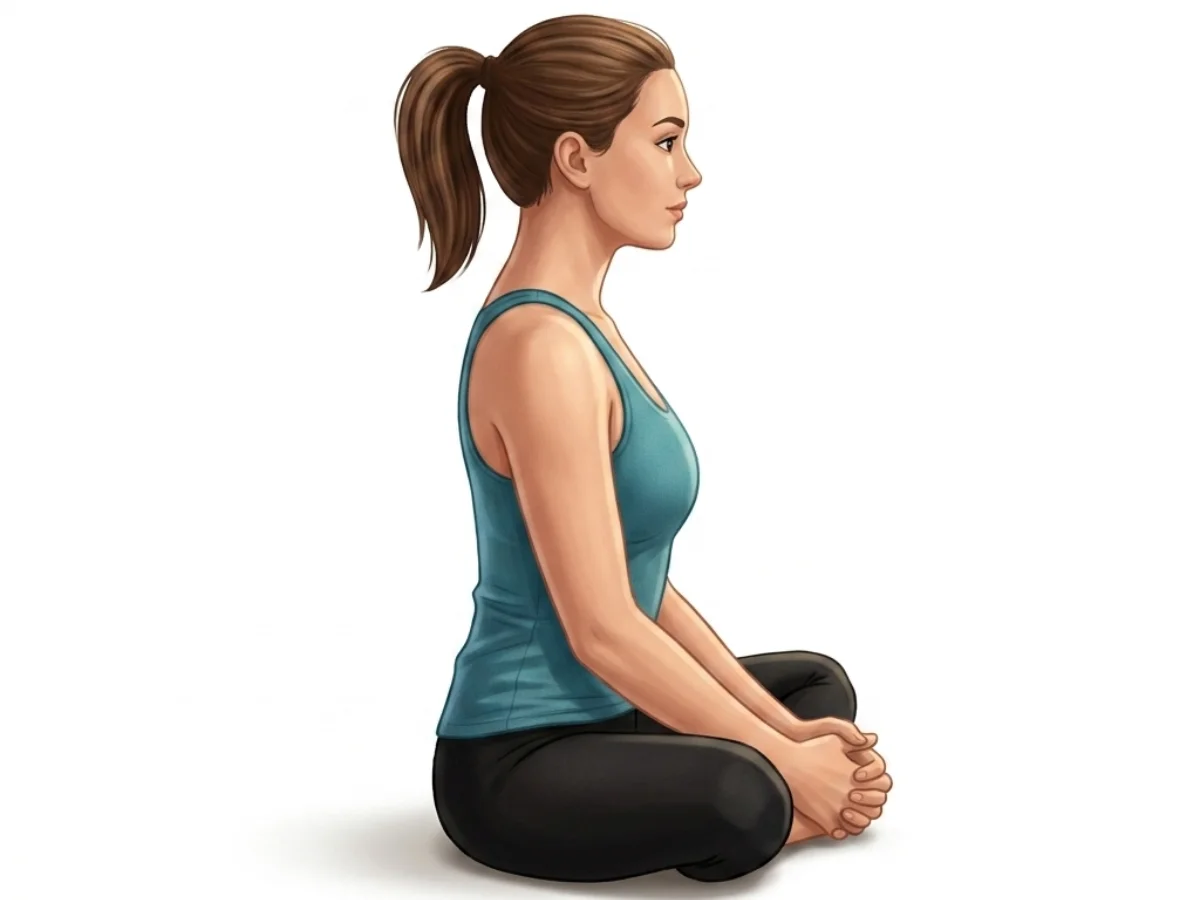
Bound Angle
Baddha KonasanaOpens the hips and groins, preparing the pelvis for deeper rotation.
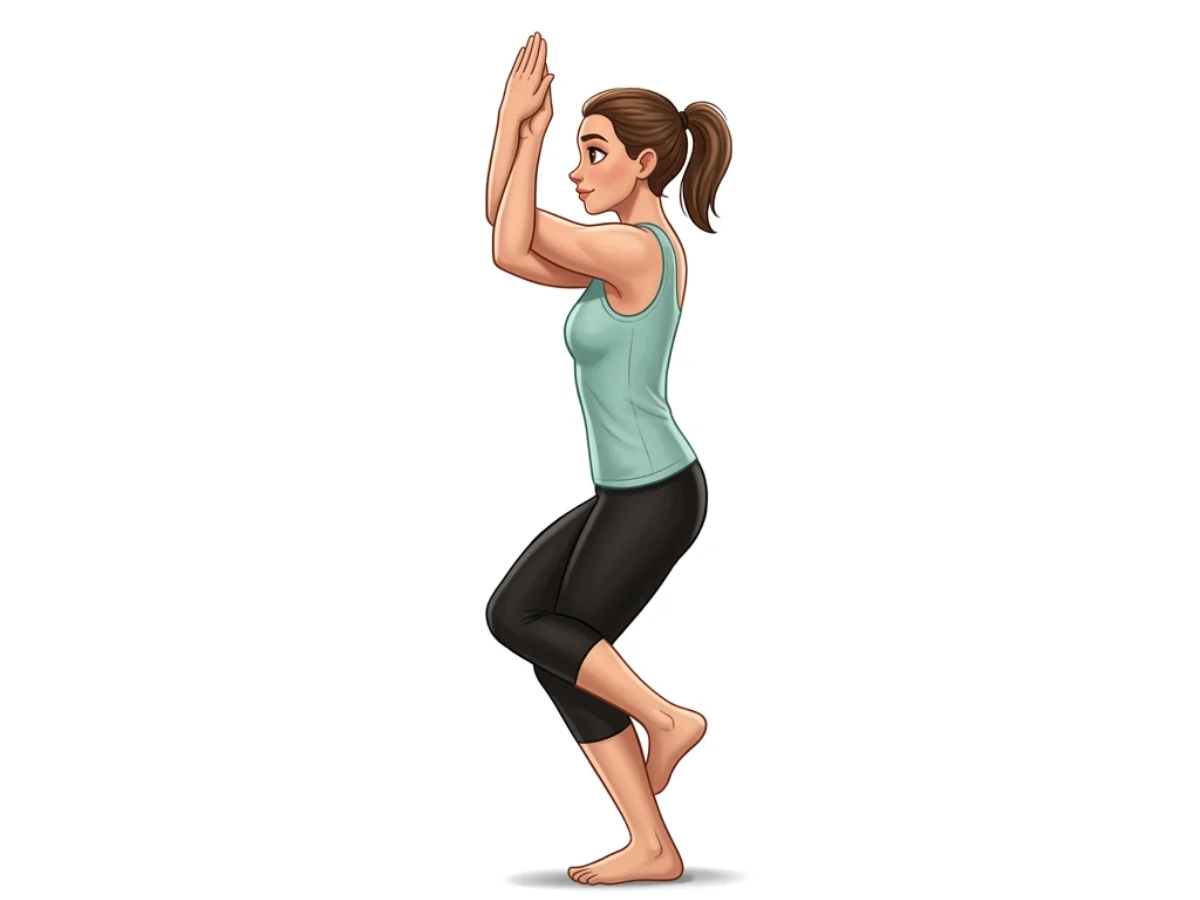
Eagle Pose
GarudasanaProvides an excellent stretch for the outer shoulders and upper back.
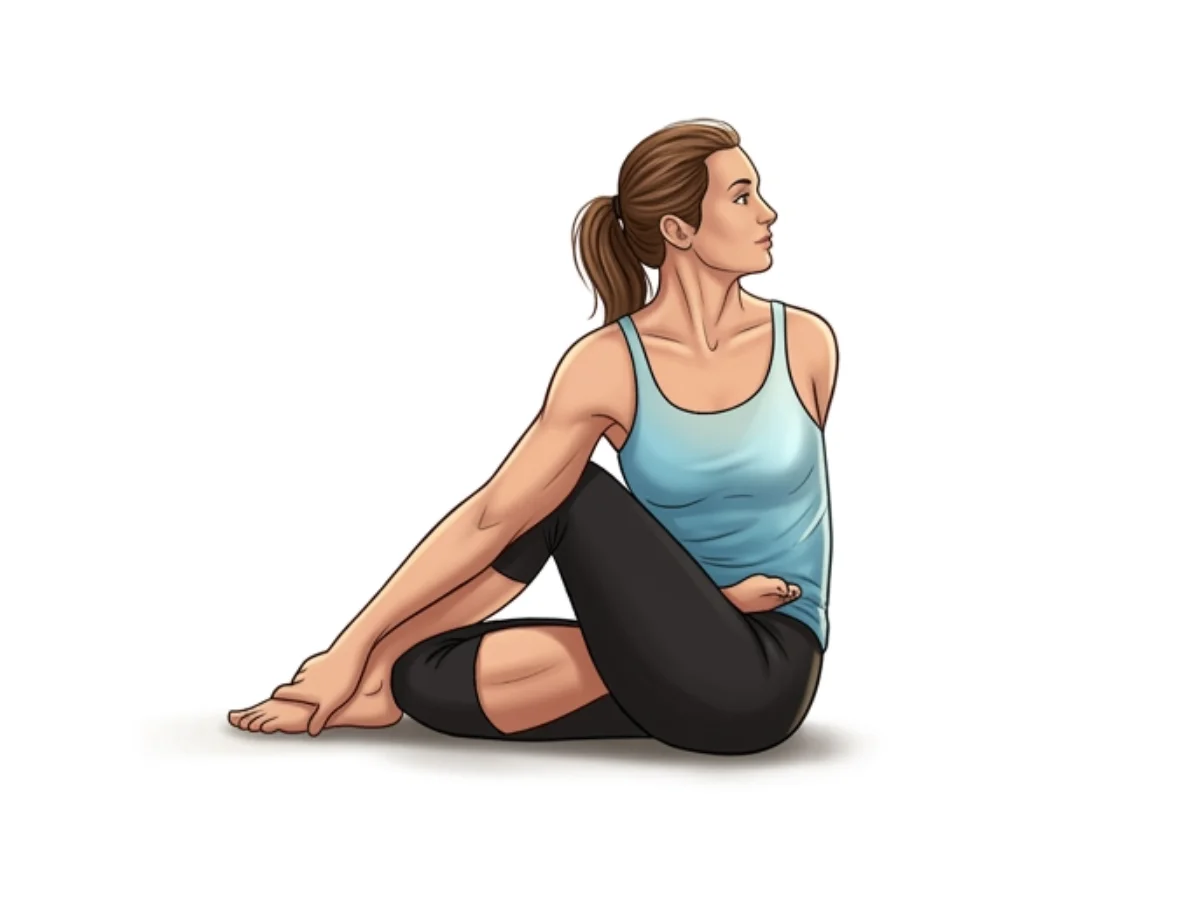
Half Lord of the Fishes Pose
Ardha MatsyendrasanaOpens the outer hips and glutes in preparation for stacking the knees.
Follow with neutralizing Counter-poses
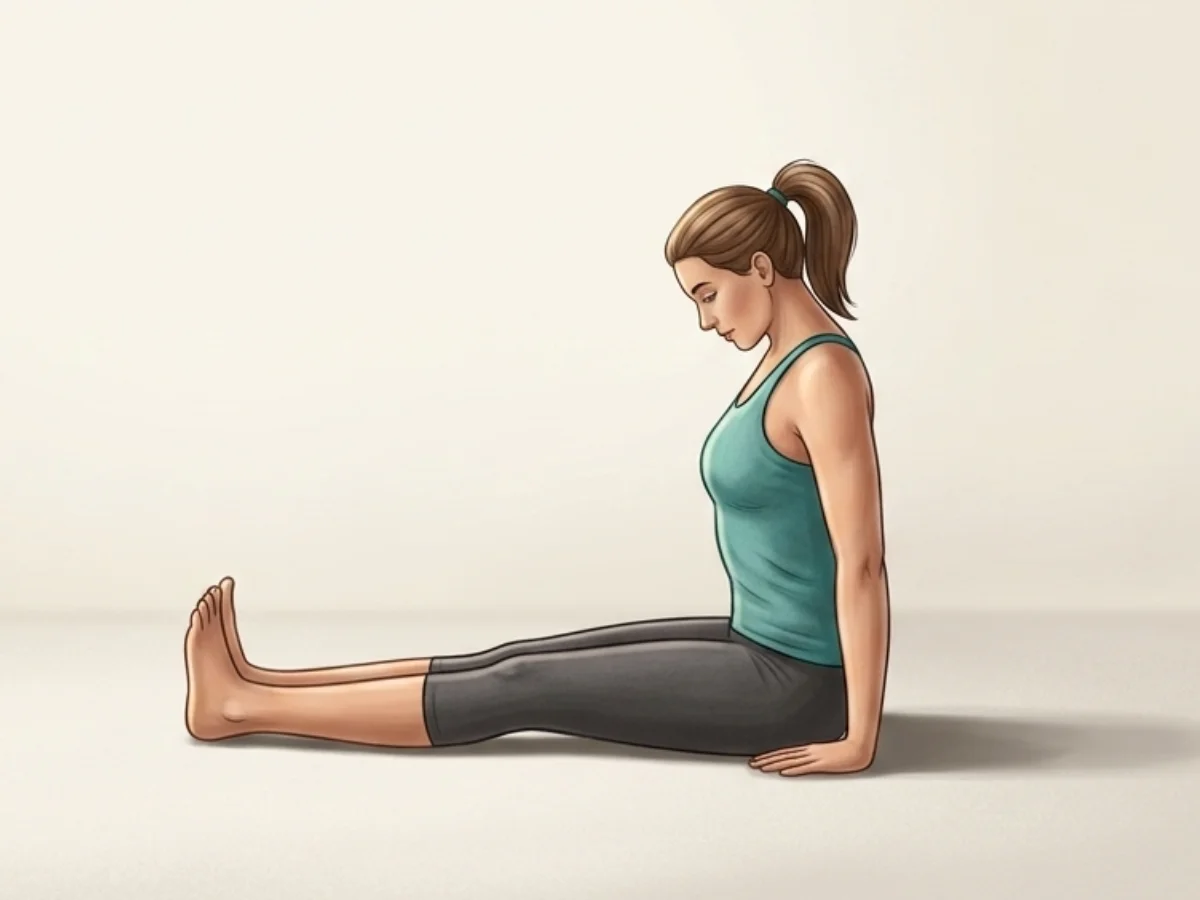
Staff Pose
DandasanaNeutralizes the legs and pelvis, allowing the joints to return to a neutral alignment.
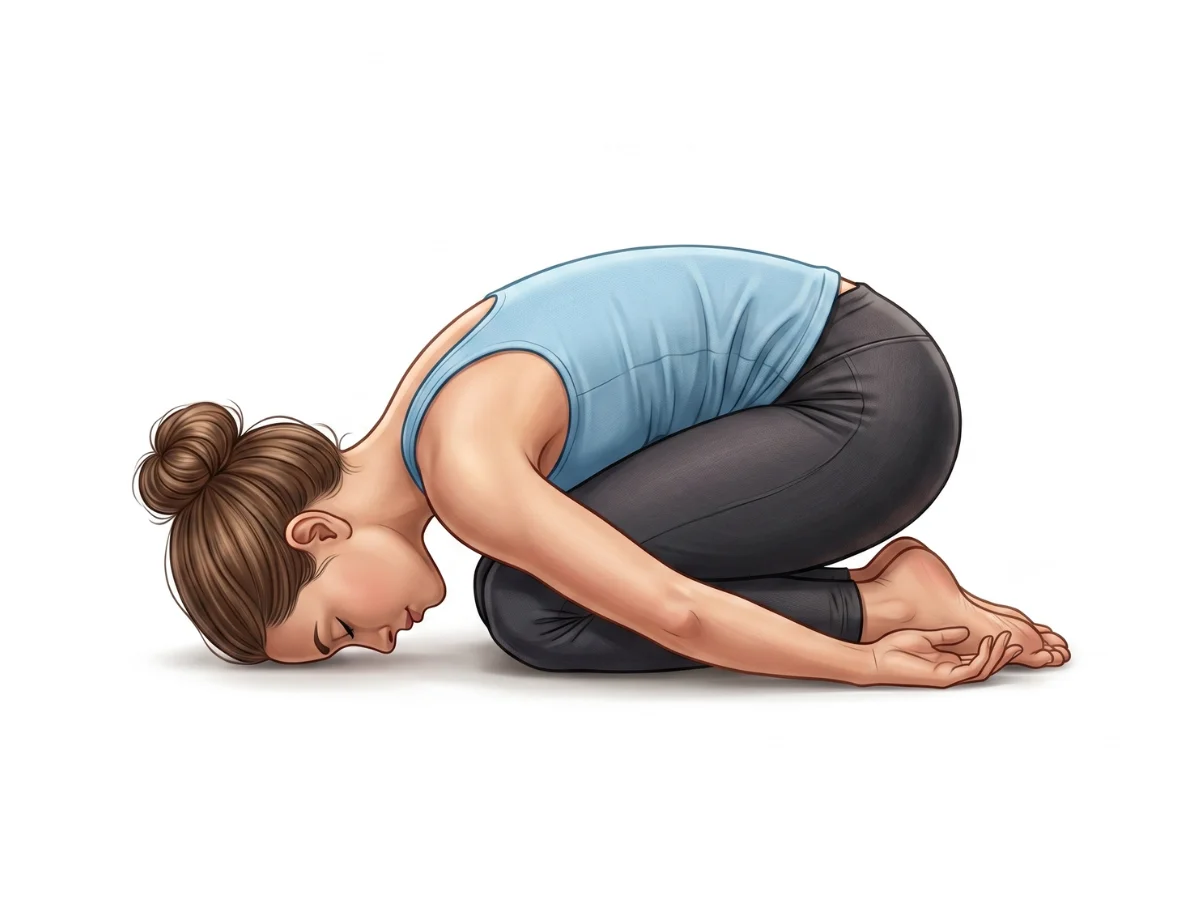
Child's Pose
BalasanaGently rounds the spine and relaxes the shoulders after intense stretching.
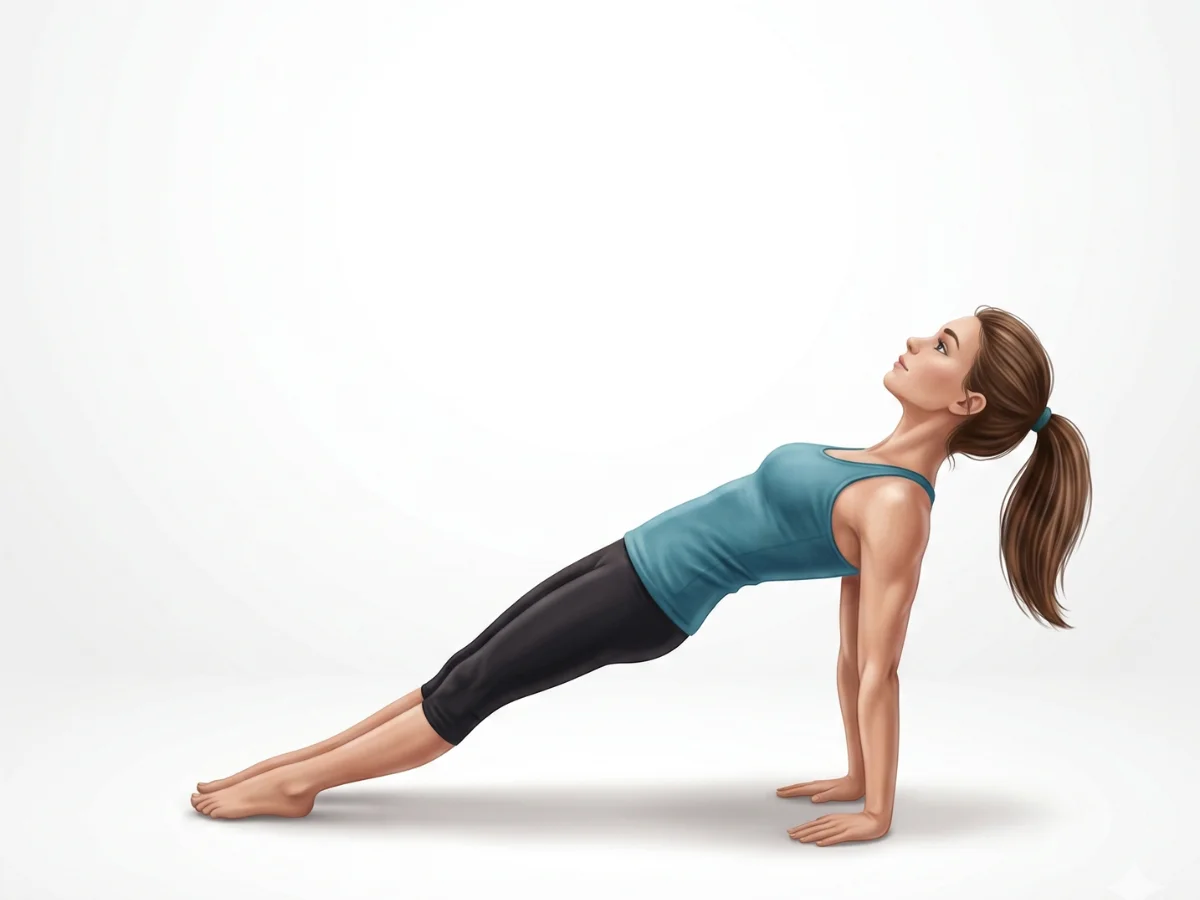
Upward Plank Pose
PurvottanasanaOpens the front of the shoulders and chest while extending the hips.
Frequently Asked Questions
Why is it so much harder to clasp my hands on one side?
This is incredibly common. Most people have dominant movement patterns (like being right-handed) that lead to asymmetrical shoulder mobility. It is perfectly normal to need a strap on one side even if you can easily clasp your hands on the other.
My knees don't stack perfectly. Am I doing it wrong?
Not necessarily. Perfect stacking requires a high degree of hip flexibility. If your top knee is high in the air, focus on keeping your sitting bones grounded. Over time, as your hips open, the knees will naturally rest closer together.
Is Cow Face Pose safe for bad knees?
If the pose causes sharp pain or twisting in the knee joints, it is not safe. You can modify by practicing the "Half Cow Face" version, keeping the bottom leg straight, to significantly reduce the torque on the knee of the top leg.
What if my bottom foot goes numb?
Numbness indicates you are compressing a nerve or blood vessel, likely by sitting directly on your heel. Adjust your position so your sitting bones are on the floor (or a block) between your feet, not resting on top of them.
Can I do just the arms or just the legs?
Absolutely. Gomukhasana is essentially two distinct stretches combined. You can practice the arm bind while sitting cross-legged (Sukhasana) or standing, and you can practice the leg stack while keeping your hands resting on your knees.
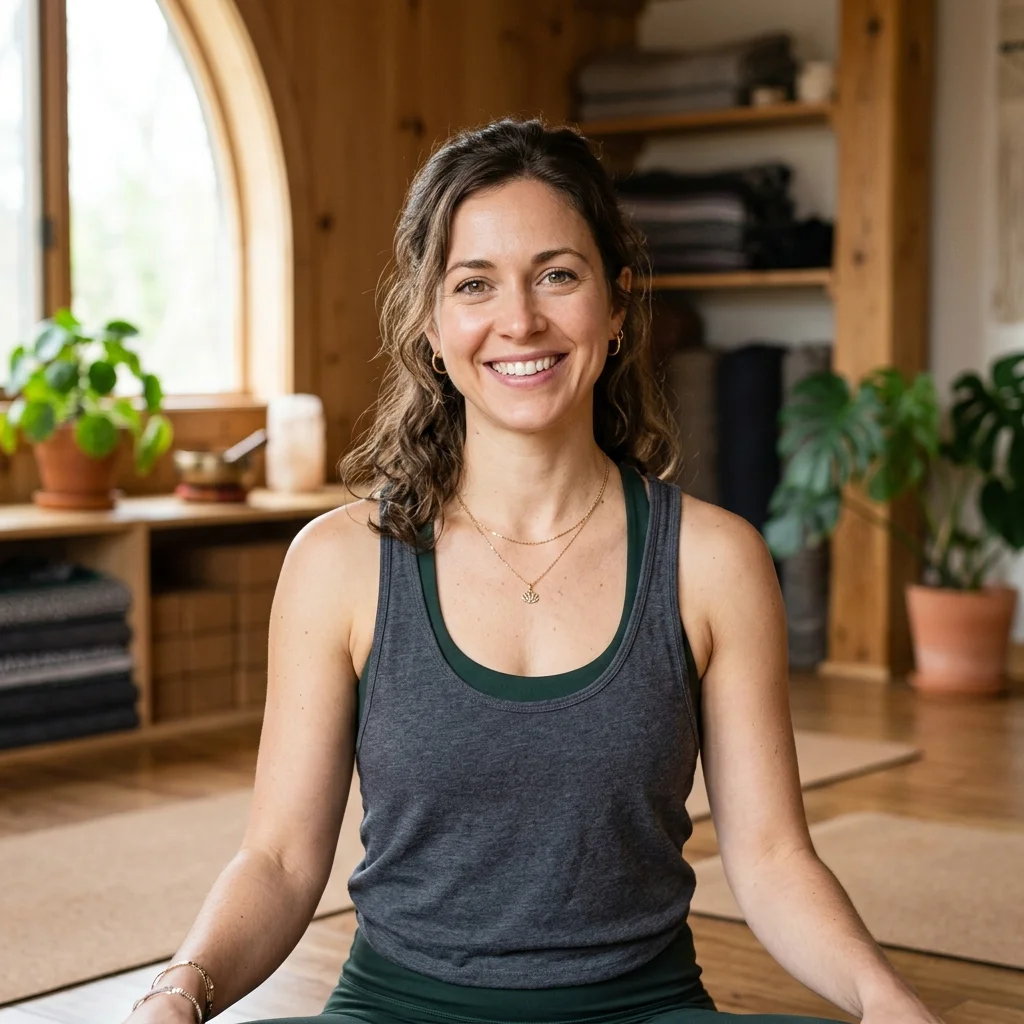
Elena Rostova is an accredited yoga educator and anatomy specialist with over 15 years of clinical experience. She focuses on functional biomechanics and injury prevention, translating complex anatomy into accessible guidance for safe, sustainable practice.
Read Full ProfileContinue Your Yoga Journey
Ready to deepen your practice? Explore our extensive library of poses, or join a structured program designed to build strength, flexibility, and mindfulness.