
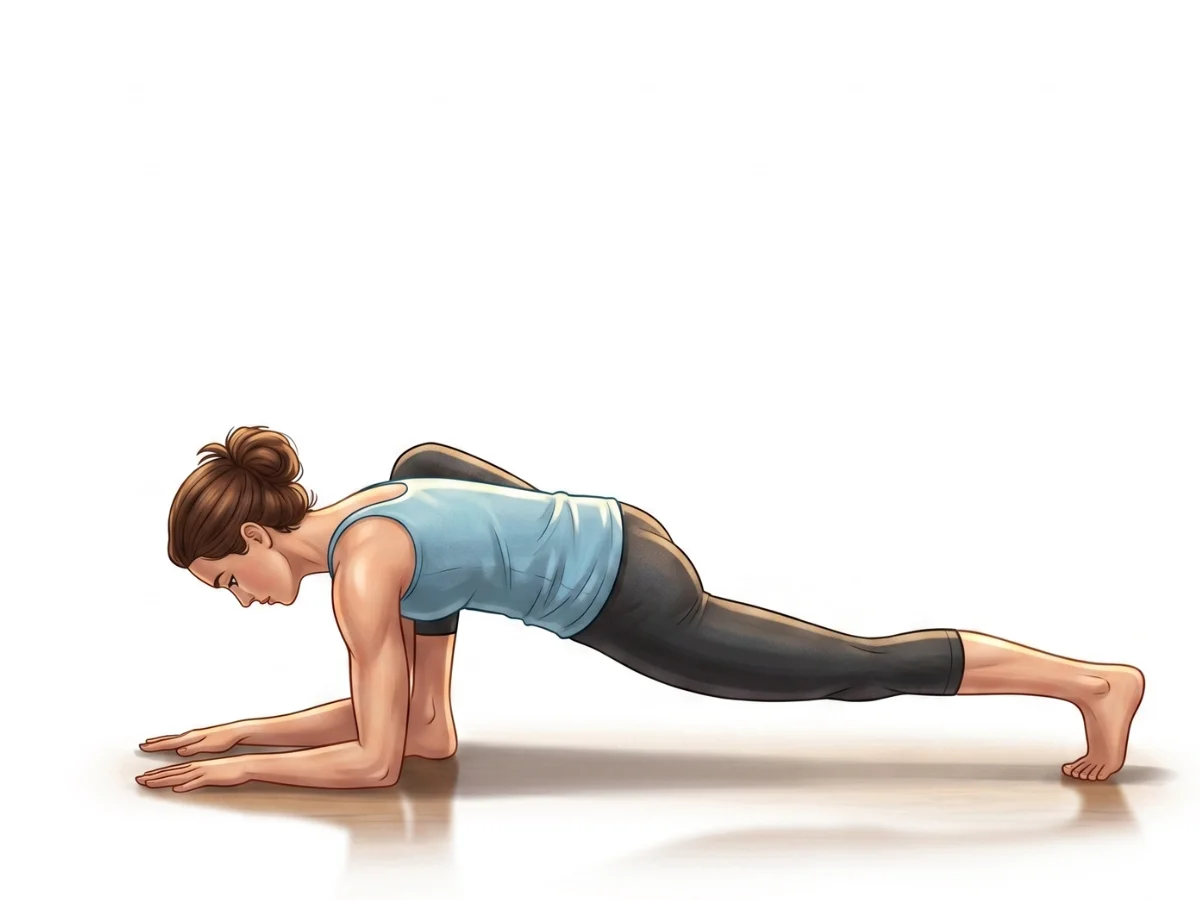
Lizard Pose
Utthan Pristhasana
By Elena Rostova Updated: verified Medically Reviewed
Lizard Pose (Utthan Pristhasana) is a deep lunging posture that provides an intense stretch for the hip flexors, hamstrings, and quadriceps. It is highly effective for athletes, runners, and anyone seeking to release tightness stored in the hips and lower body.
Hold Time
30–60 sec · 5–10 breaths
Pronunciation
OOT-tahn prish-THAHS-anna
About Lizard Pose
Universally known as Lizard Pose (Utthan Pristhasana), this pose mimics the natural strength and grace of its namesake. This posture specifically engages the hip flexors & hamstrings, making it highly effective for developing both strength and mobility. Consistent practice will actively assist in opens the hip flexors, helping you feel lighter and more balanced off the mat.
How to Practice
Start in Downward Dog
Begin in Downward-Facing Dog (Adho Mukha Svanasana), taking a few deep breaths to lengthen your spine and warm up your legs.
Step Forward
On an exhale, step your right foot forward, placing it securely on the outside edge of your right hand.
Align the Knee
Ensure your right knee is bent at a 90-degree angle and stacked directly over your right ankle, with your toes pointing slightly outward.
Lower the Back Knee
Gently lower your left knee to the mat and untuck your back toes so the top of your foot rests on the floor.
Settle the Hands
Keep both arms straight with your palms pressing into the floor on the inside of your right foot, lifting your chest to lengthen your spine.
Deepen the Stretch
If your hips are open, slowly exhale and lower your forearms down onto the mat or onto a pair of yoga blocks for a deeper stretch.
Keep the Neck Long
Keep your gaze soft and directed slightly forward of your hands to keep your neck in a neutral, relaxed position.
Hold and Breathe
Maintain the posture for 5 to 10 slow, deep breaths, consciously relaxing the muscles around your hips with every exhalation.
Rise Up
To exit, press back up onto the palms of your hands if you were on your forearms.
Switch Sides
Tuck your back toes, lift the back knee, and step back to Downward-Facing Dog. Repeat on the left side.
Practice with the Yoga Timer
Keep track of your hold time and breath count for this pose.
Beginner Modifications & Prop Options
Yoga is a personal journey. These modifications and prop options allow you to adapt the pose to your current level of balance and flexibility, ensuring a safe and supportive practice.
Use Blocks Under Forearms
Place yoga blocks under your forearms. This allows you to experience the deeper fold of the posture without straining to reach the floor.
Tip: Focus on alignment rather than depth.
Keep the Back Knee Lifted
Keep your back toes tucked and the back knee lifted off the mat. This makes the pose more active and strengthens the quadriceps of the back leg.
Tip: Focus on alignment rather than depth.
Pad the Back Knee
Place a folded blanket under the resting back knee to alleviate pressure and discomfort against the hard floor.
Tip: Focus on alignment rather than depth.
Benefits of Lizard Pose
Opens the Hip Flexors
Provides a powerful stretch to the psoas and hip flexors of the extended back leg, counteracting the effects of prolonged sitting.
Stretches the Hamstrings
Deeply lengthens the hamstrings and inner groin of the front leg.
Prepares for Advanced Poses
Builds the necessary hip mobility required for deep backbends, splits (Hanumanasana), and arm balances.
Relieves Lower Back Tension
By releasing tight hip flexors that often pull on the lumbar spine, it can alleviate chronic lower back pain.
Releases Emotional Stress
The hips are a common area for storing physical and emotional tension; deep hip openers like Lizard Pose can facilitate emotional release.
Common Mistakes to Avoid
Mistake: Rounding the Spine
How to fix: Avoid hunching your upper back to get your elbows to the floor. Keep your chest broad and spine long; use blocks if needed.
Mistake: Front Knee Collapsing
How to fix: Hug your front inner thigh toward your shoulder to prevent the knee from splaying out too far and losing alignment.
Mistake: Holding the Breath
How to fix: Intense hip stretches often cause practitioners to tense up. Focus on smooth, continuous breathing to signal safety to your nervous system.
Safety and Precautions
Hip or Groin Tears
The intense stretch can aggravate healing ligaments and muscle fibers in the groin or inner thigh.
Knee Injuries
Pressure on the back knee or incorrect tracking of the front knee can cause pain for those with meniscus or patellar issues.
Sciatica
Depending on the cause of sciatica, deep hip openers can sometimes compress the sciatic nerve further. Consult a physical therapist.
Medical Disclaimer: If you have any of the above conditions, consult your doctor or a qualified yoga instructor before attempting this pose.
Muscles Worked in Lizard Pose
Lizard Pose demands synchronized muscular effort, creating a profound sense of engagement and release throughout the body. The activation of the primary muscles supports the structure, while the secondary muscles provide stability and balance.
Primary Muscles
Psoas Major
Stretches deeply on the extended back leg.
Hamstrings
Stretch intensely on the bent front leg.
Adductors
Stretch along the inner thigh of the front leg.
Secondary Muscles
Quadriceps
Stretch on the front of the back leg.
Erector Spinae
Engages slightly to keep the spine long and chest lifted.
Triceps Brachii
Engage to support the upper body when resting on the palms or forearms.
Poses to Practice Before and After Lizard Pose
Prepare with these Poses
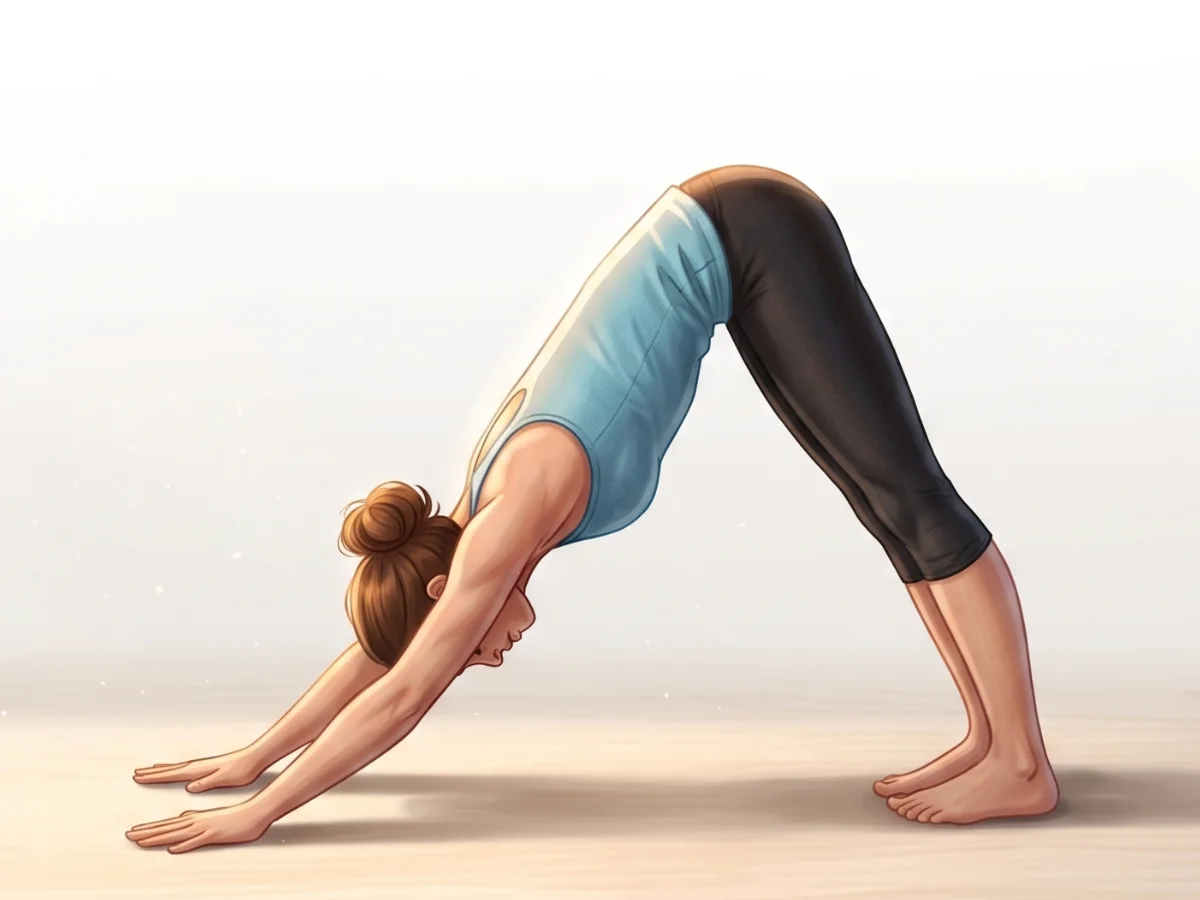
Downward-Facing Dog
Adho Mukha SvanasanaWarms up the entire back of the body and provides a strong entry point.
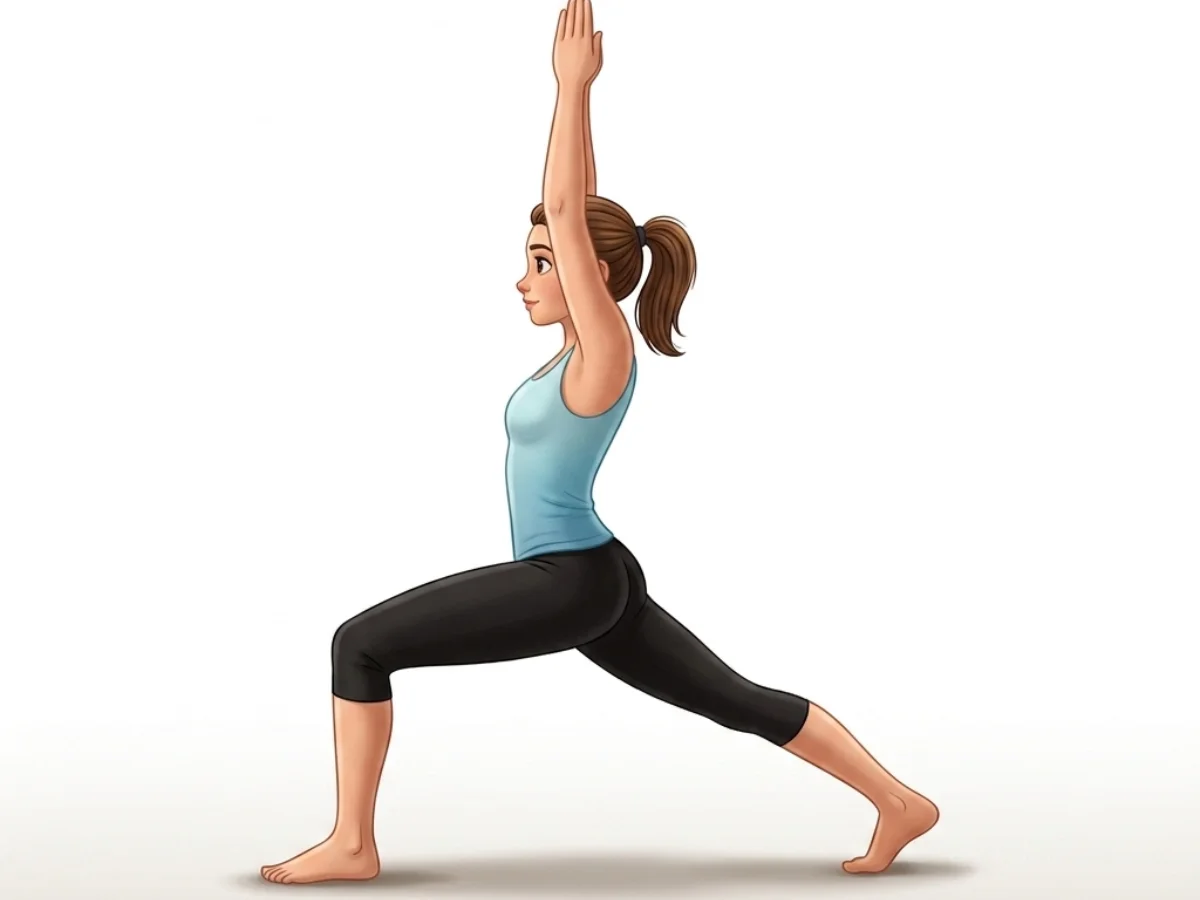
Crescent Lunge
AnjaneyasanaA more upright lunge that begins opening the hip flexors.
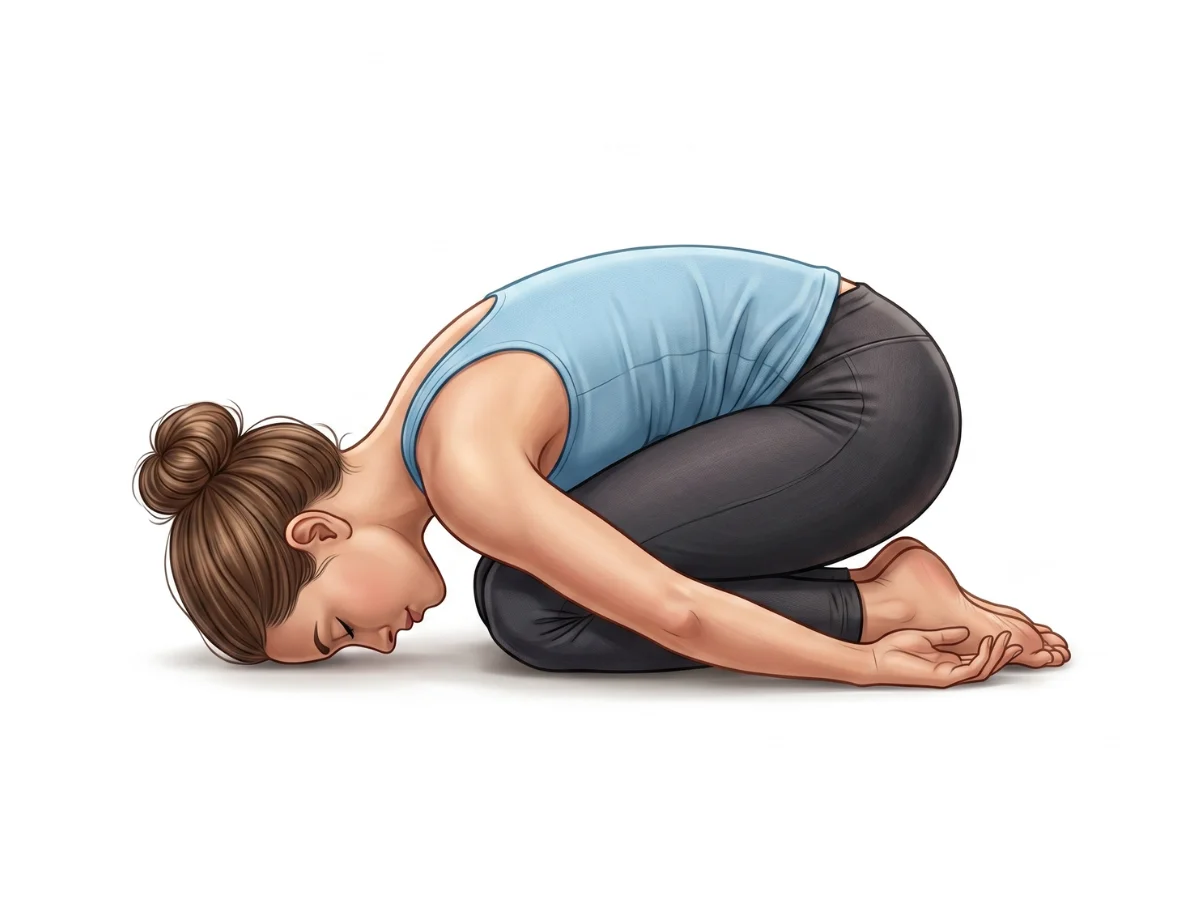
Follow with neutralizing Counter-poses
Frequently Asked Questions
Is it okay if my front knee falls out to the side?
Yes, it is common to let the front knee gently fall outward, rolling onto the outer edge of the front foot. This changes the stretch slightly, targeting the outer hip. Just ensure there is no pain in the knee joint.
I can't get my forearms to the floor. Am I doing it wrong?
Not at all! Flexibility takes time. Staying on your hands or using blocks under your forearms is the perfect way to practice Lizard Pose safely and effectively.
Can beginners do Lizard Pose?
Yes, beginners can practice Lizard Pose by keeping the back knee on the mat and staying upright on their hands, using it as a progressive hip opener.

Elena Rostova is an accredited yoga educator and anatomy specialist with over 15 years of clinical experience. She focuses on functional biomechanics and injury prevention, translating complex anatomy into accessible guidance for safe, sustainable practice.
Read Full ProfileContinue Your Yoga Journey
Ready to deepen your practice? Explore our extensive library of poses, or join a structured program designed to build strength, flexibility, and mindfulness.