
Revolved Seated Hand to Big Toe
Parivrtta Upavistha Padangusthasana
By Elena Rostova Updated: verified Medically Reviewed
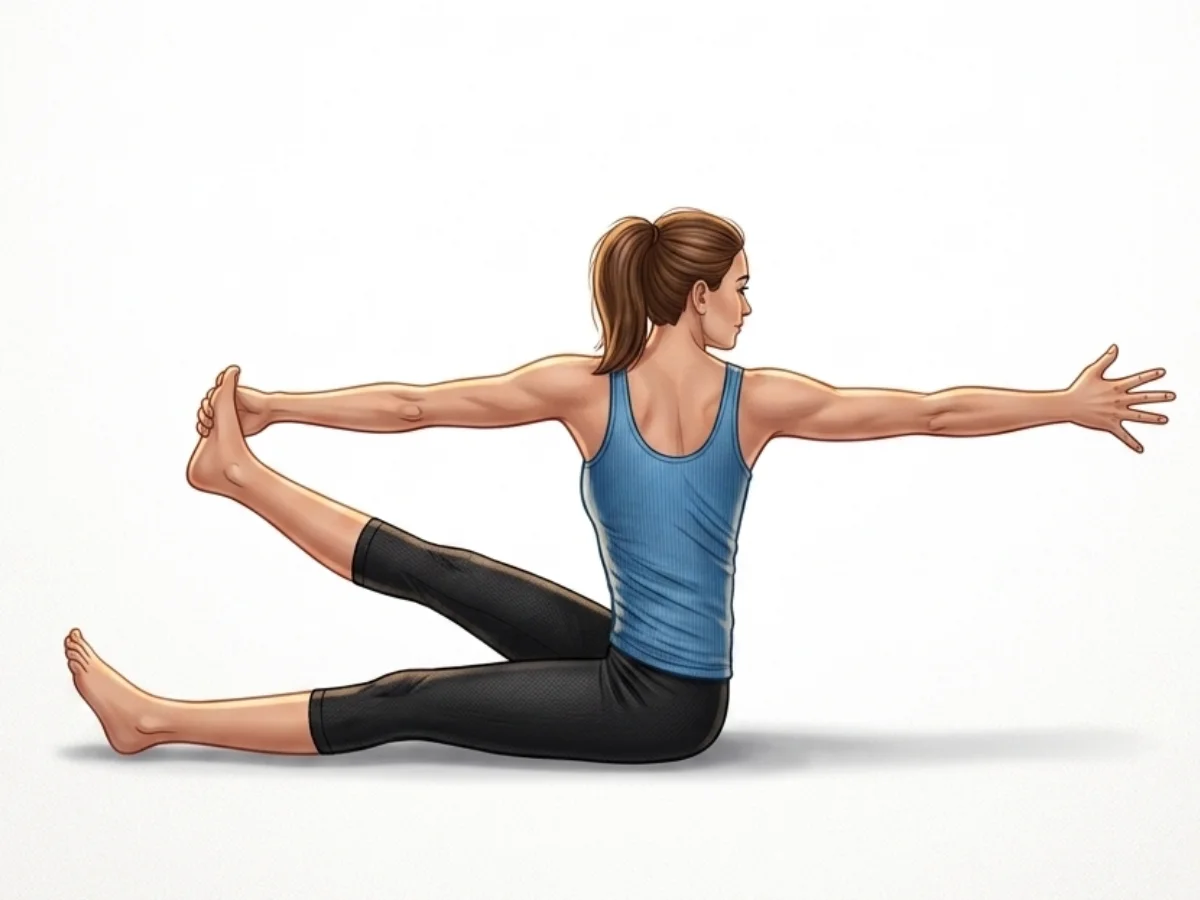
Revolved Seated Hand to Big Toe Pose (Parivrtta Upavistha Padangusthasana) is an advanced seated posture that combines a wide-legged straddle with a deep lateral side bend and an intense spinal twist. By binding the hands to the extended foot while rotating the chest skyward, practitioners experience a profound stretch through the side body, hamstrings, and shoulders.
Hold Time
30–60 sec · 5–10 breaths per side
Pronunciation
pah-ree-VRIT-tah oo-pah-VEESH-tha pah-dah-ngoosh-TAHS-anna
About Revolved Seated Hand to Big Toe
A vital part of many yoga sequences, Revolved Seated Hand to Big Toe (Parivrtta Upavistha Padangusthasana) offers wonderful benefits that go beyond its simple shape. This posture specifically engages the deep spinal twist & hamstring extension, making it highly effective for developing both strength and mobility. Practicing this pose regularly helps with provides profound side stretch and leaves you feeling completely refreshed.
How to Practice
Wide Legged Stance
Begin seated on your mat in a wide straddle (Upavistha Konasana). Flex both feet, keeping your toes pointing straight up toward the ceiling.
Sit Tall
Ground down firmly through both sit bones. Inhale to lengthen your spine, drawing the crown of your head upward.
Prepare the Twist
Exhale and twist your torso slightly toward your right leg. Inhale as you reach your right arm across your body toward your left hip or thigh.
Initiate the Side Bend
Exhale and lean your left shoulder down toward the inside of your left leg. Let your left arm reach along the floor toward your left foot.
Bind the Foot
Reach your left hand to grasp the inner arch or big toe of your left foot. If accessible, sweep your right arm overhead and grasp the outer edge of your left foot.
Revolve the Chest
Use the leverage of your hands on your foot to gently pull your torso. Rotate your chest upward, peering under your right armpit toward the ceiling.
Anchor the Opposite Hip
Actively press your right sit bone back down into the mat. Do not let it lift, even if it means backing out of the deep side bend.
Hold and Breathe
Maintain the pose for 5 to 10 deep breaths. Direct your inhales into your right ribcage, expanding the intercostal muscles.
Release Safely
To release, exhale as you let go of your foot. Inhale deeply to slowly untwist and rise back up to a neutral, upright seated straddle.
Repeat the Other Side
Take a neutralizing breath in the center, then repeat the same sequence on the opposite side, bending toward the right leg.
Practice with the Yoga Timer
Keep track of your hold time and breath count for this pose.
Beginner Modifications & Prop Options
Yoga is a personal journey. These modifications and prop options allow you to adapt the pose to your current level of balance and flexibility, ensuring a safe and supportive practice.
Use a Strap
Loop a strap around the foot of the bending leg and hold it with your top hand to experience spinal rotation without straining to reach the toes.
Tip: Focus on alignment rather than depth.
Hand Behind the Head
Bend your top elbow and lightly place your hand behind your head. Gently press your head back into your hand to encourage chest rotation.
Tip: Focus on alignment rather than depth.
Bend the Knees
Place rolled blankets under both knees to reduce intense hamstring pull and allow the pelvis to tilt forward easily for the spinal twist.
Tip: Focus on alignment rather than depth.
Benefits of Revolved Seated Hand to Big Toe
Provides Profound Side Stretch
Deeply lengthens the obliques, latissimus dorsi, and quadratus lumborum, creating immense space in the side body.
Increases Spinal Mobility
The rotational force applied during the side bend encourages thoracic spine flexibility and releases deep-seated tension.
Stretches the Hamstrings
Provides an intense stretch to the hamstrings and adductors (inner thighs) of the extended legs.
Stimulates Digestion
The deep twisting action compresses the abdominal organs, massaging the liver, kidneys, and spleen to aid digestion.
Improves Breathing Capacity
Expanding the ribcage dynamically stretches the intercostal muscles, which can lead to deeper, more efficient respiration over time.
Common Mistakes to Avoid
Mistake: Lifting the Opposite Hip
How to fix: Anchor the opposite hip down firmly; only bend as far sideways as you can while keeping both sit bones grounded.
Mistake: Collapsing the Chest
How to fix: Focus on the "revolved" aspect. Pull the bottom ribs forward and roll the top ribs backward.
Mistake: Forcing the Neck
How to fix: Keep the neck aligned with the spine. If looking up hurts, gaze straight ahead.
Safety and Precautions
Herniated Discs
The combination of flexion, lateral flexion, and rotation is highly contraindicated for spinal disc injuries.
Sacroiliac (SI) Joint Dysfunction
The asymmetrical pull on the pelvis can exacerbate SI joint pain or instability.
Severe Hamstring Tears
The intense stretch on the inner thighs and hamstrings can worsen existing muscle tears.
Pregnancy
Deep twists and abdominal compression should be avoided during pregnancy.
Medical Disclaimer: If you have any of the above conditions, consult your doctor or a qualified yoga instructor before attempting this pose.
Muscles Worked in Revolved Seated Hand to Big Toe
Revolved Seated Hand to Big Toe demands synchronized muscular effort, creating a profound sense of engagement and release throughout the body. The activation of the primary muscles supports the structure, while the secondary muscles provide stability and balance.
Primary Muscles
Obliques
Actively contract to twist the torso while the opposite side stretches.
Latissimus Dorsi
Stretches deeply along the top side of the back as the arm reaches overhead.
Hamstrings
Lengthen to support the wide-legged forward stance.
Secondary Muscles
Adductors
Stretch heavily on the inner thighs due to the straddle position.
Quadratus Lumborum (QL)
Stretches powerfully on the top side of the waist.
Pectoralis Major
Stretches as the chest revolves upward.
Poses to Practice Before and After Revolved Seated Hand to Big Toe
Prepare with these Poses
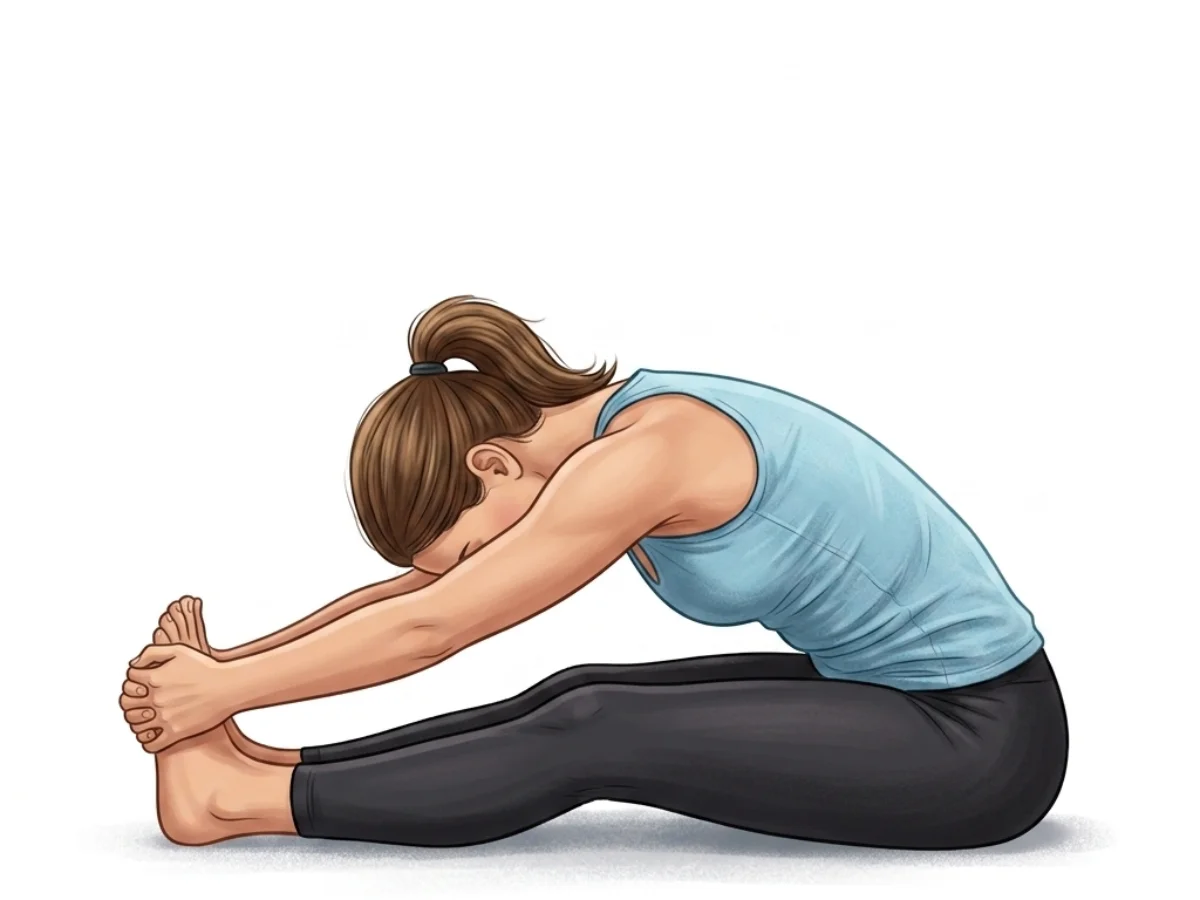
Seated Forward Bend II
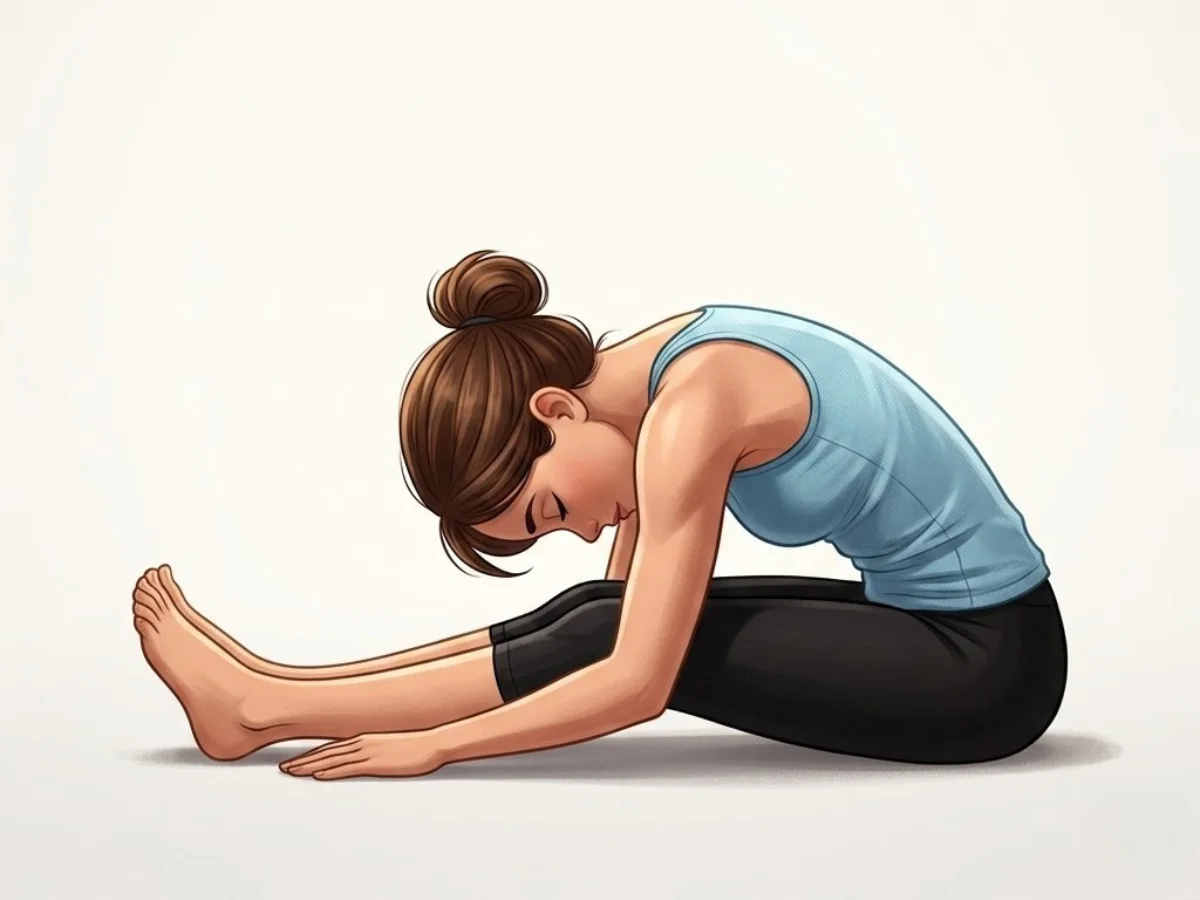
Paschimottanasana BPrepares the hamstrings with an intense forward fold.
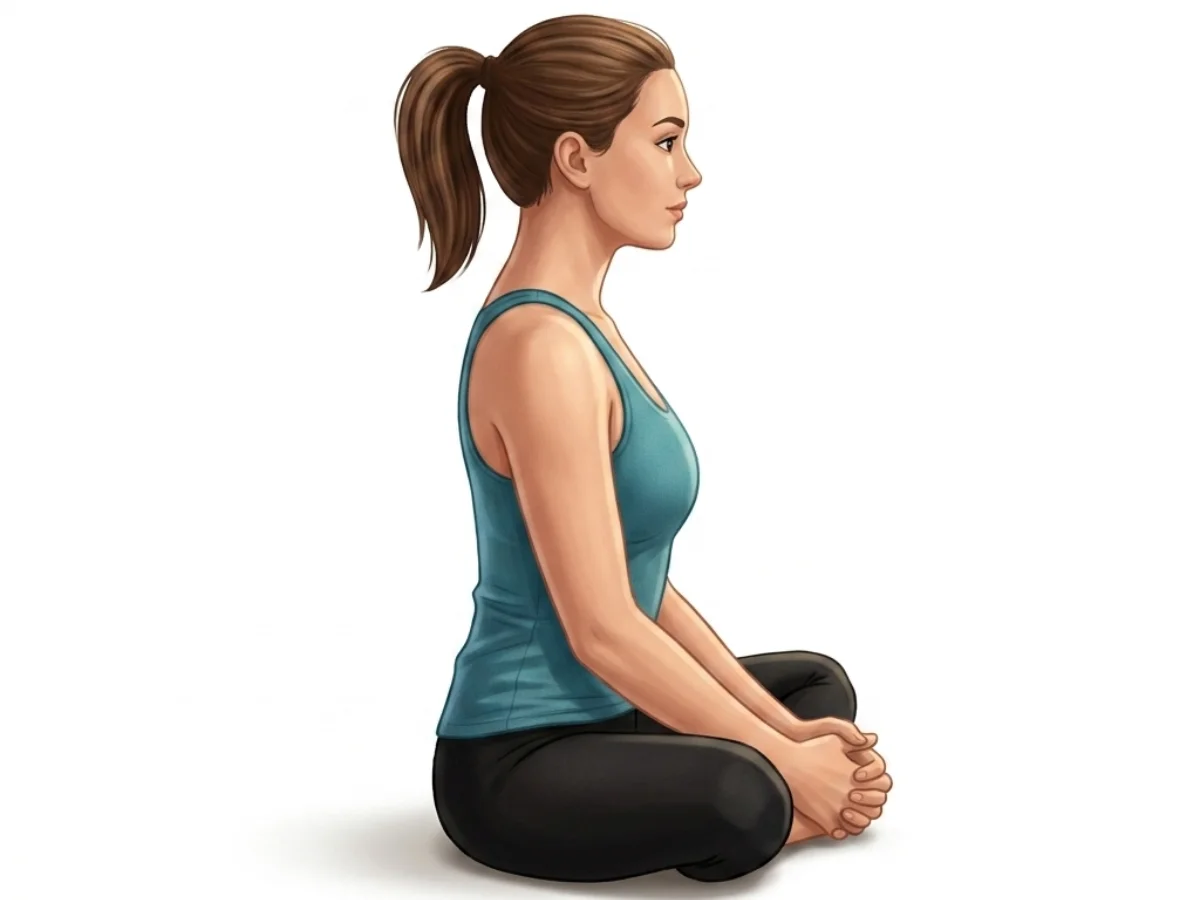
Bound Angle
Baddha KonasanaOpens the inner thighs and groins gently.
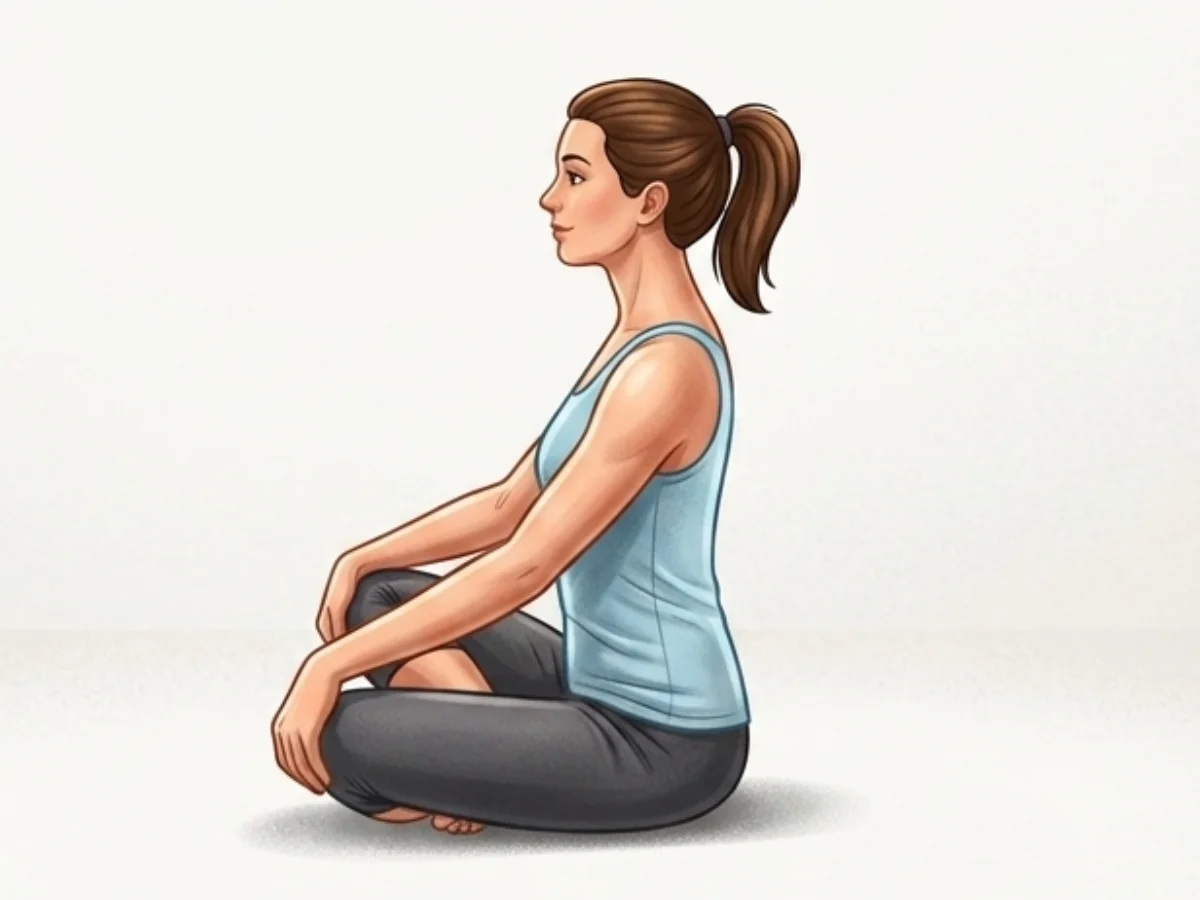
Follow with neutralizing Counter-poses
Frequently Asked Questions
How can I reach my foot in this pose?
Do not rush the bind. Use a strap looped around your foot to bridge the gap.
Why does my opposite hip always lift?
This happens when your side body tightness limits lateral flexion, so your body compensates by tilting the pelvis. Focus on pressing that hip down actively, even if it means you cannot bend as far sideways.
Is it normal to feel a strong pull in my lower back?
Yes, you will feel the Quadratus Lumborum (QL) stretching deeply. However, it should be a muscular stretch, not a sharp or pinching joint pain.
Elena Rostova is an accredited yoga educator and anatomy specialist with over 15 years of clinical experience. She focuses on functional biomechanics and injury prevention, translating complex anatomy into accessible guidance for safe, sustainable practice.
Read Full ProfileContinue Your Yoga Journey
Ready to deepen your practice? Explore our extensive library of poses, or join a structured program designed to build strength, flexibility, and mindfulness.