
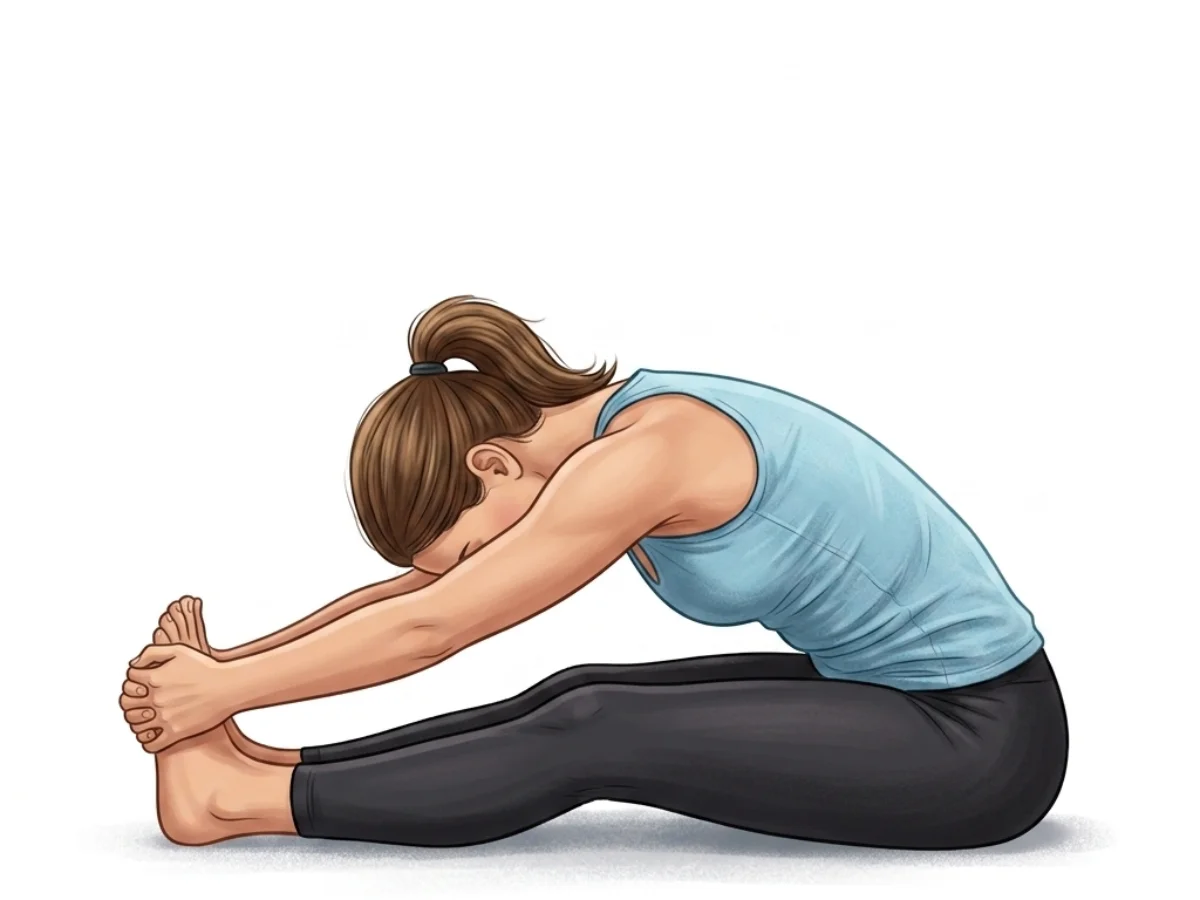
Seated Forward Bend II
Paschimottanasana B
By Elena Rostova Updated: verified Medically Reviewed
Seated Forward Bend II (Paschimottanasana B) is an advanced variation of the traditional seated fold found primarily in the Ashtanga Yoga system. While the lower body foundation remains identical to the "A" version, the "B" variation deepens the posture by reaching the hands beyond the feet and wrapping the hands over the top of the feet.
Hold Time
5–10 breaths
Pronunciation
POSH-ee-moh-tan-AHS-anna
About Seated Forward Bend II
A vital part of many yoga sequences, Seated Forward Bend II (Paschimottanasana B) offers wonderful benefits that go beyond its simple shape. This posture specifically engages the deep hamstring & shoulder stretch, making it highly effective for developing both strength and mobility. Ultimately, it is a fantastic pose for maximizes hamstring flexibility, leaving you with a profound sense of grounded energy.
How to Practice
Starting Base
Begin in Staff Pose (Dandasana), sitting tall with your legs fully extended in front of you and feet flexed.
Inhale to Lengthen
Inhale as you raise your arms overhead, pulling your ribcage up and away from your pelvis to maximize spinal length.
Exhale to Fold
Hinge forward from the hips with a flat back, leading with the center of your chest rather than your head.
Take the "B" Grip
Reach beyond your toes. Place your hands over the top (dorsum) of your feet, letting your fingers drape over the soles and your thumbs rest on the tops. Alternatively, clasp your hands together around the soles of your feet.
Inhale and Flat Back
Inhale deeply once you have the grip. Lift your head, extend your chest forward, and flatten your upper back.
Exhale and Deepen
Exhale to lower your torso entirely onto your legs. Rest your forehead or chin softly on your shins.
Engage the Shoulders
Use the grip on the top of the feet to pull gently, flaring your elbows slightly to the sides and drawing your shoulder blades down your back.
Hold the Pose
Hold this deep fold for 5 to 10 deep Ujjayi breaths, keeping the quadriceps engaged to protect the hamstrings.
Release Safely
To exit, inhale as you lift your head and flatten your back, then exhale to completely return upright to Staff Pose.
Practice with the Yoga Timer
Keep track of your hold time and breath count for this pose.
Beginner Modifications & Prop Options
Yoga is a personal journey. These modifications and prop options allow you to adapt the pose to your current level of balance and flexibility, ensuring a safe and supportive practice.
Block Behind the Feet
Place a yoga block flat against the soles of your feet and wrap your hands around it to extend the reach and deepen the fold.
Tip: Focus on alignment rather than depth.
Use a Strap
Use a strap around the feet to practice pulling the chest forward while maintaining a flat back if the grip causes your spine to hunch.
Tip: Focus on alignment rather than depth.
Benefits of Seated Forward Bend II
Maximizes Hamstring Flexibility
The deeper grip forces a more complete hip hinge, challenging and elongating the hamstrings to their maximum safe capacity.
Stretches the Upper Back
Reaching over the feet broadens the scapulae and stretches the rhomboids and trapezius muscles in the upper back.
Stimulates the Liver and Kidneys
The deep, complete compression of the torso against the thighs intensely massages the abdominal organs, promoting detoxification.
Promotes Extreme Focus
Due to the intense physical sensation, maintaining slow, steady breathing requires deep concentration and mental discipline.
Common Mistakes to Avoid
Mistake: Sacrificing the Spine for the Grip
How to fix: If the spine must round heavily to reach the top of the feet, revert to Paschimottanasana A or use a strap until flexibility improves.
Mistake: Relaxing the Legs
How to fix: Actively pull the kneecaps upward to engage the quads. Reciprocal inhibition will cause the hamstrings to relax and stretch further safely.
Safety and Precautions
Herniated or Slipped Discs
The profound spinal flexion in this advanced variation is highly dangerous for anyone with disc pathology.
Hamstring Tears
Practicing this deep fold while recovering from a hamstring strain can re-tear the muscle fibers.
Pregnancy
The severe abdominal compression leaves no room for the belly, making this pose unsuitable beyond the first trimester.
Medical Disclaimer: If you have any of the above conditions, consult your doctor or a qualified yoga instructor before attempting this pose.
Muscles Worked in Seated Forward Bend II
Seated Forward Bend II demands synchronized muscular effort, creating a profound sense of engagement and release throughout the body. The activation of the primary muscles supports the structure, while the secondary muscles provide stability and balance.
Primary Muscles
Hamstrings
Experience extreme stretching as the legs stay straight and hips flex fully.
Erector Spinae
Stretched intensely from the lumbar to the cervical spine.
Rhomboids
Stretched as the shoulder blades pull apart to reach the feet.
Secondary Muscles
Quadriceps
Engage actively to straighten the legs and signal the hamstrings to relax.
Psoas Major
Flexes the hips strongly to hold the torso against the legs.
Poses to Practice Before and After Seated Forward Bend II
Prepare with these Poses
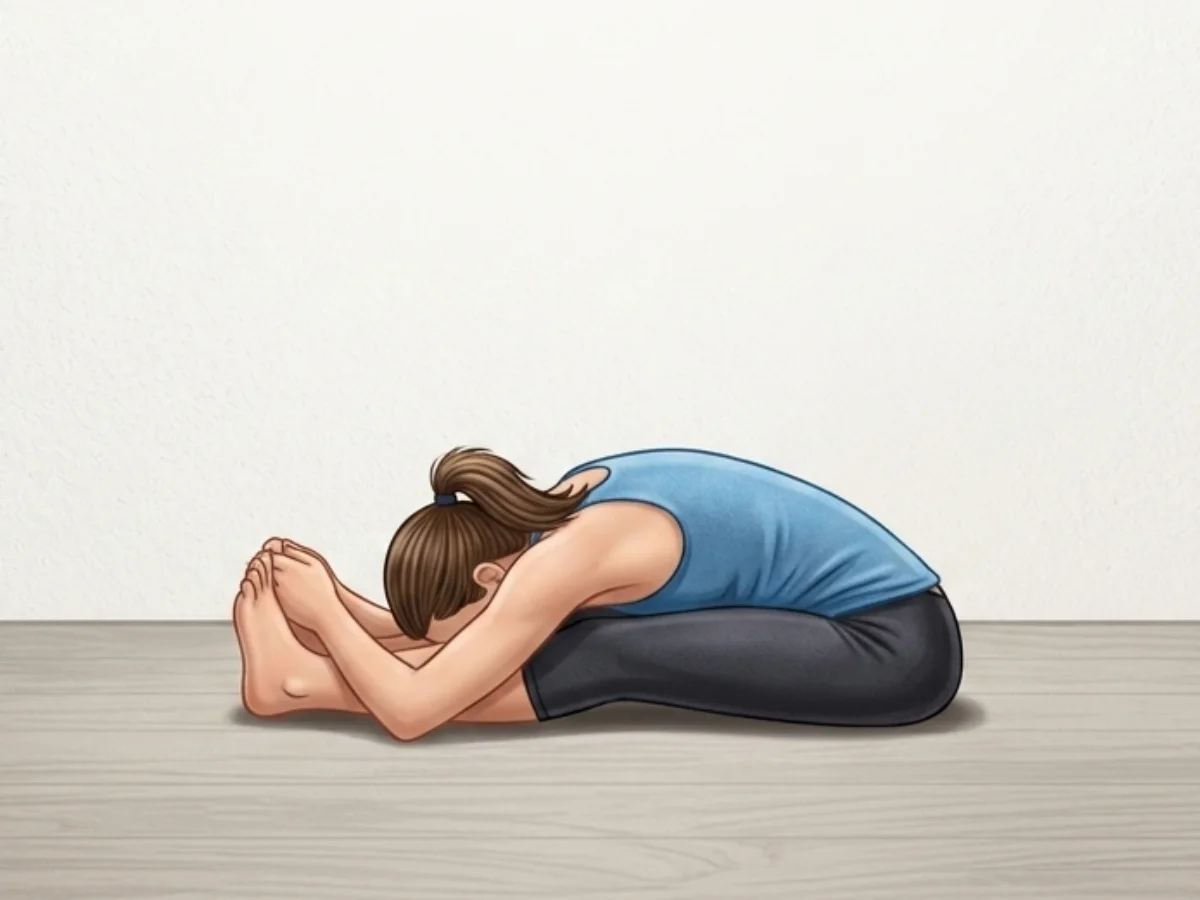
Seated Forward Bend I
Paschimottanasana AThe foundational fold that must be mastered before attempting the deeper "B" grip.
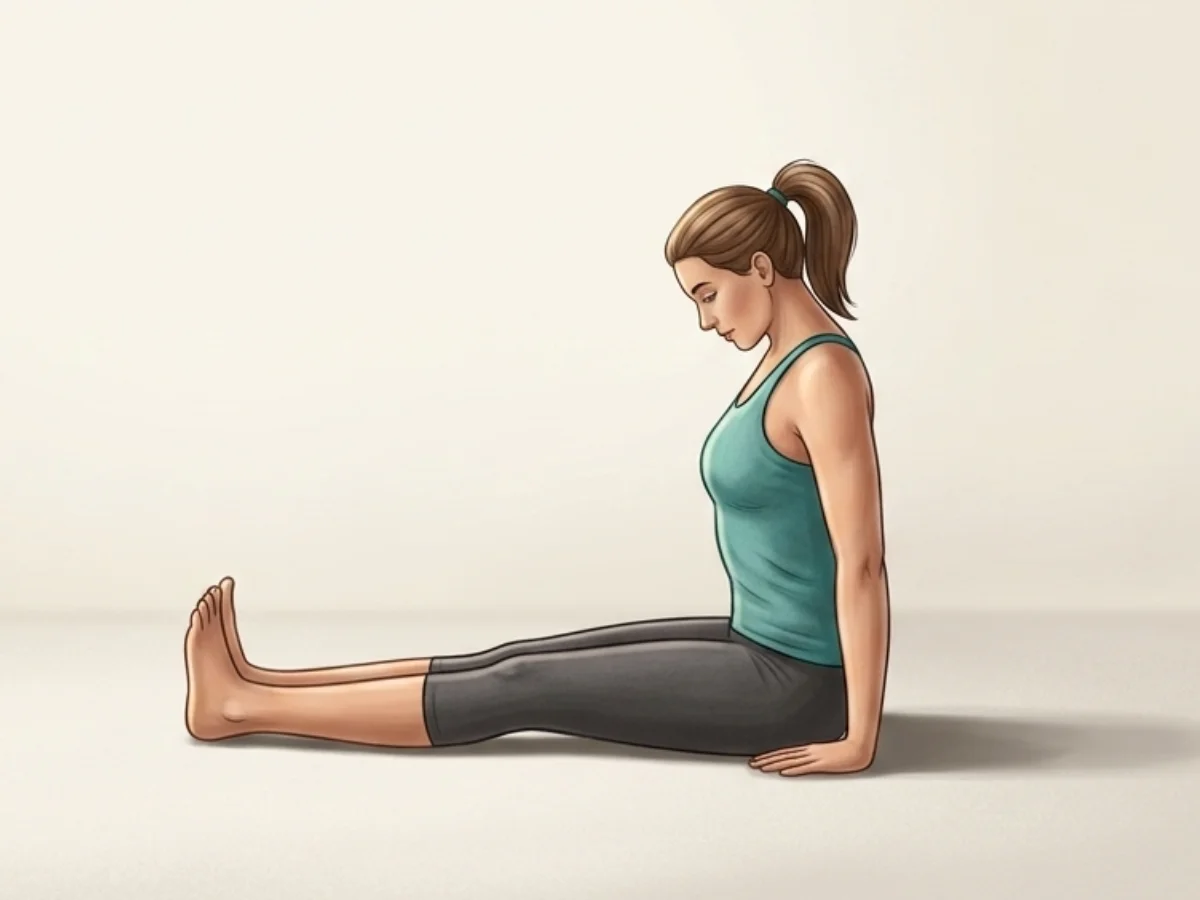
Staff Pose
DandasanaSets the foundational leg engagement and upright spinal alignment.
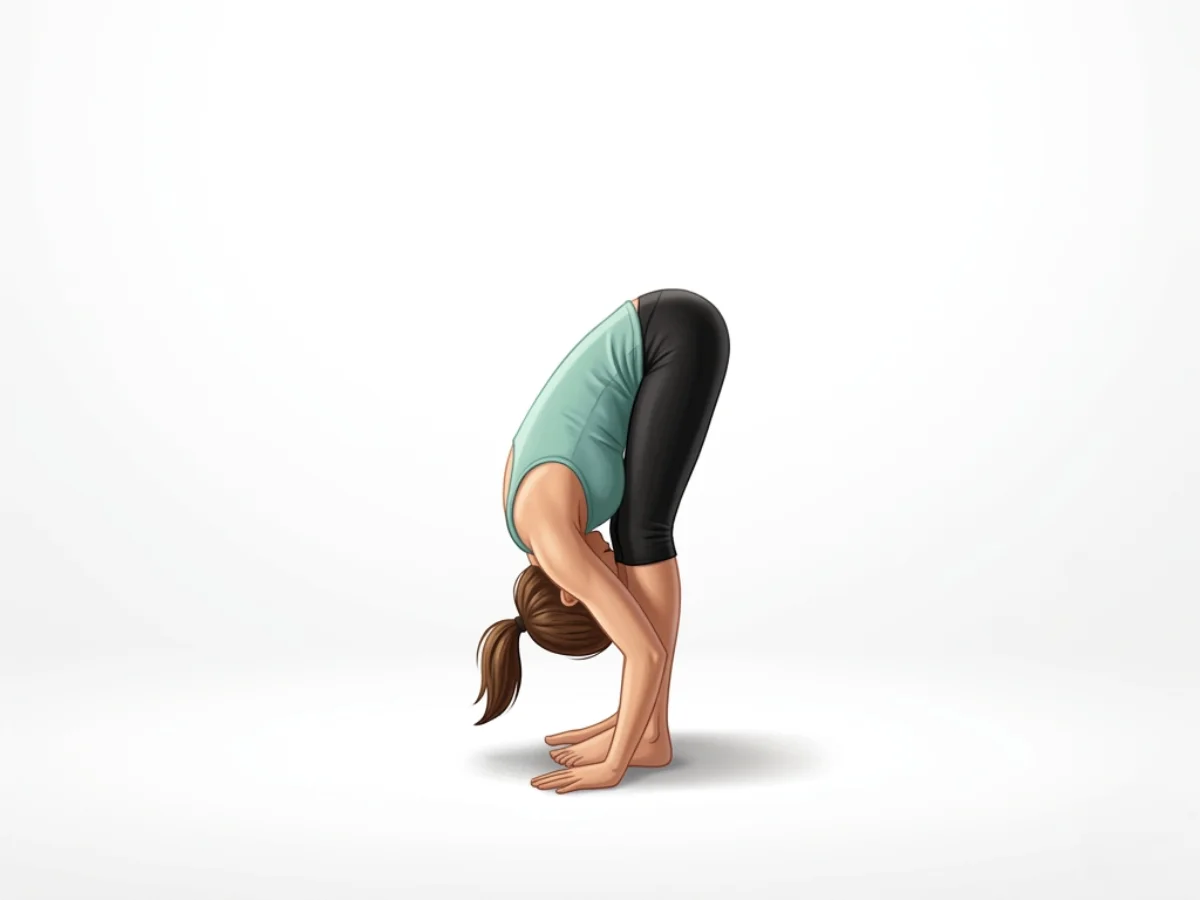
Half Forward Bend
Ardha UttanasanaPractices the action of keeping a flat back while stretching the hamstrings.
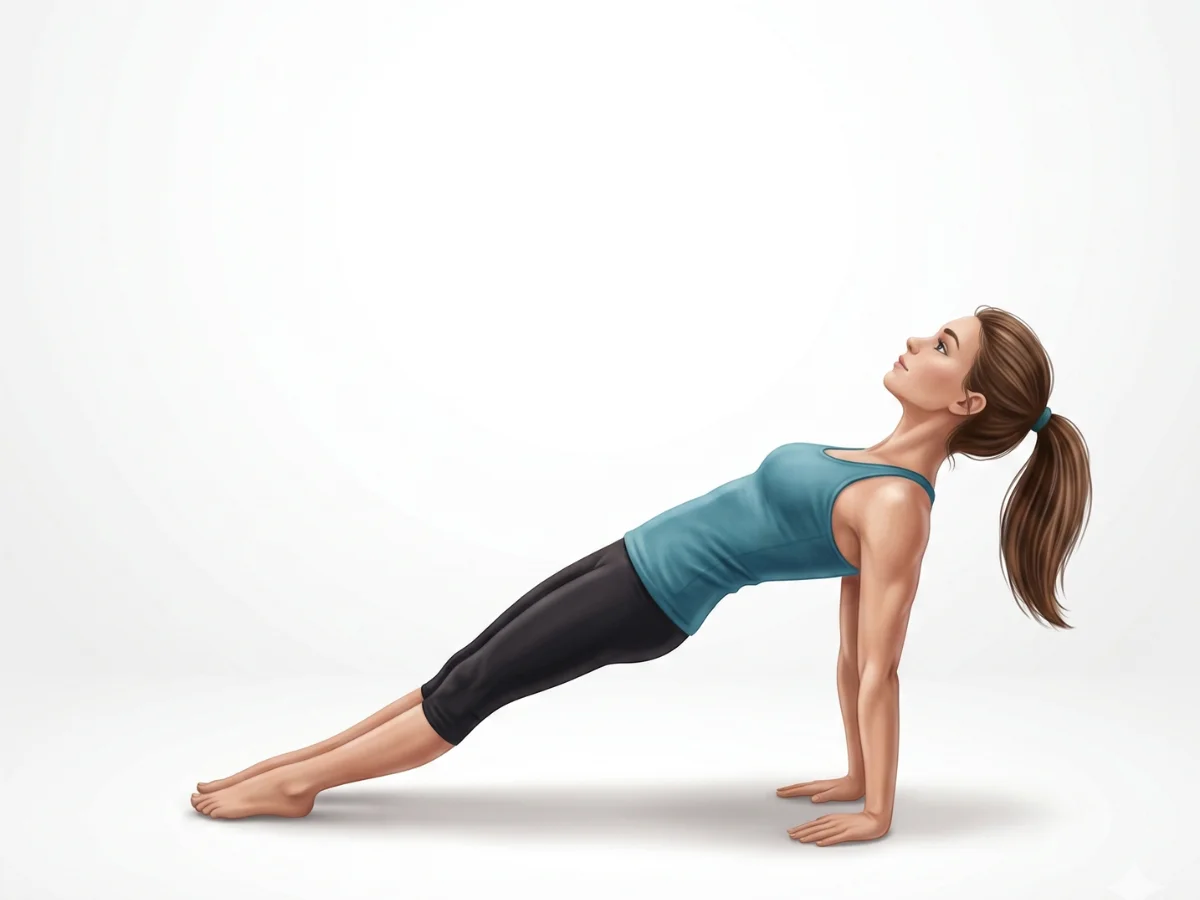
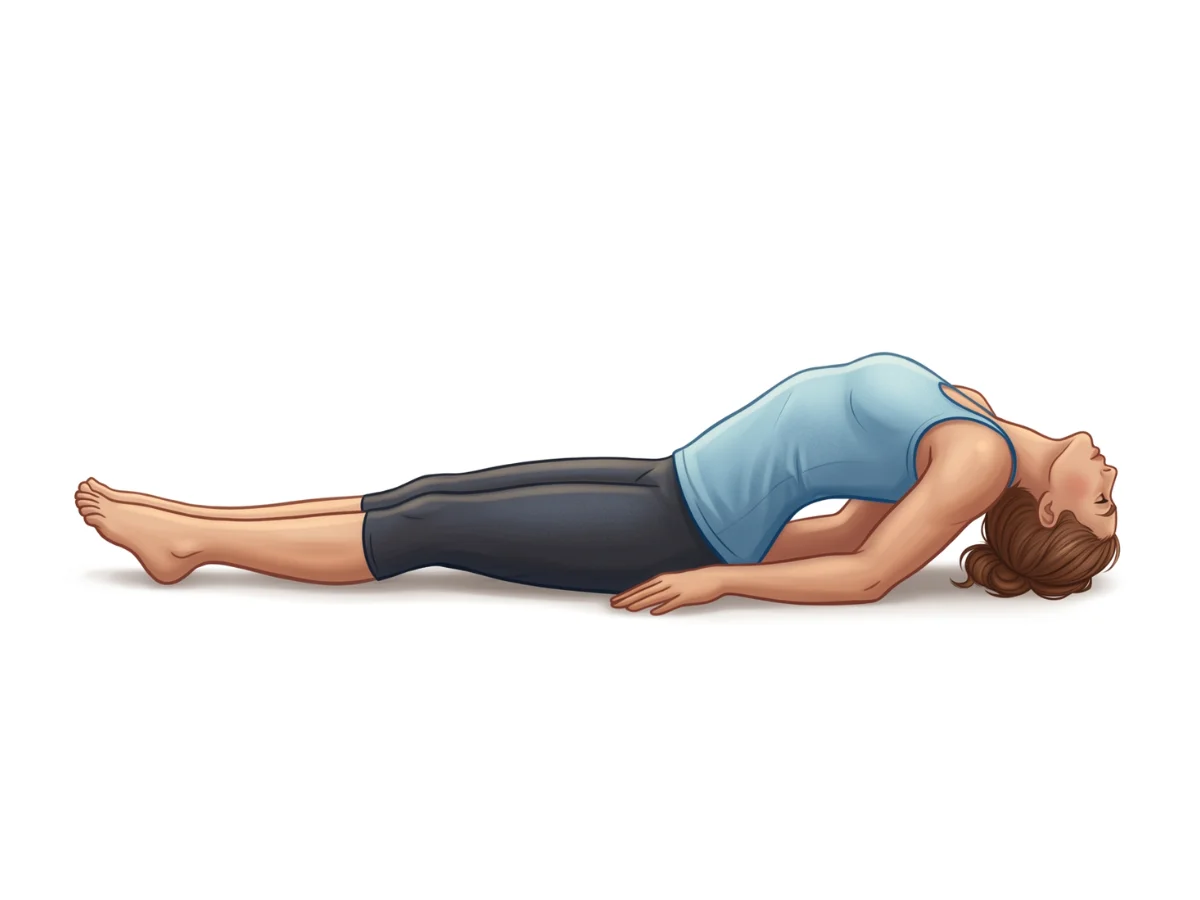
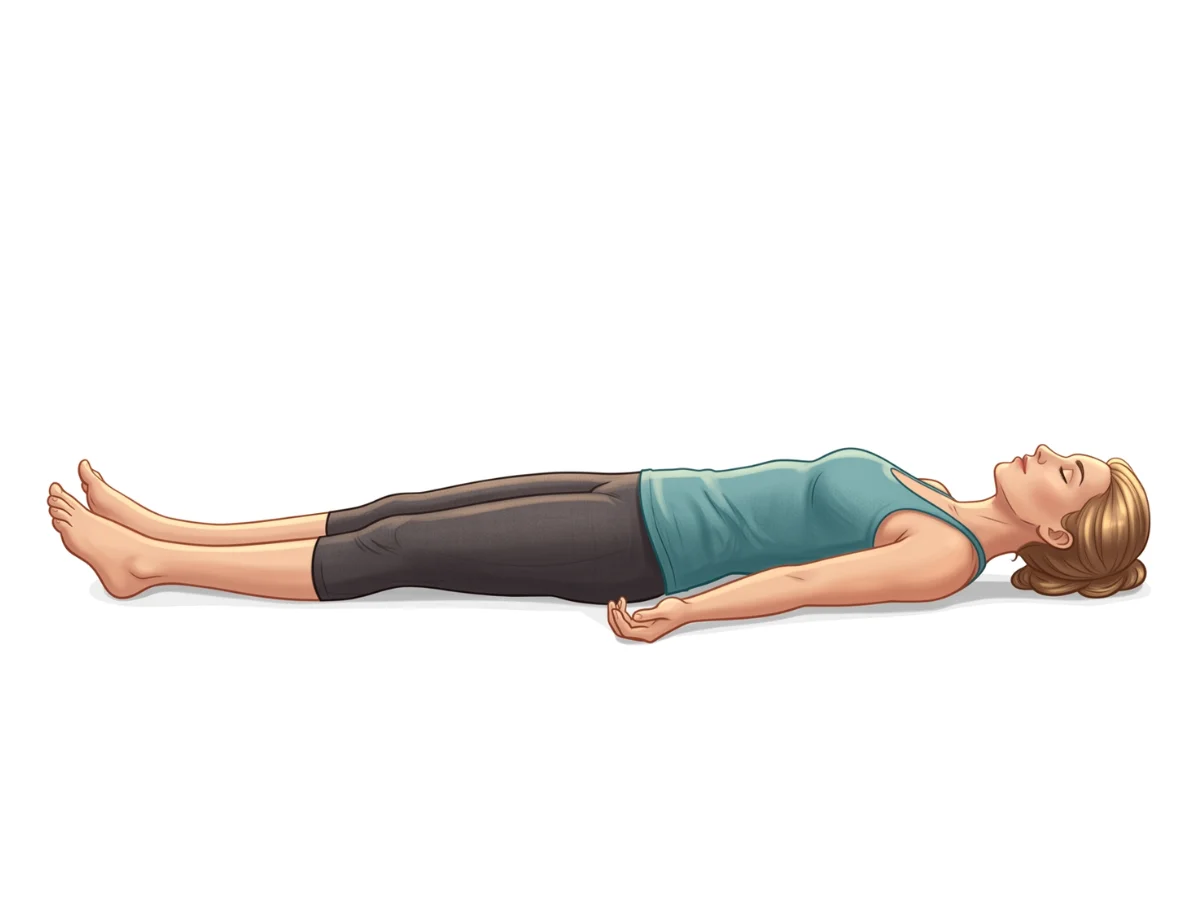
Follow with neutralizing Counter-poses
Frequently Asked Questions
What is the difference between Paschimottanasana A, B, and C?
The difference lies in the hand grip. In A, you grab the big toes.
Should my head touch my knees?
No, the goal is to rest your forehead or chin on your shins, beyond your knees. Aiming for the knees usually causes the upper back to hunch into poor alignment.
Elena Rostova is an accredited yoga educator and anatomy specialist with over 15 years of clinical experience. She focuses on functional biomechanics and injury prevention, translating complex anatomy into accessible guidance for safe, sustainable practice.
Read Full ProfileContinue Your Yoga Journey
Ready to deepen your practice? Explore our extensive library of poses, or join a structured program designed to build strength, flexibility, and mindfulness.