
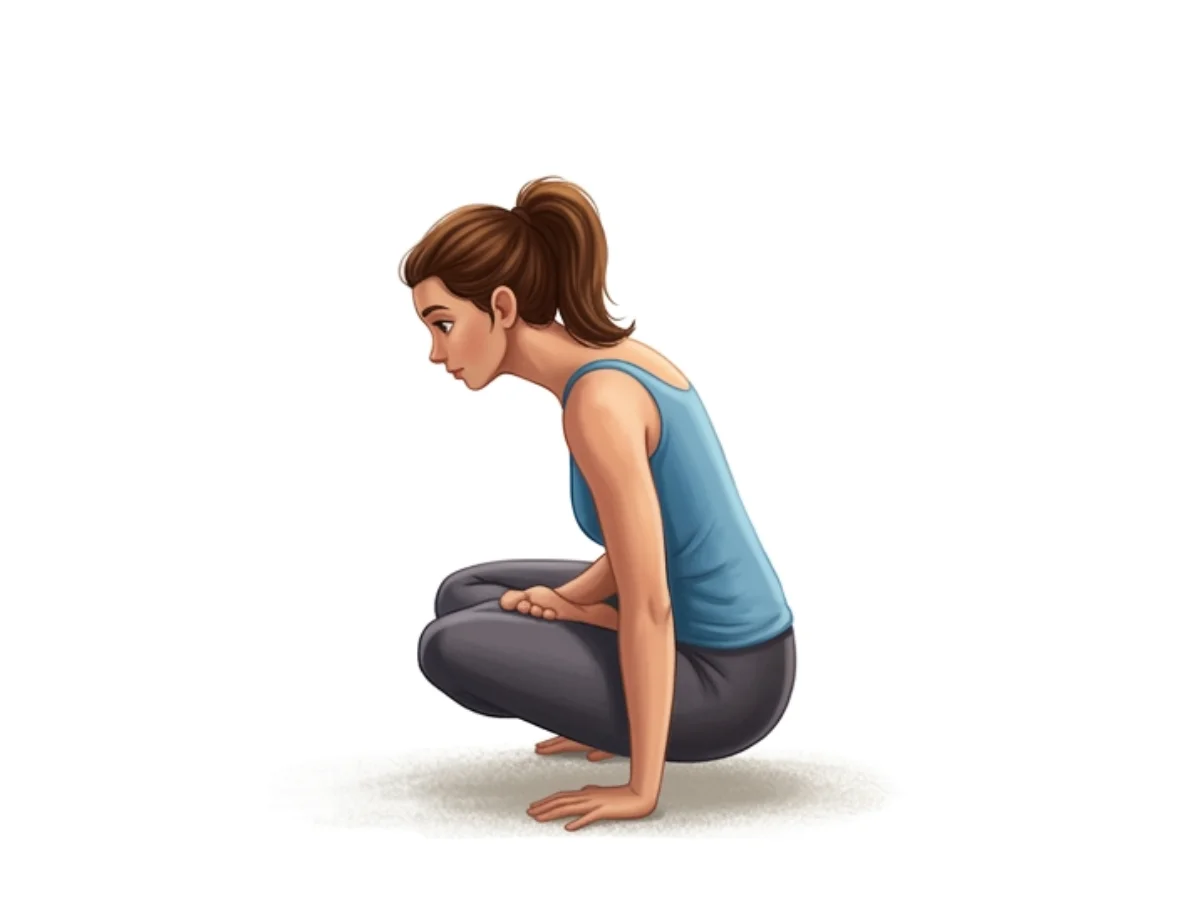
Scale Pose
Tolasana
By Elena Rostova Updated: verified Medically Reviewed
Scale Pose (Tolasana) is an advanced arm balance often performed from Lotus Pose. By pressing the palms into the floor and engaging the deep core, practitioners lift their entire body off the ground, building immense arm, wrist, and abdominal strength.
Hold Time
15–30 sec · 3–5 breaths
Pronunciation
toh-LAHS-anna
About Scale Pose
A vital part of many yoga sequences, Scale (Tolasana) offers wonderful benefits that go beyond its simple shape. It primarily targets the core & arm strength, helping to create length and strength exactly where you need it most. Ultimately, it is a fantastic pose for strengthens arms & wrists, leaving you with a profound sense of grounded energy.
How to Practice
Start in Lotus
Begin seated on your mat. Carefully bring your legs into Lotus Pose (Padmasana), placing each foot on the opposite thigh as high into the hip creases as comfortable.
Hand Placement
Place your palms flat on the floor right beside your hips. Spread your fingers wide and press firmly through the base of the index fingers.
Engage Core
Exhale deeply, drawing your navel strongly toward your spine. Engage your pelvic floor (Mula Bandha) and lower abdomen (Uddiyana Bandha).
Lift the Body
Inhale as you press strongly into your hands, straighten your arms, and lift your crossed legs and buttocks completely off the floor.
Elevate the Chest
Keep your shoulders down and away from your ears. Broaden across your collarbones and look straight ahead.
Hold and Breathe
Maintain the pose for 3 to 5 smooth breaths. Keep the core fiercely engaged to prevent swinging.
Lower and Release
Exhale as you slowly and with control lower your body back to the mat. Release the legs from Lotus and shake them out gently before switching the cross of your legs and repeating.
Practice with the Yoga Timer
Keep track of your hold time and breath count for this pose.
Beginner Modifications & Prop Options
Yoga is a personal journey. These modifications and prop options allow you to adapt the pose to your current level of balance and flexibility, ensuring a safe and supportive practice.
Use Yoga Blocks
Place a yoga block under each hand. This added height makes it significantly easier to lift the hips and legs off the floor.
Tip: Focus on alignment rather than depth.
Crossed Ankles (Sukhasana Lift)
Instead of Lotus, cross your ankles in Easy Pose (Sukhasana). Press up and lift the hips; your feet may stay on the ground initially until strength builds.
Tip: Focus on alignment rather than depth.
Benefits of Scale Pose
Strengthens Arms & Wrists
Bearing the entire body weight dramatically builds power in the wrists, forearms, triceps, and shoulders.
Develops Deep Core Power
Lifting the lower body requires intense activation of the rectus abdominis, hip flexors, and transversus abdominis.
Improves Focus & Balance
Maintaining equilibrium while hovering demands profound mental concentration and physical balance.
Opens the Hips
Because it is performed in full Lotus, it continuously stretches and opens the hips and inner thighs.
Common Mistakes to Avoid
Mistake: Hunching the Shoulders
How to fix: Actively press the floor away to keep the shoulders down and away from the ears, maintaining a long neck.
Mistake: Holding the Breath
How to fix: Arm balances often cause practitioners to hold their breath. Focus on steady, deep nasal breathing to sustain energy.
Safety and Precautions
Wrist or Shoulder Injuries
This pose places the entire body weight on the hands; avoid if dealing with carpal tunnel syndrome or rotator cuff tears.
Knee or Ankle Injuries
Requires full Lotus Pose, which can severely aggravate existing knee or ankle issues.
Recent Abdominal Surgery
The intense core engagement required makes this unsafe during recovery.
Medical Disclaimer: If you have any of the above conditions, consult your doctor or a qualified yoga instructor before attempting this pose.
Muscles Worked in Scale Pose
Scale Pose demands synchronized muscular effort, creating a profound sense of engagement and release throughout the body. The activation of the primary muscles supports the structure, while the secondary muscles provide stability and balance.
Primary Muscles
Triceps Brachii
Extend the elbows and press the body upward.
Rectus Abdominis
Contracts strongly to lift the pelvis and legs.
Iliopsoas
Acts as a powerful hip flexor to hold the legs up.
Secondary Muscles
Latissimus Dorsi
Stabilizes the upper body and depresses the shoulders.
Pectoralis Major
Assists in shoulder stabilization and arm pressing.
Poses to Practice Before and After Scale Pose
Prepare with these Poses
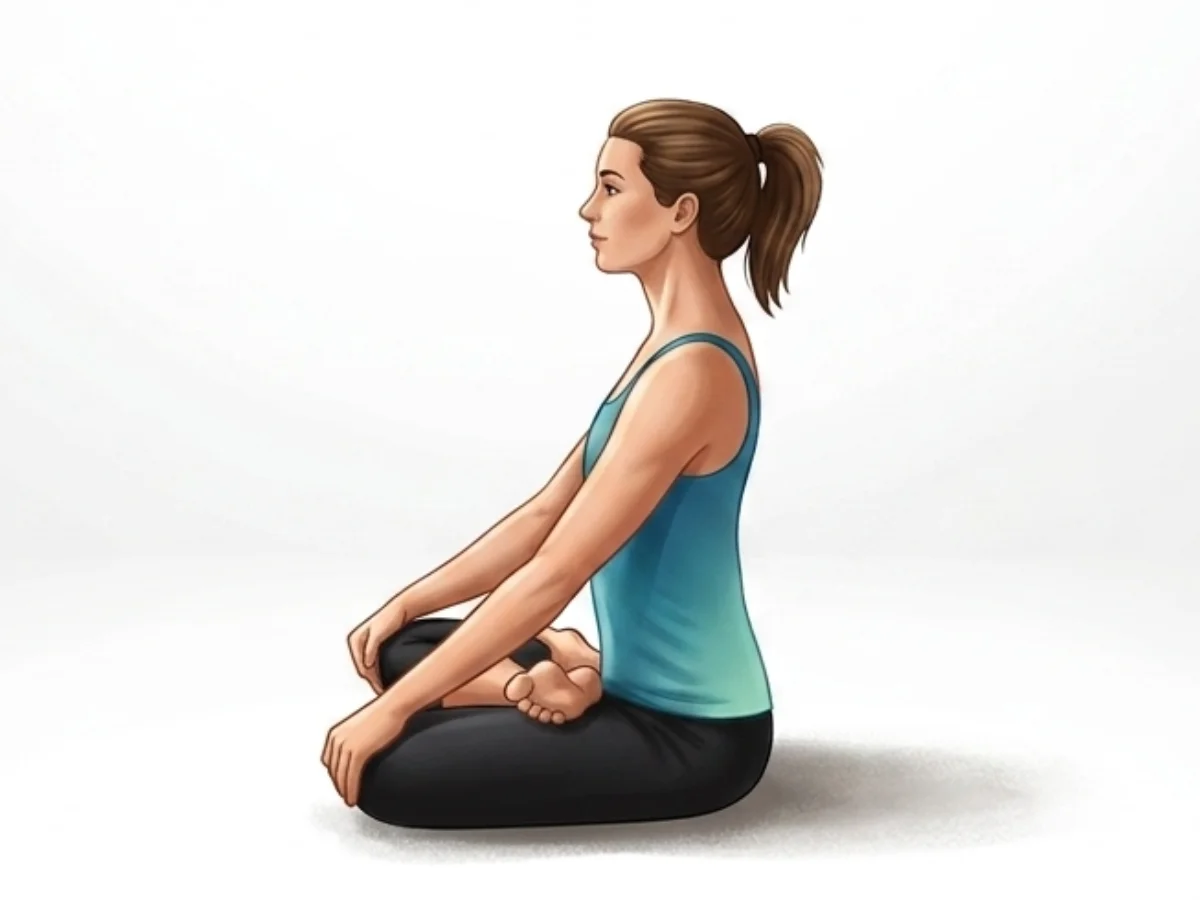
Lotus Pose
PadmasanaProvides the foundational leg position required for Scale Pose.
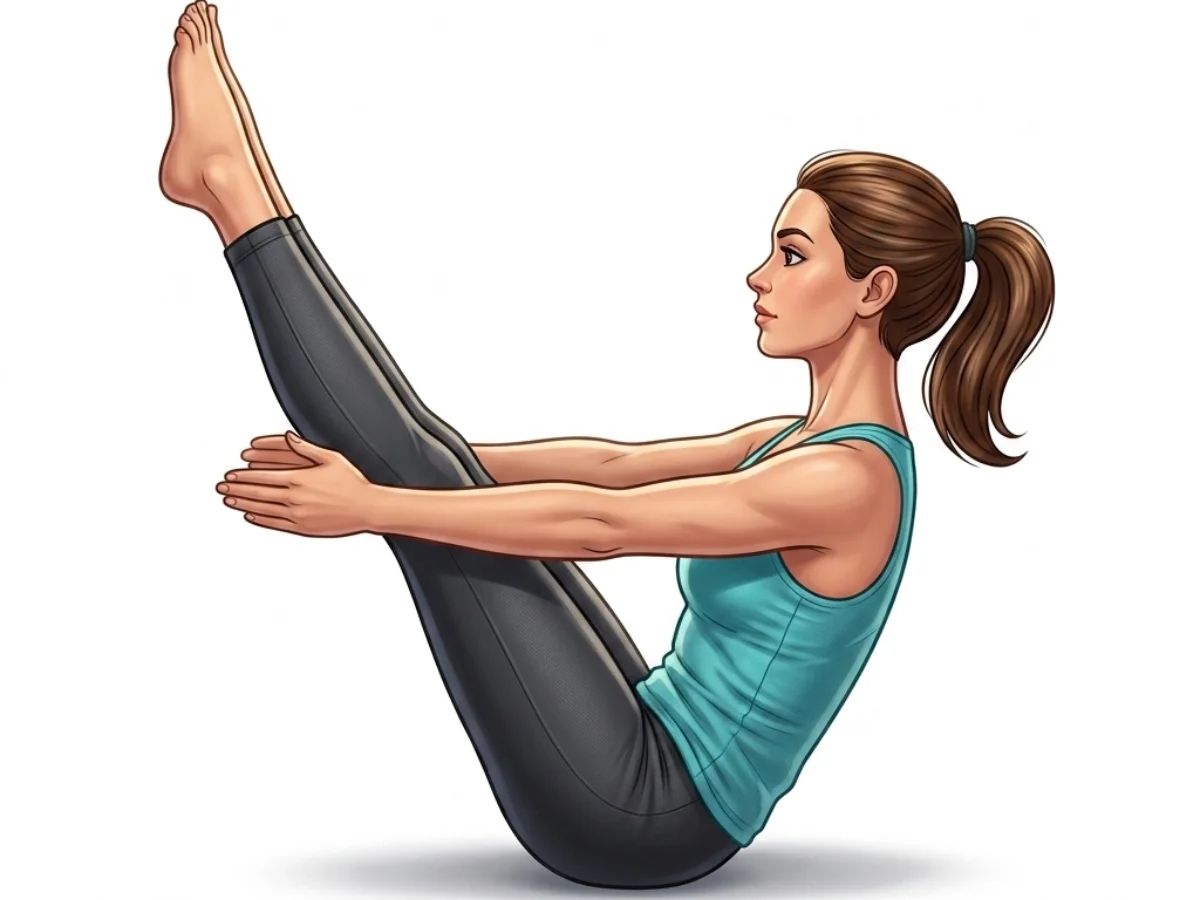
Boat Pose
NavasanaBuilds the necessary deep core and hip flexor strength.
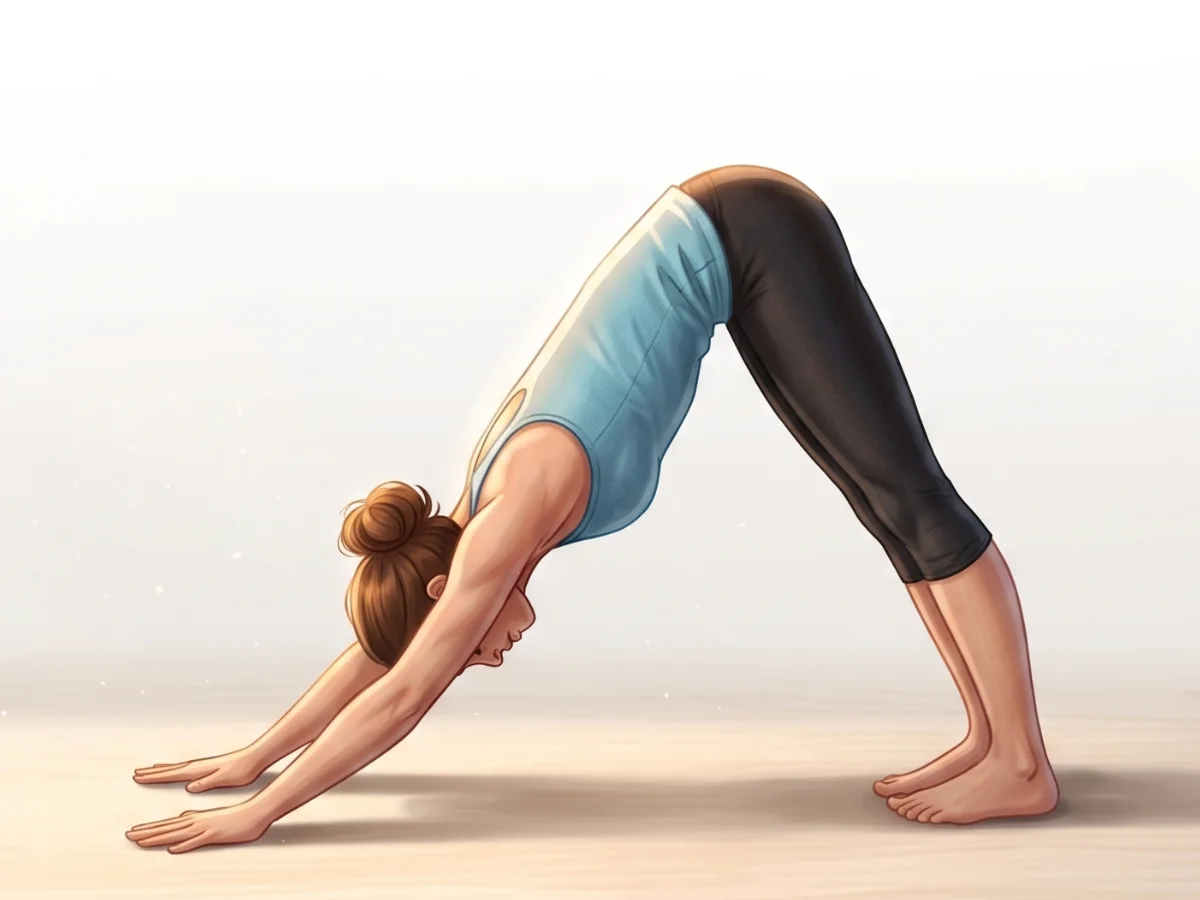
Downward-Facing Dog
Adho Mukha SvanasanaPrepares the shoulders and wrists for weight-bearing.
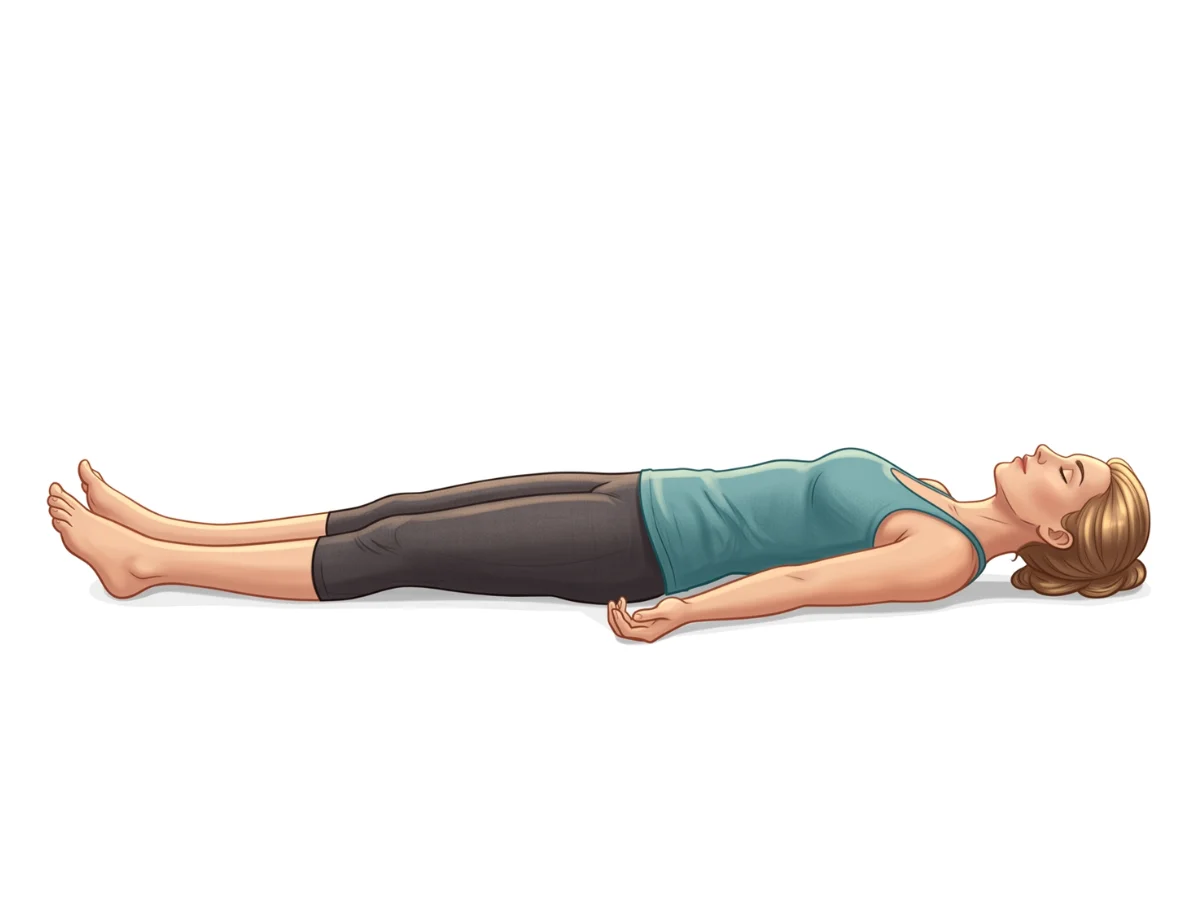
Follow with neutralizing Counter-poses
Frequently Asked Questions
What if my arms are too short to lift off the ground?
It is a common misconception that arms can be "too short." Usually, it is a matter of core compression and shoulder depression. However, using yoga blocks under your hands is an excellent way to practice the lift while building the necessary compression strength.
Can I do Scale Pose if I cannot do Lotus Pose?
You can practice a variation by sitting in Easy Pose (Sukhasana) or half-lotus. Lift your hips off the floor, even if the edges of your feet remain on the mat. This builds the same core and arm strength safely.
Elena Rostova is an accredited yoga educator and anatomy specialist with over 15 years of clinical experience. She focuses on functional biomechanics and injury prevention, translating complex anatomy into accessible guidance for safe, sustainable practice.
Read Full ProfileContinue Your Yoga Journey
Ready to deepen your practice? Explore our extensive library of poses, or join a structured program designed to build strength, flexibility, and mindfulness.