
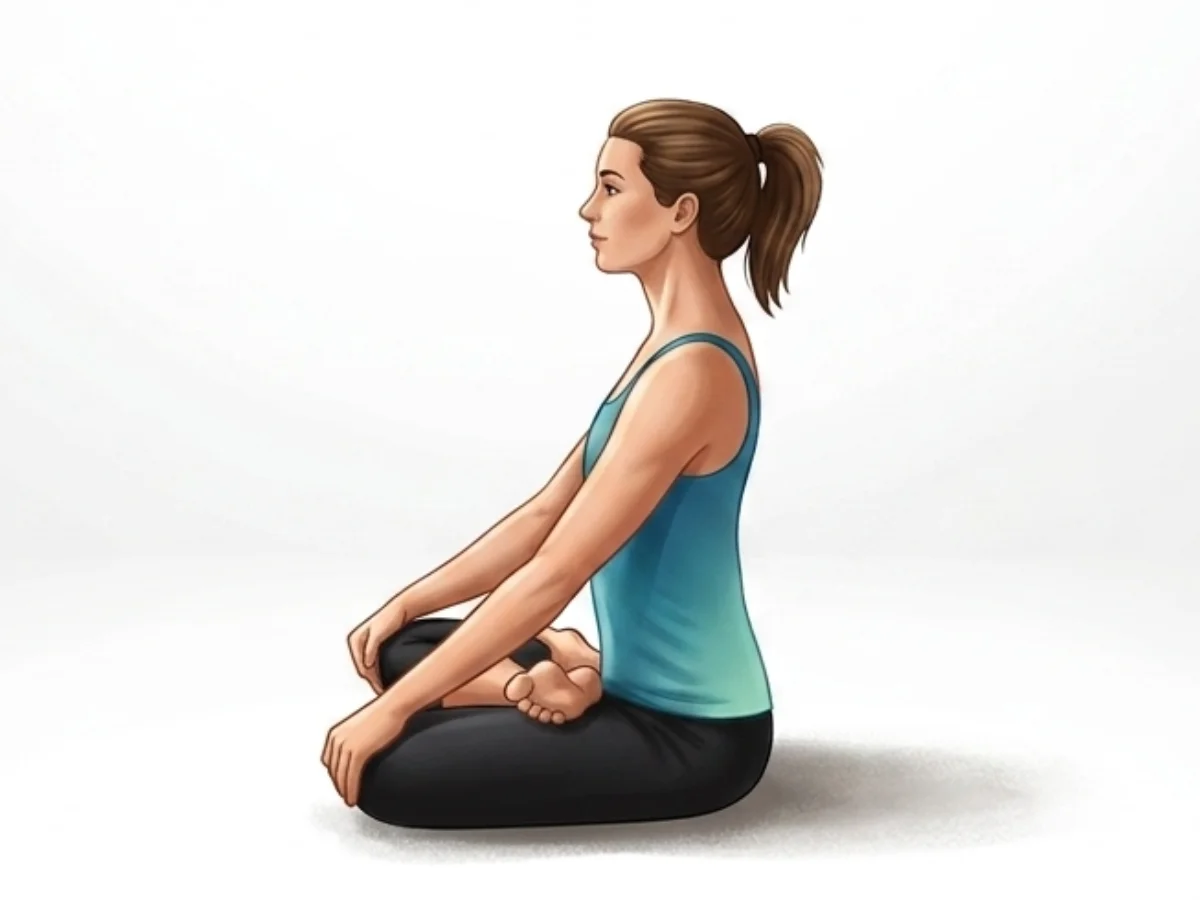
Lotus
Padmasana
By Elena Rostova Updated: verified Medically Reviewed
Lotus Pose (Padmasana) is widely recognized as the quintessential yoga posture for meditation. Requiring profound flexibility in the hips, ankles, and knees, it involves resting each foot upon the opposite thigh.
Hold Time
1–5 min · 10–50 breaths
Pronunciation
pod-MAHS-anna
About Lotus
Embodying the beauty found in nature, Lotus (Padmasana) helps anchor the body while creating a wonderful sense of space. By gently focusing on hips, knees & meditation, it actively stretches your muscles and builds heat. Ultimately, it is a fantastic pose for anchors for deep meditation, leaving you with a profound sense of grounded energy.
How to Practice
Start in Dandasana
Begin seated on your mat in Staff Pose (Dandasana) with both legs extended straight and your spine tall.
Fold the Right Leg
Bend your right knee, turning the hip out, and cradle your right lower leg in your arms to gently warm up the hip joint.
Place the Right Foot
Carefully guide your right foot over your left leg, resting the top of the right foot high onto the crease of your left hip.
Fold the Left Leg
Bend your left knee, maintaining the external rotation of the hip. Lean back slightly if necessary.
Place the Left Foot
Gently lift the left foot and cross it over the right shin, placing the top of the left foot into the crease of your right hip.
Align the Soles
Ensure the soles of both feet are pointing upward and the heels are drawn close to the abdomen to protect the knees.
Spinal Extension
Press your sit bones firmly into the floor, lift your chest, and lengthen your spine up through the crown of your head.
Hand Placement
Rest your hands on your knees with palms facing up. You may join the thumb and index finger in Chin Mudra for focus.
Hold and Breathe
Close your eyes and hold the posture for 1 to 5 minutes, focusing on deep, rhythmic breathing to calm the mind.
Release Slowly
To exit safely, carefully uncross the top leg first, then the bottom leg, extending both straight out and gently shaking out the knees.
Practice with the Yoga Timer
Keep track of your hold time and breath count for this pose.
Beginner Modifications & Prop Options
Yoga is a personal journey. These modifications and prop options allow you to adapt the pose to your current level of balance and flexibility, ensuring a safe and supportive practice.
Half Lotus Pose (Ardha Padmasana)
Place only one foot onto the opposite hip crease while tucking the other foot under the opposite thigh. Alternate sides until hips open sufficiently for full Lotus.
Tip: Focus on alignment rather than depth.
Easy Pose (Sukhasana)
Sit with legs crossed at the shins. This effective meditation posture provides spinal benefits without the extreme joint torque of Padmasana.
Tip: Focus on alignment rather than depth.
Elevate the Hips
Sit on the edge of a firm cushion or folded blanket. Elevating the hips allows knees to drop lower, tipping the pelvis forward into a neutral position.
Tip: Focus on alignment rather than depth.
Benefits of Lotus
Anchors for Deep Meditation
Creates a solid, triangular base with the pelvis and knees, allowing the body to remain completely still for extended periods of meditation.
Opens the Hips Deeply
Requires and maintains extreme external rotation and flexibility in the hip joints, keeping the pelvic region mobile.
Improves Posture
The pelvic tilt naturally aligns the spine in its anatomical curves, reducing strain on the back muscles and preventing slouching.
Stretches Ankles and Knees
Provides a sustained stretch to the ligaments and connective tissues of the ankles and knees, improving joint resilience when done safely.
Calms the Nervous System
The grounding nature of the pose naturally shifts the body into the parasympathetic nervous system, reducing stress and anxiety.
Common Mistakes to Avoid
Mistake: Forcing the Knees Down
How to fix: Never force the knees. Allow them to lower naturally over time as your hip flexibility increases.
Mistake: Pulling from the Ankle
How to fix: Move from the hip joint. Cradle the lower leg and guide it into place mindfully without forcing the ankle.
Mistake: Slouching the Spine
How to fix: Sit on a prop to elevate your hips, making it easier to press the sit bones down and lift the chest up.
Safety and Precautions
Knee Injuries
Meniscus tears or ligament damage strictly contraindicate this pose due to the lateral torque placed on the knee joint.
Ankle Issues
The intense stretching of the outer ankle can severely aggravate chronic sprains or instability.
Sciatica
The extreme external rotation can pinch or inflame the sciatic nerve in susceptible individuals.
Severe Hip Arthritis
Degeneration of the hip joint may make the necessary external rotation physically impossible or painful.
Lack of Preparation
This is an advanced pose; attempting it without sufficient preparatory hip opening often leads to injury.
Medical Disclaimer: If you have any of the above conditions, consult your doctor or a qualified yoga instructor before attempting this pose.
Muscles Worked in Lotus
Lotus demands synchronized muscular effort, creating a profound sense of engagement and release throughout the body. The activation of the primary muscles supports the structure, while the secondary muscles provide stability and balance.
Primary Muscles
Gluteus Medius & Minimus
Stretch deeply due to the extreme external rotation of the femur.
Piriformis
Undergoes a profound stretch to allow the hips to open.
Erector Spinae
Engage to maintain an upright, lengthened spinal column.
Secondary Muscles
Tibialis Anterior
Stretches as the feet are placed in the hip creases.
Psoas Major
Engages slightly to support the tilt of the pelvis.
Adductors (Inner Thighs)
Stretch to allow the knees to drop toward the floor.
Poses to Practice Before and After Lotus
Prepare with these Poses
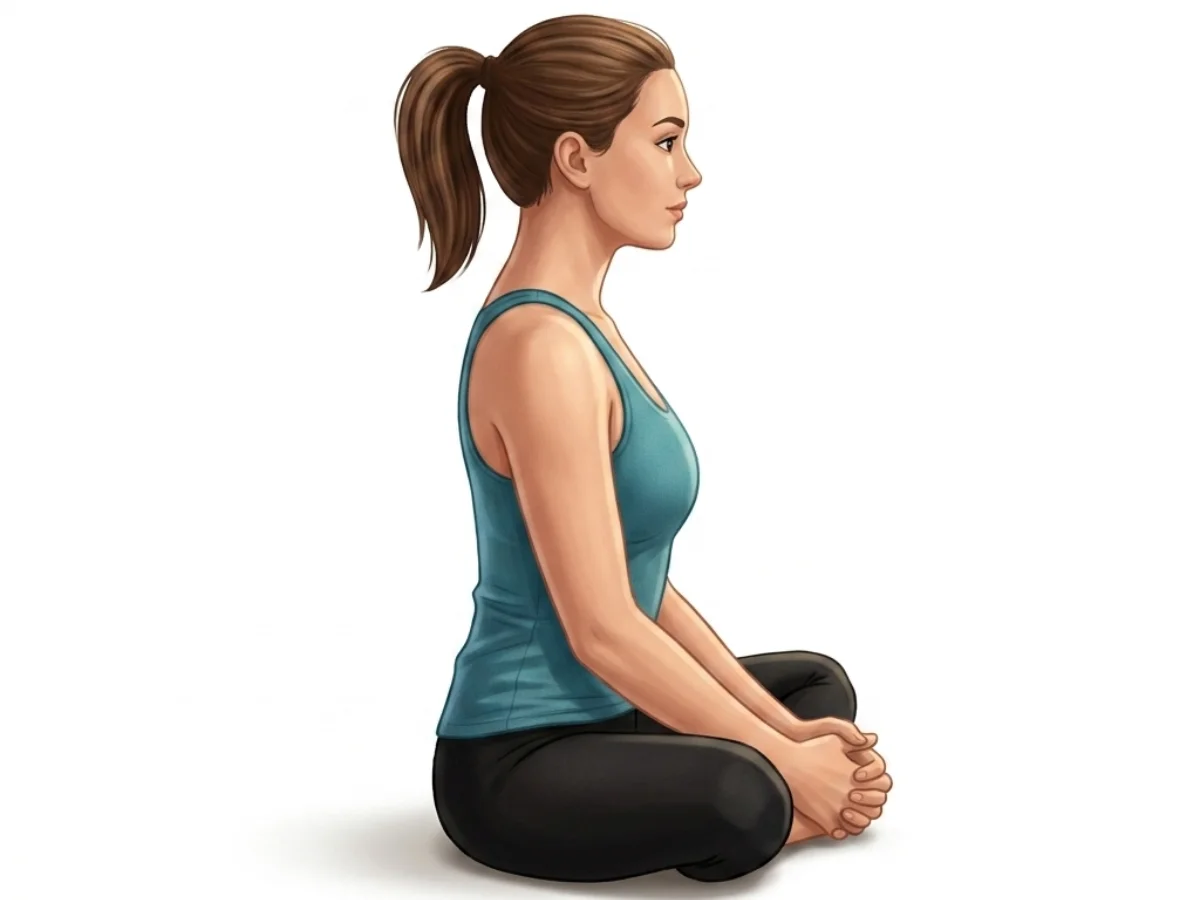
Bound Angle
Baddha KonasanaA fundamental hip opener that gently begins the external rotation needed for Lotus.
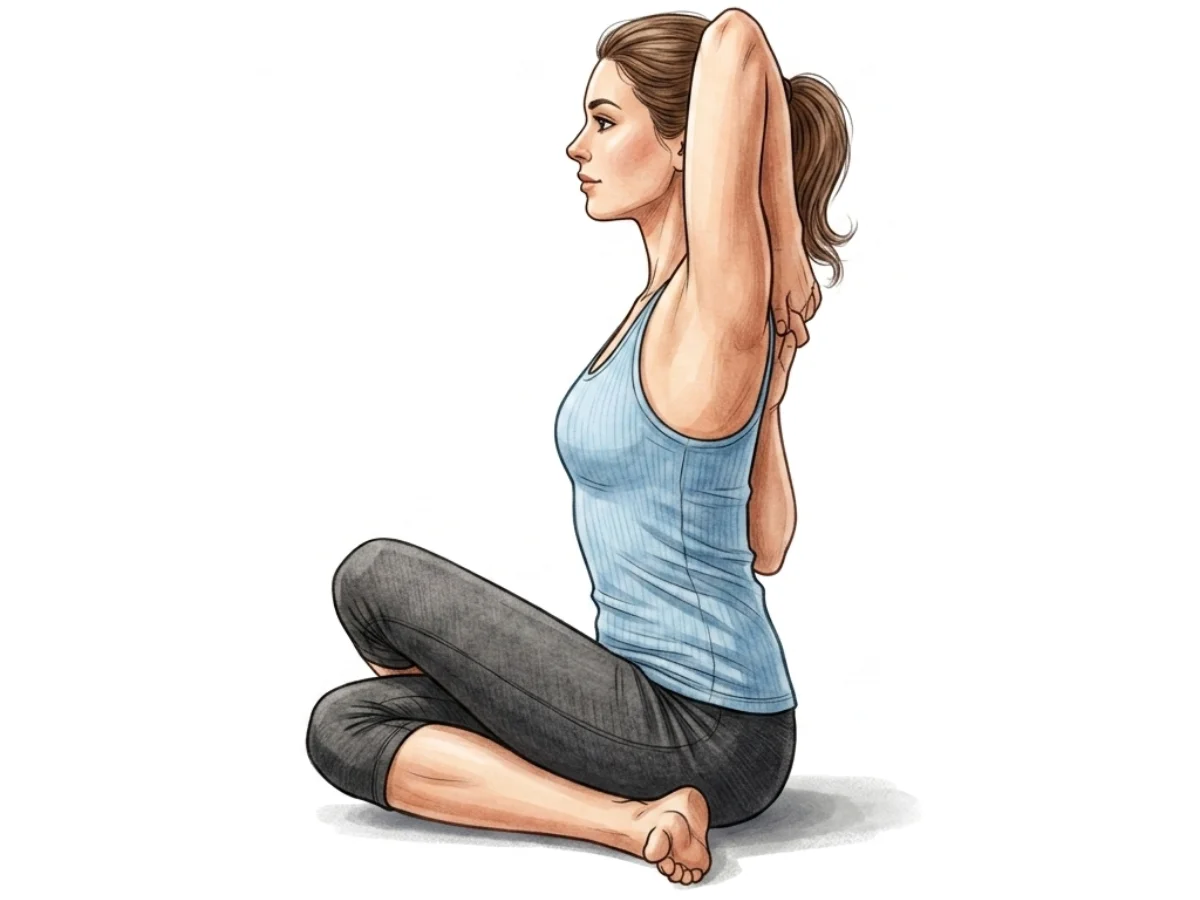
Cow Face Pose
GomukhasanaDeeply stretches the outer hips and glutes, improving overall pelvic mobility.
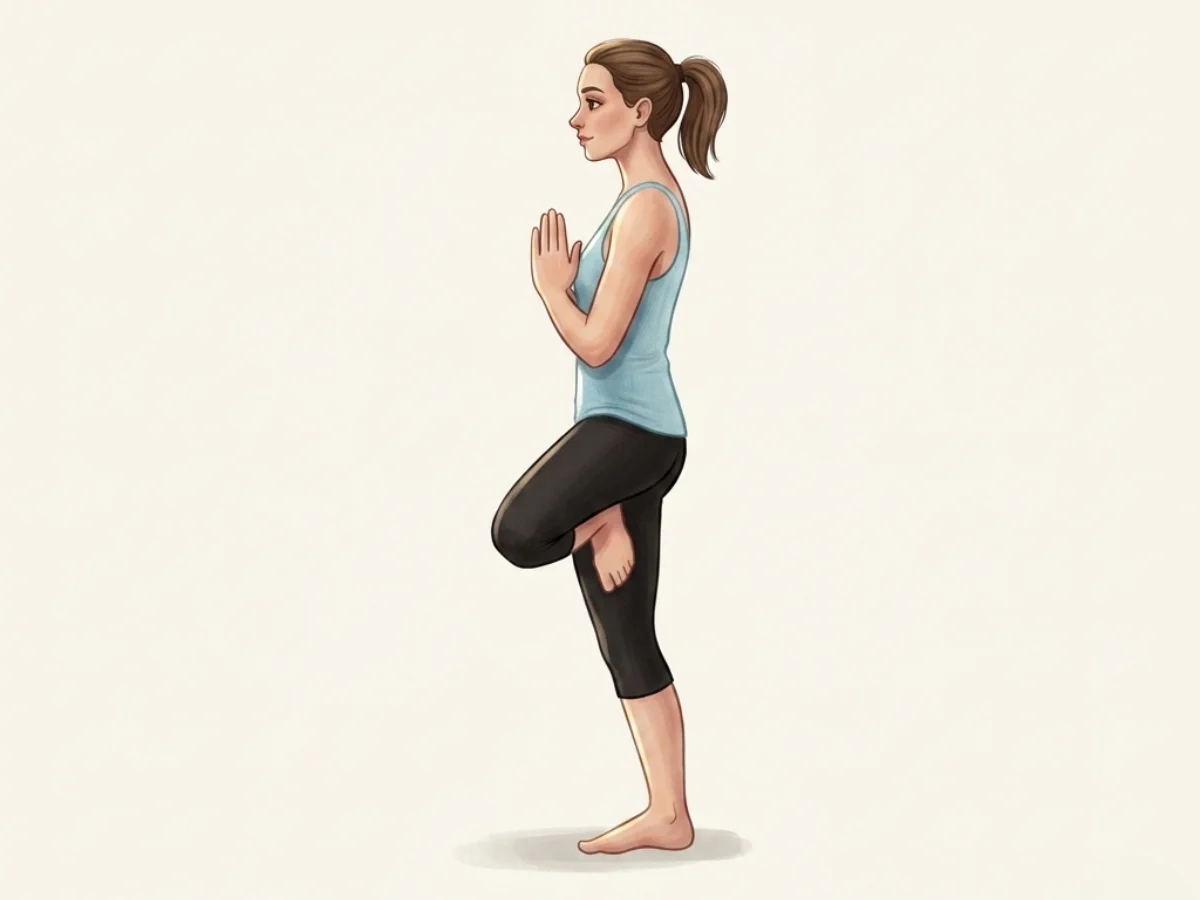
Tree Pose
VrksasanaPractices opening the hip externally while maintaining a strong foundational balance.
Follow with neutralizing Counter-poses
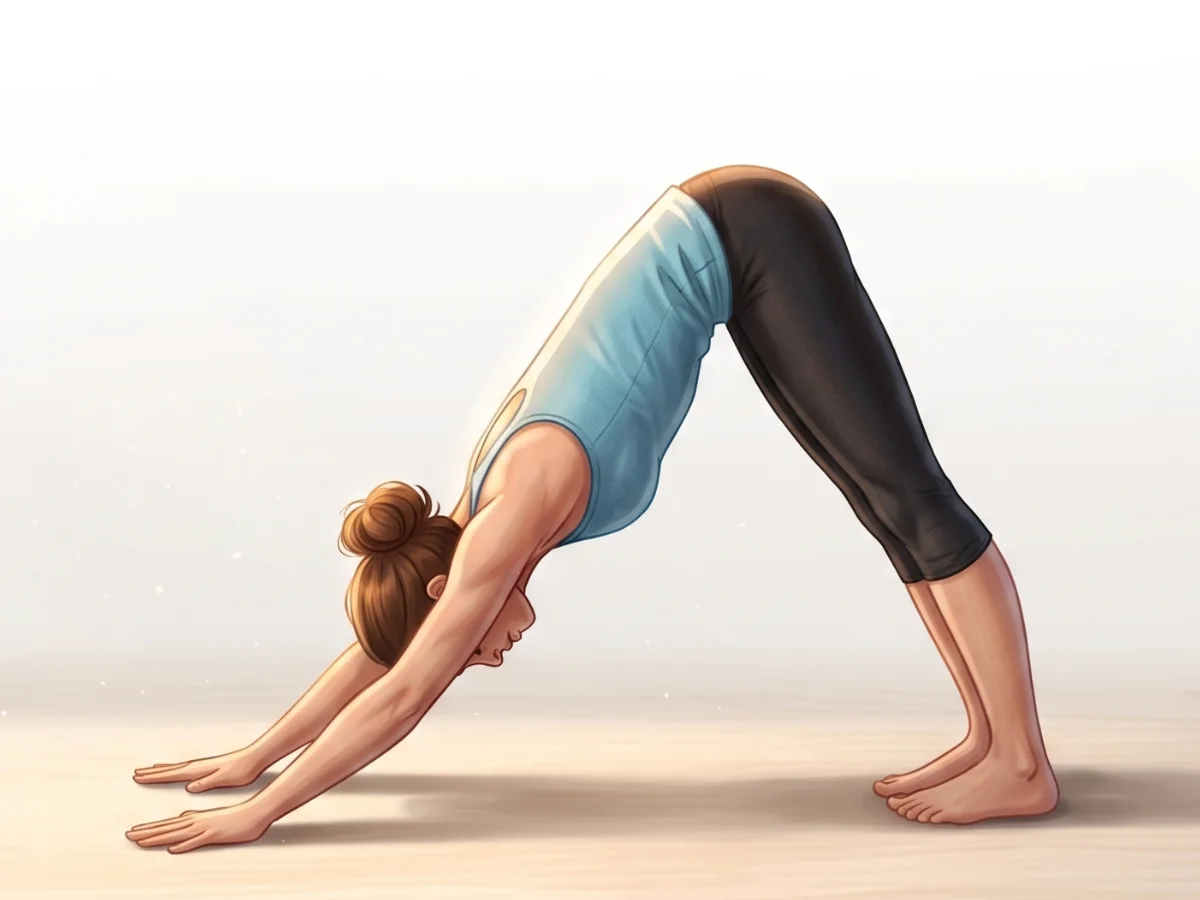
Downward-Facing Dog
Adho Mukha SvanasanaStretches the backs of the legs and safely straightens the knee joints.
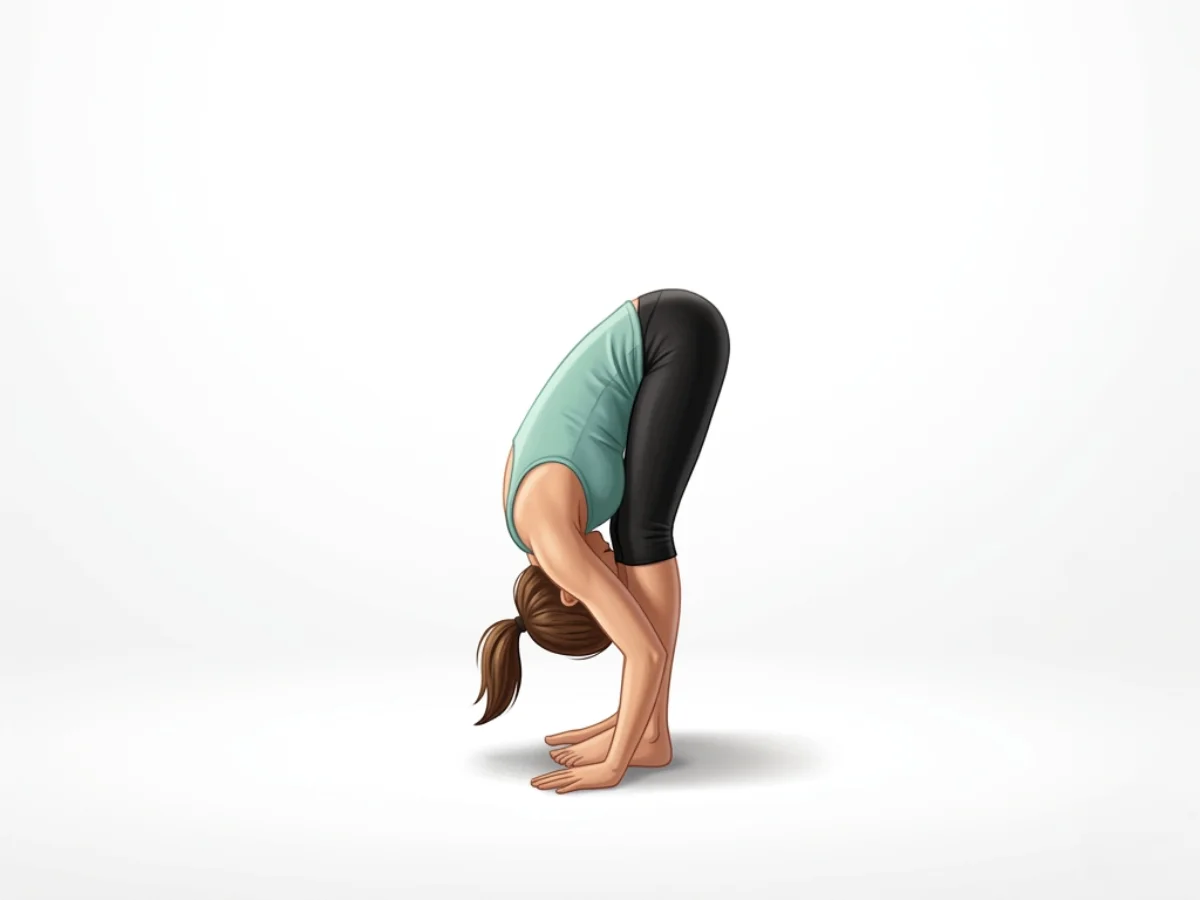
Standing Forward Bend
UttanasanaReleases tension in the hips and decompresses the spine.
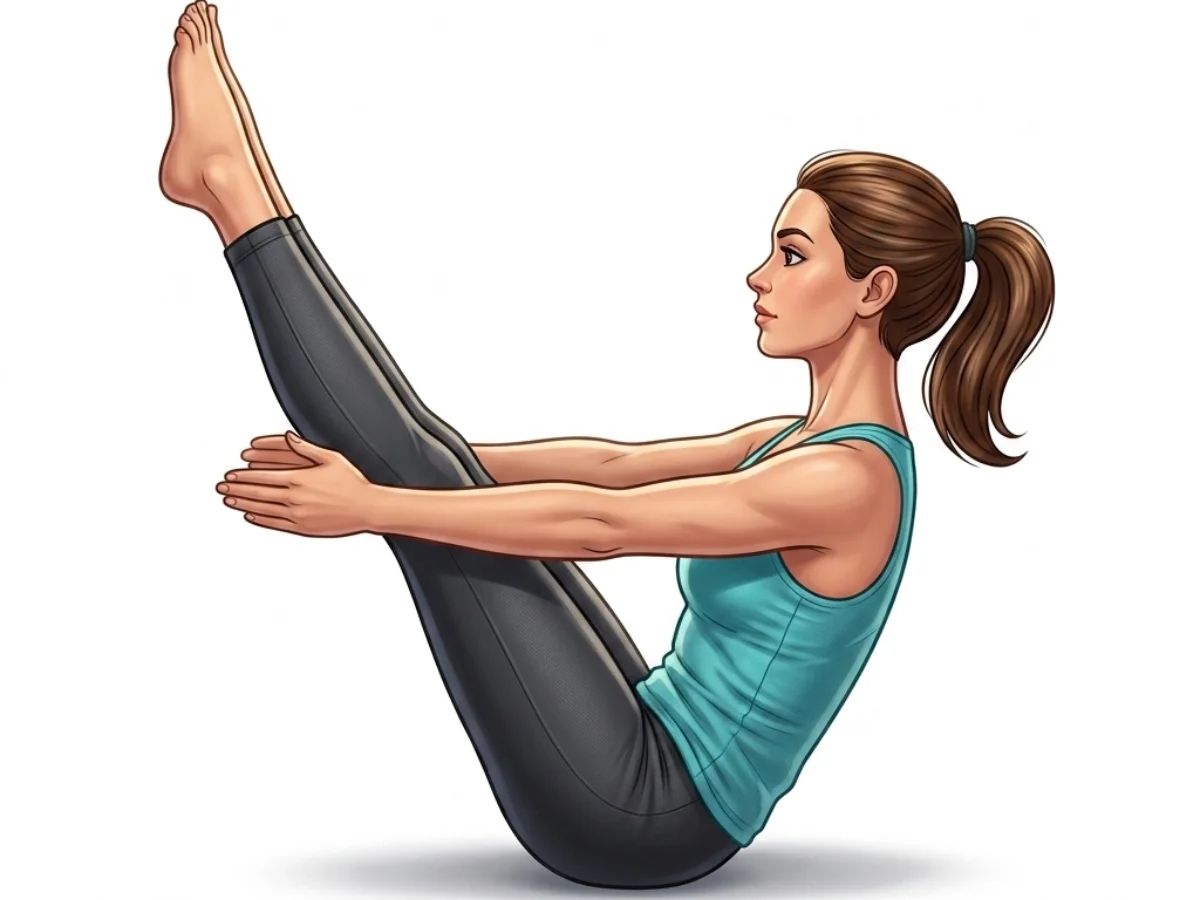
Boat Pose
NavasanaRe-engages the core and hip flexors dynamically while straightening the legs.
Frequently Asked Questions
How long does it take to master Lotus Pose?
It varies entirely by individual anatomy. For some, it takes years of consistent, safe practice to open the hips enough to achieve the pose without risking knee injury.
Why do my knees hurt when I try Padmasana?
Knee pain means your hips are not open enough. The knee is a hinge joint; if the hip cannot externally rotate fully, the twisting force is transferred directly to the knee ligaments.
Is Half Lotus just as good?
Yes, Half Lotus (Ardha Padmasana) offers many of the same grounding and spinal benefits while being significantly safer and more accessible for the majority of practitioners.
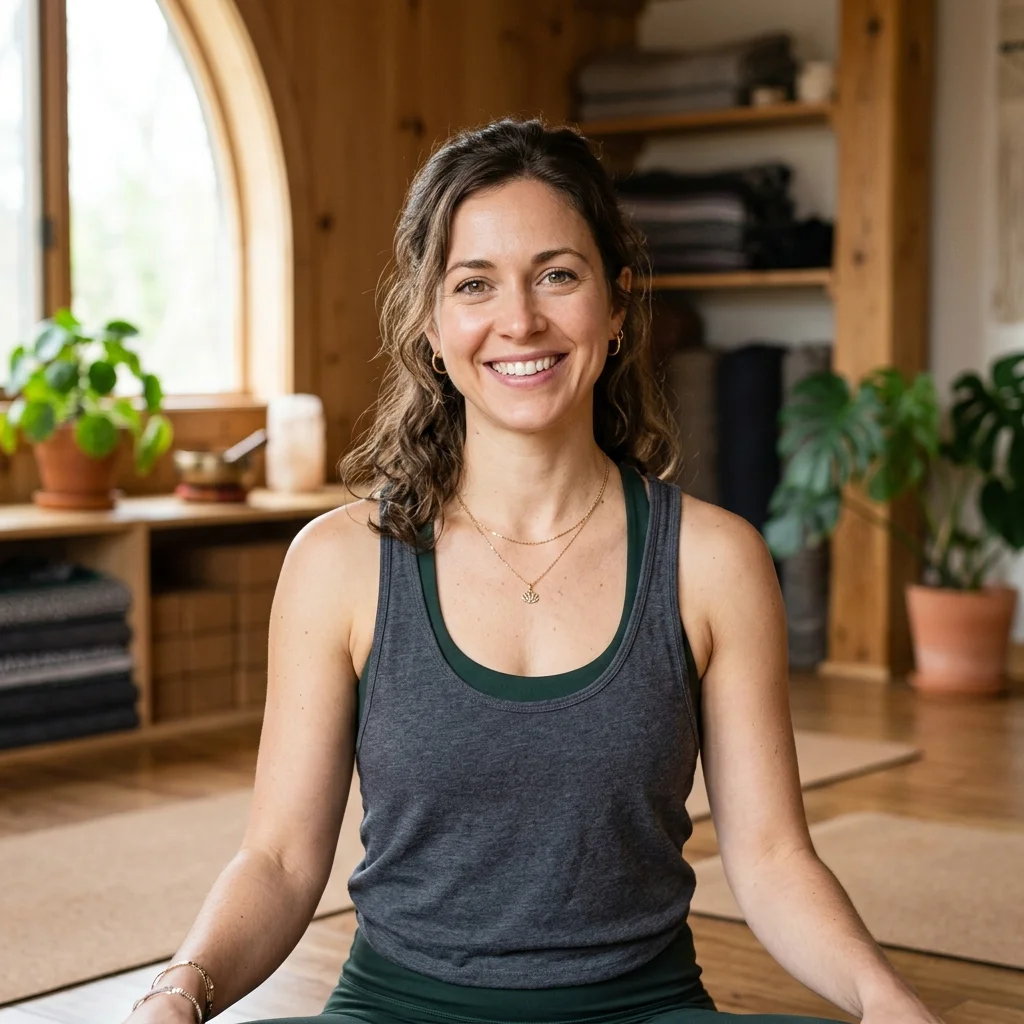
Elena Rostova is an accredited yoga educator and anatomy specialist with over 15 years of clinical experience. She focuses on functional biomechanics and injury prevention, translating complex anatomy into accessible guidance for safe, sustainable practice.
Read Full ProfileContinue Your Yoga Journey
Ready to deepen your practice? Explore our extensive library of poses, or join a structured program designed to build strength, flexibility, and mindfulness.