
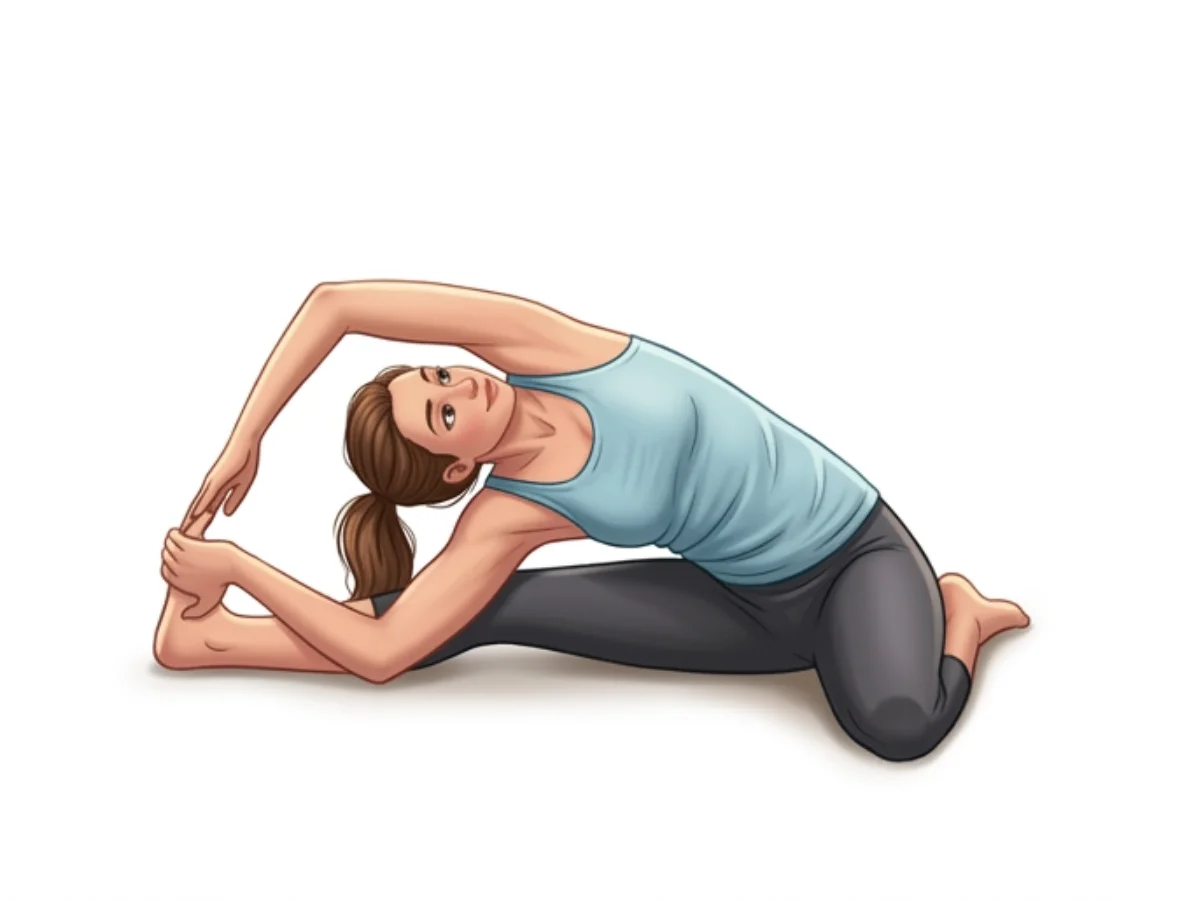
Seated Gate
Upavistha Parighasana
By Elena Rostova Updated: verified Medically Reviewed
Seated Gate Pose (Upavistha Parighasana) is a highly effective seated variation of the traditional kneeling Gate Pose. By extending one leg and tucking the other foot in toward the groin, you create a stable foundation for a deep lateral stretch.
Hold Time
30–60 sec · 5–10 breaths per side
Pronunciation
oo-pah-VEESH-tha pah-ree-GHAHS-anna
About Seated Gate
A vital part of many yoga sequences, Seated Gate (Upavistha Parighasana) offers wonderful benefits that go beyond its simple shape. As you settle into the shape, it gently works the side body stretch & hamstring flexibility to increase your overall flexibility. Practicing this pose regularly helps with expands the intercostals and leaves you feeling completely refreshed.
How to Practice
Starting Position
Begin seated on your mat with your legs extended straight in front of you. If your lower back rounds, sit on the edge of a folded blanket to elevate your hips.
Extend One Leg
Open your right leg out to the side at a 45-to-90 degree angle. Keep the right leg active with the toes pointing straight up toward the ceiling.
Tuck the Opposite Heel
Bend your left knee and bring the sole of your left foot to rest against your inner right thigh, drawing the left heel in toward your groin.
Anchor and Lengthen
Ground evenly through both sit bones. Inhale deeply as you reach both arms overhead, finding length along both sides of your torso.
Side Bend Execution
Exhale and side-bend to the right. Let your right arm descend, resting your hand on your right shin, ankle, or the floor inside your extended leg.
Reach and Rotate
Reach your left arm up and over your left ear, palm facing down. Gently rotate your chest upward toward the ceiling to prevent your torso from collapsing forward.
Deepen the Stretch
With every inhale, find more length through your left side body. With every exhale, allow yourself to soften slightly deeper into the lateral stretch without forcing.
Hold and Breathe
Maintain this posture for 5 to 10 deep, steady nasal breaths. Keep your gaze directed softly upward past your left bicep or straight ahead if your neck is sensitive.
Release and Center
To exit safely, engage your core. Inhale as you lift your torso back up to center, reaching both arms up before exhaling to lower them.
Repeat the Other Side
Extend the left leg, bring the right foot into the inner left thigh, and repeat the entire sequence on the opposite side to maintain bodily symmetry.
Practice with the Yoga Timer
Keep track of your hold time and breath count for this pose.
Beginner Modifications & Prop Options
Yoga is a personal journey. These modifications and prop options allow you to adapt the pose to your current level of balance and flexibility, ensuring a safe and supportive practice.
Elevate the Hips
Sit on the edge of a folded blanket or firm cushion. This slight anterior tilt helps keep the spine long and prevents lumbar compression during the side bend.
Tip: Focus on alignment rather than depth.
Use a Strap
Loop a yoga strap over the ball of the extended foot and hold it with your bottom hand. This maintains chest rotation and focuses on the side body stretch.
Tip: Focus on alignment rather than depth.
Support the Bent Knee
Place a yoga block or rolled towel under the bent knee to prevent inner thigh overstretching and relieve torque on the knee joint.
Tip: Focus on alignment rather than depth.
Benefits of Seated Gate
Expands the Intercostals
Deeply stretches the muscles between the ribs, improving lung capacity and facilitating deeper, more expansive breathing patterns.
Lengthens Hamstrings & Calves
Provides a sustained, safe stretch to the posterior chain of the extended leg, enhancing overall lower body flexibility.
Opens Shoulders and Chest
The upward rotation of the torso and overhead arm reach help combat upper back rounding by stretching the pectoralis and latissimus dorsi.
Releases Lower Back Tension
Targets the quadratus lumborum (QL) on the sides of the lower back, providing relief from stiffness caused by prolonged sitting.
Stimulates Abdominal Organs
The lateral compression on one side and extension on the other creates a gentle massage for digestive organs, aiding in detoxification.
Common Mistakes to Avoid
Mistake: Collapsing the Chest Forward
How to fix: Back out of the depth slightly and actively rotate your top shoulder back, opening your heart toward the ceiling.
Mistake: Lifting the Opposite Sit Bone
How to fix: Actively press the hip of the bent leg down into the mat as you reach in the opposite direction.
Mistake: Tensing the Neck
How to fix: Keep the neck in line with the spine. If looking up causes discomfort, look straight ahead or down at your extended leg.
Safety and Precautions
Acute Lower Back Injury
Deep lateral flexion can aggravate bulging discs or severe lumbar strains. Avoid deep side bends until healed.
Recent Knee or Hip Surgeries
The external rotation required for the bent leg may be contraindicated for those recovering from lower body joint surgeries.
Severe Shoulder Impingement
Reaching the arm overhead might irritate the rotator cuff. Instead, keep the top hand on the hip to focus purely on the side body.
Hamstring Tears
Actively stretching the back of the leg can worsen muscle tears. Practice with a significantly bent knee or skip the pose entirely.
Medical Disclaimer: If you have any of the above conditions, consult your doctor or a qualified yoga instructor before attempting this pose.
Muscles Worked in Seated Gate
Seated Gate demands synchronized muscular effort, creating a profound sense of engagement and release throughout the body. The activation of the primary muscles supports the structure, while the secondary muscles provide stability and balance.
Primary Muscles
Intercostals
Stretch deeply on the superior side of the ribcage to allow lateral flexion.
Latissimus Dorsi
Lengthens extensively as the top arm reaches overhead.
Quadratus Lumborum (QL)
Stretches significantly on the lifted side, relieving lower back tightness.
Secondary Muscles
Hamstrings
Stretch actively to allow the extended leg to remain straight.
Obliques
Contract on the bottom side to support the spine while stretching on the top side.
Pectoralis Major
Stretches slightly to facilitate the chest rotation upward.
Poses to Practice Before and After Seated Gate
Prepare with these Poses
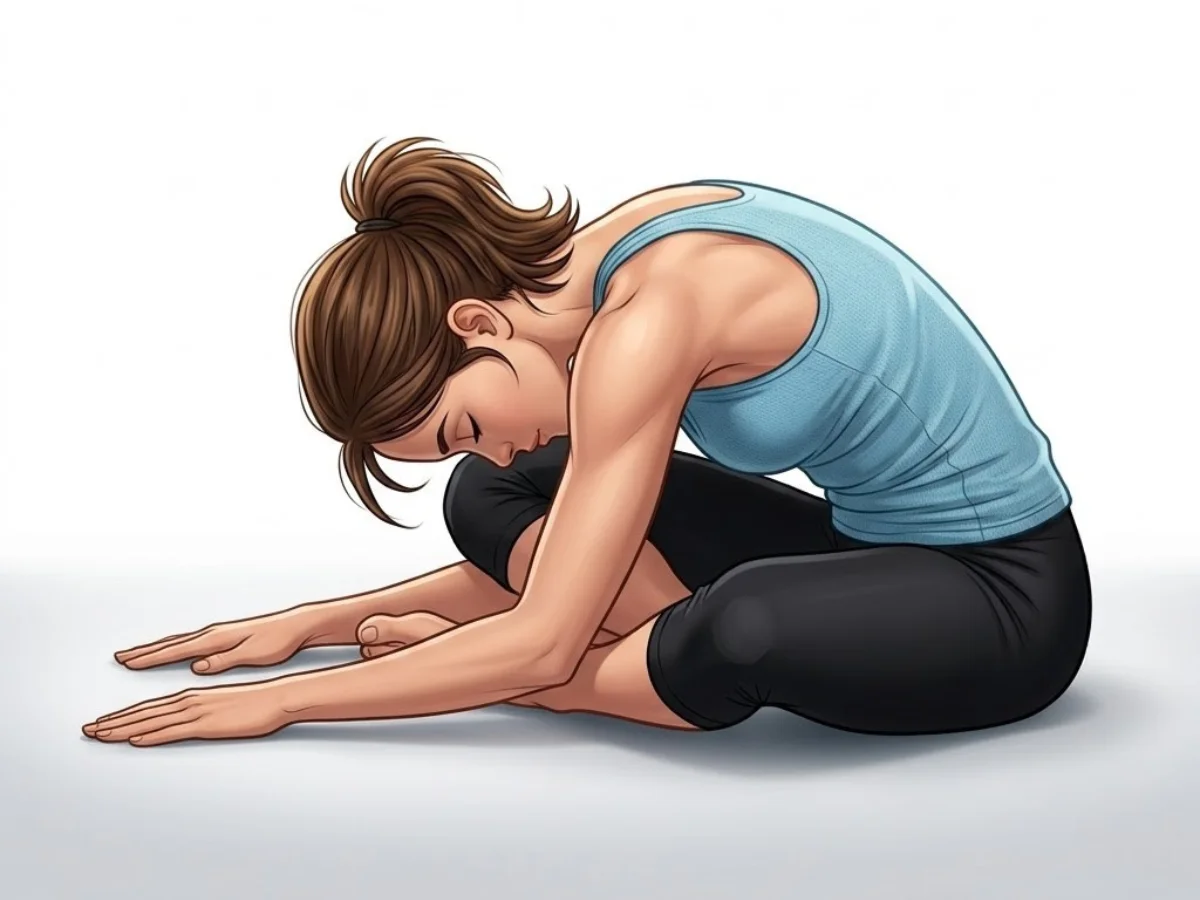
Butterfly Pose
Baddha KonasanaOpens the inner thighs and prepares the hips for external rotation.
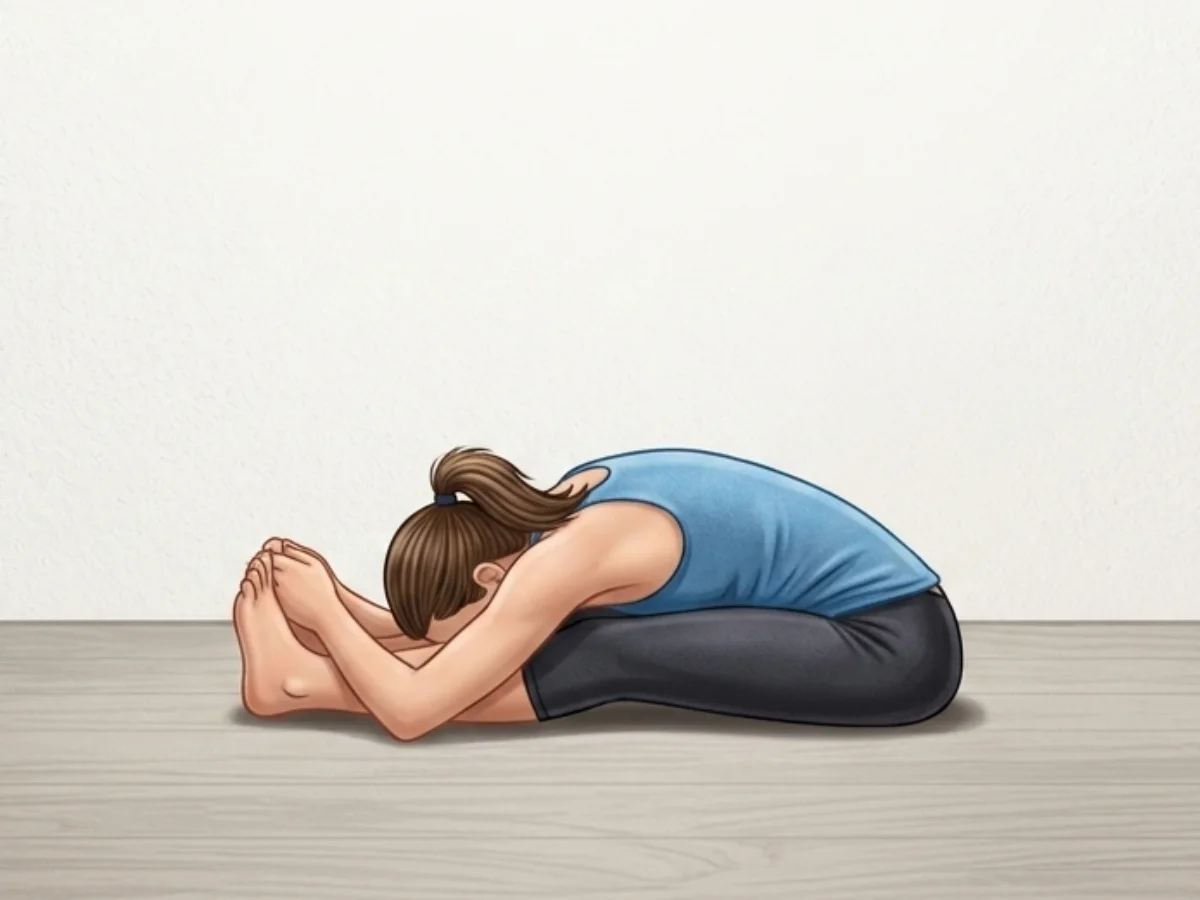
Seated Forward Bend I
Paschimottanasana AGently warms up the hamstrings and entire posterior chain.
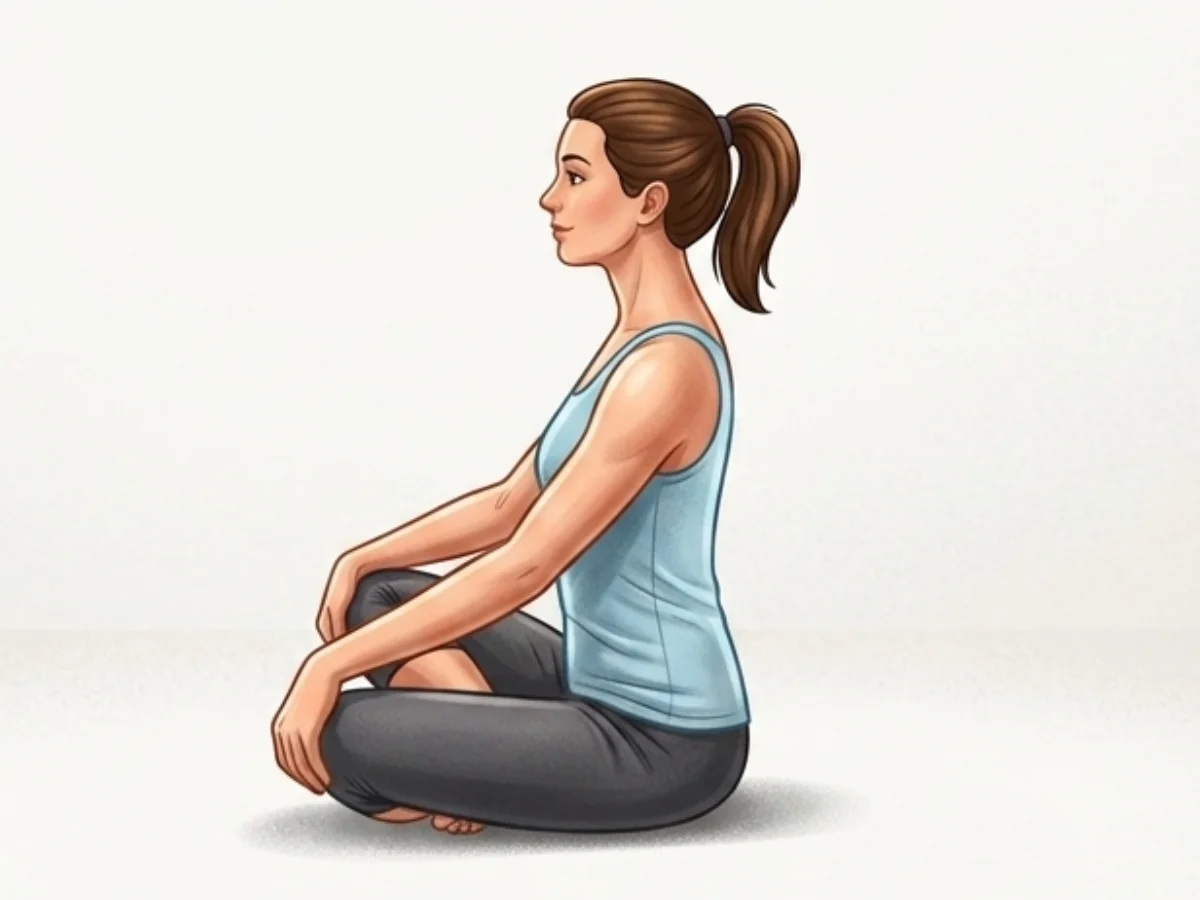
Follow with neutralizing Counter-poses
Frequently Asked Questions
How can I stop my chest from collapsing in Seated Gate Pose?
If your chest drops toward the floor, you are likely reaching too far. Back off the depth of the side bend and focus on rotating your ribs up toward the ceiling.
Should I feel this stretch more in my side or my hamstring?
You should ideally feel both! Seated Gate Pose is a compound stretch.
What if I cannot reach my toes?
Reaching your toes is not the goal of this posture; expanding the side body is. You can experience the full benefits of the pose with your hand resting on your knee or shin.
Elena Rostova is an accredited yoga educator and anatomy specialist with over 15 years of clinical experience. She focuses on functional biomechanics and injury prevention, translating complex anatomy into accessible guidance for safe, sustainable practice.
Read Full ProfileContinue Your Yoga Journey
Ready to deepen your practice? Explore our extensive library of poses, or join a structured program designed to build strength, flexibility, and mindfulness.