
Standing Foot to Head
Trivikramasana
By Elena Rostova Updated: verified Medically Reviewed
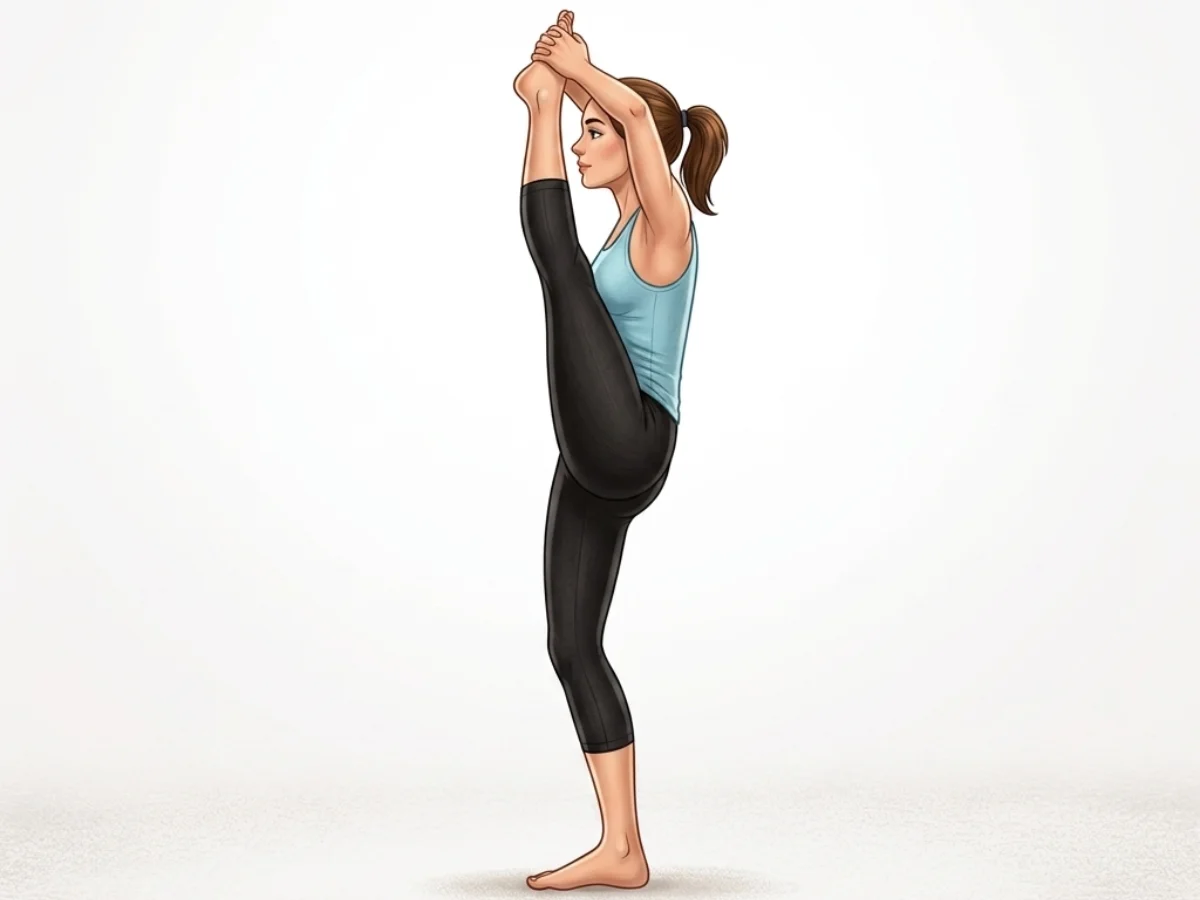
Standing Foot to Head Pose (often associated with Trivikramasana) is an advanced balancing posture that requires a supreme combination of hamstring flexibility, hip mobility, and core strength. In this pose, the practitioner balances on one leg while lifting the other leg high alongside the torso, eventually drawing the foot toward or behind the head.
Hold Time
15�30 sec � 3�5 breaths per side
Pronunciation
tree-vik-rah-MAHS-anna
About Standing Foot to Head
A vital part of many yoga sequences, Standing Foot to Head (Trivikramasana) offers wonderful benefits that go beyond its simple shape. By gently focusing on extreme hamstring flexibility & balance, it actively stretches your muscles and builds heat. Practicing this pose regularly helps with maximum hamstring flexibility and leaves you feeling completely refreshed.
How to Practice
Mountain Foundation
Begin standing in Mountain Pose (Tadasana), rooting firmly through your left foot and engaging the left quadriceps for stability.
Shift Weight
Shift your weight entirely onto your left leg. Find a steady point of focus (drishti) at eye level to help maintain your balance.
Lift the Leg
Inhale, bend your right knee, and lift it up toward your chest. Catch the outer edge of your right foot or your big toe with your right hand.
Extend the Leg
Exhale as you slowly extend your right leg straight up toward the ceiling. Keep your left hand on your left hip for balance.
Open the Hip
Once the leg is extended, externally rotate the right hip, allowing the leg to open slightly to the side and drawing it closer to your torso.
Draw Foot to Head
With deep control and using both the strength of your arm and your core, begin to pull the right foot toward your head or ear.
Maintain Upright Posture
Resist the urge to collapse your chest forward. Keep your spine as tall and straight as possible, lifting your sternum.
Hold and Breathe
Hold the posture for 3 to 5 deep breaths, finding a balance between intense effort and steady calm.
Release with Control
To exit, inhale and slowly release the grip on your foot, using your core to hold the leg high for a moment.
Return to Center
Exhale and lower the right leg back down with control, returning to Mountain Pose. Repeat on the other side.
Practice with the Yoga Timer
Keep track of your hold time and breath count for this pose.
Beginner Modifications & Prop Options
Yoga is a personal journey. These modifications and prop options allow you to adapt the pose to your current level of balance and flexibility, ensuring a safe and supportive practice.
Use a Yoga Strap
Loop a strap around the ball of the lifted foot and hold it. This keeps the leg straight and spine tall even if you cannot reach the foot to your head.
Tip: Focus on alignment rather than depth.
Standing Hand-to-Big-Toe
Practice Utthita Hasta Padangusthasana by extending the leg forward and out to the side at hip height without pulling it up to the head.
Tip: Focus on alignment rather than depth.
Reclined Version
Practice Supta Padangusthasana lying on your back. This removes the balance element and focuses purely on the hamstring stretch and hip opening.
Tip: Focus on alignment rather than depth.
Benefits of Standing Foot to Head
Maximum Hamstring Flexibility
Provides one of the deepest possible stretches for the hamstrings and calves of the lifted leg.
Builds Core Strength
Requires intense activation of the deep core and hip flexors to lift and hold the leg high against gravity.
Improves Balance & Focus
Demands razor-sharp concentration and proprioception to balance on one leg while moving the other into an extreme position.
Opens the Hips
The external rotation required to bring the foot to the head deeply opens the hip joint and stretches the groin.
Strengthens Standing Leg
The ankle, knee, and quadriceps of the standing leg are heavily engaged to stabilize the body.
Common Mistakes to Avoid
Mistake: Rounding the Spine
How to fix: Keep the spine tall and bring the leg to the body, rather than the body to the leg. Use a strap if needed.
Mistake: Locking the Standing Knee
How to fix: Keep a micro-bend in the standing knee and strongly engage the quadriceps.
Mistake: Forcing the Stretch
How to fix: Move slowly and respect your body�s limits. Progress gradually over months or years.
Safety and Precautions
Hamstring or Groin Injuries
The extreme stretch will aggravate any existing tears or strains in the back of the leg or inner thighs.
Hip Issues
Conditions like labral tears, bursitis, or severe arthritis in the hips make this pose unsafe due to the deep flexion and rotation required.
Lower Back Pain
If the hamstrings are tight, the pelvis will tuck under, straining the lumbar spine.
Medical Disclaimer: If you have any of the above conditions, consult your doctor or a qualified yoga instructor before attempting this pose.
Muscles Worked in Standing Foot to Head
Standing Foot to Head demands synchronized muscular effort, creating a profound sense of engagement and release throughout the body. The activation of the primary muscles supports the structure, while the secondary muscles provide stability and balance.
Primary Muscles
Hamstrings (Lifted Leg)
Undergo an extreme passive stretch.
Quadriceps (Standing Leg)
Engage heavily to stabilize the knee and support the body weight.
Iliopsoas (Hip Flexors)
Contract deeply to lift the leg high.
Secondary Muscles
Erector Spinae
Work to keep the torso upright and prevent rounding.
Gluteus Medius
Stabilizes the pelvis on the standing side.
Poses to Practice Before and After Standing Foot to Head
Prepare with these Poses
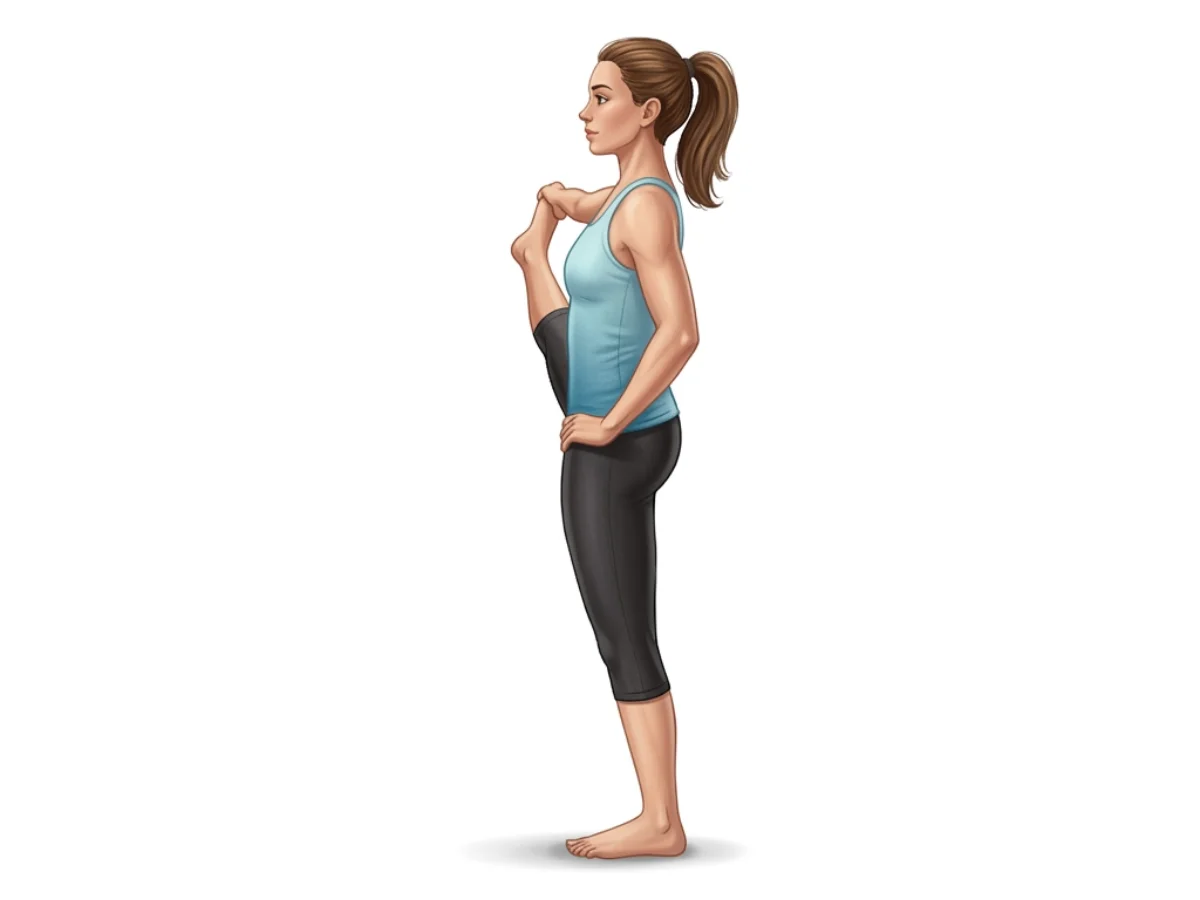
Extended Standing Hand to Big Toe
Utthita Hasta Padangushthasana BBuilds the foundation for balance and initial hamstring length.
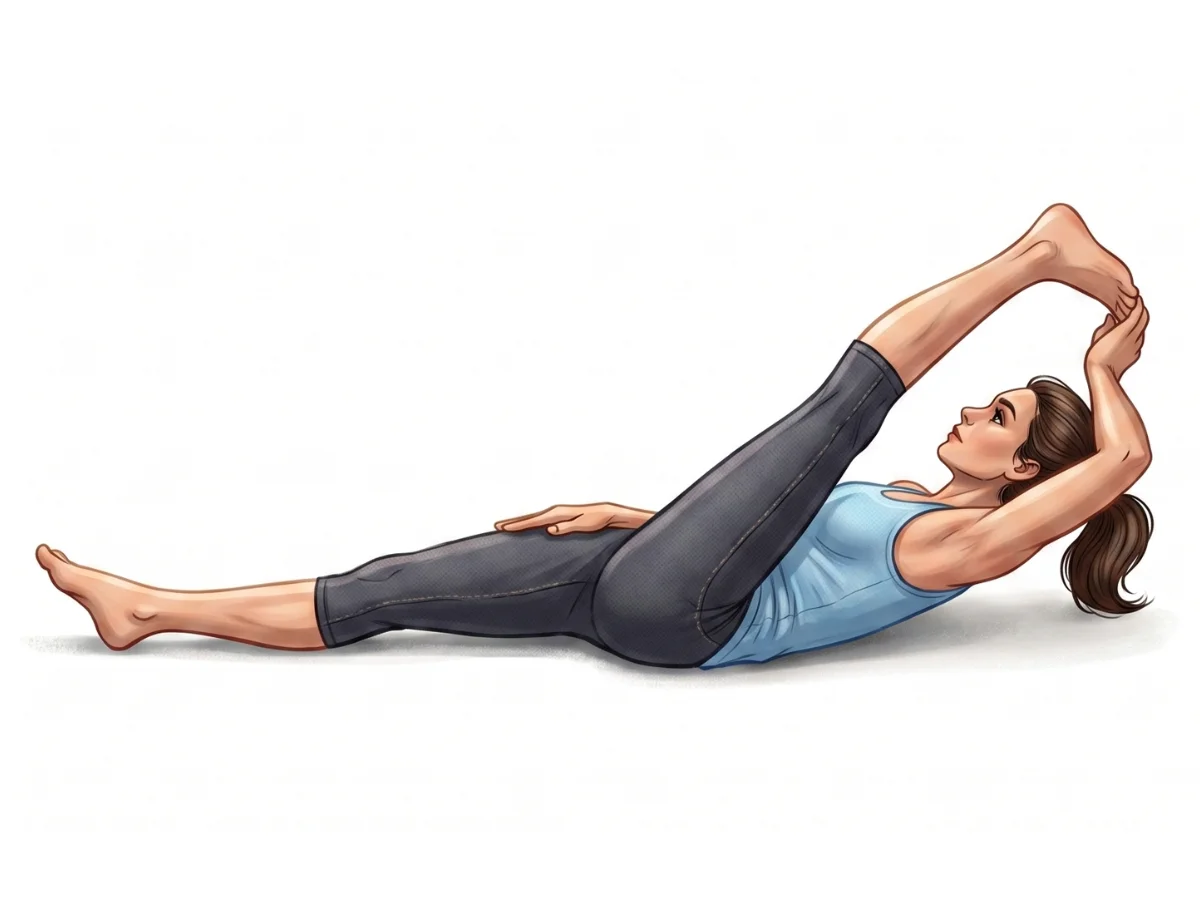
Supine Hand to Big Toe
Supta PadangushthasanaStretches the hamstrings deeply while the back is safely supported.
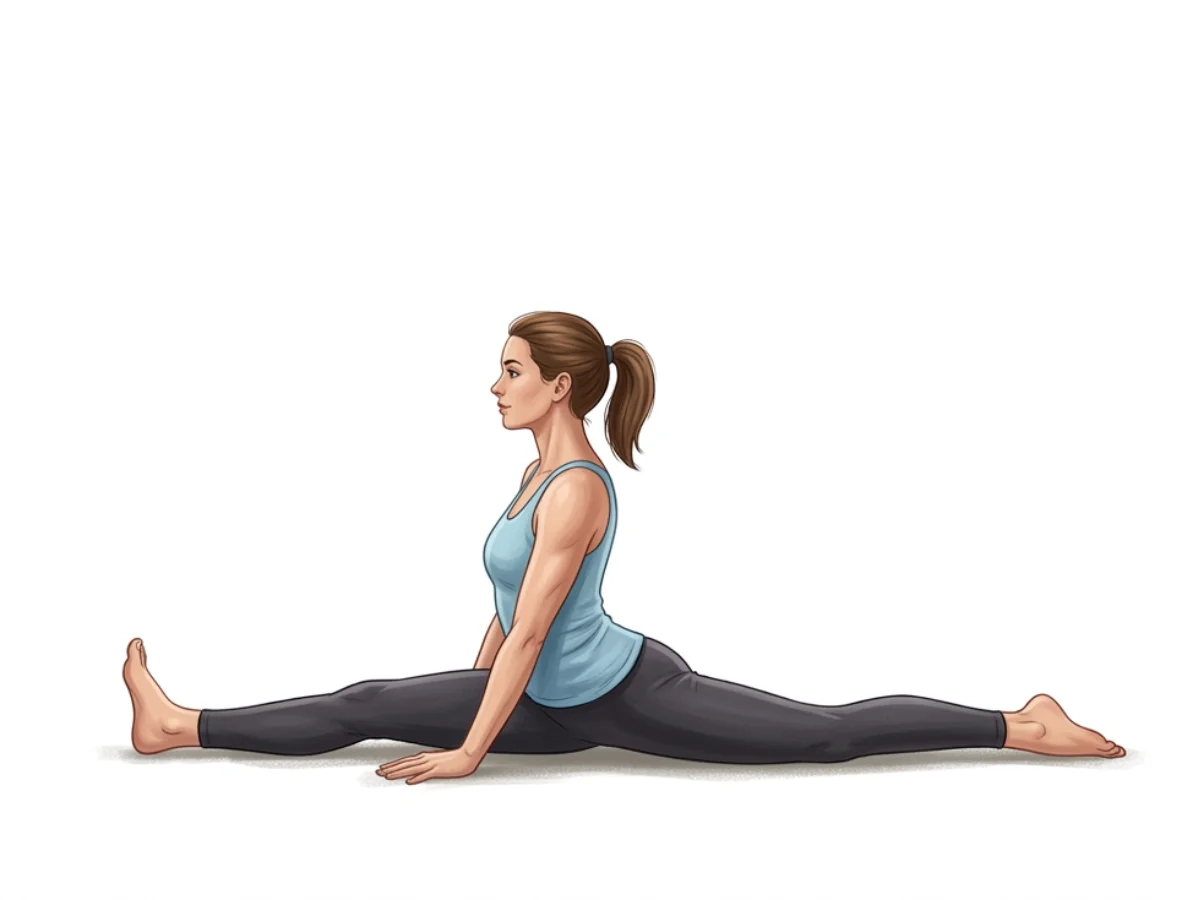
Front Splits
HanumanasanaDevelops extreme flexibility in the hamstrings and hip flexors.
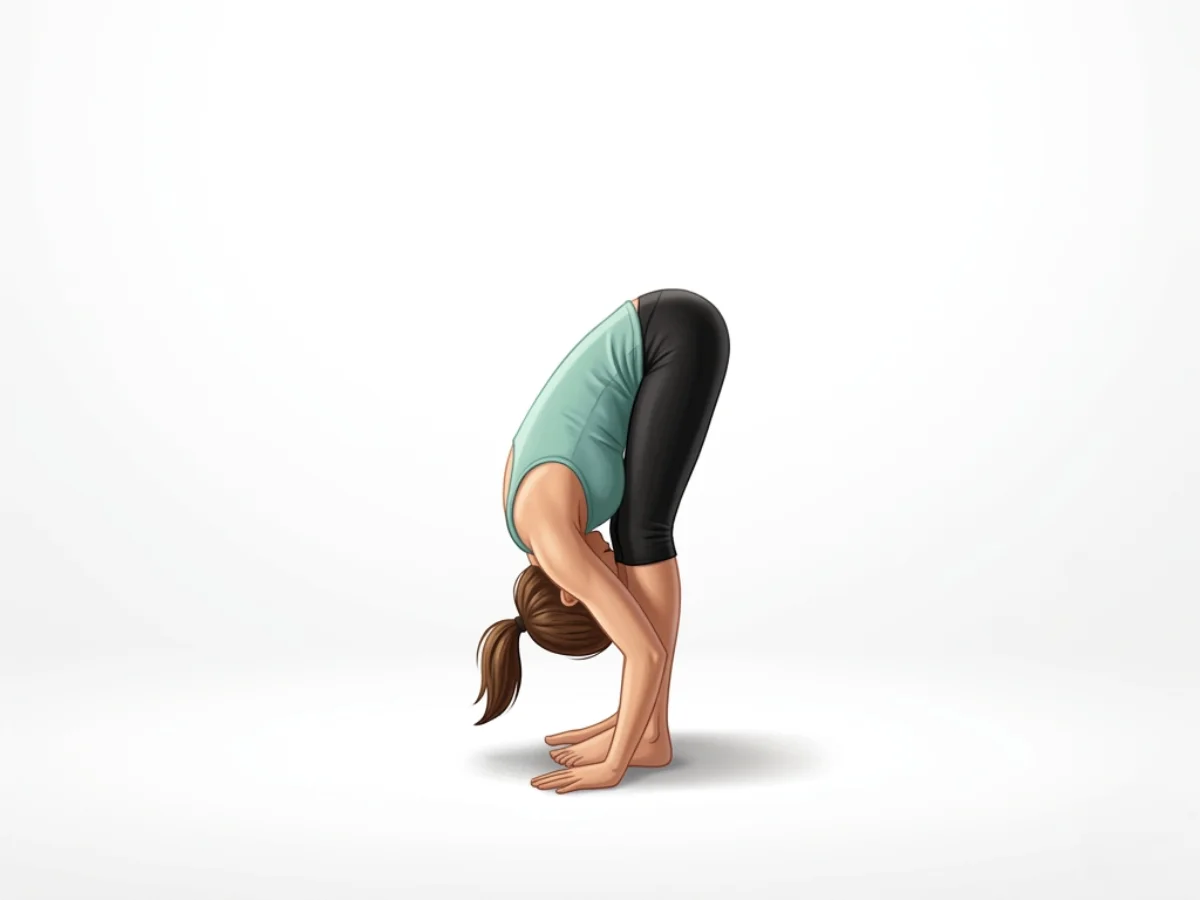
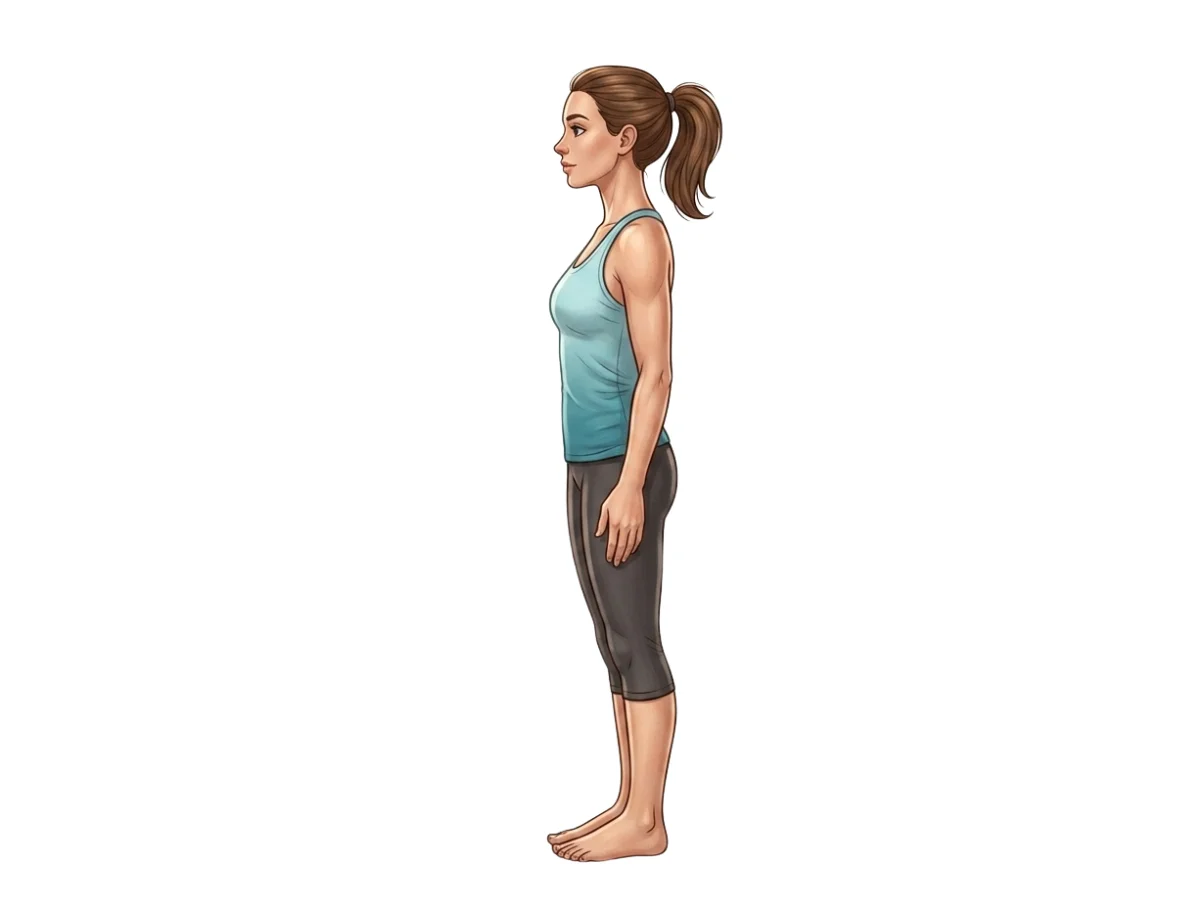
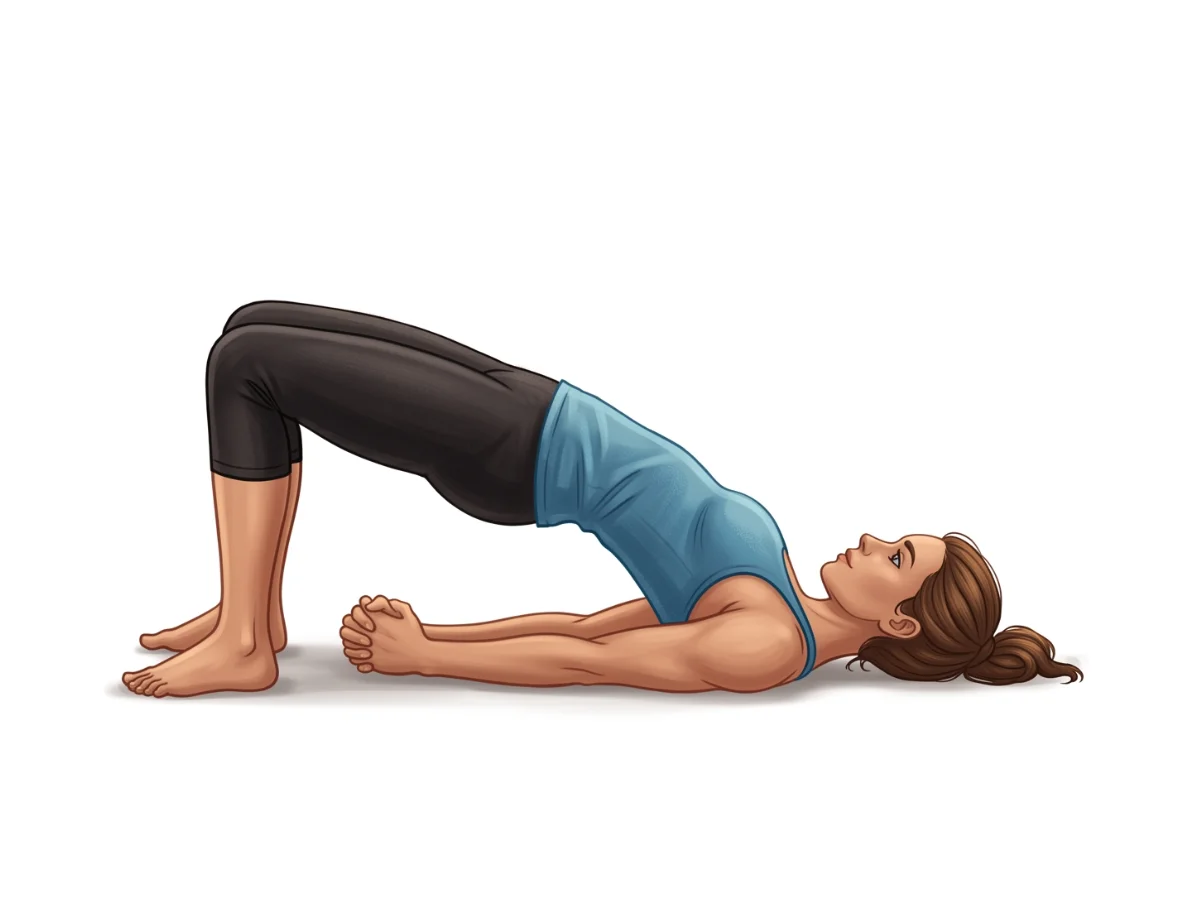
Follow with neutralizing Counter-poses
Frequently Asked Questions
How long does it take to achieve this pose?
For most people, it takes years of consistent practice to safely develop the extreme hamstring flexibility and hip mobility required to bring the foot to the head while standing. Patience is essential.
Is it normal for my standing leg to shake?
Yes, especially when you are building the necessary stabilizing strength. The micro-adjustments your ankle and leg muscles make to keep you balanced will cause shaking.
Should I warm up before trying this?
Absolutely. Never attempt this pose "cold." You must thoroughly warm up your hamstrings, hips, and core with numerous Sun Salutations, lunges, and foundational hamstring stretches.

Elena Rostova is an accredited yoga educator and anatomy specialist with over 15 years of clinical experience. She focuses on functional biomechanics and injury prevention, translating complex anatomy into accessible guidance for safe, sustainable practice.
Read Full ProfileContinue Your Yoga Journey
Ready to deepen your practice? Explore our extensive library of poses, or join a structured program designed to build strength, flexibility, and mindfulness.