
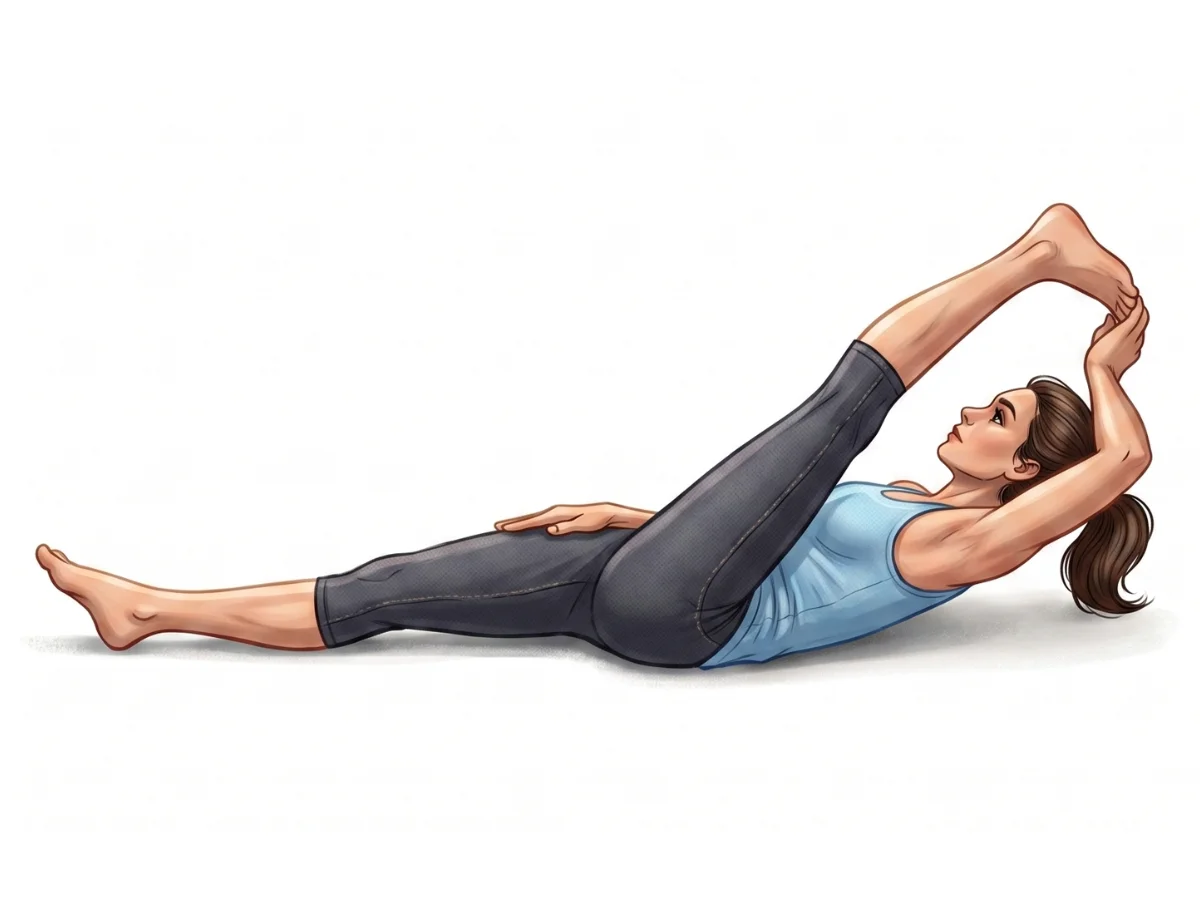
Supine Hand to Big Toe
Supta Padangusthasana A
By Elena Rostova Updated: verified Medically Reviewed
Supine Hand to Big Toe Pose (Supta Padangusthasana A) is a classic posture for safely lengthening tight hamstrings. By keeping the back flat on the floor, practitioners can isolate and stretch the back of the leg without risking lumbar strain or compensating with poor spinal alignment.
Hold Time
30�60 sec � 5�10 breaths
Pronunciation
SOOP-tah pah-dahn-goosh-TAHS-anna A
About Supine Hand to Big Toe
A vital part of many yoga sequences, Supine Hand to Big Toe (Supta Padangusthasana A) offers wonderful benefits that go beyond its simple shape. This posture specifically engages the hamstring & calf flexibility, making it highly effective for developing both strength and mobility. Consistent practice will actively assist in safely stretches hamstrings, helping you feel lighter and more balanced off the mat.
How to Practice
Starting Position
Lie flat on your back in Corpse Pose (Savasana). Rest your arms by your sides and ensure your pelvis is neutral on the mat.
Draw the Knee In
Exhale and hug your right knee into your chest. Keep your left leg extended straight and actively pressed into the floor.
Grip the Toe or Strap
Hook the index and middle fingers of your right hand around your right big toe. Alternatively, wrap a yoga strap around the arch of your right foot.
Extend the Leg
Inhale deeply as you begin to straighten your right leg up toward the ceiling. Press the heel upwards to lengthen the back of the leg.
Ground the Shoulders
Ensure your shoulder blades remain flat on the mat. If your shoulder lifts to hold your toe, switch to using a strap.
Engage the Left Leg
Flex your left foot and press the back of your left thigh actively downward, anchoring your body to the earth.
Deepen the Stretch
On every exhale, gently draw the right leg slightly closer to your torso, maintaining a straight knee or a soft micro-bend, without lifting the pelvis.
Hold and Breathe
Hold the pose for 5 to 10 deep, steady breaths, softening the facial muscles and relaxing into the hamstring stretch.
Release
To exit, exhale and bend the right knee back into the chest. Release the toe or strap, and slowly extend the leg back down to Savasana before switching sides.
Practice with the Yoga Timer
Keep track of your hold time and breath count for this pose.
Beginner Modifications & Prop Options
Yoga is a personal journey. These modifications and prop options allow you to adapt the pose to your current level of balance and flexibility, ensuring a safe and supportive practice.
Using a Yoga Strap
This is the most common modification. Place a strap around the arch of the foot. Walk your hands up the strap until your arms are straight but your shoulders remain resting on the mat.
Tip: Focus on alignment rather than depth.
Bend the Grounded Leg
Bend your bottom knee and place the sole of that foot flat on the floor. This immediately neutralizes the lower back, making the hamstring stretch more comfortable and accessible.
Tip: Focus on alignment rather than depth.
Micro-Bend the Top Knee
Do not lock out the extended knee. Maintain a tiny, soft bend to ensure the stretch remains in the belly of the hamstring muscle rather than the joint capsule.
Tip: Focus on alignment rather than depth.
Benefits of Supine Hand to Big Toe
Safely Stretches Hamstrings
Effectively isolates the hamstrings, allowing for a deep stretch while the spine is fully supported and protected.
Alleviates Lower Back Pain
By lengthening tight hamstrings�which often pull on the pelvis�this pose can relieve chronic tension in the lower back.
Soothes Sciatic Discomfort
Gently stretches the tissues and nerves running down the back of the leg, which can help ease mild sciatic nerve pain.
Improves Digestion
The compression of the bent knee followed by the stretch stimulates abdominal organs and can aid digestion.
Calms the Mind
Because it is practiced supine, it naturally lowers the heart rate and encourages deep, rhythmic breathing, reducing stress.
Common Mistakes to Avoid
Mistake: Lifting the Head and Shoulders
How to fix: If you are crunching forward to reach your toe, you are creating neck tension. Let go of the toe and use a strap so your head can rest heavily.
Mistake: Tucking the Tailbone Off the Mat
How to fix: Keep your pelvis level. If your lower back and tailbone curl up off the mat, lower the leg slightly until the sacrum is flat again.
Mistake: Letting the Grounded Leg Go Limp
How to fix: Your bottom leg must remain active. Flex the foot and press the thigh down; this provides the anchor necessary for an effective stretch.
Safety and Precautions
Severe Hamstring Tears
Pulling actively on torn hamstring fibers can worsen the injury. Rest and physical therapy are required.
Acute Sciatica Flare-ups
If raising the straight leg causes sharp, shooting nerve pain down the back, avoid the pose until inflammation subsides.
Late-Stage Pregnancy
Prolonged time lying flat on the back can compress the vena cava. Pregnant students should do seated hamstring stretches instead.
Hip Replacements
Consult a doctor before taking the hip into deep flexion to ensure the joint remains secure.
Lower Back Herniations
While generally safe, if the pelvis tucks heavily due to tight hamstrings, it can compress lumbar discs.
Medical Disclaimer: If you have any of the above conditions, consult your doctor or a qualified yoga instructor before attempting this pose.
Muscles Worked in Supine Hand to Big Toe
Supine Hand to Big Toe demands synchronized muscular effort, creating a profound sense of engagement and release throughout the body. The activation of the primary muscles supports the structure, while the secondary muscles provide stability and balance.
Primary Muscles
Hamstrings
Undergo a direct, sustained stretch as the leg extends vertically.
Gastrocnemius (Calves)
Stretches deeply when the heel is pressed upward and the foot is flexed.
Quadriceps
Engage actively to straighten the knee joint.
Secondary Muscles
Hip Flexors (Grounded Leg)
Stretch as the bottom leg actively presses into the floor.
Biceps and Forearms
Contract to hold the toe or strap and support the leg.
Transversus Abdominis
Engages subtly to keep the pelvis anchored and neutral.
Poses to Practice Before and After Supine Hand to Big Toe
Prepare with these Poses
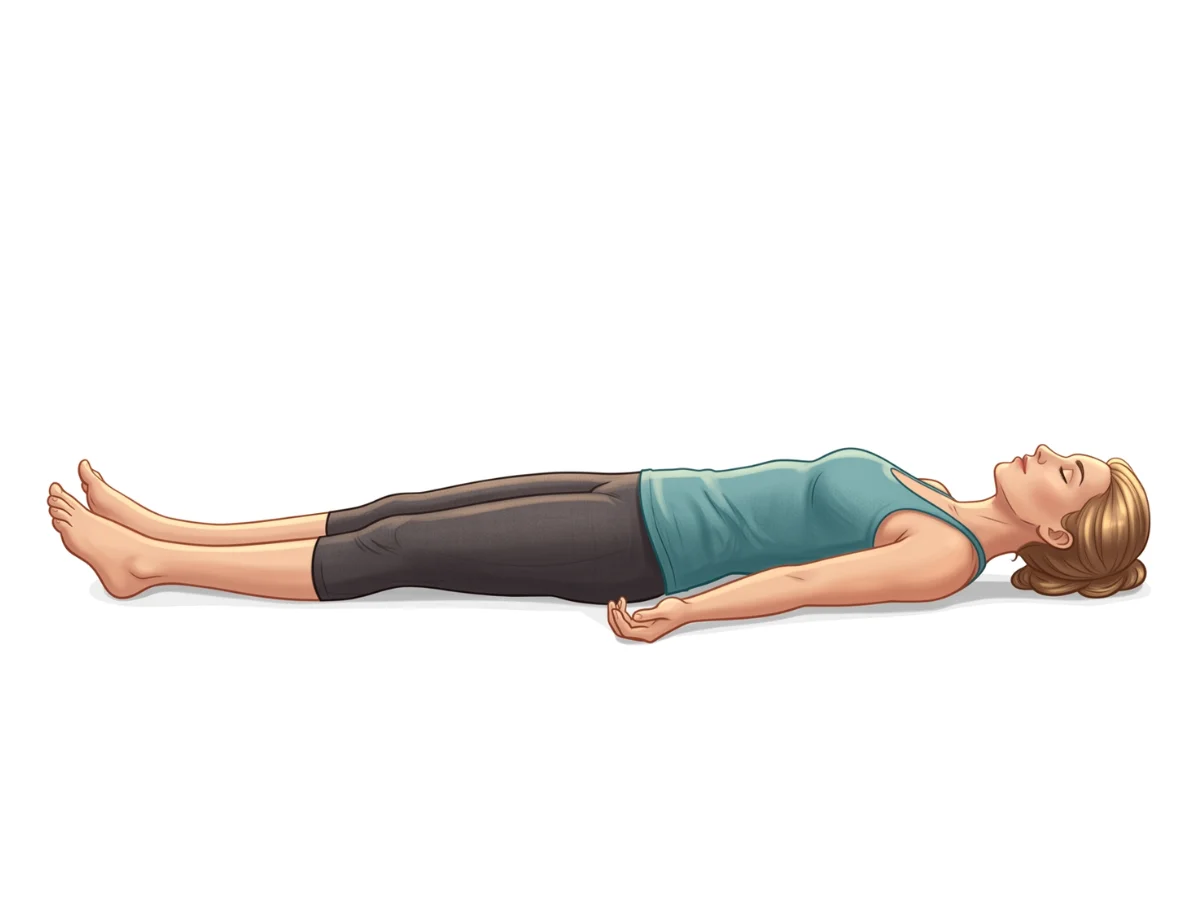
Corpse Pose
SavasanaThe starting posture that aligns the spine and centers the practitioner.
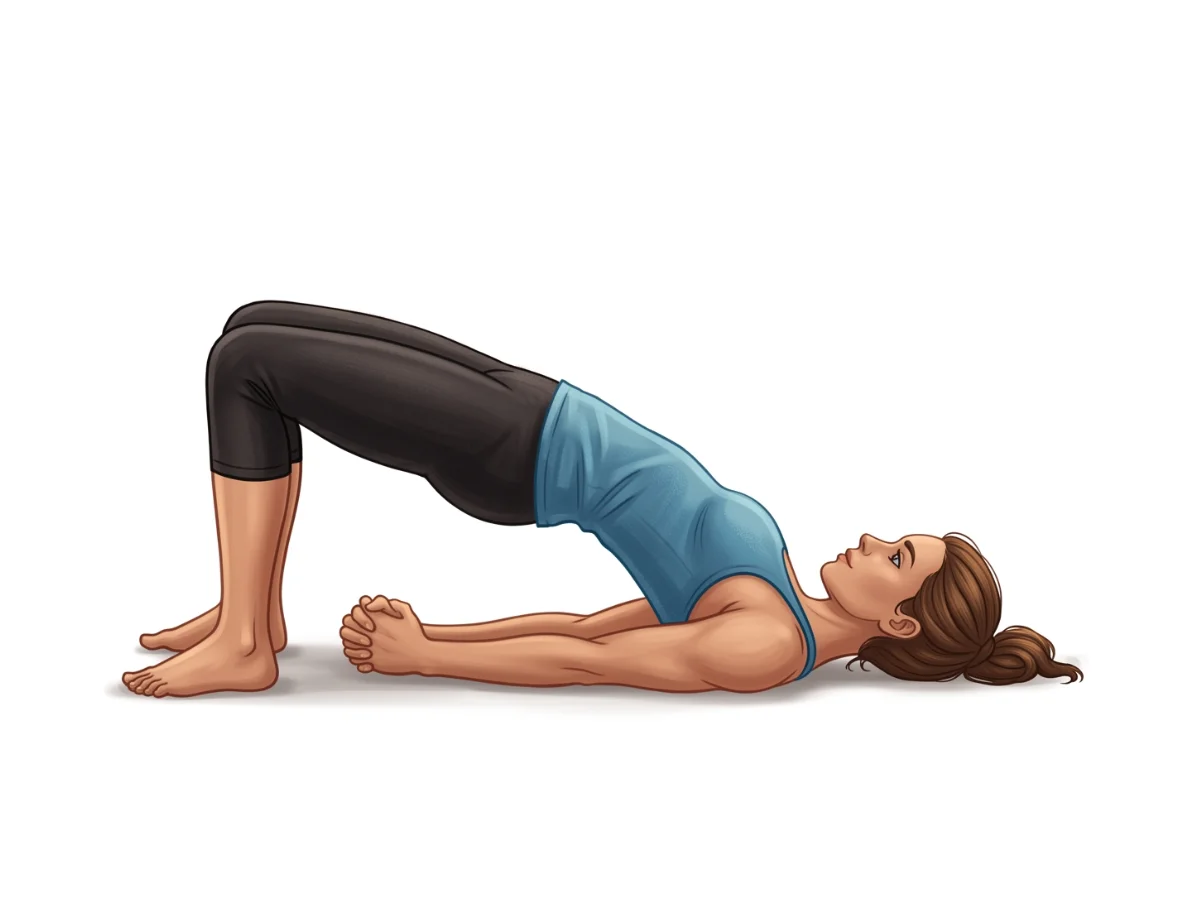
Bridge Pose
Setu BandhasanaWarms up the glutes and opens the hip flexors before stretching the hamstrings.
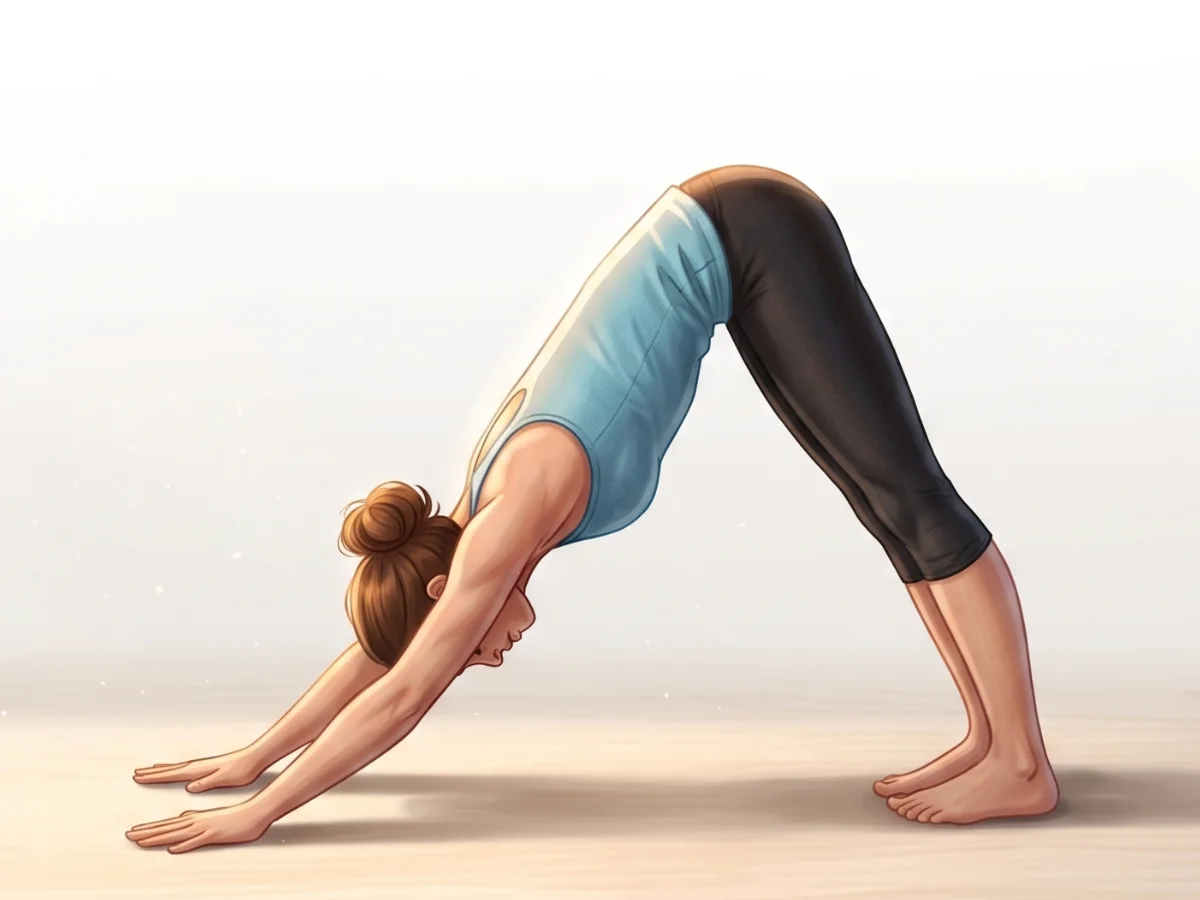
Downward-Facing Dog
Adho Mukha SvanasanaProvides an active, weight-bearing stretch to the entire back of the legs.
Follow with neutralizing Counter-poses
Corpse Pose
SavasanaAllows the hamstrings to rest and the nervous system to integrate the deep stretch.
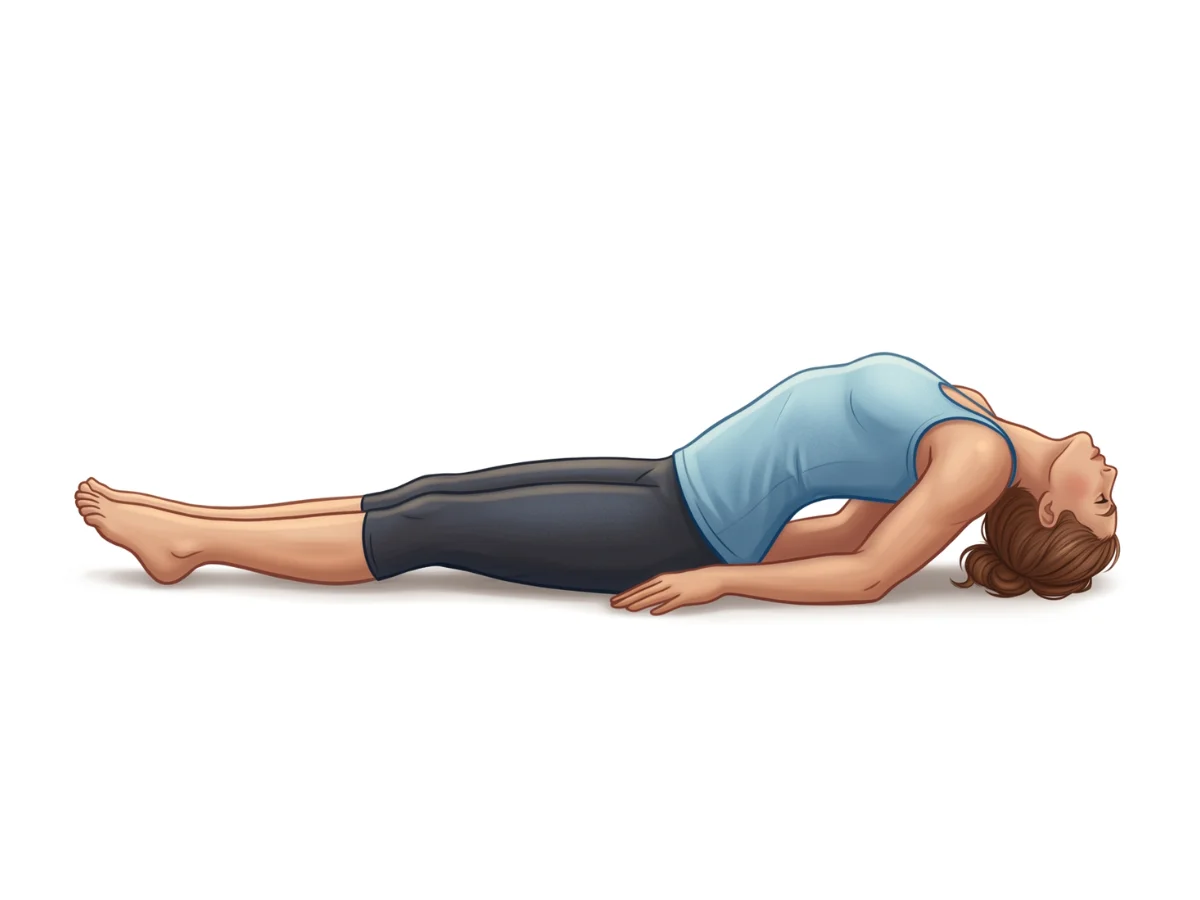
Fish Pose
MatsyasanaGently arches the spine, acting as a mild counter to the spinal flexion.
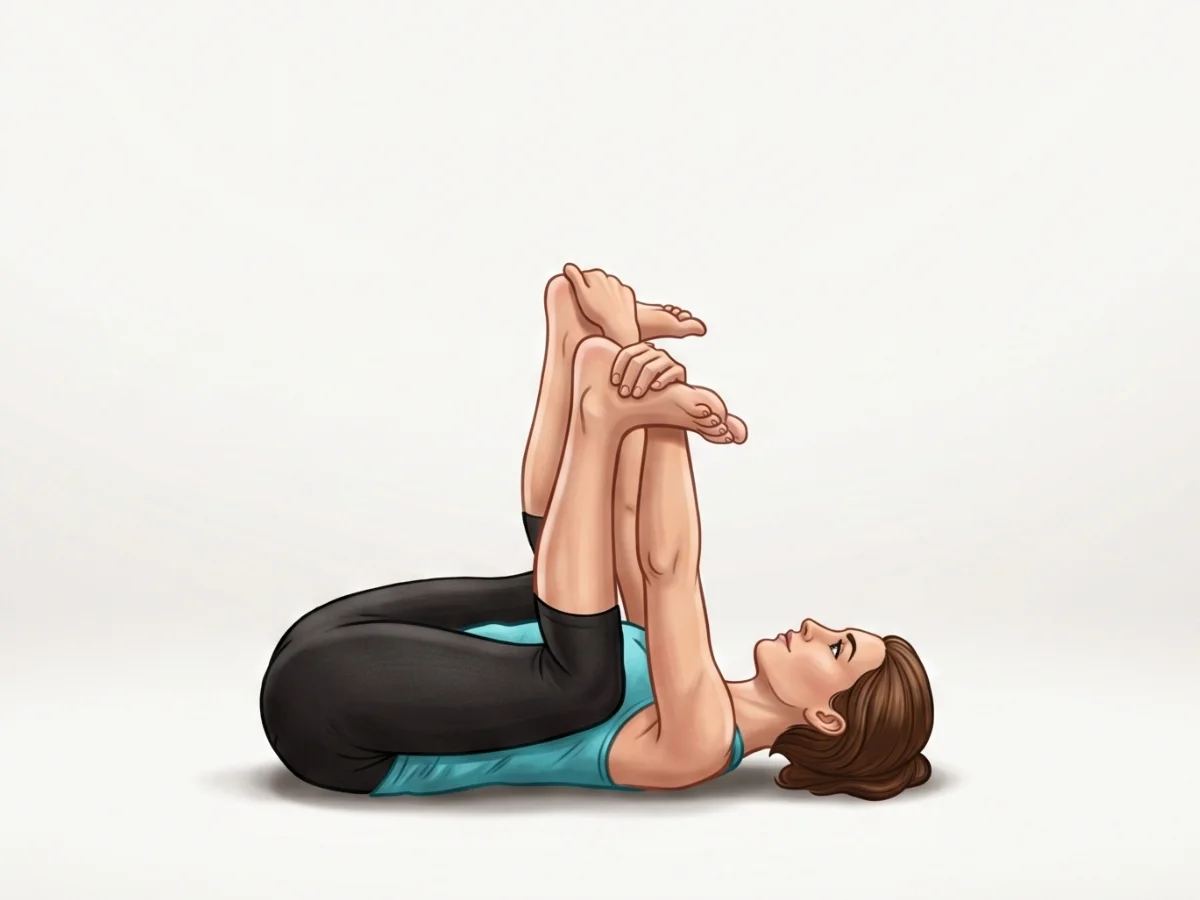
Happy Baby Pose
Ananda BalasanaOpens the hips and gently releases the lower back and glutes.
Frequently Asked Questions
My leg won�t straighten completely. Is that normal?
Yes, it is very common. If your hamstrings are tight, keep the knee slightly bent. Over time, as flexibility increases, the leg will naturally straighten.
Why does the back of my knee hurt?
Pain behind the knee means you are over-stretching the ligaments and tendons rather than the muscle belly. Always keep a micro-bend in the knee to protect the joint.
Is it better to hold the toe or use a strap?
For most people, a strap is better. Holding the toe often forces the shoulder off the mat and creates tension in the neck, which defeats the relaxing purpose of a supine stretch.

Elena Rostova is an accredited yoga educator and anatomy specialist with over 15 years of clinical experience. She focuses on functional biomechanics and injury prevention, translating complex anatomy into accessible guidance for safe, sustainable practice.
Read Full ProfileContinue Your Yoga Journey
Ready to deepen your practice? Explore our extensive library of poses, or join a structured program designed to build strength, flexibility, and mindfulness.