
Star Pose
Utthita Tadasana
By Elena Rostova Updated: verified Medically Reviewed
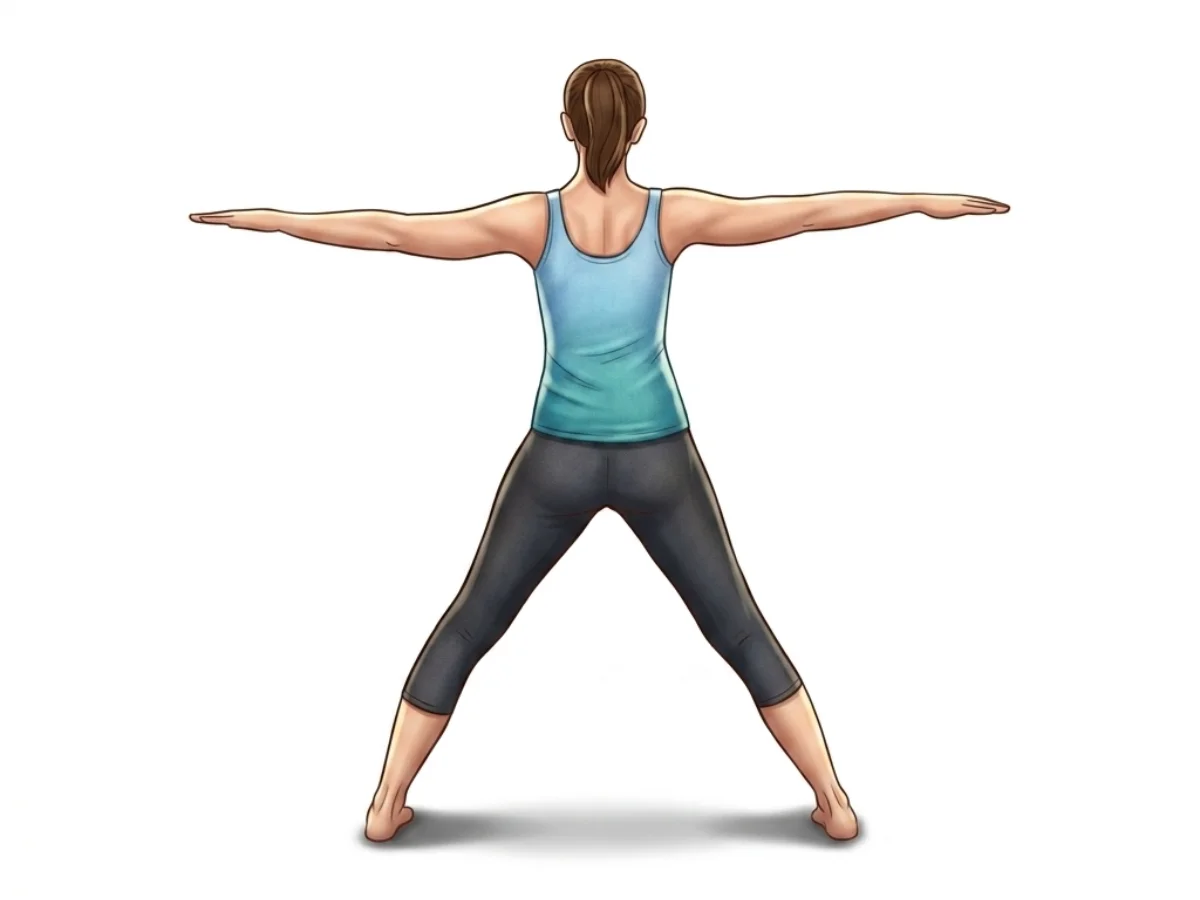
Star Pose (Utthita Tadasana), sometimes called Five-Pointed Star, is an expansive, foundational standing posture. By taking a wide stance and extending the arms outward, practitioners take up space, cultivate a sense of grounding, and create energetic extension through all five limbs (the head, arms, and legs).
Hold Time
30–60 sec · 5–10 breaths
Pronunciation
oo-TEE-tah tah-DAHS-anna
About Star Pose
Embodying the beauty found in nature, Star Pose (Utthita Tadasana) helps anchor the body while creating a wonderful sense of space. As you settle into the shape, it gently works the full body extension & grounding to increase your overall flexibility. Consistent practice will actively assist in improves posture and alignment, helping you feel lighter and more balanced off the mat.
How to Practice
Start in Mountain Pose
Begin standing tall in Mountain Pose (Tadasana) at the top or center of your mat.
Step Wide
Turn to face the long edge of your mat and step your feet wide apart, about 3 to 4 feet depending on your height.
Align the Feet
Point your toes straight forward so the outer edges of your feet are parallel to the short edges of the mat. Ground down evenly through all four corners of both feet.
Extend the Arms
Inhale deeply as you raise your arms out to the sides at shoulder height, parallel to the floor, with palms facing down or forward.
Engage the Legs
Draw your kneecaps up slightly to engage your quadriceps. Feel a firm, grounded connection from your hips down through your heels.
Lengthen the Spine
Tuck your tailbone slightly downward to lengthen your lower back, and lift the crown of your head upward toward the ceiling.
Broaden the Chest
Relax your shoulders down away from your ears and reach actively through your fingertips, feeling a stretch across your chest and upper back.
Hold and Breathe
Hold the posture for 5 to 10 breaths. Imagine energy expanding outward from your center into your hands, feet, and head with every inhale.
Release
To exit, exhale and lower your arms to your sides. Step or lightly hop your feet back together into Mountain Pose.
Practice with the Yoga Timer
Keep track of your hold time and breath count for this pose.
Beginner Modifications & Prop Options
Yoga is a personal journey. These modifications and prop options allow you to adapt the pose to your current level of balance and flexibility, ensuring a safe and supportive practice.
Hands on Hips
Place your hands on your hips if holding the arms up causes strain. You still gain the benefits of the wide stance and tall spine.
Tip: Focus on alignment rather than depth.
Adjust Stance Width
Bring your feet closer together to find a stance that feels stable and comfortable for your hip joints.
Tip: Focus on alignment rather than depth.
Seated Star
Practice the upper body portion while seated in a chair. Sit tall, plant your feet firmly, and extend your arms wide.
Tip: Focus on alignment rather than depth.
Benefits of Star Pose
Improves Posture and Alignment
Encourages a tall, straight spine and broad chest, counteracting the effects of slouching or sitting at a desk.
Strengthens the Legs
Engages the quadriceps, calves, and ankles when held with active muscle engagement.
Expands the Chest and Lungs
Reaching the arms wide opens the pectoral muscles and allows for deeper, fuller diaphragmatic breathing.
Cultivates Grounding and Confidence
Taking up space in this wide, expansive posture psychologically boosts confidence and reduces stress.
Excellent Transition Pose
Acts as a natural home base before moving into lunges, triangle poses, or wide-legged folds.
Common Mistakes to Avoid
Mistake: Locking the Knees
How to fix: Keep a micro-bend in the knees and focus on pulling the kneecaps up (engaging the quads) rather than pushing the knees back.
Mistake: Collapsing the Arches
How to fix: Press firmly into the pinky-toe edges of your feet while keeping the big toes grounded to lift the inner arches.
Mistake: Shrugging the Shoulders
How to fix: Actively draw your shoulder blades down your back and soften your neck.
Safety and Precautions
Severe Hip or Knee Injuries
The wide stance can strain recovering joints; modify by taking a narrower stance.
Shoulder Injuries
Keep hands on hips if extending the arms causes pain.
Medical Disclaimer: If you have any of the above conditions, consult your doctor or a qualified yoga instructor before attempting this pose.
Muscles Worked in Star Pose
Star Pose demands synchronized muscular effort, creating a profound sense of engagement and release throughout the body. The activation of the primary muscles supports the structure, while the secondary muscles provide stability and balance.
Primary Muscles
Quadriceps
Engage to lift the kneecaps and support the legs.
Deltoids
Lift and hold the arms parallel to the floor.
Erector Spinae
Maintain an upright, elongated spine.
Secondary Muscles
Core (Abdominals)
Provide stability and support for the lower back.
Gluteus Medius
Stabilize the pelvis in the wide stance.
Pectorals
Stretch gently as the arms reach wide.
Poses to Practice Before and After Star Pose
Prepare with these Poses
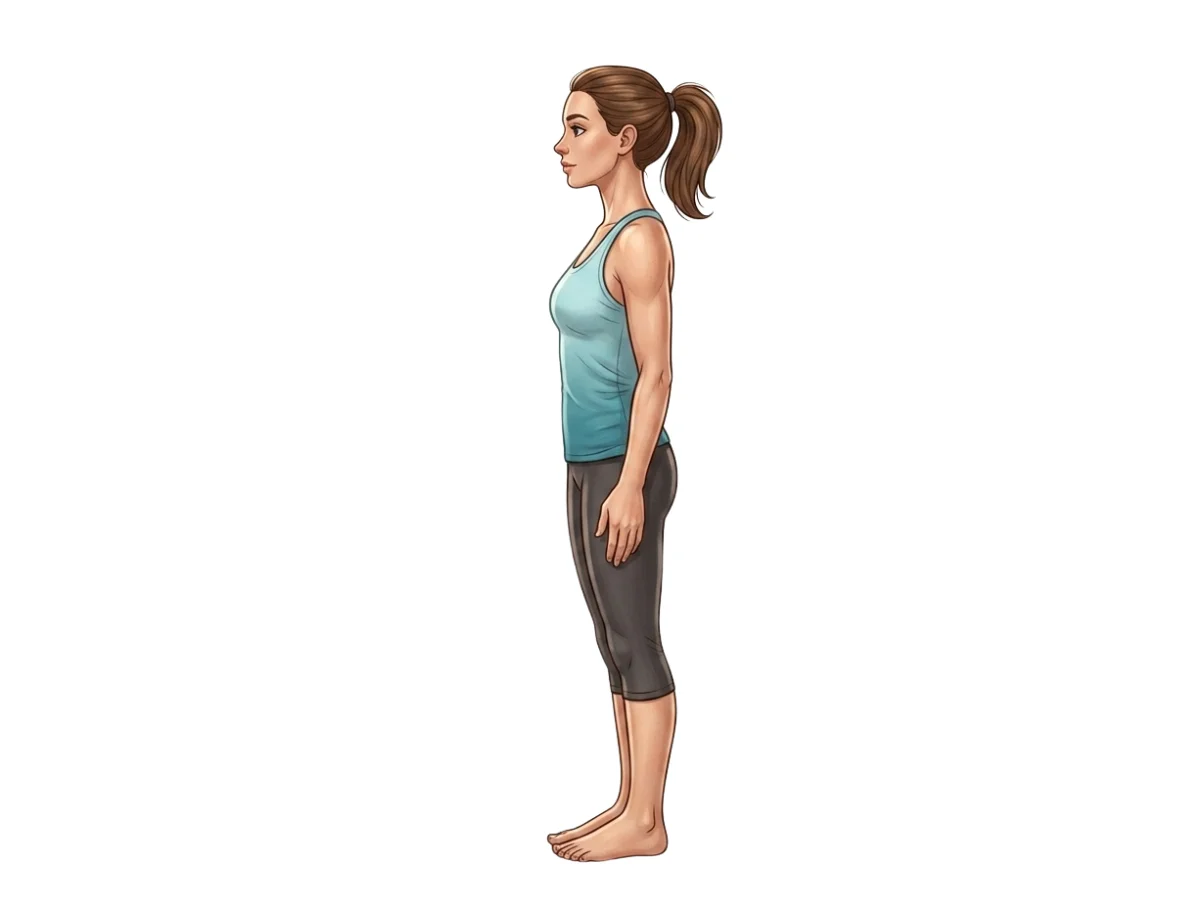
Mountain Pose
TadasanaEstablishes the foundation of spinal alignment and foot grounding.
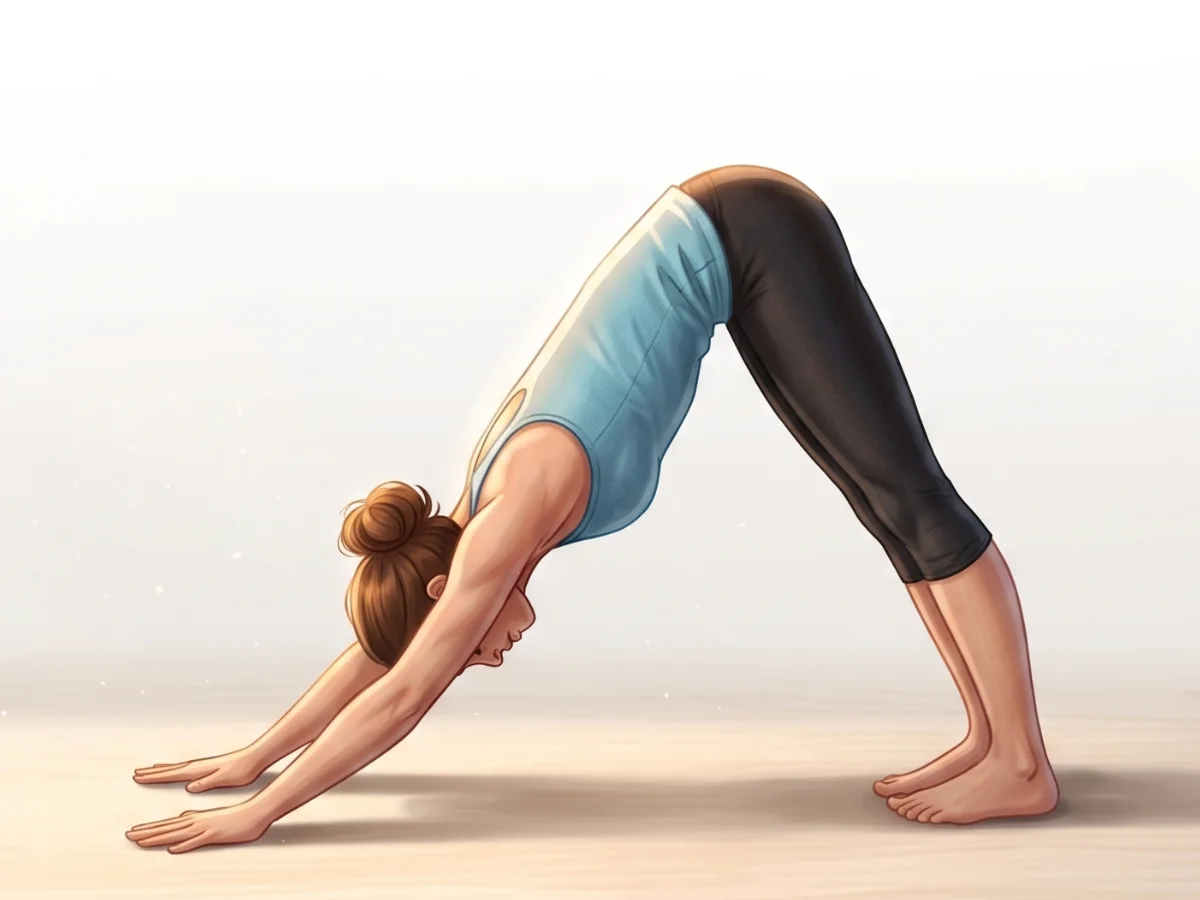
Downward-Facing Dog
Adho Mukha SvanasanaLengthens the spine and arms before taking a wide standing stance.
Follow with neutralizing Counter-poses
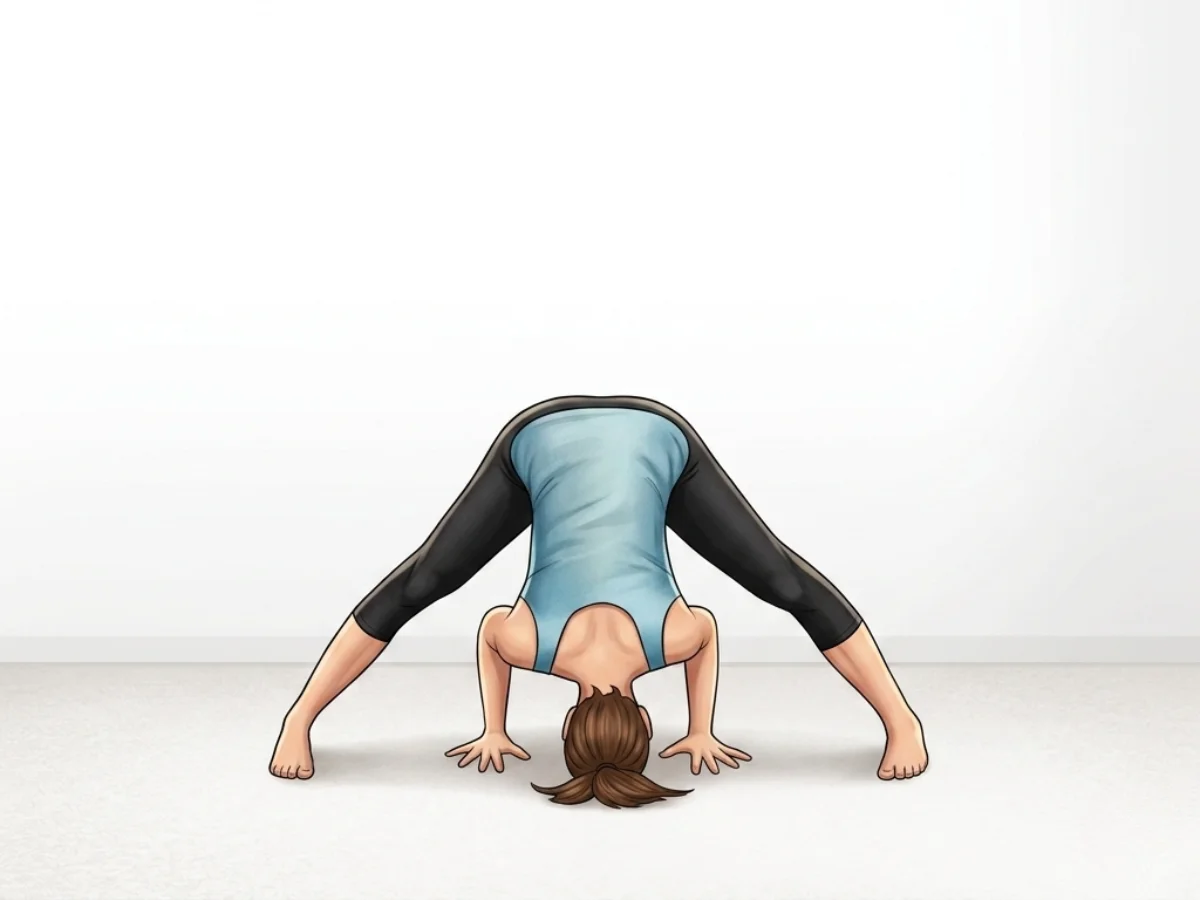
Wide-Legged Forward Bend
Prasarita PadottanasanaA natural forward fold from the Star Pose foundation.
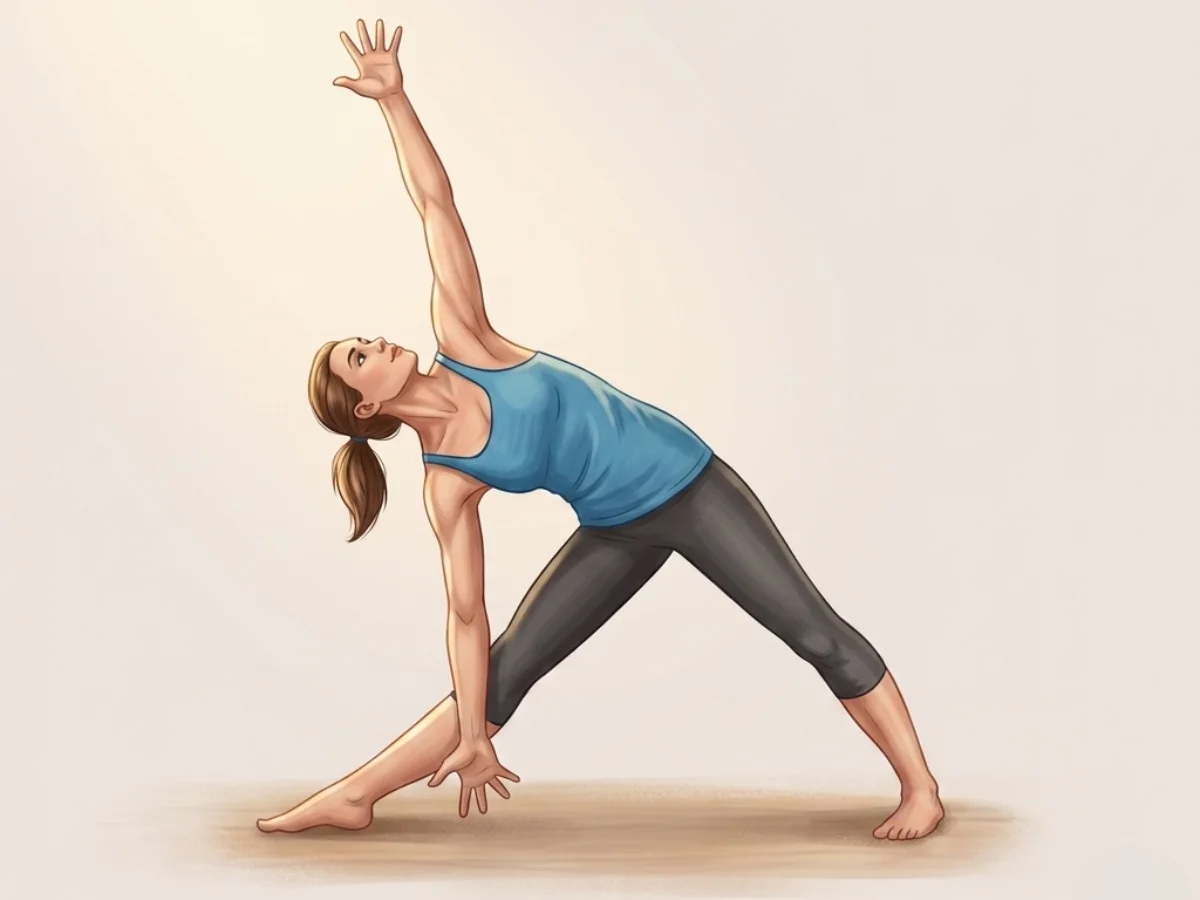
Triangle Pose
TrikonasanaFlows easily from Star Pose to stretch the side body.
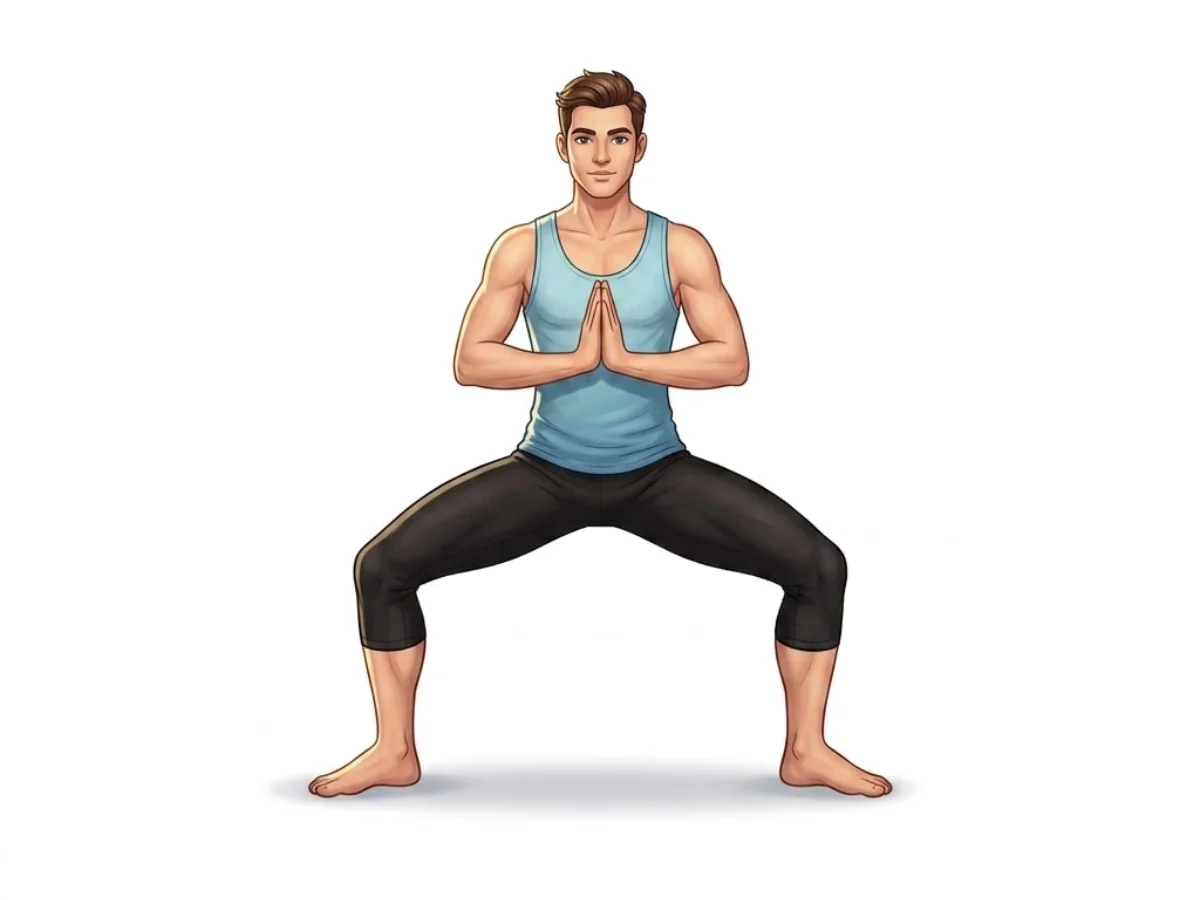
Goddess Pose
Utkata KonasanaA deep squat that follows well after establishing the wide stance.
Frequently Asked Questions
Is Star Pose a resting pose?
It can be. While it is an active pose requiring muscular engagement, its expansive, stable nature makes it a great place to pause, catch your breath, and reset during a vigorous standing sequence.
How wide should my feet be?
A general rule of thumb is to step your feet wide enough so that if you drop a plumb line straight down from your wrists, it would hit your ankles. Adjust for your own comfort.
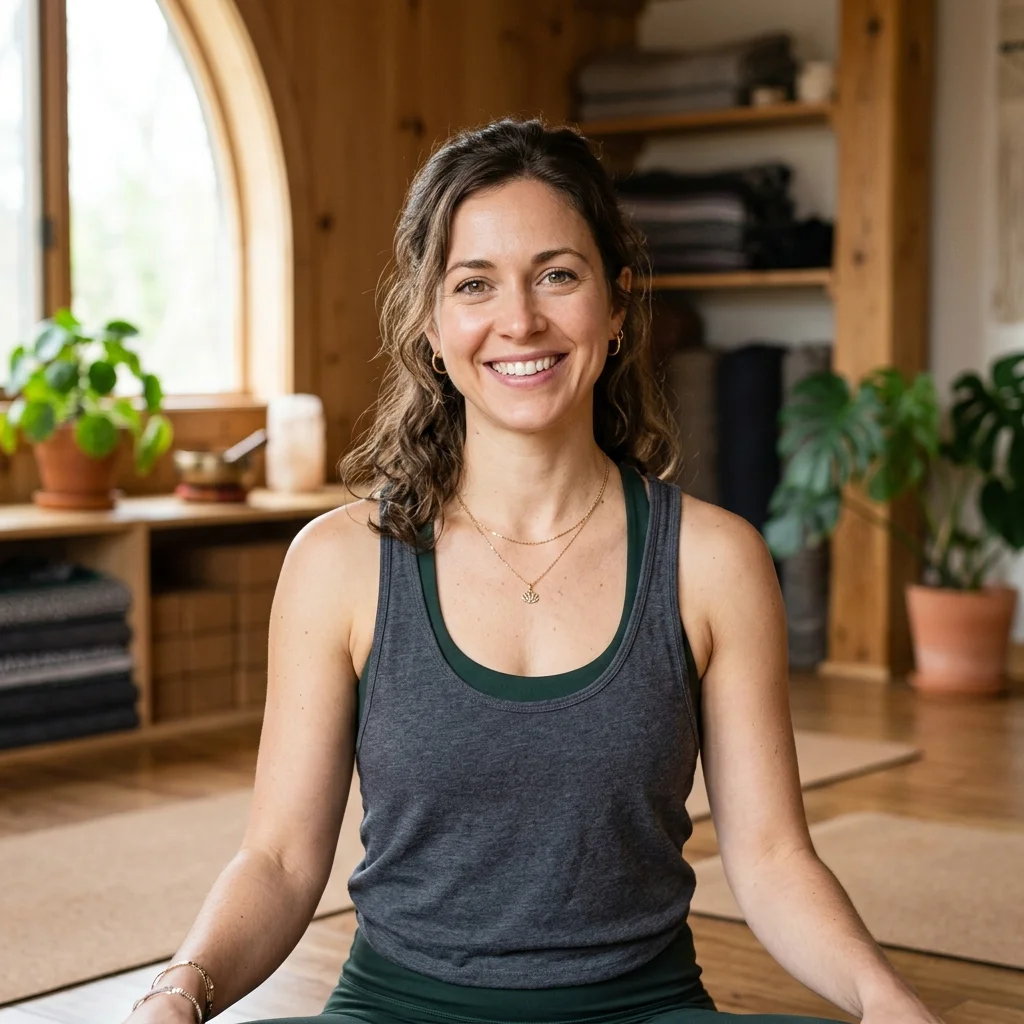
Elena Rostova is an accredited yoga educator and anatomy specialist with over 15 years of clinical experience. She focuses on functional biomechanics and injury prevention, translating complex anatomy into accessible guidance for safe, sustainable practice.
Read Full ProfileContinue Your Yoga Journey
Ready to deepen your practice? Explore our extensive library of poses, or join a structured program designed to build strength, flexibility, and mindfulness.