
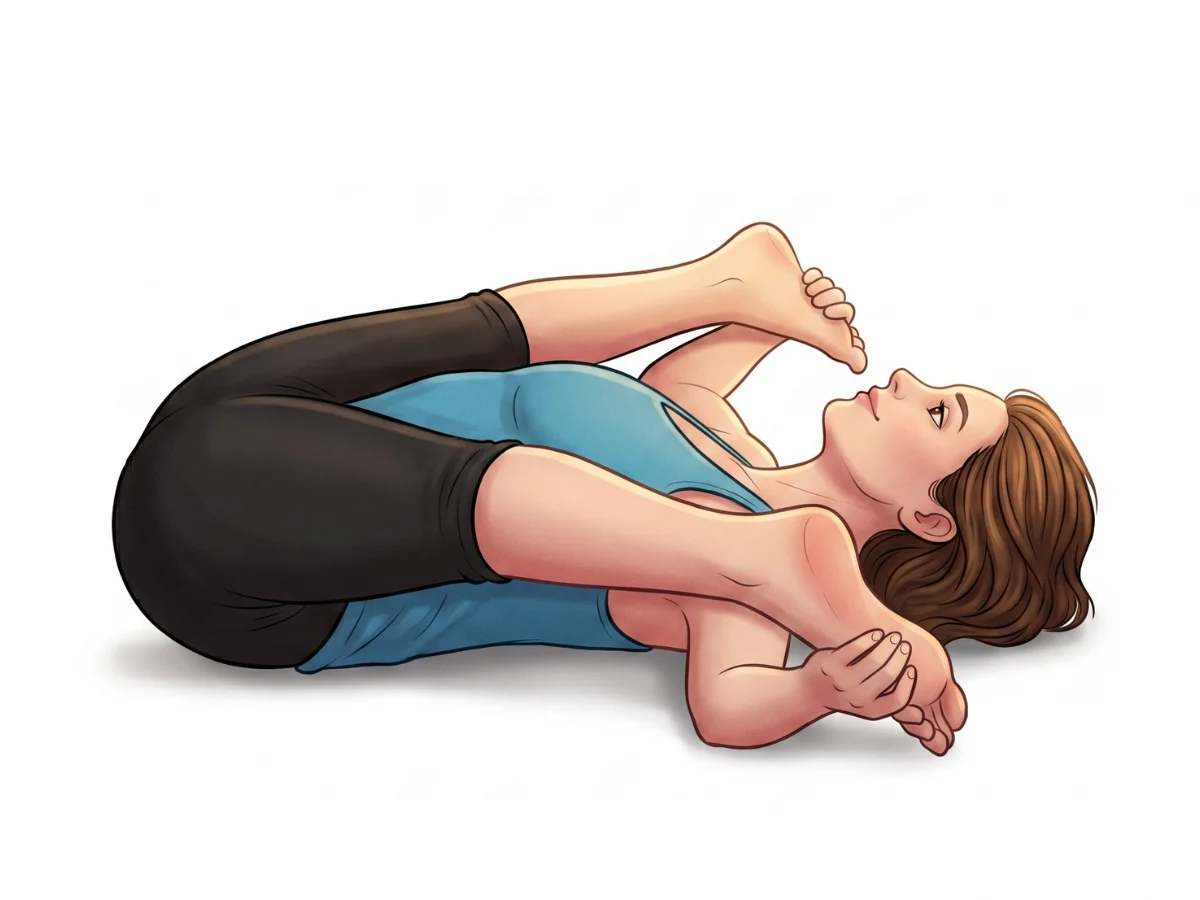
Supine Straddle
Supta Konasana
By Elena Rostova Updated: verified Medically Reviewed
Supine Straddle (Supta Konasana) is a reclined wide-angle posture that safely and effectively opens the groins and inner thighs. By utilizing gravity instead of muscular force, it allows for a deep release in the adductors while keeping the spine supported and neutral.
Hold Time
1–3 min · 10–30 breaths
Pronunciation
SOOP-tah ko-NAHS-anna
About Supine Straddle
Often praised by experienced instructors, Supine Straddle (Supta Konasana) acts as a powerful tool for finding balance and realignment. By gently focusing on inner thighs & hip opening, it actively stretches your muscles and builds heat. Practicing this pose regularly helps with deeply stretches inner thighs and leaves you feeling completely refreshed.
How to Practice
Start Supine
Lie flat on your back on your yoga mat, allowing your spine to settle into a neutral, grounded position.
Elevate the Legs
Inhale and lift both legs straight up toward the ceiling, creating a 90-degree angle with your torso (Waterfall alignment).
Open Wide
On an exhalation, slowly allow your legs to fall open into a wide "V" shape, opening as far as your inner thighs naturally permit.
Hand Placement
Rest your hands lightly on your inner thighs to encourage grounding, or place them gently on the outside of your thighs for support if the stretch is too intense.
Flex the Feet
Gently flex your feet (pulling toes toward your shins) to engage the leg muscles slightly and protect the knee joints.
Ground the Spine
Ensure your lower back and sacrum remain firmly anchored to the floor, avoiding any arching in the lumbar spine.
Hold and Breathe
Relax into the stretch for 1 to 3 minutes, using deep diaphragmatic breaths to signal the nervous system to let go of tension.
Safe Exit
To exit safely, place your hands on your outer thighs and physically assist your legs in closing back together, then bend your knees into your chest.
Practice with the Yoga Timer
Keep track of your hold time and breath count for this pose.
Beginner Modifications & Prop Options
Yoga is a personal journey. These modifications and prop options allow you to adapt the pose to your current level of balance and flexibility, ensuring a safe and supportive practice.
Blocks Under Thighs
Place yoga blocks or rolled blankets under your outer thighs/knees. This prevents the legs from opening too far and provides a supportive resting point.
Tip: Focus on alignment rather than depth.
Wall-Supported Straddle
Perform the pose with your hips against a wall. The wall bears the weight of your legs, making the stretch completely passive.
Tip: Focus on alignment rather than depth.
Bent Knees (Supine Butterfly)
If straight legs cause knee or hamstring strain, bend your knees and bring the soles of your feet together in Supta Baddha Konasana (Reclining Bound Angle).
Tip: Focus on alignment rather than depth.
Benefits of Supine Straddle
Deeply Stretches Inner Thighs
Provides a profound stretch for the adductor muscle group along the inner thighs, improving hip mobility.
Opens the Groin and Pelvis
Helps release chronic tension in the pelvic floor and groin area, often associated with prolonged sitting.
Supports a Neutral Spine
Because it is performed supine, it allows practitioners to stretch the hips intensely without compromising or straining the lower back.
Improves Circulation to the Pelvis
The wide opening encourages fresh blood flow to the reproductive organs and pelvic region.
Calms the Mind
Like many restorative floor poses, it facilitates a deep sense of grounding, slowing the breath and reducing stress.
Common Mistakes to Avoid
Mistake: Forcing the Legs Wider
How to fix: Do not press down aggressively on your inner thighs. Let gravity do the work to prevent tearing the delicate adductor muscles.
Mistake: Arching the Lower Back
How to fix: Keep your core slightly engaged and press your sacrum firmly into the floor to maintain a neutral spine.
Mistake: Locking the Knees
How to fix: Keep a tiny micro-bend in the knees and keep the feet flexed to protect the knee joint from hyperextension.
Safety and Precautions
Severe Groin Pulls or Adductor Tears
The deep wide-angle stretch can further damage healing muscle fibers in the inner thigh.
Sacroiliac (SI) Joint Pain
Wide symmetrical hip openers can exacerbate SI joint instability. Keep the legs much closer together.
Hip Replacements
Depending on the surgical approach, deep external rotation or abduction may be contraindicated. Consult a physician.
Medical Disclaimer: If you have any of the above conditions, consult your doctor or a qualified yoga instructor before attempting this pose.
Muscles Worked in Supine Straddle
Supine Straddle demands synchronized muscular effort, creating a profound sense of engagement and release throughout the body. The activation of the primary muscles supports the structure, while the secondary muscles provide stability and balance.
Primary Muscles
Adductors (Inner Thighs)
Passively lengthen as the legs open wide.
Gracilis
Stretches deeply along the medial thigh.
Secondary Muscles
Hamstrings
Stretch as the legs are held in a straight position.
Core (Abdominals)
Stabilize the pelvis and keep the lower back grounded.
Poses to Practice Before and After Supine Straddle
Prepare with these Poses
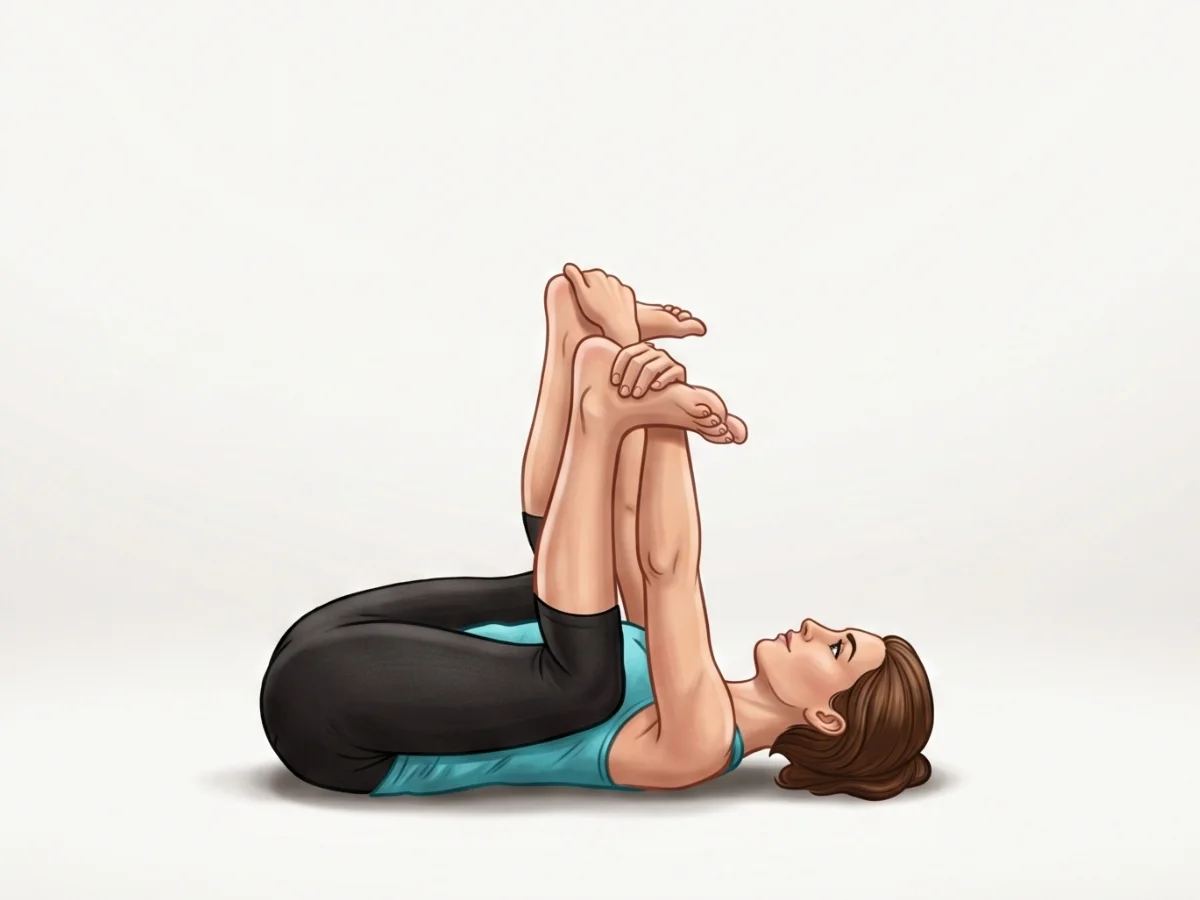
Happy Baby Pose
Ananda BalasanaPrepares the inner groins and hips for a wider opening.
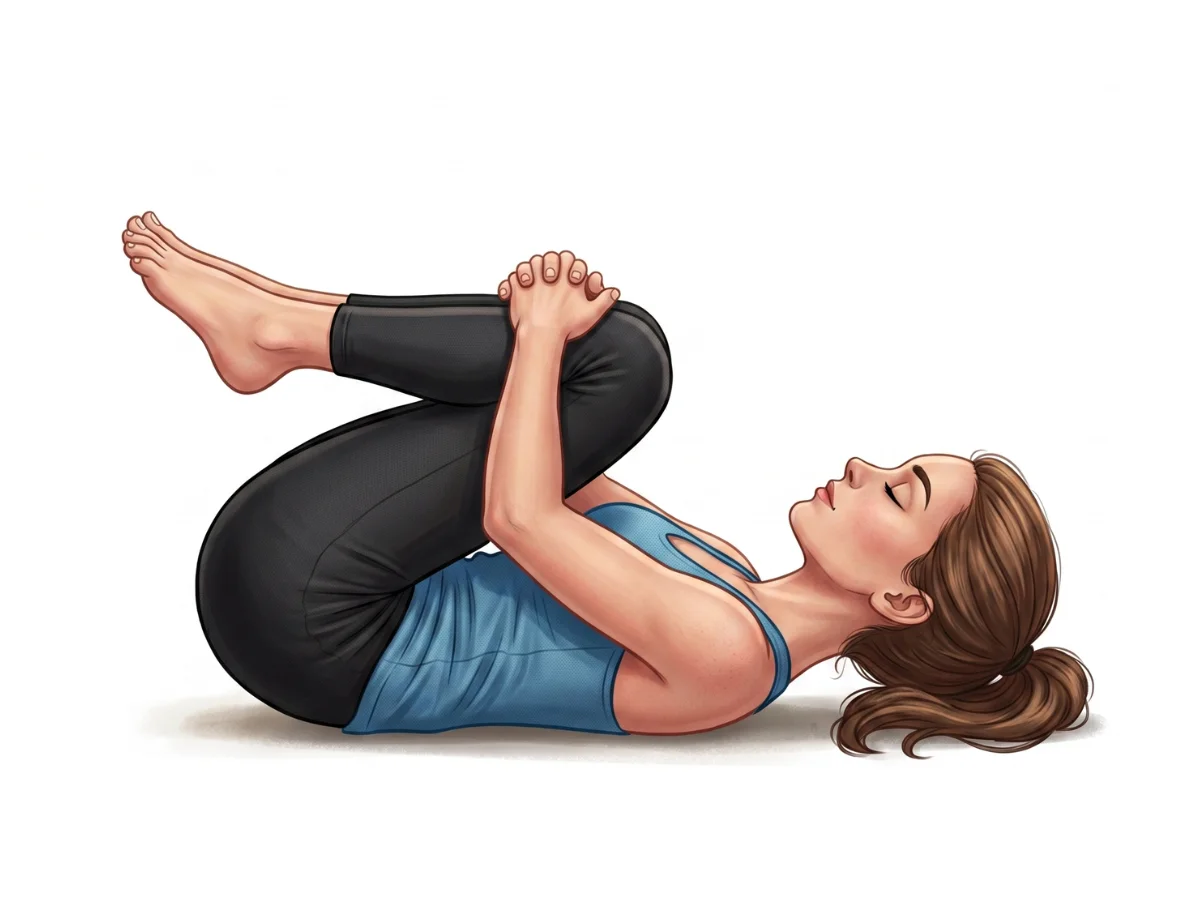
Wind Removing Pose
PavanamuktasanaReleases the lower back, ensuring it stays comfortable when flat on the mat.
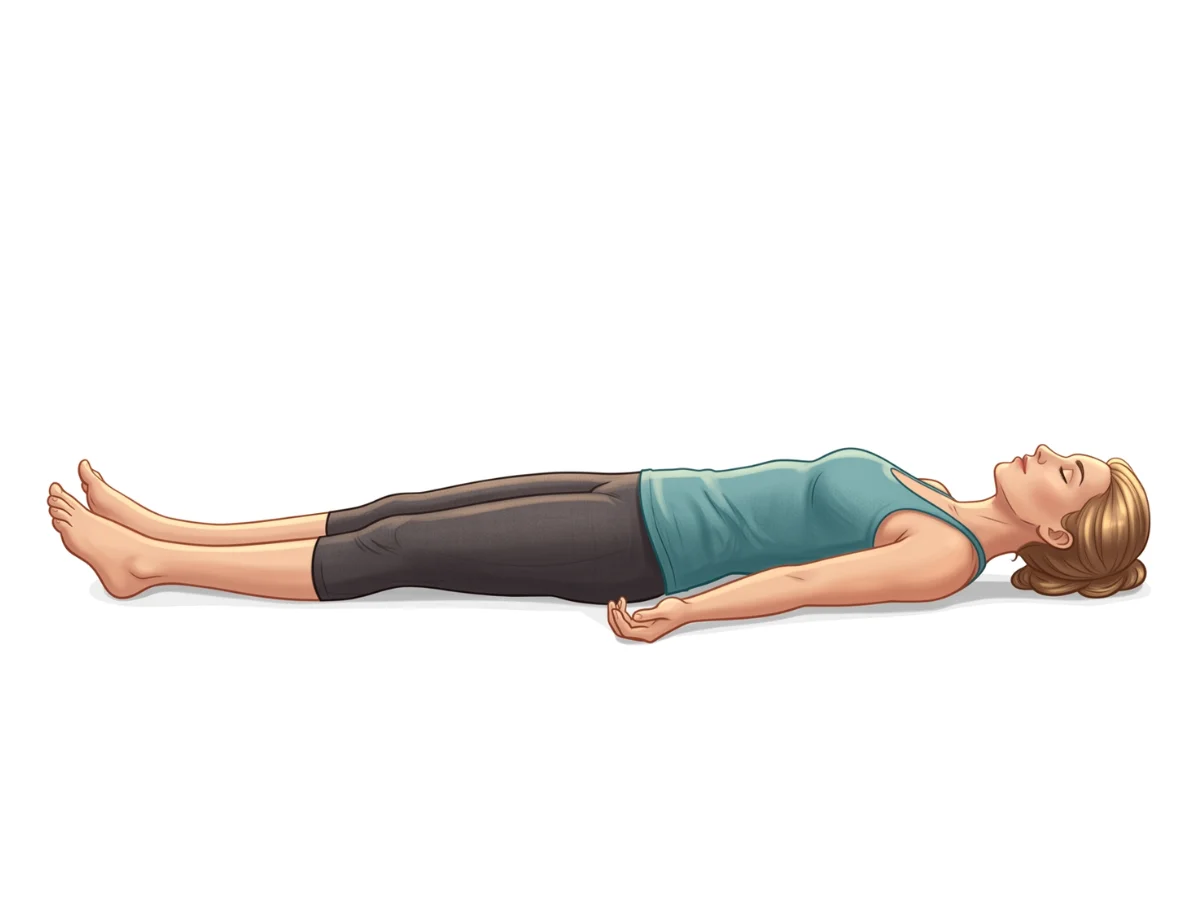
Corpse Pose
SavasanaEstablishes proper spinal alignment and deep breathing.
Follow with neutralizing Counter-poses
Happy Baby Pose
Ananda BalasanaNeutralizes the hips with a bent-knee stretch after the straight-leg hold.
Corpse Pose
SavasanaAllows the intense inner thigh sensation to dissipate fully.
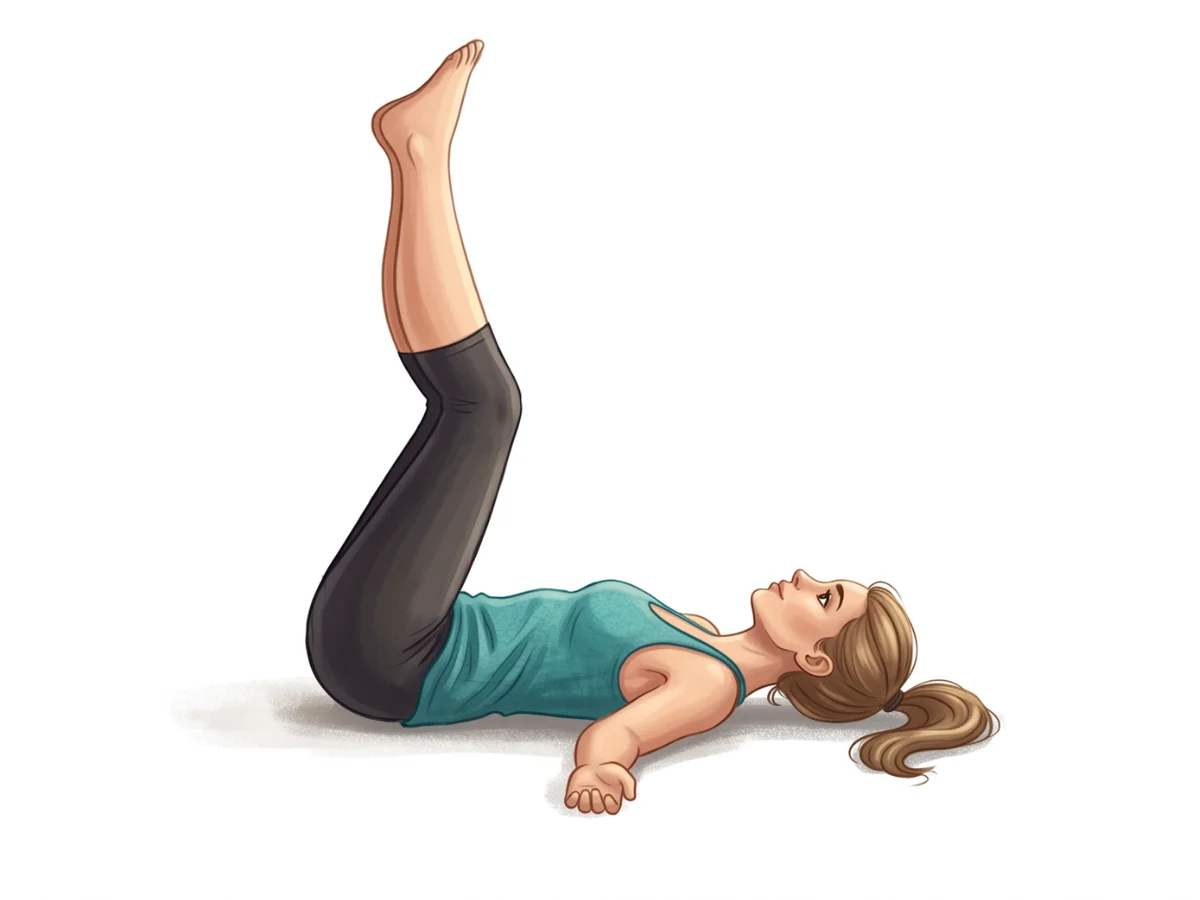
Waterfall
Viparita KaraniBrings the legs together and elevated, encouraging venous return.
Frequently Asked Questions
Is it better to do this pose with straight or bent legs?
Straight legs target the adductors and hamstrings intensely. If you experience knee pain or excessive tightness, bend the knees. Both are highly beneficial.
Why do my inner thighs shake in this pose?
Shaking is a sign of neuromuscular fatigue or deep tension release. If the shaking is violent or painful, use your hands to bring your legs slightly closer together.
How can I safely exit the pose?
Never rely solely on your inner thigh muscles to pull heavy legs back together. Always use your hands on your outer thighs to push your legs back to center.
Elena Rostova is an accredited yoga educator and anatomy specialist with over 15 years of clinical experience. She focuses on functional biomechanics and injury prevention, translating complex anatomy into accessible guidance for safe, sustainable practice.
Read Full ProfileContinue Your Yoga Journey
Ready to deepen your practice? Explore our extensive library of poses, or join a structured program designed to build strength, flexibility, and mindfulness.