
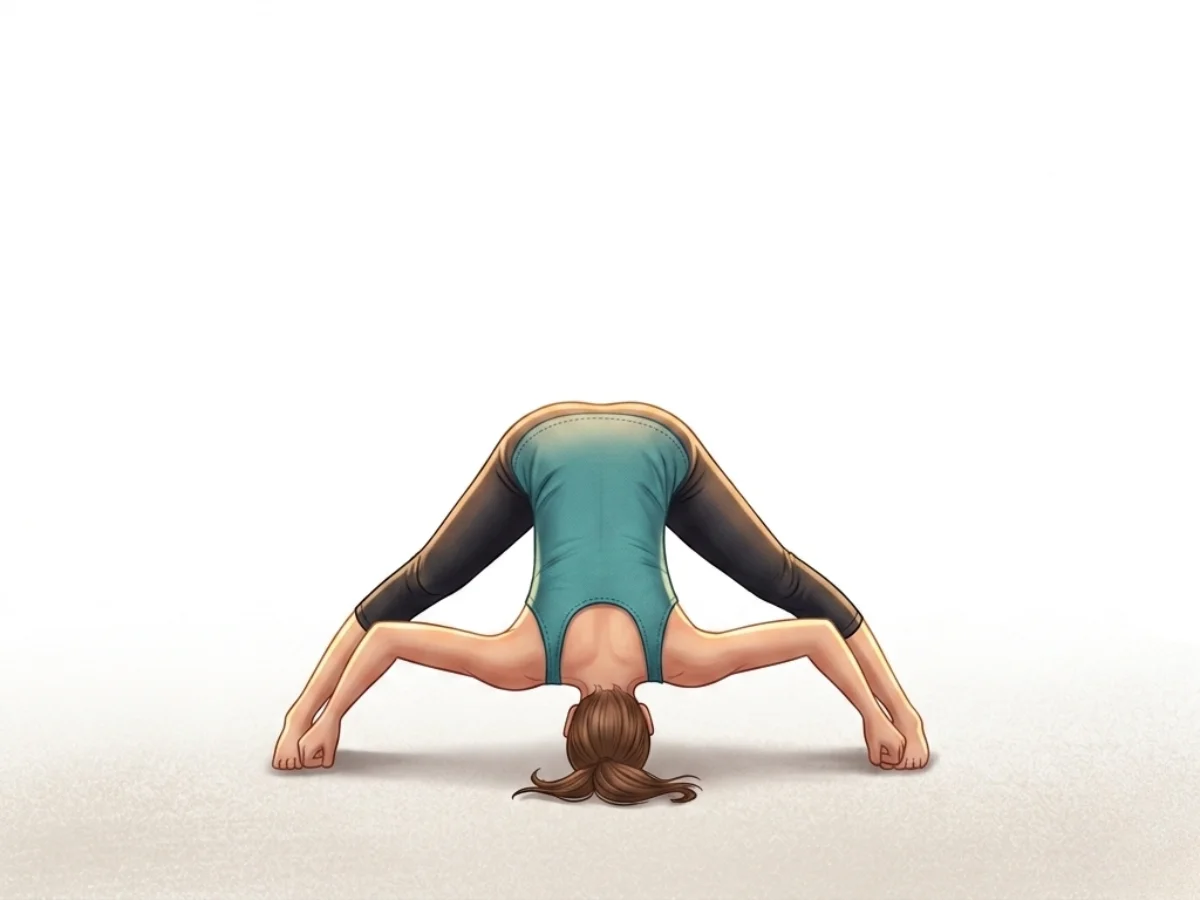
Wide Legged Forward Bend IV
Prasarita Padottanasana D
By Elena Rostova Updated: verified Medically Reviewed
Wide Legged Forward Bend IV (Prasarita Padottanasana D) is the deepest of the four classic variations. By securely gripping the big toes with the first two fingers (the "yogi toe lock"), practitioners can use the strength of their biceps and upper back to actively draw the torso deeper between the legs.
Hold Time
30–60 sec · 5–10 breaths
Pronunciation
prah-sah-REE-tah pah-doh-tahn-AHS-anna dee
About Wide Legged Forward Bend IV
Often praised by experienced instructors, Wide Legged Forward Bend IV (Prasarita Padottanasana D) acts as a powerful tool for finding balance and realignment. By gently focusing on deep hamstring stretch & arm traction, it actively stretches your muscles and builds heat. Consistent practice will actively assist in deepest hamstring stretch, helping you feel lighter and more balanced off the mat.
How to Practice
Set Your Base
Stand facing the long side of your mat. Step your feet about 3 to 4 feet apart, ensuring the outer edges of your feet are parallel or slightly pigeon-toed.
Engage and Lift
Place your hands on your hips. Inhale as you lift your chest, lengthen your spine, and actively draw your kneecaps upward to engage the quadriceps.
Hinge from Hips
Exhale slowly and hinge forward from your hip creases, keeping your spine completely flat. Descend until your torso is roughly parallel to the floor.
Grip the Toes
Reach down and wrap your index and middle fingers around your big toes, securing the grip with your thumbs (the yogi toe lock).
Lift Halfway
Inhale and perform a partial lift. Straighten your arms, lift your chest, look slightly forward, and flatten your back to create maximum spinal length.
Fold and Pull
Exhale to fold deeply. Bend your elbows straight out to the sides or slightly back. Use the strength of your arms to gently pull your torso closer to your thighs.
Shoulder Alignment
Actively draw your shoulders away from your ears and toward your hips to keep the neck long and tension-free.
Hold and Breathe
Hold for 5 to 10 deep breaths. With every inhale, imagine your spine lengthening; with every exhale, gently pull to deepen the forward fold.
Release and Lengthen
To exit, inhale as you straighten your arms for another partial lift, releasing the deep pull while maintaining your grip on the toes.
Rise Up
Exhale to release the toes and bring your hands to your hips. Inhale deeply, engage your core, and rise up to standing with a flat back.
Practice with the Yoga Timer
Keep track of your hold time and breath count for this pose.
Beginner Modifications & Prop Options
Yoga is a personal journey. These modifications and prop options allow you to adapt the pose to your current level of balance and flexibility, ensuring a safe and supportive practice.
Hold the Ankles or Calves
Slide hands up to hold your ankles or shins if reaching big toes causes upper back hunching. Pull gently from this higher grip.
Tip: Focus on alignment rather than depth.
Bend the Knees
Keep a generous bend in your knees so you can reach your toes while keeping the spine long and protecting the lower back.
Tip: Focus on alignment rather than depth.
Use a Wall for Balance
Practice with your back an inch away from a wall. It will catch you if hips shift too far backward, teaching centered weight distribution.
Tip: Focus on alignment rather than depth.
Benefits of Wide Legged Forward Bend IV
Deepest Hamstring Stretch
The active pull of the arms allows you to move deeper into the fold, maximizing the stretch on the hamstrings and calves.
Lengthens the Entire Spine
The traction created by gripping the toes helps decompress the vertebrae, creating space throughout the lumbar and thoracic spine.
Strengthens Upper Back and Biceps
Using the arms to pull the torso down actively engages the biceps, rhomboids, and latissimus dorsi.
Stimulates Digestion
The deep forward compression gently massages the abdominal organs, aiding in digestion and detoxification.
Cultivates Deep Focus
The physical intensity and containment of the "lock" require deep concentration, drawing the mind inward and calming the nervous system.
Common Mistakes to Avoid
Mistake: Shrugging Shoulders to Ears
How to fix: Actively pull your shoulders down your back, away from your ears, to keep the neck long and relaxed.
Mistake: Rounding the Lower Back
How to fix: Prioritize a straight spine over reaching the toes. Hold your shins instead if needed.
Mistake: Pulling Too Aggressively
How to fix: Use the arm pull gently, moving deeper only on the exhales and backing off if you feel sharp pain.
Safety and Precautions
Severe Hamstring Injuries
The active pulling in this variation can severely worsen a torn or strained hamstring.
Herniated Discs
The deep flexion of the spine, especially when combined with a pull, can aggravate disc issues. Practice variation I with blocks instead.
Glaucoma or High Blood Pressure
The head is significantly below the heart for an extended period, which increases internal pressure.
Wrist or Finger Injuries
The yogi toe lock requires strong fingers and wrists; if injured, place palms flat on the floor or hold the calves instead.
Medical Disclaimer: If you have any of the above conditions, consult your doctor or a qualified yoga instructor before attempting this pose.
Muscles Worked in Wide Legged Forward Bend IV
Wide Legged Forward Bend IV demands synchronized muscular effort, creating a profound sense of engagement and release throughout the body. The activation of the primary muscles supports the structure, while the secondary muscles provide stability and balance.
Primary Muscles
Hamstrings
Undergo maximal stretch to allow the deep forward fold.
Biceps Brachii
Contract to pull the torso down toward the legs.
Erector Spinae
Lengthens passively while being supported by the arm traction.
Secondary Muscles
Latissimus Dorsi
Engage to draw the shoulders down and elbows out.
Quadriceps
Contract to keep the legs straight and protect the hamstrings.
Adductors
Stretch deeply along the inner thighs due to the wide stance.
Poses to Practice Before and After Wide Legged Forward Bend IV
Prepare with these Poses
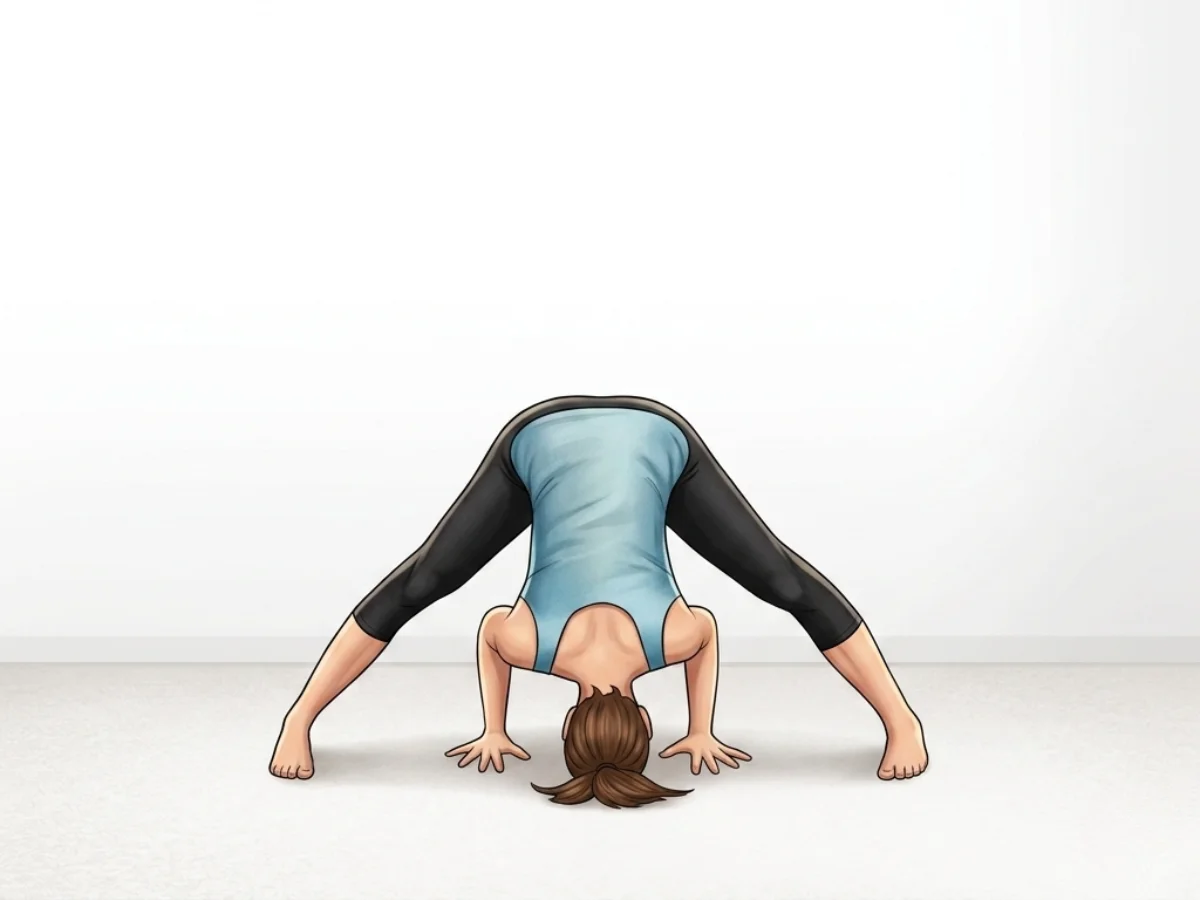
Wide Legged Forward Bend I
Prasarita Padottanasana AA great warm-up to open the hamstrings before adding the intensity of the toe lock.
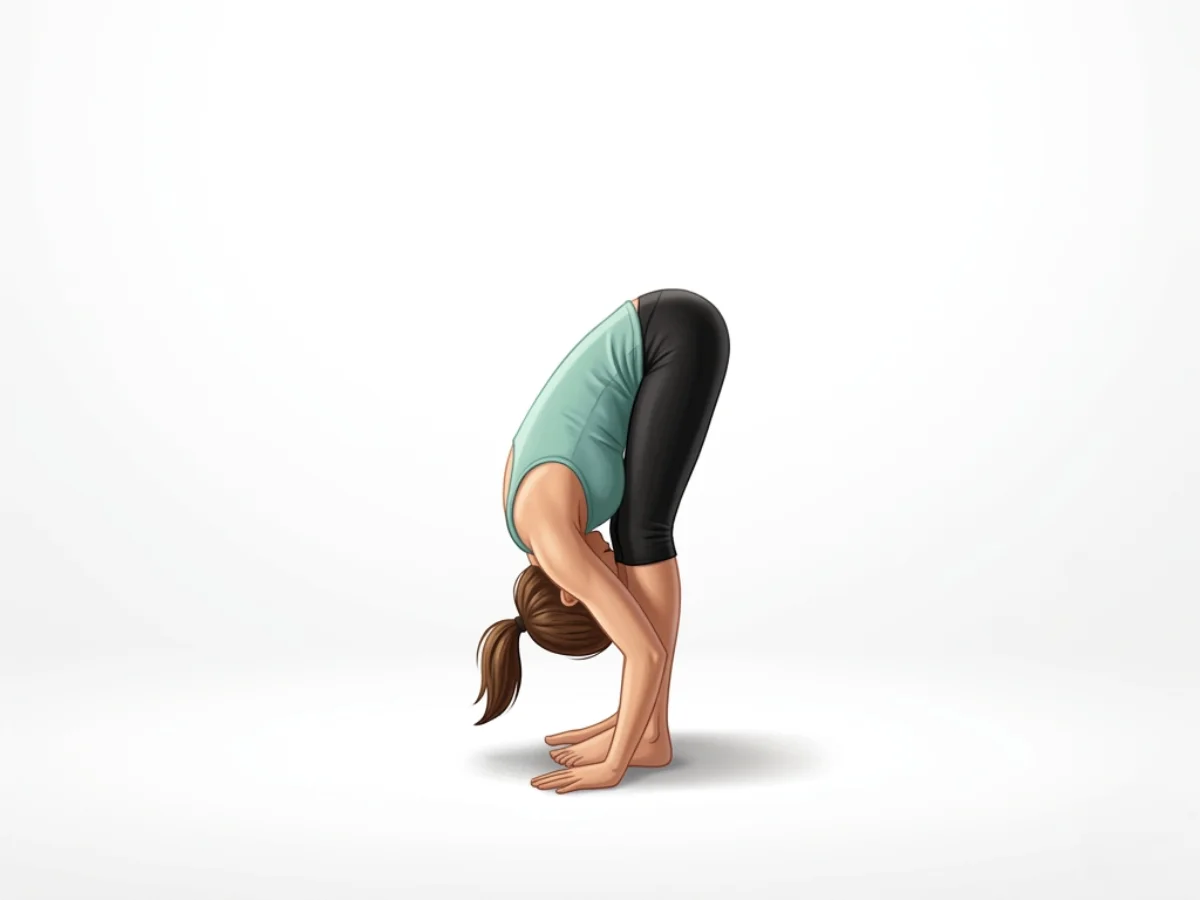
Standing Forward Bend
UttanasanaPractice gripping the big toes in this narrower stance (Padangusthasana variation) first.
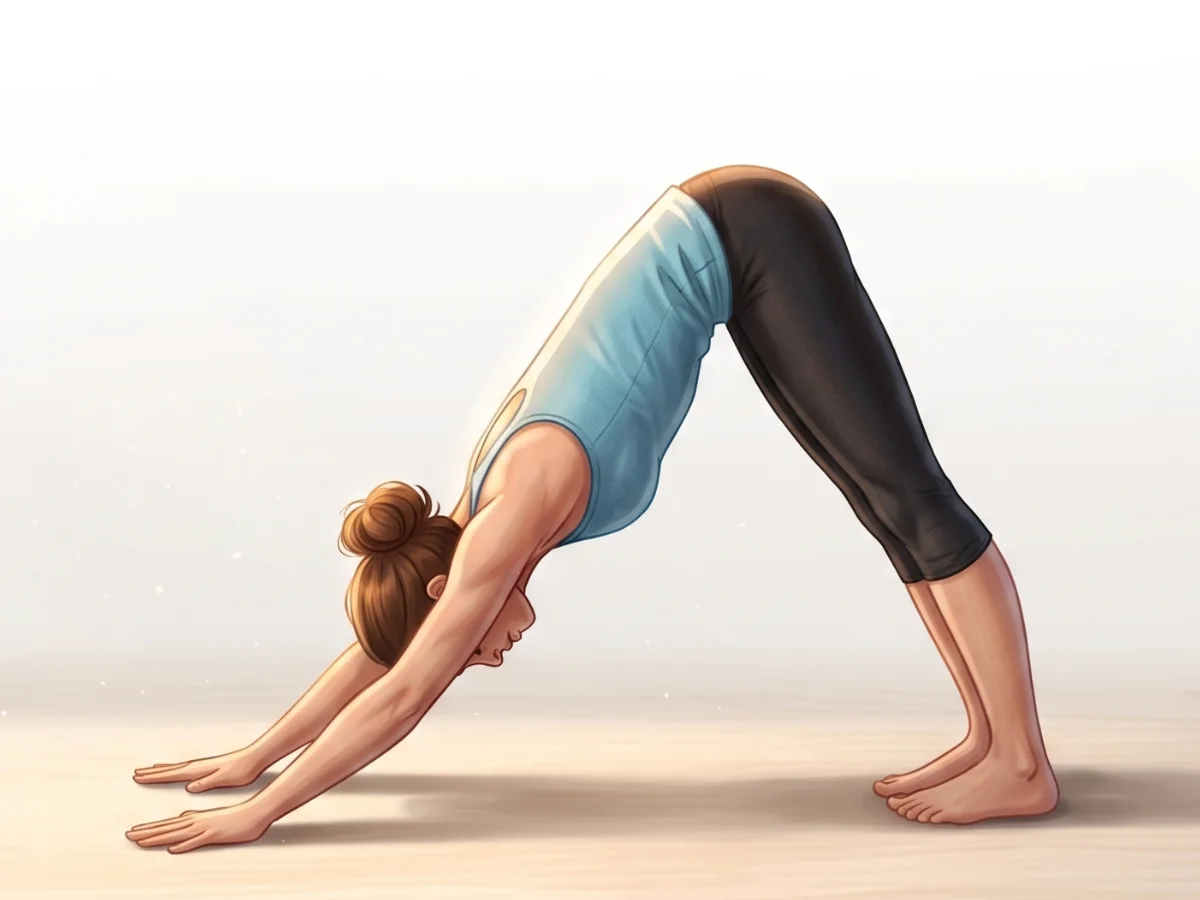
Downward-Facing Dog
Adho Mukha SvanasanaWarms up the calves, hamstrings, and the upper back muscles needed for pulling.
Follow with neutralizing Counter-poses
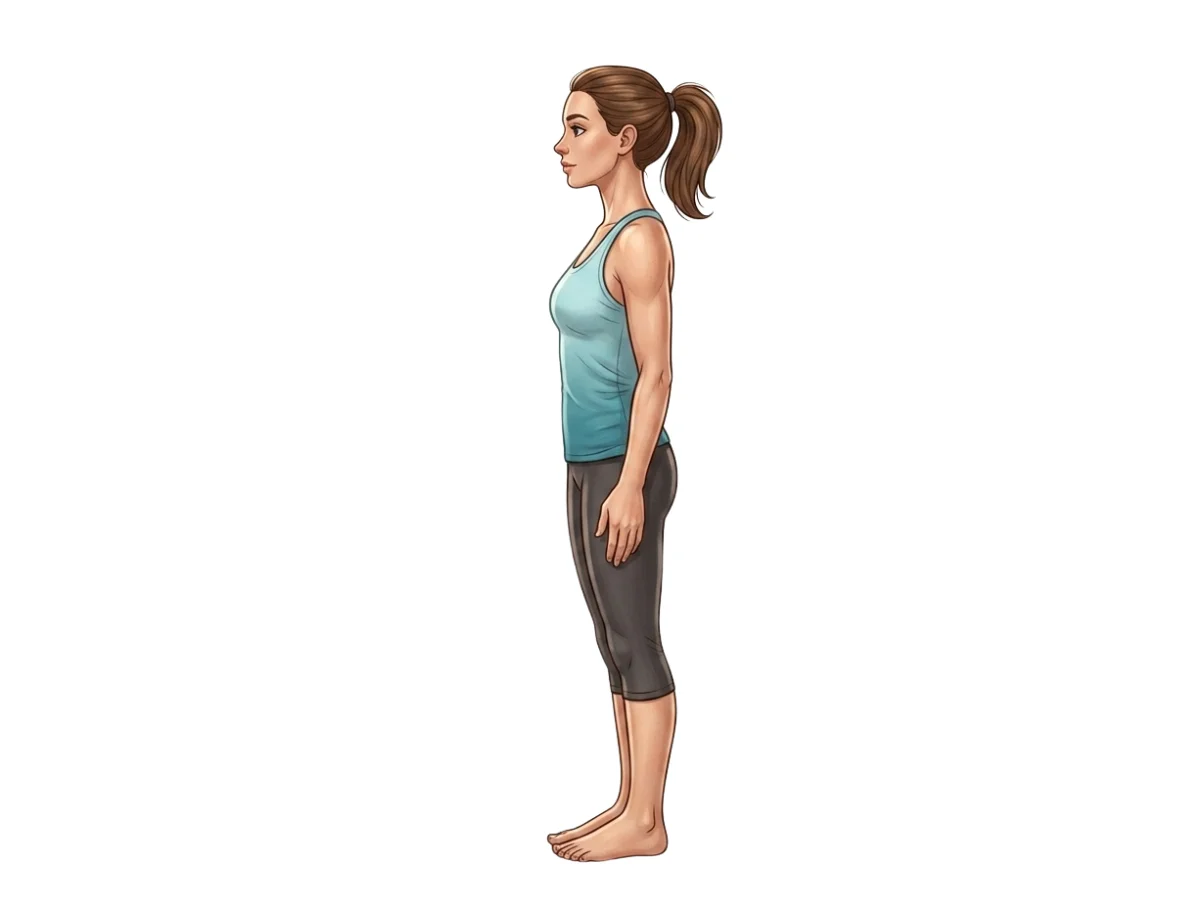
Mountain Pose
TadasanaRe-establishes a neutral spine and allows blood pressure to normalize safely.
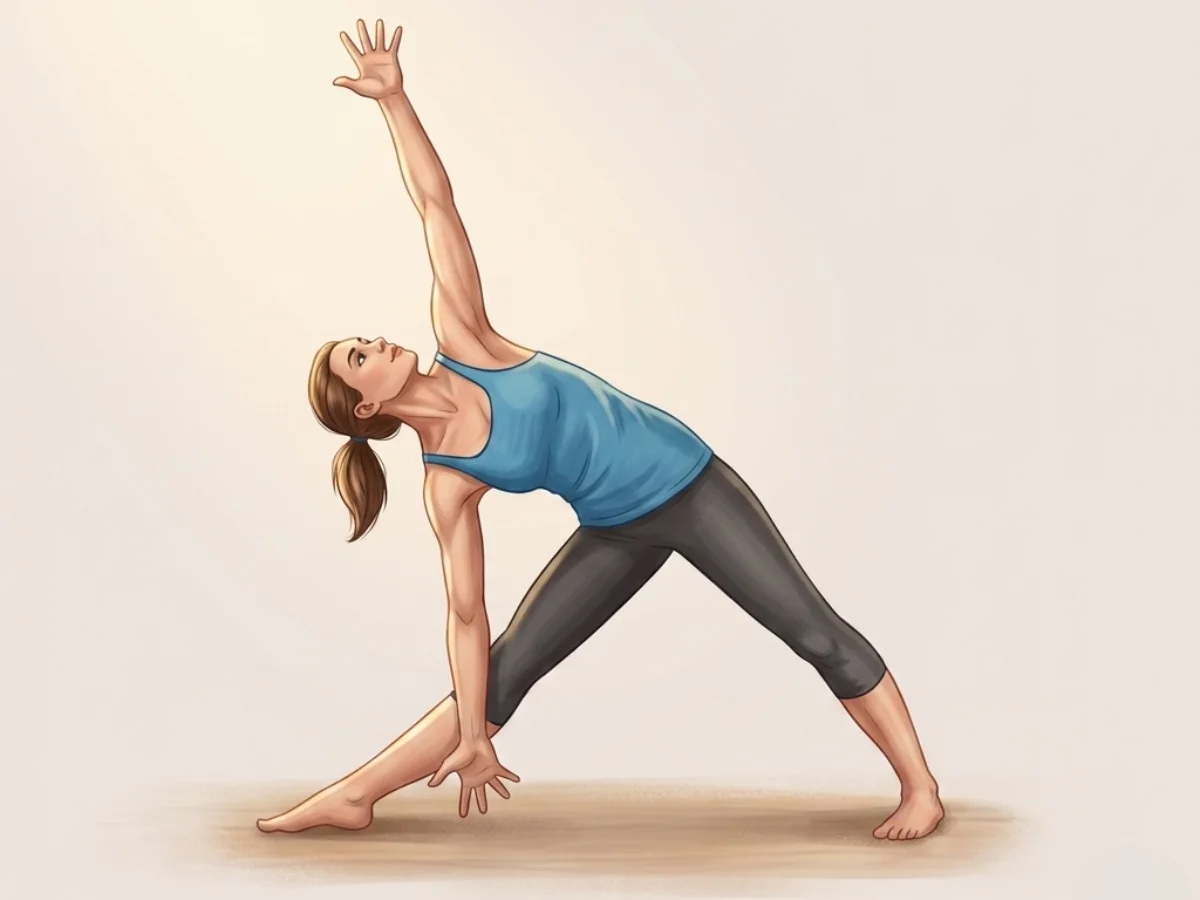
Triangle Pose
TrikonasanaOpens the hips externally and provides a lateral stretch to counter the forward fold.
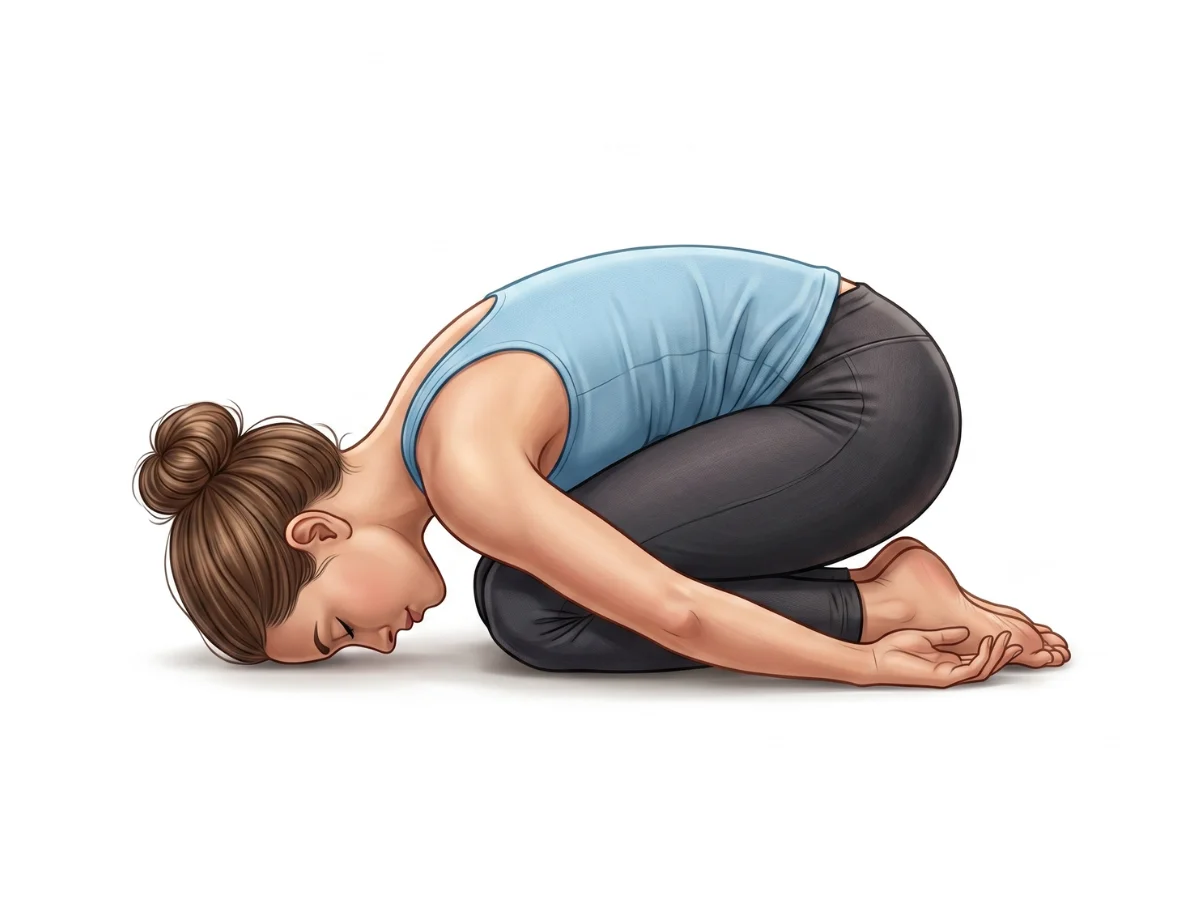
Childs Pose
BalasanaAllows the intense leg stretch and the spinal muscles to rest completely.
Frequently Asked Questions
What is the "yogi toe lock"?
The yogi toe lock is a specific grip where you slide your index and middle fingers between your big toe and second toe, wrapping them under the big toe. You then press your thumb against the tips of your fingers to lock the grip securely.
Why hold the toes instead of the floor?
Holding the toes provides a fixed anchor point. By bending your elbows and pulling against your own feet, you can safely use your upper body strength to draw yourself deeper into the stretch than gravity alone would allow.
I can't reach my toes without rounding my back. What should I do?
Never sacrifice a straight spine just to reach your toes. Modify by holding your ankles, or bend your knees generously until you can reach your toes while keeping your back completely flat.

Elena Rostova is an accredited yoga educator and anatomy specialist with over 15 years of clinical experience. She focuses on functional biomechanics and injury prevention, translating complex anatomy into accessible guidance for safe, sustainable practice.
Read Full ProfileContinue Your Yoga Journey
Ready to deepen your practice? Explore our extensive library of poses, or join a structured program designed to build strength, flexibility, and mindfulness.