
Crow Pose
Kakasana
By Elena Rostova Updated: verified Medically Reviewed
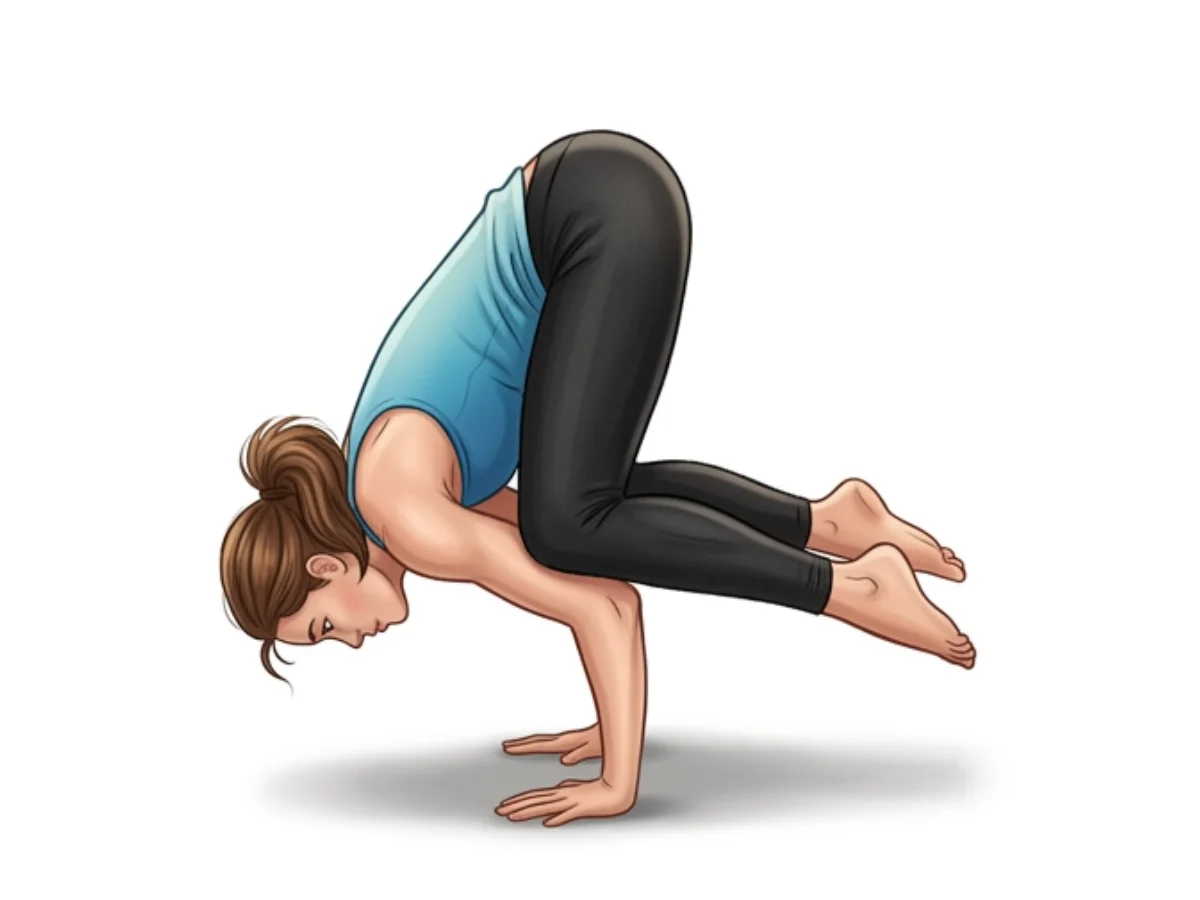
Crow Pose (Kakasana) is often the first arm balance introduced to yoga students. By bending the elbows to create a stable "shelf" for the knees, practitioners learn to shift their center of gravity forward, lift off the ground, and build the core and arm strength necessary for more advanced balances.
Hold Time
30–60 sec · 5–10 breaths
Pronunciation
kah-KAHS-anna
About Crow Pose
Crow (Kakasana) is a grounding posture that draws its natural shape from the animal kingdom. As you settle into the shape, it gently works the arm balance & core foundation to increase your overall flexibility. Consistent practice will actively assist in strengthens arms & wrists, helping you feel lighter and more balanced off the mat.
How to Practice
Start in a Squat
Begin in Garland Pose (Malasana) at the front of your mat with your feet slightly apart. Keep your spine long.
Plant Your Hands
Place your palms flat on the mat directly in front of your feet, shoulder-width apart. Spread your fingers wide and press firmly through the finger pads.
Lift the Hips
Lift your hips high toward the ceiling and bring your feet closer together, coming onto the balls of your feet.
Create a Shelf
Bend your elbows straight back (similar to Chaturanga). Bring your knees to rest on the backs of your upper arms, as close to the armpits as is comfortable.
Shift Weight Forward
Gaze slightly forward past your fingers. Slowly shift your body weight forward into your hands. Your elbows should remain bent at roughly a 90-degree angle.
Lift One Foot
As your center of gravity moves over your hands, lift one foot off the mat, drawing the heel closely toward your glutes.
Lift Both Feet
Once you feel stable, lift the second foot off the mat. Squeeze your inner thighs together and draw both heels tightly toward your glutes.
Hold the Balance
Breathe deeply. Actively press the floor away and round your upper back slightly. Hold for 5 to 10 breaths.
Release
To exit, gently lower both feet back to the mat and return to your squat position.
Practice with the Yoga Timer
Keep track of your hold time and breath count for this pose.
Beginner Modifications & Prop Options
Yoga is a personal journey. These modifications and prop options allow you to adapt the pose to your current level of balance and flexibility, ensuring a safe and supportive practice.
Block Under the Forehead
Place a yoga block in front of you. As you tilt forward, let your forehead rest gently on the block for physical and mental support.
Tip: Focus on alignment rather than depth.
One Foot at a Time
Keep one toe lightly touching the mat while the other foot lifts. Alternate feet to build strength before lifting both simultaneously.
Tip: Focus on alignment rather than depth.
Block Under the Feet
Stand on a block before planting your hands. The elevation makes it easier to position your knees high on your triceps.
Tip: Focus on alignment rather than depth.
Benefits of Crow Pose
Strengthens Arms & Wrists
Holding the body's weight on bent arms intensely works the triceps, forearms, and wrist joints.
Tones the Core
Lifting the feet and hips requires deep activation of the rectus abdominis and transversus abdominis.
Improves Body Awareness
Teaches proprioception and how to skillfully shift your center of gravity to find balance.
Stretches the Upper Back
The rounding action slightly stretches the rhomboids and opens the space between the shoulder blades.
Builds Confidence
Mastering the fear of falling forward and achieving flight builds mental resilience and self-trust.
Common Mistakes to Avoid
Mistake: Looking Down at Hands
How to fix: Where you look is where you go. If you look down, you will likely fall forward. Keep your gaze cast forward.
Mistake: Elbows Splaying Out
How to fix: Keep your elbows squeezing inward toward your midline. If they wing out to the sides, the "shelf" for your knees will collapse.
Mistake: Resting Knees Outside the Arms
How to fix: While some variations place the knees outside the triceps, traditional Crow requires the knees to rest squarely on the back of the upper arms for maximum support.
Safety and Precautions
Wrist Injuries
Puts immense pressure on the wrists; avoid if you have Carpal Tunnel Syndrome or sprains.
Shoulder Pain
Avoid if dealing with acute shoulder injuries, as the bent-arm load can strain the joint.
Pregnancy
The abdominal compression and risk of falling forward make it contraindicated during pregnancy.
Medical Disclaimer: If you have any of the above conditions, consult your doctor or a qualified yoga instructor before attempting this pose.
Muscles Worked in Crow Pose
Crow Pose demands synchronized muscular effort, creating a profound sense of engagement and release throughout the body. The activation of the primary muscles supports the structure, while the secondary muscles provide stability and balance.
Primary Muscles
Triceps Brachii
Support the bent-arm position and bear the body weight.
Rectus Abdominis
Engages to draw the heels up and hold the compact shape.
Wrist Flexors
Provide stability and balance against the floor.
Secondary Muscles
Pectoralis Major
Assists in stabilizing the shoulder girdle.
Latissimus Dorsi
Helps draw the elbows in toward the body.
Hip Flexors
Keep the knees tightly pulled into the arms.
Poses to Practice Before and After Crow Pose
Prepare with these Poses
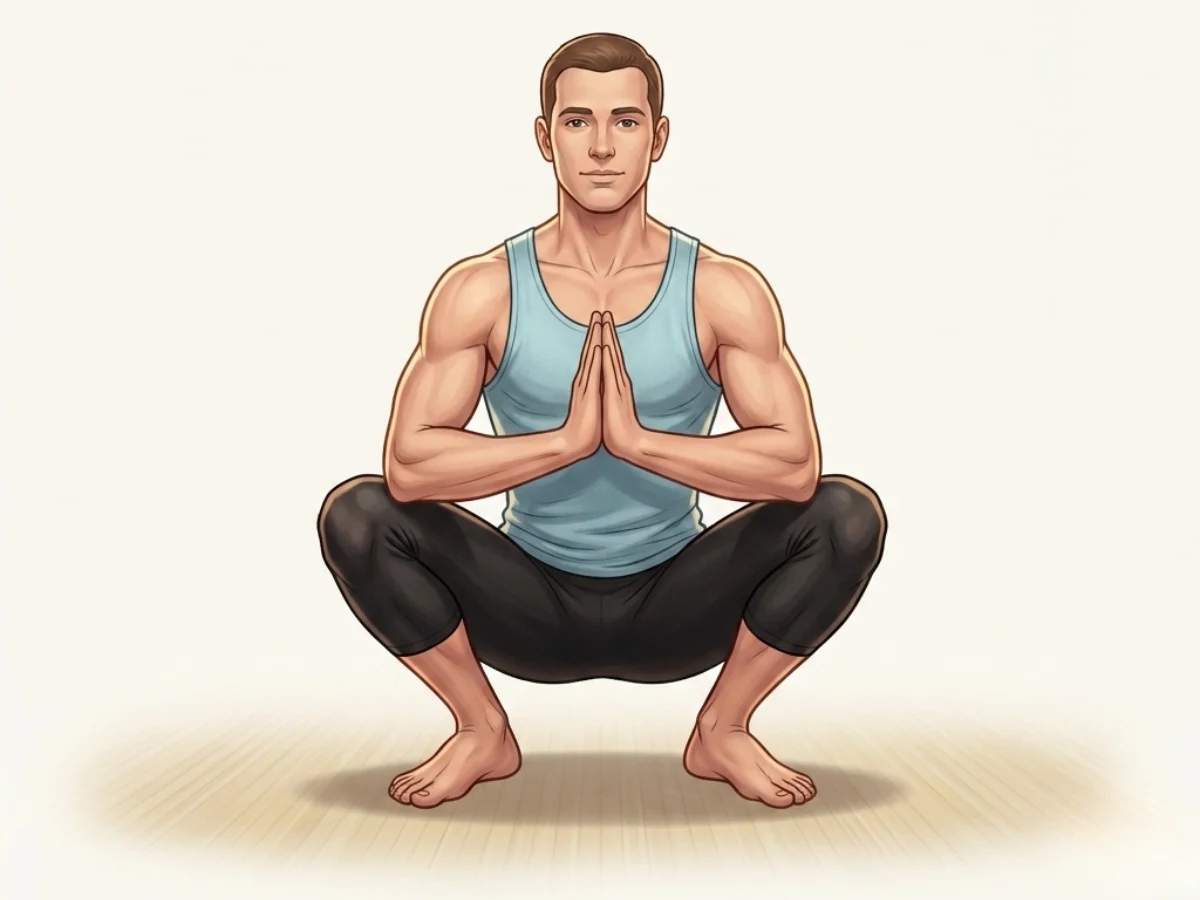
Garland Pose
MalasanaFamiliarizes the body with the deep hip flexion required for the pose.
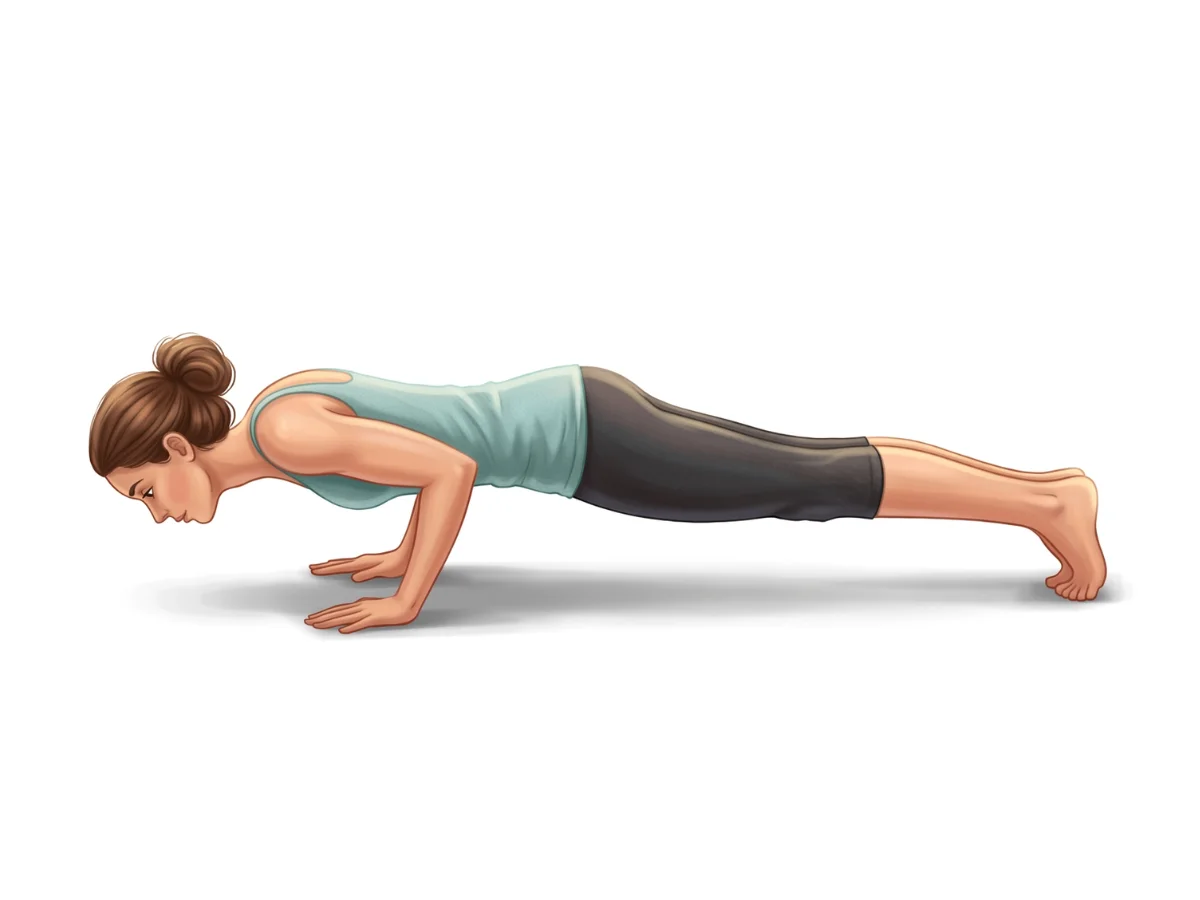
Low Push-Up
Chaturanga DandasanaBuilds the triceps and shoulder strength needed for the bent-arm position.
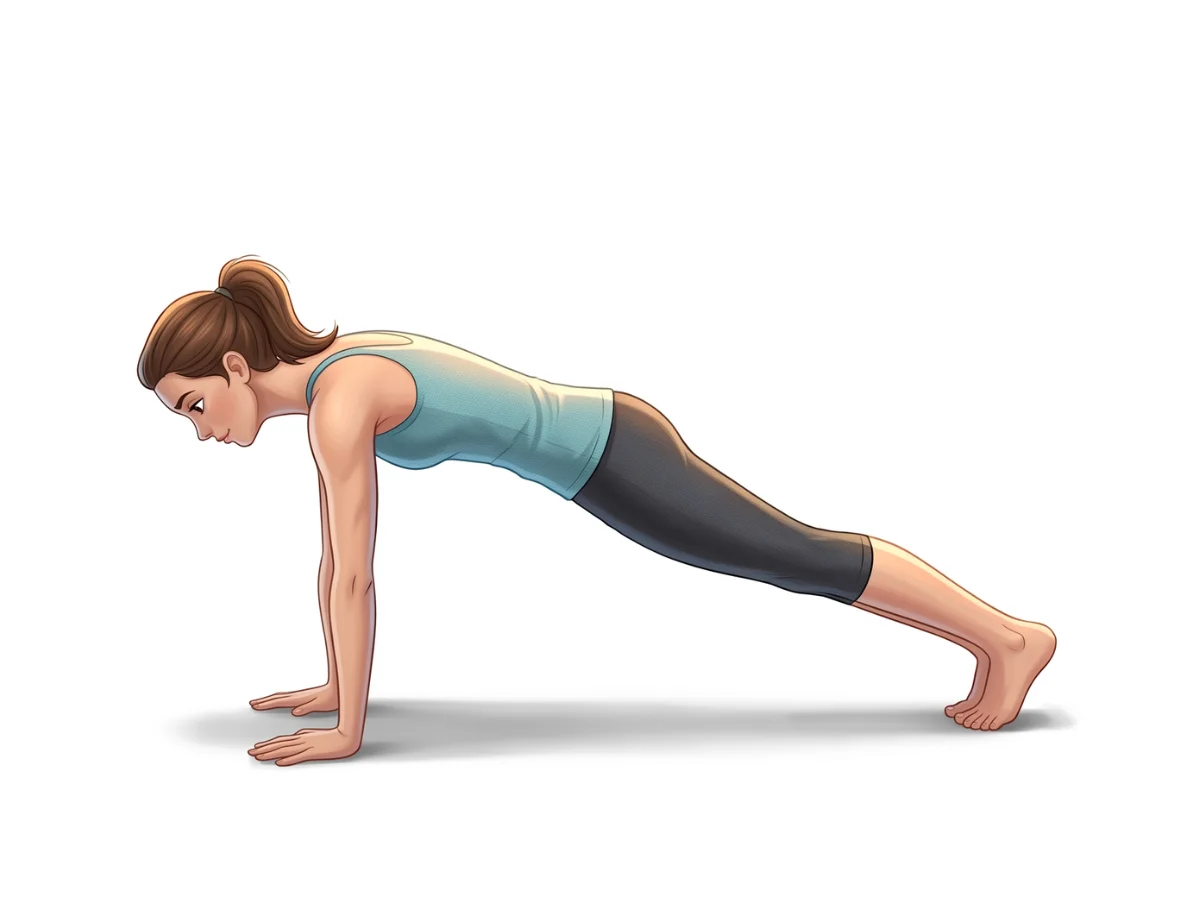
Plank Pose
PhalakasanaStrengthens the core and wrists in preparation for arm balancing.
Follow with neutralizing Counter-poses
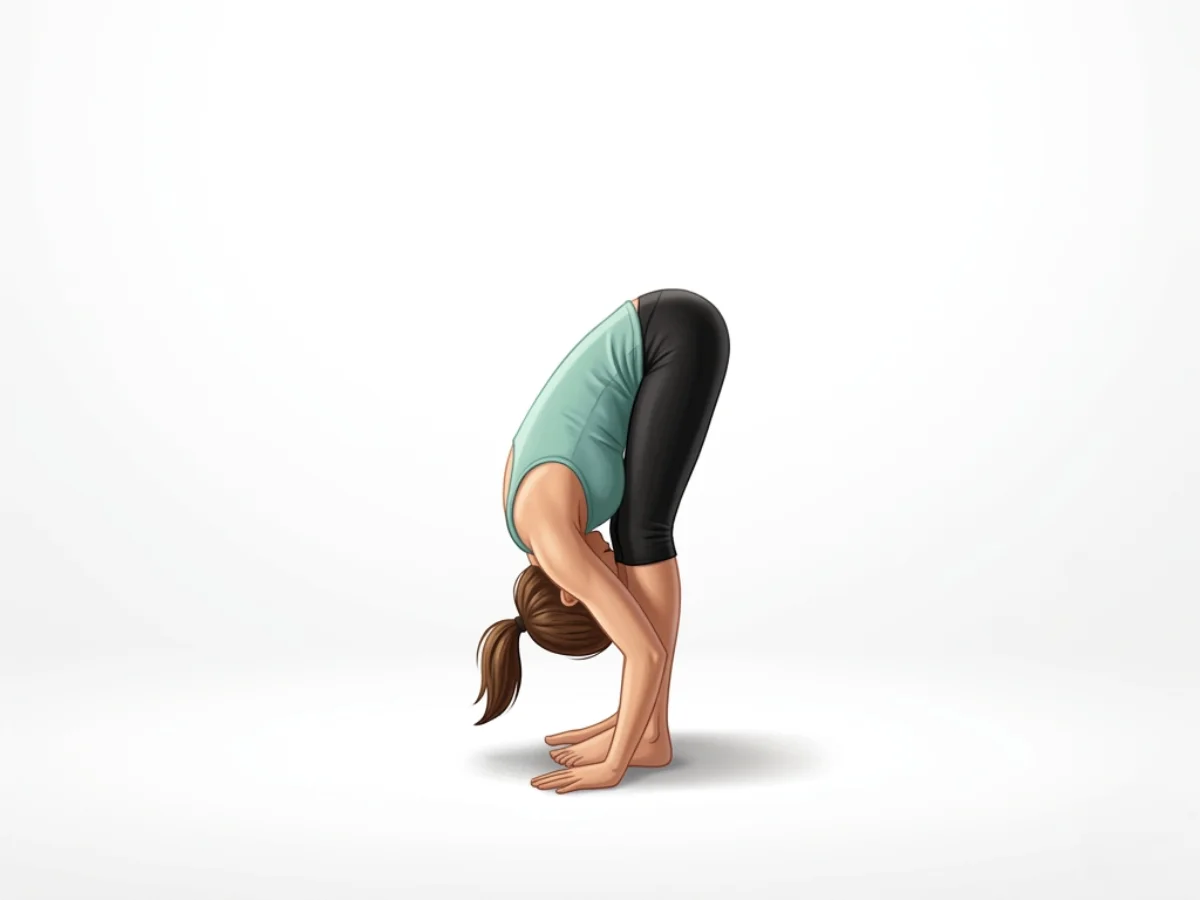
Standing Forward Bend
UttanasanaReleases the hips and lengthens the spine after being tightly compacted.
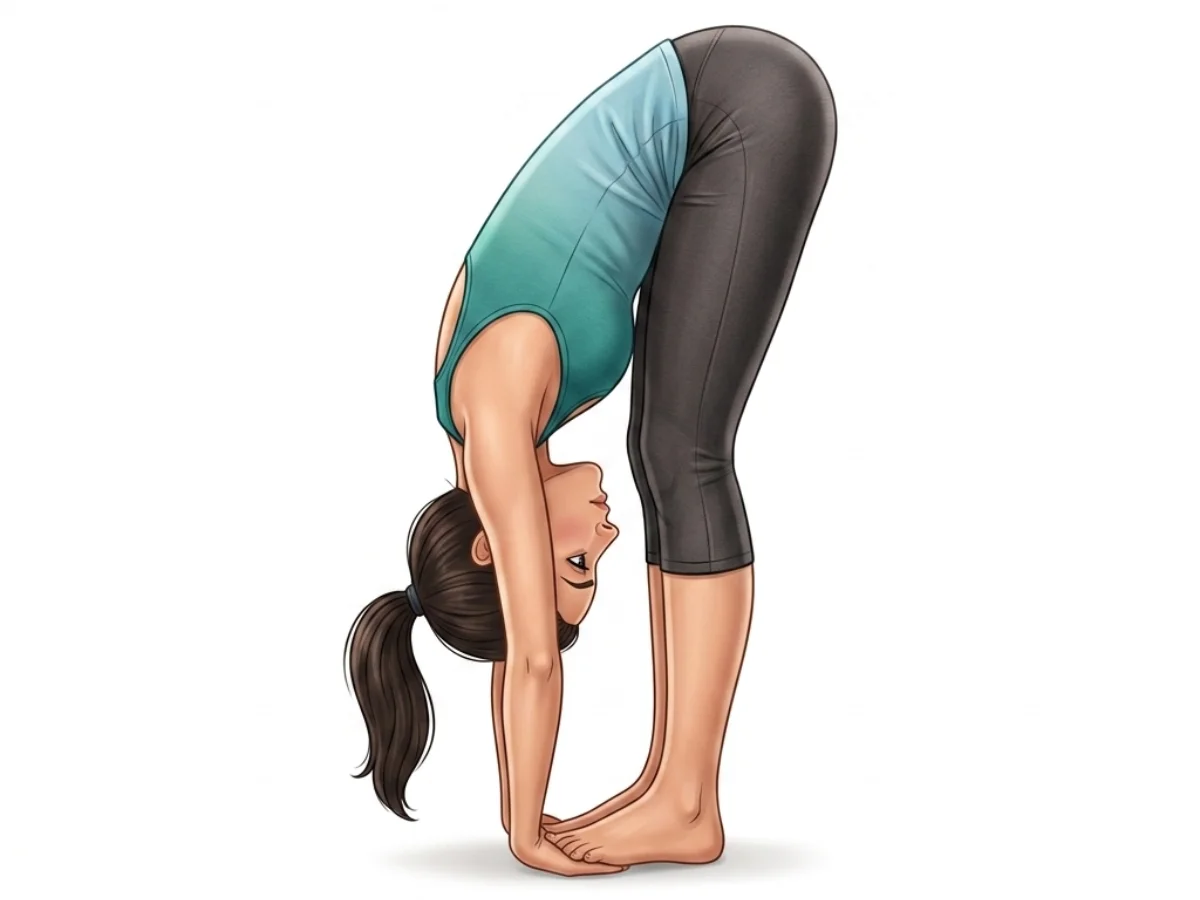
Gorilla Pose
PadahastasanaSlides the hands under the feet to stretch the wrists in the opposite direction.
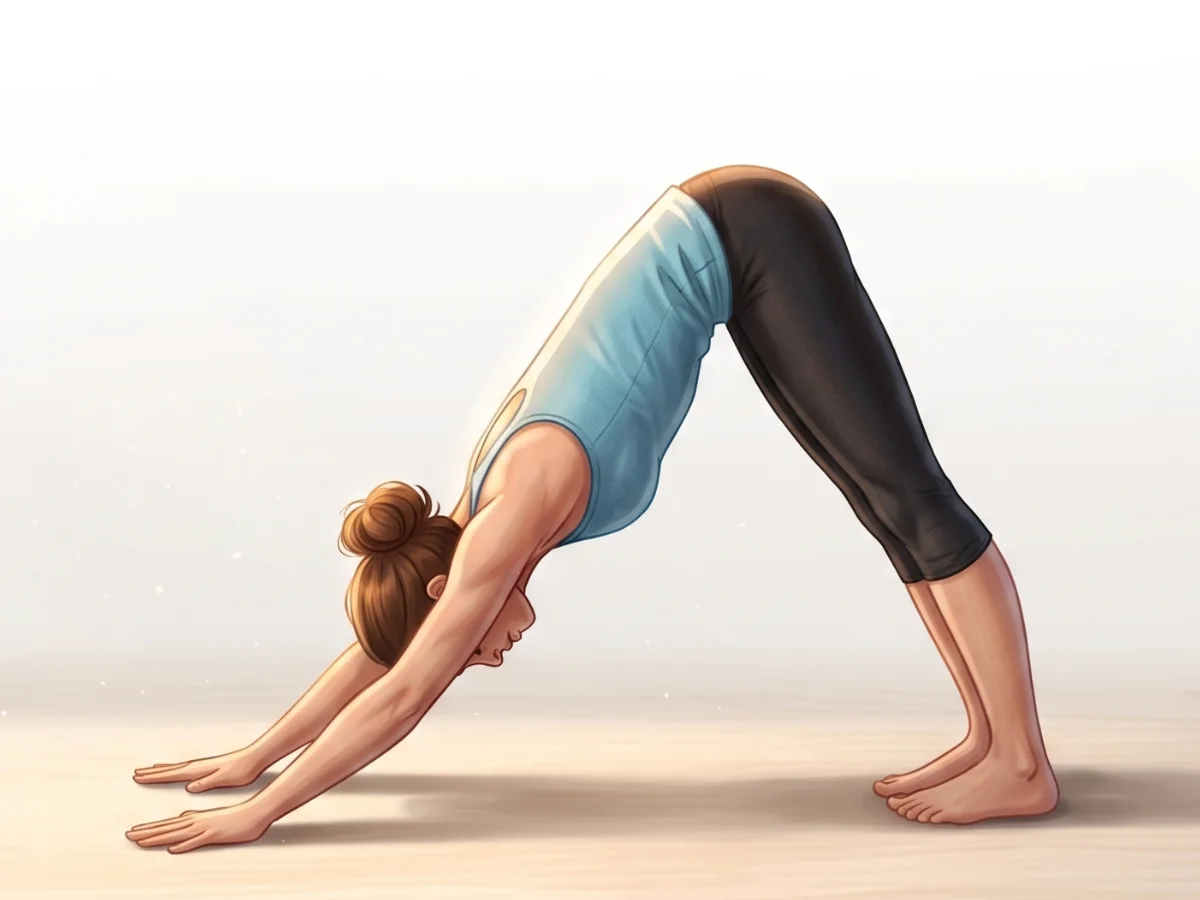
Downward-Facing Dog
Adho Mukha SvanasanaLengthens the arms and releases shoulder tension.
Frequently Asked Questions
How do I overcome the fear of falling on my face?
Place a soft pillow or a yoga block directly in front of you. Knowing there is a soft landing spot drastically reduces the psychological barrier. Also, keep your gaze forward, not down.
Why do my triceps bruise after doing Crow Pose?
Bruising is common for beginners because the knees are pressing heavily into the arm tissue. As your core strength improves, you will rely more on lifting your hips and less on resting your full weight directly on the arms.
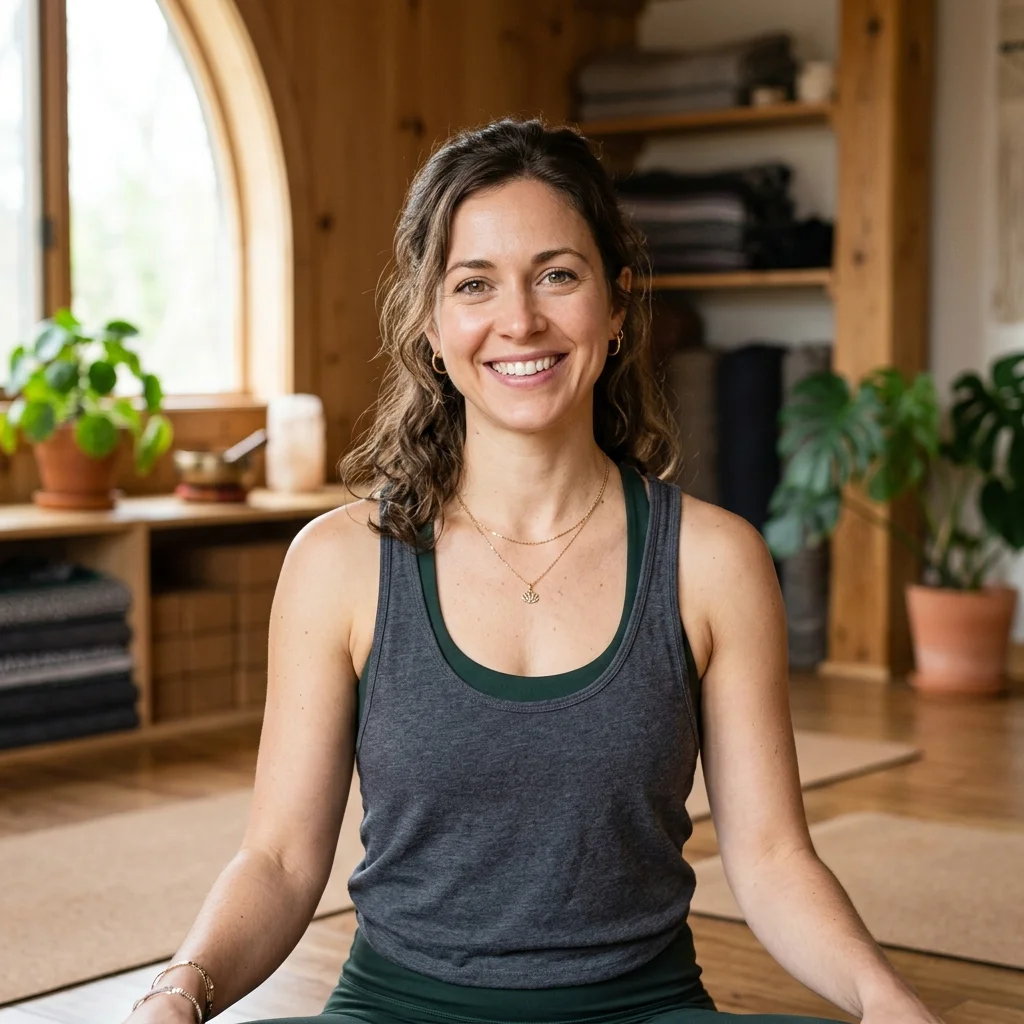
Elena Rostova is an accredited yoga educator and anatomy specialist with over 15 years of clinical experience. She focuses on functional biomechanics and injury prevention, translating complex anatomy into accessible guidance for safe, sustainable practice.
Read Full ProfileContinue Your Yoga Journey
Ready to deepen your practice? Explore our extensive library of poses, or join a structured program designed to build strength, flexibility, and mindfulness.