
Extended Puppy
Uttana Shishosana
By Elena Rostova Updated: verified Medically Reviewed
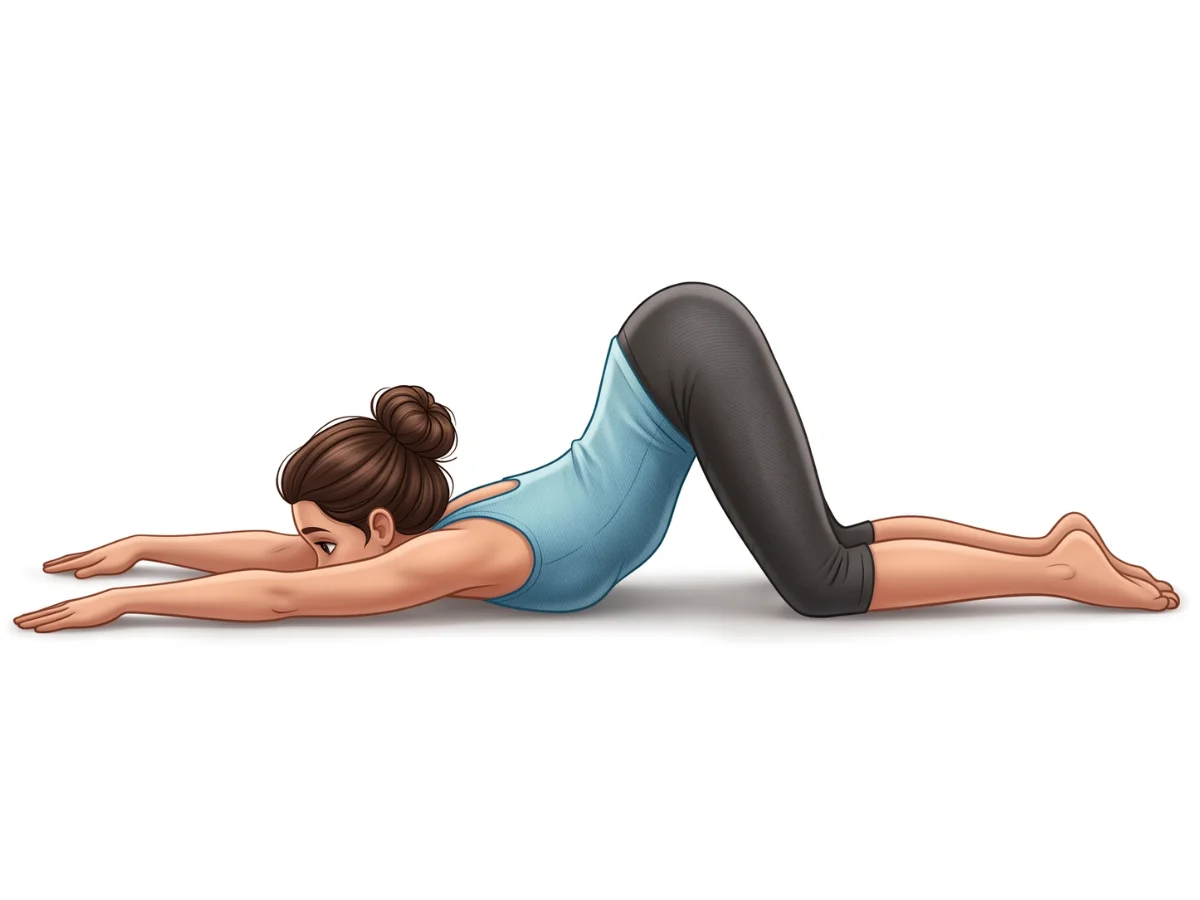
Extended Puppy Pose (Uttana Shishosana), often called "Melting Heart Pose," is a deeply restorative posture that bridges the gap between Child's Pose and Downward-Facing Dog. By keeping the hips high while the chest melts toward the floor, it intensely opens the shoulders, chest, and upper back.
Hold Time
1–3 min · 10–30 breaths
Pronunciation
oo-TAHN-uh shish-OHS-uh-nuh
About Extended Puppy
Commonly practiced as Extended Puppy (Uttana Shishosana), this dynamic posture is beautifully designed to help unlock tension. By gently focusing on shoulder & upper back opening, it actively stretches your muscles and builds heat. Consistent practice will actively assist in stretches the shoulders, helping you feel lighter and more balanced off the mat.
How to Practice
Tabletop Foundation
Begin on your hands and knees in Tabletop position, ensuring your shoulders are stacked directly over your wrists and your hips are directly over your knees.
Walk Hands Forward
Keep your hips exactly where they are—stacked over your knees—and slowly walk your hands forward toward the top edge of your mat.
Melt the Chest
Exhale as you allow your chest to melt down toward the floor, releasing tension in your shoulders and upper back.
Forehead to Mat
Gently rest your forehead on the mat. If your neck allows and you want a deeper stretch, you can rest your chin on the floor instead, looking forward.
Active Arms
Keep your arms active by pressing firmly into the palms of your hands and lifting your elbows slightly off the floor.
Engage Core Slightly
Draw your lower belly in gently to support your lower back, preventing it from over-arching and ensuring the stretch stays in the upper back and shoulders.
Breathe and Soften
Hold the pose for 1 to 3 minutes, breathing deeply into your back body and allowing your heart to surrender further with each exhalation.
Release Safely
To exit the posture safely, press firmly into your hands and slowly walk them back toward your body, returning to a neutral Tabletop position.
Rest in Child's Pose
Sit back onto your heels and rest in Child's Pose (Balasana) for a few breaths to neutralize your spine.
Practice with the Yoga Timer
Keep track of your hold time and breath count for this pose.
Beginner Modifications & Prop Options
Yoga is a personal journey. These modifications and prop options allow you to adapt the pose to your current level of balance and flexibility, ensuring a safe and supportive practice.
Use a Blanket Under Knees
Place a folded blanket beneath your knees for extra padding and comfort while holding the pose.
Tip: Focus on alignment rather than depth.
Blocks Under Forearms
Place a yoga block under each forearm or hand to elevate the ground, decreasing the intensity of the shoulder stretch.
Tip: Focus on alignment rather than depth.
Bolster Under Chest
Place a bolster or thick cushion lengthwise under your chest and belly for a fully supported, restorative variation.
Tip: Focus on alignment rather than depth.
Benefits of Extended Puppy
Stretches the Shoulders
Deeply opens tight shoulders and armpits, making it an excellent counter-pose for hunched posture and desk work.
Mobilizes the Upper Back
Encourages extension in the thoracic spine (upper back), an area that is often stiff and immobile.
Relieves Neck Tension
Resting the forehead on the floor allows the neck muscles to completely relax and release built-up stress.
Opens the Chest
Melting the heart downward gently stretches the pectoral muscles, expanding lung capacity and breathing space.
Calms the Mind
As a mild inversion with the heart higher than the head, it promotes relaxation and relieves symptoms of chronic stress.
Common Mistakes to Avoid
Mistake: Hips Shifting Forward or Back
How to fix: Ensure your hips stay directly stacked above your knees; check in a mirror if necessary to align them properly.
Mistake: Collapsing in the Lower Back
How to fix: Gently draw your navel toward your spine to support the lumbar area and shift the arch into your upper back.
Mistake: Resting on Elbows Inactively
How to fix: Keep the arms straight and active, pressing the palms down and lifting the elbows slightly away from the mat.
Safety and Precautions
Acute Shoulder Injuries
Deep flexion can aggravate conditions like rotator cuff tears or impingements.
Severe Neck Issues
Avoid resting on the chin if you have cervical spine injuries; keep the forehead down or use a block.
Knee Problems
Bearing weight on the knees may cause discomfort; use ample padding or avoid if painful.
Medical Disclaimer: If you have any of the above conditions, consult your doctor or a qualified yoga instructor before attempting this pose.
Muscles Worked in Extended Puppy
Extended Puppy demands synchronized muscular effort, creating a profound sense of engagement and release throughout the body. The activation of the primary muscles supports the structure, while the secondary muscles provide stability and balance.
Primary Muscles
Latissimus Dorsi
Stretched deeply as the arms extend forward and chest melts down.
Pectoralis Major & Minor
Stretched to open the front of the chest and shoulders.
Erector Spinae
Work eccentrically to control the extension of the spine.
Secondary Muscles
Triceps Brachii
Stretched gently along the back of the upper arms.
Transversus Abdominis
Engages to stabilize the lower back and prevent hyperextension.
Deltoids
Stretch dynamically to allow full arm flexion overhead.
Poses to Practice Before and After Extended Puppy
Prepare with these Poses
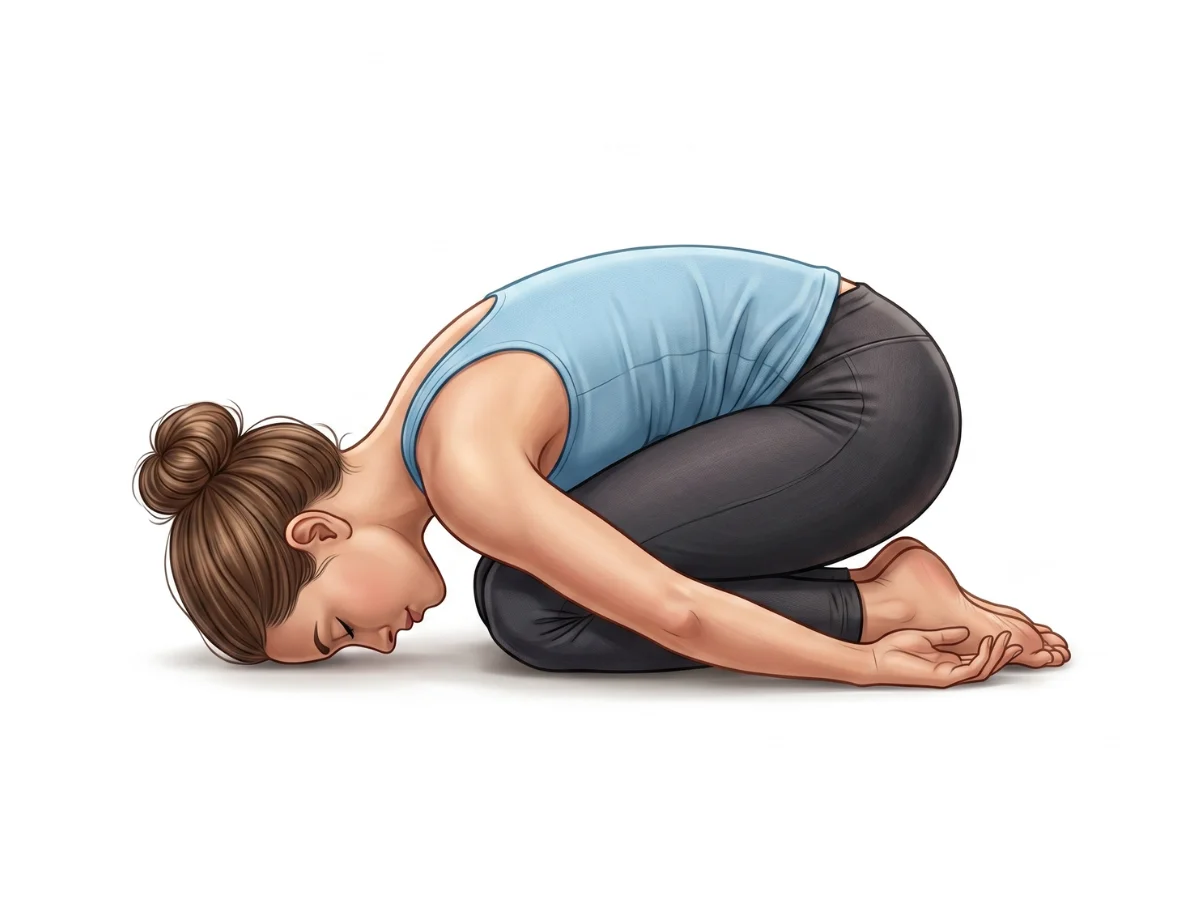
Child's Pose
BalasanaGently stretches the hips and back, preparing the spine for extension.
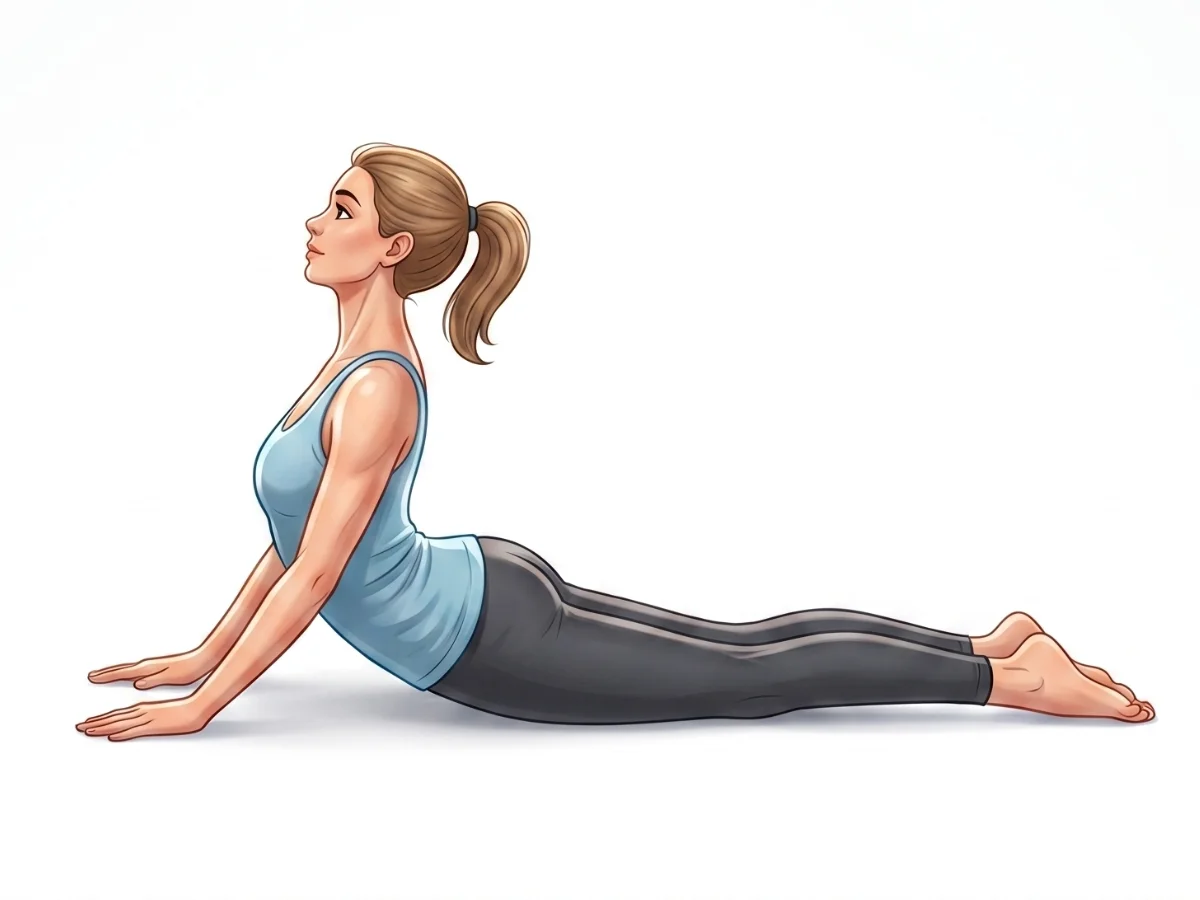
Cobra Pose
BhujangasanaWarms up the upper back and chest with a gentle prone backbend.
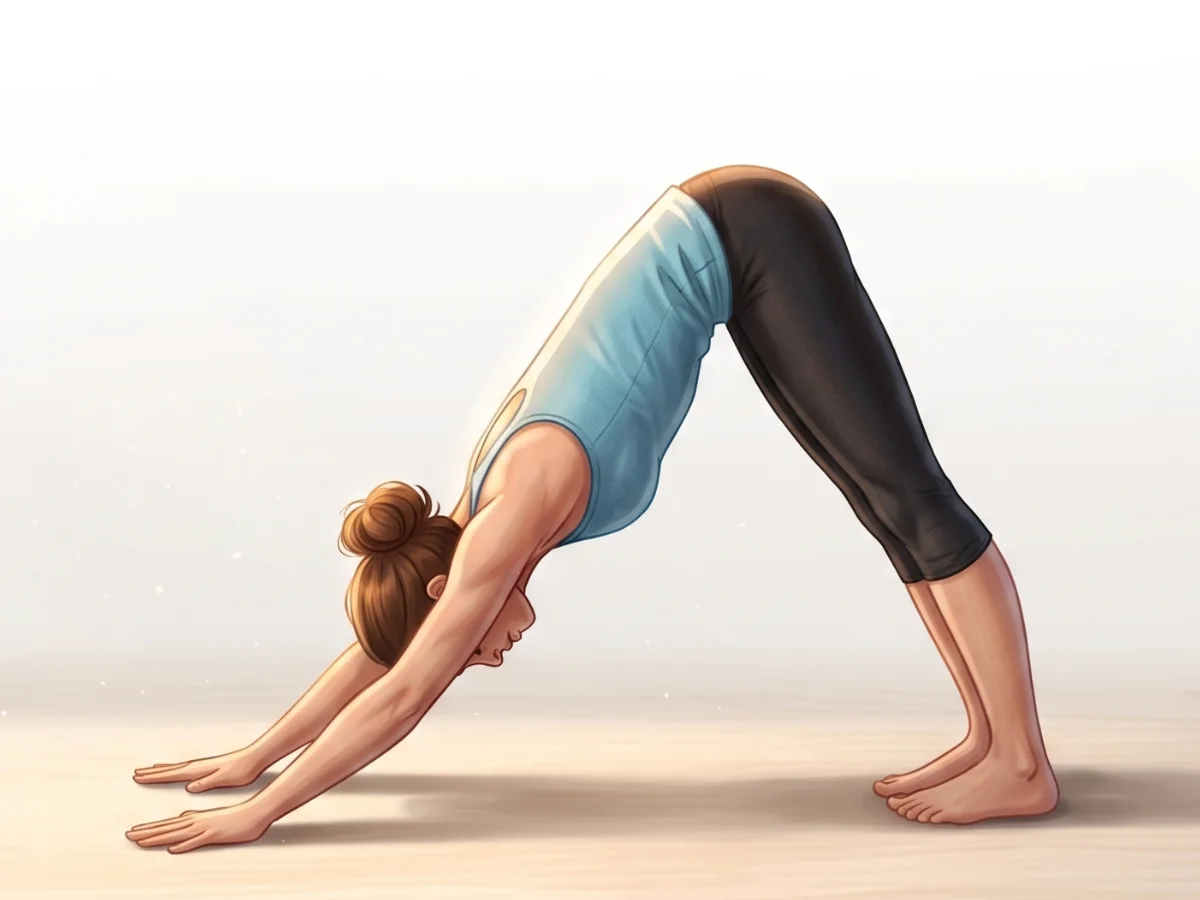
Downward-Facing Dog
Adho Mukha SvanasanaOpens the shoulders and chest in a similar overhead arm position.
Follow with neutralizing Counter-poses
Child's Pose
BalasanaNeutralizes the spine by moving from extension into gentle, restful flexion.
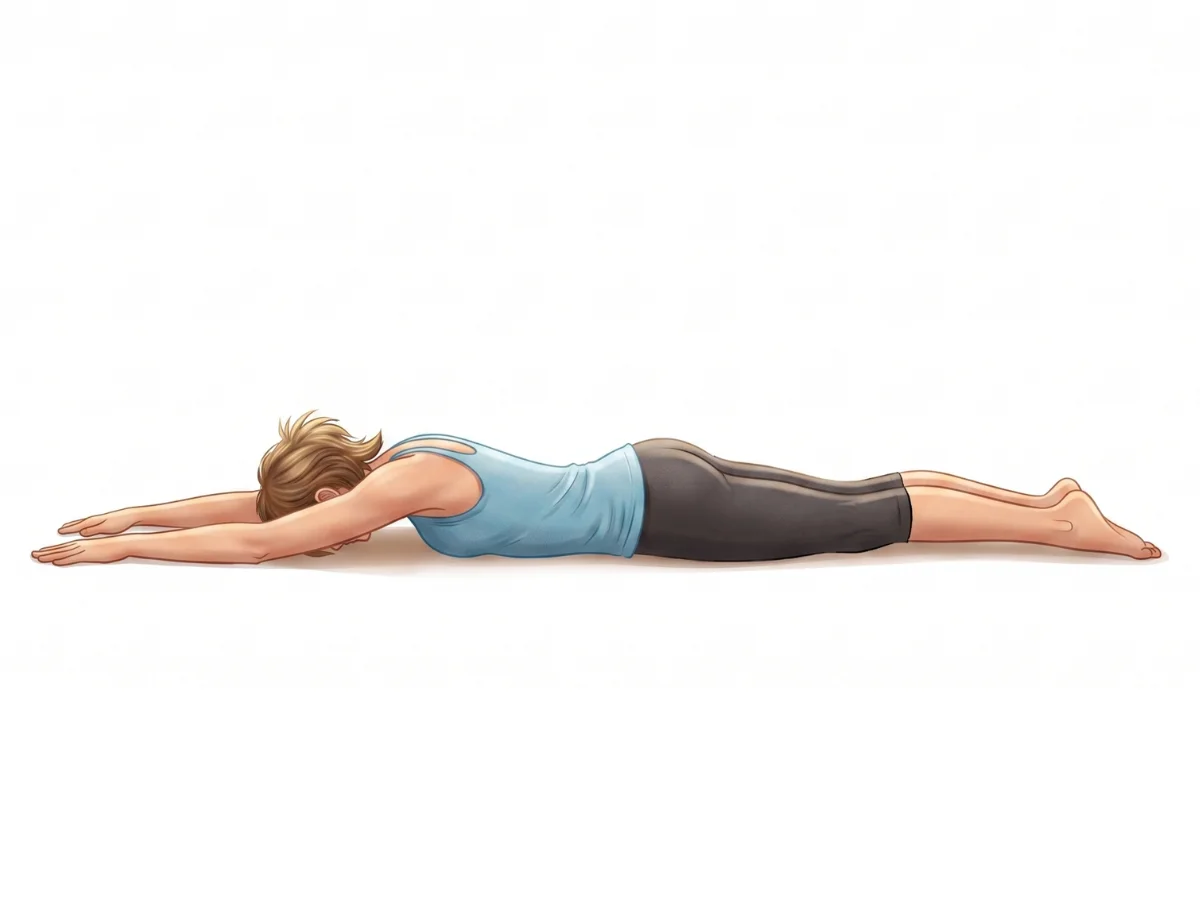
Reverse Corpse Pose
AdvasanaAllows the body to rest completely flat on the belly to integrate the backbend.
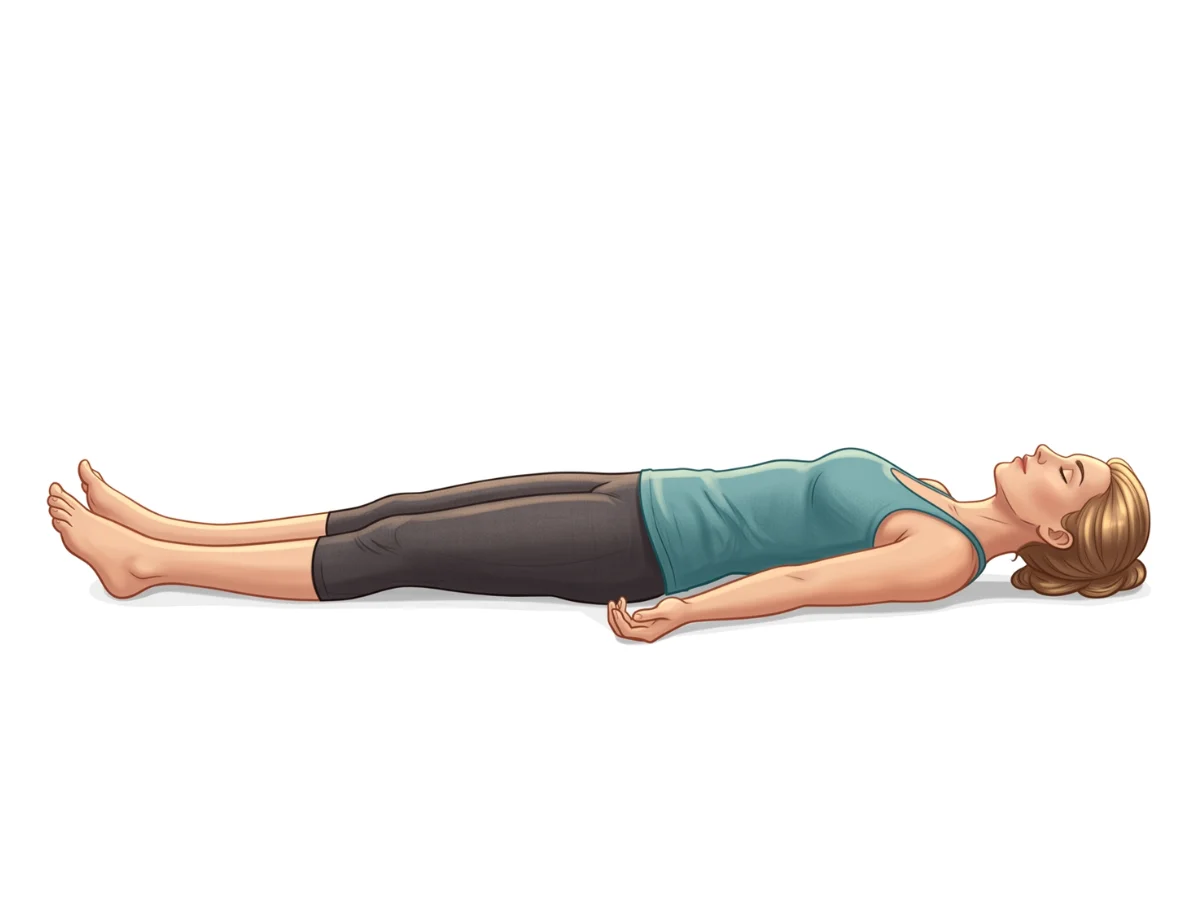
Corpse Pose
SavasanaProvides ultimate rest and relaxation to soothe the nervous system.
Frequently Asked Questions
What is the difference between Extended Puppy and Downward Dog?
In Extended Puppy, your knees remain on the floor with hips stacked directly over them, focusing the stretch primarily on the upper back and shoulders. Downward Dog lifts the knees and straightens the legs, adding a deep hamstring and calf stretch.
Should my chest touch the floor?
Only if your upper back and shoulders are extremely open. For most practitioners, the chest will hover above the mat. The goal is the feeling of melting, not necessarily touching the ground.
Where should I feel the stretch?
You should feel a strong, relieving stretch through your armpits, the front of your chest, and across your upper back. You should not feel pinching or sharp pain in your lower back or shoulders.
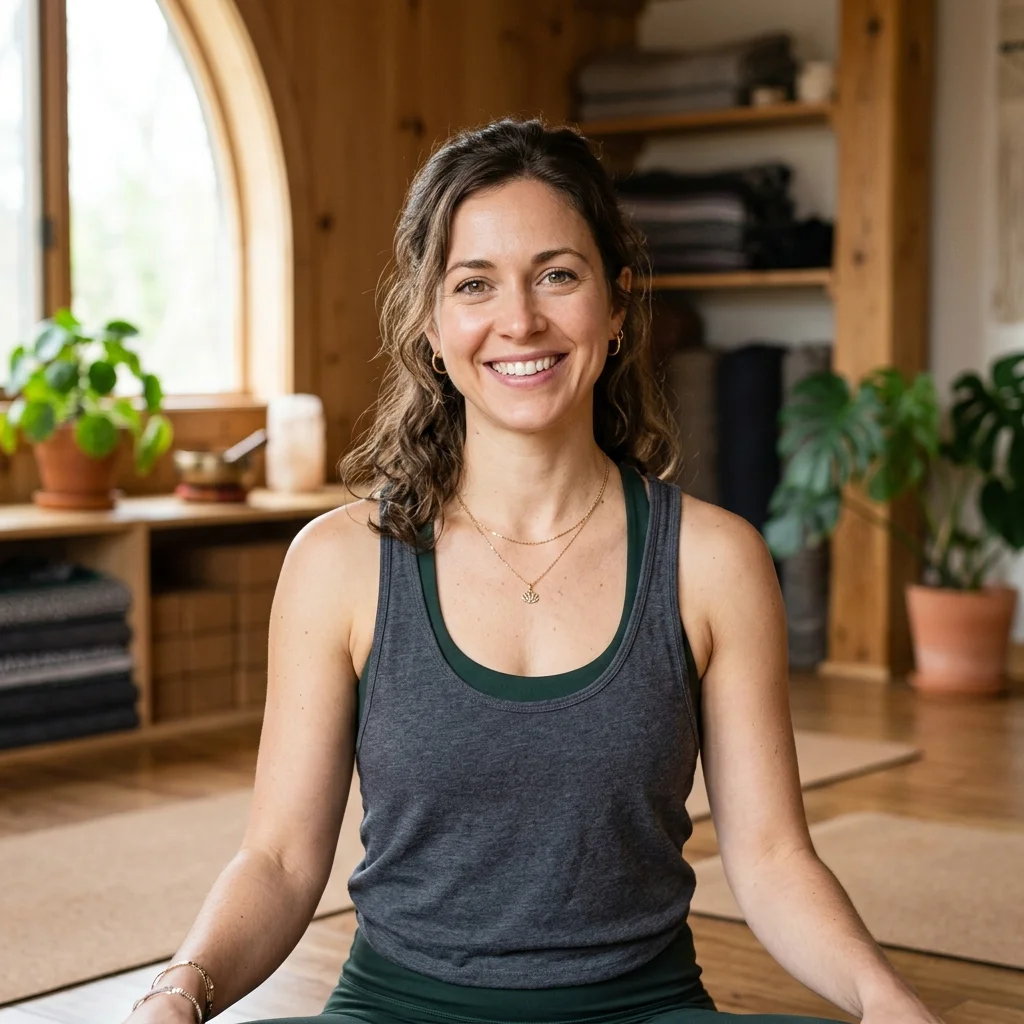
Elena Rostova is an accredited yoga educator and anatomy specialist with over 15 years of clinical experience. She focuses on functional biomechanics and injury prevention, translating complex anatomy into accessible guidance for safe, sustainable practice.
Read Full ProfileContinue Your Yoga Journey
Ready to deepen your practice? Explore our extensive library of poses, or join a structured program designed to build strength, flexibility, and mindfulness.