
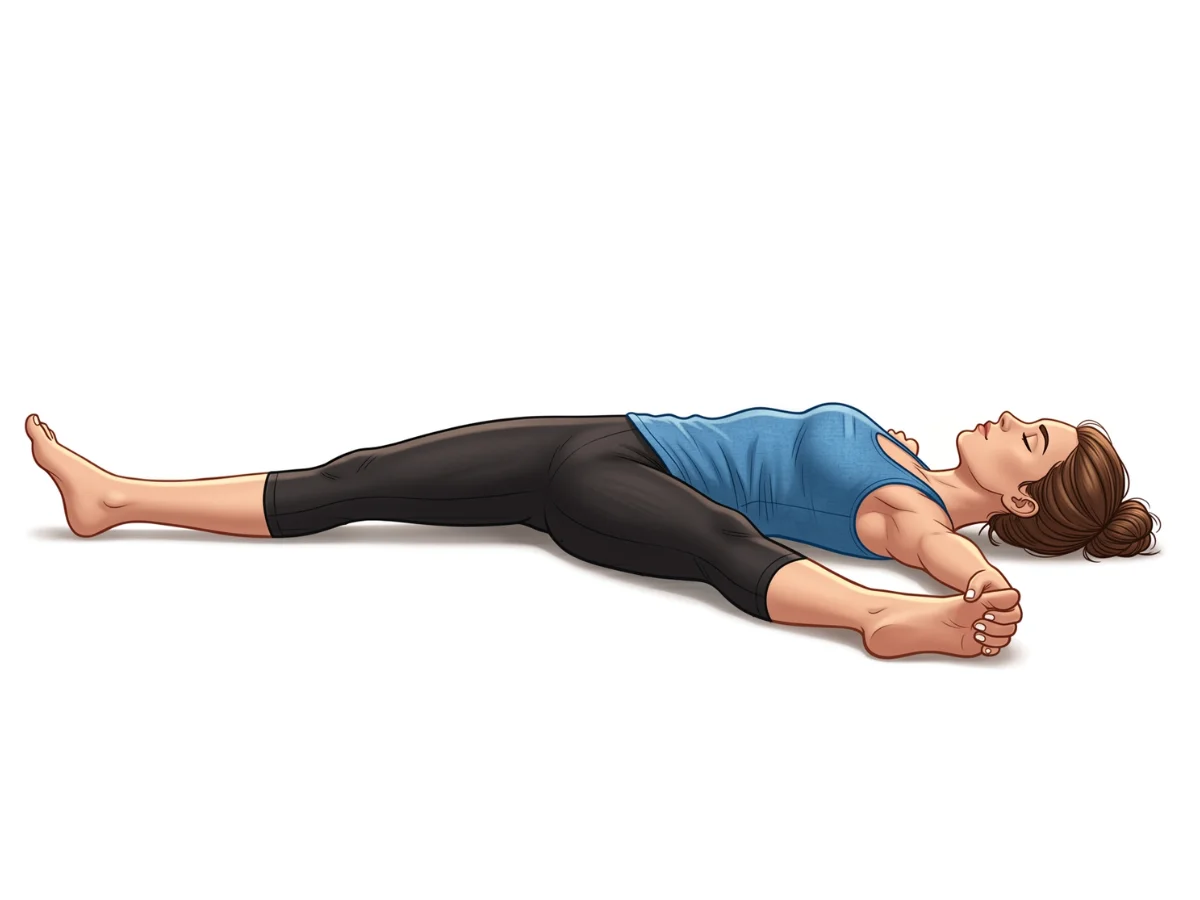
Extended Supine Hand to Big Toe
Supta Padangusthasana B
By Elena Rostova Updated: verified Medically Reviewed
Extended Supine Hand to Big Toe Pose (Supta Padangusthasana B) focuses on deeply opening the hips and stretching the inner thighs (adductors). By extending the leg out to the side while lying on the back, practitioners can safely explore profound ranges of hip abduction without the pressure of weight-bearing.
Hold Time
30�60 sec � 5�10 breaths
Pronunciation
SOOP-tah pah-dahn-goosh-TAHS-anna B
About Extended Supine Hand to Big Toe
Often praised by experienced instructors, Extended Supine Hand to Big Toe (Supta Padangusthasana B) acts as a powerful tool for finding balance and realignment. By gently focusing on inner thighs & hip flexibility, it actively stretches your muscles and builds heat. Over time, adding this to your routine is a great way to support stretches the adductors while calming the mind.
How to Practice
Starting Position
Lie flat on your back in Corpse Pose (Savasana), legs extended. Take a deep breath to ground your pelvis evenly onto the mat.
Vertical Extension
Inhale, draw your right knee into your chest, and extend the leg straight up toward the ceiling. Hook your right index and middle fingers around your right big toe (or use a strap).
Anchor the Left Side
Place your left hand firmly on your left hip bone (ASIS). Actively press the left thigh down to keep the left side of your pelvis glued to the floor.
Open to the Side
On a slow exhalation, externally rotate your right leg and begin to lower it laterally out to the right side, aiming to bring the foot toward the floor.
Maintain Alignment
Only lower the right leg as far as you can go without the left hip lifting off the mat. Your torso and pelvis should remain entirely flat and neutral.
Gaze
Keep your neck long and gaze softly straight up at the ceiling, or turn your head gently to the left to complete the spinal twist.
Hold and Breathe
Hold the posture for 5 to 10 deep breaths, focusing on relaxing the inner right thigh and groin with each exhalation.
Safe Return
Inhale deeply as you use your inner thigh strength and arm to lift the right leg back up to the vertical center position.
Release
Exhale, release the toe or strap, hug the knee briefly into your chest, and slowly lower the leg back to the floor before repeating on the other side.
Practice with the Yoga Timer
Keep track of your hold time and breath count for this pose.
Beginner Modifications & Prop Options
Yoga is a personal journey. These modifications and prop options allow you to adapt the pose to your current level of balance and flexibility, ensuring a safe and supportive practice.
Use a Yoga Strap
Loop a yoga strap around the arch of your foot and hold the strap in your right hand. This ensures your shoulder stays grounded and your leg remains straight.
Tip: Focus on alignment rather than depth.
Prop the Extended Leg
Place a block or bolster under your right outer thigh or calf as it lowers to the side. This provides a resting place for the leg, allowing the muscles to relax passively.
Tip: Focus on alignment rather than depth.
Bend the Grounded Knee
Bend your left knee and place the foot flat on the floor, allowing the left knee to drop slightly to the left as a counterbalance to the right leg.
Tip: Focus on alignment rather than depth.
Benefits of Extended Supine Hand to Big Toe
Stretches the Adductors
Provides a profound, sustained stretch to the inner thigh muscles (adductors) and the deep groin.
Increases Hip Mobility
Promotes healthy hip abduction and external rotation, enhancing overall flexibility in the pelvic region.
Strengthens Core Stability
Requires active engagement of the obliques and transversus abdominis to keep the opposite hip anchored to the floor.
Relieves Sciatic Pain
Safely stretches the tissues surrounding the sciatic nerve, which can alleviate mild lower back and sciatic discomfort.
Safe, Non-Weight-Bearing Opening
Because the body is supported by the floor, you can deeply stretch the hips without stressing the knee or ankle joints.
Common Mistakes to Avoid
Mistake: Lifting the Opposite Hip
How to fix: Do not sacrifice pelvic stability for a deeper stretch. If your left hip lifts, bring your right leg higher until the pelvis is flat again.
Mistake: Bending the Extended Leg
How to fix: If your right knee bends severely, you are trying to reach too far. Use a strap to keep the leg straight while allowing it to drop to the side.
Mistake: Tensing the Neck and Shoulders
How to fix: Keep the shoulder blades resting heavily on the mat. If your right shoulder lifts, use a longer grip on the strap.
Safety and Precautions
Groin or Inner Thigh Pulls
Severe adductor strains will be intensely aggravated by this lateral stretch.
Sacroiliac (SI) Joint Instability
The asymmetric pull on the pelvis can cause sharp pain for those with hypermobile or inflamed SI joints.
Hip Labral Tears
Deep abduction and external rotation may cause pinching or clicking in a compromised hip joint.
Sciatica Flare-ups
While helpful for prevention, acute sciatica may worsen with deep nerve tension.
Late-Stage Pregnancy
Lying flat on the back for extended periods compresses major blood vessels; practice a seated variation instead.
Medical Disclaimer: If you have any of the above conditions, consult your doctor or a qualified yoga instructor before attempting this pose.
Muscles Worked in Extended Supine Hand to Big Toe
Extended Supine Hand to Big Toe demands synchronized muscular effort, creating a profound sense of engagement and release throughout the body. The activation of the primary muscles supports the structure, while the secondary muscles provide stability and balance.
Primary Muscles
Adductors (Inner Thighs)
Undergo a profound stretch as the leg is abducted away from the midline.
Hamstrings
Stretch actively to maintain the straightness of the extended leg.
Hip Flexors (Grounded Leg)
Engage slightly to keep the opposite leg pressed firmly down.
Secondary Muscles
Obliques
Engage strongly to prevent the torso and pelvis from rolling to the side.
Pectineus & Gracilis
Stretch alongside the main adductor group.
Biceps
Hold the toe or strap to support the weight of the leg.
Poses to Practice Before and After Extended Supine Hand to Big Toe
Prepare with these Poses
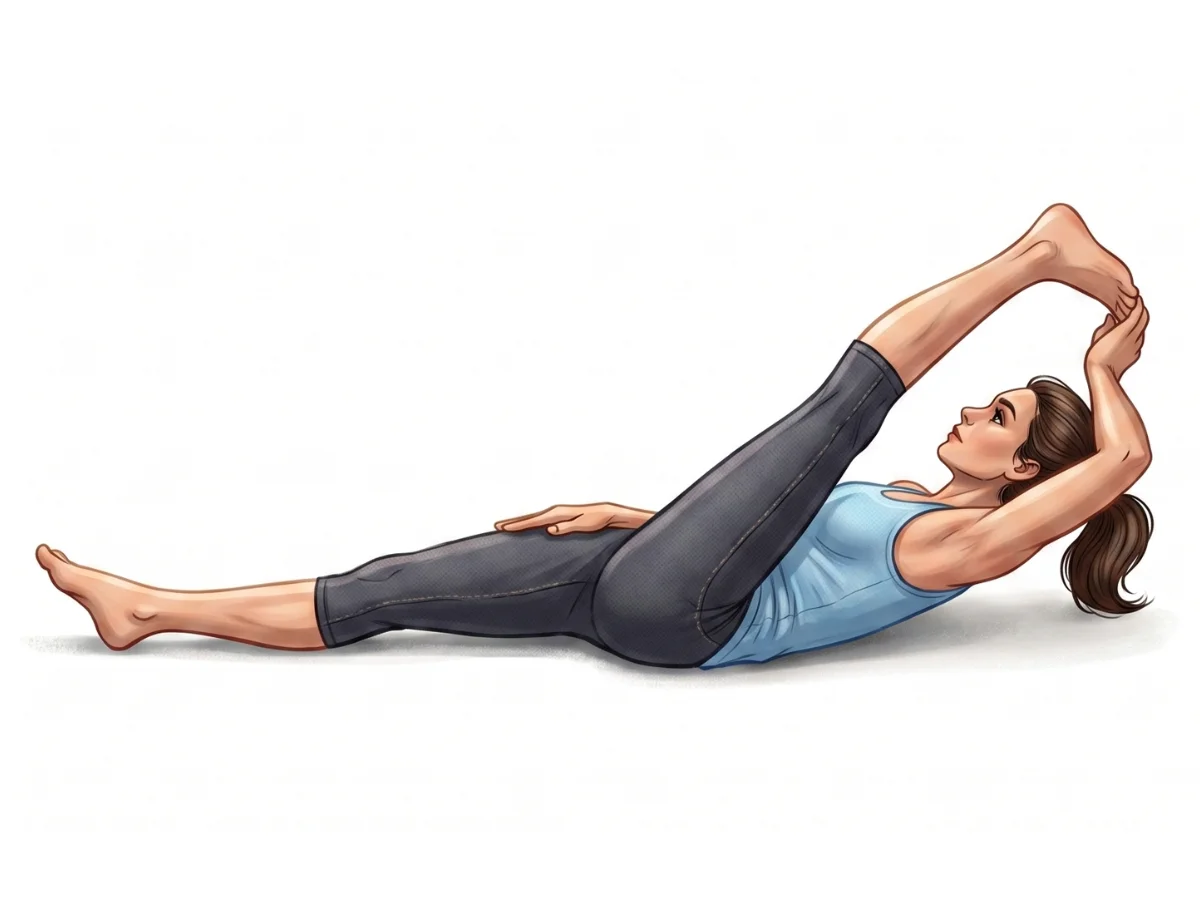
Supine Hand to Big Toe
Supta Padangusthasana AWarms up the hamstrings in the vertical plane before moving to the lateral stretch.
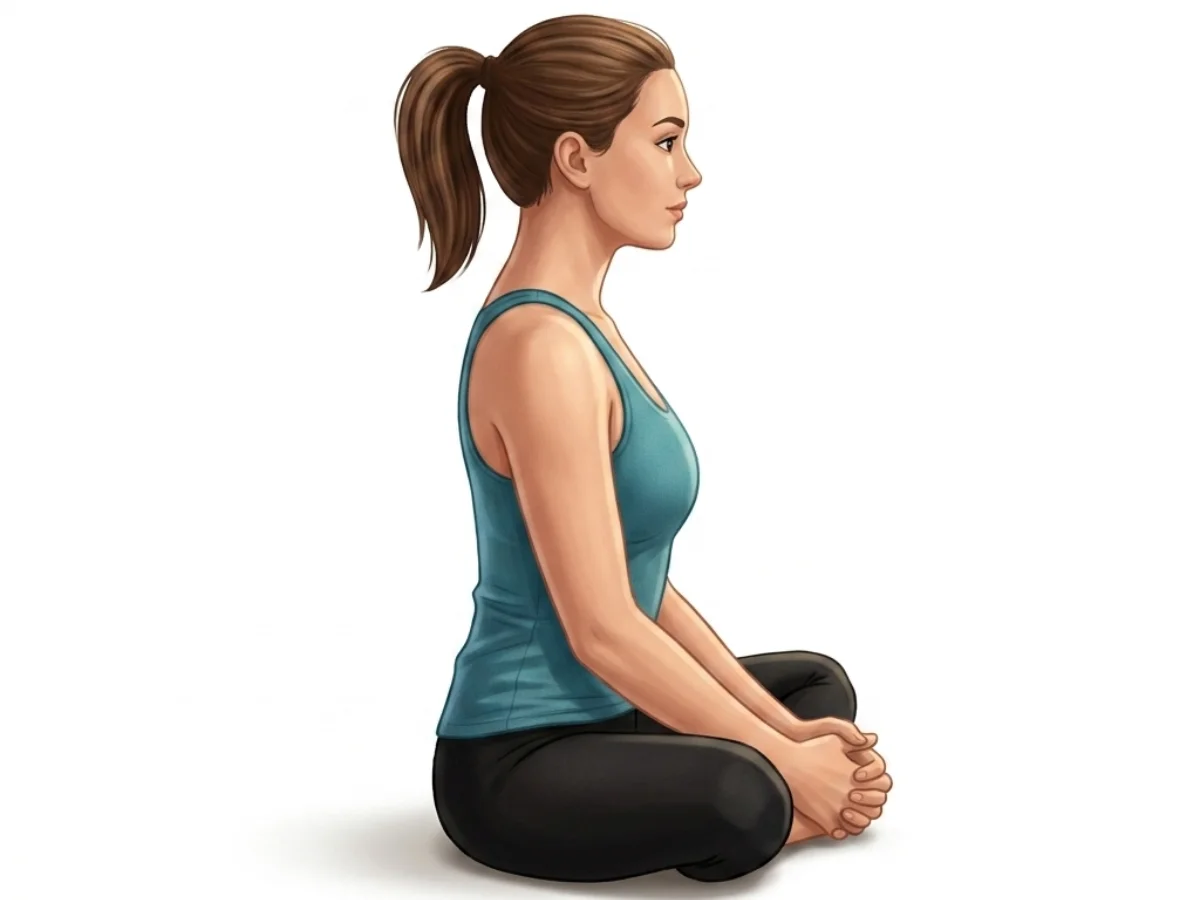
Bound Angle
Baddha KonasanaGently opens the adductors and inner groins in a seated position.
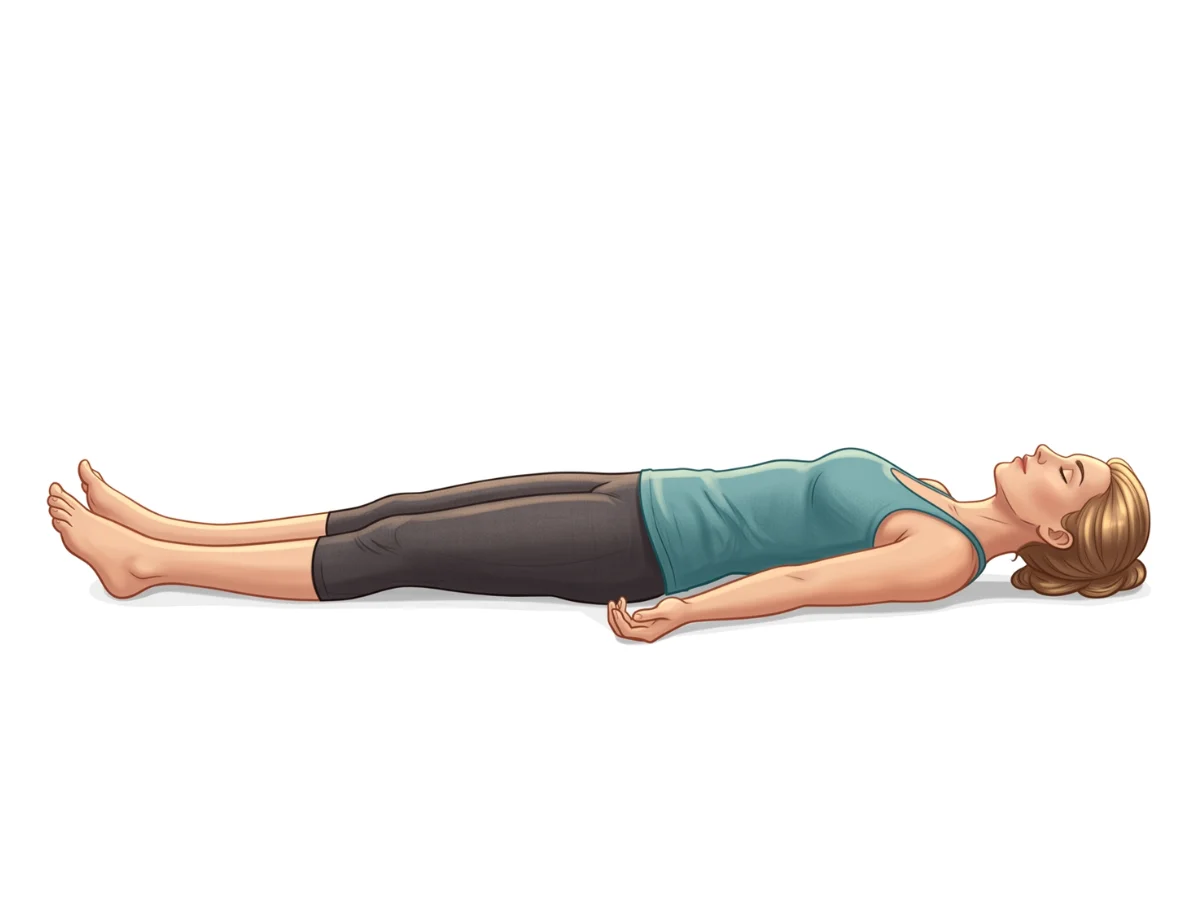
Corpse Pose
SavasanaEstablishes the neutral pelvic alignment required for the posture.
Follow with neutralizing Counter-poses
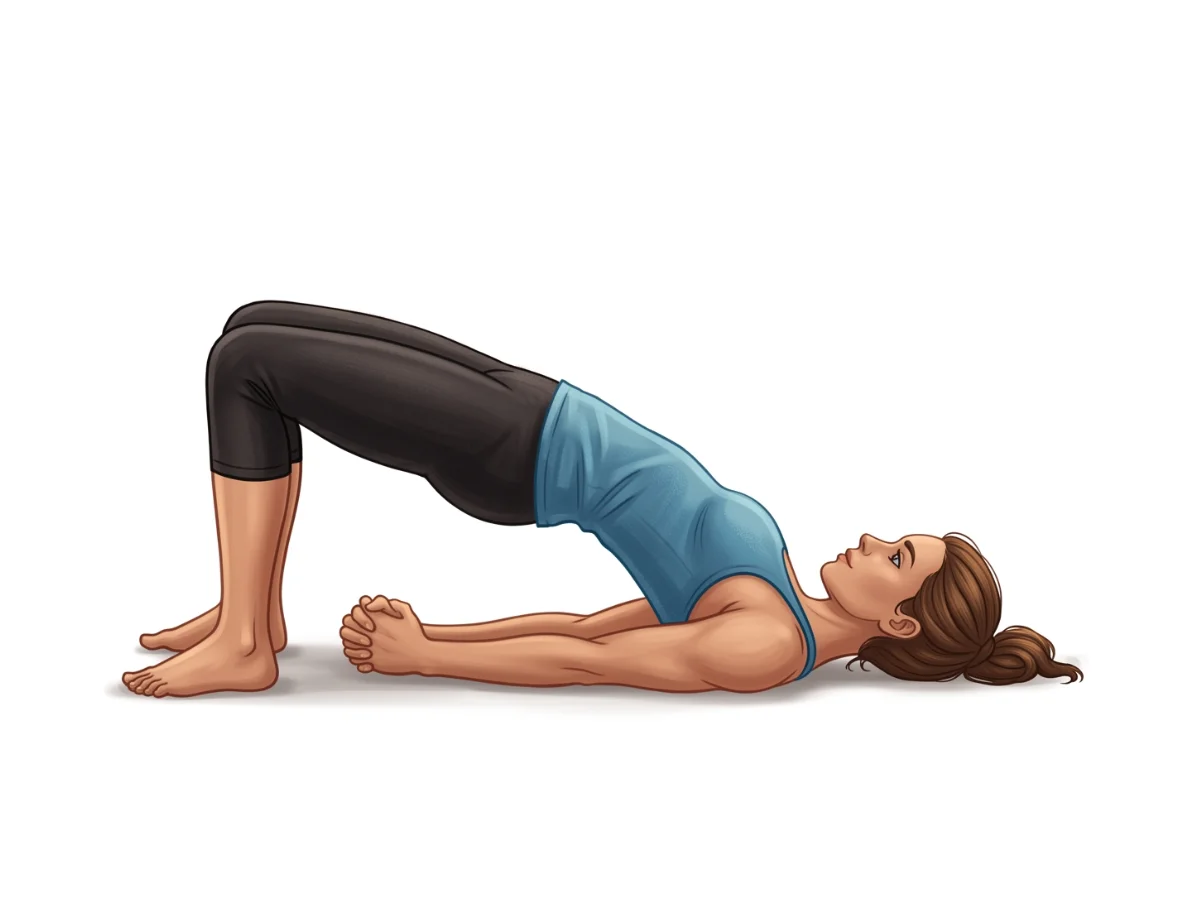
Bridge Pose
Setu BandhasanaNeutralizes the hips by bringing them into extension and engaging the glutes.
Corpse Pose
SavasanaProvides rest and allows the connective tissues to recover from the deep stretch.
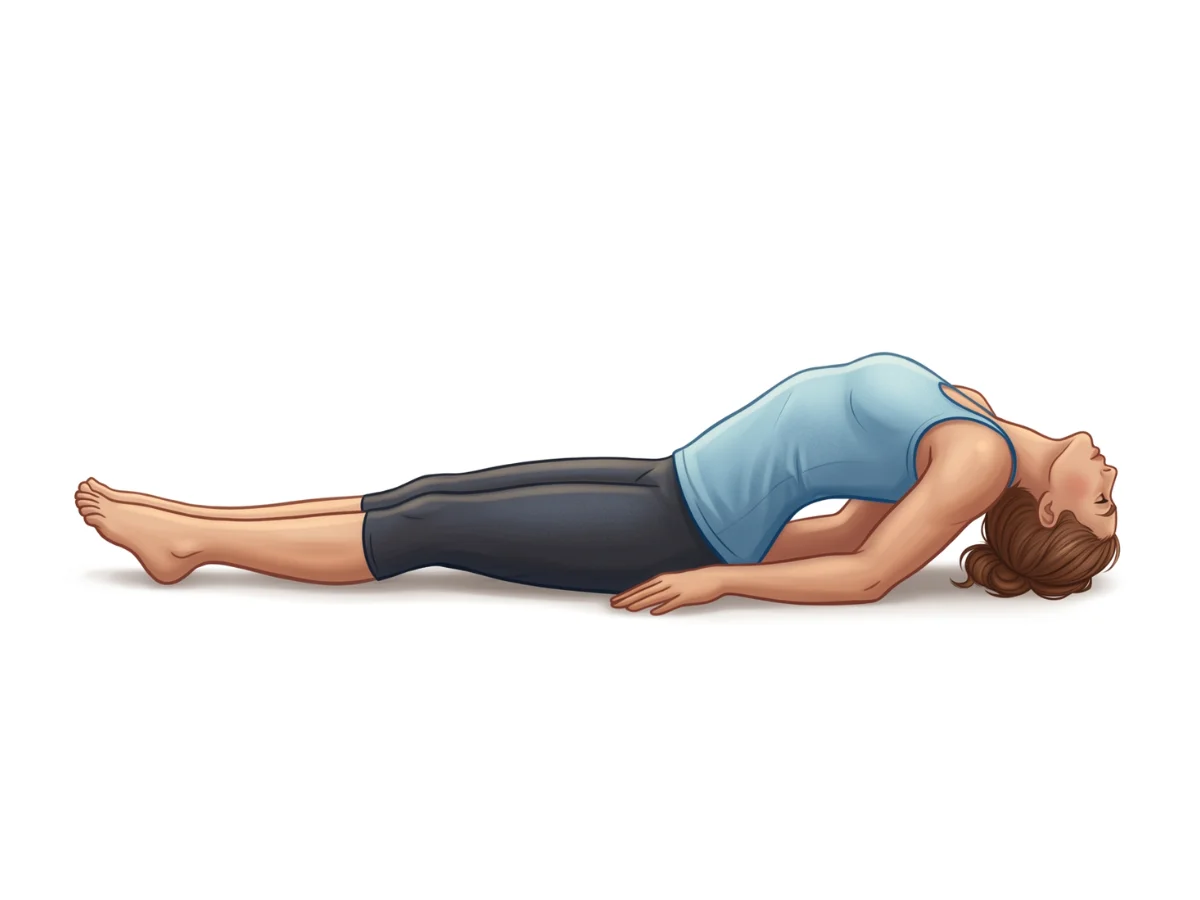
Fish Pose
MatsyasanaOffers a mild front-body stretch and spinal extension after the hip work.
Frequently Asked Questions
My leg won�t go all the way to the floor. Is that okay?
Absolutely. Touching the floor is not the goal; keeping the opposite hip grounded is. The stretch is just as effective regardless of how low the leg goes.
Why does my left hip keep lifting?
Your adductors are tight, so your body rolls to avoid the stretch. Place your hand firmly on your left hip, press it down, and stop lowering your right leg as soon as you feel the left hip begin to lift.
Should I bend the knee if it hurts?
If you feel a sharp pain behind the knee, keep a micro-bend or use a strap. If the stretch is simply intense in the inner thigh, breathe deeply and use a block for support.

Elena Rostova is an accredited yoga educator and anatomy specialist with over 15 years of clinical experience. She focuses on functional biomechanics and injury prevention, translating complex anatomy into accessible guidance for safe, sustainable practice.
Read Full ProfileContinue Your Yoga Journey
Ready to deepen your practice? Explore our extensive library of poses, or join a structured program designed to build strength, flexibility, and mindfulness.