
Firefly I
Tittibhasana A
By Elena Rostova Updated: verified Medically Reviewed
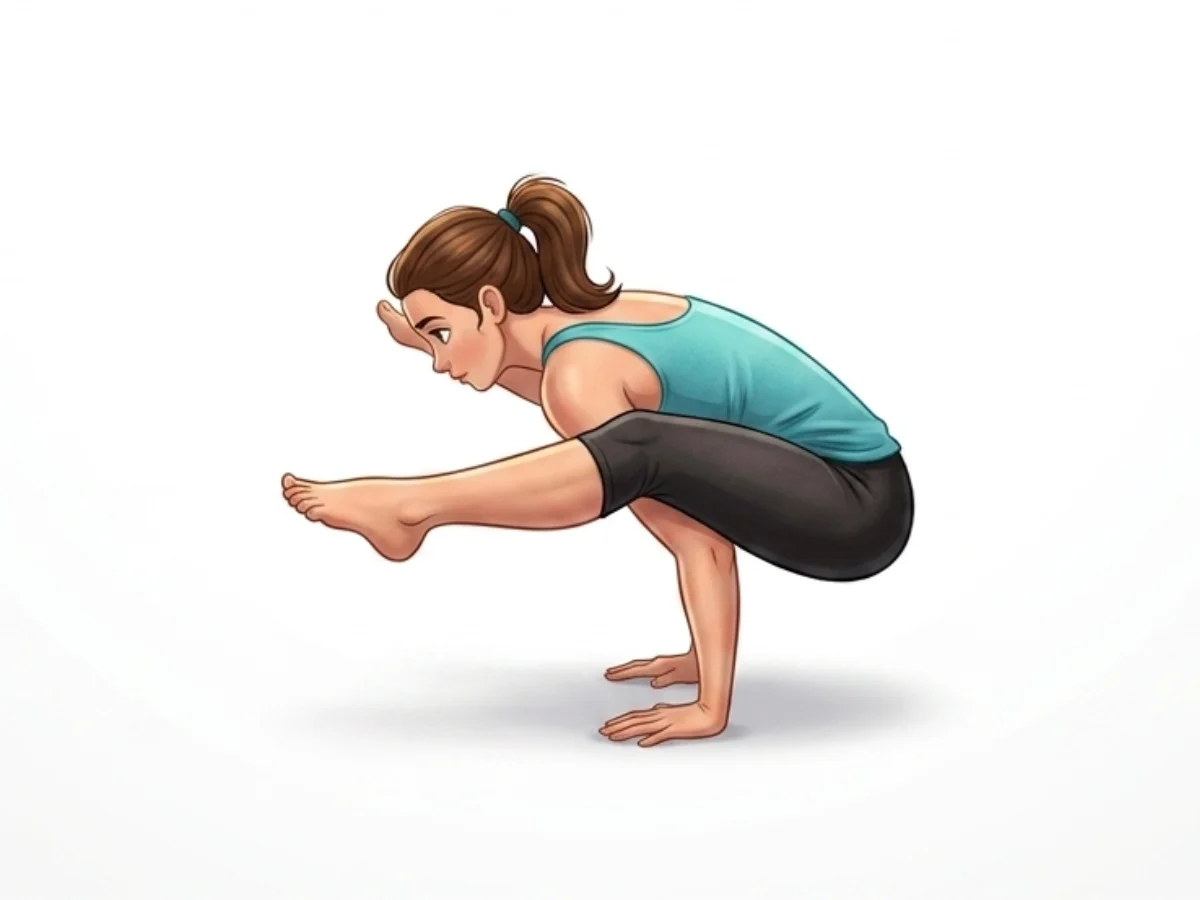
Firefly Pose I (Tittibhasana A) is a challenging arm balance that demands a profound combination of core strength, upper body power, and deep hamstring flexibility. In this posture, the practitioner lifts their entire body off the floor, balancing on their hands while both legs extend straight forward parallel to the ground.
Hold Time
15�30 sec � 3�5 breaths
Pronunciation
tih-tih-BAHS-anna
About Firefly I
Often praised by experienced instructors, Firefly I (Tittibhasana A) acts as a powerful tool for finding balance and realignment. As you settle into the shape, it gently works the core strength, arm balance & hamstring flexibility to increase your overall flexibility. Practicing this pose regularly helps with strengthens the core and leaves you feeling completely refreshed.
How to Practice
Start in a Wide Squat
Begin in a deep, wide-legged squat (Garland Pose / Malasana) with your feet slightly wider than hip-width apart.
Thread the Arms
Hinge forward at your hips and thread your right arm behind your right calf, and your left arm behind your left calf. Plant your palms firmly on the floor just behind your heels, fingers pointing forward.
Snug the Shoulders
Work your shoulders as deeply behind the backs of your knees as possible. Squeeze your inner thighs tightly against your upper arms like a vise.
Shift the Weight
Slowly begin to shift your body weight backward onto your hands. Keep your elbows slightly bent as you let your hips gently rest on the shelf created by your upper arms.
Lift the Feet
Engage your deep core. Press firmly into your palms to lift your feet off the floor, crossing your ankles first if you need to build stability (resembling Bhujapidasana).
Extend the Legs
On an inhalation, powerfully engage your quadriceps and begin to straighten both legs forward and up, pointing your toes to create tension through the limbs.
Straighten the Arms
As your legs extend, press firmly down through the heels of your hands to straighten your arms as much as possible, lifting your chest and lifting your hips higher.
Hold and Release
Hold the balance for 3 to 5 breaths, keeping your gaze forward. To release, slowly bend your knees, lower your feet back to the floor, and return to Malasana.
Practice with the Yoga Timer
Keep track of your hold time and breath count for this pose.
Beginner Modifications & Prop Options
Yoga is a personal journey. These modifications and prop options allow you to adapt the pose to your current level of balance and flexibility, ensuring a safe and supportive practice.
Blocks Under Hands
Place a yoga block under each hand. This gives you extra height, making it significantly easier to lift your hips and straighten your legs without dragging them on the floor.
Tip: Focus on alignment rather than depth.
Bent Knees (Shoulder-Pressing Pose)
If straightening the legs is too intense on the hamstrings, keep the knees bent and ankles crossed. This is Bhujapidasana, an excellent preparatory pose for Firefly.
Tip: Focus on alignment rather than depth.
Wall Support
Practice with your hips just a few inches from a wall. If you lose your balance backward, the wall will safely catch your glutes.
Tip: Focus on alignment rather than depth.
Benefits of Firefly I
Strengthens the Core
Holding the legs extended parallel to the floor requires immense power from the hip flexors and deep abdominal muscles.
Builds Upper Body Power
Bearing the body's full weight on the hands builds massive strength in the wrists, forearms, triceps, and chest.
Deeply Stretches Hamstrings
Fully extending the legs while seated heavily into the fold intensely stretches the back of the thighs and calves.
Opens the Groin and Hips
The wide straddle position over the arms provides a significant stretch to the inner thighs and groin.
Enhances Balance and Focus
Finding the exact center of gravity between the heavy hips and the extended legs requires intense concentration and body awareness.
Common Mistakes to Avoid
Mistake: Legs Slipping Down the Arms
How to fix: You must actively squeeze your inner thighs against your triceps/shoulders. Do not rely solely on gravity; create a powerful inward clamping action.
Mistake: Looking Down at the Floor
How to fix: Looking down rounds the spine and pulls your weight forward, increasing the chance of tumbling. Keep your gaze slightly forward to lift the chest and counter-balance the hips.
Mistake: Forgetting to Point the Toes
How to fix: Floppy feet make the legs feel heavier. Strongly point your toes (or "floint" them�point the foot but pull the toes back) to engage the entire leg chain.
Safety and Precautions
Wrist Injuries
The intense extension and heavy load on the wrists will exacerbate carpal tunnel syndrome, tendonitis, or recent sprains.
Shoulder or Elbow Issues
The upper body bears full weight; practitioners with rotator cuff tears or elbow issues should avoid this pose.
Lower Back Pain
The deep flexion of the spine combined with the heavy load of the extended legs can strain vulnerable lumbar discs.
Hamstring Tears
The intense stretch required to straighten the legs can severely aggravate healing hamstring or groin injuries.
Medical Disclaimer: If you have any of the above conditions, consult your doctor or a qualified yoga instructor before attempting this pose.
Muscles Worked in Firefly I
Firefly I demands synchronized muscular effort, creating a profound sense of engagement and release throughout the body. The activation of the primary muscles supports the structure, while the secondary muscles provide stability and balance.
Primary Muscles
Iliopsoas (Hip Flexors)
Work intensely to hold the heavy legs elevated and straight.
Triceps Brachii
Engage powerfully to straighten the arms and lift the pelvis.
Rectus Abdominis
Compress the torso to maintain the tight, compact center.
Secondary Muscles
Quadriceps
Contract forcefully to fully straighten the knees.
Hamstrings
Stretch deeply along the back of the thighs.
Adductors (Inner Thighs)
Squeeze inward tightly to grip the upper arms and prevent slipping.
Poses to Practice Before and After Firefly I
Prepare with these Poses
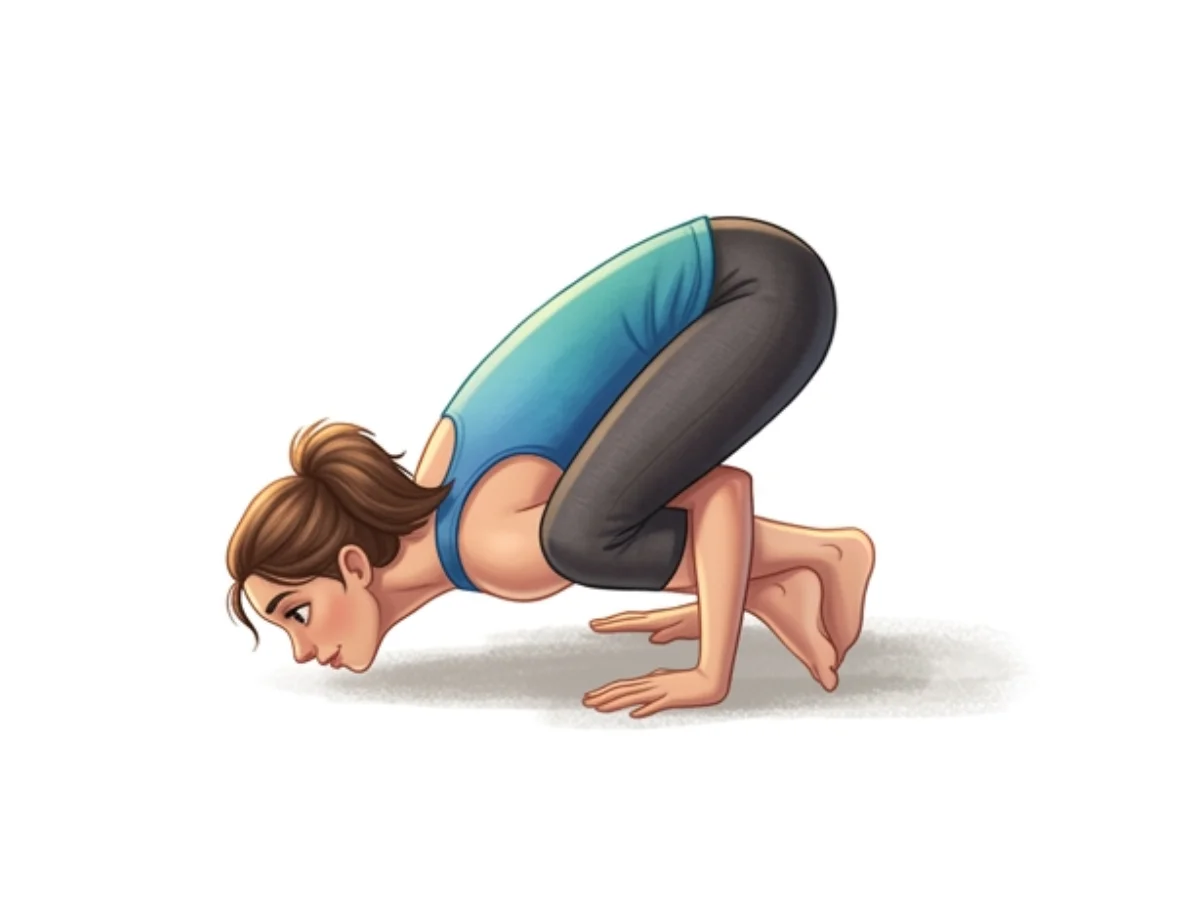
Shoulder-Pressing Pose
BhujapidasanaBuilds the arm strength and inner thigh grip necessary before extending the legs.
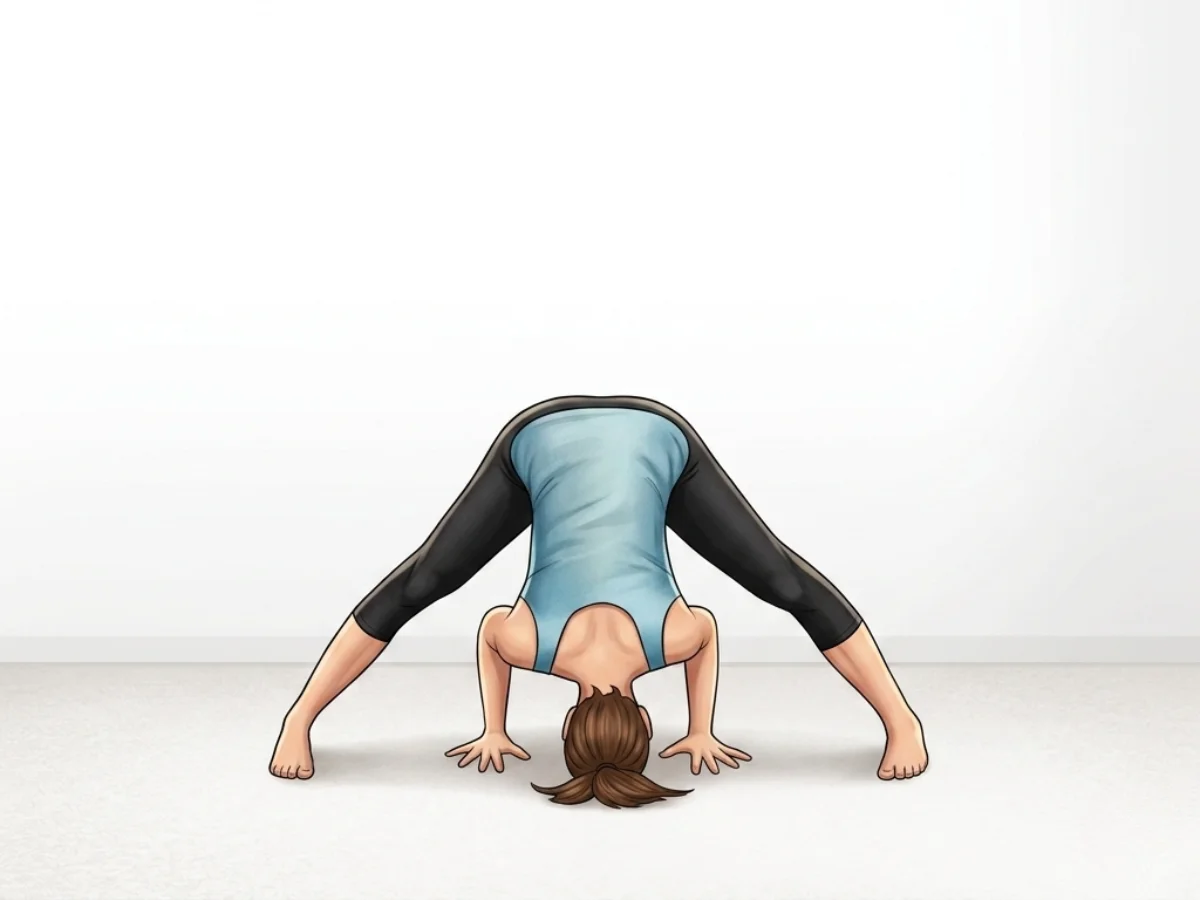
Wide-Legged Forward Bend
Prasarita PadottanasanaDeeply stretches the hamstrings and groin to prepare for the straddle position.
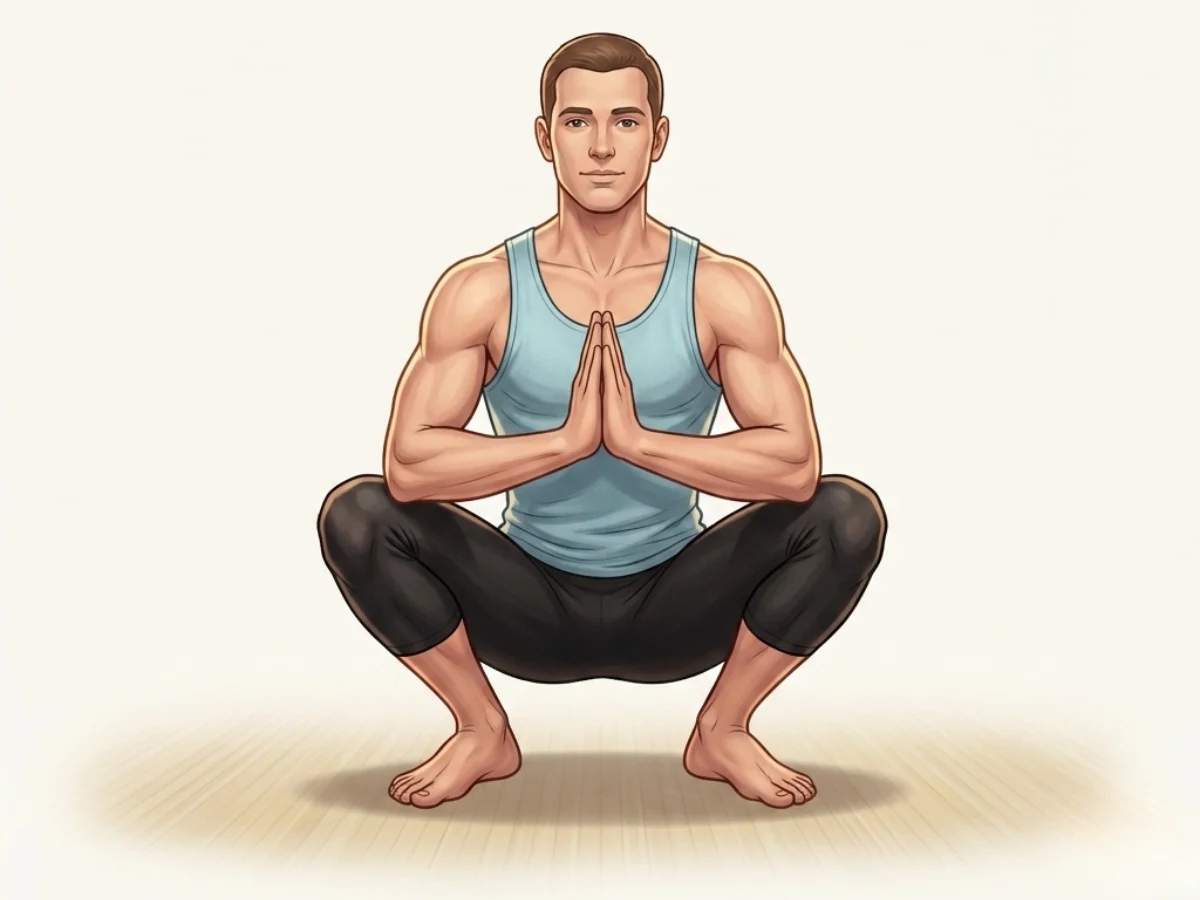
Garland Pose
MalasanaOpens the hips and establishes the starting squat position.
Follow with neutralizing Counter-poses
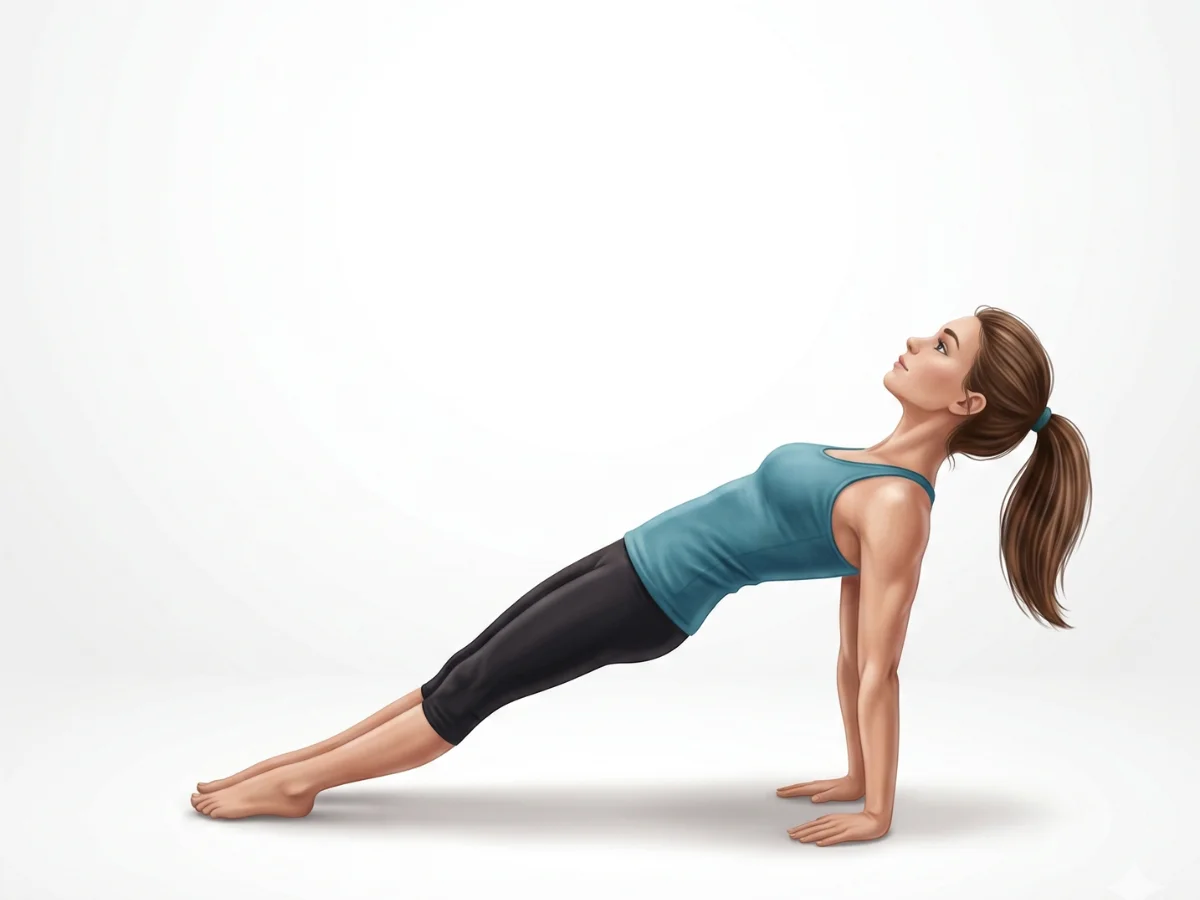
Upward Plank Pose
PurvottanasanaOpens the chest, shoulders, and hips, fully reversing the intense forward compression.
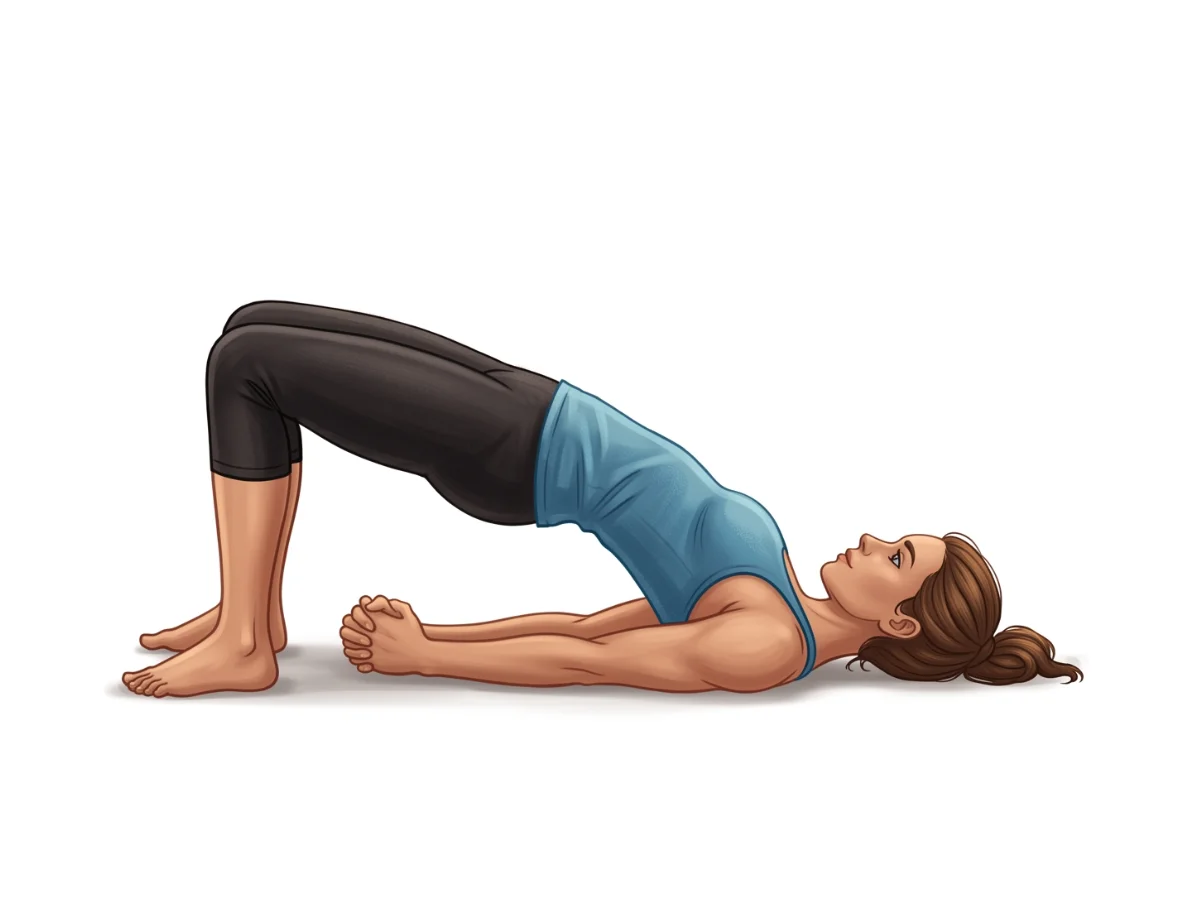
Bridge Pose
Setu BandhasanaGently extends the spine and stretches the exhausted hip flexors.
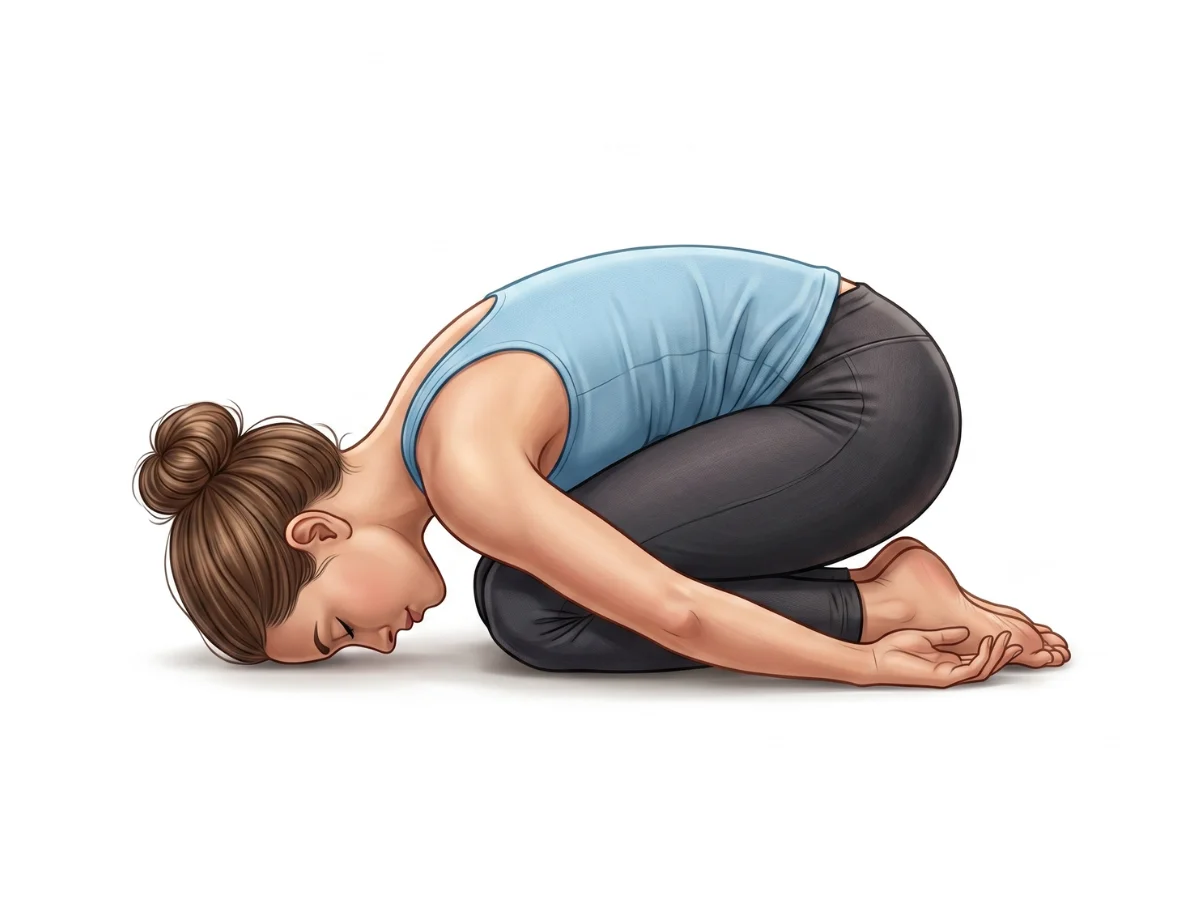
Wrist Stretches
VariousSimple wrist rolls and gentle counter-stretches relieve the intense weight-bearing pressure.
Frequently Asked Questions
How can I stop falling backward?
Falling backward usually means your chest is dropping and your center of gravity is too far behind your hands. Try to look slightly forward, lift your chest, and press firmly into your fingertips to brake the backward momentum.
Why won�t my legs straighten completely?
This requires immense hamstring flexibility and strong hip flexors. If your hamstrings are tight, they will pull against the straightening action. Practice deep forward folds daily to improve this over time.
Do my arms have to be completely straight?
No. Most practitioners start with slightly bent elbows (like a Chaturanga arm). Straightening the arms is the final, most advanced expression of the pose.

Elena Rostova is an accredited yoga educator and anatomy specialist with over 15 years of clinical experience. She focuses on functional biomechanics and injury prevention, translating complex anatomy into accessible guidance for safe, sustainable practice.
Read Full ProfileContinue Your Yoga Journey
Ready to deepen your practice? Explore our extensive library of poses, or join a structured program designed to build strength, flexibility, and mindfulness.