
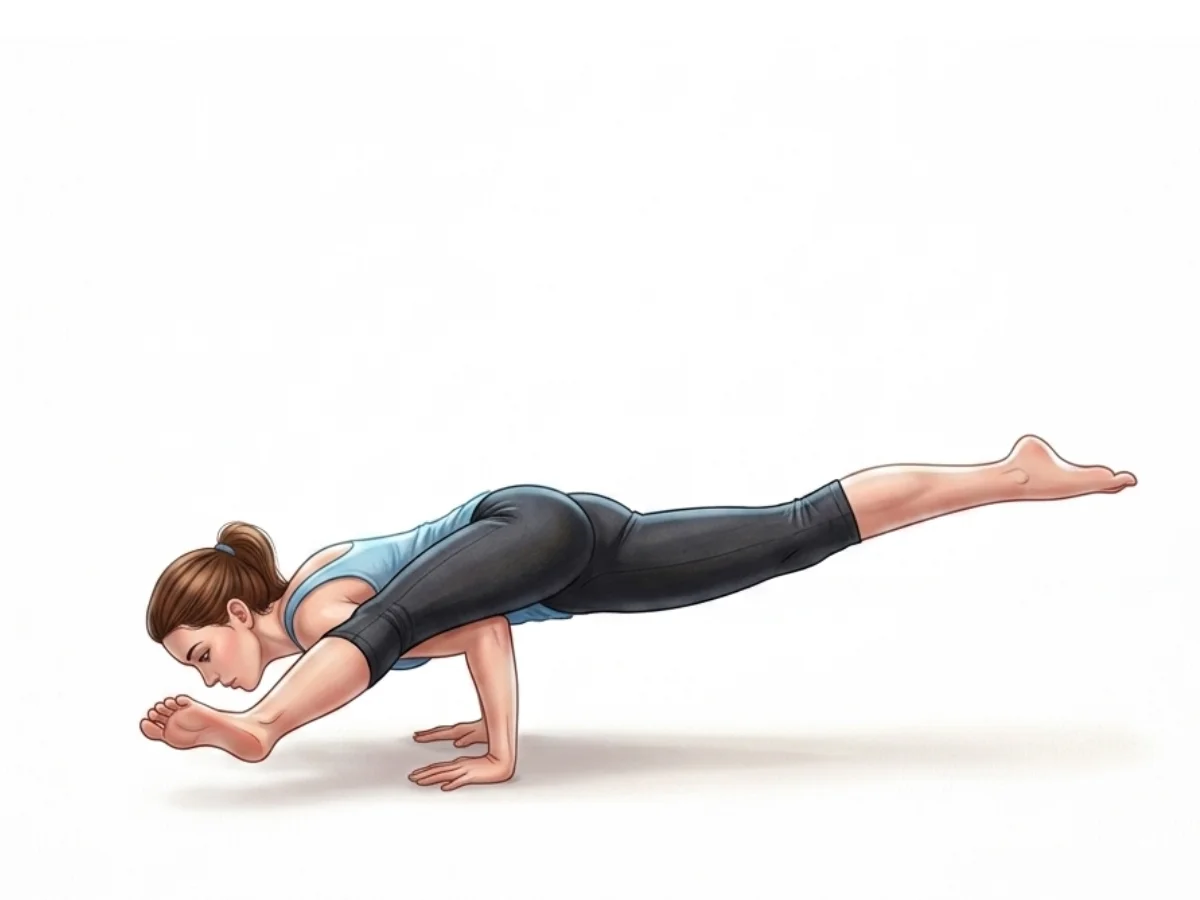
Flying Man
Eka Pada Koundinyasana II
By Elena Rostova Updated: verified Medically Reviewed
Flying Man Pose (Eka Pada Koundinyasana II) is a challenging asymmetrical arm balance that demands immense core strength, shoulder stability, and flexibility in the hips and hamstrings. It builds intense heat and focus, testing the practitioner's balance as the legs split mid-air.
Hold Time
15–30 sec · 3–5 breaths
Pronunciation
eh-kah PAH-dah kown-din-YAHS-anna
About Flying Man
Often praised by experienced instructors, Flying Man (Eka Pada Koundinyasana II) acts as a powerful tool for finding balance and realignment. It primarily targets the arm strength & core stability, helping to create length and strength exactly where you need it most. Ultimately, it is a fantastic pose for builds upper body strength, leaving you with a profound sense of grounded energy.
How to Practice
Starting Position
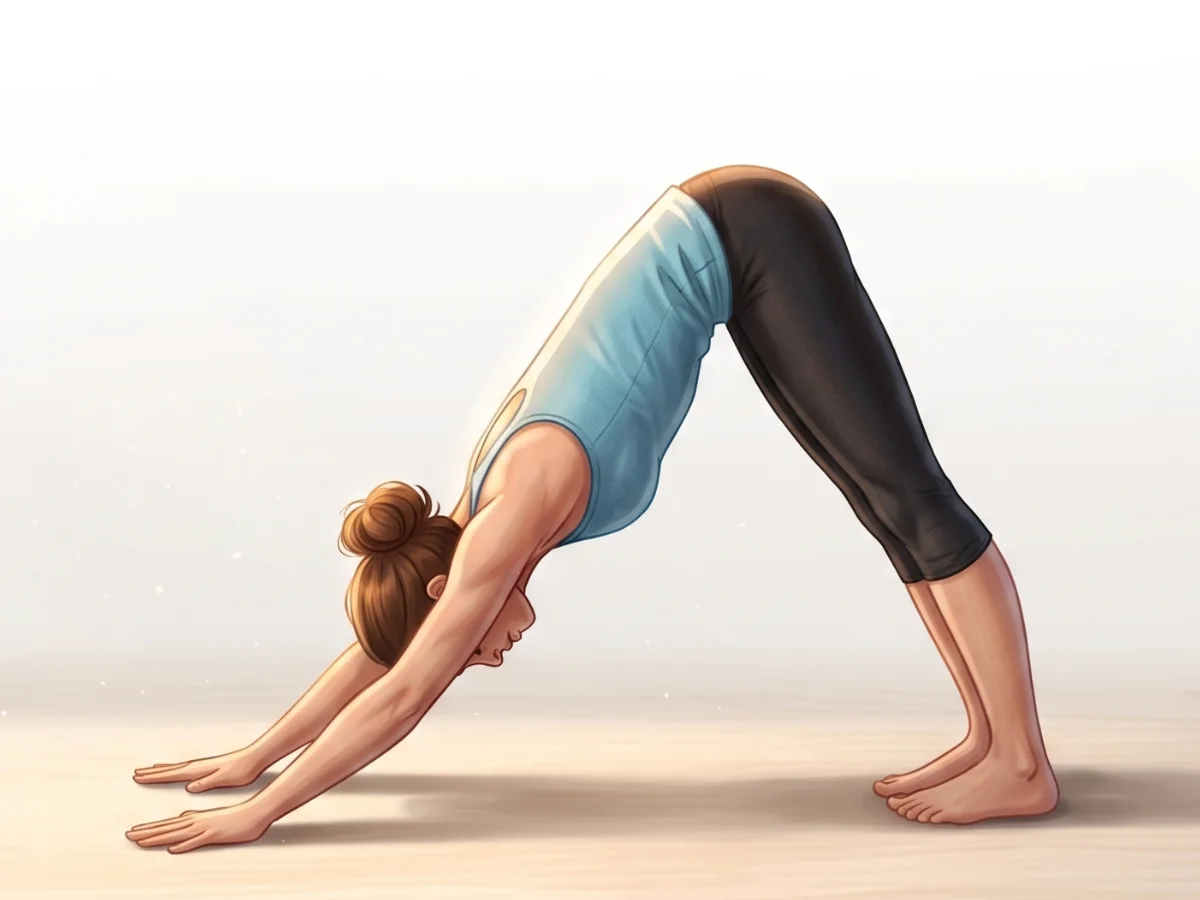
Begin in Downward-Facing Dog (Adho Mukha Svanasana). Step your right foot forward outside your right hand, coming into a Lizard Lunge.
Position the Shoulder
Thread your right arm under your right thigh, placing the right hand flat on the floor outside the right foot. Snuggle the right shoulder as far under the thigh as possible.
Chaturanga Arms
Bend your elbows straight back to create a 90-degree angle, making a shelf with your upper arms (Chaturanga arms).
Shift Weight Forward
Keep your gaze forward and begin to shift your body weight into your hands. Your right leg will rest firmly on your right tricep.
Lift the Front Leg
Engage your core and straighten your right leg out to the side and slightly forward, lifting the foot off the mat.
Lift the Back Leg
Continue to shift your weight forward into your fingertips until your back (left) foot becomes light. Engage your left glute and lift the left leg straight back and up.
Extend and Balance
Keep your chest lifting forward and your shoulders parallel to the floor. Extend energetically through both sets of toes.
Hold and Breathe
Maintain the balance for 3 to 5 deep breaths, keeping the core highly engaged.
Release Safely
To exit, slowly lower the back foot to the floor, bend the front knee, and step back into Downward-Facing Dog. Repeat on the other side.
Practice with the Yoga Timer
Keep track of your hold time and breath count for this pose.
Beginner Modifications & Prop Options
Yoga is a personal journey. These modifications and prop options allow you to adapt the pose to your current level of balance and flexibility, ensuring a safe and supportive practice.
Back Foot on the Floor
Keep your back toes firmly planted on the mat while extending the front leg out to the side. This builds arm and core strength safely.
Tip: Focus on alignment rather than depth.
Use Blocks Under Hands
Place blocks under each hand to give yourself more height, making it easier to lift the legs off the floor.
Tip: Focus on alignment rather than depth.
Benefits of Flying Man
Builds Upper Body Strength
Intensely strengthens the wrists, arms, and shoulders as they bear the entire body's weight.
Engages the Core deeply
Requires massive activation of the rectus abdominis and obliques to keep the legs lifted and body stabilized.
Increases Hip Flexibility
The deep lunge and extension deeply stretch the inner thighs, groins, and hamstrings.
Improves Balance and Focus
The intricate alignment and weight shift demand intense concentration and spatial awareness.
Common Mistakes to Avoid
Mistake: Dipping the Shoulders
How to fix: Keep the shoulders lifted and away from the ears, maintaining a strong Chaturanga position in the arms.
Mistake: Looking Down
How to fix: Looking down can cause you to tip forward. Keep your gaze slightly forward to counterbalance the weight of your legs.
Safety and Precautions
Wrist or Shoulder Injuries
The pose places heavy load on these joints; avoid if recovering from sprains or tears.
Lower Back Issues
The intense core requirement can strain the back if not properly engaged.
Pregnancy
The deep core compression and balance risk make this unsuitable for pregnancy.
Medical Disclaimer: If you have any of the above conditions, consult your doctor or a qualified yoga instructor before attempting this pose.
Muscles Worked in Flying Man
Flying Man demands synchronized muscular effort, creating a profound sense of engagement and release throughout the body. The activation of the primary muscles supports the structure, while the secondary muscles provide stability and balance.
Primary Muscles
Pectoralis Major & Minor
Support the weight of the body in the bent-arm position.
Triceps Brachii
Stabilize the elbow joint while bearing weight.
Core (Abdominals)
Lift the hips and keep the legs elevated.
Secondary Muscles
Hamstrings
Stretch dynamically to allow the front leg extension.
Gluteus Maximus
Engages to lift and hold the back leg up.
Poses to Practice Before and After Flying Man
Prepare with these Poses
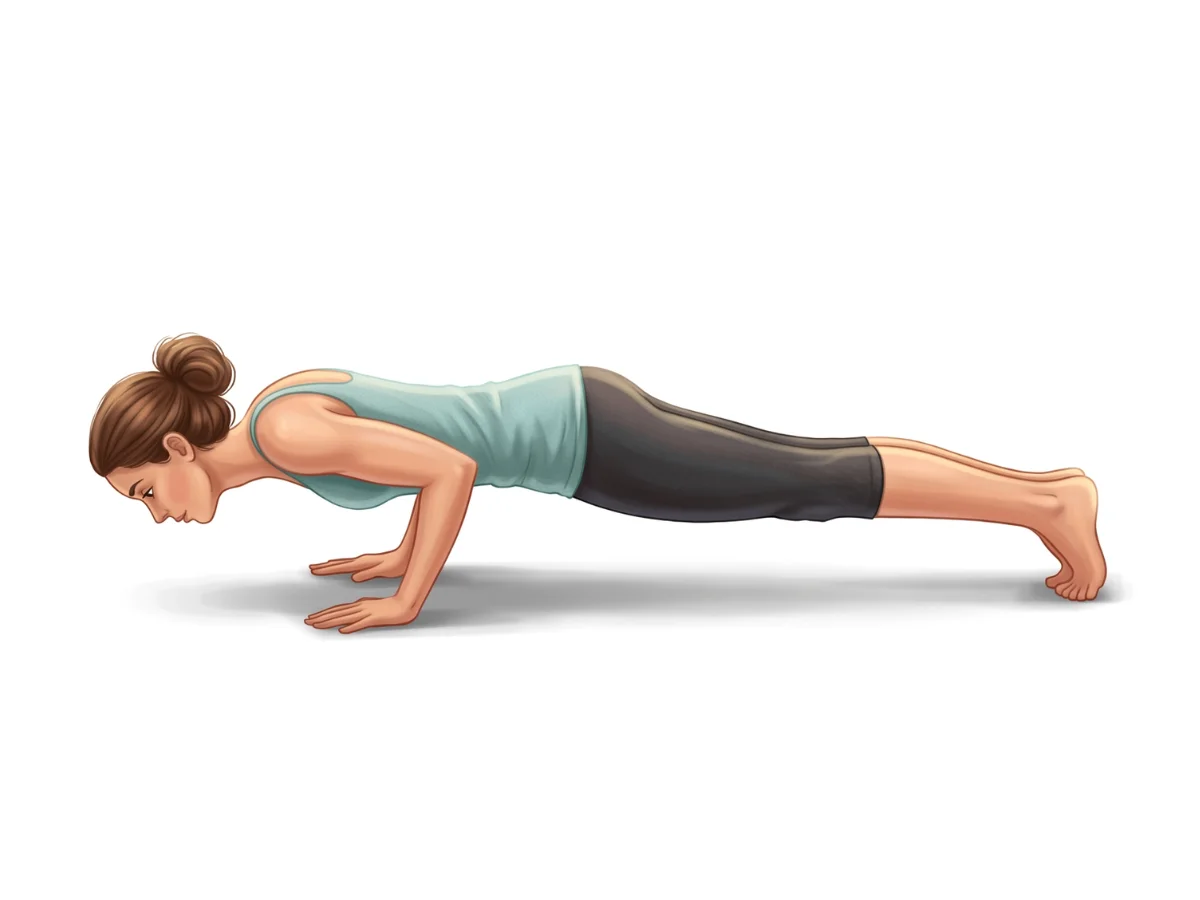
Low Push-Up
Chaturanga DandasanaBuilds the foundational arm and shoulder strength required for arm balances.
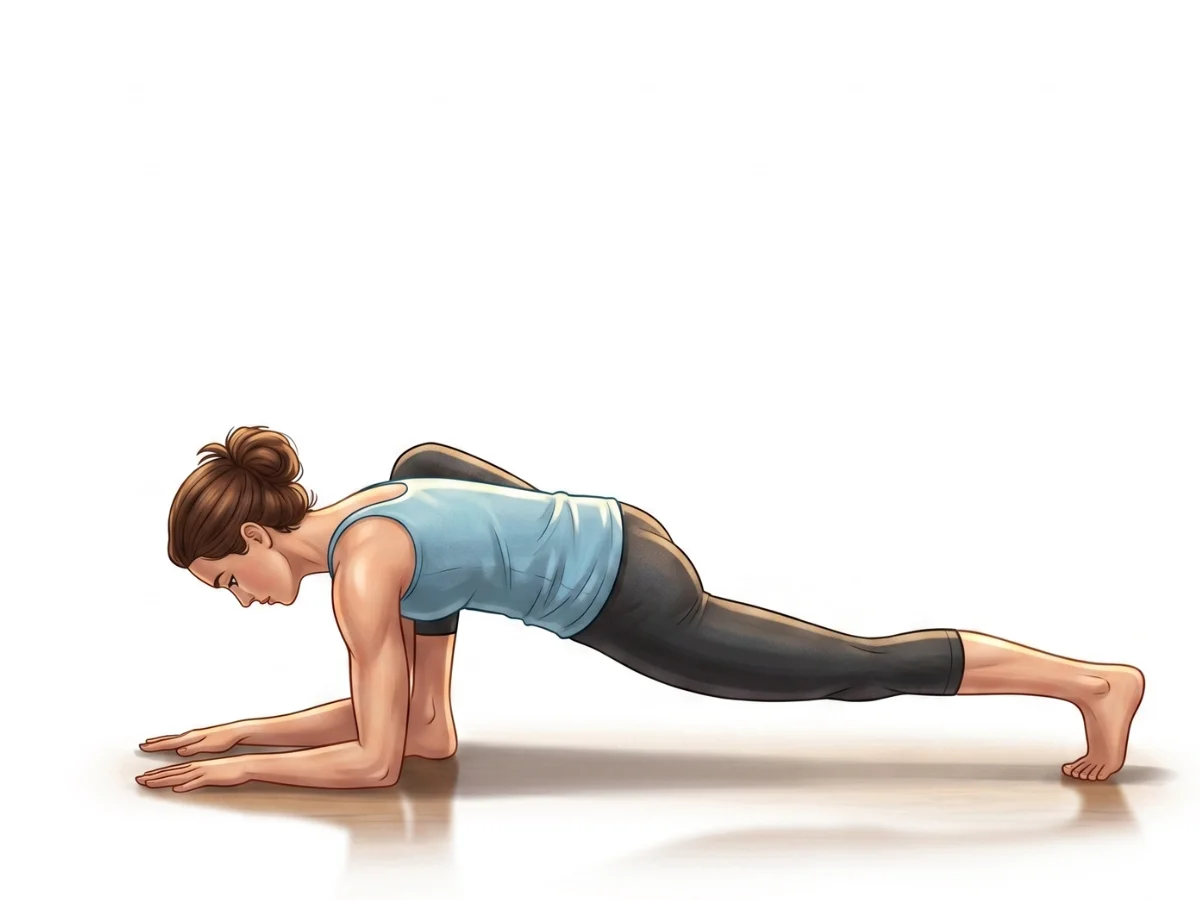
Lizard
Utthan PristhasanaOpens the hips and groins, preparing the legs for the split position.
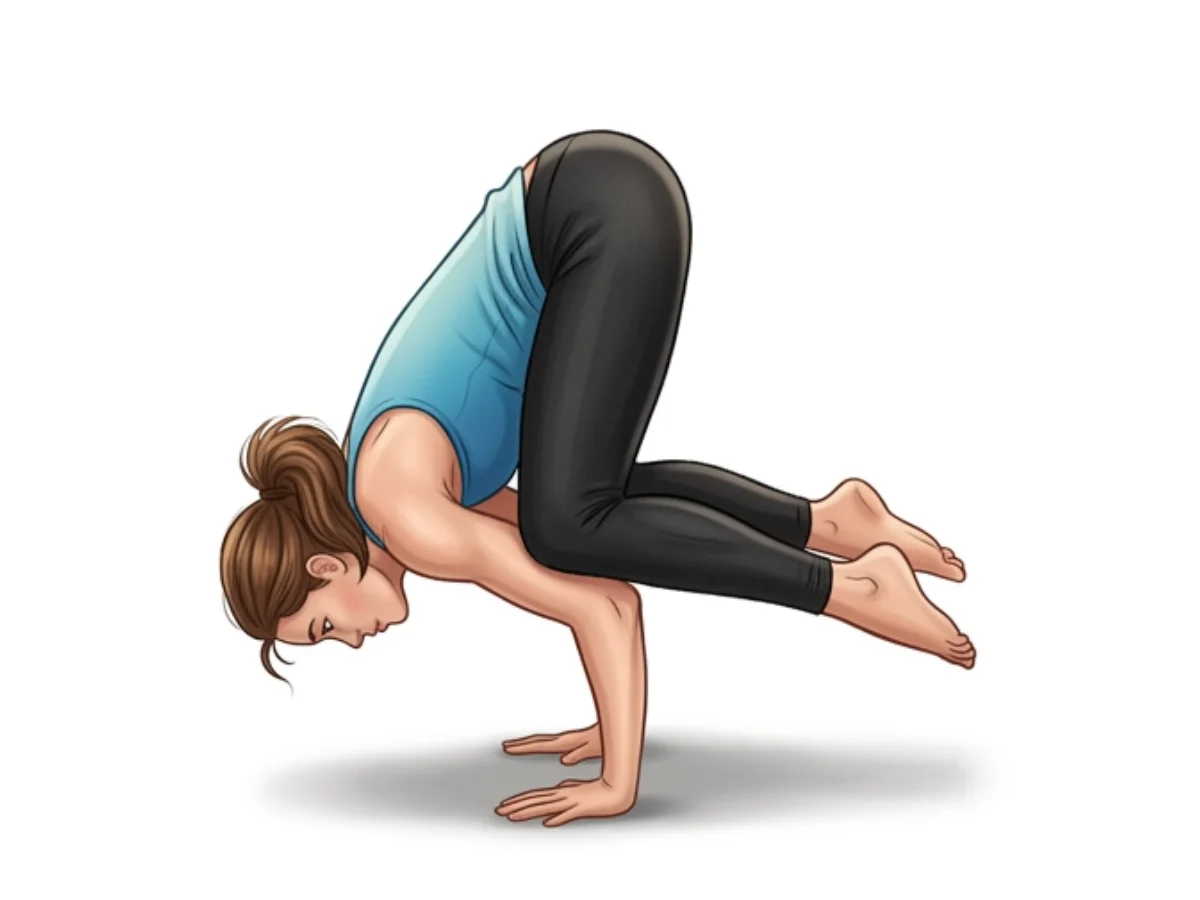
Crow Pose
BakasanaIntroduces the mechanics of balancing the body weight on the hands.
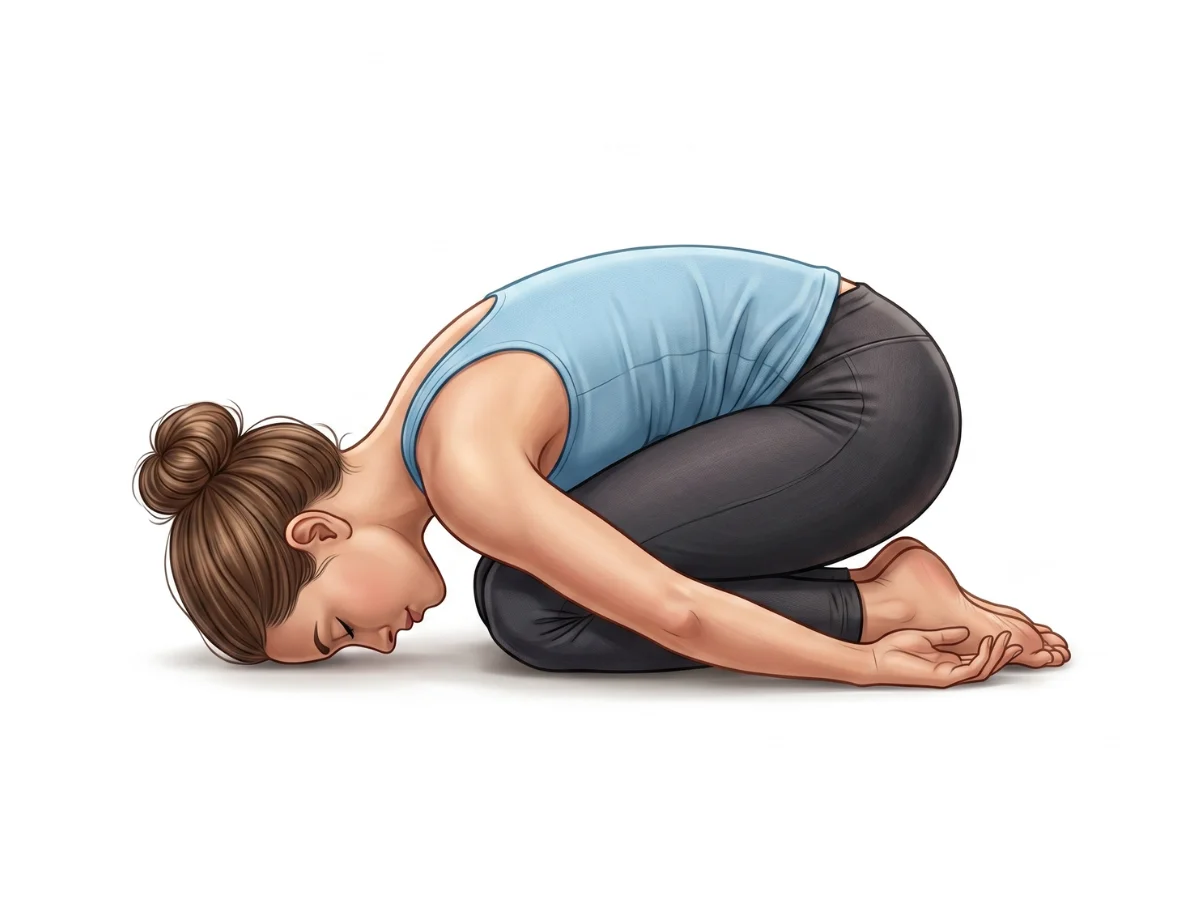
Follow with neutralizing Counter-poses
Frequently Asked Questions
How can I stop my face from hitting the floor?
Keep your gaze forward, past your fingertips. Your body follows your eyes; looking down will pull your weight downward. Also, ensure your elbows are bent at a 90-degree angle and actively push the floor away.
Why won't my back leg lift?
Lifting the back leg is an issue of both core strength and counterbalance. You must shift your chest further forward to make the back leg light enough to lift using your glutes and hamstrings.
Elena Rostova is an accredited yoga educator and anatomy specialist with over 15 years of clinical experience. She focuses on functional biomechanics and injury prevention, translating complex anatomy into accessible guidance for safe, sustainable practice.
Read Full ProfileContinue Your Yoga Journey
Ready to deepen your practice? Explore our extensive library of poses, or join a structured program designed to build strength, flexibility, and mindfulness.