
Forearm Balance
Pincha Mayurasana
By Elena Rostova Updated: verified Medically Reviewed
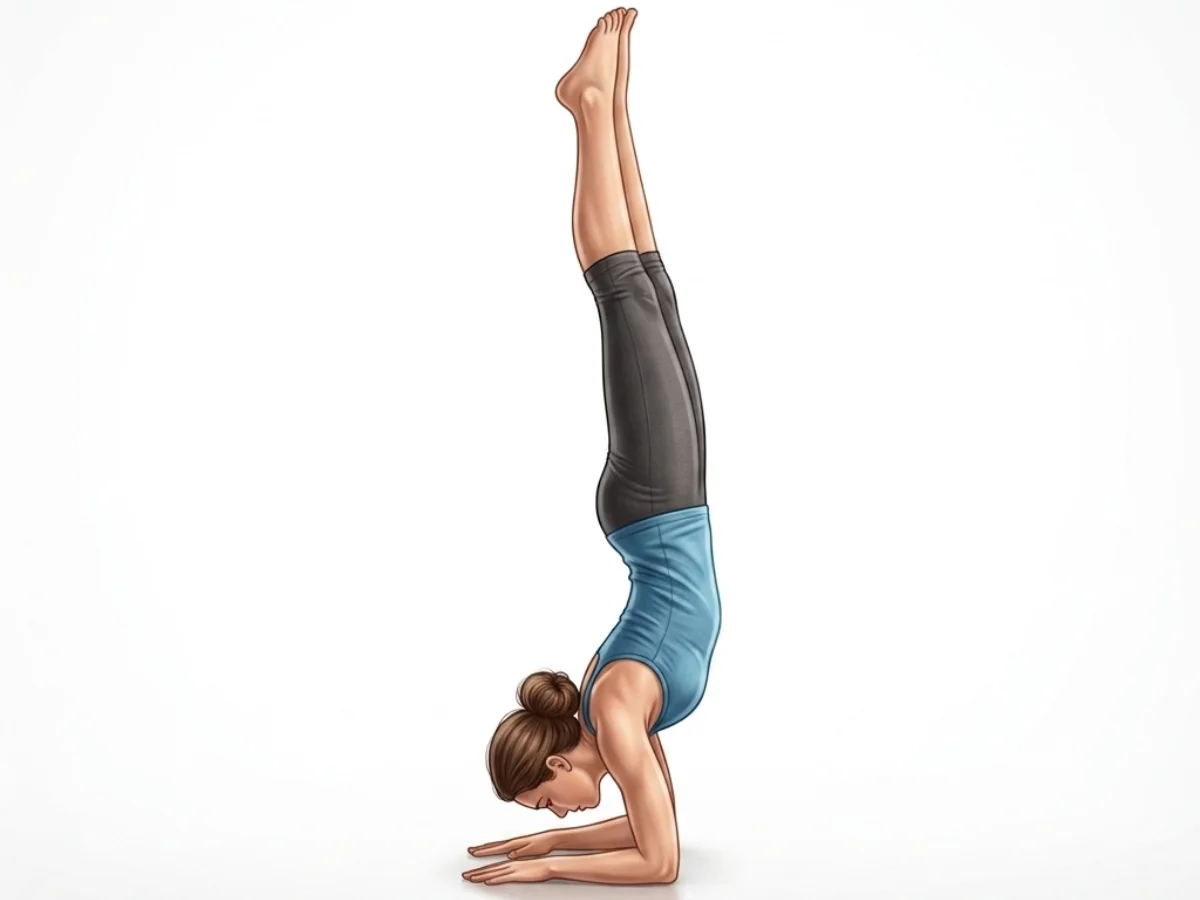
Forearm Balance (Pincha Mayurasana), also known as Feathered Peacock Pose, is a challenging inversion that builds intense shoulder strength and core stability. It requires open shoulders and a strong core to keep the body straight and prevent "banana back" while balancing upside down.
Hold Time
15–60 sec · 5–10 breaths
Pronunciation
pin-cha mah-yur-AHS-anna
About Forearm Balance
Often praised by experienced instructors, Forearm Balance (Pincha Mayurasana) acts as a powerful tool for finding balance and realignment. This posture specifically engages the shoulder strength & balance, making it highly effective for developing both strength and mobility. Ultimately, it is a fantastic pose for strengthens shoulders and arms, leaving you with a profound sense of grounded energy.
How to Practice
Start in Dolphin
Begin on your hands and knees. Lower your forearms to the mat, shoulder-width apart, fingers spread wide. Tuck your toes and lift your hips into Dolphin Pose.
Walk Feet In
Walk your feet as close to your elbows as possible, stacking your hips directly over your shoulders.
Gaze Forward
Look slightly forward between your thumbs. Keep your neck relaxed but active.
Lift One Leg
Lift your dominant leg straight up toward the ceiling. Engage the lifted leg entirely.
Hop and Float
Bend your bottom knee slightly, and take a gentle, controlled hop, using your core to lift your bottom leg up to meet the top leg.
Find the Balance
Squeeze your inner thighs together, flex or point your toes, and zip your lower ribs in to prevent your lower back from overarching.
Press the Floor Away
Actively push down through your forearms and elbows to lift your shoulders away from your ears.
Hold and Breathe
Hold the balance for 5 to 10 deep breaths, keeping the core tight and the body in a straight line.
Exit Safely
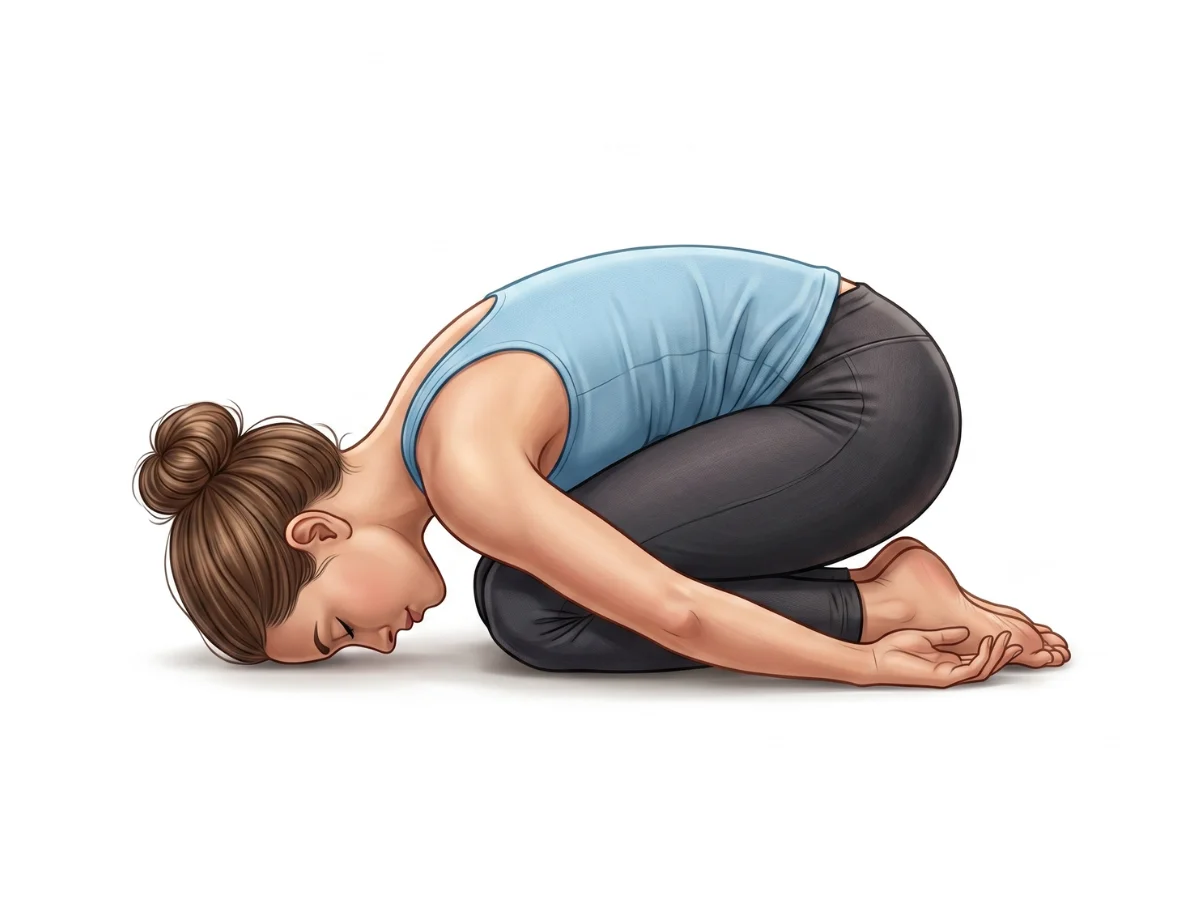
To release, lower one leg slowly to the floor, followed by the other. Immediately rest in Child's Pose.
Practice with the Yoga Timer
Keep track of your hold time and breath count for this pose.
Beginner Modifications & Prop Options
Yoga is a personal journey. These modifications and prop options allow you to adapt the pose to your current level of balance and flexibility, ensuring a safe and supportive practice.
Use a Wall
Practice facing a wall. Kick up so your heels lightly rest on the wall, allowing you to build strength and alignment without the fear of tipping over backwards.
Tip: Focus on alignment rather than depth.
Block Between Hands
Place a yoga block flat on the mat and grip the edges with your L-shaped thumbs and index fingers. This trains the arms to stay parallel.
Tip: Focus on alignment rather than depth.
Strap Above Elbows
Loop a yoga strap tightly just above your elbows. This prevents them from sliding apart while you bear weight.
Tip: Focus on alignment rather than depth.
Benefits of Forearm Balance
Strengthens Shoulders and Arms
Builds immense strength in the deltoids, triceps, and upper back.
Improves Core Stability
Requires constant engagement of the abdominal muscles to maintain a straight vertical line.
Increases Blood Flow to the Brain
As an inversion, it stimulates the nervous system, increases circulation to the head, and boosts energy.
Enhances Balance and Focus
Demands high levels of proprioception and mental concentration.
Common Mistakes to Avoid
Mistake: "Banana Back" (Arching)
How to fix: Pull your front ribs in and engage your core. Don't rely on your lower back flexibility to find balance.
Mistake: Sinking into Shoulders
How to fix: Actively press down through your forearms. Imagine trying to push the floor away to keep space around your neck.
Safety and Precautions
Shoulder, Neck, or Back Injuries
Do not practice if recovering from issues in the upper body.
High Blood Pressure or Heart Conditions
Inversions increase pressure in the head and chest.
Glaucoma or Eye Issues
Increased blood pressure to the head can exacerbate eye conditions.
Medical Disclaimer: If you have any of the above conditions, consult your doctor or a qualified yoga instructor before attempting this pose.
Muscles Worked in Forearm Balance
Forearm Balance demands synchronized muscular effort, creating a profound sense of engagement and release throughout the body. The activation of the primary muscles supports the structure, while the secondary muscles provide stability and balance.
Primary Muscles
Deltoids
Stabilize the shoulders and hold the body upright.
Triceps Brachii
Keep the arms stable and press the floor away.
Rectus Abdominis
Prevents the spine from overarching.
Secondary Muscles
Latissimus Dorsi
Assists in shoulder extension and stability.
Gluteus Maximus
Helps keep the legs straight and engaged.
Poses to Practice Before and After Forearm Balance
Prepare with these Poses
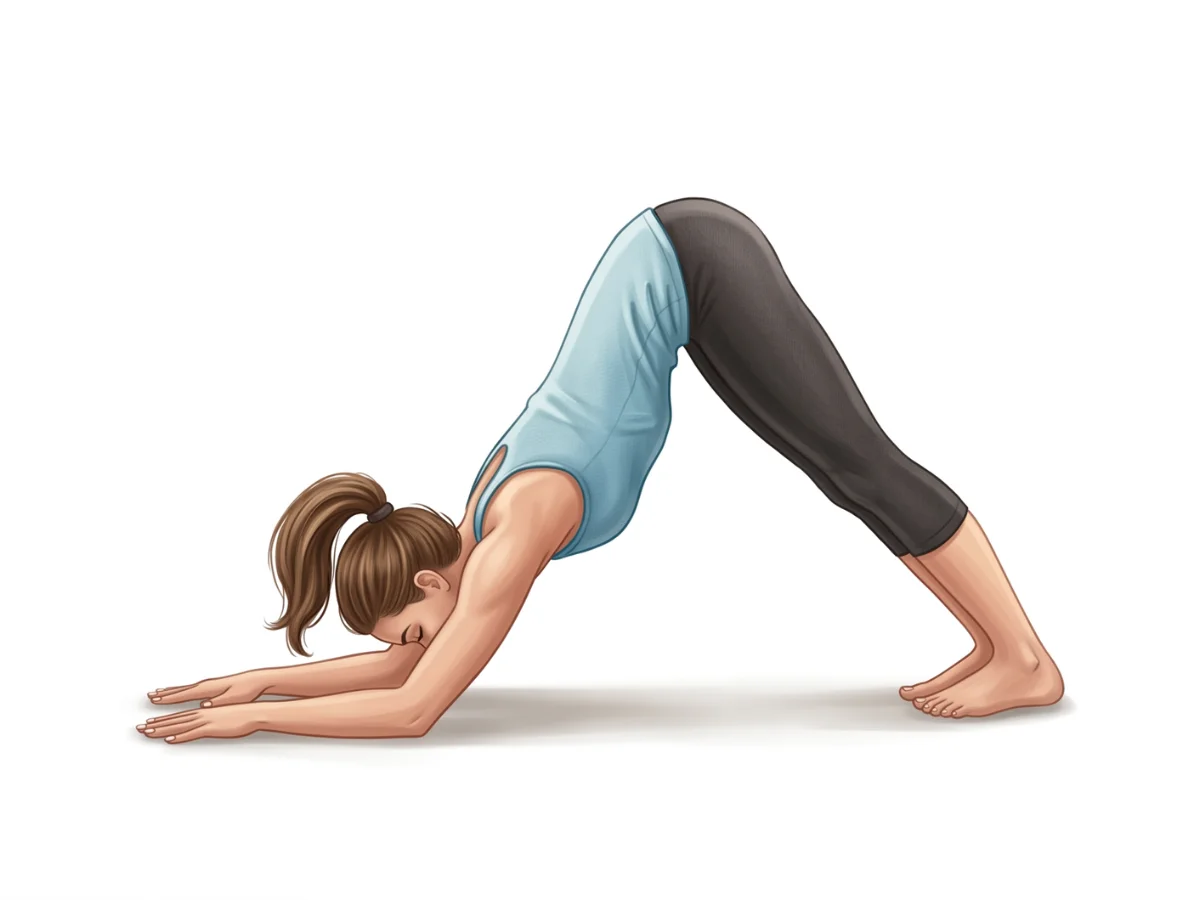
Dolphin Pose
Ardha Pincha MayurasanaBuilds the foundational shoulder strength and flexibility needed for Forearm Balance.
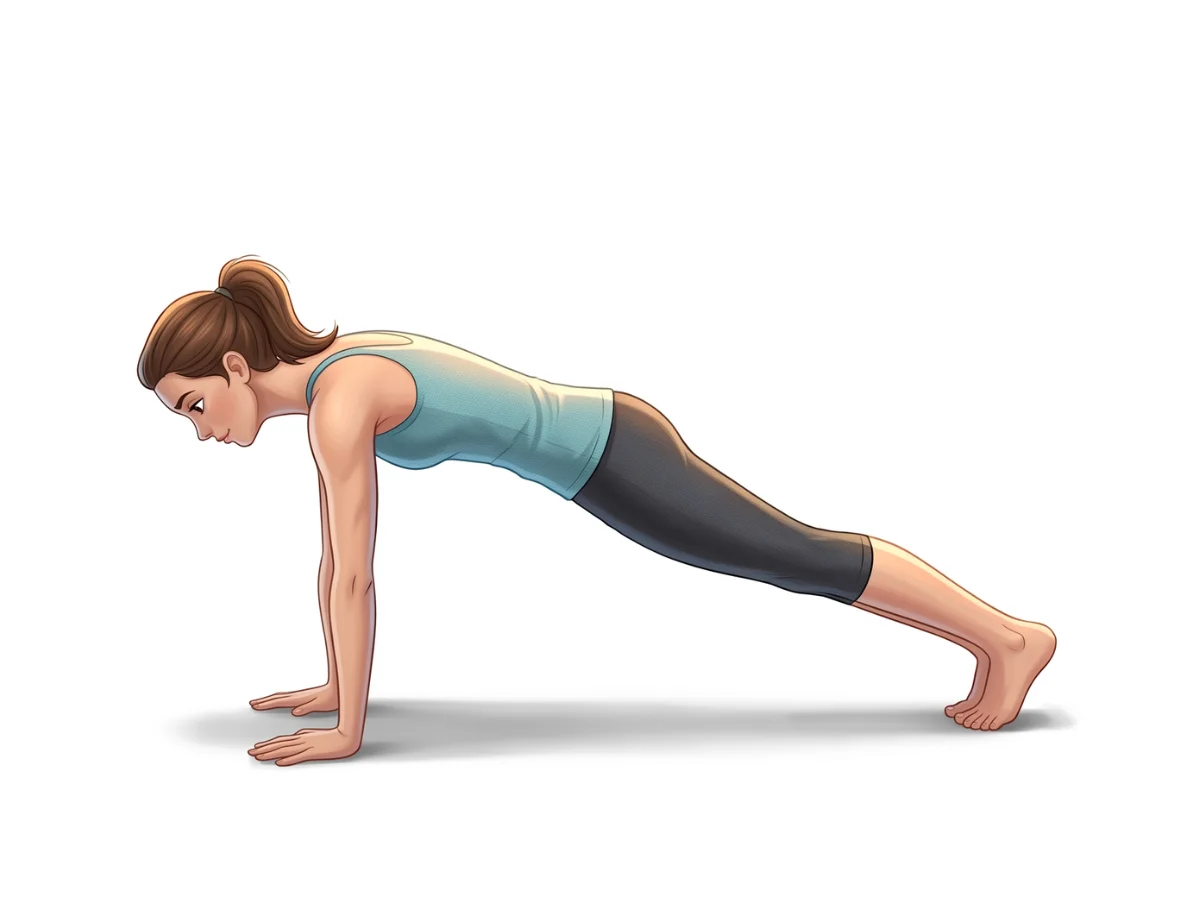
Plank Pose
PhalakasanaDevelops core and upper body strength.
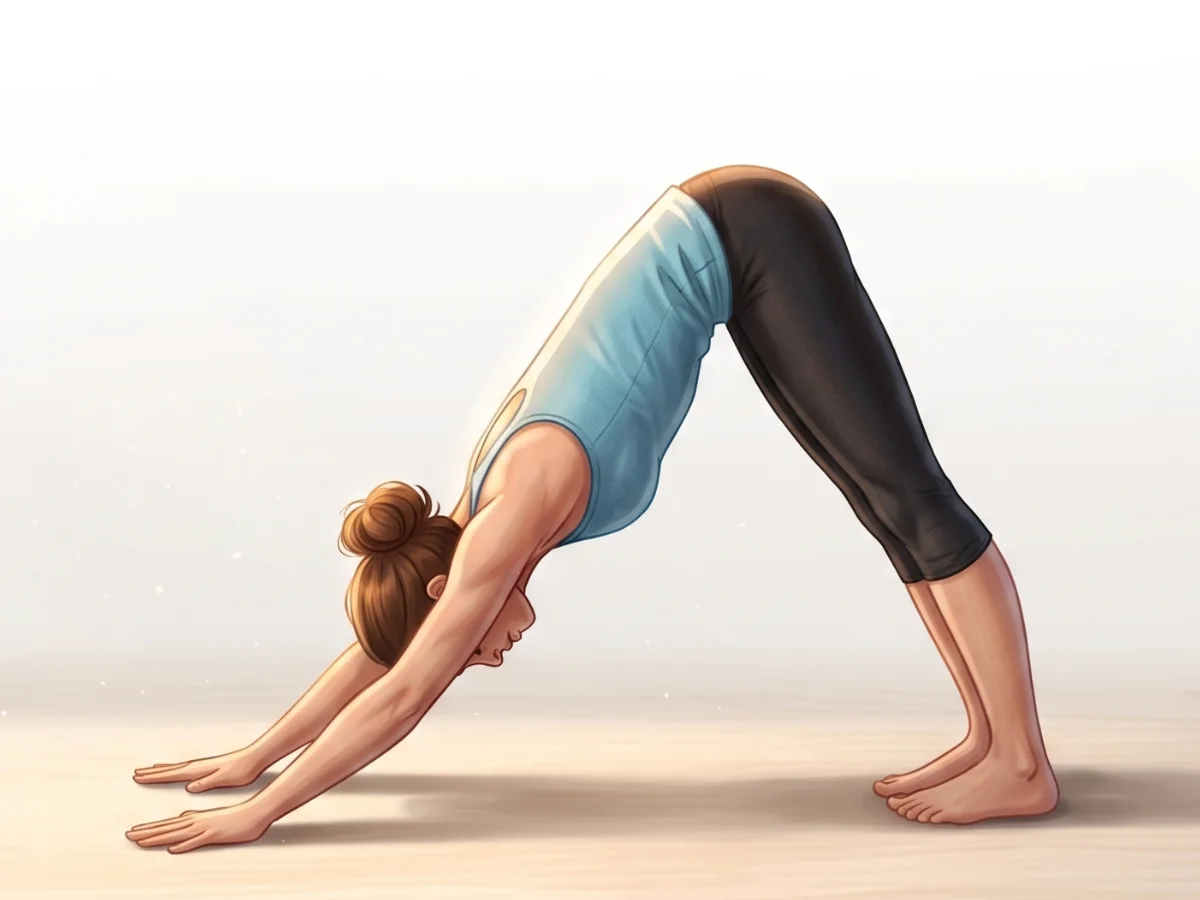
Downward-Facing Dog
Adho Mukha SvanasanaOpens the shoulders and hamstrings before going upside down.
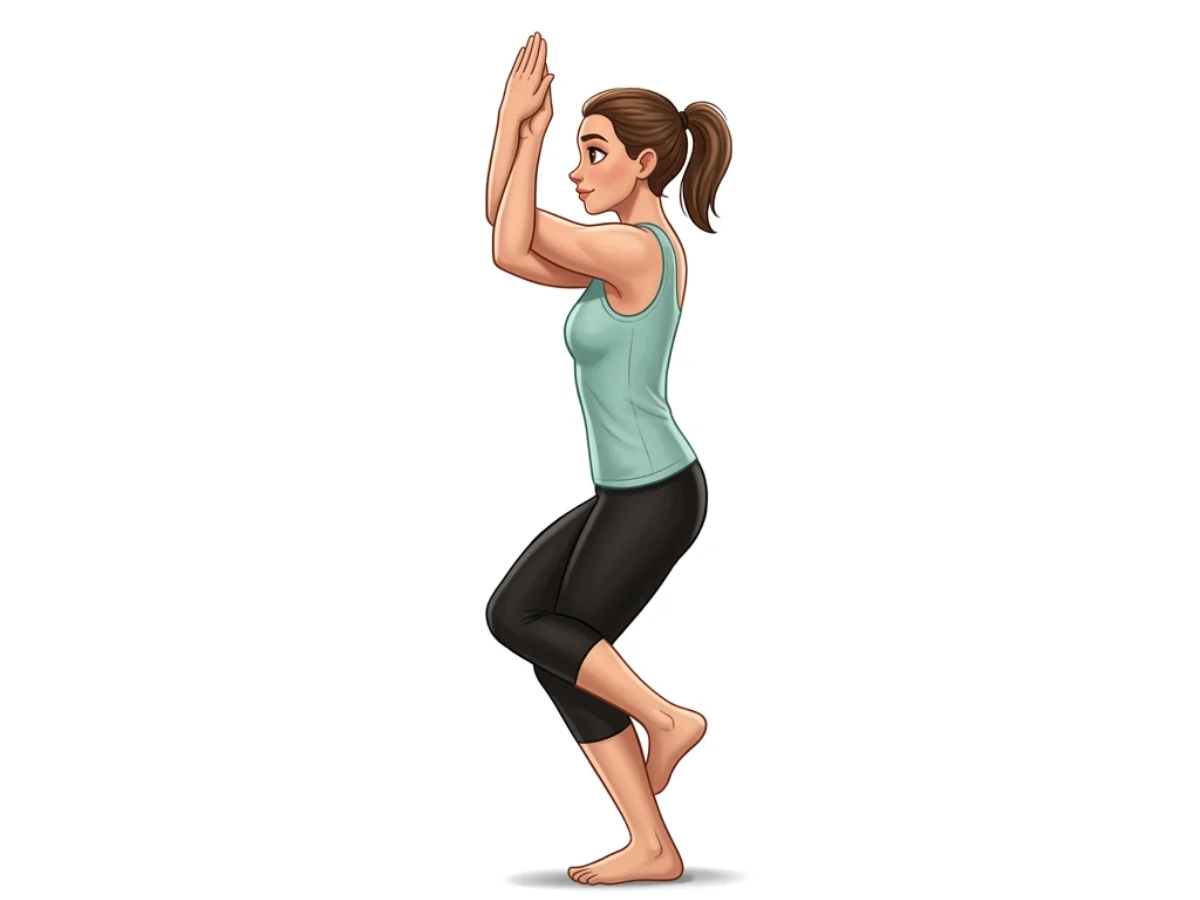
Follow with neutralizing Counter-poses
Frequently Asked Questions
How can I stop falling backwards?
Fear of falling backwards is common. Practice near a wall first. When freestanding, learn how to safely cartwheel out or tuck your chin and roll forward to avoid uncontrolled falls.
My shoulders are too tight to stack my hips over them. What should I do?
Focus on Dolphin Pose and shoulder openers like Puppy Pose. Do not force Pincha Mayurasana if your shoulders lack mobility, as this will force your lower back to overarch, leading to injury.

Elena Rostova is an accredited yoga educator and anatomy specialist with over 15 years of clinical experience. She focuses on functional biomechanics and injury prevention, translating complex anatomy into accessible guidance for safe, sustainable practice.
Read Full ProfileContinue Your Yoga Journey
Ready to deepen your practice? Explore our extensive library of poses, or join a structured program designed to build strength, flexibility, and mindfulness.