
Dolphin
Ardha Pincha Mayurasana
By Elena Rostova Updated: verified Medically Reviewed
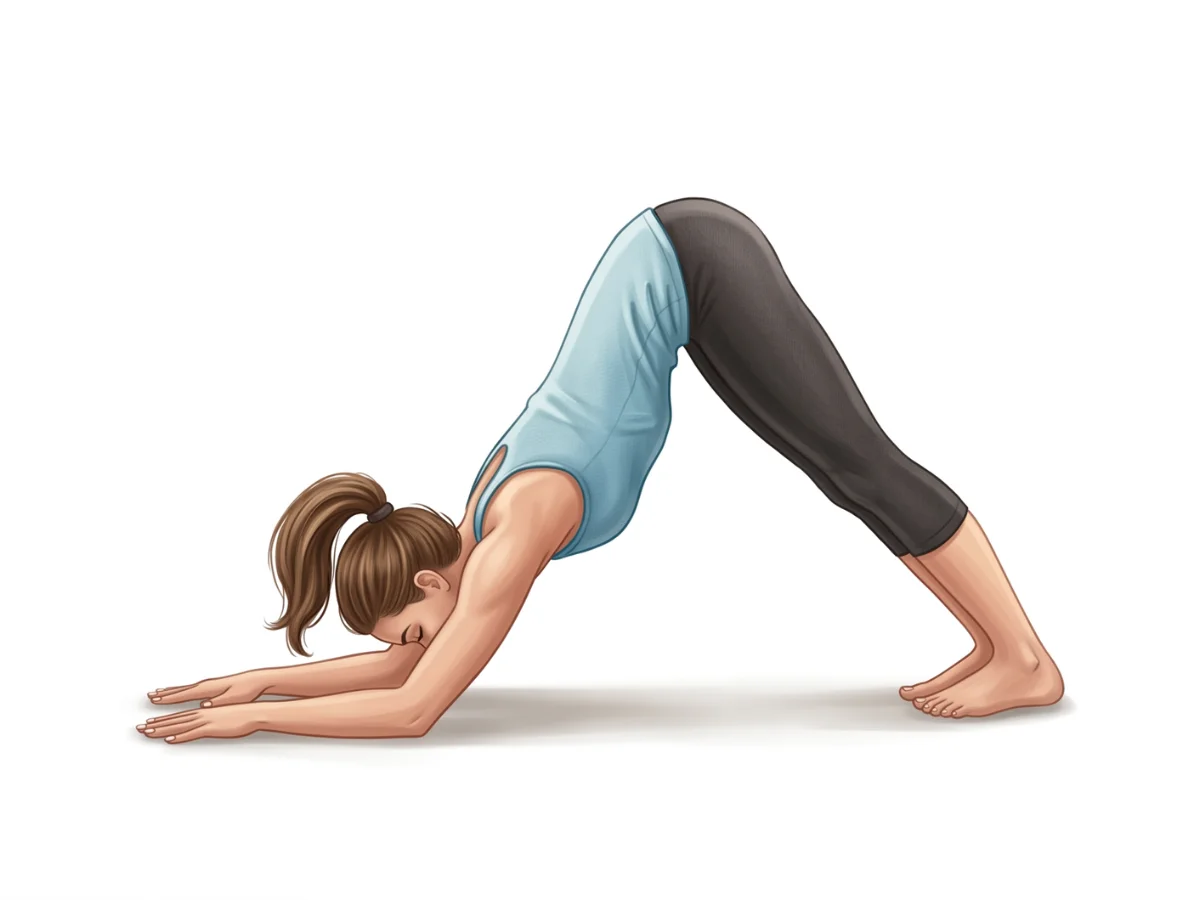
Dolphin Pose (Ardha Pincha Mayurasana) is a powerful inverted posture similar to Downward-Facing Dog, but performed on the forearms rather than the hands. It deeply opens the shoulders and upper back while building the core and arm strength necessary for advanced inversions like Forearm Stand and Headstand.
Hold Time
30–60 sec · 5–10 breaths
Pronunciation
are-dah pin-cha my-your-AHS-anna
About Dolphin
Often praised by experienced instructors, Dolphin (Ardha Pincha Mayurasana) acts as a powerful tool for finding balance and realignment. It primarily targets the shoulder strength & upper back opening, helping to create length and strength exactly where you need it most. Practicing this pose regularly helps with builds shoulder & arm strength and leaves you feeling completely refreshed.
How to Practice
Tabletop Setup
Begin on your hands and knees in Box Pose (Tabletop). Check your alignment with wrists under shoulders and knees under hips.
Lower to Forearms
Lower down onto your forearms, placing your elbows directly beneath your shoulders. Keep your forearms parallel to each other and your palms flat on the mat.
Tuck Toes
Tuck your toes firmly against the floor, preparing to lift your lower body.
Lift Hips
Exhale and press strongly into your forearms and palms as you lift your knees off the mat, sending your hips up and back toward the ceiling.
Straighten Legs
Gently begin to straighten your legs, lowering your heels toward the floor. It is perfectly fine if your heels do not touch the mat or if your knees remain slightly bent.
Shoulder Engagement
Actively press the floor away with your forearms, lifting your shoulders away from your ears to create space in your neck and upper back.
Head Position
Allow your head to hang freely between your upper arms. Do not rest your head on the floor; your neck should be completely relaxed.
Walk Feet In
If flexibility allows, slowly walk your feet closer toward your elbows to increase the inversion angle and deepen the shoulder stretch.
Hold and Breathe
Maintain the pose for 5 to 10 deep breaths, keeping your core engaged and your breath steady.
Release
To exit, slowly lower your knees back to the mat on an exhale and relax back into Child's Pose.
Practice with the Yoga Timer
Keep track of your hold time and breath count for this pose.
Beginner Modifications & Prop Options
Yoga is a personal journey. These modifications and prop options allow you to adapt the pose to your current level of balance and flexibility, ensuring a safe and supportive practice.
Clasping Hands Together
Instead of keeping forearms parallel, interlace your fingers together to form a triangle base. This makes it much easier to keep your elbows shoulder-width apart.
Tip: Focus on alignment rather than depth.
Keeping Knees Bent
Maintain a generous bend in your knees. Prioritize lengthening your spine and lifting your tailbone high rather than forcing your legs straight.
Tip: Focus on alignment rather than depth.
Using a Block Between Hands
Place a yoga block flat on the mat between your hands, gripping the edges with your L-shaped thumbs and index fingers to train parallel alignment.
Tip: Focus on alignment rather than depth.
Benefits of Dolphin
Builds Shoulder & Arm Strength
Bearing weight on the forearms intensely strengthens the deltoids, triceps, and rotator cuff muscles.
Opens the Upper Back
Deeply stretches the latissimus dorsi and rhomboids, increasing mobility in the often-stiff thoracic spine.
Stretches Hamstrings & Calves
Similar to Downward Dog, lifting the hips high creates a powerful stretch along the entire back of the legs.
Prepares for Inversions
Establishes the foundational upper body strength and alignment required for safely practicing Headstand and Forearm Stand.
Calms the Mind
As a partial inversion, it increases blood flow to the brain, which can help relieve stress, mild depression, and fatigue.
Common Mistakes to Avoid
Mistake: Elbows Splaying Wide
How to fix: Ensure your elbows are strictly shoulder-width apart. If they slide outward, it compromises shoulder stability and strains the joints.
Mistake: Collapsing into Shoulders
How to fix: Actively and continuously press down through your forearms to lift your torso up and away from the floor, keeping your neck free.
Mistake: Rounding the Upper Back
How to fix: Melt your heart toward your toes to flatten your upper back and deepen the shoulder stretch.
Safety and Precautions
Recent Shoulder or Neck Injuries
The intense load on the shoulder girdle can exacerbate rotator cuff tears or cervical spine issues.
High Blood Pressure or Glaucoma
Inversions increase pressure in the head and eyes; practice with extreme caution or avoid.
Acute Ear Infections
The inverted head position can increase pressure and pain in the inner ear.
Medical Disclaimer: If you have any of the above conditions, consult your doctor or a qualified yoga instructor before attempting this pose.
Muscles Worked in Dolphin
Dolphin demands synchronized muscular effort, creating a profound sense of engagement and release throughout the body. The activation of the primary muscles supports the structure, while the secondary muscles provide stability and balance.
Primary Muscles
Deltoids & Triceps
Bear the body's weight and stabilize the arm position.
Latissimus Dorsi
Stretches deeply as the arms extend overhead relative to the torso.
Hamstrings
Lengthen to allow the hips to lift high.
Secondary Muscles
Serratus Anterior
Protracts the scapulae, pushing the floor away.
Rectus Abdominis
Engages to stabilize the core and protect the lower back.
Gastrocnemius
Stretches as the heels reach toward the mat.
Poses to Practice Before and After Dolphin
Prepare with these Poses
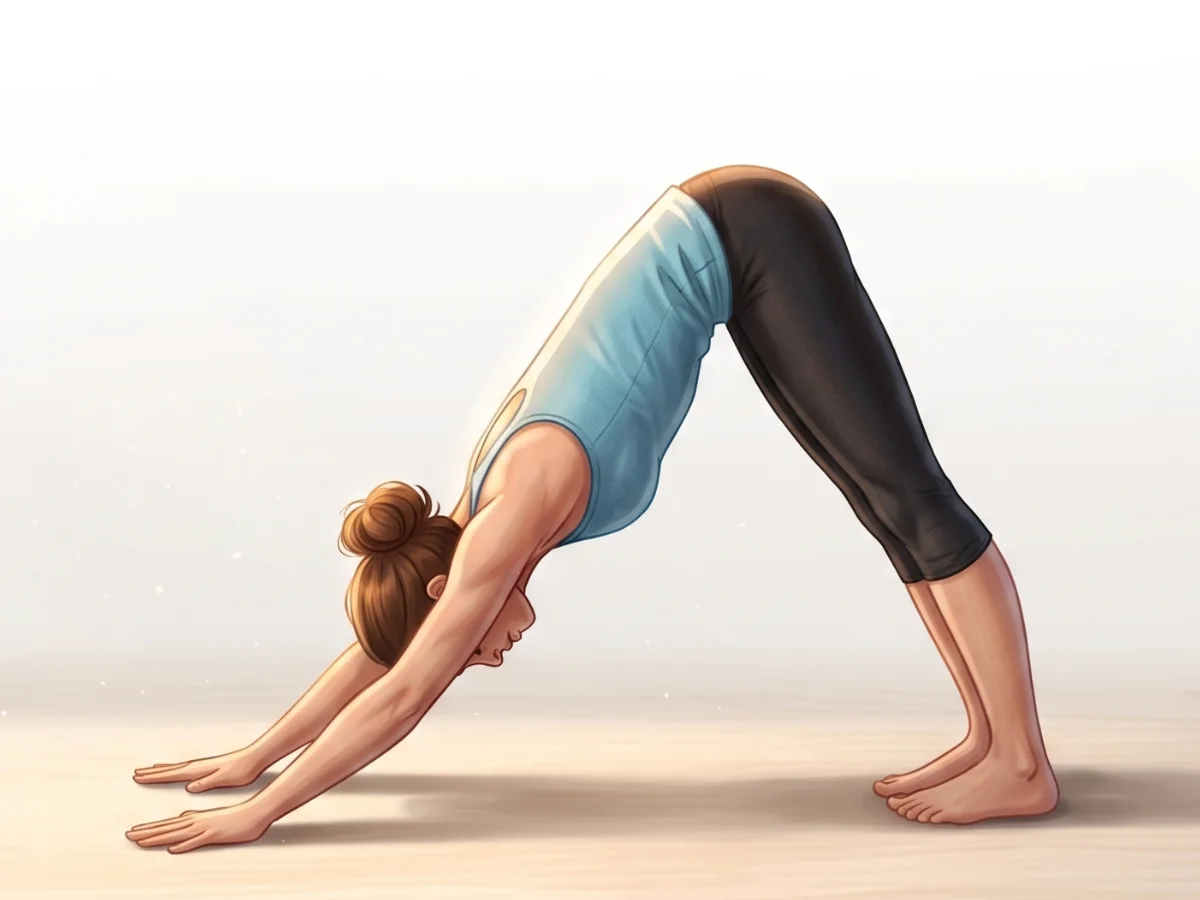
Downward-Facing Dog
Adho Mukha SvanasanaFamiliarizes the body with the inverted V-shape and stretches the hamstrings.
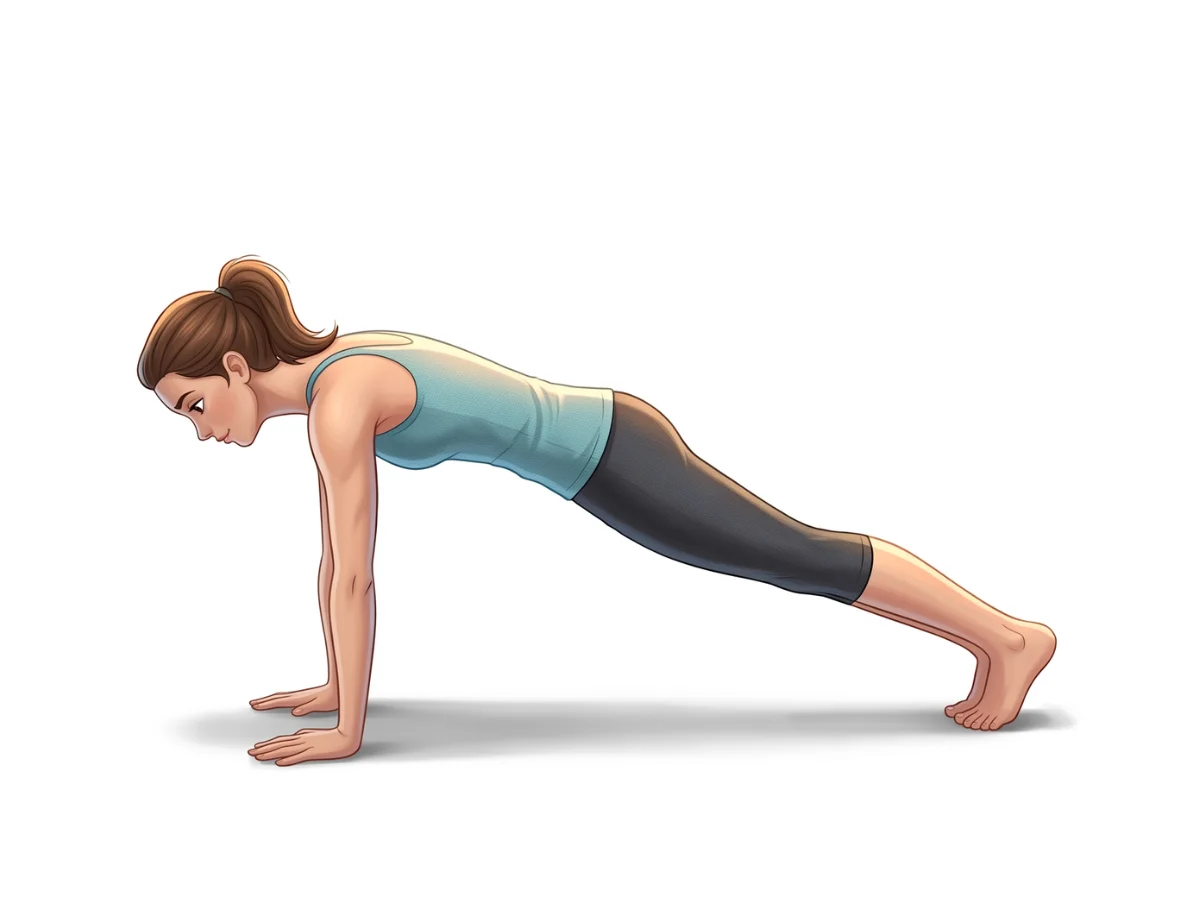
Plank Pose
PhalakasanaBuilds the core and shoulder strength necessary for weight-bearing.
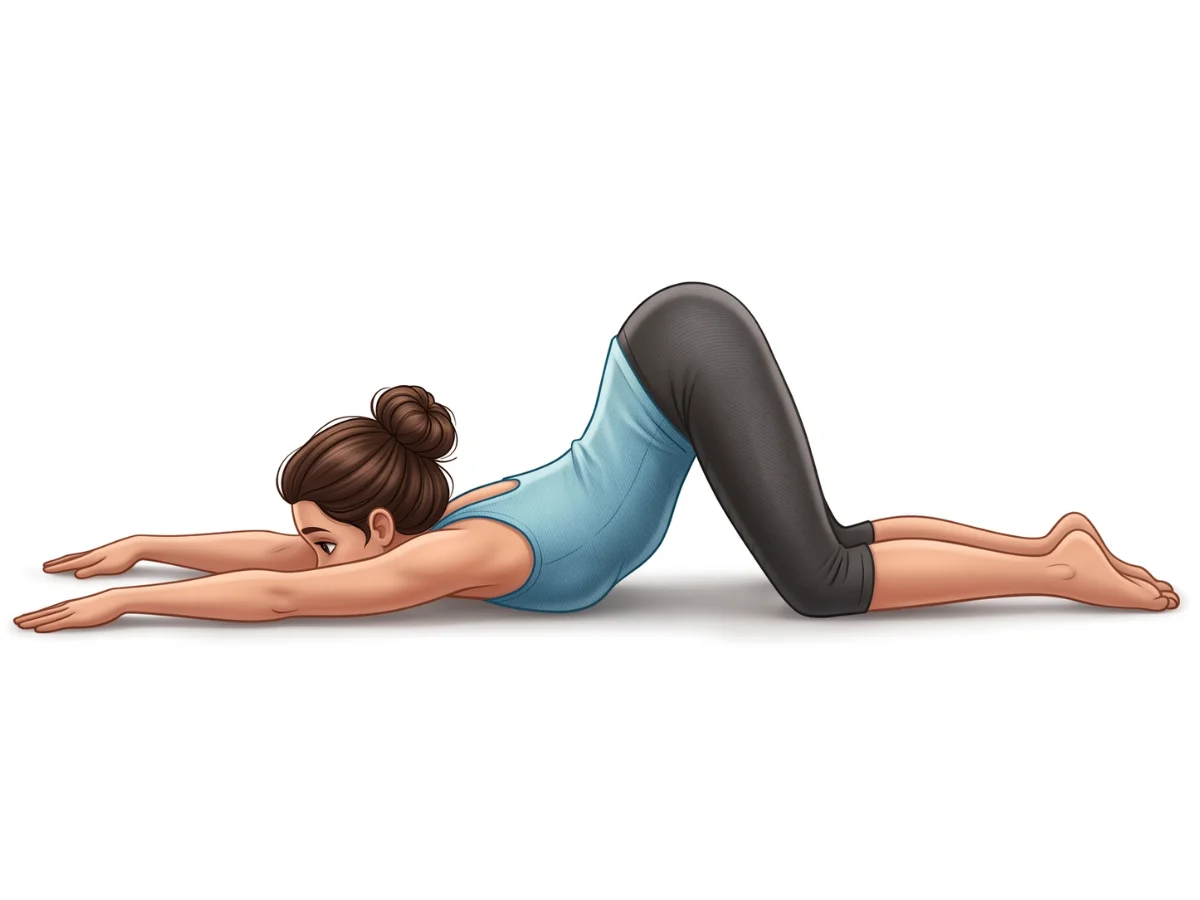
Puppy Pose
Uttana ShishosanaProvides a deep shoulder and thoracic spine stretch without bearing full body weight.
Follow with neutralizing Counter-poses
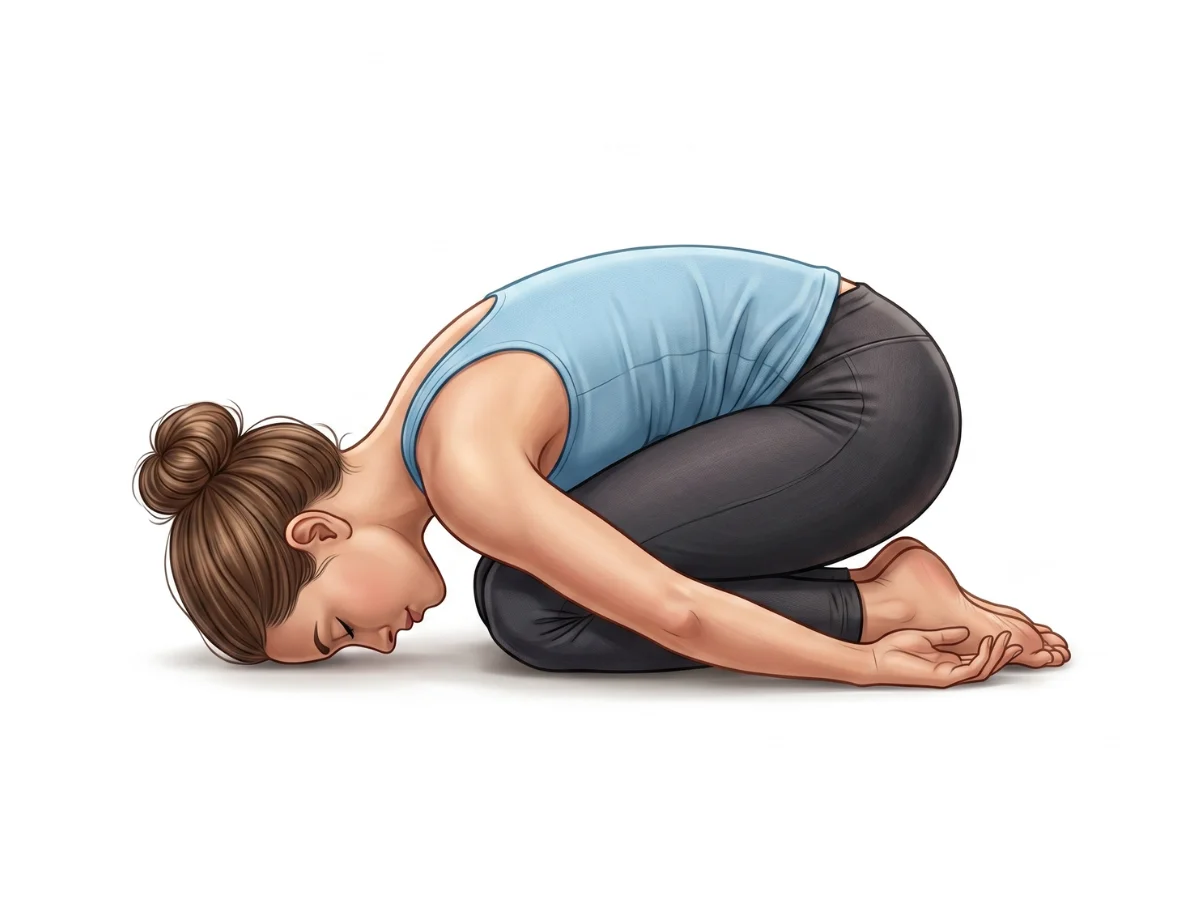
Child's Pose
BalasanaAllows the intense effort of the shoulders and upper back to release completely.
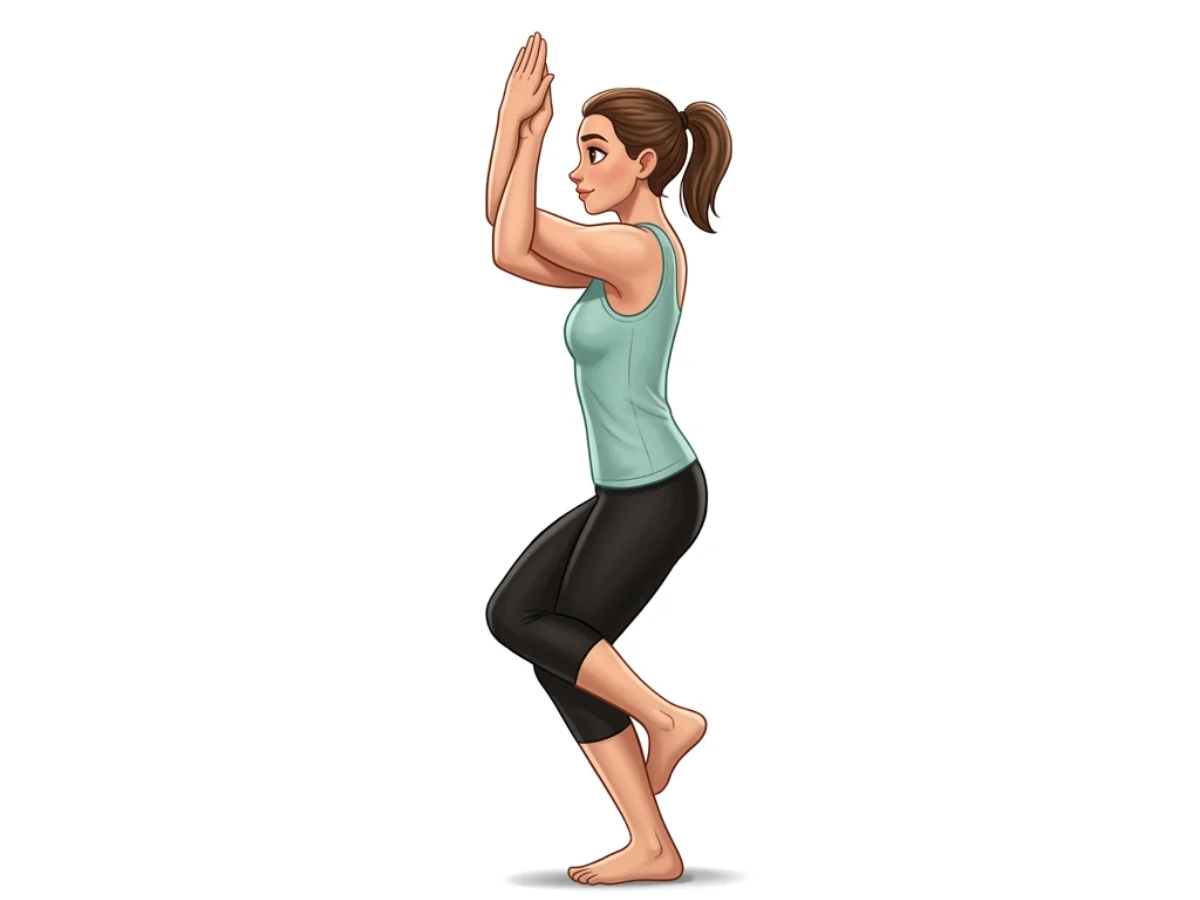
Eagle Pose
GarudasanaStretches the back of the shoulders after they have worked intensely.
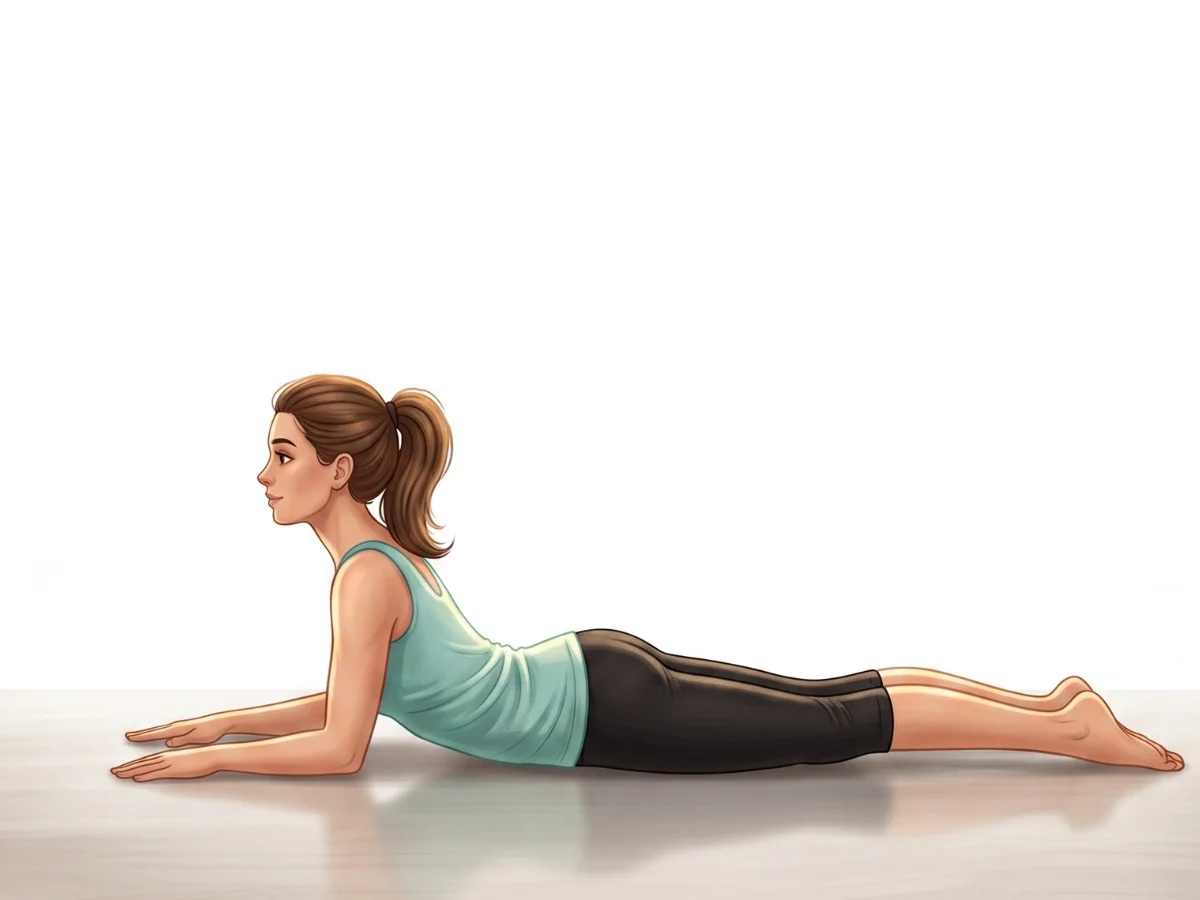
Sphinx Pose
Salamba BhujangasanaOffers a gentle backbend to counter the intense forward flexion of the hips.
Frequently Asked Questions
Why is Dolphin Pose so much harder than Downward Dog?
Being on your forearms restricts the mobility of your shoulder joints and requires more flexibility in your latissimus dorsi and upper back. It isolates the shoulders more intensely.
Is my head supposed to touch the floor?
No. In Dolphin Pose, your head should hang freely above the mat. If your head is resting on the floor, you are losing the active push through your forearms.
What if I cannot keep my forearms parallel?
This is very common due to tight shoulders. Clasp your hands together to form a triangle base until your shoulder flexibility improves over time.
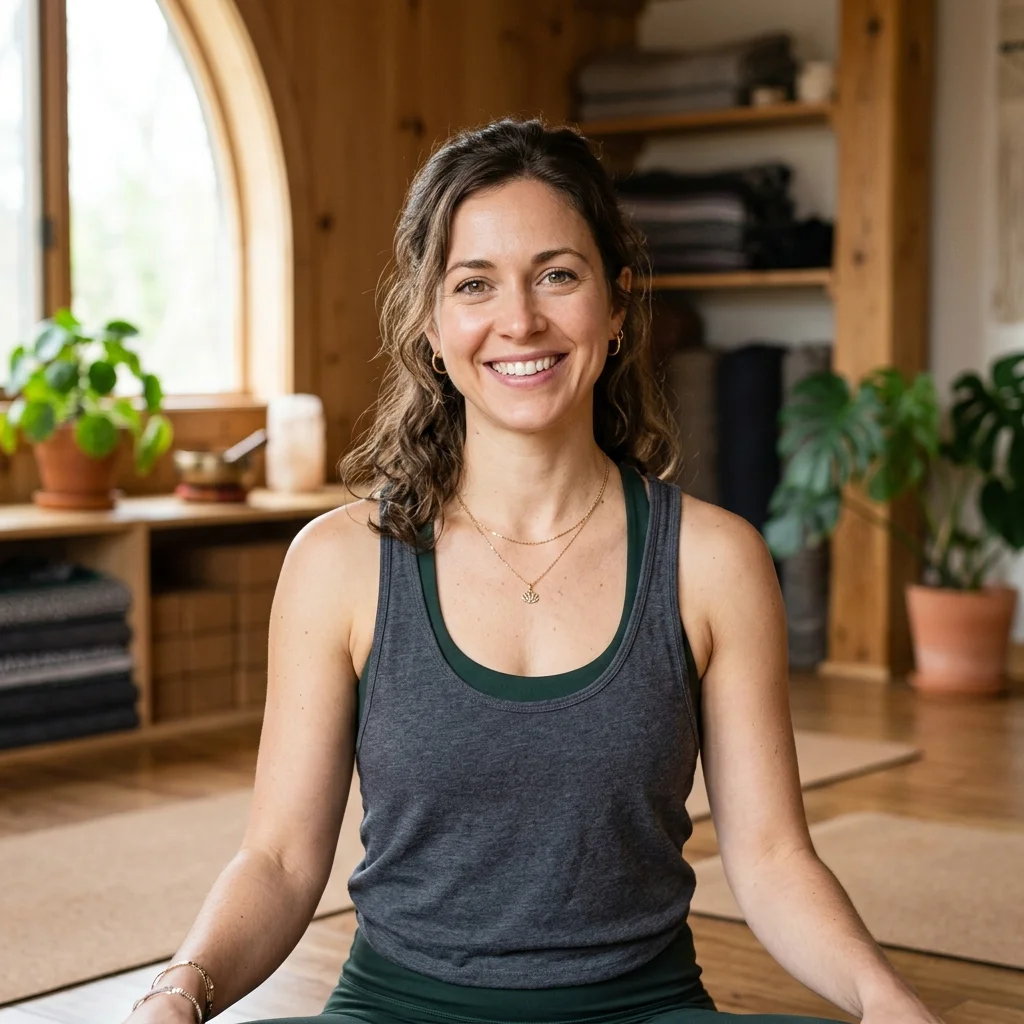
Elena Rostova is an accredited yoga educator and anatomy specialist with over 15 years of clinical experience. She focuses on functional biomechanics and injury prevention, translating complex anatomy into accessible guidance for safe, sustainable practice.
Read Full ProfileContinue Your Yoga Journey
Ready to deepen your practice? Explore our extensive library of poses, or join a structured program designed to build strength, flexibility, and mindfulness.