
Grasshopper
Parsva Bhuja Dandasana
By Elena Rostova Updated: verified Medically Reviewed
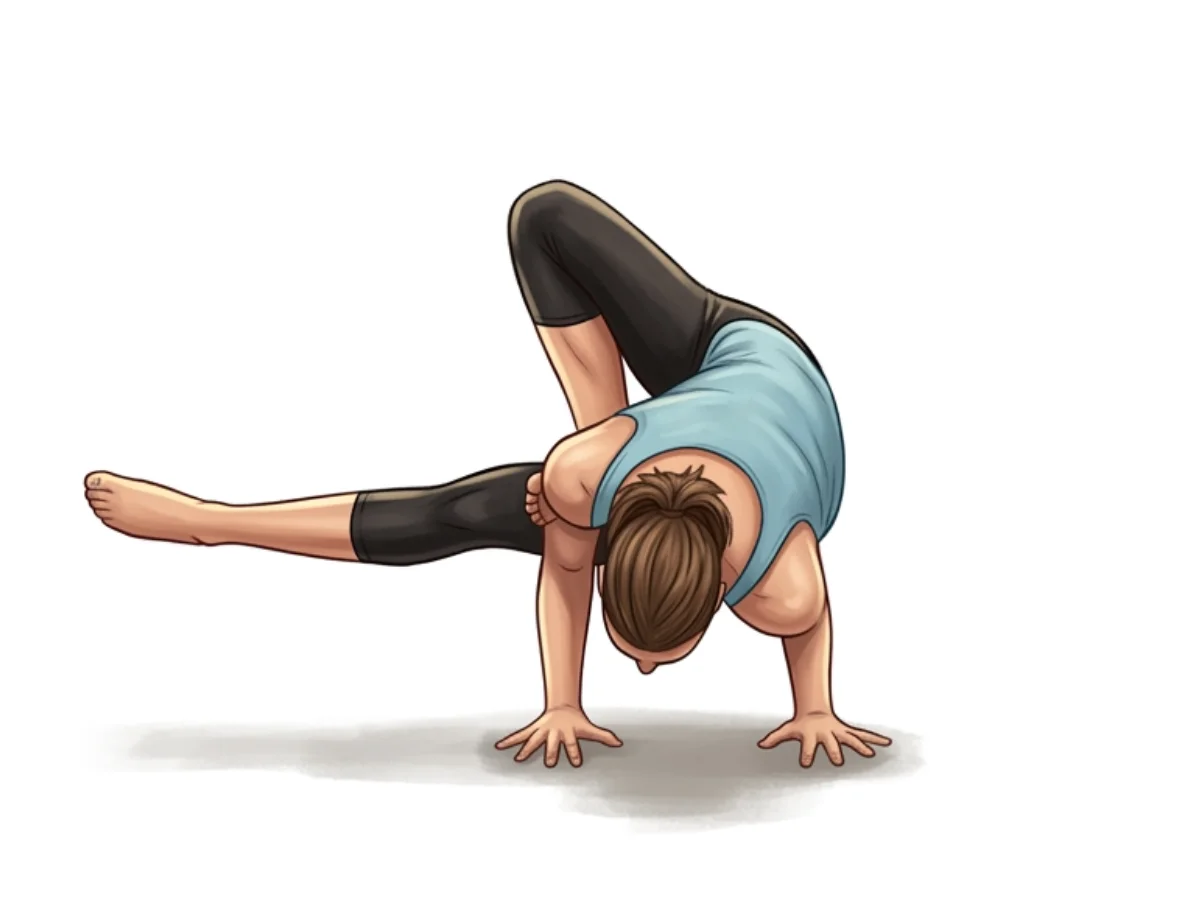
Grasshopper Pose (Parsva Bhuja Dandasana or Maksikanagasana) is a complex and visually striking arm balance. It requires open hips, deep spinal twisting, and significant upper body strength, making it one of the most intricately folded poses in modern yoga.
Hold Time
15–30 sec · 3–5 breaths
Pronunciation
PARSH-vah BOO-jah dahn-DAHS-anna
About Grasshopper
Often praised by experienced instructors, Grasshopper (Parsva Bhuja Dandasana) acts as a powerful tool for finding balance and realignment. By gently focusing on deep twist & arm strength, it actively stretches your muscles and builds heat. Ultimately, it is a fantastic pose for intense hip opener, leaving you with a profound sense of grounded energy.
How to Practice
Start Standing
Begin in Mountain Pose. Cross your right ankle over your left knee, creating a Figure Four shape.
Squat Down
Bend your left knee deeply, sinking your hips down as if coming into a one-legged Chair Pose.
Twist Deeply
Twist your torso to the left. Try to hook the sole of your right foot as high up onto your left tricep as possible.
Plant the Hands
Place both hands flat on the floor alongside your left hip, shoulder-width apart. Your elbows should bend straight back (Chaturanga arms).
Create a Shelf
Ensure your right foot is securely planted on your left tricep. Lean forward, resting your left hip onto your right elbow/tricep for support.
Shift Weight
Keep your gaze forward and slowly shift your body weight entirely into your hands.
Lift and Extend
As your weight shifts forward, your left foot will naturally become light. Lift it off the floor and extend the left leg straight out to the side.
Hold and Breathe
Flex your flying foot, engage your core, and hold the balance for 3 to 5 steady breaths.
Release Safely
To exit, bend your left knee, softly lower your foot back to the floor, untwist your torso, and return to standing. Repeat on the other side.
Practice with the Yoga Timer
Keep track of your hold time and breath count for this pose.
Beginner Modifications & Prop Options
Yoga is a personal journey. These modifications and prop options allow you to adapt the pose to your current level of balance and flexibility, ensuring a safe and supportive practice.
Practice the Setup Only
Focus entirely on the twisted Figure Four position. Practice hooking the foot onto the tricep and pressing hands together at heart center without taking the hands to the floor.
Tip: Focus on alignment rather than depth.
Use a Block Under Feet
Stand on a block before you begin. This gives you extra height, making it easier to plant the hands on the floor and shift weight forward.
Tip: Focus on alignment rather than depth.
Benefits of Grasshopper
Intense Hip Opener
The Figure Four position deeply stretches the outer hips and glutes.
Strengthens Upper Body
Builds immense power in the wrists, forearms, and shoulders.
Improves Digestion
The deep spinal twist compresses abdominal organs, stimulating digestion and detoxification.
Builds Focus
Requires complex coordination and mental clarity to balance safely.
Common Mistakes to Avoid
Mistake: Foot Slipping off Tricep
How to fix: Ensure you twist deeply enough to step the foot firmly onto the upper arm. Flex the foot strongly to grip the arm.
Mistake: Elbows Splaying Out
How to fix: Hug your elbows in toward your ribs, keeping them bent at a 90-degree angle like in Chaturanga.
Safety and Precautions
Knee and Hip Injuries
The deep flexion and rotation place heavy strain on the knee and hip joints.
Wrist or Shoulder Issues
Not recommended if you have carpal tunnel, sprains, or rotator cuff injuries.
Pregnancy
Deep twists and intense balance requirements make this pose unsafe.
Medical Disclaimer: If you have any of the above conditions, consult your doctor or a qualified yoga instructor before attempting this pose.
Muscles Worked in Grasshopper
Grasshopper demands synchronized muscular effort, creating a profound sense of engagement and release throughout the body. The activation of the primary muscles supports the structure, while the secondary muscles provide stability and balance.
Primary Muscles
Obliques
Maintain the deep spinal twist.
Triceps Brachii
Support the body's weight and maintain the arm shelf.
Gluteus Medius/Minimus
Deeply stretched in the Figure Four position.
Secondary Muscles
Quadriceps
Extend and hold the straight flying leg.
Pectoralis Major
Stabilize the chest and shoulder girdle.
Poses to Practice Before and After Grasshopper
Prepare with these Poses
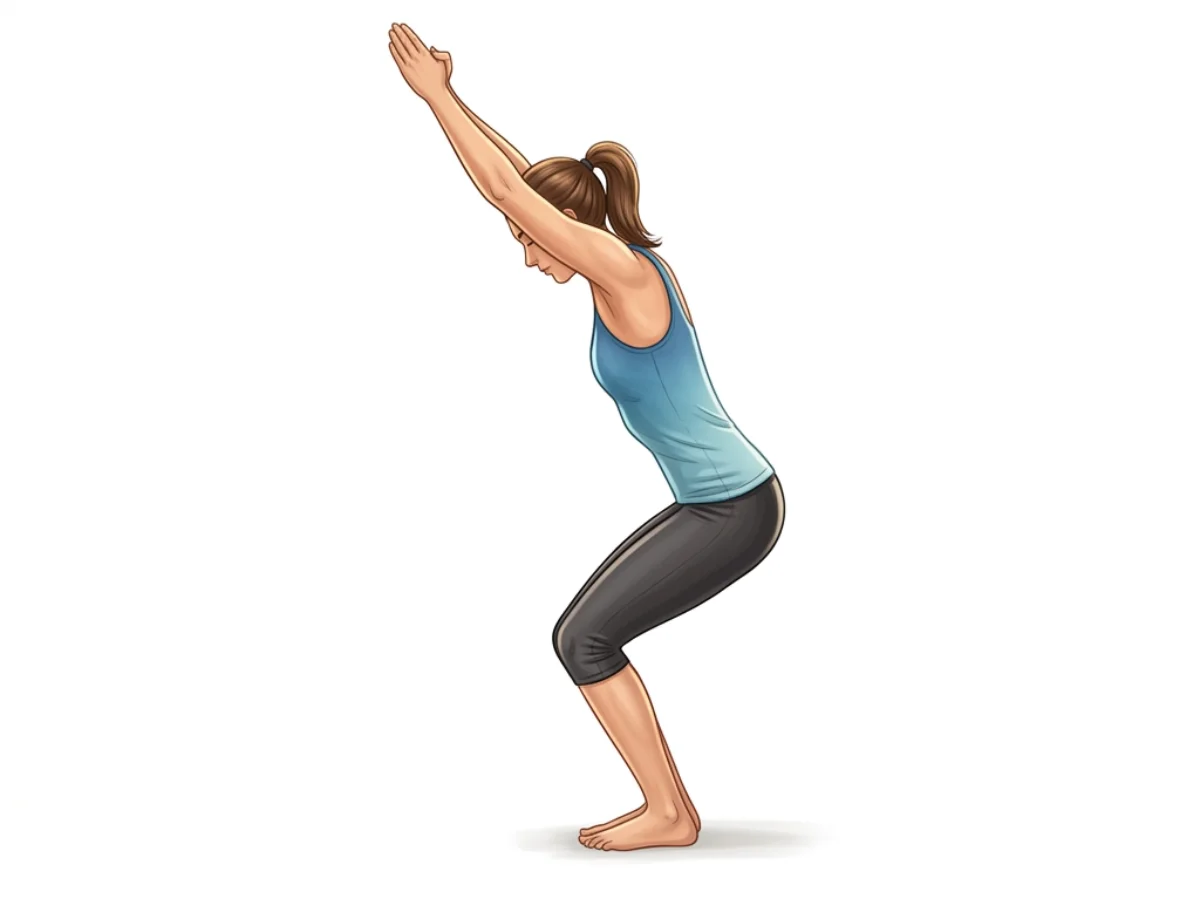
Chair Pose
UtkatasanaBuilds lower body strength and prepares the hips for squatting.
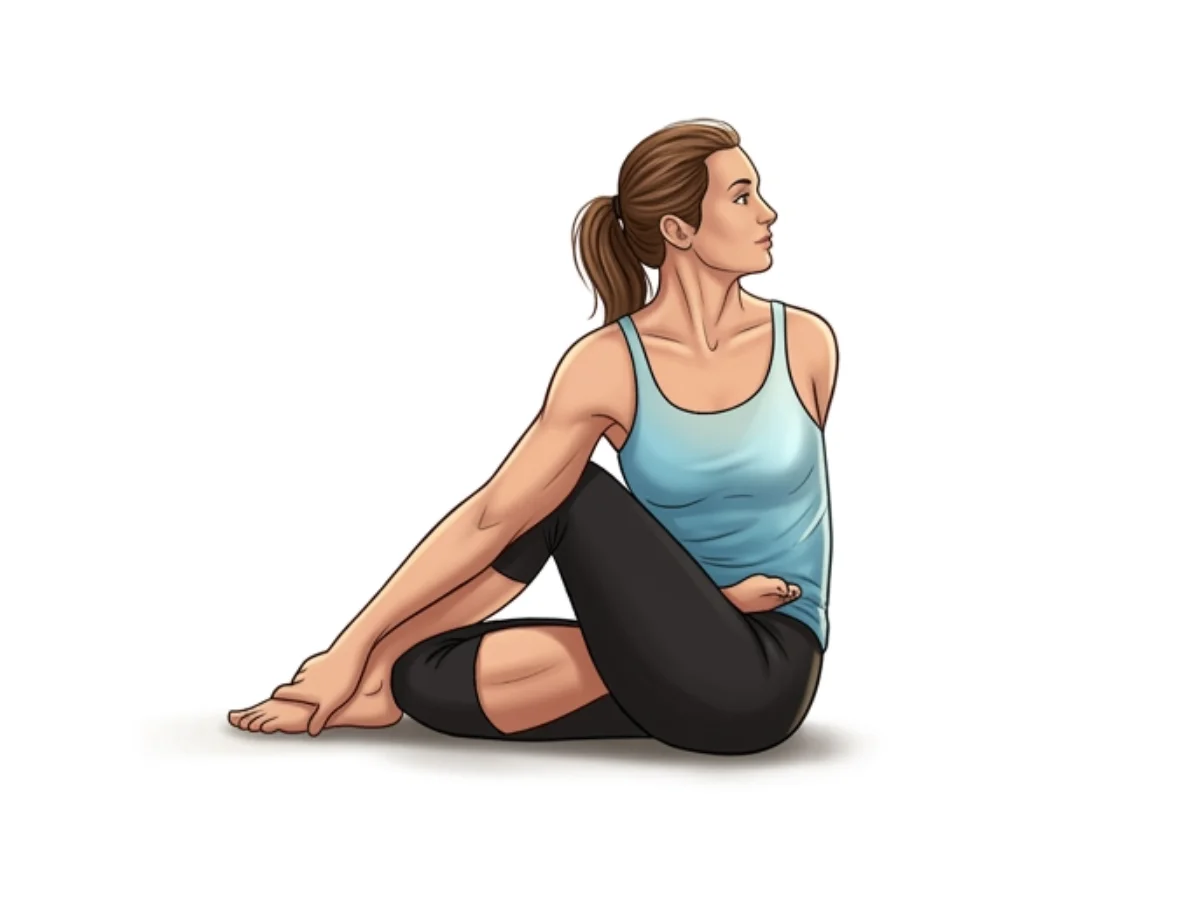
Lord of the Fishes
Ardha MatsyendrasanaProvides a deep spinal twist, preparing the obliques for Grasshopper.
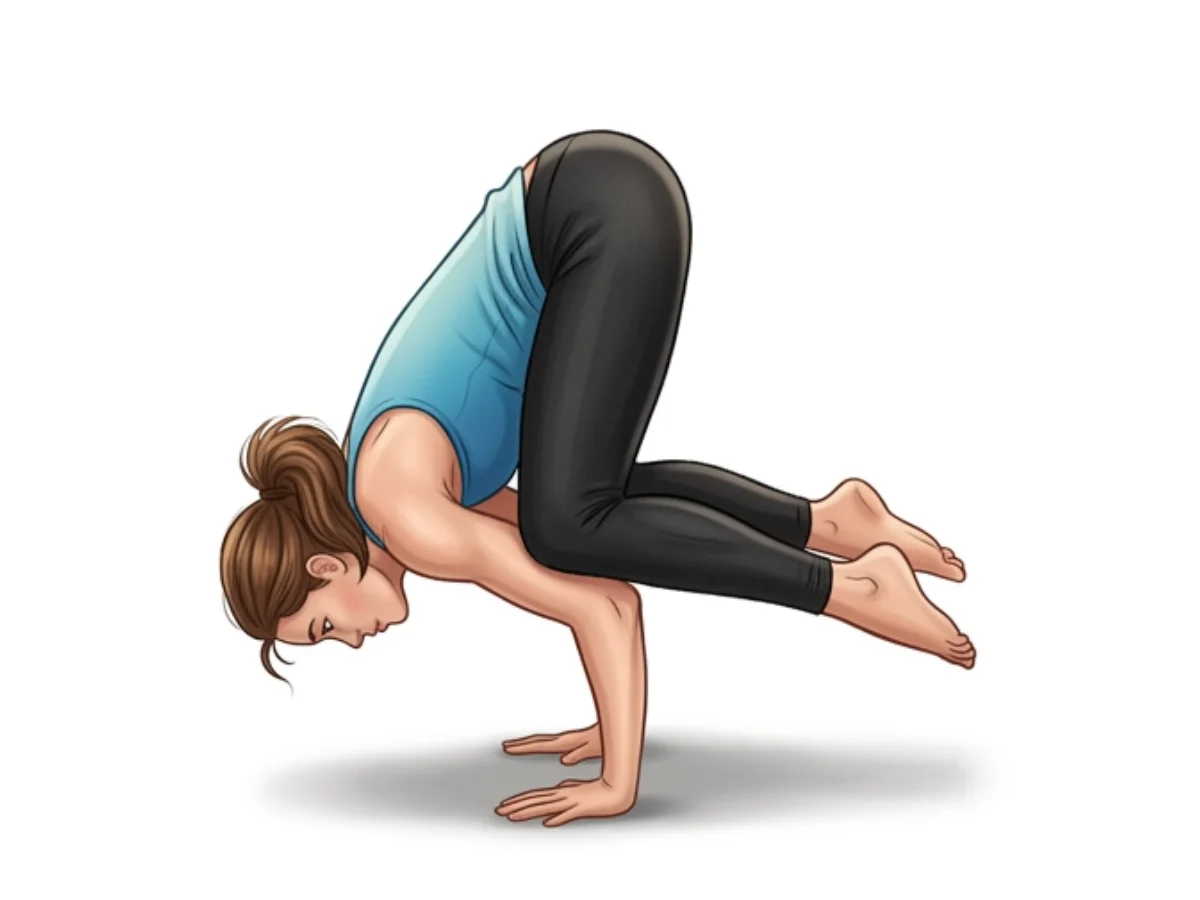
Crow Pose
BakasanaDevelops foundational arm balance strength and forward-shifting confidence.
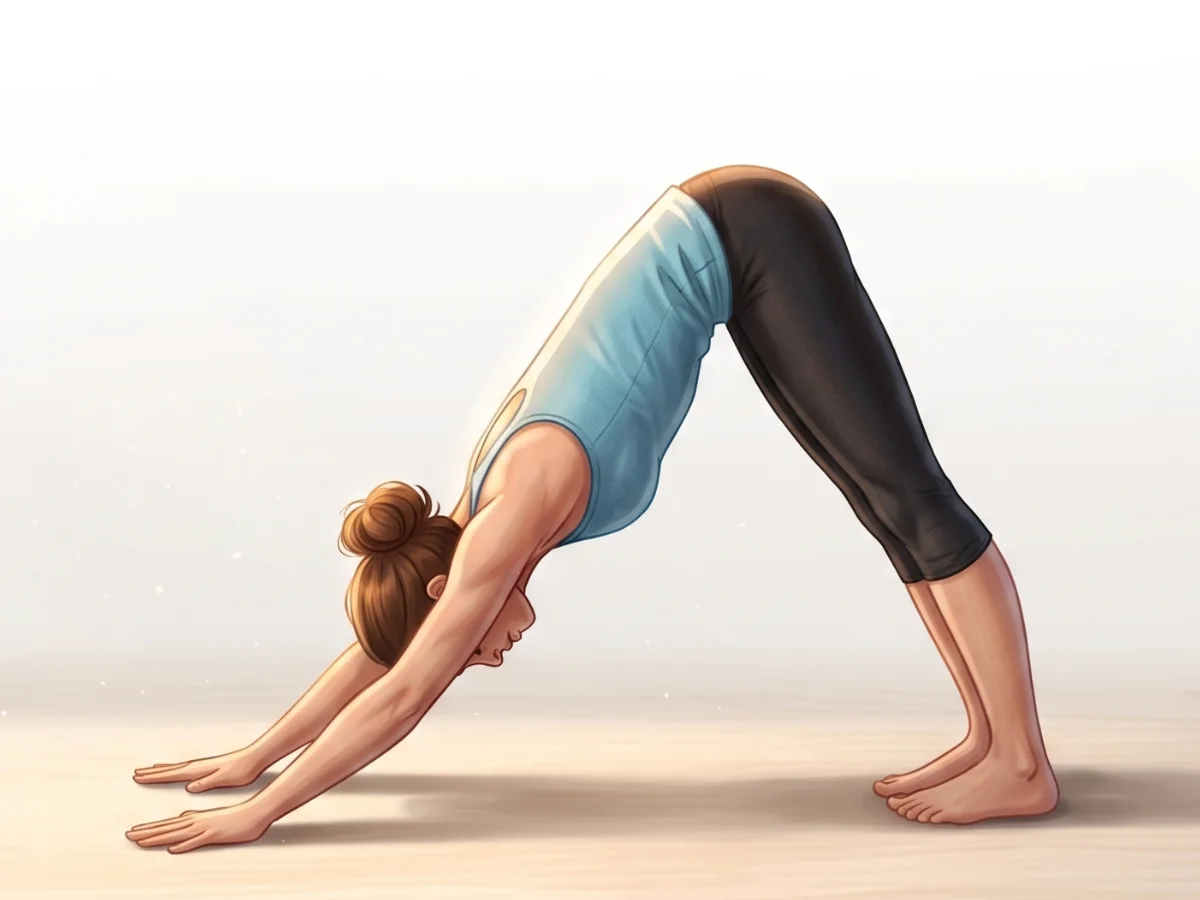
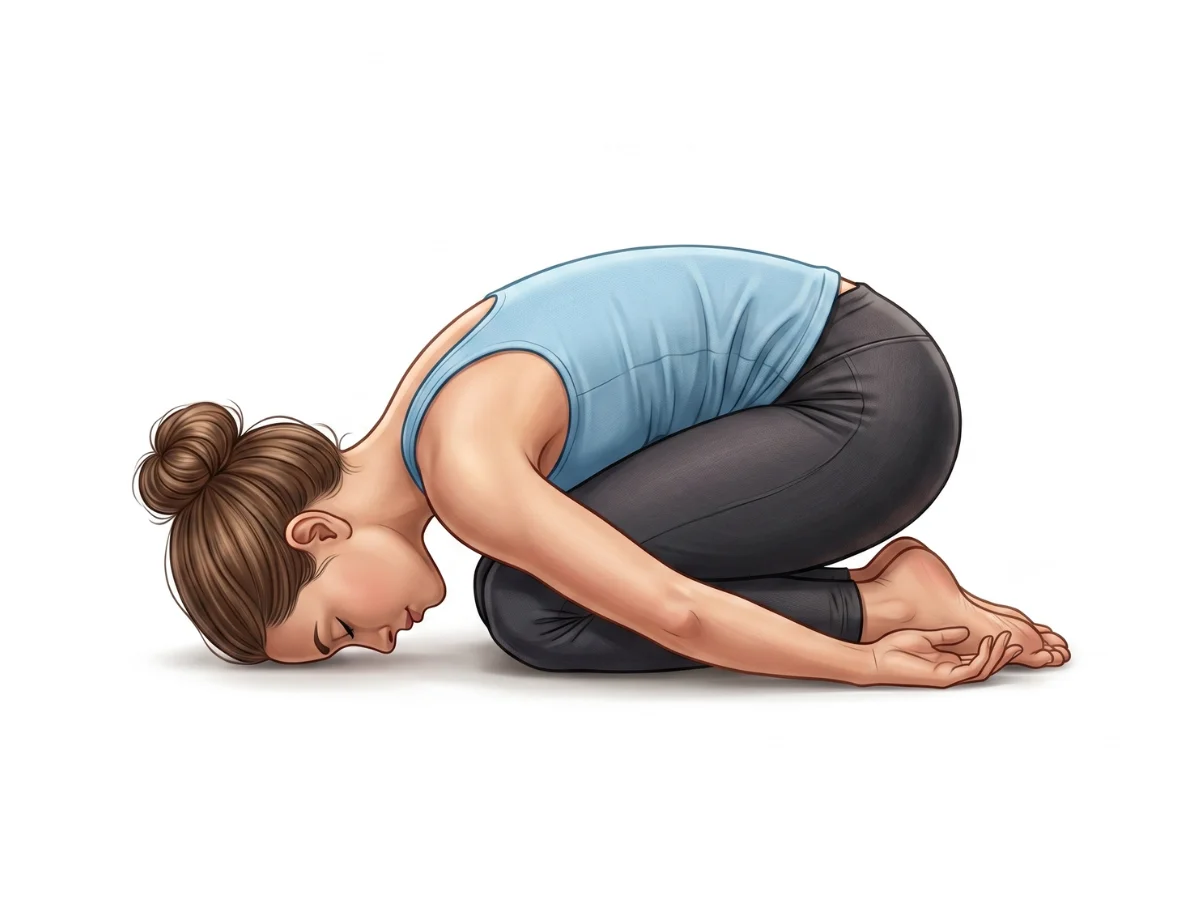
Follow with neutralizing Counter-poses
Frequently Asked Questions
My foot keeps slipping off my arm. How do I fix this?
Sweat can cause slipping. Ensure your tricep is dry, or wear long pants/sleeves for friction. Also, actively press the foot DOWN into the arm while pushing the arm UP into the foot to create a lock.
How much hip flexibility is needed for this?
Significant outer hip flexibility is required. If you cannot easily hook your foot in a Standing Figure Four twist, focus on Pigeon Pose and seated twists before attempting Grasshopper.

Elena Rostova is an accredited yoga educator and anatomy specialist with over 15 years of clinical experience. She focuses on functional biomechanics and injury prevention, translating complex anatomy into accessible guidance for safe, sustainable practice.
Read Full ProfileContinue Your Yoga Journey
Ready to deepen your practice? Explore our extensive library of poses, or join a structured program designed to build strength, flexibility, and mindfulness.