
Heron
Krounchasana
By Elena Rostova Updated: verified Medically Reviewed
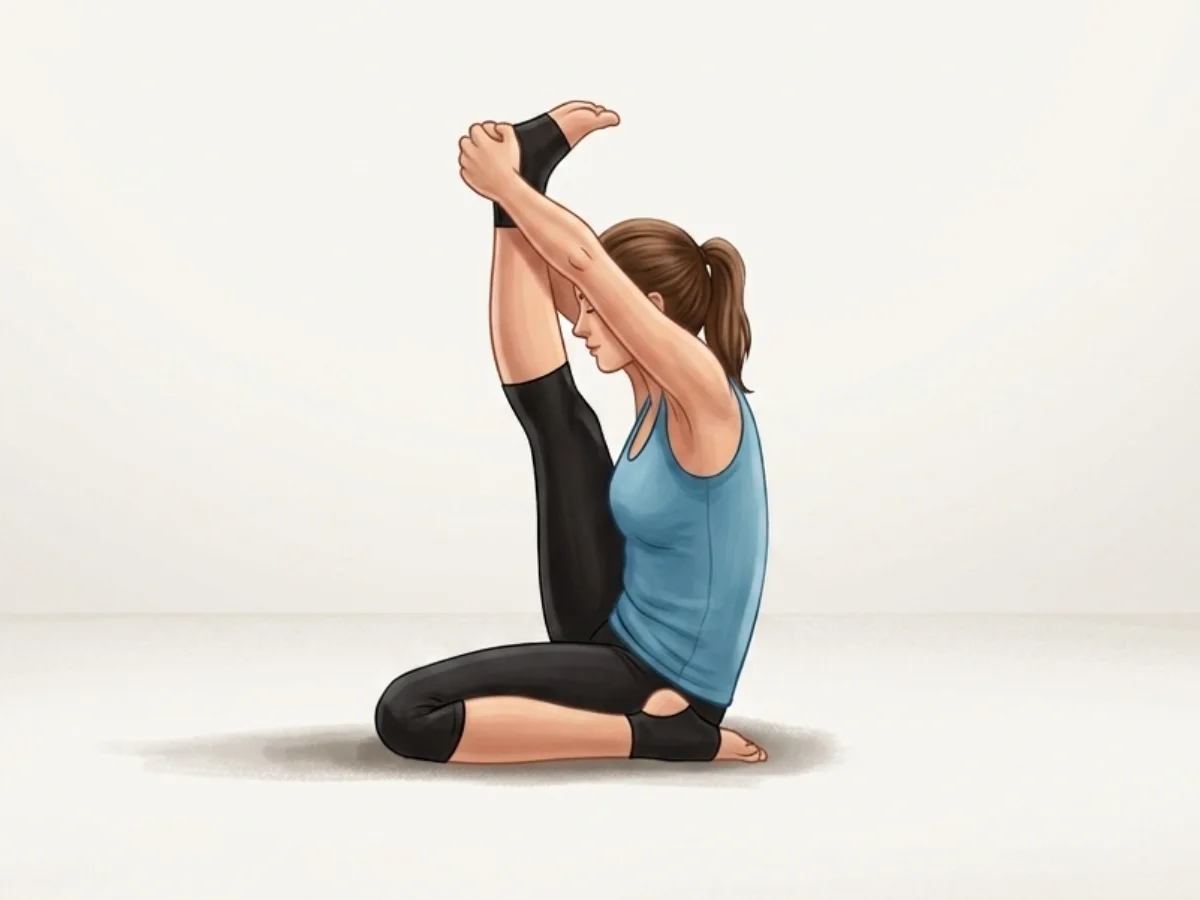
Heron Pose (Krounchasana) is an intermediate seated posture that intensely stretches the hamstrings while challenging core stability and upright posture. By extending one leg straight upward toward the face while the other is folded back in half-hero position, practitioners build focus and lower body flexibility.
Hold Time
30–60 sec per side
Pronunciation
crown-CHAHS-anna
About Heron
Commonly practiced as Heron (Krounchasana), this dynamic posture is beautifully designed to help unlock tension. This posture specifically engages the hamstrings & core stability, making it highly effective for developing both strength and mobility. Consistent practice will actively assist in intensely stretches hamstrings, helping you feel lighter and more balanced off the mat.
How to Practice
Start in Dandasana
Begin seated on your mat in Staff Pose (Dandasana) with both legs extended straight out in front of you.
Fold One Leg
Bend your right knee and fold the leg back, placing the top of the right foot on the floor beside your right hip, similar to Half Hero Pose (Ardha Virasana).
Bend the Other Knee
Bend your left knee and place the sole of your left foot flat on the floor directly in front of your left sit bone.
Clasp the Foot
Lean back slightly to engage your core, reach forward, and interlace your fingers beneath the sole of your left foot.
Lift the Leg
Inhale deeply, engage your abdominal muscles, and slowly begin to straighten your left leg, lifting the foot diagonally upward.
Extend and Lengthen
Exhale as you press the heel of your extended leg away from you, striving to bring the straight leg closer to your chest without rounding your back.
Spinal Alignment
Draw your shoulder blades down your back, lift your chest proudly, and maintain a tall, straight spine to avoid slouching.
Hold and Breathe
Keep your gaze focused toward your lifted toes. Maintain this deep stretch for 30 to 60 seconds while breathing steadily.
Release Safely
To exit, exhale and slowly bend the lifted leg, gently lowering the foot back to the mat.
Switch Sides
Extend both legs forward to return to Staff Pose, then repeat the sequence on the opposite side to ensure balance.
Practice with the Yoga Timer
Keep track of your hold time and breath count for this pose.
Beginner Modifications & Prop Options
Yoga is a personal journey. These modifications and prop options allow you to adapt the pose to your current level of balance and flexibility, ensuring a safe and supportive practice.
Use a Yoga Strap
Loop a yoga strap around the ball of your lifted foot and hold it with both hands. This allows you to keep the leg straight and chest lifted safely.
Tip: Focus on alignment rather than depth.
Keep the Bottom Leg Straight
Keep the bottom leg extended straight out in front of you. This removes pressure from the knee while still delivering a deep hamstring stretch.
Tip: Focus on alignment rather than depth.
Elevate the Hips
Sit on a folded blanket or a block to elevate your pelvis. This naturally tilts the pelvis forward, making it easier to maintain a straight spine.
Tip: Focus on alignment rather than depth.
Benefits of Heron
Intensely Stretches Hamstrings
Provides a powerful, focused stretch to the back of the extended leg, increasing flexibility in the hamstrings and calves.
Strengthens Core Muscles
Holding the spine upright while balancing on the sit bones requires significant engagement of the transversus abdominis and hip flexors.
Stimulates Abdominal Organs
The forward compression of the thigh against the torso may help gently massage the digestive organs, supporting digestion.
Stretches the Quadriceps
The folded leg in the half-hero position deeply stretches the quadriceps and opens the front of the ankle.
Improves Postural Awareness
Demands an active, straight spine against gravity, building the endurance of the erector spinae muscles for better daily posture.
Common Mistakes to Avoid
Mistake: Rounding the Lower Back
How to fix: Prioritize a straight spine over a straight leg. Bend the lifted knee slightly or use a strap to keep the chest lifted.
Mistake: Shrugging the Shoulders
How to fix: Relax your shoulders down your back and use the strength of your core and arms, rather than your neck.
Mistake: Ignoring Knee Discomfort
How to fix: Modify the pose by straightening the bottom leg immediately if any sharp pain arises in the joint.
Safety and Precautions
Severe Hamstring Tears
Intense stretching can worsen acute hamstring injuries.
Knee Injuries
The folded leg position places stress on the knee ligaments and should be avoided if injured.
Ankle Issues
Plantar flexion of the folded leg may aggravate sprained or weak ankles.
Lower Back Herniations
The seated forward flexion can exacerbate disc issues if the spine is not kept straight.
Sciatica Flare-ups
Deep stretching of the back of the leg might aggravate an inflamed sciatic nerve.
Medical Disclaimer: If you have any of the above conditions, consult your doctor or a qualified yoga instructor before attempting this pose.
Muscles Worked in Heron
Heron demands synchronized muscular effort, creating a profound sense of engagement and release throughout the body. The activation of the primary muscles supports the structure, while the secondary muscles provide stability and balance.
Primary Muscles
Hamstrings
Undergo an intense stretch on the lifted leg.
Quadriceps Femoris
Stretches deeply on the folded leg.
Erector Spinae
Engages isometrically to keep the torso upright.
Secondary Muscles
Transversus Abdominis
Activates to stabilize the pelvis and support the lower back.
Hip Flexors (Psoas)
Engages to help lift and hold the extended leg.
Biceps Brachii
Assists in holding the foot or strap to support the leg.
Poses to Practice Before and After Heron
Prepare with these Poses
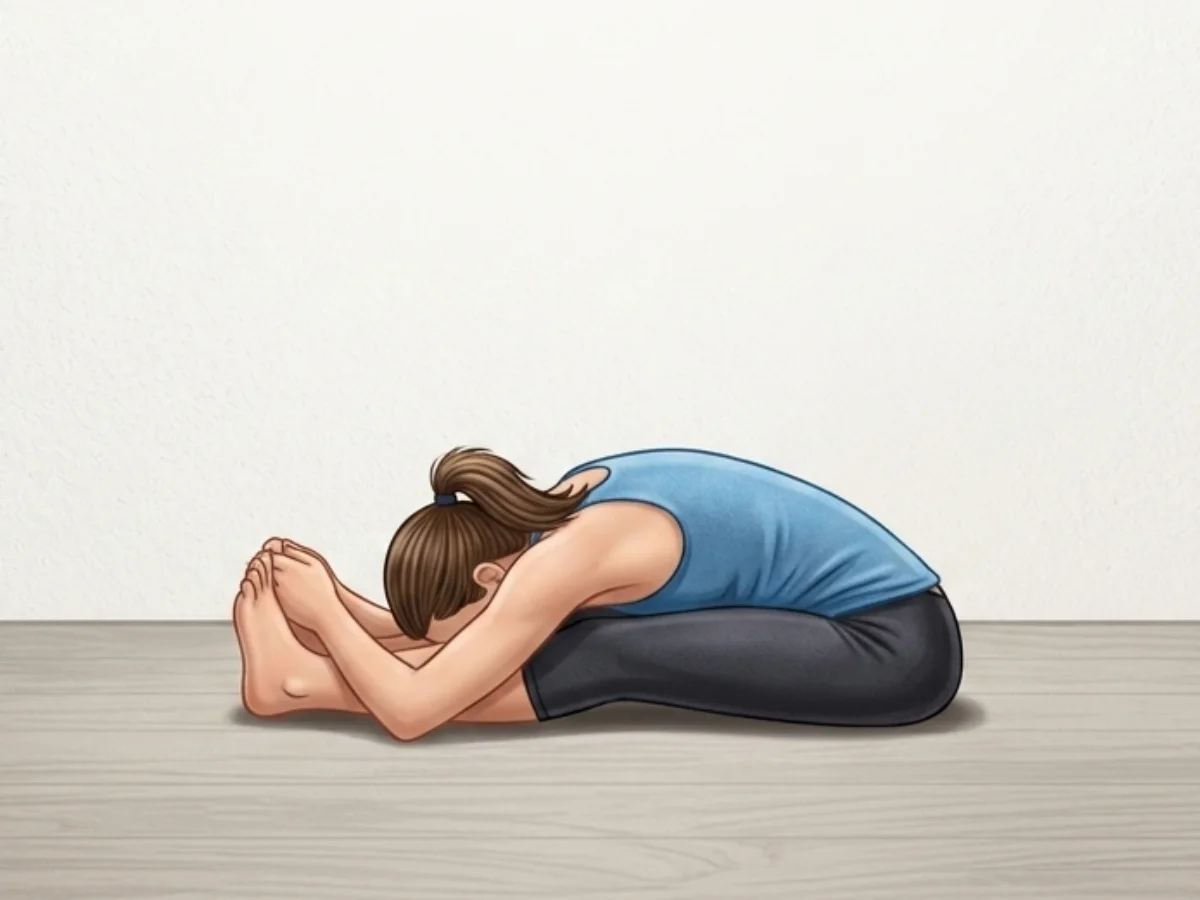
Seated Forward Bend I
PaschimottanasanaPrepares the hamstrings and lower back for deep, seated extension.
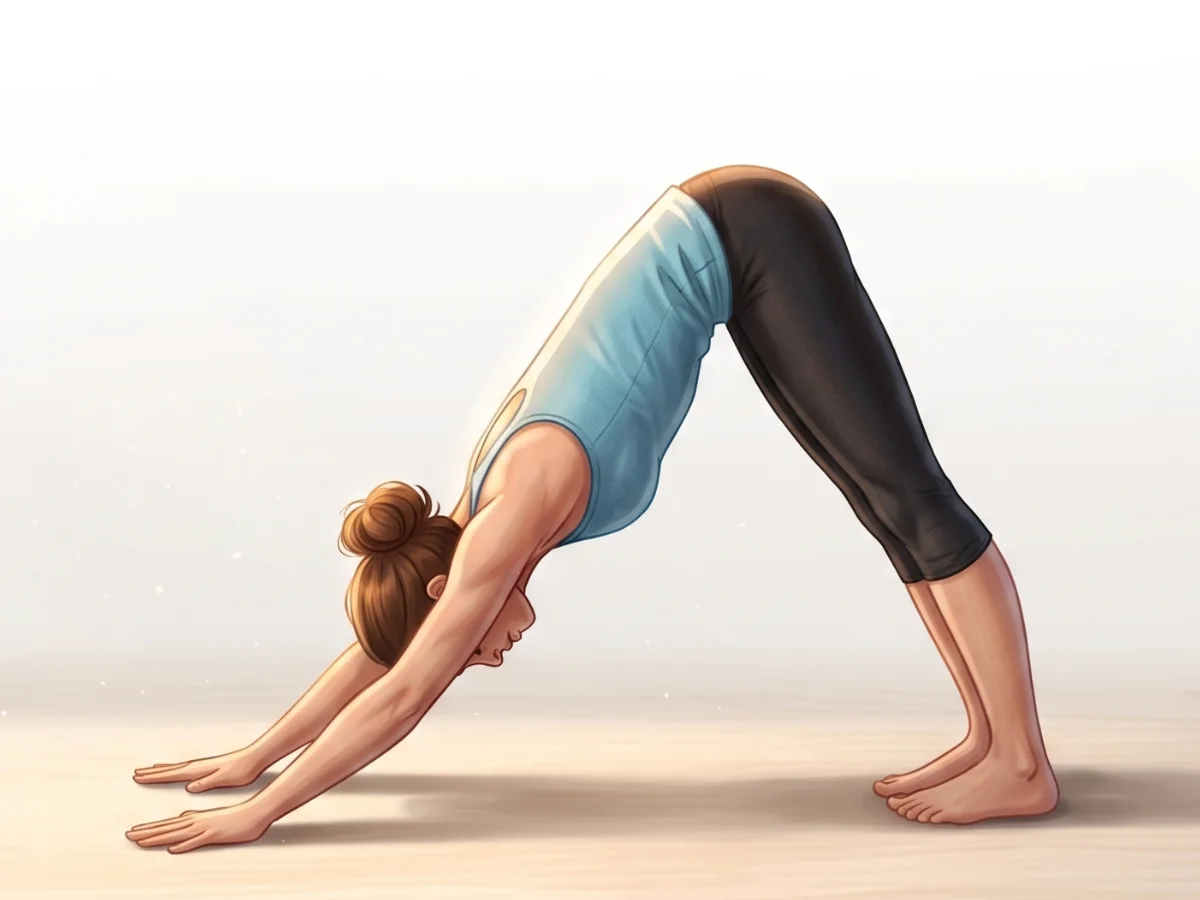
Downward-Facing Dog
Adho Mukha SvanasanaA foundational stretch for the calves, hamstrings, and Achilles tendons.
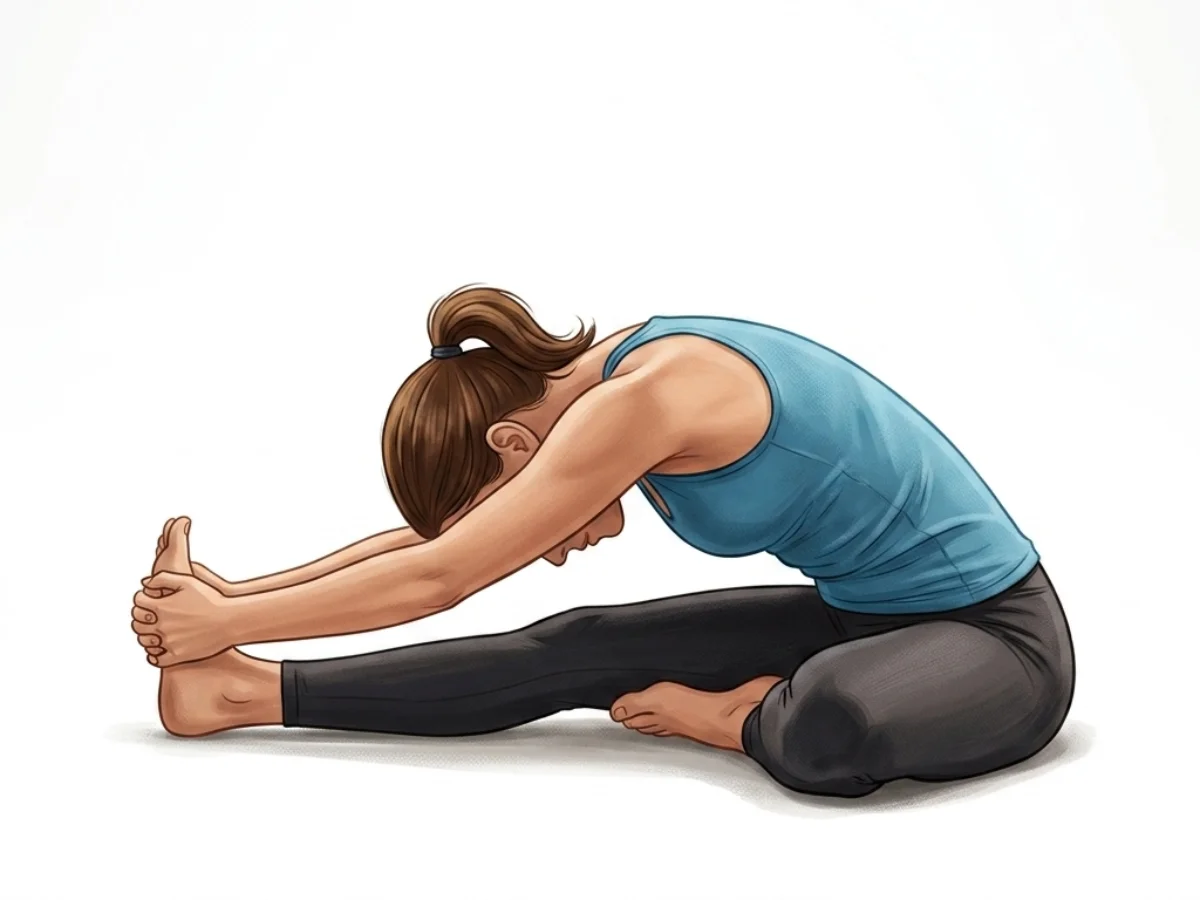
Head-to-Knee Pose I
Janu SirsasanaGently opens the hamstrings and hips one leg at a time.
Follow with neutralizing Counter-poses
Downward-Facing Dog
Adho Mukha SvanasanaReleases tension from the deeply folded knee and balances the legs symmetrically.
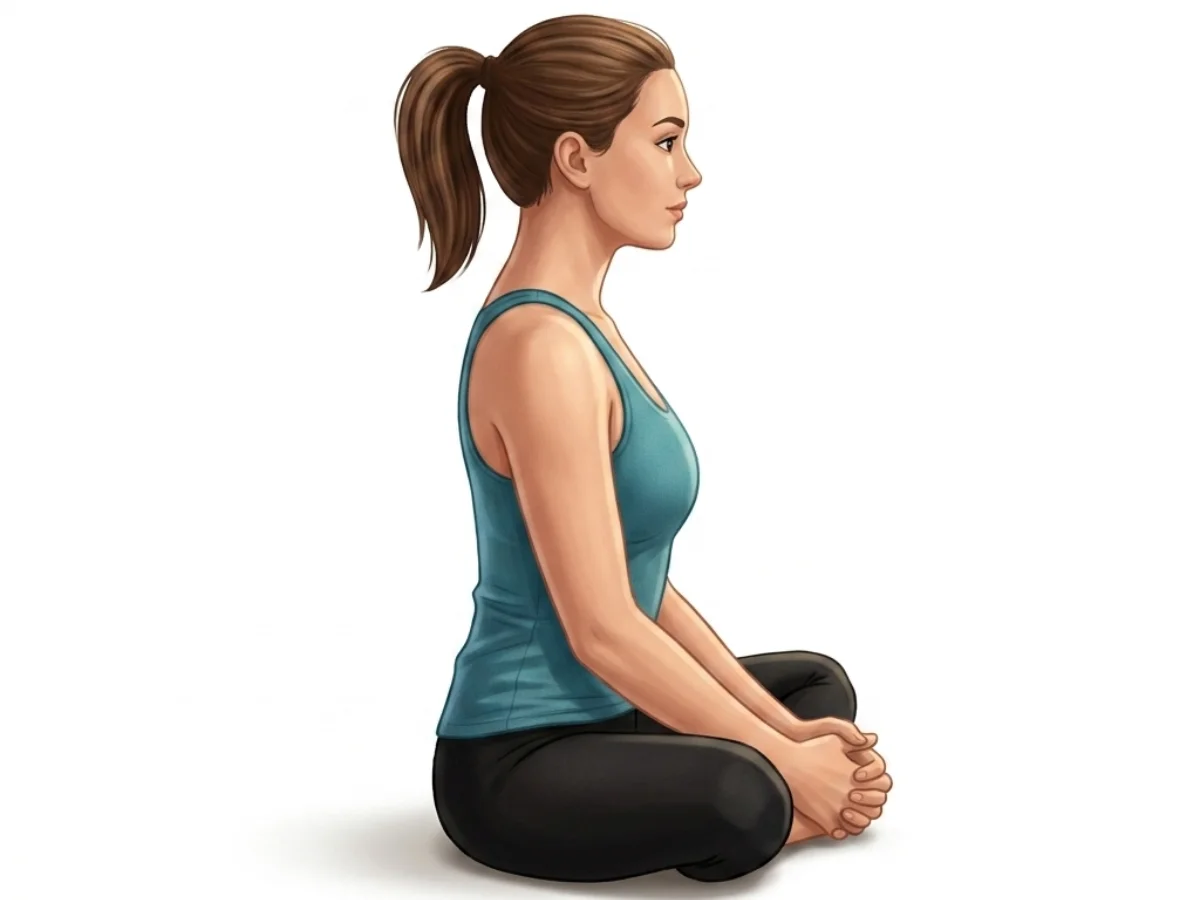
Bound Angle
Baddha KonasanaGently opens the hips and counteracts the hamstring extension.
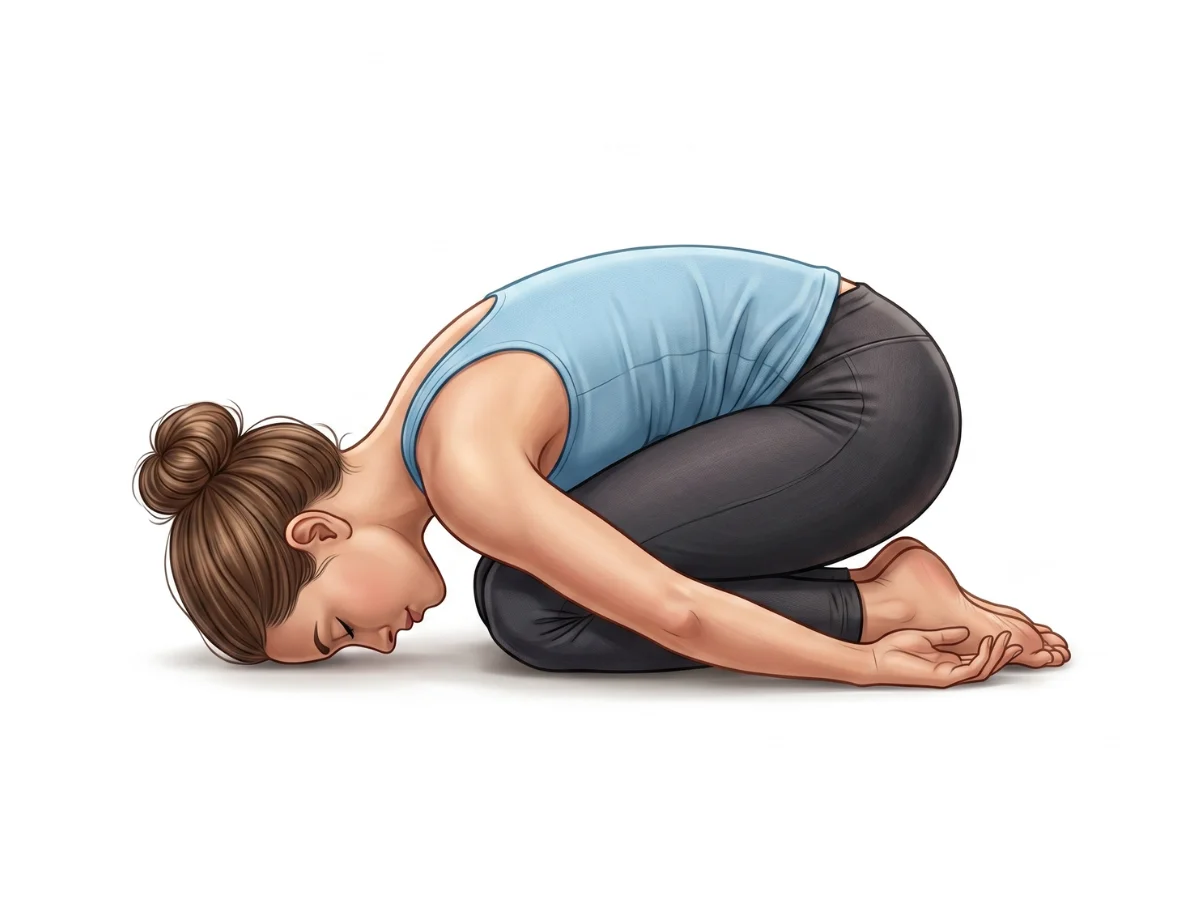
Child's Pose
BalasanaProvides a restorative resting position to relax the core and spine.
Frequently Asked Questions
What if I cannot straighten my lifted leg?
That is completely normal. Keep a slight bend in the lifted knee or use a yoga strap around your foot.
Why does my back round when I lift my leg?
Rounding occurs when the hamstrings are tight; the body compensates by pulling the pelvis backward. Sitting on a folded blanket and using a strap will help you maintain an upright spine.
Can I practice this if I have bad knees?
If you have knee issues, avoid folding the bottom leg back. Instead, keep the bottom leg extended straight out in front of you.
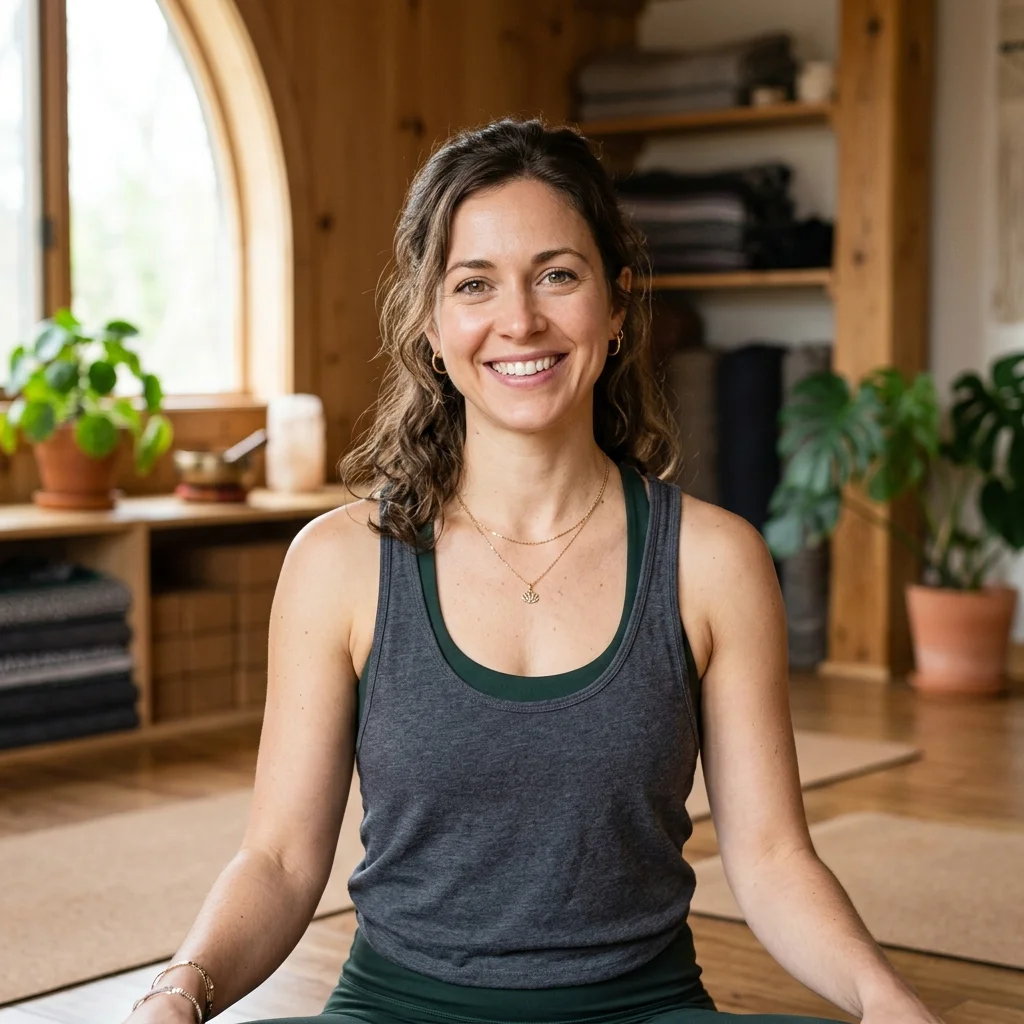
Elena Rostova is an accredited yoga educator and anatomy specialist with over 15 years of clinical experience. She focuses on functional biomechanics and injury prevention, translating complex anatomy into accessible guidance for safe, sustainable practice.
Read Full ProfileContinue Your Yoga Journey
Ready to deepen your practice? Explore our extensive library of poses, or join a structured program designed to build strength, flexibility, and mindfulness.