
Little Thunderbolt
Laghu Vajrasana
By Elena Rostova Updated: verified Medically Reviewed
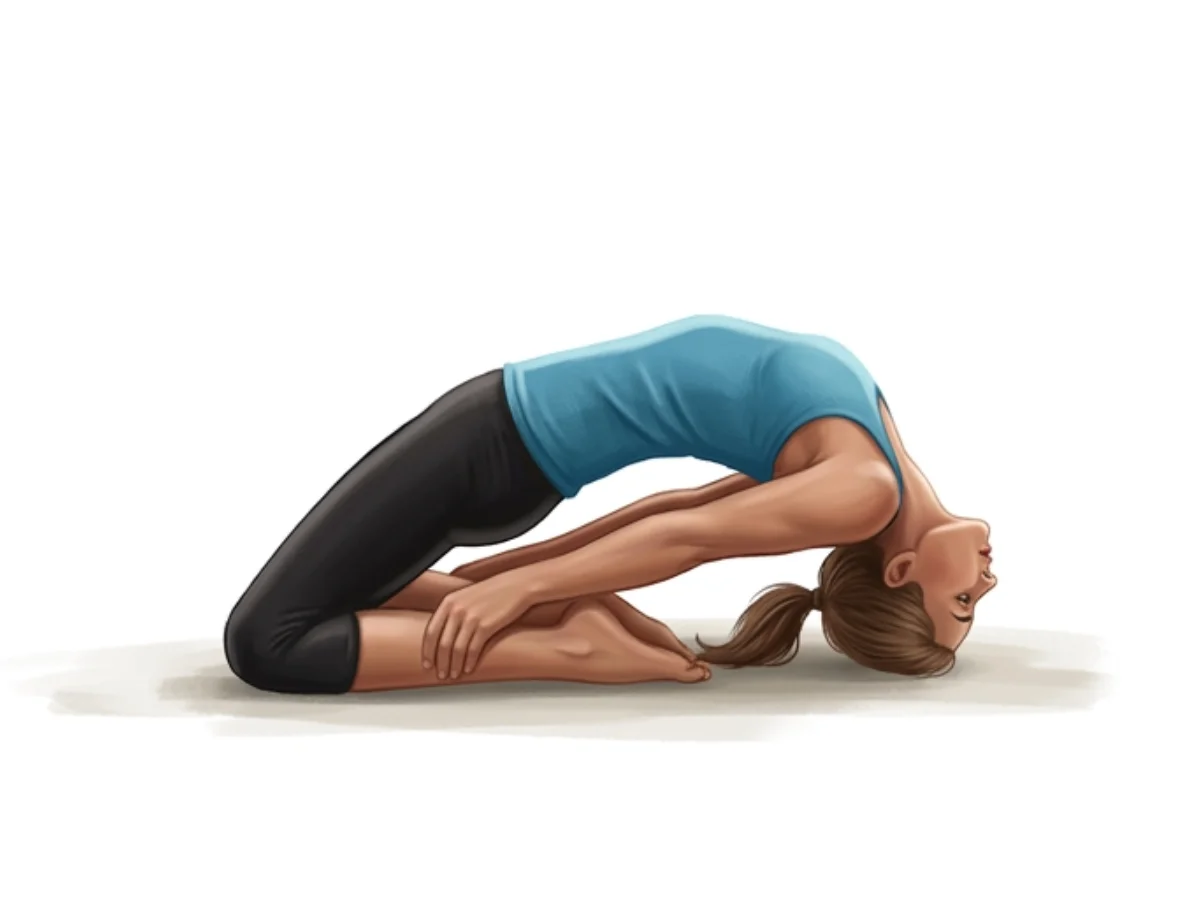
Little Thunderbolt Pose (Laghu Vajrasana) is an advanced kneeling backbend often practiced in the Ashtanga intermediate series. It powerfully stretches the entire front body while demanding tremendous strength from the quadriceps and core to control the descent and ascent of the torso.
Hold Time
5–10 deep breaths
Pronunciation
lah-GOO vahj-RAHS-anna
About Little Thunderbolt
Commonly practiced as Little Thunderbolt (Laghu Vajrasana), this dynamic posture is beautifully designed to help unlock tension. It primarily targets the deep backbending & quad strength, helping to create length and strength exactly where you need it most. Practicing this pose regularly helps with strengthens quadriceps intensely and leaves you feeling completely refreshed.
How to Practice
Kneeling Foundation
Begin kneeling on your mat with your knees hip-width apart. Keep your thighs perpendicular to the floor and place your hands on your hips.
Engage Core and Quads
Draw your lower abdomen in to support your lower back. Actively engage your quadriceps as they will support your body weight.
Lengthen the Spine
Inhale deeply to lift your chest toward the ceiling, elongating the front of your torso and rolling your shoulders back and down.
Reach for Ankles
Exhale as you begin to arch back. Reach your hands down to grasp your ankles or the backs of your thighs for support.
Lower the Crown
Continue to exhale, engaging your thighs deeply to control the movement, and slowly lower the crown of your head toward the floor behind your feet.
Hold and Breathe
Once your head lightly touches the floor, hold the posture. Maintain active engagement in the legs and core, taking 5 to 10 steady nasal breaths.
Ascend with Control
To exit the posture safely, press firmly into your shins, engage your thighs and core, and inhale as you smoothly lift your torso and head back to the starting kneeling position.
Neutralize and Rest
Sit back on your heels in Thunderbolt Pose (Vajrasana) or rest in Child's Pose to neutralize your spine and let your heart rate settle.
Practice with the Yoga Timer
Keep track of your hold time and breath count for this pose.
Beginner Modifications & Prop Options
Yoga is a personal journey. These modifications and prop options allow you to adapt the pose to your current level of balance and flexibility, ensuring a safe and supportive practice.
Use Blocks Under Hands
Place yoga blocks on either side of your ankles to rest your hands on, reducing the depth required to achieve support.
Tip: Focus on alignment rather than depth.
Practice Camel Pose First
If lowering the head to the floor is inaccessible, practice Camel Pose (Ustrasana) to build foundational backbend strength and flexibility.
Tip: Focus on alignment rather than depth.
Wall Assistance
Practice with the wall behind you, walking your hands down the wall to control your descent until you build sufficient leg strength.
Tip: Focus on alignment rather than depth.
Benefits of Little Thunderbolt
Strengthens Quadriceps intensely
The eccentric and concentric contraction required to lower and raise the torso builds exceptional strength and endurance in the quadriceps.
Deeply Opens the Front Body
Provides a massive stretch to the hip flexors, abdomen, chest, and throat, reversing the effects of forward-hunching posture.
Stimulates the Nervous System
Deep backbends are highly energizing and are believed to stimulate the sympathetic nervous system, leaving you feeling invigorated.
Improves Spinal Mobility
Enhances flexibility in the thoracic and lumbar spine, promoting better overall spinal health when practiced safely.
Tones Abdominal Organs
The deep stretching and subsequent release can help stimulate digestion and tone abdominal muscles.
Common Mistakes to Avoid
Mistake: Dumping into the Lower Back
How to fix: Keep the glutes active but not clenched, and continuously lift the chest to distribute the bend evenly through the upper and middle back.
Mistake: Dropping the Head Too Quickly
How to fix: Maintain control with your neck muscles. Lower the head slowly as an extension of the spine, rather than letting it fall back heavily.
Mistake: Losing Thigh Engagement
How to fix: Your quadriceps should feel like they are working intensely. Do not rely entirely on your arms to hold you; the legs are the primary support.
Safety and Precautions
Knee Injuries
The intense pressure and engagement required can aggravate existing knee conditions.
Lower Back Issues
Those with herniated discs, sciatica, or severe lumbar pain should avoid deep backbends.
Neck Injuries
Letting the head drop back can strain the cervical spine; avoid if you have neck pain or whiplash.
High Blood Pressure or Heart Conditions
Intense inversions and backbends can elevate heart rate and blood pressure temporarily.
Medical Disclaimer: If you have any of the above conditions, consult your doctor or a qualified yoga instructor before attempting this pose.
Muscles Worked in Little Thunderbolt
Little Thunderbolt demands synchronized muscular effort, creating a profound sense of engagement and release throughout the body. The activation of the primary muscles supports the structure, while the secondary muscles provide stability and balance.
Primary Muscles
Quadriceps
Work eccentrically to control descent and concentrically to ascend.
Erector Spinae
Engages to extend the spine into the deep backbend.
Hip Flexors (Psoas)
Actively stretch as the pelvis lifts and pushes forward.
Secondary Muscles
Rectus Abdominis
Stretches deeply while maintaining eccentric control of the torso.
Gluteus Maximus
Assists in hip extension and stabilizing the pelvis.
Poses to Practice Before and After Little Thunderbolt
Prepare with these Poses
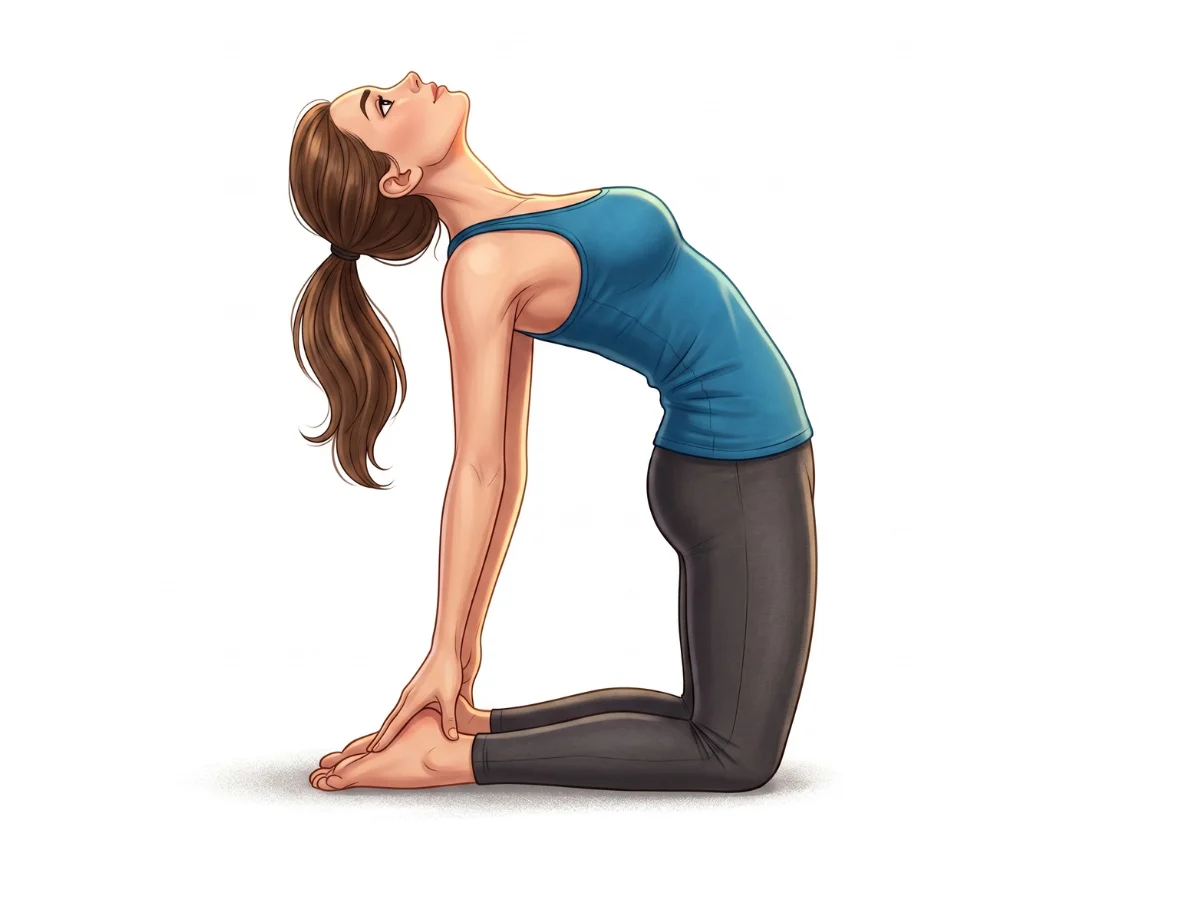
Camel Pose
UstrasanaA fundamental kneeling backbend that prepares the spine and thighs for deeper extension.
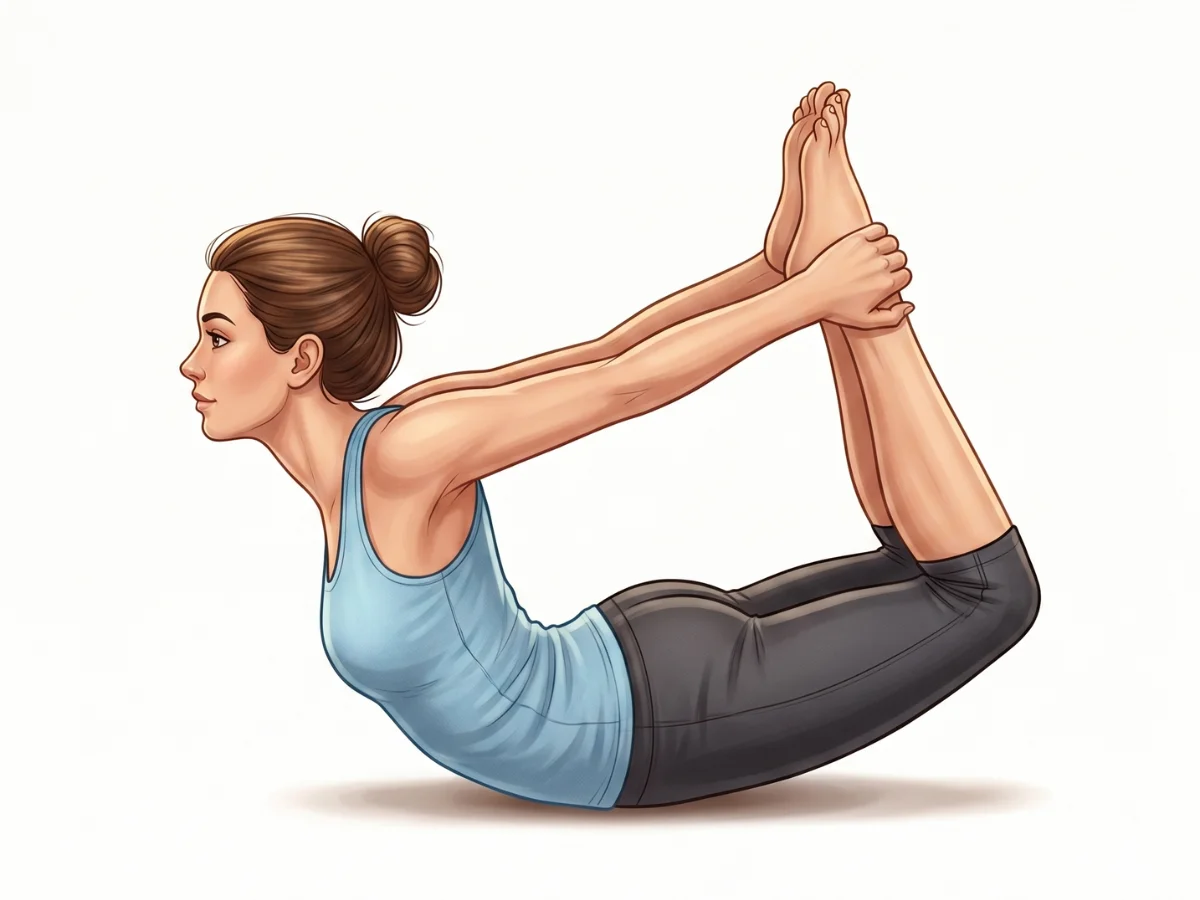
Bow Pose
DhanurasanaOpens the entire front body and activates the back muscles used in backbending.
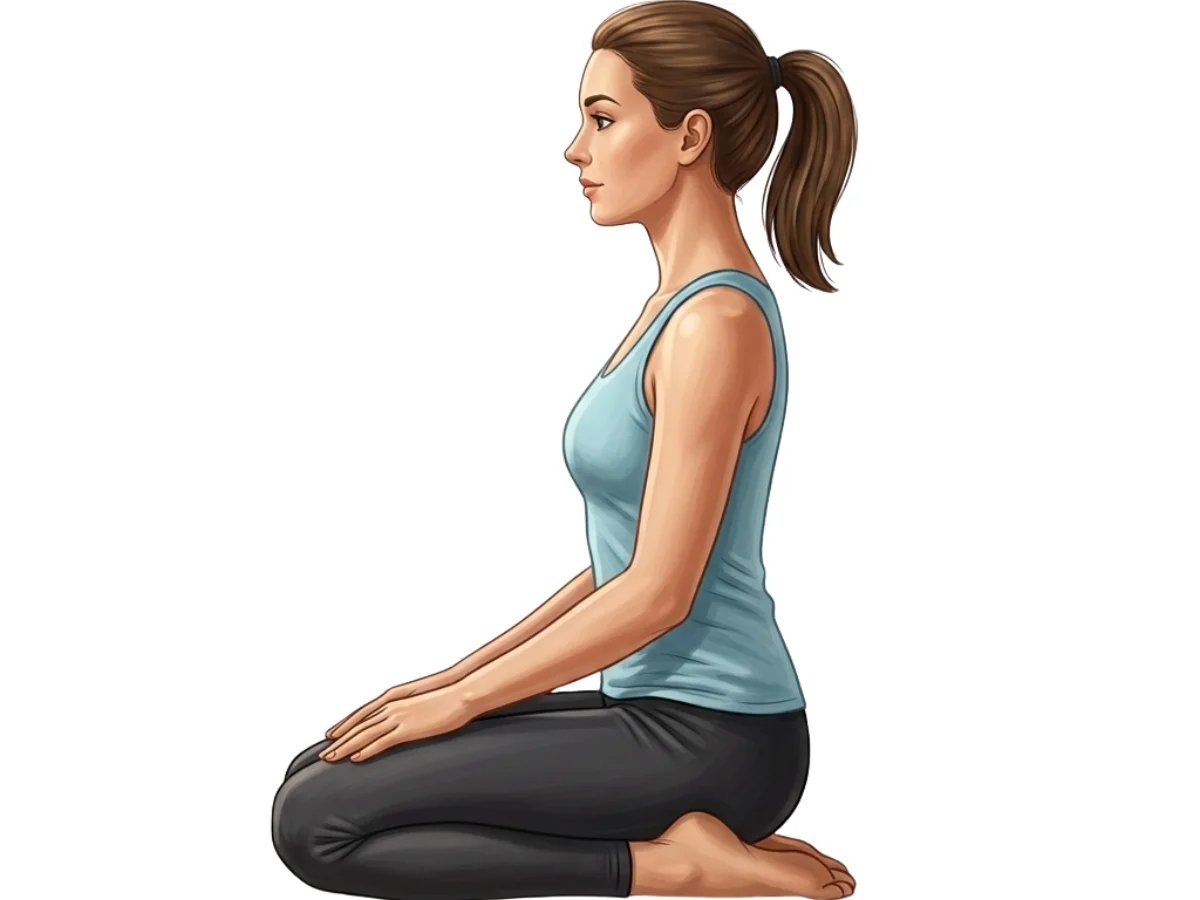
Hero Pose
VirasanaStretches the quadriceps and knees, preparing them for the intense load of Little Thunderbolt.
Follow with neutralizing Counter-poses
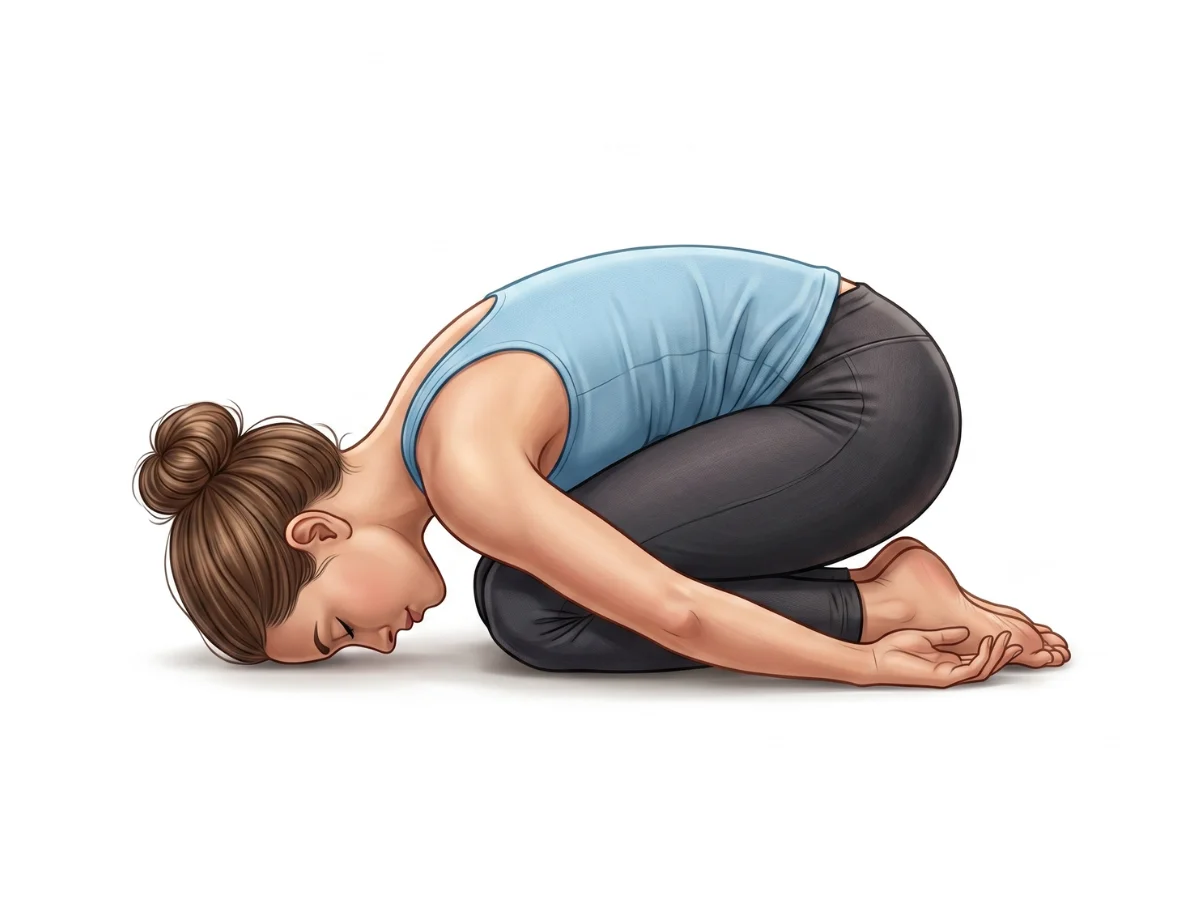
Child's Pose
BalasanaGently rounds and rests the lower back after deep extension.
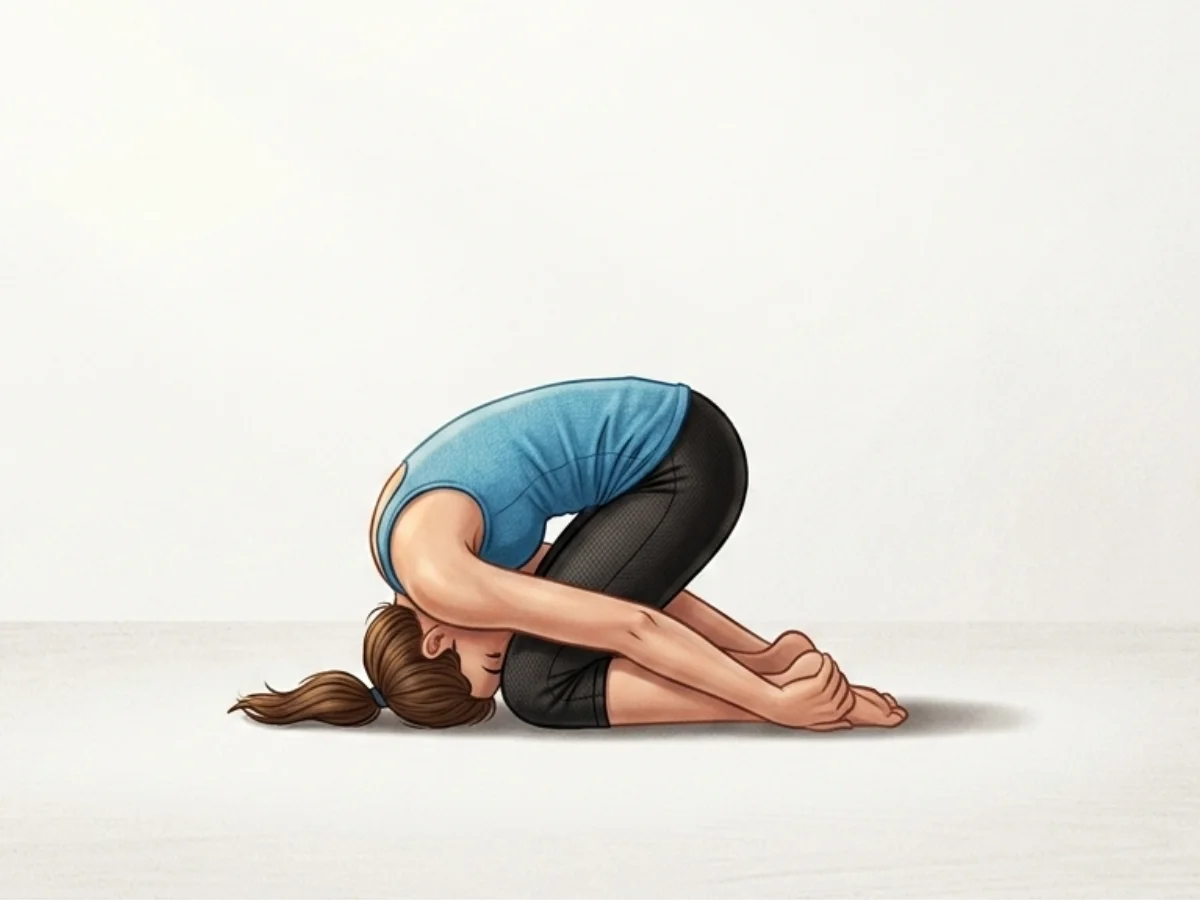
Rabbit Pose
SasangasanaProvides a deep, active flexion of the spine to perfectly counter the backbend.
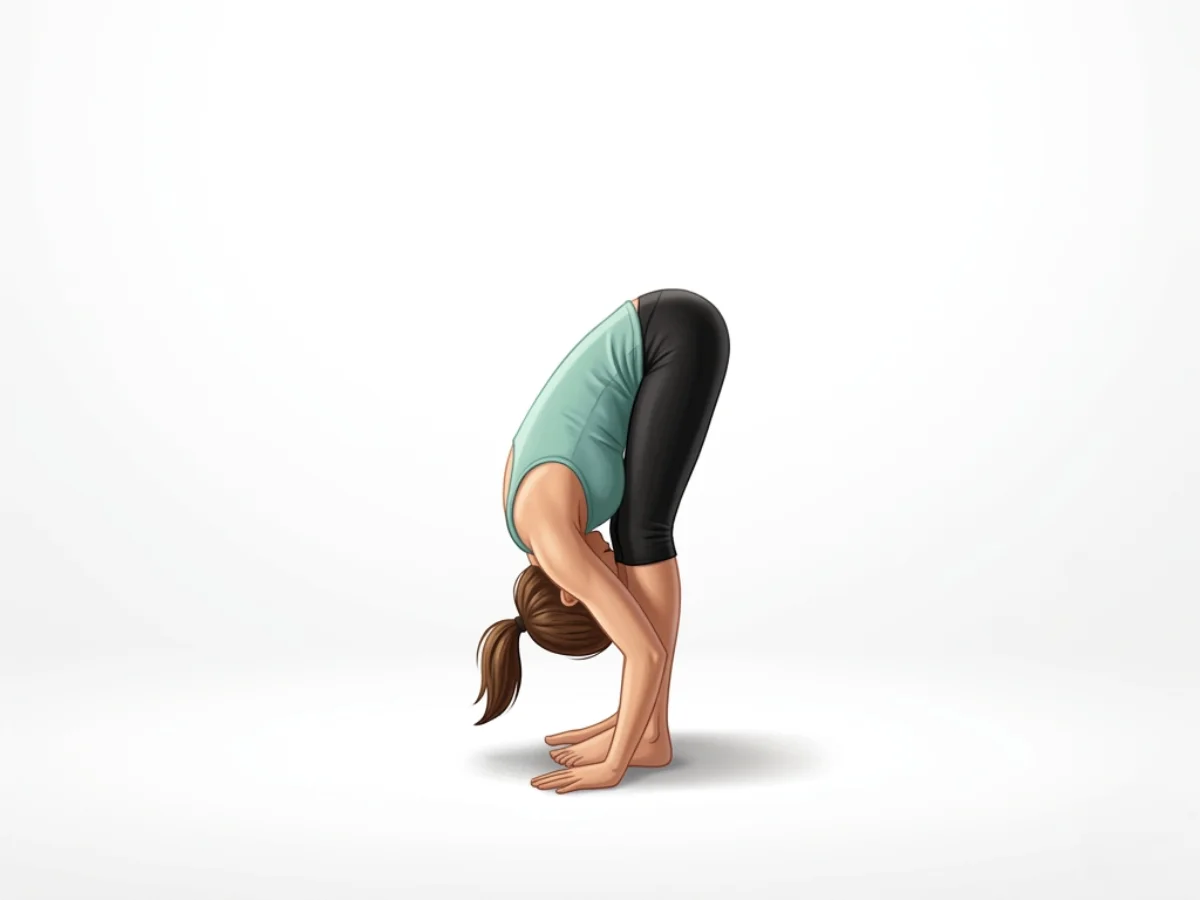
Standing Forward Bend
UttanasanaReleases tension in the back muscles and stretches the back of the legs.
Frequently Asked Questions
How is Little Thunderbolt different from Camel Pose?
While Camel Pose (Ustrasana) keeps the thighs vertical and hands on the heels, Little Thunderbolt (Laghu Vajrasana) involves leaning further back until the crown of the head rests on the floor between the feet, requiring significantly more quadriceps strength.
I feel a sharp pinch in my lower back. What should I do?
A sharp pinch indicates compression in the lumbar spine. Come out of the pose immediately. To avoid this, focus on lifting your chest up toward the ceiling to lengthen the spine before arching back, and keep your core engaged.
Is it normal for my thighs to shake?
Yes, mild shaking is normal as your quadriceps work extremely hard to support your body weight eccentrically. However, if the shaking is violent or accompanied by pain, ease out of the pose to prevent muscle strain.

Elena Rostova is an accredited yoga educator and anatomy specialist with over 15 years of clinical experience. She focuses on functional biomechanics and injury prevention, translating complex anatomy into accessible guidance for safe, sustainable practice.
Read Full ProfileContinue Your Yoga Journey
Ready to deepen your practice? Explore our extensive library of poses, or join a structured program designed to build strength, flexibility, and mindfulness.