
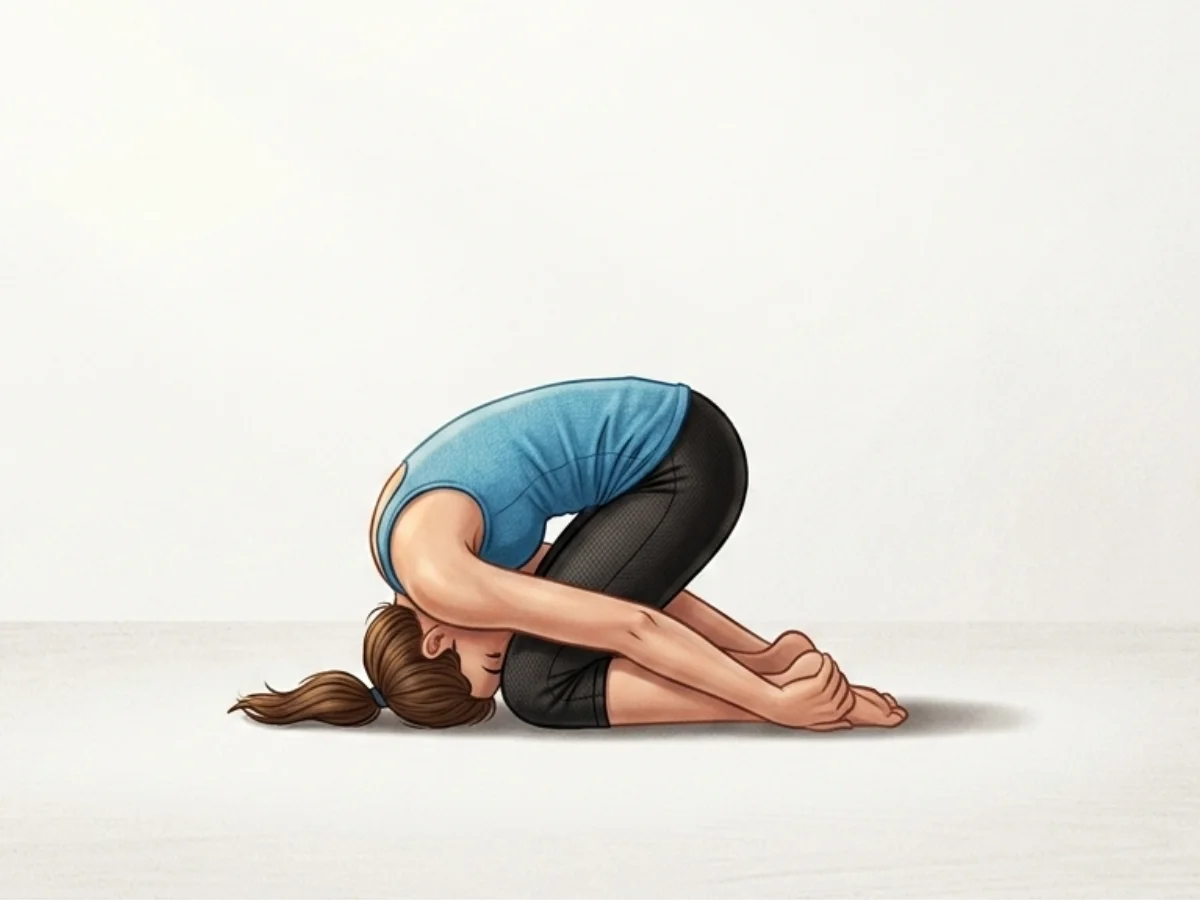
Rabbit
Sasangasana
By Elena Rostova Updated: verified Medically Reviewed
Rabbit Pose (Sasangasana) is a deeply restorative forward bend that provides a profound stretch to the entire length of the spine, particularly the neck and upper back. It naturally counteracts the backbends and everyday tension that accumulate in the shoulders.
Hold Time
30–60 sec · 5–10 breaths
Pronunciation
shah-SHAHNG-gah-sah-nah
About Rabbit
A vital part of many yoga sequences, Rabbit (Sasangasana) offers wonderful benefits that go beyond its simple shape. This posture specifically engages the spinal flexion & deep relaxation, making it highly effective for developing both strength and mobility. Practicing this pose regularly helps with lengthens the spine and leaves you feeling completely refreshed.
How to Practice
Start in Thunderbolt
Begin seated on your heels in Thunderbolt Pose (Vajrasana) with a tall spine.
Grasp Heels
Reach back and hold onto your heels with your thumbs on the outside and fingers on the inside.
Tuck the Chin
Tuck your chin deeply toward your chest, rounding your upper spine.
Roll Forward
Exhale as you slowly roll forward, bringing your forehead to the mat as close to your knees as possible.
Lift the Hips
Lift your hips upward toward the ceiling, rolling onto the crown of your head. Keep your grip firm on your heels.
Extend the Spine
Allow your arms to straighten slightly as your hips lift, pulling against your heels to intensify the stretch along your back.
Breathe and Hold
Take 5 to 10 deep breaths, directing the breath into the back of your ribcage to expand your lungs.
Release Safely
To exit, slowly lower your hips back to your heels and roll your spine up one vertebra at a time, letting your head come up last.
Practice with the Yoga Timer
Keep track of your hold time and breath count for this pose.
Beginner Modifications & Prop Options
Yoga is a personal journey. These modifications and prop options allow you to adapt the pose to your current level of balance and flexibility, ensuring a safe and supportive practice.
Using a Blanket
Place a folded blanket beneath your knees or under your head to provide soft cushioning.
Tip: Focus on alignment rather than depth.
Reaching for Ankles
If you cannot comfortably reach your heels, grasp your ankles or simply rest your hands beside your feet.
Tip: Focus on alignment rather than depth.
Benefits of Rabbit
Lengthens the Spine
Creates space between the vertebrae, promoting spinal mobility and relieving tension.
Stretches Shoulders and Neck
Deeply releases tightness in the neck, trapezius, and upper back.
Stimulates Digestion
Compresses the abdominal region to massage internal organs and promote healthy digestion.
Calms the Nervous System
Encourages inward focus and relaxation, helping to reduce stress and fatigue.
Common Mistakes to Avoid
Mistake: Putting Too Much Weight on the Head
How to fix: Ensure you hold your heels tightly to keep most of the weight in your legs and arms, protecting your neck.
Mistake: Forehead Too Far from Knees
How to fix: Walk your knees slightly closer to your forehead to maintain a tight, rounded shape.
Safety and Precautions
Neck Injuries
Avoid this pose if you have recent cervical spine issues or whiplash.
High Blood Pressure
Keep the hold brief or avoid inversions where the head is below the heart if unmanaged.
Knee Problems
Deep flexion can cause pain in inflamed knee joints.
Medical Disclaimer: If you have any of the above conditions, consult your doctor or a qualified yoga instructor before attempting this pose.
Muscles Worked in Rabbit
Rabbit demands synchronized muscular effort, creating a profound sense of engagement and release throughout the body. The activation of the primary muscles supports the structure, while the secondary muscles provide stability and balance.
Primary Muscles
Erector Spinae
Stretches deeply along the entire length of the back.
Trapezius
Releases tension in the upper back and neck.
Secondary Muscles
Rectus Abdominis
Contracts slightly to assist the forward fold.
Poses to Practice Before and After Rabbit
Prepare with these Poses
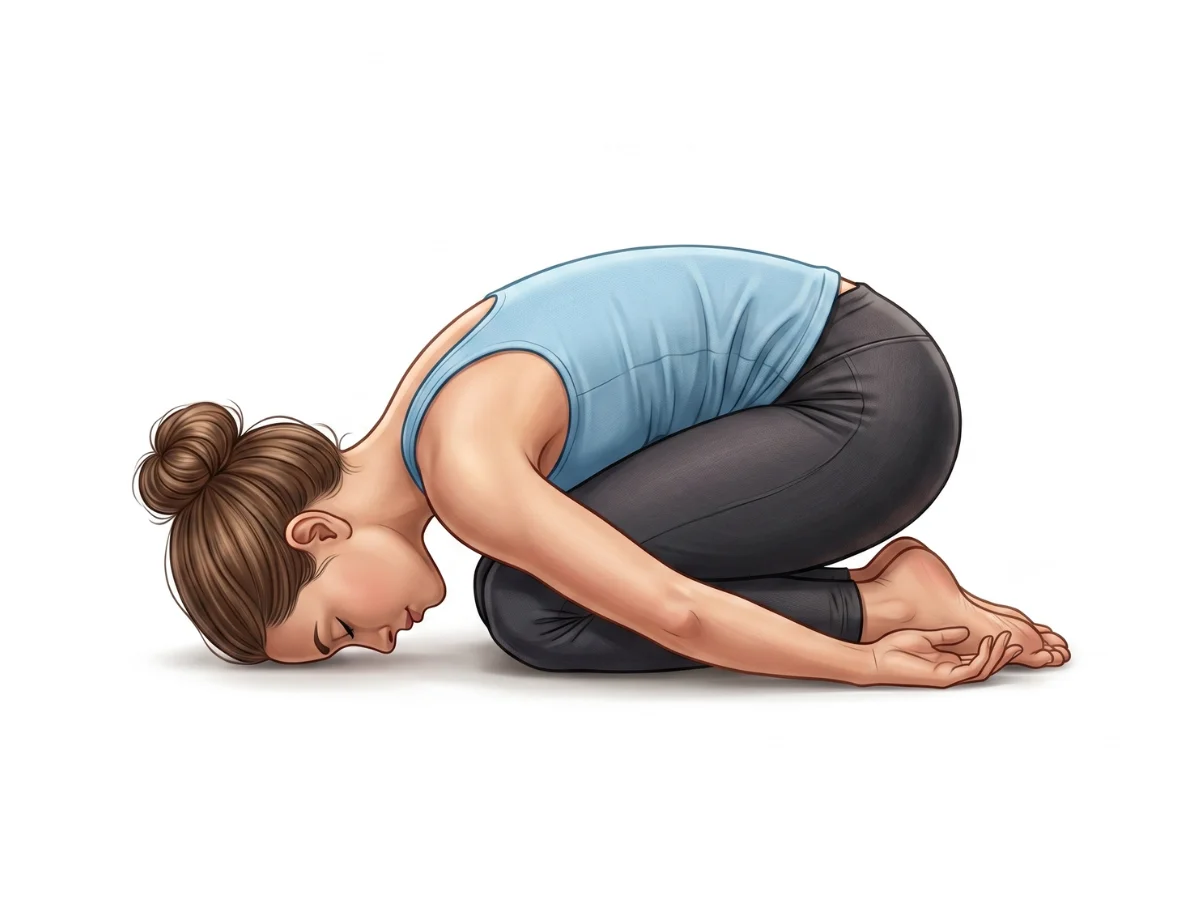
Child's Pose
BalasanaA gentle forward fold to begin opening the hips and lower back.
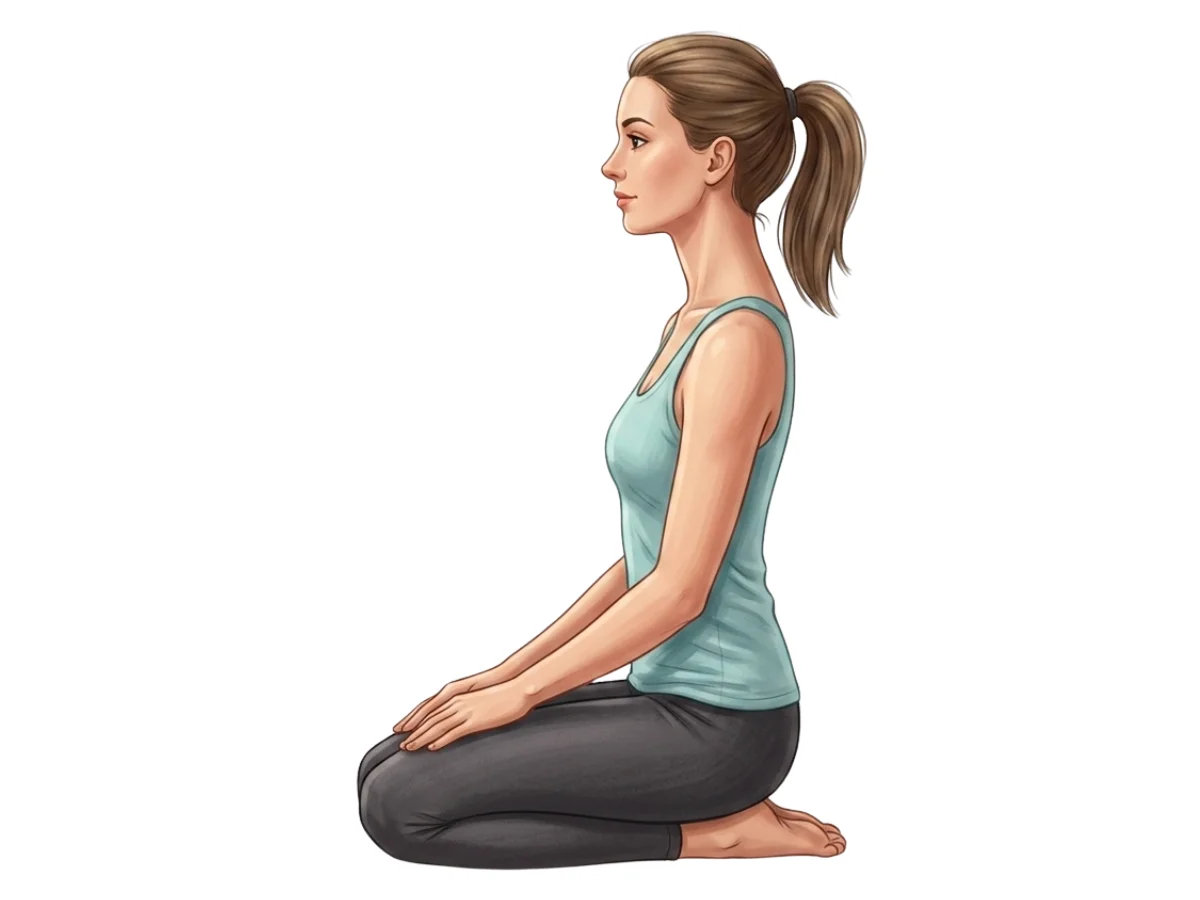
Thunderbolt Pose
VajrasanaPrepares the knees and ankles for the kneeling foundation.
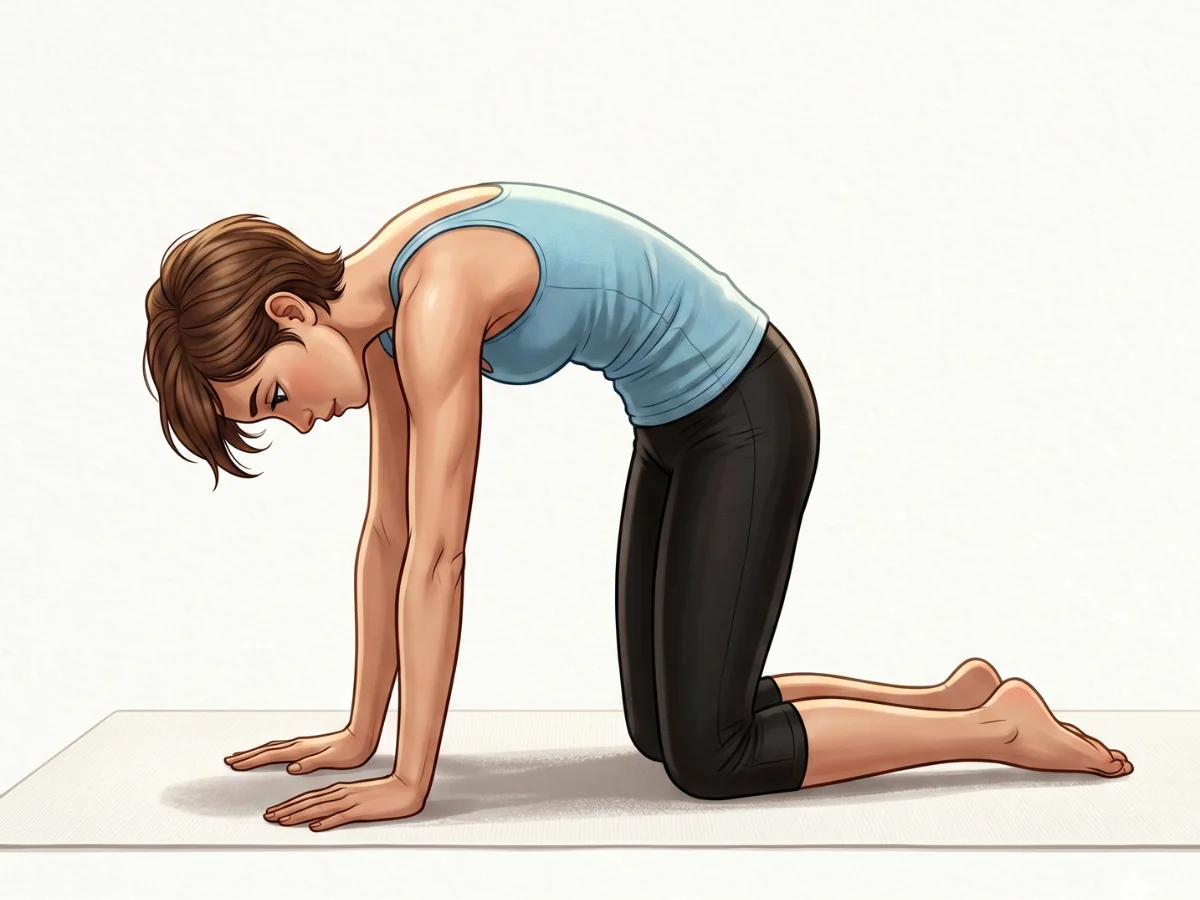
Cat Pose
MarjaryasanaWarms up the spine in a rounded, flexed position.
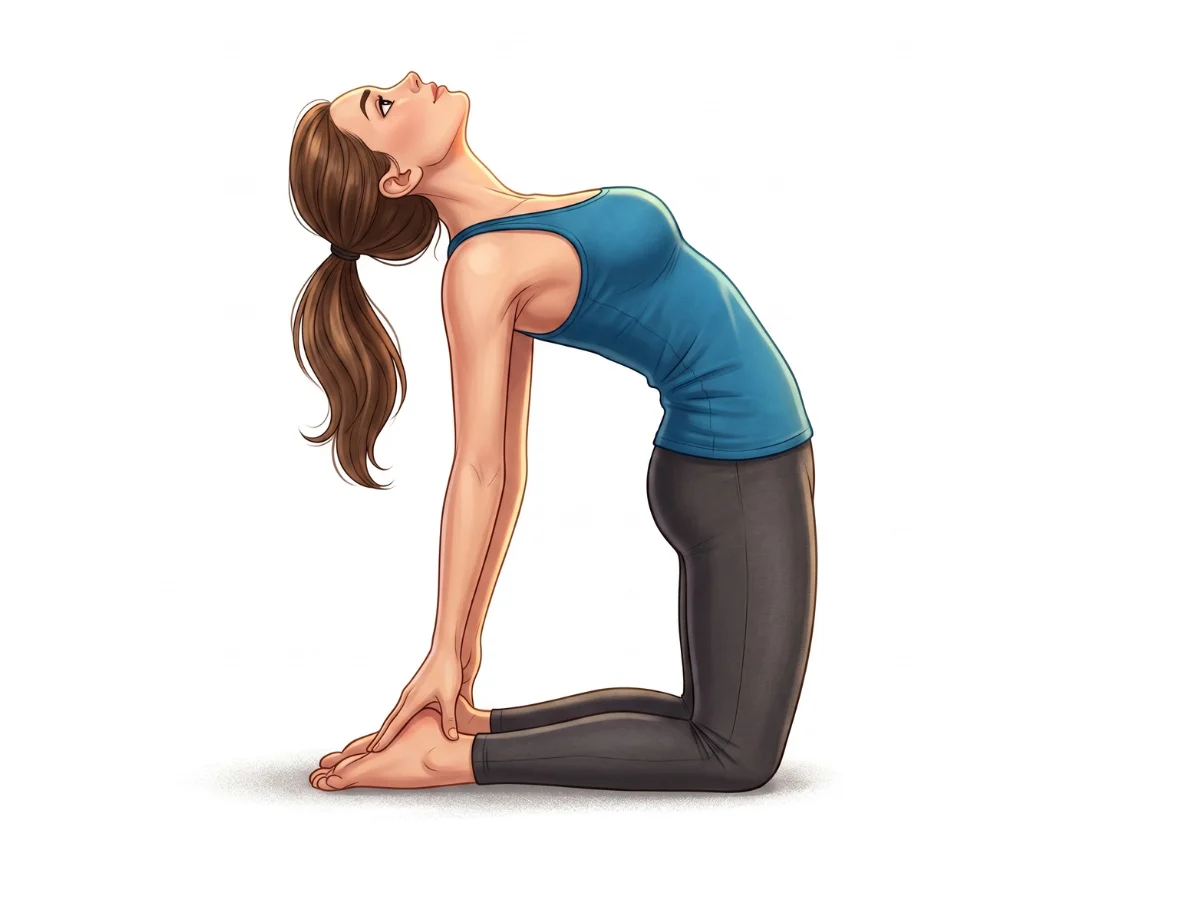
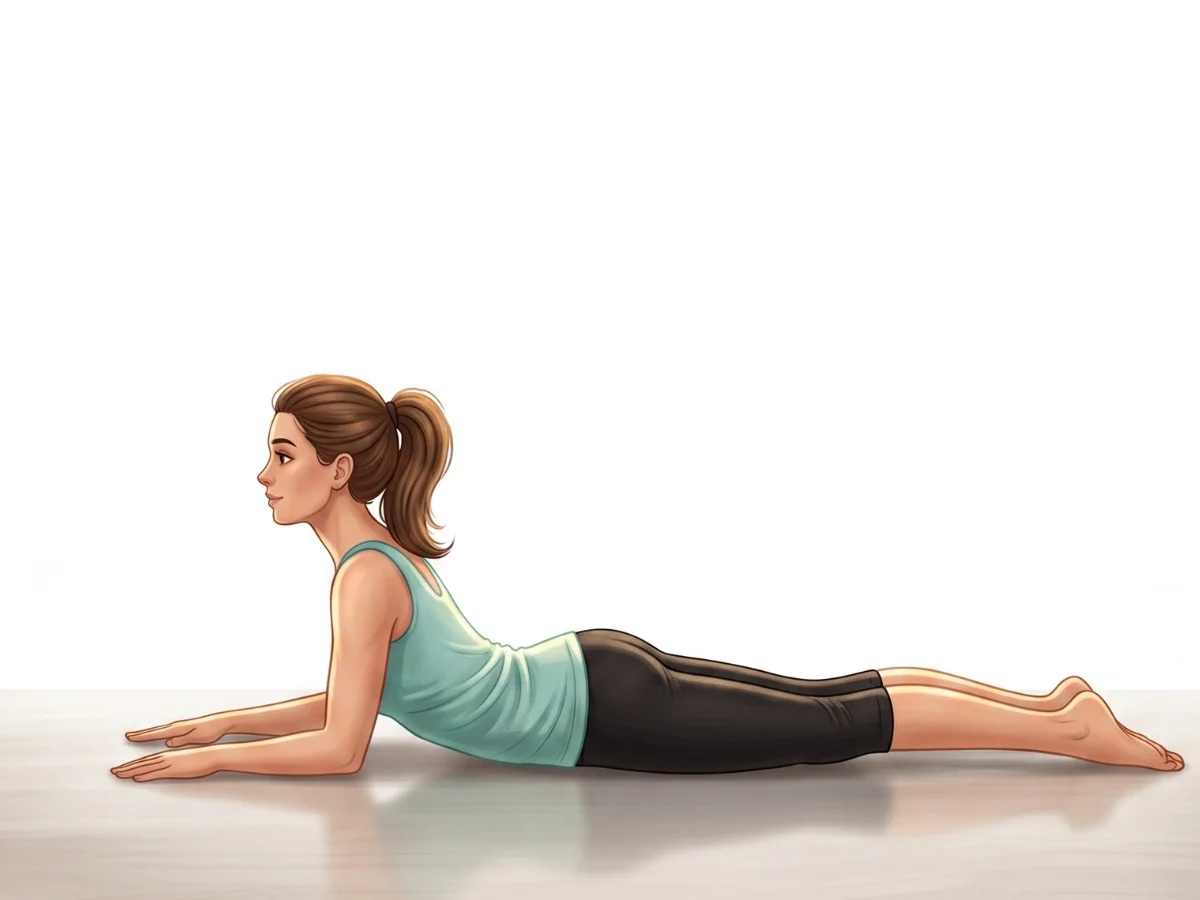
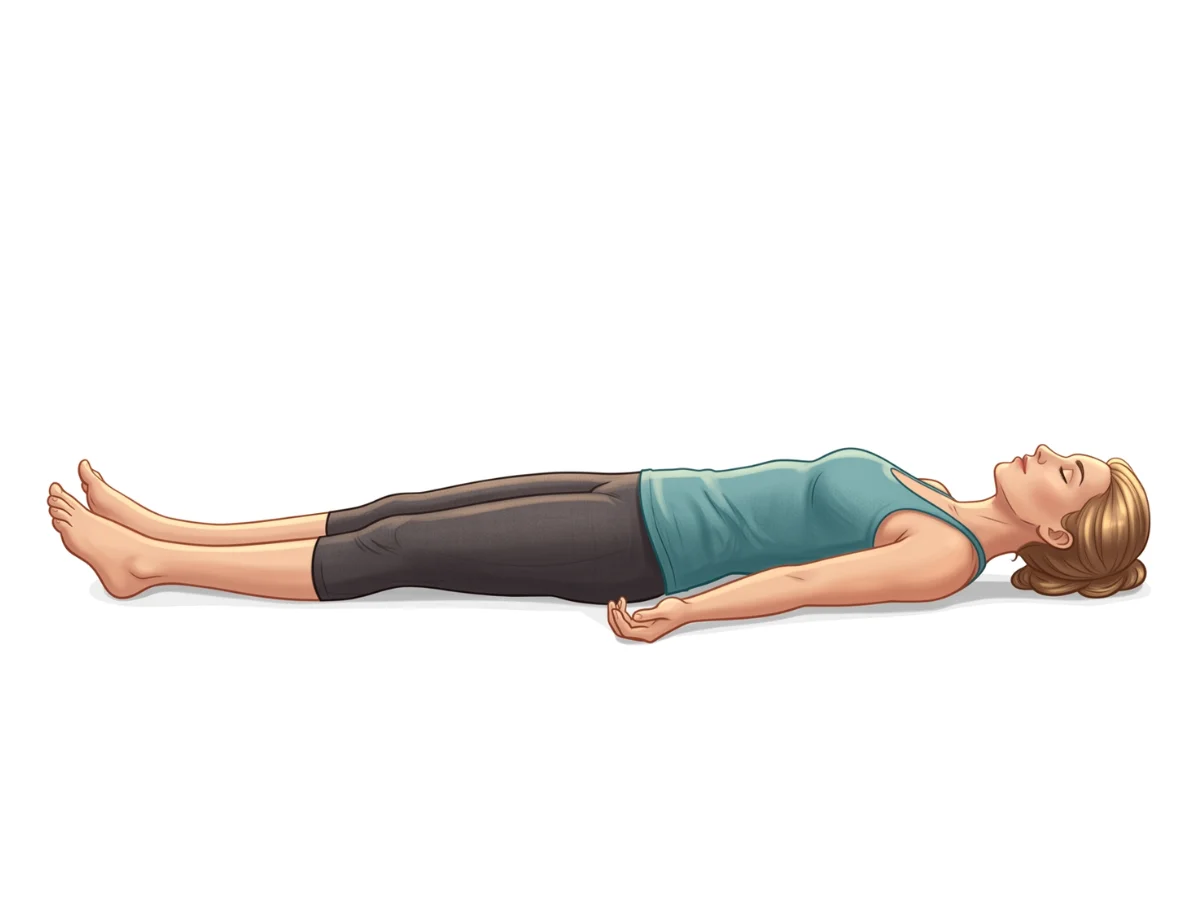
Follow with neutralizing Counter-poses
Frequently Asked Questions
How much weight should be on my head?
Very little weight should be on the crown of your head. Use the leverage of pulling on your heels to lift your hips and take pressure off your neck.
Is Rabbit Pose safe for beginners?
Yes, it is generally safe for beginners, provided you listen to your body and do not force the rounding or place heavy pressure on your neck.
Elena Rostova is an accredited yoga educator and anatomy specialist with over 15 years of clinical experience. She focuses on functional biomechanics and injury prevention, translating complex anatomy into accessible guidance for safe, sustainable practice.
Read Full ProfileContinue Your Yoga Journey
Ready to deepen your practice? Explore our extensive library of poses, or join a structured program designed to build strength, flexibility, and mindfulness.