
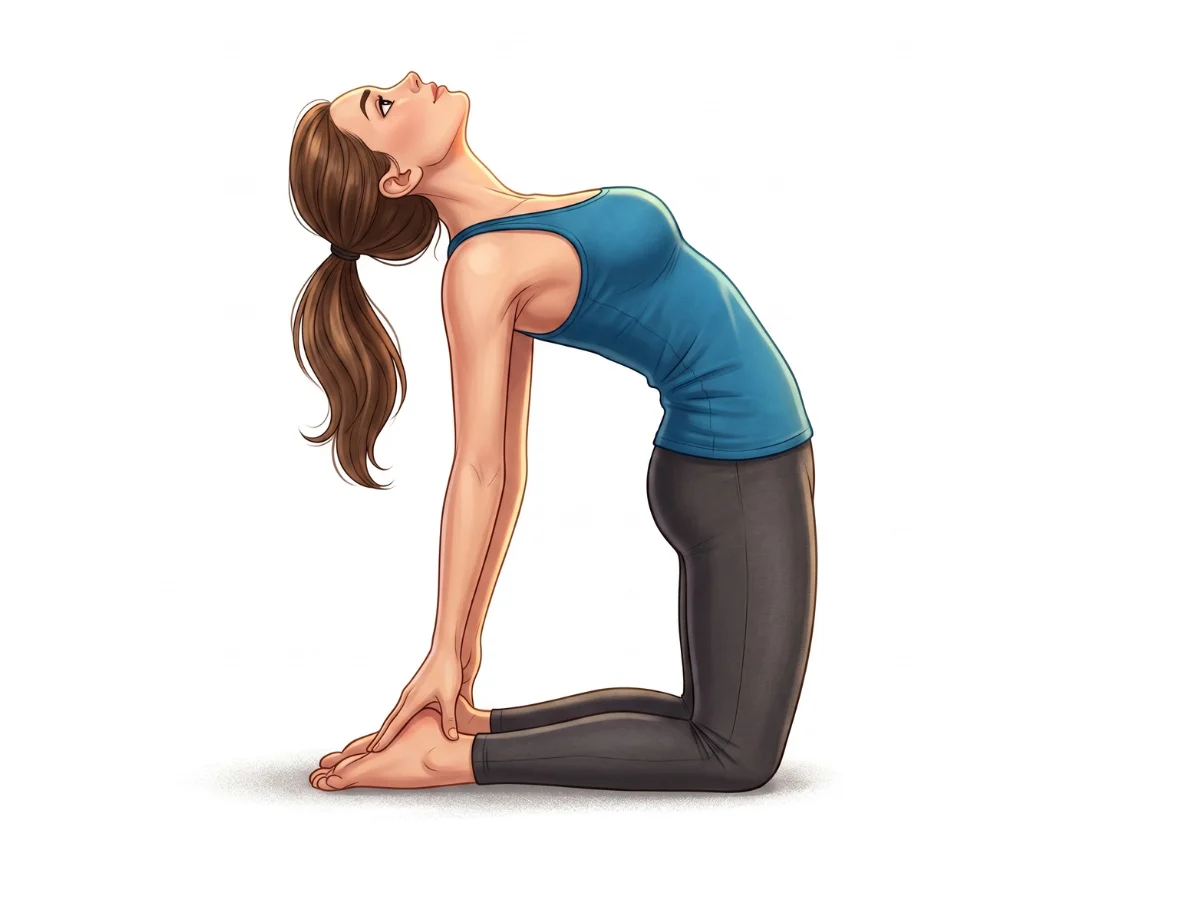
Camel
Ustrasana
By Elena Rostova Updated: verified Medically Reviewed
Camel Pose (Ustrasana) is a powerful kneeling backbend that deeply opens the entire front of the body, particularly the chest, abdomen, and quadriceps. It improves spinal mobility, stimulates the respiratory system, and builds core strength.
Hold Time
30�60 sec � 5�10 breaths
Pronunciation
oosh-TRAHS-anna
About Camel
Universally known as Camel (Ustrasana), this pose mimics the natural strength and grace of its namesake. By gently focusing on chest opening & spinal extension, it actively stretches your muscles and builds heat. Ultimately, it is a fantastic pose for stretches the front body, leaving you with a profound sense of grounded energy.
How to Practice
Kneeling Setup
Begin kneeling on your mat with your knees hip-width apart. Ensure your thighs are perpendicular to the floor and your shins are parallel.
Hand Support
Place your hands on your lower back, resting your palms on your upper buttocks with your fingers pointing down. Draw your elbows gently toward each other.
Inhale and Lift
Inhale deeply as you press your hips forward and lift your chest upward, expanding your ribcage toward the ceiling.
Arch Back
Exhale and begin to arch your spine backward, keeping your chin slightly tucked to protect your neck initially.
Reach for Heels
If your flexibility permits, reach your hands back one at a time to grasp your heels. Press down firmly through your palms.
Hips Forward
Continue to press your thighs and hips forward so they remain directly stacked over your knees, maintaining a deep arch in your spine.
Head Release
If it is comfortable for your neck, allow your head to release gently backward, keeping the throat open.
Hold and Breathe
Hold the posture for 5 to 10 deep, expansive breaths, focusing on lifting the heart with every inhale.
Safe Exit
To release, bring your hands back to your lower back for support. Inhale as you lead with your chest, lifting your torso back to an upright kneeling position.
Practice with the Yoga Timer
Keep track of your hold time and breath count for this pose.
Beginner Modifications & Prop Options
Yoga is a personal journey. These modifications and prop options allow you to adapt the pose to your current level of balance and flexibility, ensuring a safe and supportive practice.
Hands on Lower Back
Keep your hands on your lower back throughout the pose instead of reaching for your heels, focusing purely on lifting the chest.
Tip: Focus on alignment rather than depth.
Tucking the Toes
Tuck your toes under to elevate your heels closer to your hands, making them much easier to reach.
Tip: Focus on alignment rather than depth.
Using Yoga Blocks
Place yoga blocks vertically on the outside of each ankle. Rest your hands on the blocks to support the backbend.
Tip: Focus on alignment rather than depth.
Benefits of Camel
Stretches the Front Body
Deeply stretches the chest, abdomen, quadriceps, and hip flexors, reversing the effects of forward-slouching postures.
Improves Spinal Mobility
Extends the entire spine, increasing flexibility and helping to alleviate mild lower back pain caused by tightness.
Stimulates the Respiratory System
Opens the thoracic cavity significantly, expanding lung capacity and encouraging deeper, more efficient breathing.
Strengthens Back Muscles
Engages the erector spinae and deep back muscles to support the intense backward extension.
Energizes the Nervous System
Intense backbends stimulate the nervous system, boosting energy levels and helping to alleviate fatigue.
Common Mistakes to Avoid
Mistake: Hips Falling Backward
How to fix: Actively press your thighs and hips forward so they stay aligned vertically directly over your knees.
Mistake: Crunching the Lower Back
How to fix: Focus on lifting your chest up toward the ceiling rather than just bending backward, creating length before extension.
Mistake: Dropping the Head Too Far
How to fix: Keep your neck long and engaged; do not let your head hang limply backwards, which can compress cervical vertebrae.
Safety and Precautions
Severe Lower Back Pain or Spinal Injury
Deep extension can compress the lumbar vertebrae and aggravate herniated discs.
Neck Injury
Avoid dropping the head backward; keep the chin tucked to the chest to prevent cervical strain.
High or Low Blood Pressure
Intense backbends can cause dizziness or blood pressure fluctuations; practice with caution.
Migraines or Insomnia
The highly stimulating nature of this pose may exacerbate these conditions.
Medical Disclaimer: If you have any of the above conditions, consult your doctor or a qualified yoga instructor before attempting this pose.
Muscles Worked in Camel
Camel demands synchronized muscular effort, creating a profound sense of engagement and release throughout the body. The activation of the primary muscles supports the structure, while the secondary muscles provide stability and balance.
Primary Muscles
Erector Spinae
Actively engages to extend the spine into the backbend.
Rectus Abdominis
Stretches deeply along the front of the torso.
Pectoralis Major
Expands to open the chest cavity.
Secondary Muscles
Quadriceps Femoris
Stretches while stabilizing the hips over the knees.
Gluteus Maximus
Engages slightly to support the pelvis.
Psoas Major
Lengthens deeply across the front of the hips.
Poses to Practice Before and After Camel
Prepare with these Poses
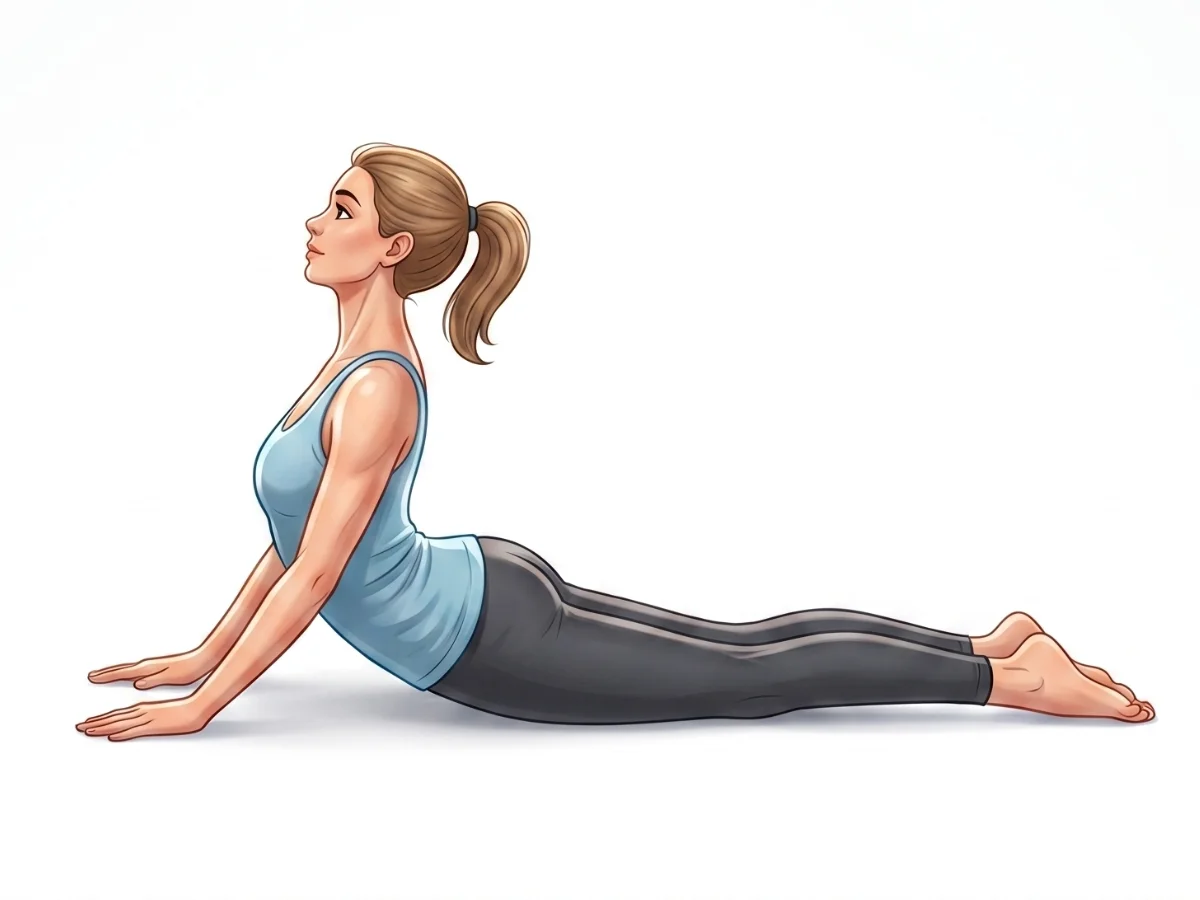
Cobra Pose
BhujangasanaA gentle prone backbend that warms up the spine and opens the chest.
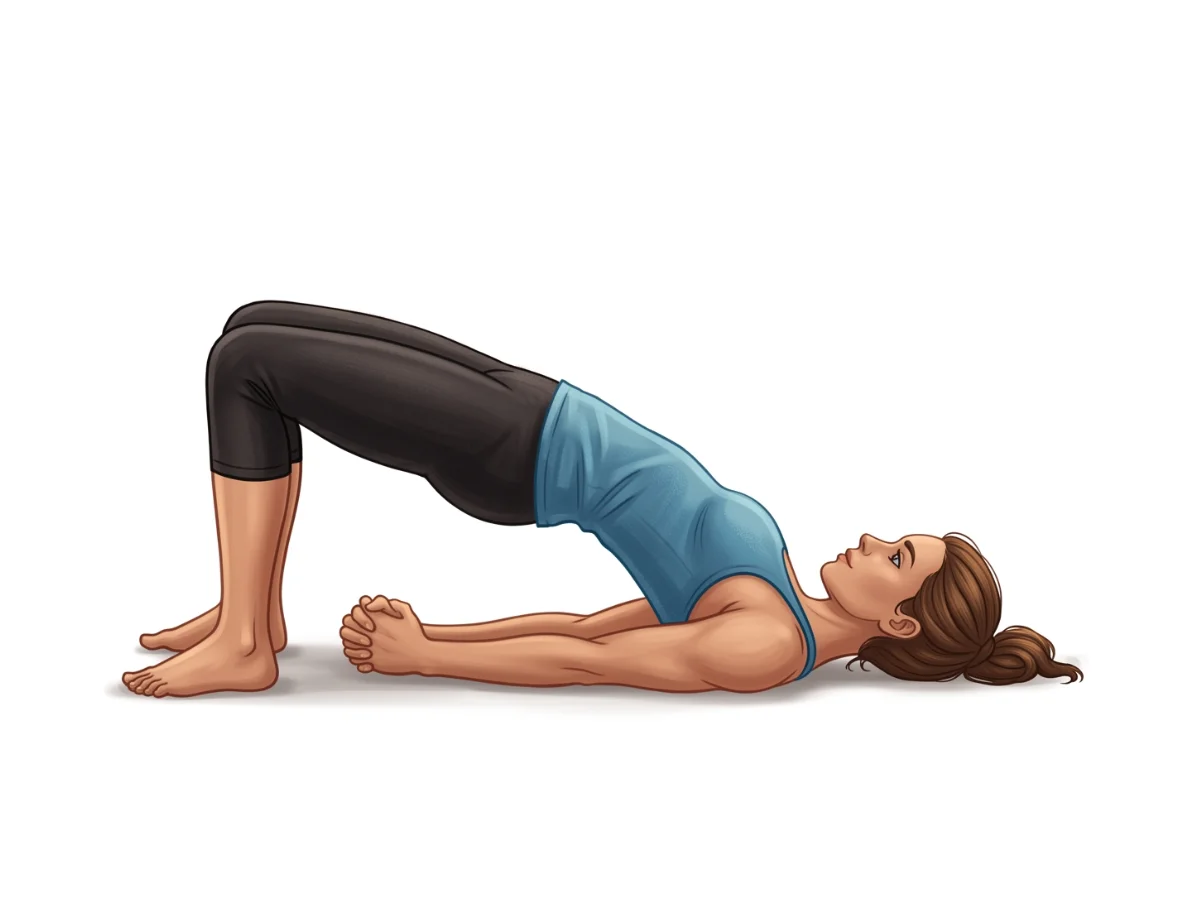
Bridge Pose
Setu BandhasanaStrengthens the back and glutes while providing a moderate backbend.
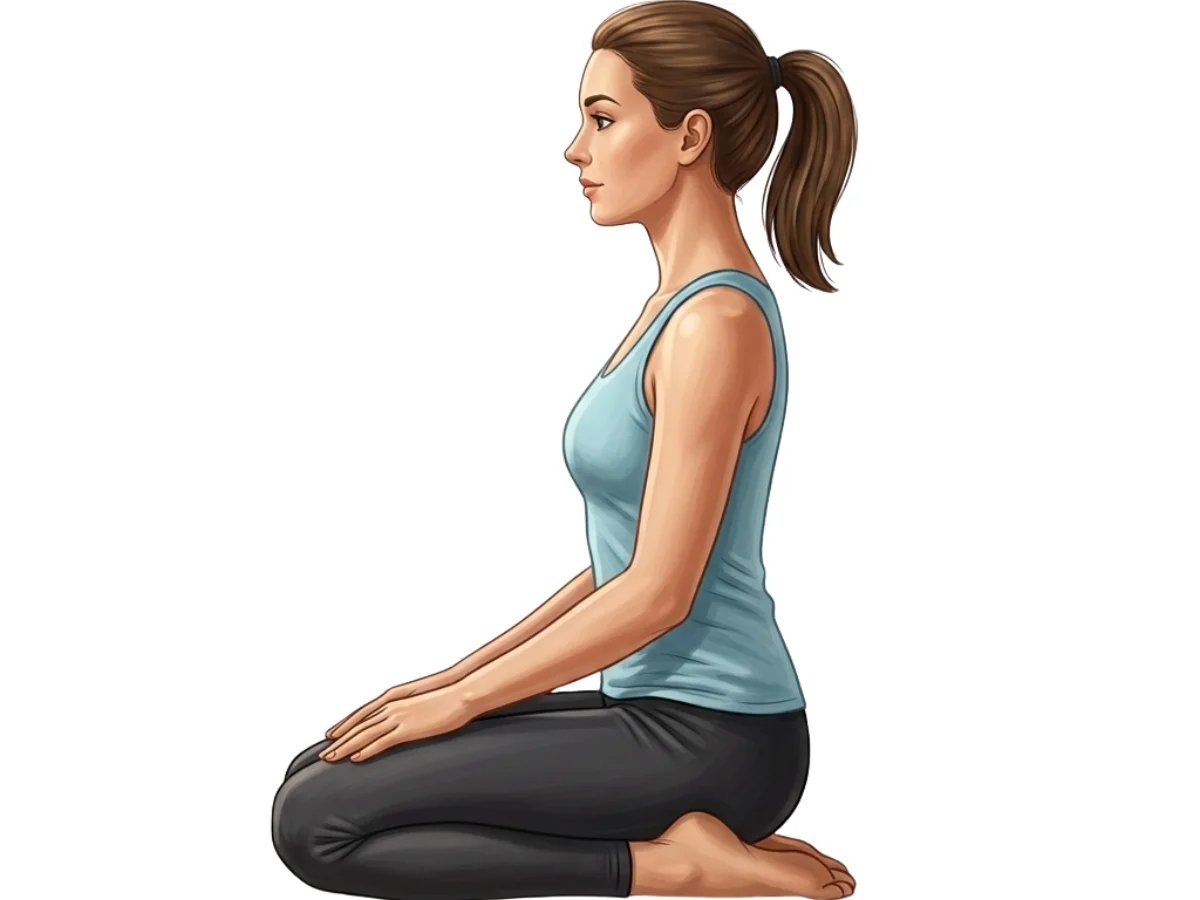
Hero Pose
VirasanaStretches the quadriceps and knees to prepare for kneeling.
Follow with neutralizing Counter-poses
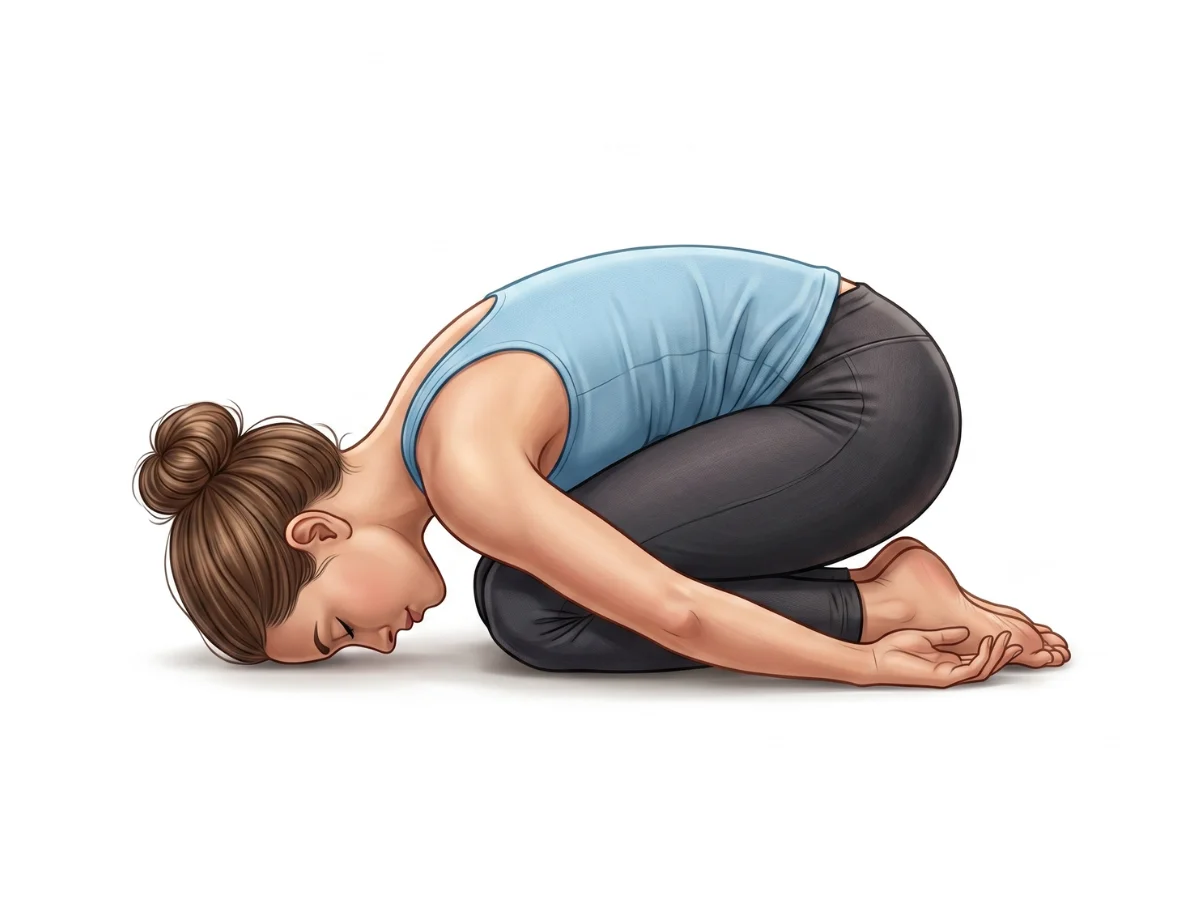
Child's Pose
BalasanaGently rounds the spine, providing immediate relief after a deep backbend.
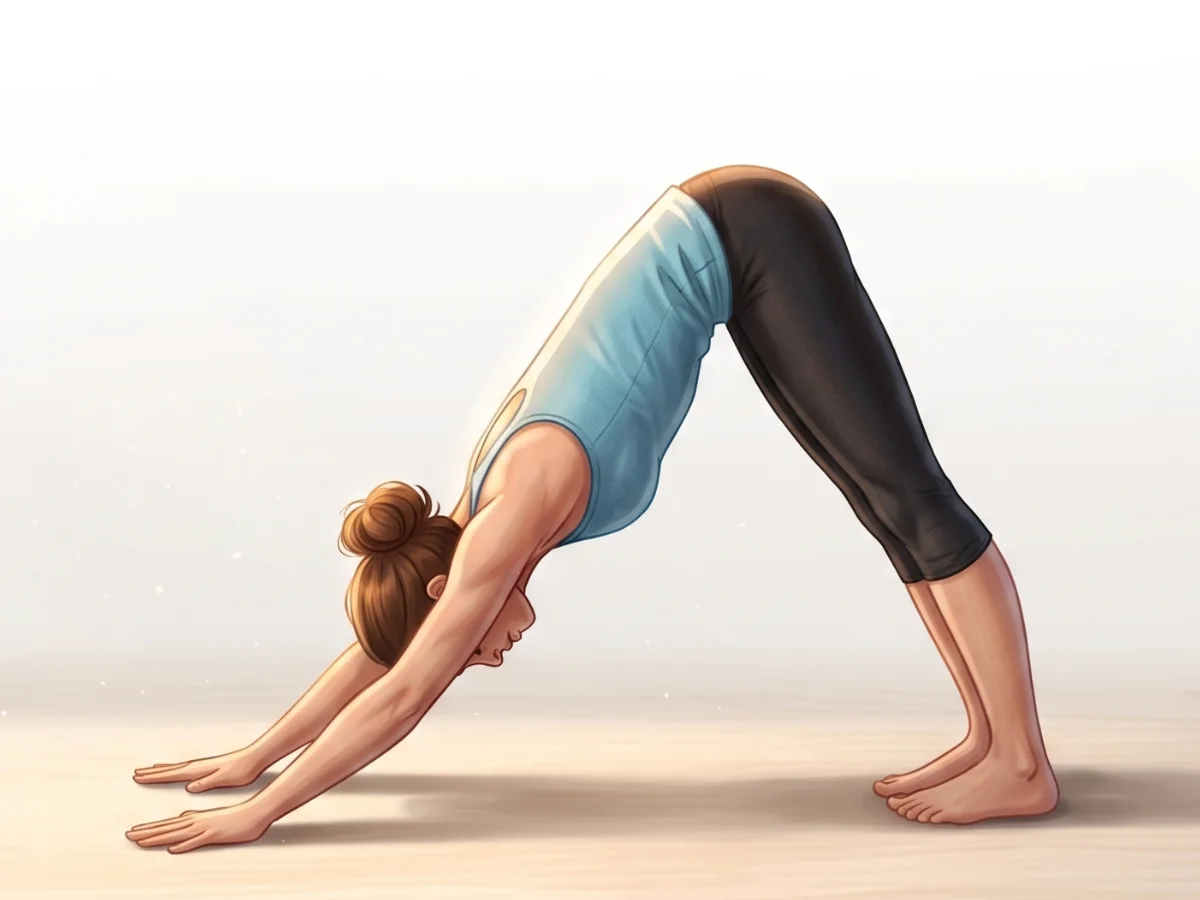
Downward-Facing Dog
Adho Mukha SvanasanaDecompresses the spine and lengthens the back muscles neutrally.
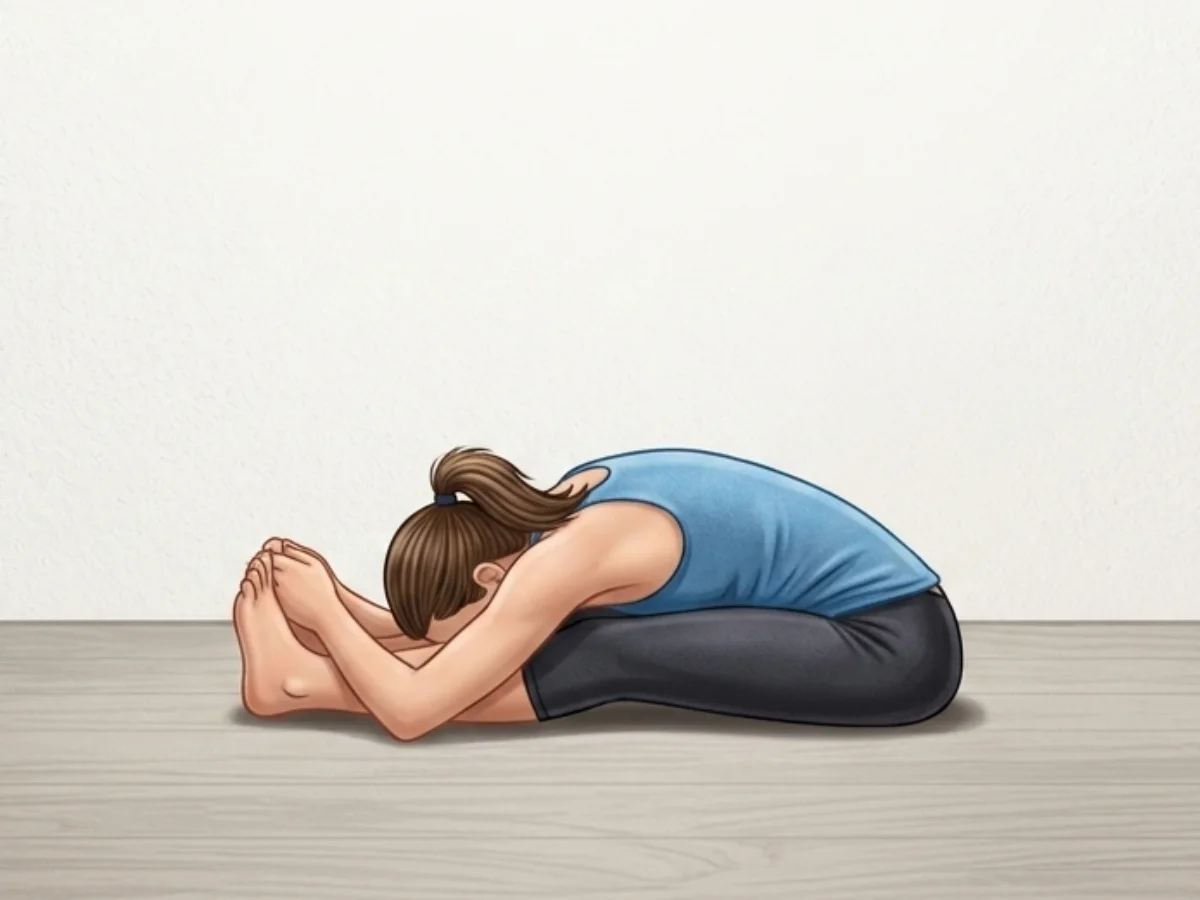
Seated Forward Bend
PaschimottanasanaOffers a deep, neutralizing forward fold to release tension in the erector spinae.
Frequently Asked Questions
How can I prevent lower back pain in Camel Pose?
Focus on lifting upward through your chest rather than just bending backward. Engage your core gently to support your lumbar spine, and never force your hands to your heels if it compromises your form.
Should I keep my neck tucked or drop my head back?
If you have a healthy neck and it feels comfortable, you can release your head back with control. If you experience dizziness or neck pain, keep your chin slightly tucked toward your chest.
What if my knees hurt while kneeling?
Fold your yoga mat over or place a blanket under your knees for added cushioning to protect the joints.
Elena Rostova is an accredited yoga educator and anatomy specialist with over 15 years of clinical experience. She focuses on functional biomechanics and injury prevention, translating complex anatomy into accessible guidance for safe, sustainable practice.
Read Full ProfileContinue Your Yoga Journey
Ready to deepen your practice? Explore our extensive library of poses, or join a structured program designed to build strength, flexibility, and mindfulness.