
Locust I
Salabhasana A
By Elena Rostova Updated: verified Medically Reviewed
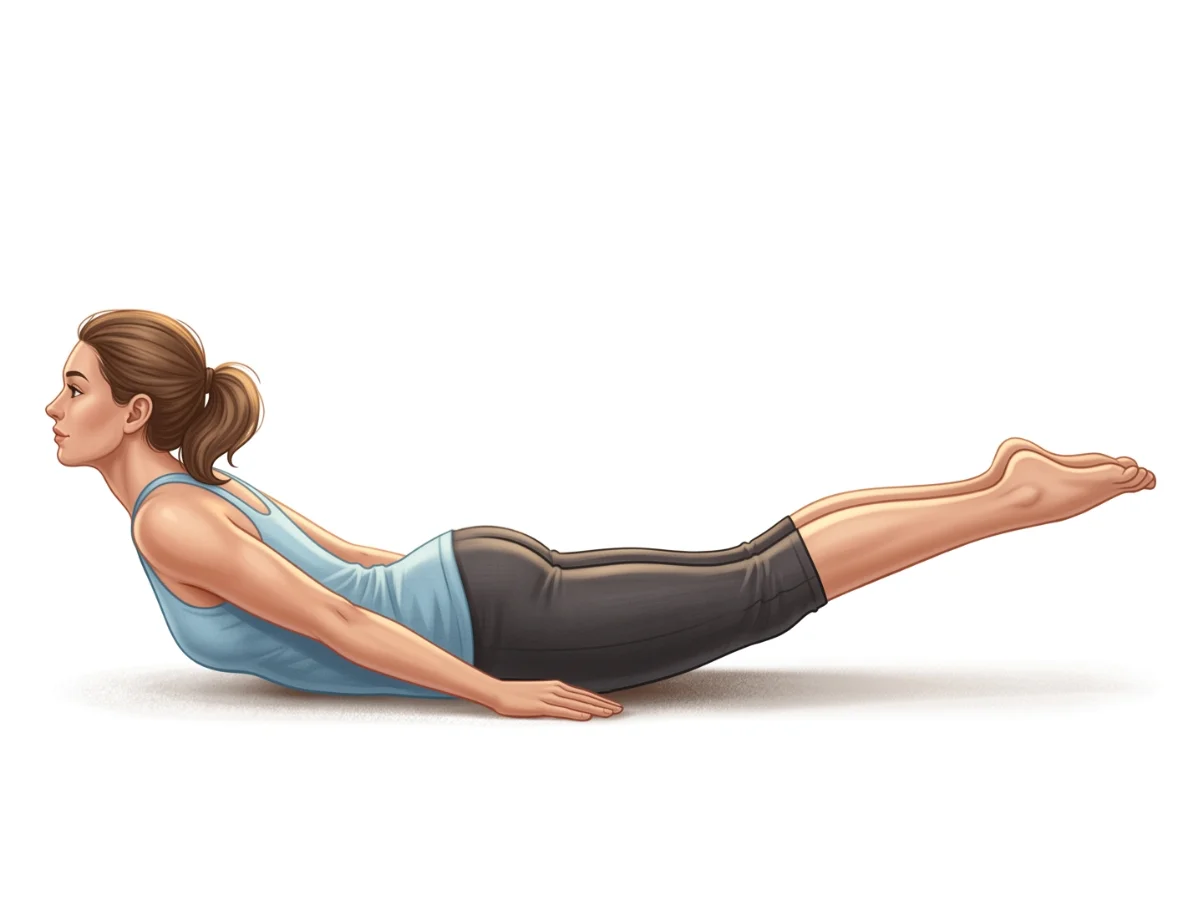
Locust Pose I (Salabhasana A) is a highly effective, foundational prone backbend that strengthens the entire back body. By lifting the chest, arms, and legs against gravity, practitioners cultivate deep spinal strength, improve posture, and prepare the body for deeper backbends like Bow Pose.
Hold Time
15–30 sec · 3–5 breaths
Pronunciation
shah-lah-BAHS-anna
About Locust I
A vital part of many yoga sequences, Locust I (Salabhasana A) offers wonderful benefits that go beyond its simple shape. It primarily targets the spinal strength & posterior chain, helping to create length and strength exactly where you need it most. Ultimately, it is a fantastic pose for strengthens the spine, leaving you with a profound sense of grounded energy.
How to Practice
Prone Foundation
Lie completely flat on your belly on the mat with your legs extended straight back, toes untucked, and forehead resting on the floor.
Arm Placement
Place your arms alongside your torso with the palms facing the floor (or facing inward toward your thighs, depending on preference).
Engage the Legs
Activate your legs by rolling your inner thighs upward, firming your glutes slightly, and pressing the tops of your feet into the mat.
Inhale and Lift
On a deep inhalation, simultaneously lift your head, upper torso, arms, and legs away from the floor.
Extend and Reach
Reach actively backward through your fingertips and toes, lengthening the spine rather than just arching aggressively upward.
Neck Alignment
Keep the back of your neck long. Gaze slightly forward and down toward the top of your mat to avoid compressing the cervical spine.
Hold and Breathe
Maintain the lift for 3 to 5 smooth breaths. Keep lifting your chest and thighs higher with each inhalation.
Exhale and Release
Exhale slowly as you lower your body smoothly back down to the mat with control.
Rest and Neutralize
Turn your head to one side, relax your arms, and take a few deep breaths, allowing your back muscles to recover completely.
Practice with the Yoga Timer
Keep track of your hold time and breath count for this pose.
Beginner Modifications & Prop Options
Yoga is a personal journey. These modifications and prop options allow you to adapt the pose to your current level of balance and flexibility, ensuring a safe and supportive practice.
Half Locust (Ardha Salabhasana)
Keep your torso and head resting on the mat, and lift only one leg at a time. Alternate legs to build strength safely.
Tip: Focus on alignment rather than depth.
Keep the Feet Down
Press the tops of your feet firmly into the floor and lift only your chest, head, and arms. This focuses the effort on the upper back.
Tip: Focus on alignment rather than depth.
Padding Under the Pelvis
Place a folded blanket beneath your hip points and lower abdomen to cushion the pelvic bones during the lift.
Tip: Focus on alignment rather than depth.
Benefits of Locust I
Strengthens the Spine
Vigorously engages the erector spinae muscles, helping to build the core back strength necessary for healthy posture and deeper backbends.
Tones the Glutes and Hamstrings
Lifting the legs against gravity demands strong activation of the entire posterior chain.
Opens the Chest
Expands the thorax and stretches the pectoral muscles, counteracting the effects of slouching or sitting at a desk.
Stimulates Abdominal Organs
The pressure of the belly against the floor combined with deep breathing massages the digestive tract, aiding digestion.
Improves Posture
By strengthening the back and opening the front body, it helps correct forward-head carriage and rounded shoulders.
Common Mistakes to Avoid
Mistake: Cranking the Neck Upward
How to fix: Keep your gaze directed slightly down and forward. Do not throw your chin up, which compresses the back of the neck.
Mistake: Splaying the Legs Wide
How to fix: Keep your legs hip-width apart or closer. Splaying them wide reduces the targeted engagement of the glutes and lower back.
Mistake: Holding the Breath
How to fix: It is common to hold the breath during intense exertion. Focus on breathing smoothly into your ribcage to sustain the pose.
Safety and Precautions
Pregnancy
Prone postures that put pressure on the abdomen are strictly contraindicated after the first trimester.
Severe Back Injuries
Avoid if you have acute disc herniation, spondylolisthesis, or severe lumbar pain.
Recent Abdominal Surgery
The pressure and stretching across the belly can disrupt healing tissues.
Medical Disclaimer: If you have any of the above conditions, consult your doctor or a qualified yoga instructor before attempting this pose.
Muscles Worked in Locust I
Locust I demands synchronized muscular effort, creating a profound sense of engagement and release throughout the body. The activation of the primary muscles supports the structure, while the secondary muscles provide stability and balance.
Primary Muscles
Erector Spinae
Contracts powerfully to lift and extend the entire spinal column.
Gluteus Maximus
Engages to lift the thighs and extend the hips.
Hamstrings
Work synergistically with the glutes to elevate the legs.
Secondary Muscles
Latissimus Dorsi
Engages to draw the arms backward and lift the chest.
Rhomboids & Trapezius
Retract the scapulae to open the chest and support the upper back.
Rectus Abdominis
Stretched along the front of the body while resting on the mat.
Poses to Practice Before and After Locust I
Prepare with these Poses
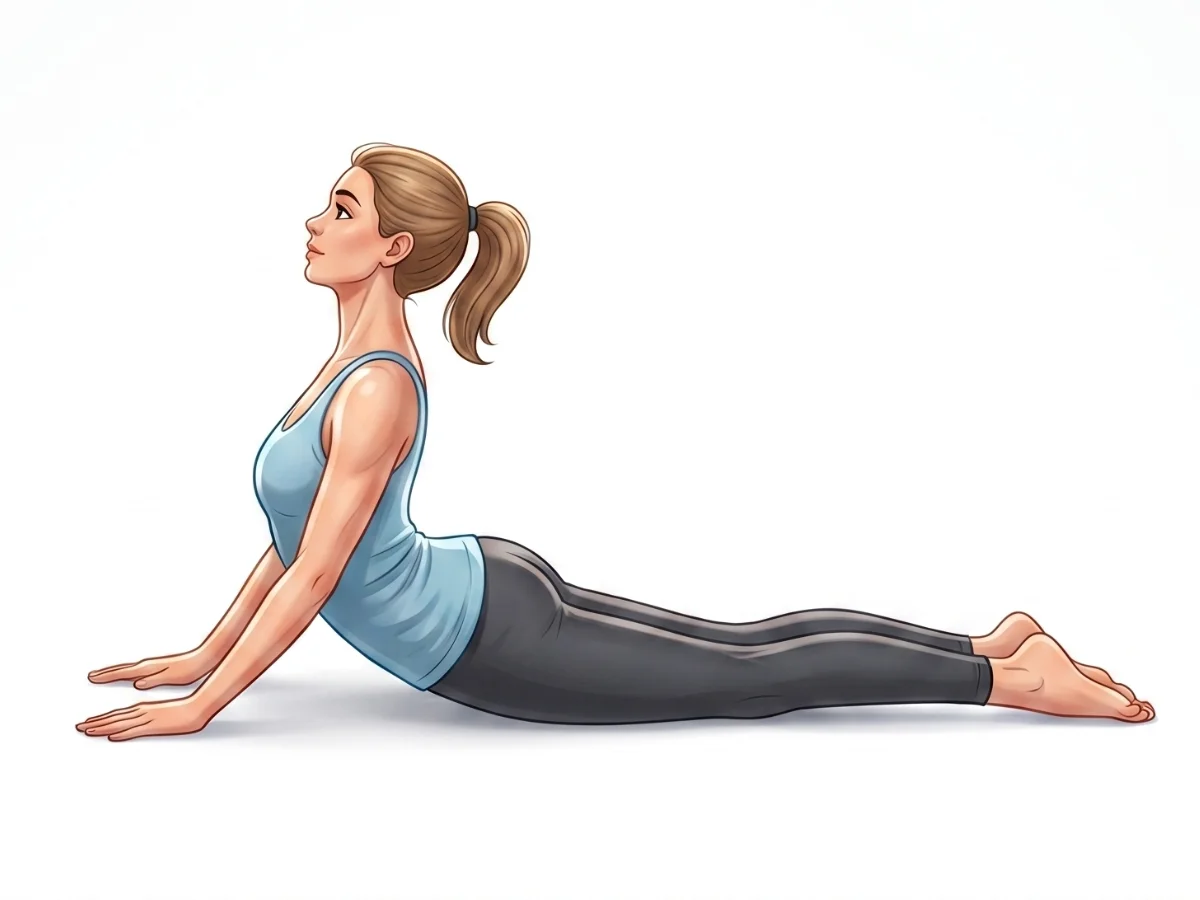
Cobra Pose
BhujangasanaA gentle prone backbend that warms up the spine and stretches the chest.
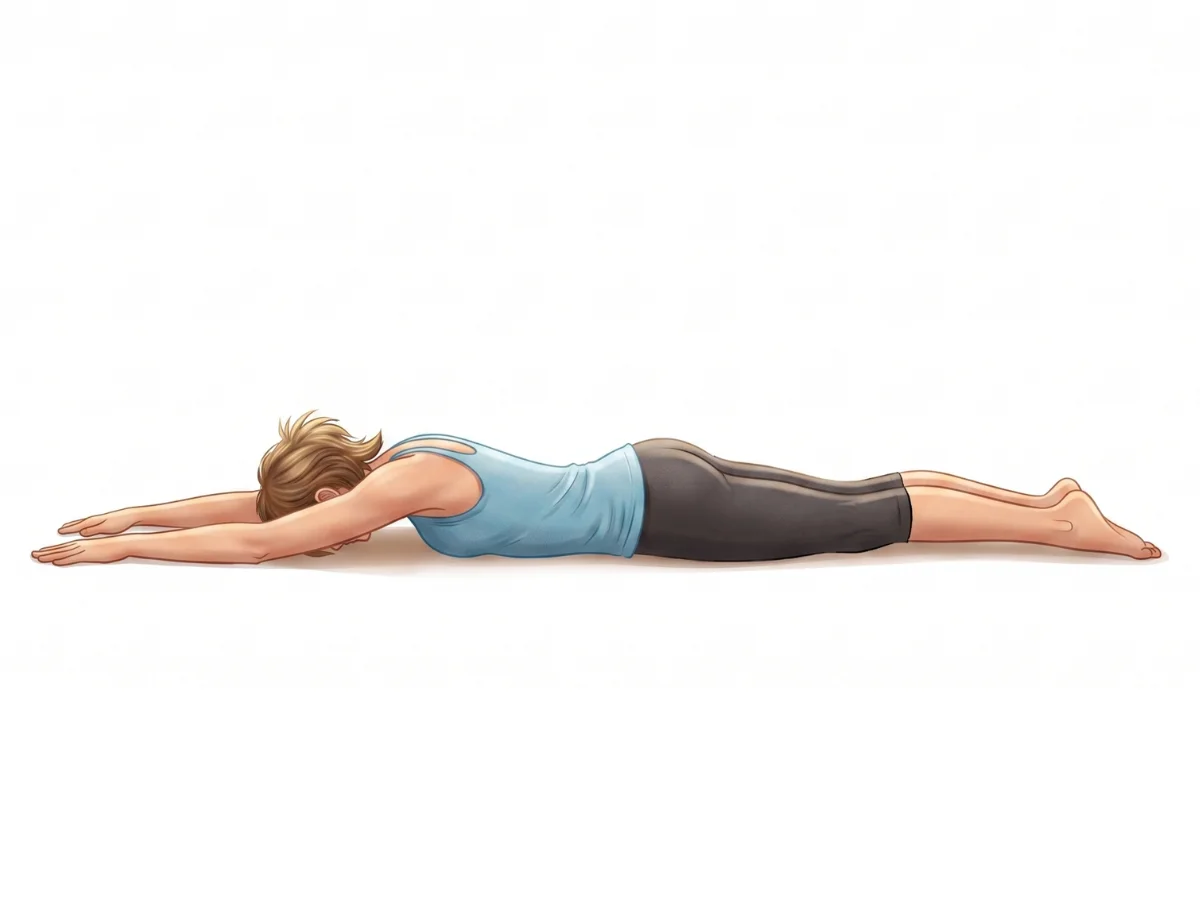
Reverse Corpse Pose
AdvasanaEstablishes the foundational prone position and breathing awareness.
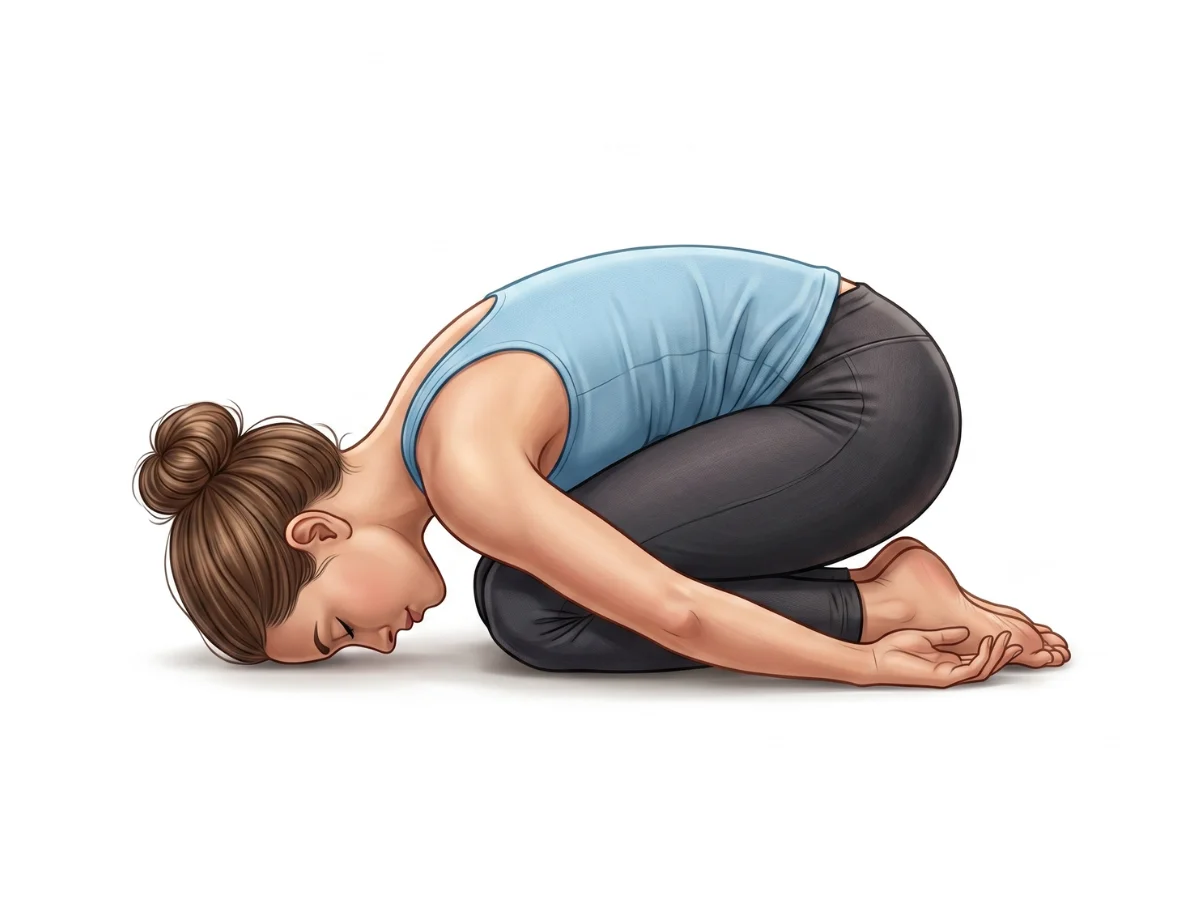
Child's Pose
BalasanaLengthens the spine and provides a gentle counter-stretch before extending.
Follow with neutralizing Counter-poses
Child's Pose
BalasanaFlexes the spine and releases built-up tension in the lower back.
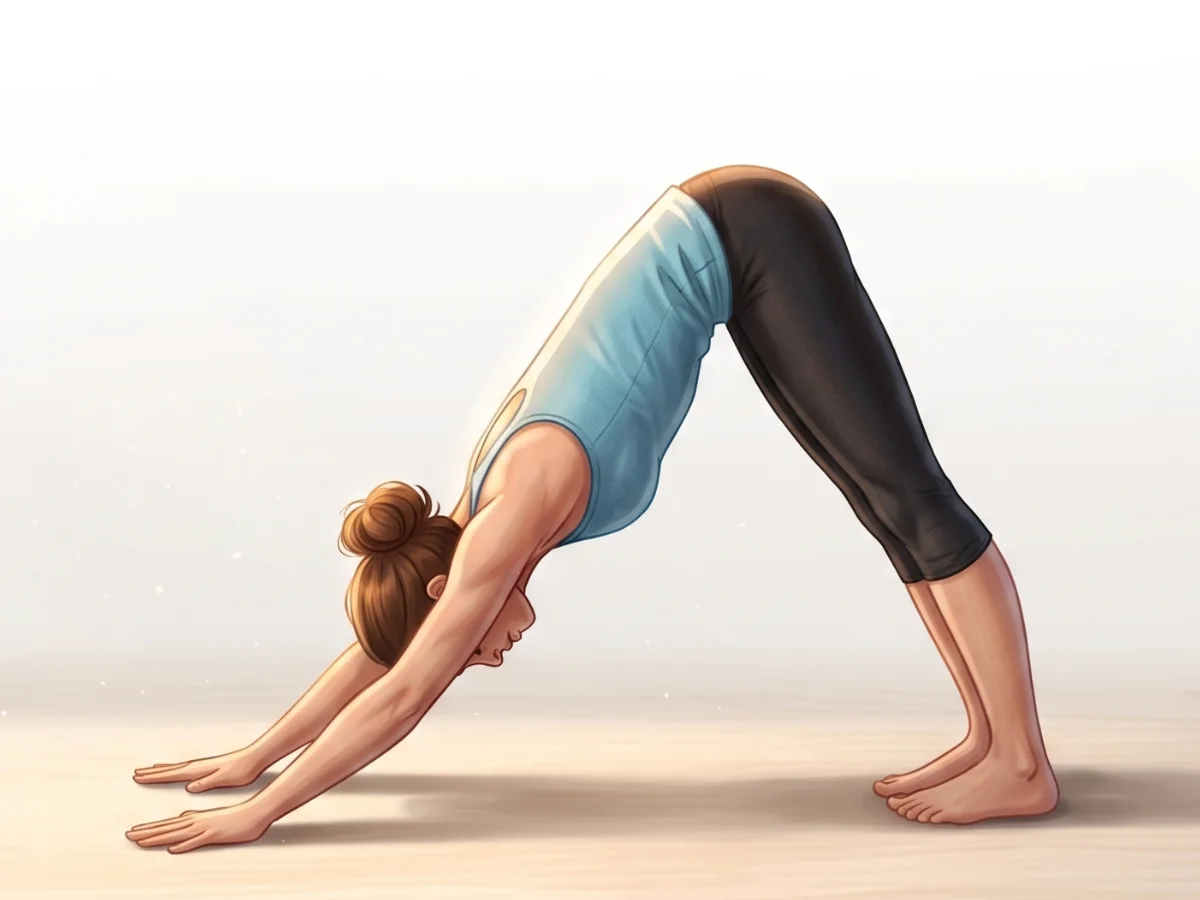
Downward-Facing Dog
Adho Mukha SvanasanaDecompresses the spine and stretches the entire posterior chain.
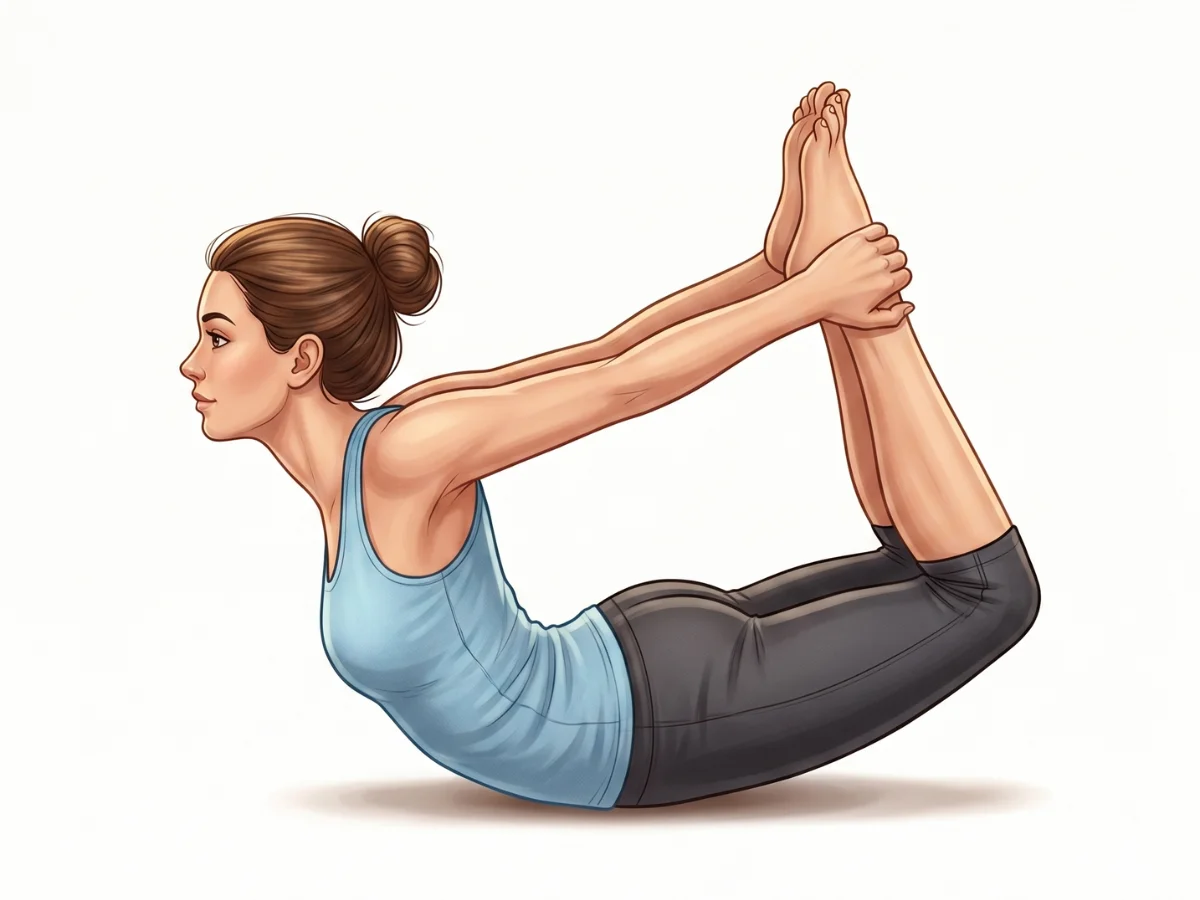
Bow Pose
DhanurasanaA deeper progression that utilizes the back strength developed in Locust.
Frequently Asked Questions
How high should I lift off the floor?
Focus on length rather than height. It is more important to reach forward through the crown of your head and back through your toes than to lift aggressively high and compress your spine.
Is it normal to feel out of breath?
Yes, the pressure on your abdomen restricts diaphragm movement, making breathing feel shallow. Try to breathe laterally into your side ribs.
What is the difference between Locust I, II, and III?
The variations primarily differ in arm placement. Locust I keeps arms by the sides, Locust II often takes arms wide or bound, and Locust III extends arms straight forward, intensifying the leverage and effort.
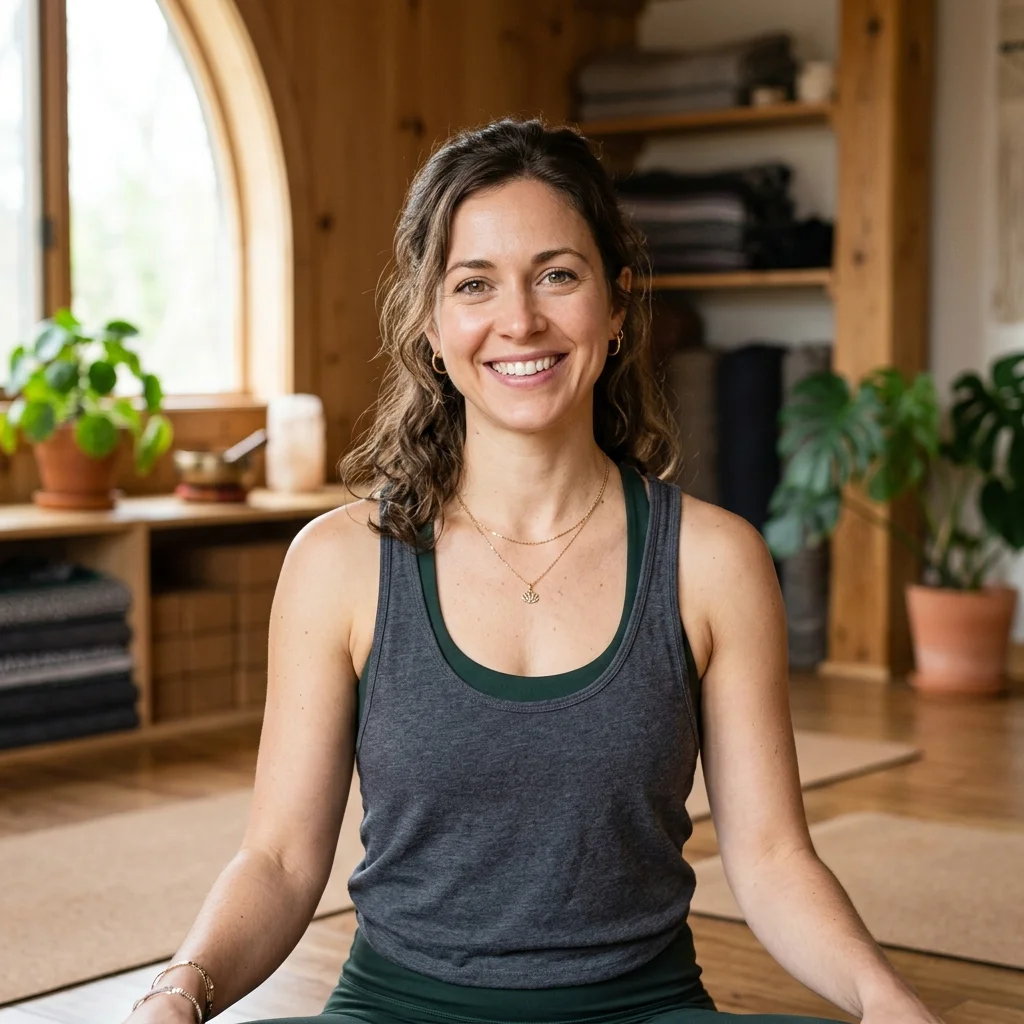
Elena Rostova is an accredited yoga educator and anatomy specialist with over 15 years of clinical experience. She focuses on functional biomechanics and injury prevention, translating complex anatomy into accessible guidance for safe, sustainable practice.
Read Full ProfileContinue Your Yoga Journey
Ready to deepen your practice? Explore our extensive library of poses, or join a structured program designed to build strength, flexibility, and mindfulness.