
Locust II
Salabhasana B
By Elena Rostova Updated: verified Medically Reviewed
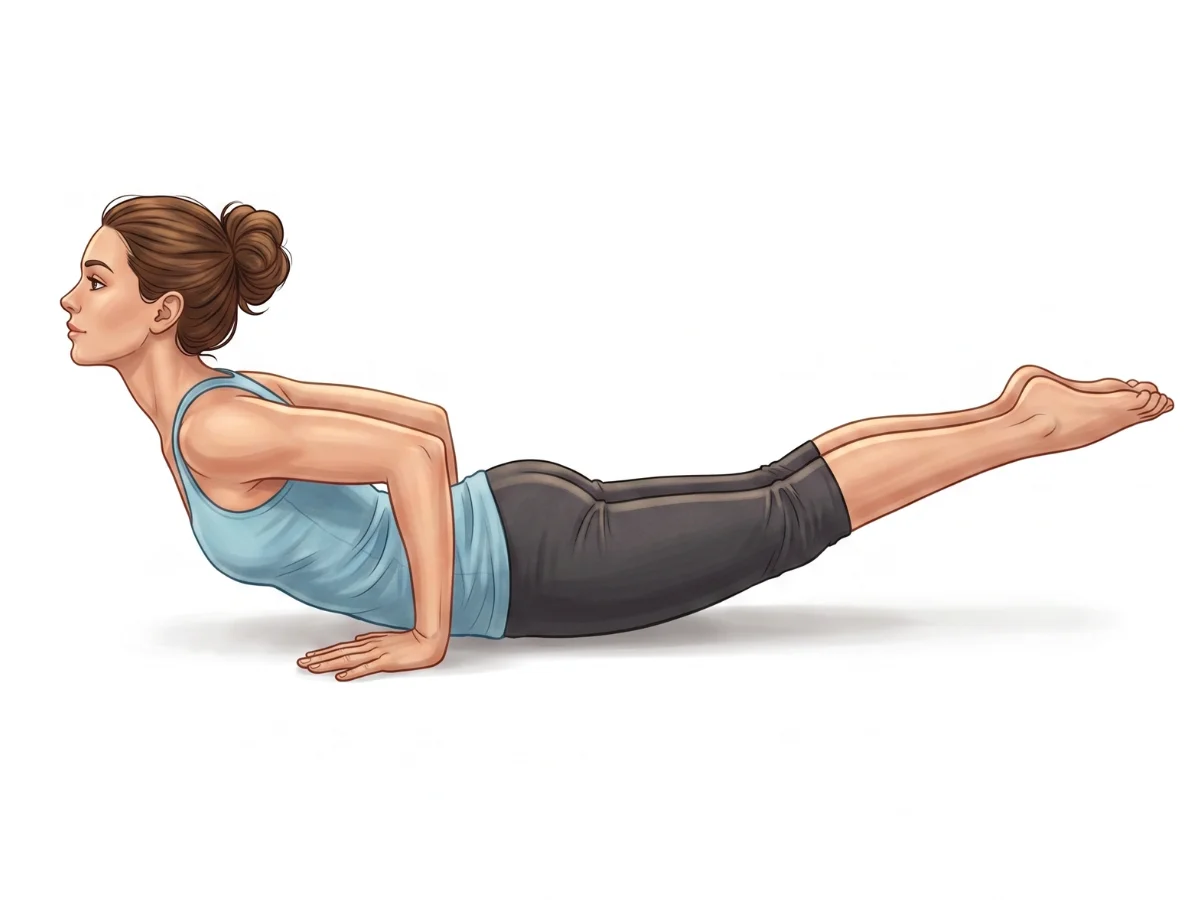
Locust Pose II (Salabhasana B) advances the foundational backbend by incorporating a shoulder opening element. By extending the arms out wide like airplane wings, or clasping the hands behind the back, practitioners significantly increase the engagement of the upper back and improve postural alignment.
Hold Time
15–30 sec · 3–5 breaths
Pronunciation
shah-lah-BAHS-anna
About Locust II
A vital part of many yoga sequences, Locust II (Salabhasana B) offers wonderful benefits that go beyond its simple shape. This posture specifically engages the upper back strength & shoulder opening, making it highly effective for developing both strength and mobility. Consistent practice will actively assist in deepens shoulder flexibility, helping you feel lighter and more balanced off the mat.
How to Practice
Prone Foundation
Lie face down on your mat with your legs extended straight back, feet hip-width apart, and the tops of your feet resting on the floor.
Arm Variation
Extend your arms straight out to the sides in a "T" shape (airplane wings), or interlace your fingers behind your lower back if your shoulders are open.
Engage the Legs
Activate your leg muscles, roll your inner thighs upward toward the ceiling, and press your pubic bone firmly into the mat.
Inhale and Lift
On a deep inhalation, lift your chest, head, arms, and legs simultaneously off the floor.
Broaden the Chest
If your arms are wide, reach energetically through your fingertips. If your hands are clasped, gently pull your knuckles back toward your heels to peel your chest further open.
Neck Alignment
Keep the back of your neck long and uncompressed by gazing slightly forward and down.
Hold and Breathe
Maintain the lift for 3 to 5 breaths. With every inhale, try to find a little more height and expansion across the collarbones.
Exhale and Release
Exhale slowly as you lower your entire body back to the mat with control.
Rest
Turn your head to the side, release your arms, and allow your spine to neutralize completely.
Practice with the Yoga Timer
Keep track of your hold time and breath count for this pose.
Beginner Modifications & Prop Options
Yoga is a personal journey. These modifications and prop options allow you to adapt the pose to your current level of balance and flexibility, ensuring a safe and supportive practice.
Use a Strap
If choosing the bound arm variation, hold a yoga strap between your hands behind your back to bridge the gap and safely stretch the shoulders.
Tip: Focus on alignment rather than depth.
Keep Legs Grounded
Press the tops of your feet into the floor and focus entirely on lifting the chest and arms to target the upper back specifically.
Tip: Focus on alignment rather than depth.
Cactus Arms
Instead of straight arms in a "T", bend your elbows to 90 degrees (cactus shape) and lift them away from the floor.
Tip: Focus on alignment rather than depth.
Benefits of Locust II
Deepens Shoulder Flexibility
The wide or bound arm variations powerfully stretch the pectoralis muscles and anterior deltoids, counteracting forward-rolled shoulders.
Fortifies the Upper Back
Requires intense engagement of the rhomboids and middle trapezius to hold the arms lifted and the chest broad.
Strengthens Posterior Chain
Continues to build vital strength in the glutes, hamstrings, and erector spinae muscles of the lower back.
Enhances Respiratory Capacity
Opening the chest deeply allows for greater expansion of the ribcage, improving lung capacity over time.
Improves Overall Posture
By training the muscles that keep the spine upright and the chest open, it directly improves standing and sitting posture.
Common Mistakes to Avoid
Mistake: Locking the Elbows Harshly
How to fix: If hands are bound, keep a micro-bend in your elbows to prevent joint hyperextension while pulling the hands back.
Mistake: Lifting with the Neck
How to fix: Avoid throwing your head back to create the illusion of a higher lift. The lift should come from the strength of the back muscles.
Mistake: Forgetting the Legs
How to fix: Keep the legs actively reaching backward and upward. Passive, bent knees reduce the effectiveness of the pose.
Safety and Precautions
Pregnancy
Prone backbends are unsafe after the first trimester due to abdominal pressure.
Acute Shoulder Injuries
The bound or wide arm variations can aggravate rotator cuff tears or shoulder impingements.
Severe Spinal Issues
Avoid if dealing with acute disc herniations, severe lumbar pain, or spondylolisthesis.
Medical Disclaimer: If you have any of the above conditions, consult your doctor or a qualified yoga instructor before attempting this pose.
Muscles Worked in Locust II
Locust II demands synchronized muscular effort, creating a profound sense of engagement and release throughout the body. The activation of the primary muscles supports the structure, while the secondary muscles provide stability and balance.
Primary Muscles
Rhomboids & Trapezius
Work intensely to retract the scapulae and lift the arms/chest.
Erector Spinae
Extends the spine against gravity.
Gluteus Maximus
Elevates the legs and stabilizes the pelvis.
Secondary Muscles
Pectoralis Major
Stretched deeply across the front of the chest.
Anterior Deltoids
Stretched to allow the arms to reach back or wide.
Hamstrings
Assist the glutes in leg elevation.
Poses to Practice Before and After Locust II
Prepare with these Poses
Locust I
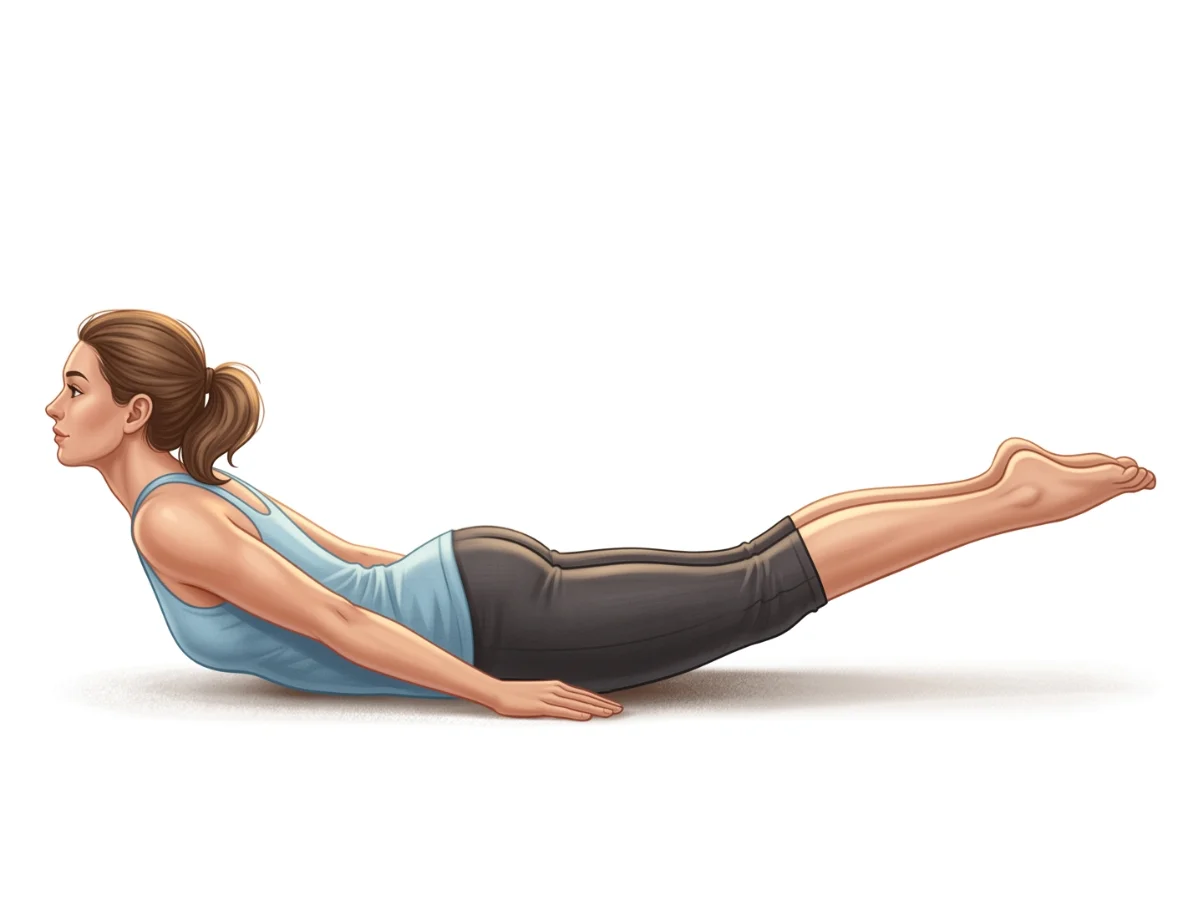
Salabhasana AThe foundational version of the pose, building necessary core back strength.
Cobra Pose
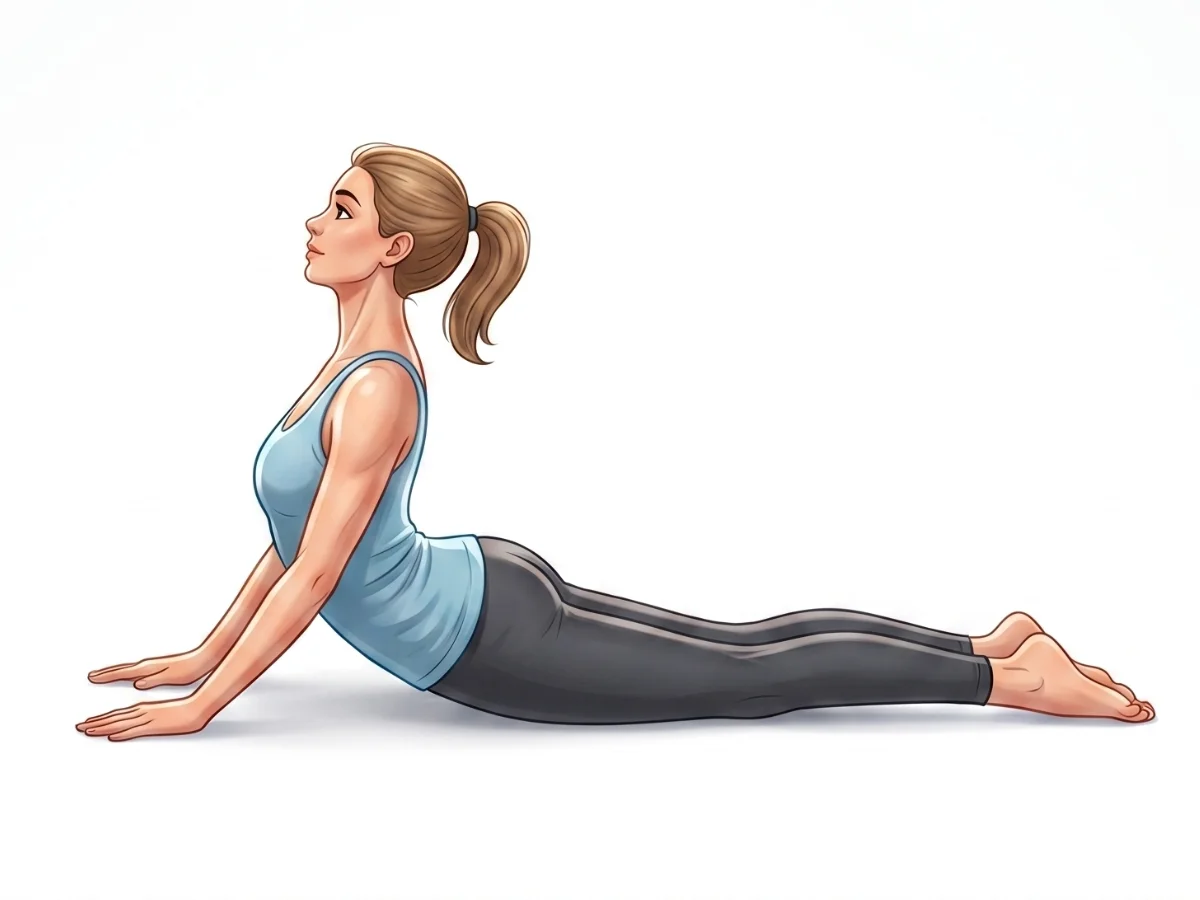
BhujangasanaWarms up spinal extension with the support of the hands.
Child's Pose
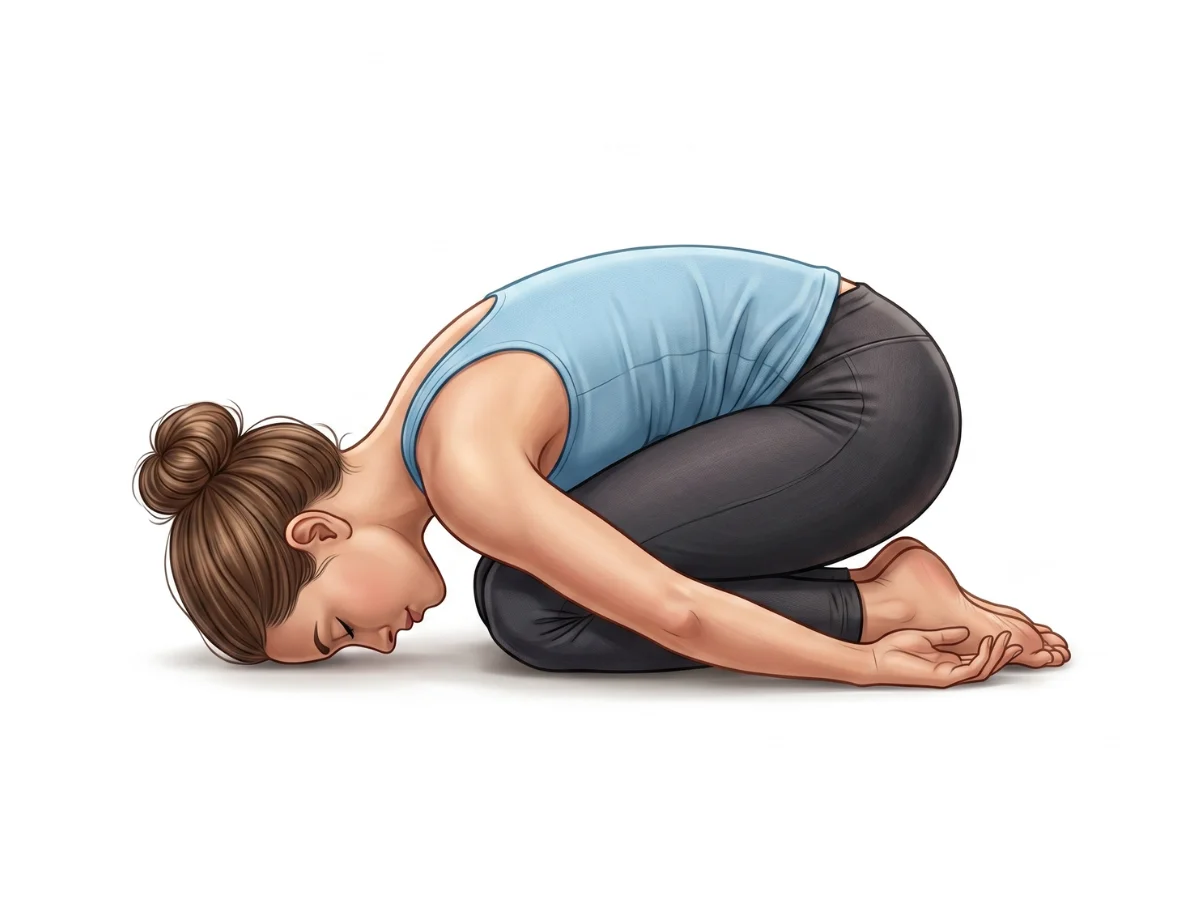
BalasanaA gentle forward fold to stretch the back before deep extension.
Follow with neutralizing Counter-poses
Child's Pose
BalasanaFlexes the spine and provides immediate relief to the lower back.
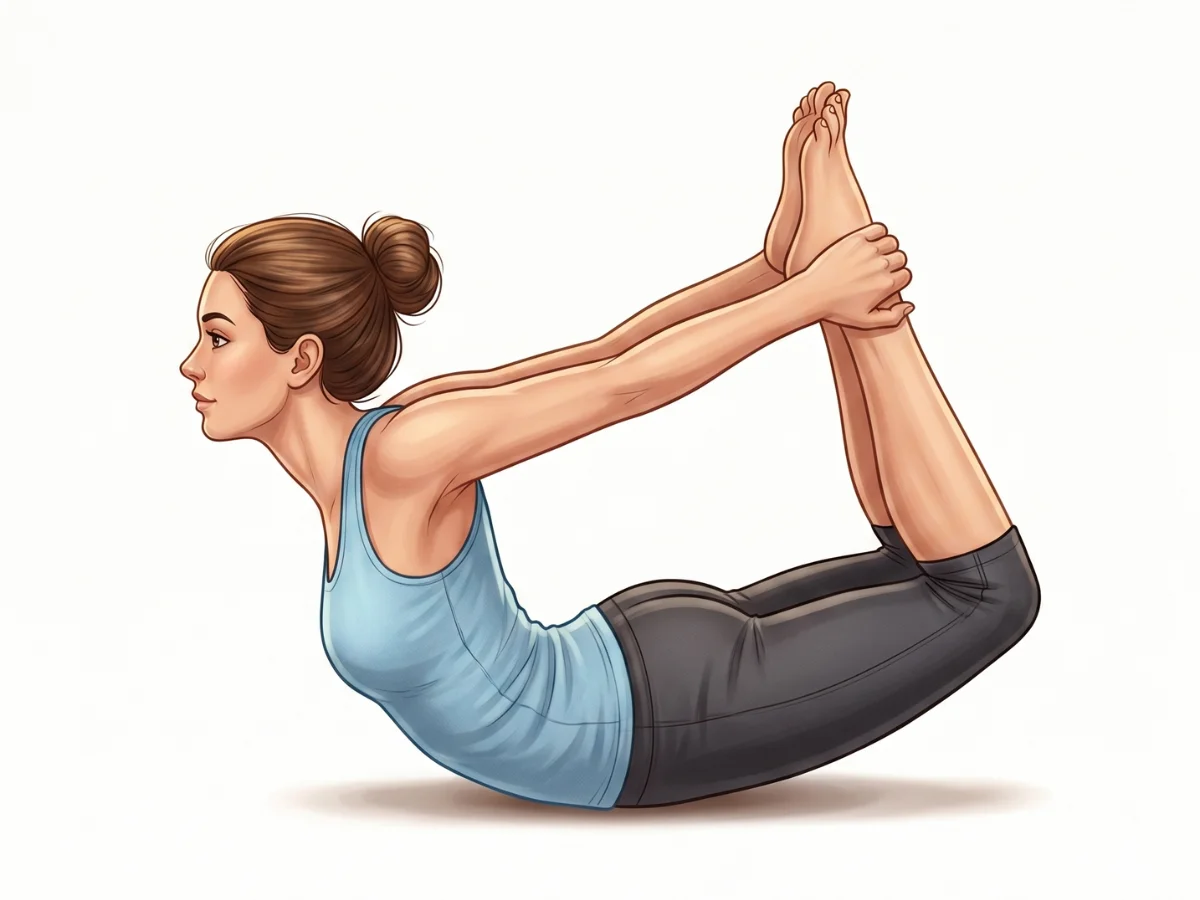
Bow Pose
DhanurasanaProgresses the backbend further by grabbing the ankles.
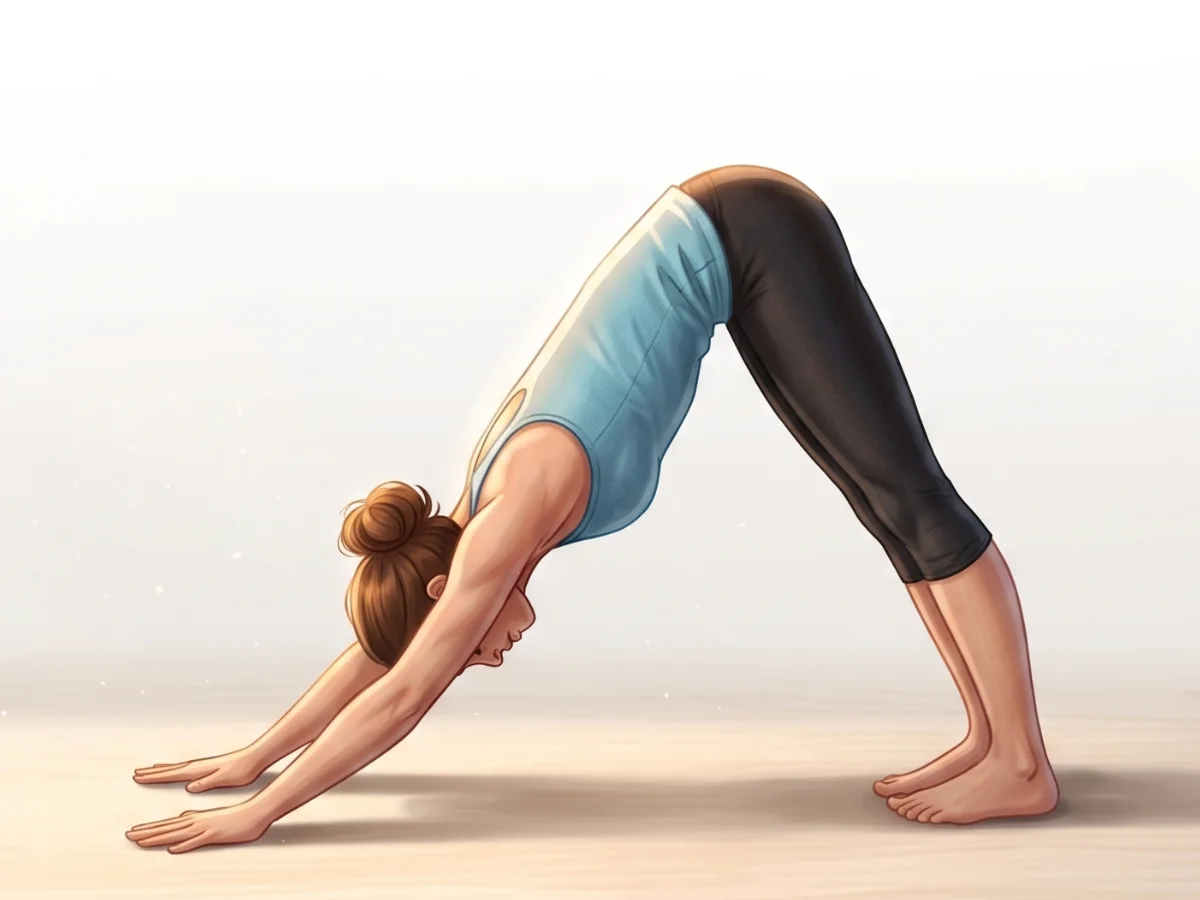
Downward-Facing Dog
Adho Mukha SvanasanaLengthens the entire back body and hamstrings, neutralizing the spine.
Frequently Asked Questions
Should my arms be in a T-shape or bound behind my back?
Both are considered variations of Locust II. The T-shape (airplane arms) builds more muscular endurance in the shoulders, while the bound hands provide a deeper pectoral stretch. Choose the variation that serves your body best.
Why do my hands tingle when I bind them?
Tingling is a sign of nerve compression, often in the neck or shoulder. If you experience tingling, immediately release the bind, use a strap, or opt for the airplane arms variation instead.
Can I practice this if I sit at a desk all day?
Yes, this is one of the absolute best poses for desk workers! It strengthens the overstretched back muscles and opens the tight chest muscles caused by slouching.
Elena Rostova is an accredited yoga educator and anatomy specialist with over 15 years of clinical experience. She focuses on functional biomechanics and injury prevention, translating complex anatomy into accessible guidance for safe, sustainable practice.
Read Full ProfileContinue Your Yoga Journey
Ready to deepen your practice? Explore our extensive library of poses, or join a structured program designed to build strength, flexibility, and mindfulness.