
Noose
Pasasana
By Elena Rostova Updated: verified Medically Reviewed
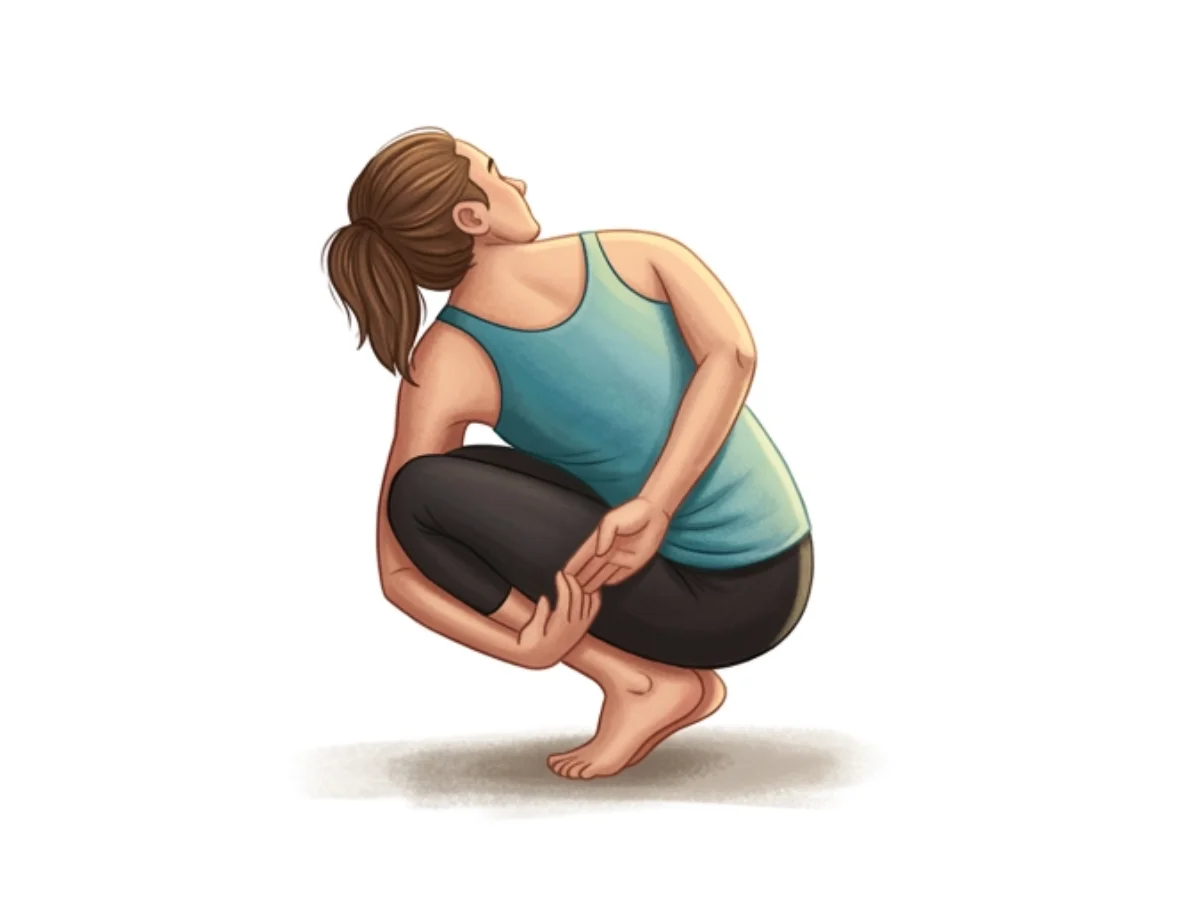
Noose Pose (Pasasana) is a challenging advanced posture that combines a deep, balancing squat with an intense spinal twist and a full shoulder bind. By squatting with the feet together and wrapping the arms around the legs to clasp the hands behind the back, practitioners deeply massage the abdominal organs while opening the chest and shoulders.
Hold Time
30–60 sec per side
Pronunciation
pah-SHAHS-anna
About Noose
Often praised by experienced instructors, Noose (Pasasana) acts as a powerful tool for finding balance and realignment. By gently focusing on spine, shoulders & ankles, it actively stretches your muscles and builds heat. Practicing this pose regularly helps with provides deep spinal rotation and leaves you feeling completely refreshed.
How to Practice
Start in Tadasana
Begin standing in Mountain Pose (Tadasana) at the top of your mat, with your feet together and arms by your sides.
Lower into a Squat
Exhale and bend your knees deeply, lowering your hips until you are in a full squat with your buttocks resting near your heels.
Ground the Heels
Aim to keep your heels flat on the floor. If they lift, place a folded blanket beneath them for support.
Twist the Torso
Inhale to lengthen your spine, then exhale as you twist your torso to the right, sweeping your left arm across your body.
Hook the Arm
Bring the back of your left upper arm or armpit to the outside of your right thigh, pressing deeply to leverage the twist.
Initiate the Bind
Internally rotate your left arm, bending the elbow to wrap the forearm around the front of your shins.
Complete the Bind
Sweep your right arm behind your back and clasp your left hand or wrist with your right hand, forming the "noose."
Deepen the Twist
Inhale to lift your chest and lengthen your neck. Exhale to gently pull with your arms, drawing your right shoulder further back.
Hold and Breathe
Keep your gaze over your right shoulder and hold the pose for 5 to 10 deep breaths, maintaining balance and core engagement.
Release and Switch
Exhale to carefully release the bind, return to a neutral squat, and repeat the twist on the left side.
Practice with the Yoga Timer
Keep track of your hold time and breath count for this pose.
Beginner Modifications & Prop Options
Yoga is a personal journey. These modifications and prop options allow you to adapt the pose to your current level of balance and flexibility, ensuring a safe and supportive practice.
Use a Blanket Under Heels
Slide a folded blanket or wedged block underneath your heels while squatting. Grounding heels safely balances the pose to focus on the twist.
Tip: Focus on alignment rather than depth.
Use a Yoga Strap for the Bind
Hold a yoga strap in your top hand, reach behind, and grab it with the bottom hand. Gradually walk hands closer over time to open shoulders safely.
Tip: Focus on alignment rather than depth.
Twist Without Binding
Hook your elbow outside the opposite thigh and bring hands together in prayer position at your heart center. Use elbow leverage to deepen the twist.
Tip: Focus on alignment rather than depth.
Benefits of Noose
Provides Deep Spinal Rotation
The intense twisting action releases tension along the entire spine, improving thoracic mobility and overall back flexibility.
Opens Chest and Shoulders
Binding the arms behind the back forcefully retracts the shoulder blades, stretching the pectoral muscles and opening the front body.
Stimulates Digestion
The combination of squatting and deep twisting forcefully compresses the abdominal region, significantly aiding digestion and detoxification.
Increases Ankle Mobility
Maintaining flat heels in a deep squat requires and develops exceptional flexibility in the Achilles tendons and calves.
Builds Focus and Balance
Balancing in a compact, bound squat challenges the vestibular system, improving physical coordination and mental concentration.
Common Mistakes to Avoid
Mistake: Forcing the Bind
How to fix: Use a strap or practice the prayer twist variation until your shoulders open naturally. Prioritize a long spine over the bind.
Mistake: Knees Sliding Unevenly
How to fix: Keep your knees perfectly flush with each other. If one slides forward, pull that hip back to square the pelvis.
Mistake: Collapsing the Chest
How to fix: Actively lift your sternum away from your navel and draw your top shoulder back to broaden the collarbones.
Safety and Precautions
Knee Injuries
The deep flexion of the squat places high pressure on the meniscus and ligaments.
Herniated Discs
Deep, bound twisting combined with flexion can severely aggravate existing spinal disc issues.
Pregnancy
Squatting twists forcefully compress the abdomen and must be entirely avoided.
Shoulder Injuries
Rotator cuff tears or shoulder impingements can be worsened by the deep internal rotation required for the bind.
Severe Asthma
The compression of the diaphragm can make breathing feel uncomfortably restricted; practice mindfully.
Medical Disclaimer: If you have any of the above conditions, consult your doctor or a qualified yoga instructor before attempting this pose.
Muscles Worked in Noose
Noose demands synchronized muscular effort, creating a profound sense of engagement and release throughout the body. The activation of the primary muscles supports the structure, while the secondary muscles provide stability and balance.
Primary Muscles
Internal & External Obliques
Contract forcefully to execute and maintain the deep spinal twist.
Soleus & Gastrocnemius
Undergo an intense stretch to keep the heels flat on the floor.
Pectoralis Major
Stretches deeply across the chest as the shoulders are pulled back.
Secondary Muscles
Anterior Deltoids
Stretch as the arms are bound behind the back.
Quadriceps
Engage eccentrically to control the squat and maintain balance.
Erector Spinae
Work to keep the spine lengthened despite the twisting compression.
Poses to Practice Before and After Noose
Prepare with these Poses
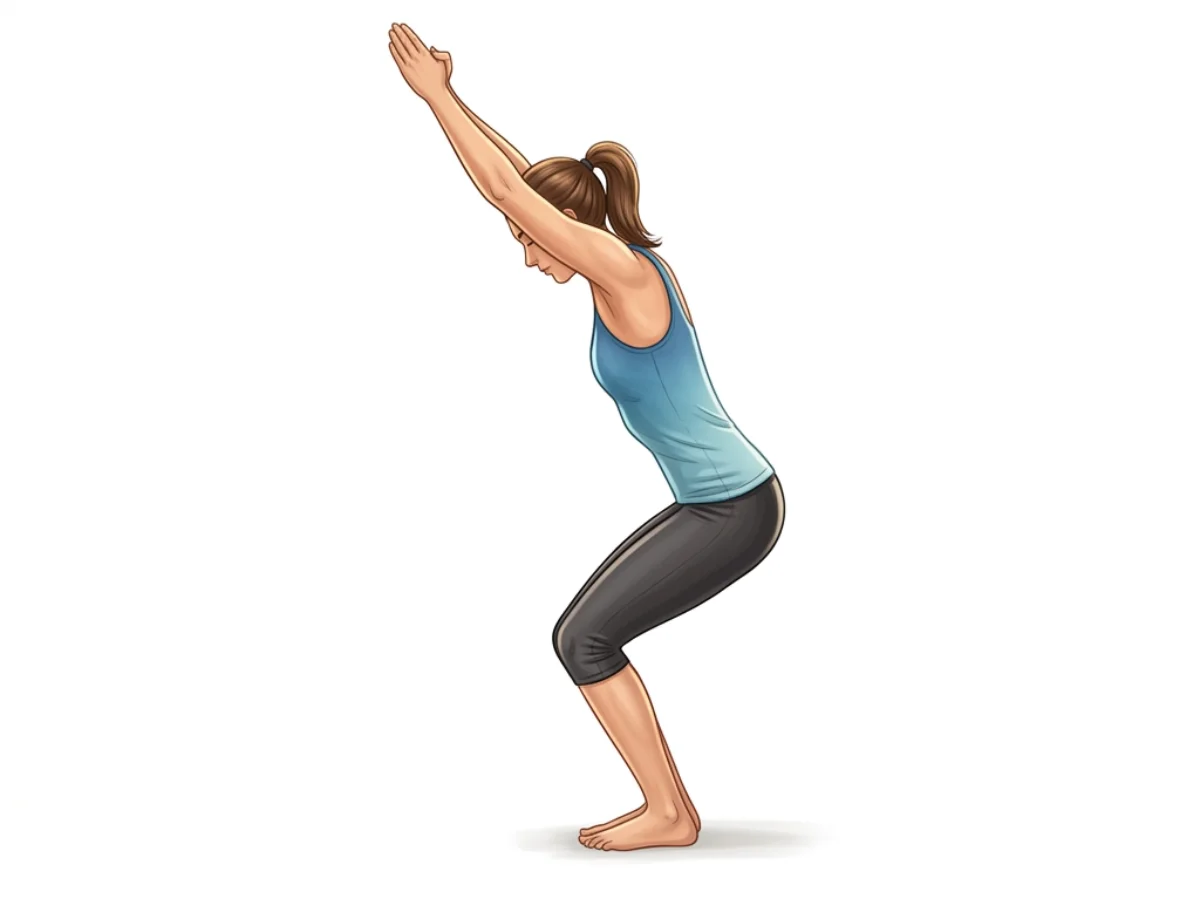
Chair Pose
UtkatasanaBuilds the leg strength and ankle flexibility needed for a sustained squat.
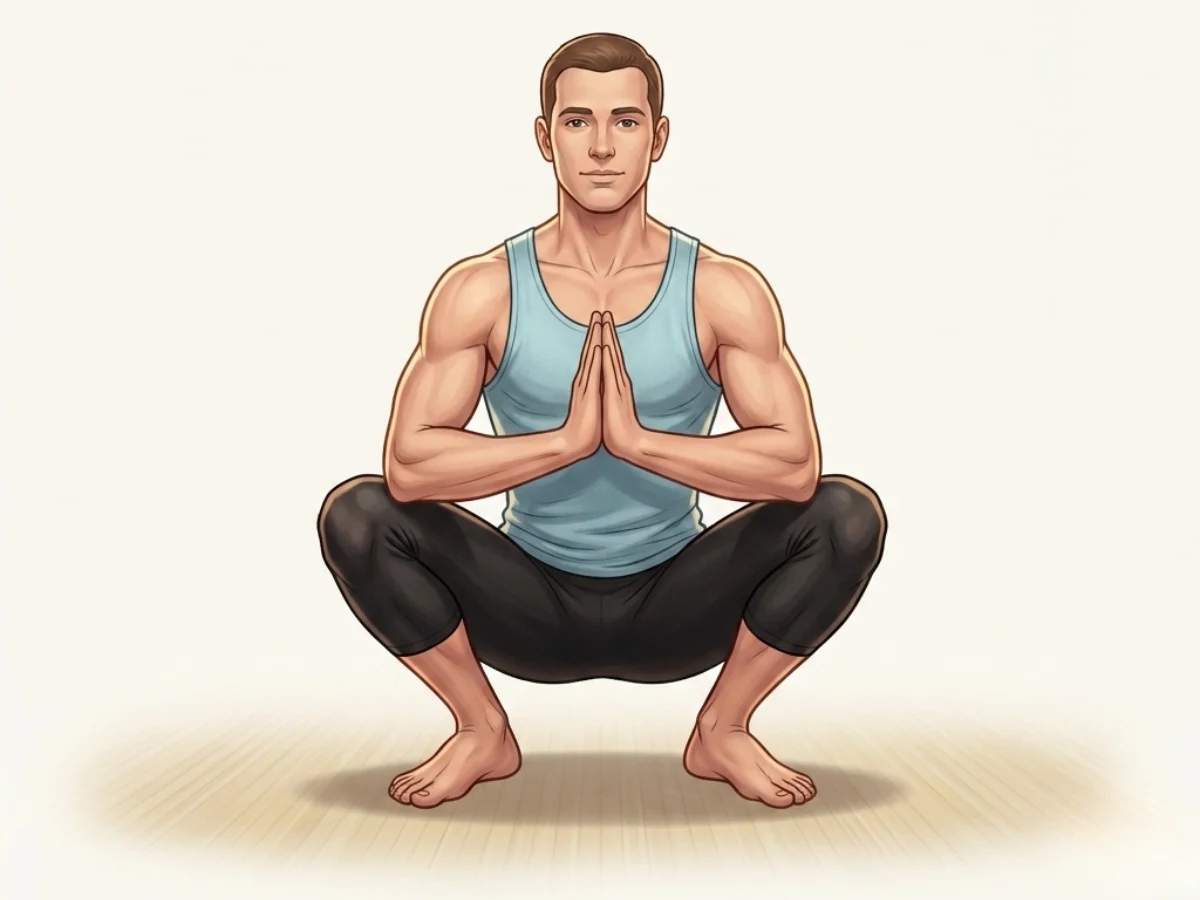
Garland Pose
MalasanaOpens the hips and familiarizes the body with the deep squatting foundation.
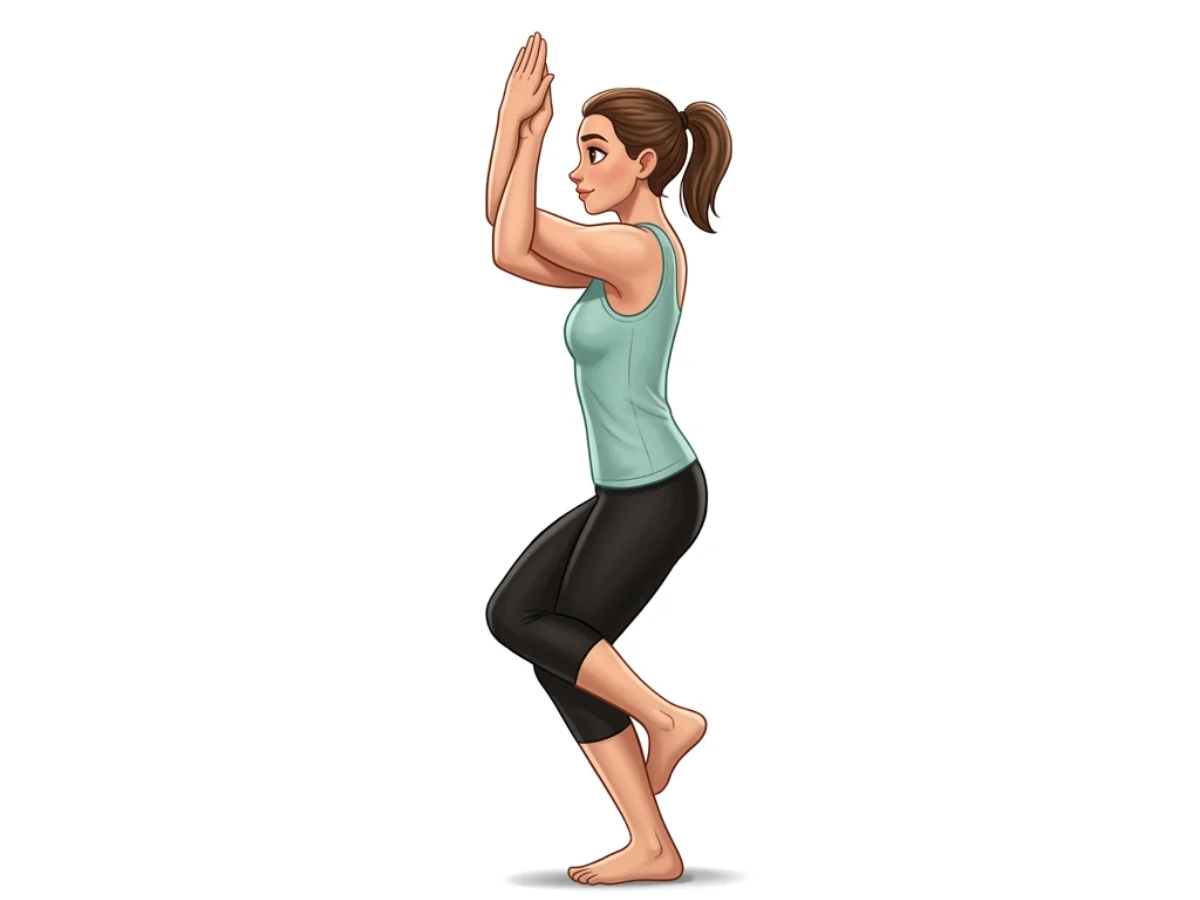
Eagle Pose
GarudasanaStretches the shoulders and upper back, preparing them for the bind.
Follow with neutralizing Counter-poses
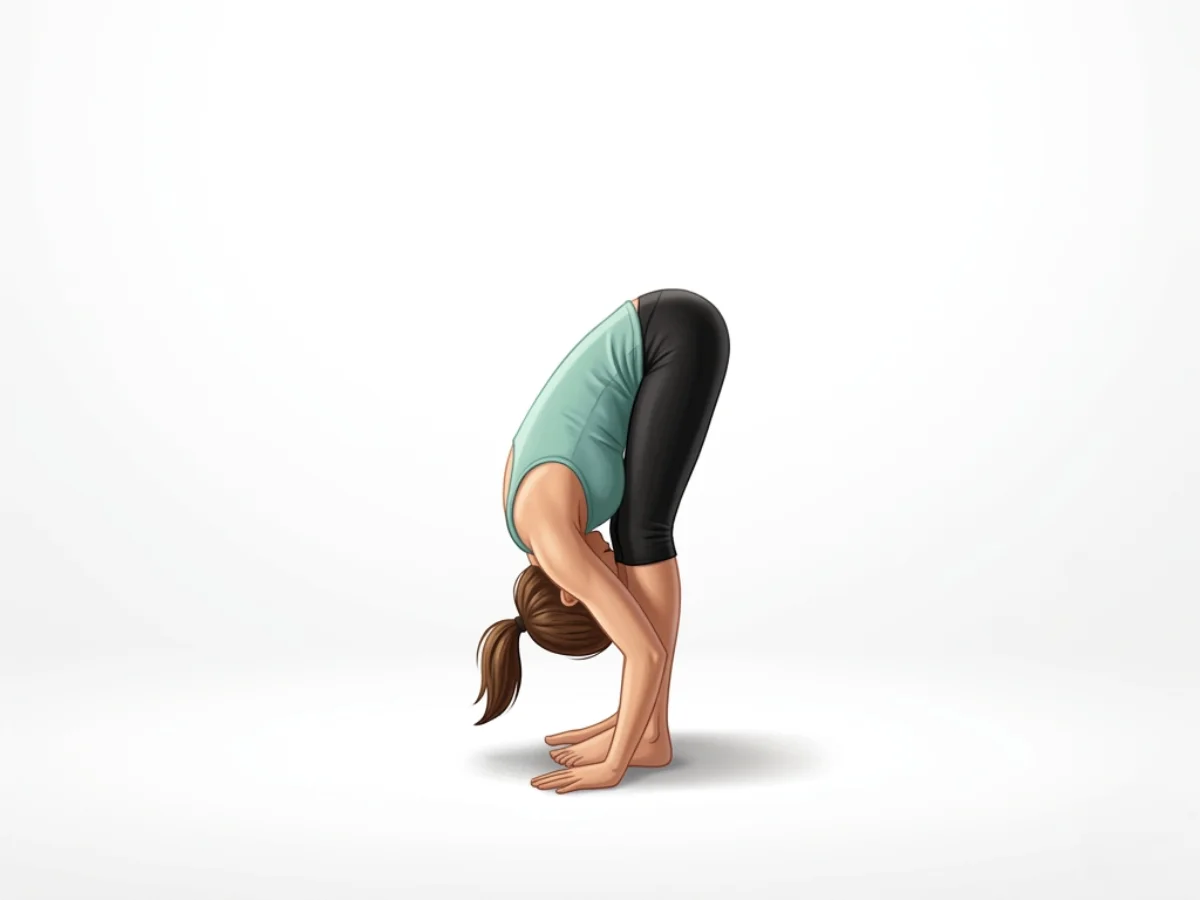
Standing Forward Bend
UttanasanaReleases the knees from deep flexion and decompresses the spine.
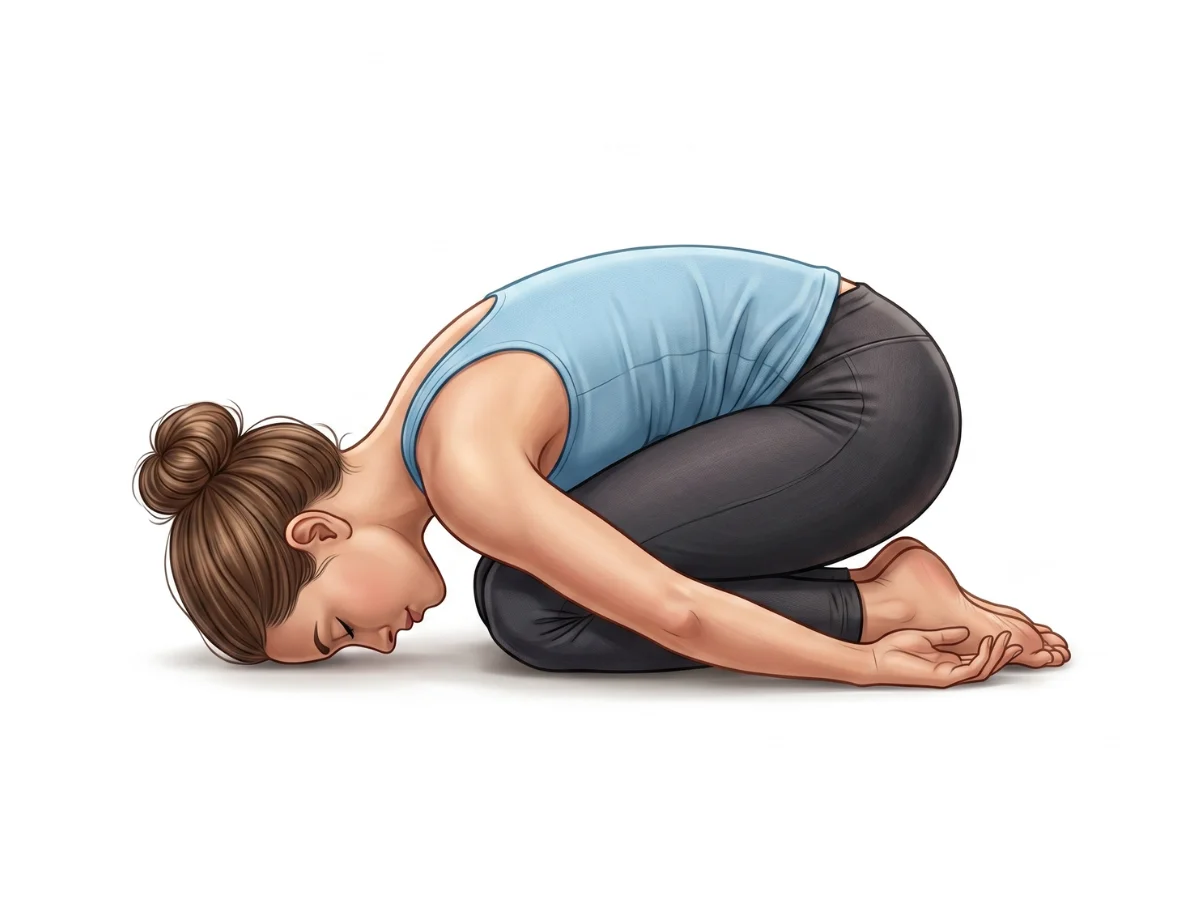
Child's Pose
BalasanaProvides a gentle, symmetrical release for the back and hips.
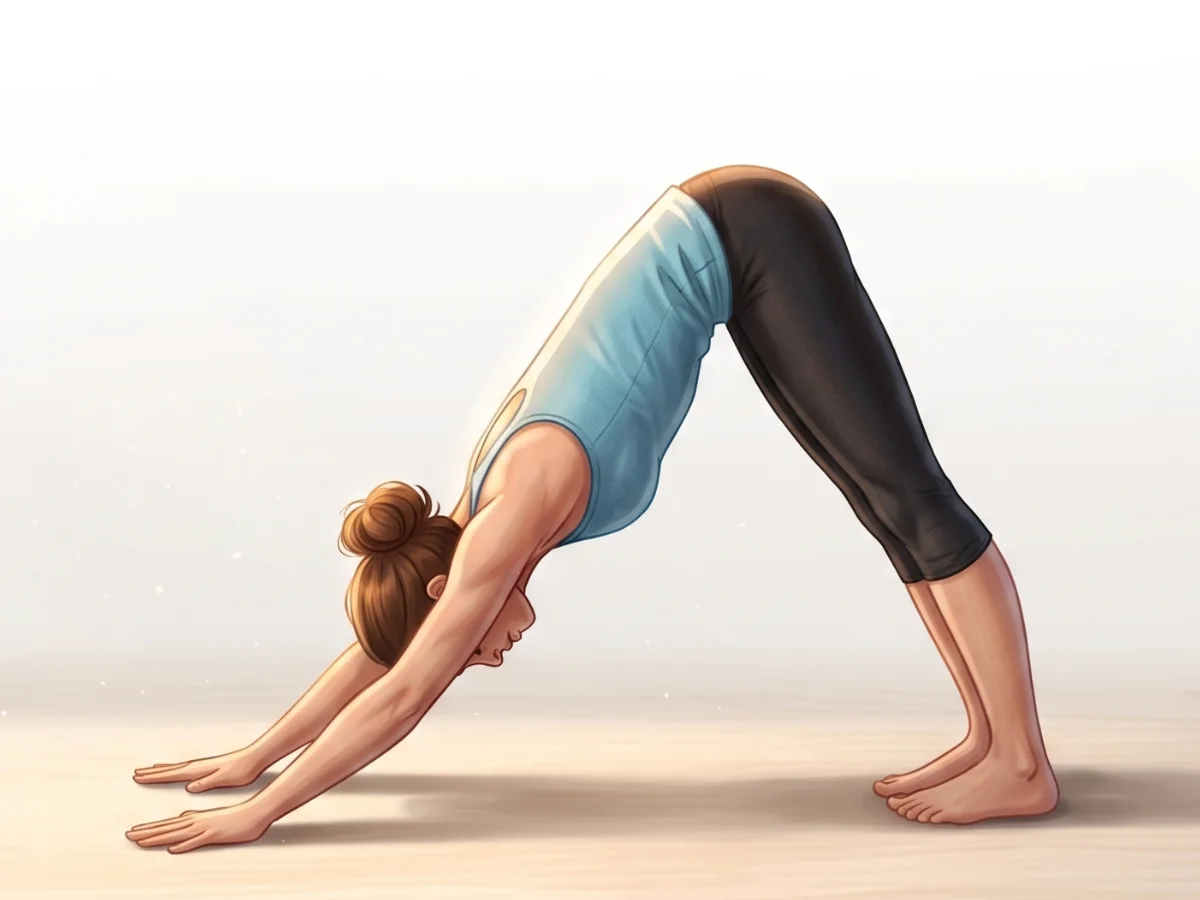
Downward-Facing Dog
Adho Mukha SvanasanaLengthens the spine and stretches out the calves after squatting.
Frequently Asked Questions
How can I keep my heels on the floor?
Lifting heels are caused by tight calf muscles and Achilles tendons. Until you gain more flexibility, always slide a folded blanket or a rolled-up yoga mat under your heels to provide a solid foundation.
I feel like I can’t breathe in this pose. Is that normal?
Yes, the deep twist combined with the thighs pressing against the abdomen restricts the diaphragm. Focus on breathing into your back body and upper chest, taking slow, shallow breaths instead of deep belly breaths.
Why do my knees ache during the twist?
Aching knees often result from one knee sliding forward, which twists the pelvis and strains the knee joints. Always look down and check that your knees are perfectly parallel before beginning the twist.
Elena Rostova is an accredited yoga educator and anatomy specialist with over 15 years of clinical experience. She focuses on functional biomechanics and injury prevention, translating complex anatomy into accessible guidance for safe, sustainable practice.
Read Full ProfileContinue Your Yoga Journey
Ready to deepen your practice? Explore our extensive library of poses, or join a structured program designed to build strength, flexibility, and mindfulness.