
One Leg Behind the Head I
Eka Pada Sirsasana
By Elena Rostova Updated: verified Medically Reviewed
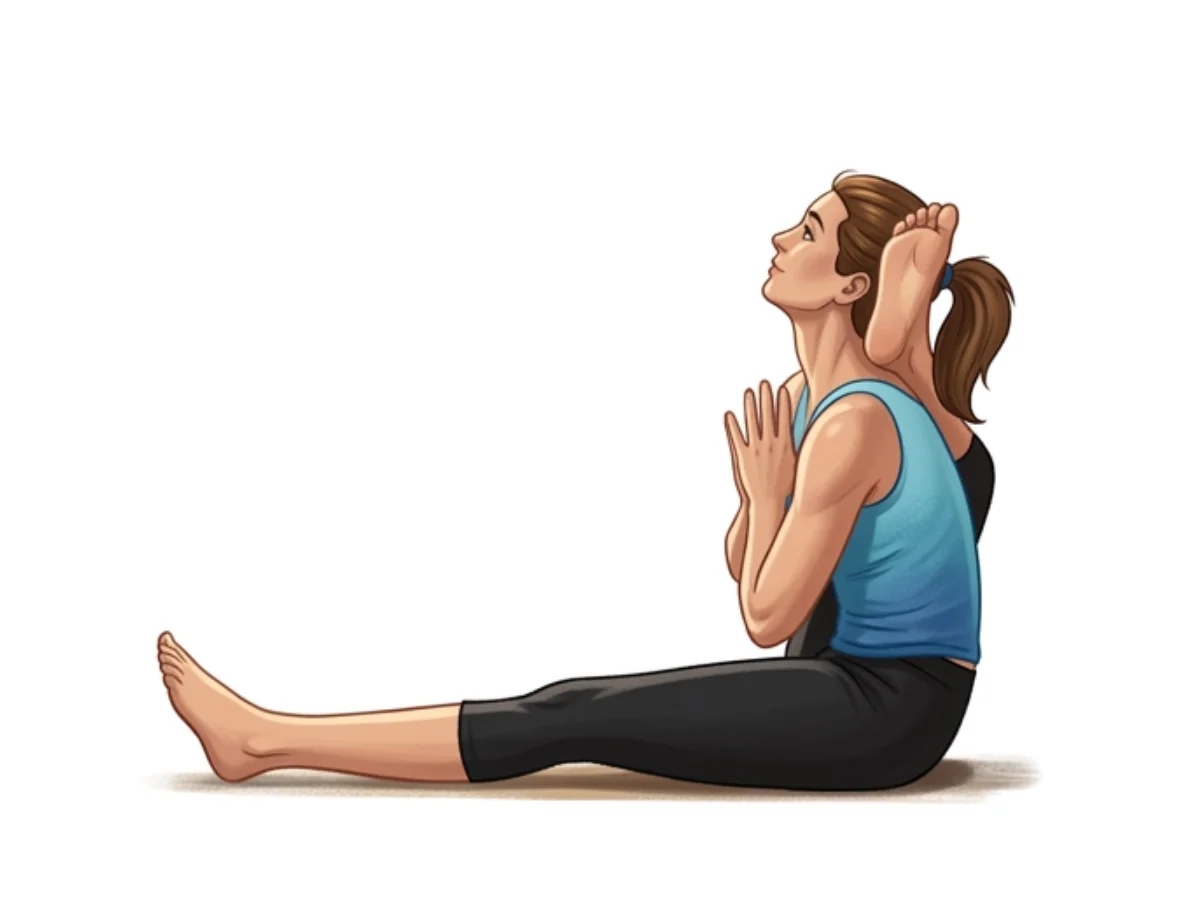
One Leg Behind the Head Pose (Eka Pada Sirsasana) is an advanced, extreme hip-opening posture often found in the Ashtanga intermediate series. It demands exceptional flexibility in the external hip rotators, hamstrings, and lower back.
Hold Time
5–10 breaths per side
Pronunciation
EY-kah PAH-dah sheer-SHAHS-anna
About One Leg Behind the Head I
Often praised by experienced instructors, One Leg Behind the Head I (Eka Pada Sirsasana) acts as a powerful tool for finding balance and realignment. As you settle into the shape, it gently works the extreme hip opening & flexibility to increase your overall flexibility. Over time, adding this to your routine is a great way to support maximum hip flexibility while calming the mind.
How to Practice
Start in Seated Staff Pose
Begin seated on your mat with your legs extended straight out in front of you in Staff Pose (Dandasana). Keep your spine tall and core engaged.
Cradle the Leg
Bend your right knee and take hold of your right foot with both hands. Draw the shin toward your chest in a deep Rock the Baby (Hindolasana) stretch, ensuring the right foot is strongly flexed.
Draw the Knee Back
Slide your right arm under your right calf. Begin to draw your right knee as far back alongside your ribcage as possible, working it over your right shoulder like a backpack strap.
Position the Leg
Exhale, bow your head slightly forward, and carefully guide your right foot up and behind your neck. Rest the calf muscle against the back of your neck/upper traps.
Lift the Head
Once the foot is securely behind the neck, slowly press your head back against the leg. This action helps to lock the leg in place and straightens the cervical spine.
Center the Torso
Bring your hands together in prayer position (Anjali Mudra) at your heart center. Engage your core to sit up as straight as possible, breathing deeply.
Hold and Breathe
Hold the pose for 5 to 10 steady breaths, keeping the extended left leg active and grounded.
Careful Release
To exit, gently bow your head forward, use your hands to carefully guide the foot off your neck, and slowly extend the leg back to Staff Pose before switching sides.
Practice with the Yoga Timer
Keep track of your hold time and breath count for this pose.
Beginner Modifications & Prop Options
Yoga is a personal journey. These modifications and prop options allow you to adapt the pose to your current level of balance and flexibility, ensuring a safe and supportive practice.
Stop at Rock the Baby
Stay in Rock the Baby (Hindolasana) and focus on opening the hip joint. Do not force the knee behind the shoulder.
Tip: Focus on alignment rather than depth.
Leg Over Shoulder
Lift the calf over the shoulder like a strap and use your hand to hold the foot in place while keeping the spine tall.
Tip: Focus on alignment rather than depth.
Supine Variation
Lie on your back and practice drawing the foot toward your head to focus entirely on the hip stretch without compromising the spine.
Tip: Focus on alignment rather than depth.
Benefits of One Leg Behind the Head I
Maximum Hip Flexibility
Provides an unparalleled stretch to the external hip rotators, gluteus maximus, and hamstrings.
Tones Abdominal Organs
The deep fold and compression stimulate the digestive tract, aiding in detoxification and digestion.
Strengthens the Neck & Core
Pressing the head back against the weight of the leg strengthens the neck extensors and requires immense core control.
Stimulates Energy Flow
Believed to awaken dormant energy (prana) in the pelvic region, promoting vitality and deep focus.
Builds Discipline & Patience
Mastering this pose requires years of consistent, mindful practice, cultivating mental resilience.
Common Mistakes to Avoid
Mistake: Forcing the Knee
How to fix: Never force the leg. The rotation must come 100% from the hip socket. Always keep the foot flexed to protect the knee.
Mistake: Cranking the Neck Forward
How to fix: You must have the strength to push your head back against the leg, maintaining a neutral neck alignment.
Mistake: Rounding the Lower Back
How to fix: Keep the core deeply engaged and lift up through the sternum.
Safety and Precautions
Knee Injuries
Any history of meniscus tears or ligament issues makes this pose highly risky. Extreme caution is required.
Neck or Spinal Injuries
The pressure of the leg against the cervical spine is dangerous for anyone with herniated discs, whiplash, or neck instability.
Hip Pathology
Individuals with hip dysplasia, labral tears, or arthritis should avoid this extreme external rotation.
Sciatica
The deep stretch can severely aggravate an inflamed sciatic nerve.
Medical Disclaimer: If you have any of the above conditions, consult your doctor or a qualified yoga instructor before attempting this pose.
Muscles Worked in One Leg Behind the Head I
One Leg Behind the Head I demands synchronized muscular effort, creating a profound sense of engagement and release throughout the body. The activation of the primary muscles supports the structure, while the secondary muscles provide stability and balance.
Primary Muscles
Deep External Hip Rotators
Undergo maximum stretch to allow the femur to rotate in the socket.
Gluteus Maximus
Stretches deeply over the pelvis.
Hamstrings
Stretch intensely as the leg is pulled toward the head.
Secondary Muscles
Neck Extensors
Engage strongly to press the head back and hold the leg in place.
Erector Spinae
Work to keep the spine upright against the forward pull of the leg.
Rectus Abdominis
Engages to stabilize the pelvis and support the lower back.
Poses to Practice Before and After One Leg Behind the Head I
Prepare with these Poses
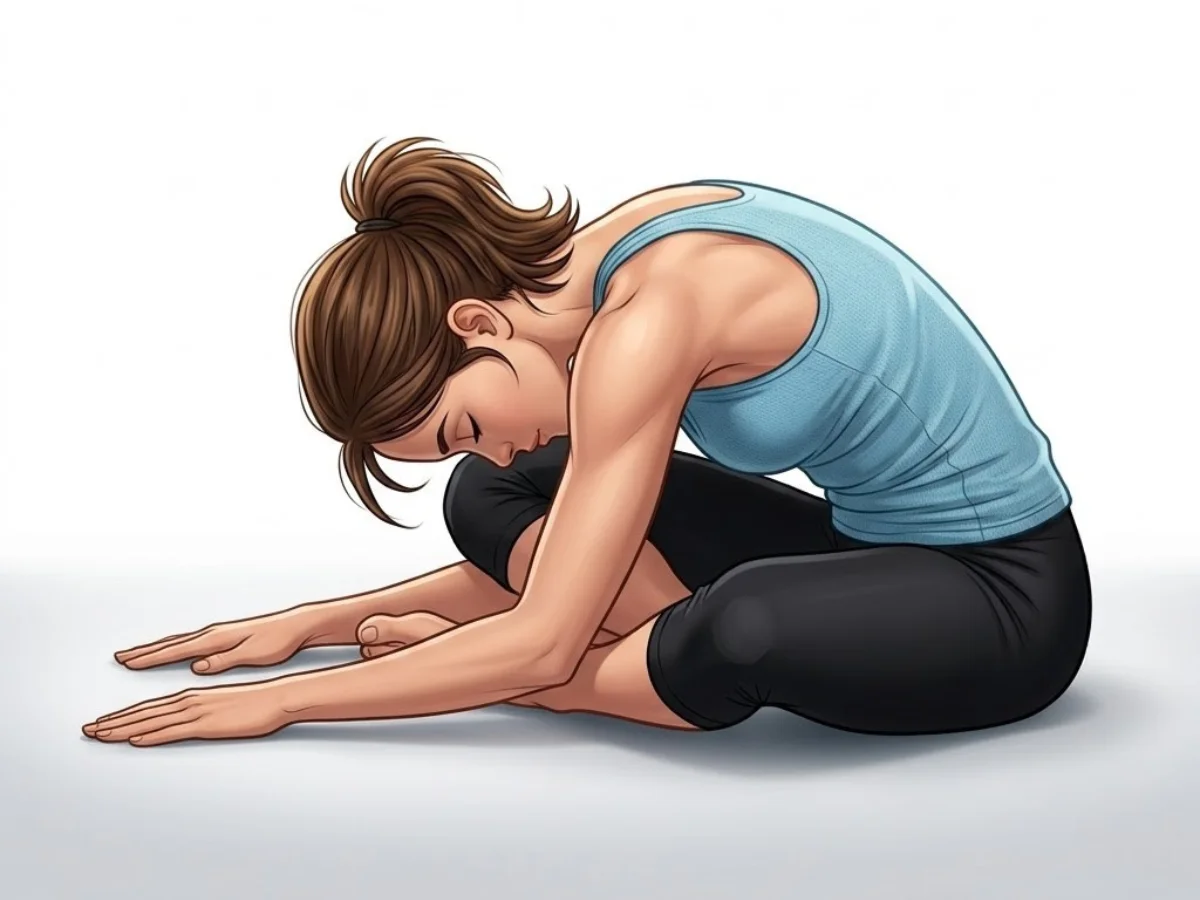
Butterfly Pose
Baddha KonasanaWarms up the inner thighs and external rotators.
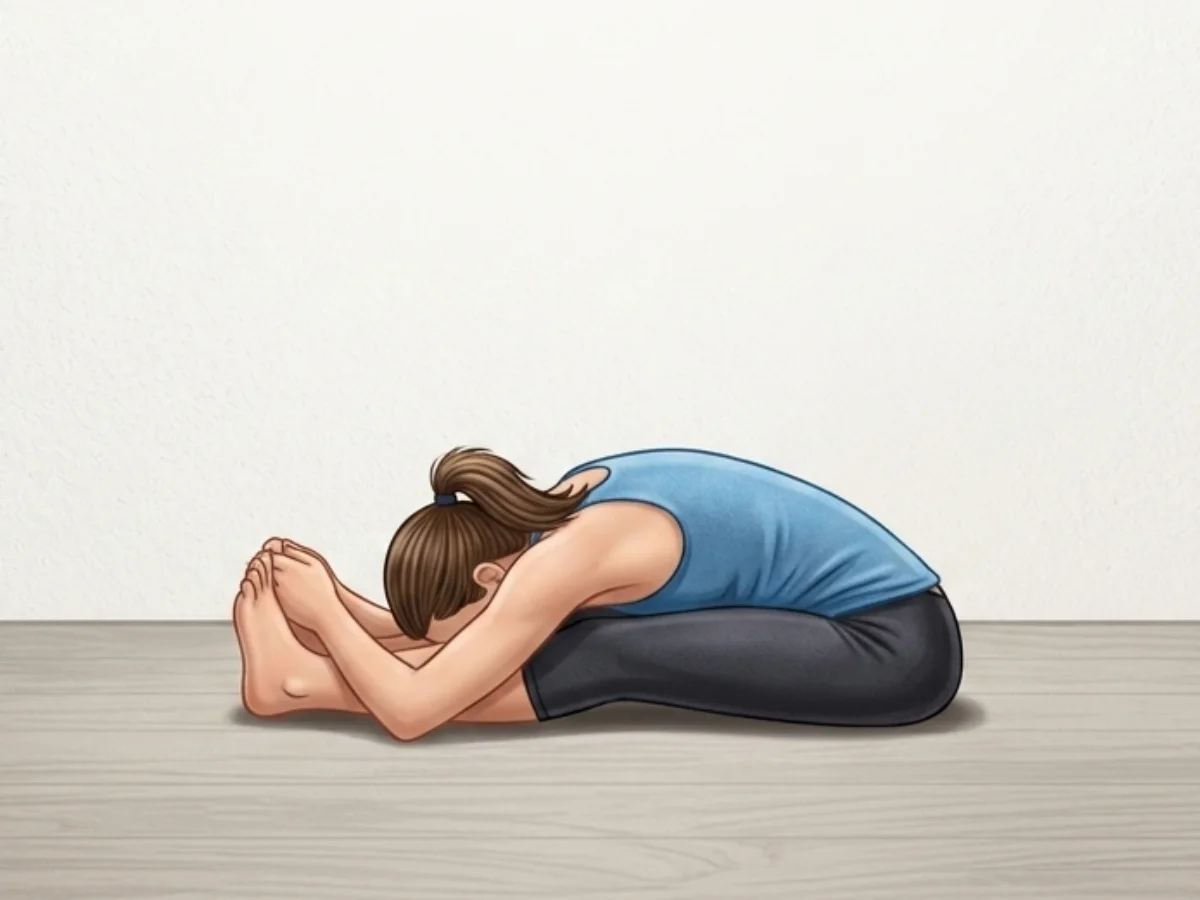
Seated Forward Bend
PaschimottanasanaLengthens the hamstrings and lower back.
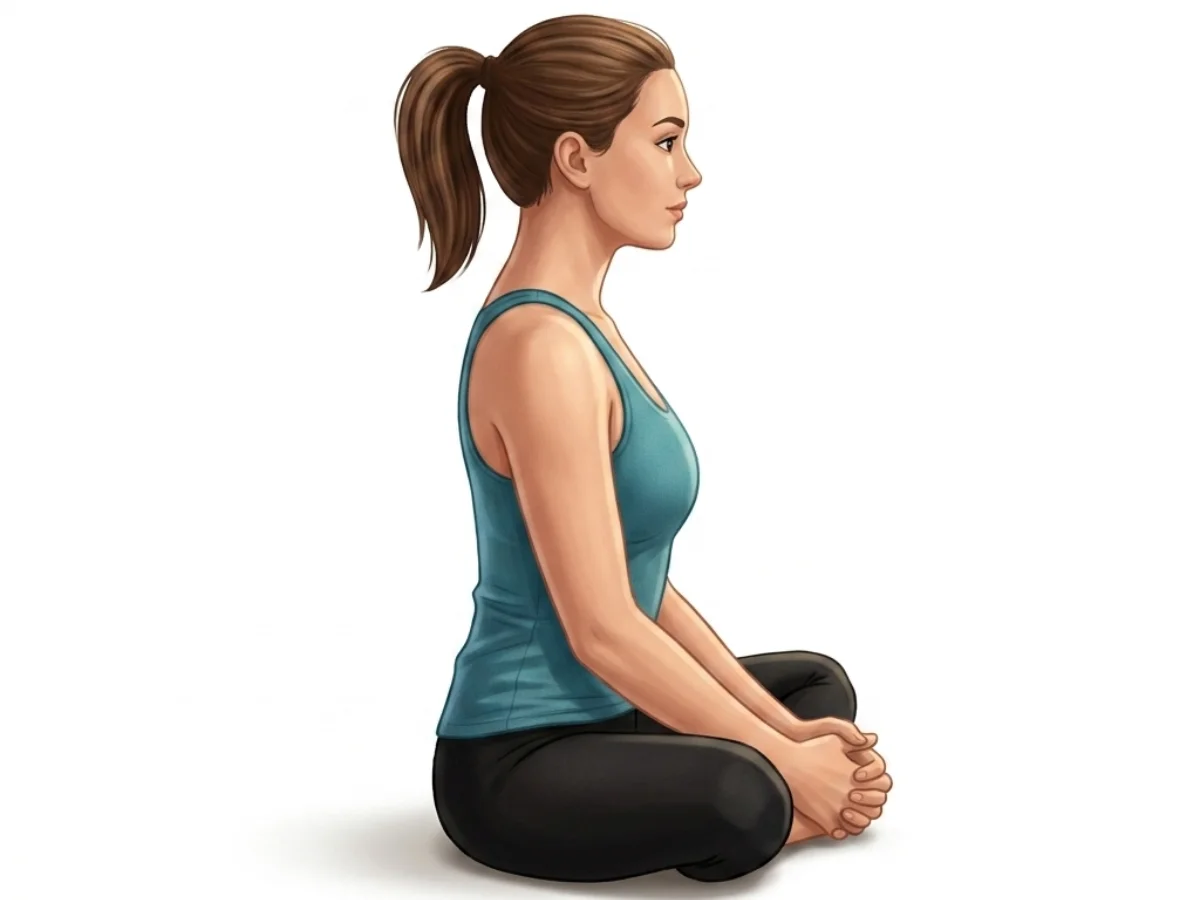
Bound Angle
Supta Baddha KonasanaA gentle, foundational hip opener.
Follow with neutralizing Counter-poses
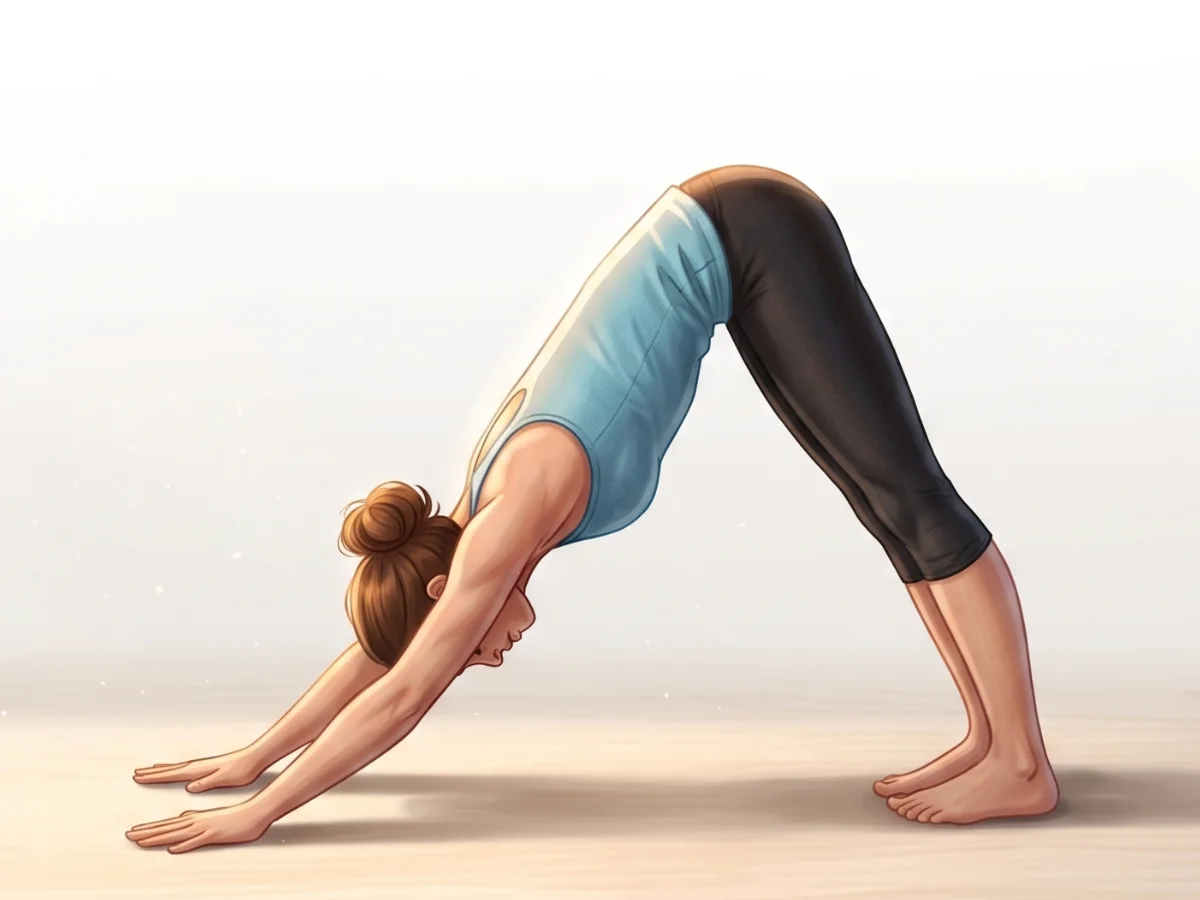
Downward-Facing Dog
Adho Mukha SvanasanaRe-establishes length in the spine and neutralizes the hips.
Seated Forward Bend
PaschimottanasanaSymmetrically folds the body, balancing out the asymmetrical deep stretch.
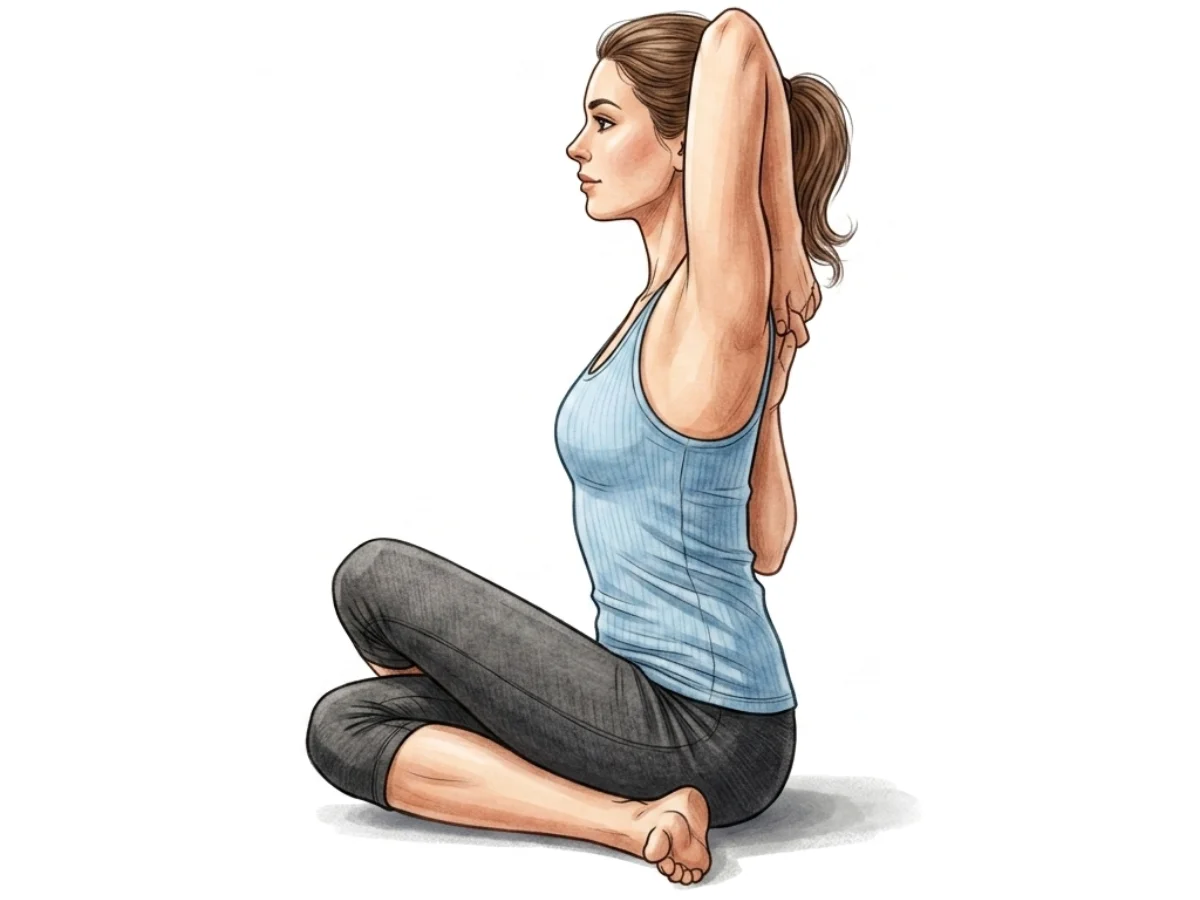
Cow Face Pose
GomukhasanaProvides an internal rotation stretch to counter the extreme external rotation.
Frequently Asked Questions
How long does it take to learn this pose?
For most adults, safely achieving Eka Pada Sirsasana takes years of consistent, daily practice. Hip anatomy, bone structure, and joint capsules play a huge role; some people may never safely achieve the full expression of the pose due to skeletal limitations.
Why does my knee feel like it's twisting?
If your knee feels a twisting sensation, STOP IMMEDIATELY. This means your hip has reached its maximum range of motion, and the force is now transferring to your knee ligaments.
Is it dangerous for the neck?
It can be. The weight of the leg can push the cervical spine out of alignment.
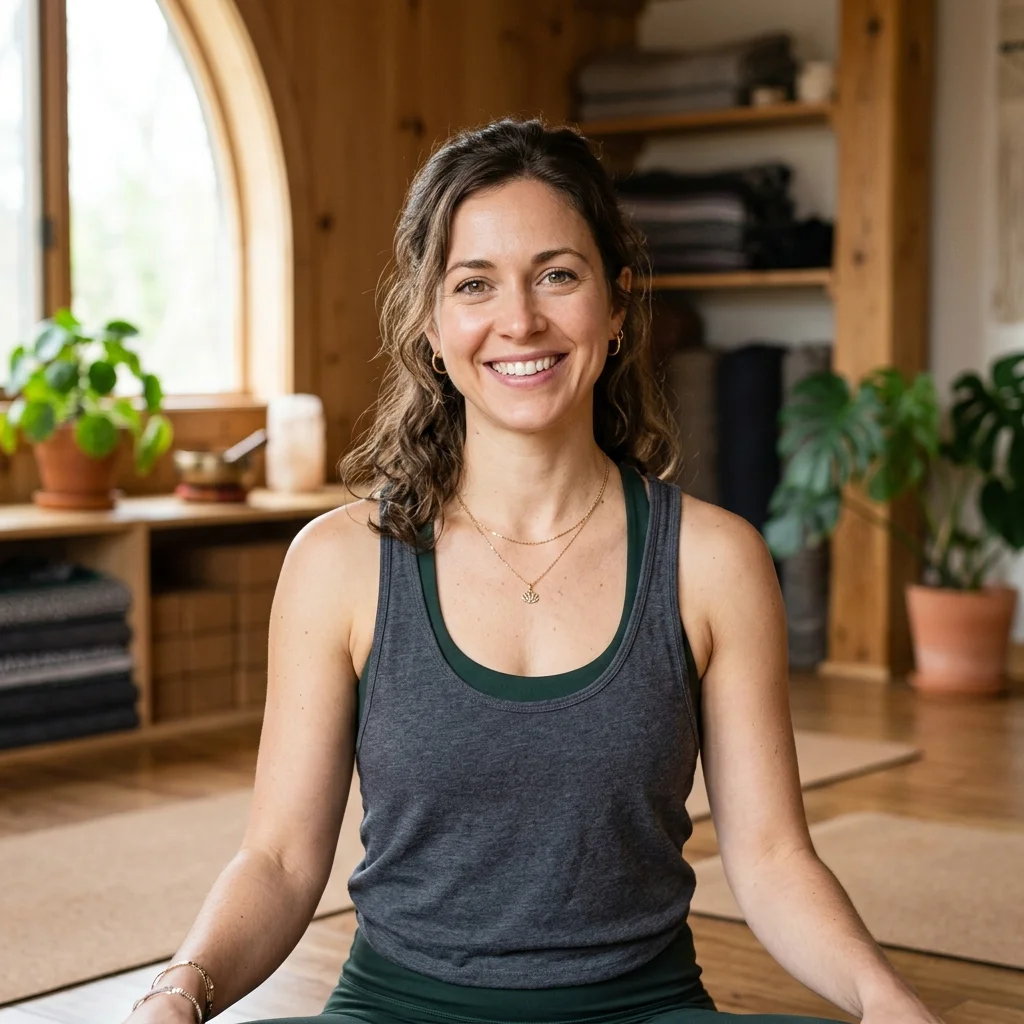
Elena Rostova is an accredited yoga educator and anatomy specialist with over 15 years of clinical experience. She focuses on functional biomechanics and injury prevention, translating complex anatomy into accessible guidance for safe, sustainable practice.
Read Full ProfileContinue Your Yoga Journey
Ready to deepen your practice? Explore our extensive library of poses, or join a structured program designed to build strength, flexibility, and mindfulness.