
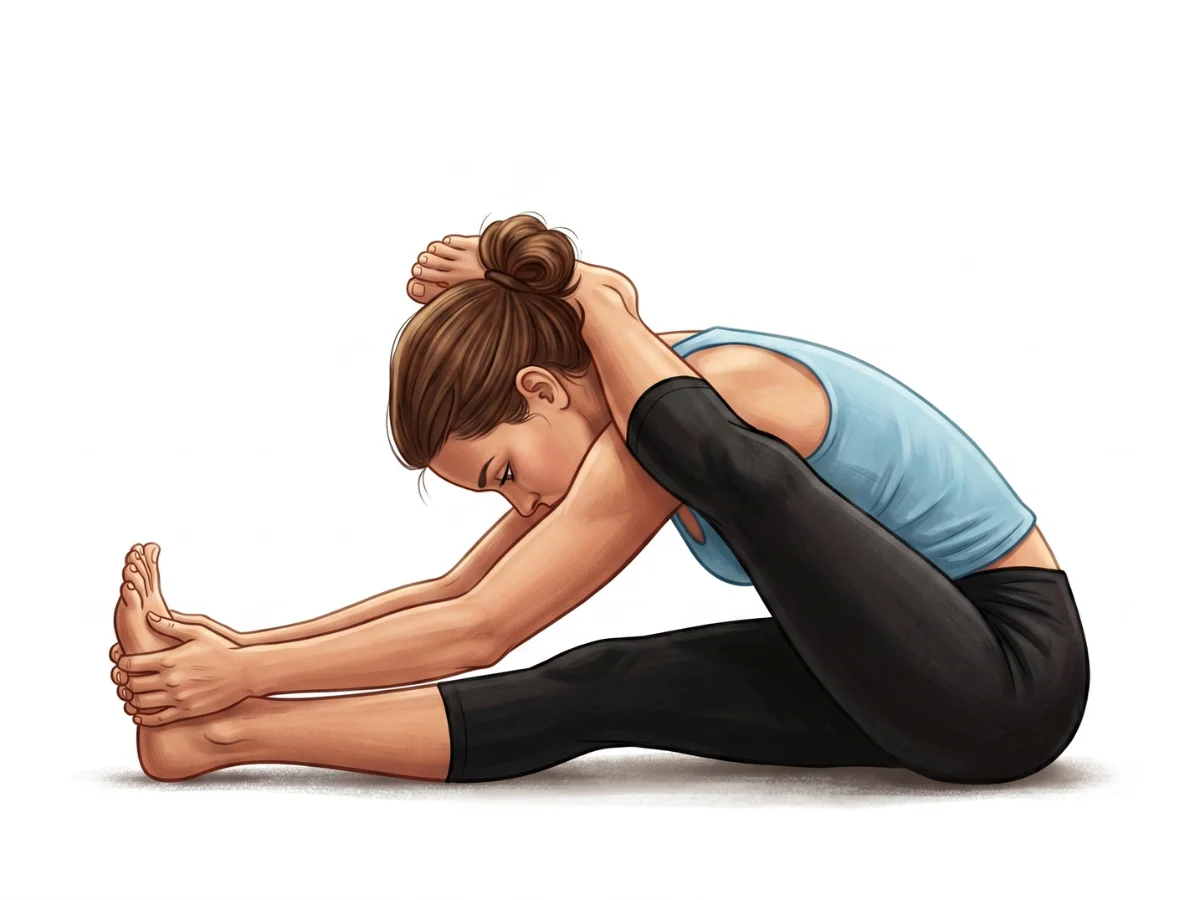
One Leg Behind the Head II
Eka Pada Sirsasana II
By Elena Rostova Updated: verified Medically Reviewed
One Leg Behind the Head II (Eka Pada Sirsasana II) takes the profound hip-opening of the seated version and elevates it into an advanced standing balance. This demanding posture requires not only extreme flexibility in the hips and hamstrings but also exceptional core strength, focus, and stabilization in the standing leg.
Hold Time
5 breaths per side
Pronunciation
EY-kah PAH-dah sheer-SHAHS-anna
About One Leg Behind the Head II
A vital part of many yoga sequences, One Leg Behind the Head II (Eka Pada Sirsasana II) offers wonderful benefits that go beyond its simple shape. It primarily targets the extreme flexibility & standing balance, helping to create length and strength exactly where you need it most. Consistent practice will actively assist in develops supreme balance, helping you feel lighter and more balanced off the mat.
How to Practice
Establish Seated Base First
It is safest to secure the leg while close to the floor. Begin in a deep squat or seated position. Draw your right leg over your right shoulder and secure the right foot behind your neck as in the seated variation.
Press the Head Back
Firmly press the back of your head into your right calf to lock the leg in place and maintain a strong, neutral cervical spine.
Plant the Standing Foot
Place your left foot firmly on the mat. Bring your hands to the floor for balance and support.
Engage the Core
Draw your navel in powerfully. The core must bear a significant portion of the work to safely lift your body weight while maintaining the leg position.
Slowly Rise
Inhale and press powerfully through your left heel. Slowly begin to straighten the left leg, bringing your torso upright into a standing position.
Find Your Balance
Once standing, find a focal point (drishti) to steady your balance. Micro-bend the standing knee to avoid locking the joint.
Bring Hands to Center
Once completely stable, bring your hands together in Anjali Mudra (prayer position) at your heart center. Stand tall and breathe steadily for 5 breaths.
Controlled Exit
To exit, slowly bend the standing leg, place your hands back on the floor, and return to a squat before carefully unhooking the leg from behind the neck.
Practice with the Yoga Timer
Keep track of your hold time and breath count for this pose.
Beginner Modifications & Prop Options
Yoga is a personal journey. These modifications and prop options allow you to adapt the pose to your current level of balance and flexibility, ensuring a safe and supportive practice.
Master the Seated Version First
Ensure you can comfortably and safely hold the seated version (Eka Pada Sirsasana I) for an extended period before attempting the standing variation.
Tip: Focus on alignment rather than depth.
Use a Wall for Balance
Practice rising to stand with your back near a wall for a safety net while learning to straighten the standing leg.
Tip: Focus on alignment rather than depth.
Keep Hands on the Floor
Keep your hands on the floor or on tall blocks while working on straightening the supporting leg, similar to a Standing Splits variation.
Tip: Focus on alignment rather than depth.
Benefits of One Leg Behind the Head II
Develops Supreme Balance
Challenges the proprioceptive system and requires intense mental focus to maintain stability on one leg.
Extreme Hip Opening
Maintains maximum external rotation and flexibility in the hip joint under the added challenge of gravity.
Strengthens Standing Leg
Builds immense strength in the ankle, calf, quadriceps, and glutes of the standing leg.
Core and Spinal Strength
Demands rigorous engagement of the deep core and erector spinae to keep the torso upright.
Enhances Nervous System Control
Teaches the body to remain calm and breathe steadily during complex, physically demanding situations.
Common Mistakes to Avoid
Mistake: Locking the Standing Knee
How to fix: Keep a micro-bend in the standing knee and engage the quadriceps to lift the kneecap.
Mistake: Losing Neck Integrity
How to fix: Continuously press the back of the head firmly into the calf muscle to maintain a strong, upright cervical spine.
Mistake: Rushing the Ascent
How to fix: Rise slowly and methodically, moving with intention and breath control.
Safety and Precautions
All Contraindications of the Seated Version Apply
Do not practice with any knee, hip, or neck injuries.
Balance Disorders or Vertigo
The complex ascent and challenging focal point make this unsafe for those with equilibrium issues.
Ankle or Foot Injuries
The standing foot bears the entire body weight under challenging torque; avoid if recovering from sprains.
Medical Disclaimer: If you have any of the above conditions, consult your doctor or a qualified yoga instructor before attempting this pose.
Muscles Worked in One Leg Behind the Head II
One Leg Behind the Head II demands synchronized muscular effort, creating a profound sense of engagement and release throughout the body. The activation of the primary muscles supports the structure, while the secondary muscles provide stability and balance.
Primary Muscles
Deep External Rotators (Lifted Leg)
Maintained in extreme stretch to keep the leg behind the head.
Quadriceps (Standing Leg)
Engage powerfully to straighten and stabilize the standing leg.
Gluteus Medius (Standing Leg)
Crucial for stabilizing the pelvis and maintaining balance.
Secondary Muscles
Erector Spinae & Neck Extensors
Work against gravity to keep the torso and head upright.
Core (Transversus Abdominis)
Provide a central pillar of strength during the ascent.
Ankle Stabilizers
Make micro-adjustments to maintain balance on one foot.
Poses to Practice Before and After One Leg Behind the Head II
Prepare with these Poses
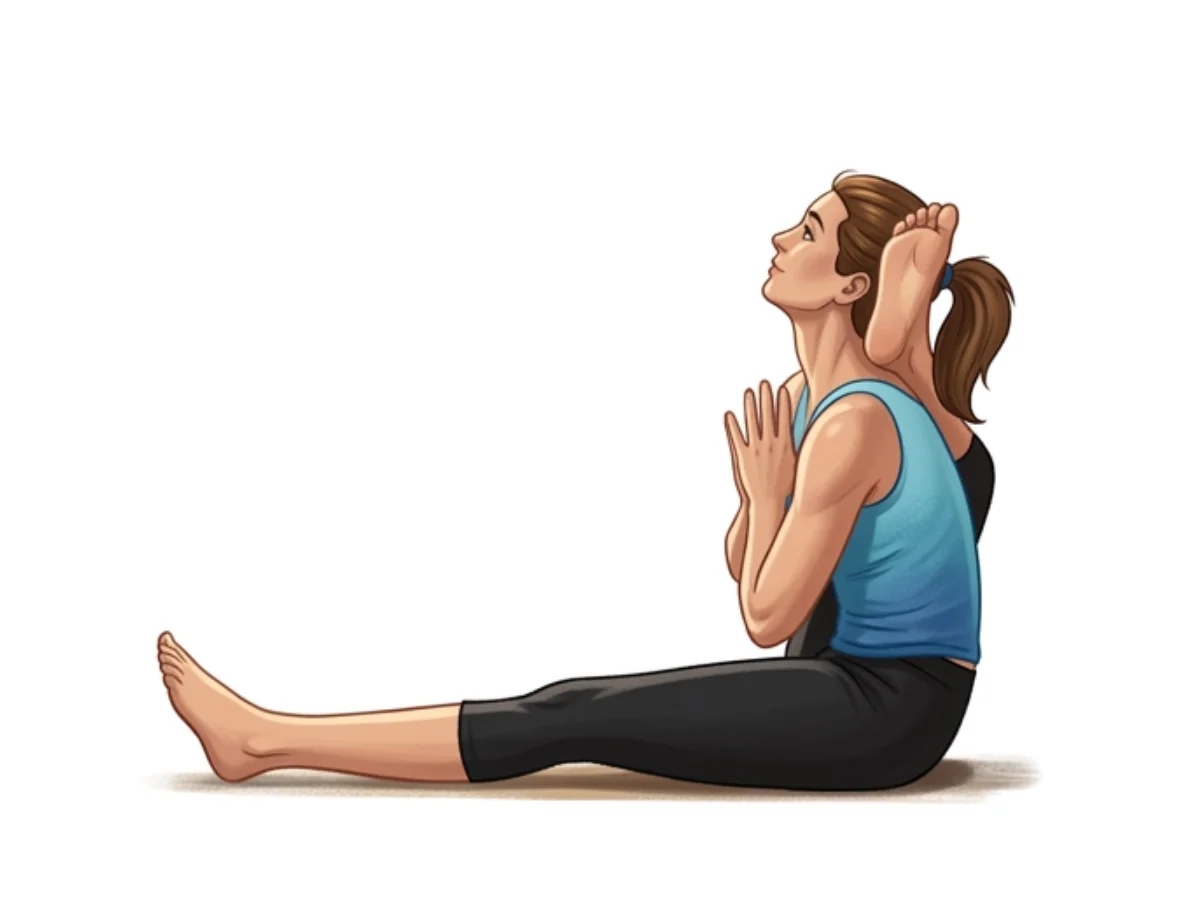
One Leg Behind the Head I
Eka Pada SirsasanaThe essential seated prerequisite to establish the necessary hip flexibility.
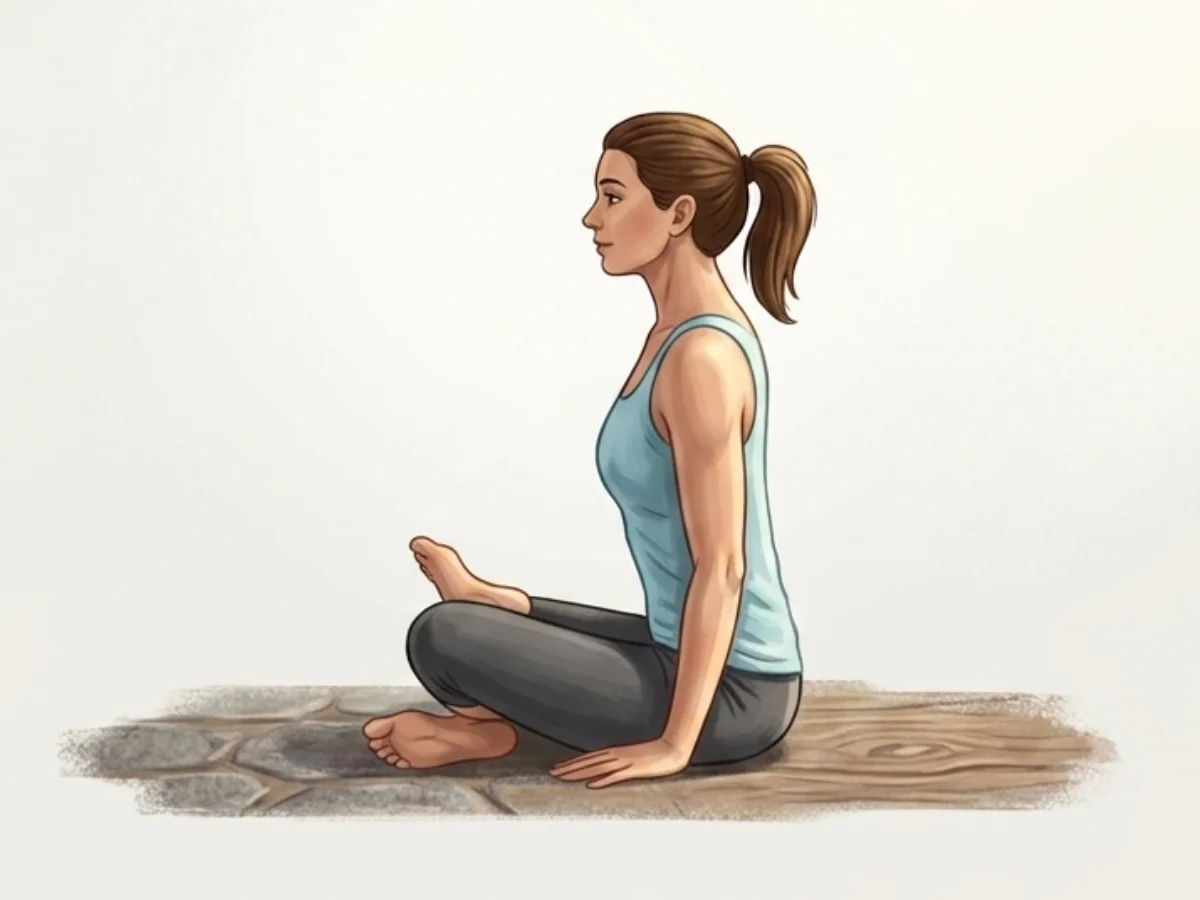
Fire Log Pose
AgnistambhasanaDeeply opens the outer hips and prepares the rotators.
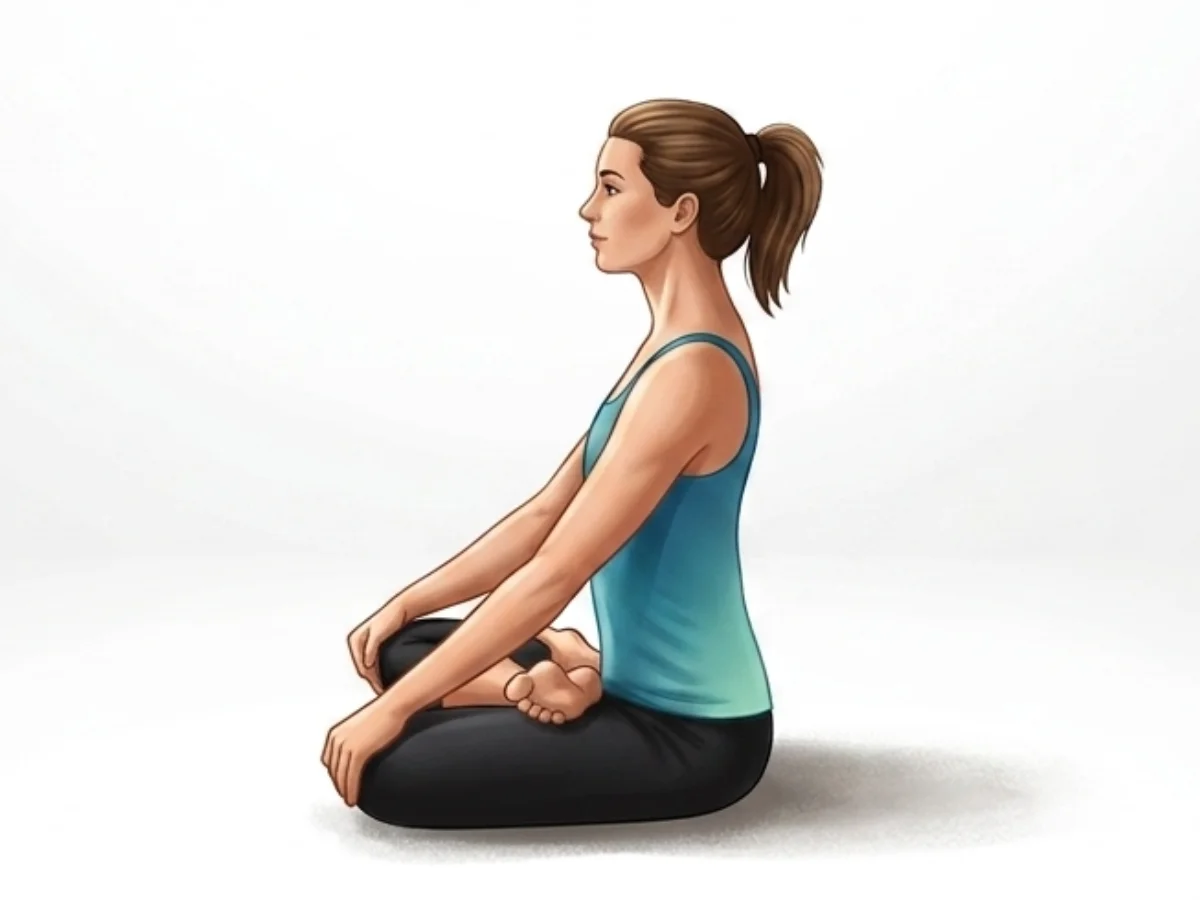
Lotus Pose
PadmasanaRequires and builds extreme external hip rotation.
Follow with neutralizing Counter-poses
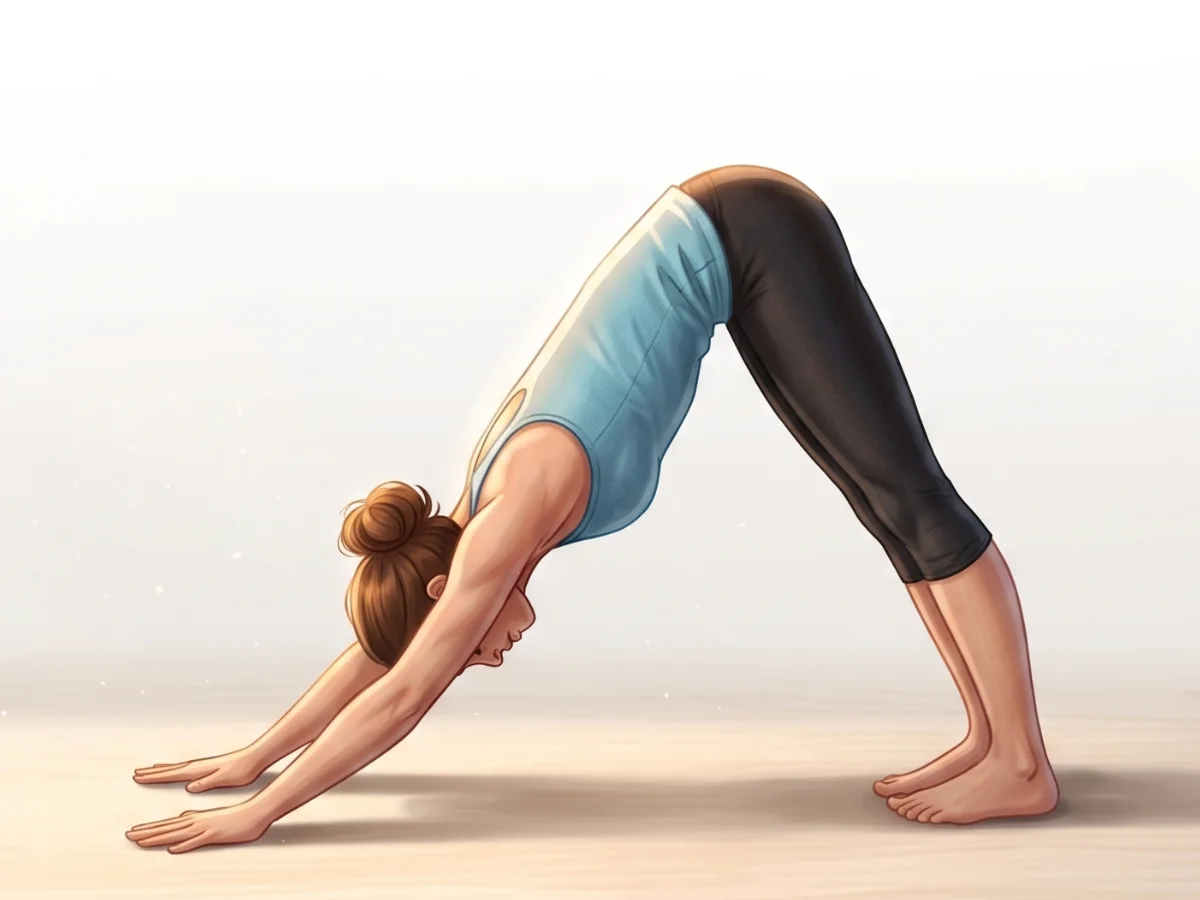
Downward-Facing Dog
Adho Mukha SvanasanaSymmetrically lengthens the spine and legs after the intense asymmetrical hold.
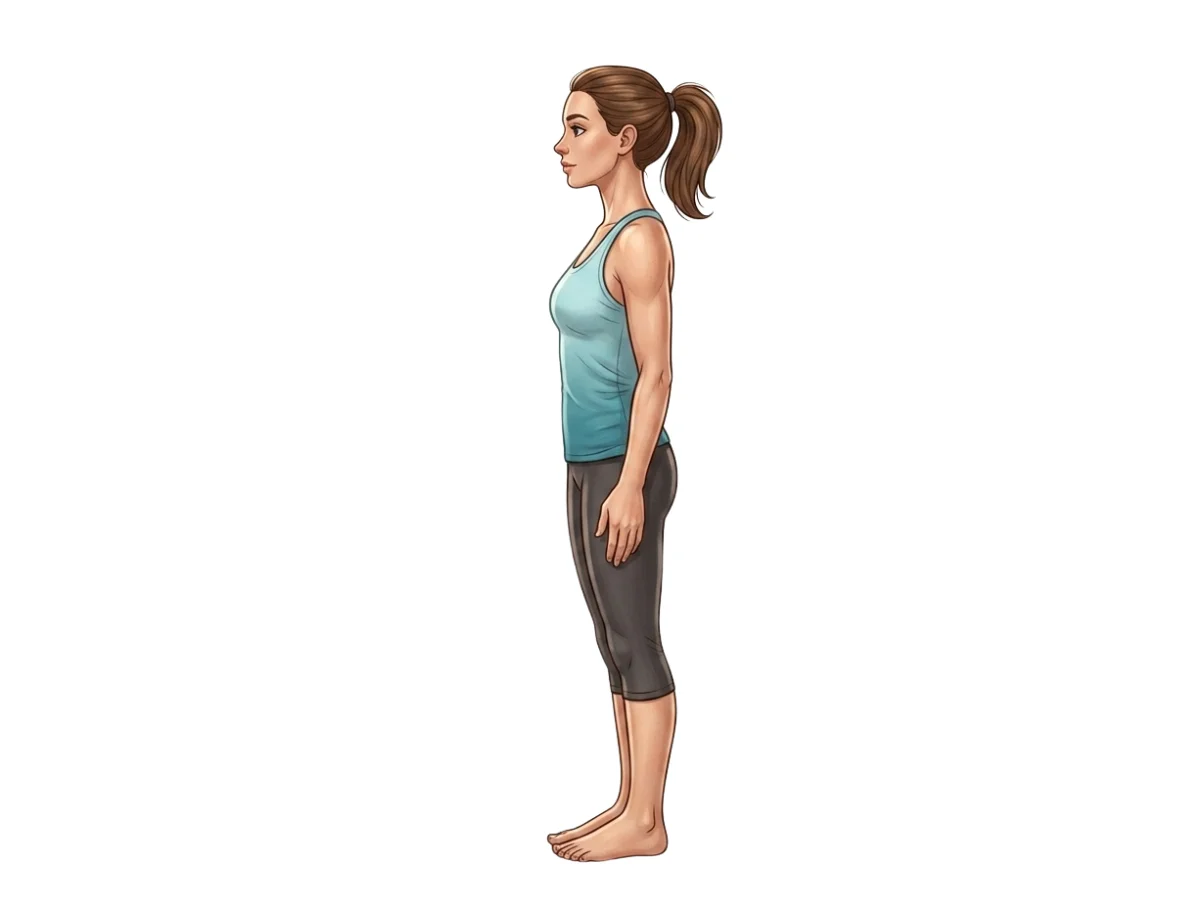
Mountain Pose
TadasanaRe-establishes a neutral, grounded standing posture.
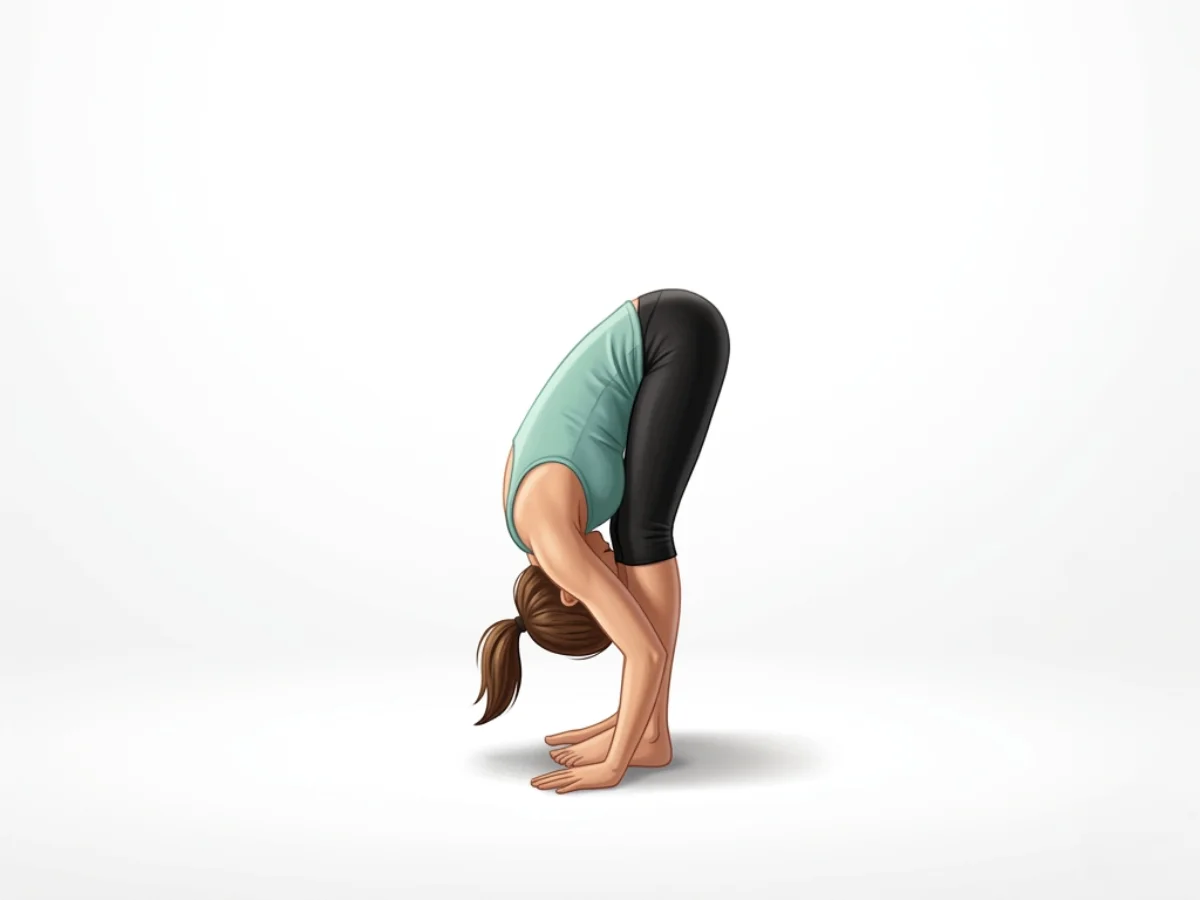
Standing Forward Bend
UttanasanaReleases tension in the lower back and hamstrings.
Frequently Asked Questions
How is it possible to stand up without the leg slipping?
The key is the pressure between the back of your neck and the calf muscle. By continuously pressing your head back, you create a physical "lock" that holds the leg securely in place, freeing your hands to assist in standing.
Is this pose necessary for a complete yoga practice?
Absolutely not. This is a highly advanced posture often found in specific lineages like Ashtanga.
My standing leg shakes uncontrollably when I try to rise. What should I do?
Shaking indicates neuromuscular fatigue or a lack of strength in the stabilizing muscles. Lower back down safely and focus on building strength in foundational standing balances like Warrior III or Half Moon Pose before attempting this transition again.
Elena Rostova is an accredited yoga educator and anatomy specialist with over 15 years of clinical experience. She focuses on functional biomechanics and injury prevention, translating complex anatomy into accessible guidance for safe, sustainable practice.
Read Full ProfileContinue Your Yoga Journey
Ready to deepen your practice? Explore our extensive library of poses, or join a structured program designed to build strength, flexibility, and mindfulness.