
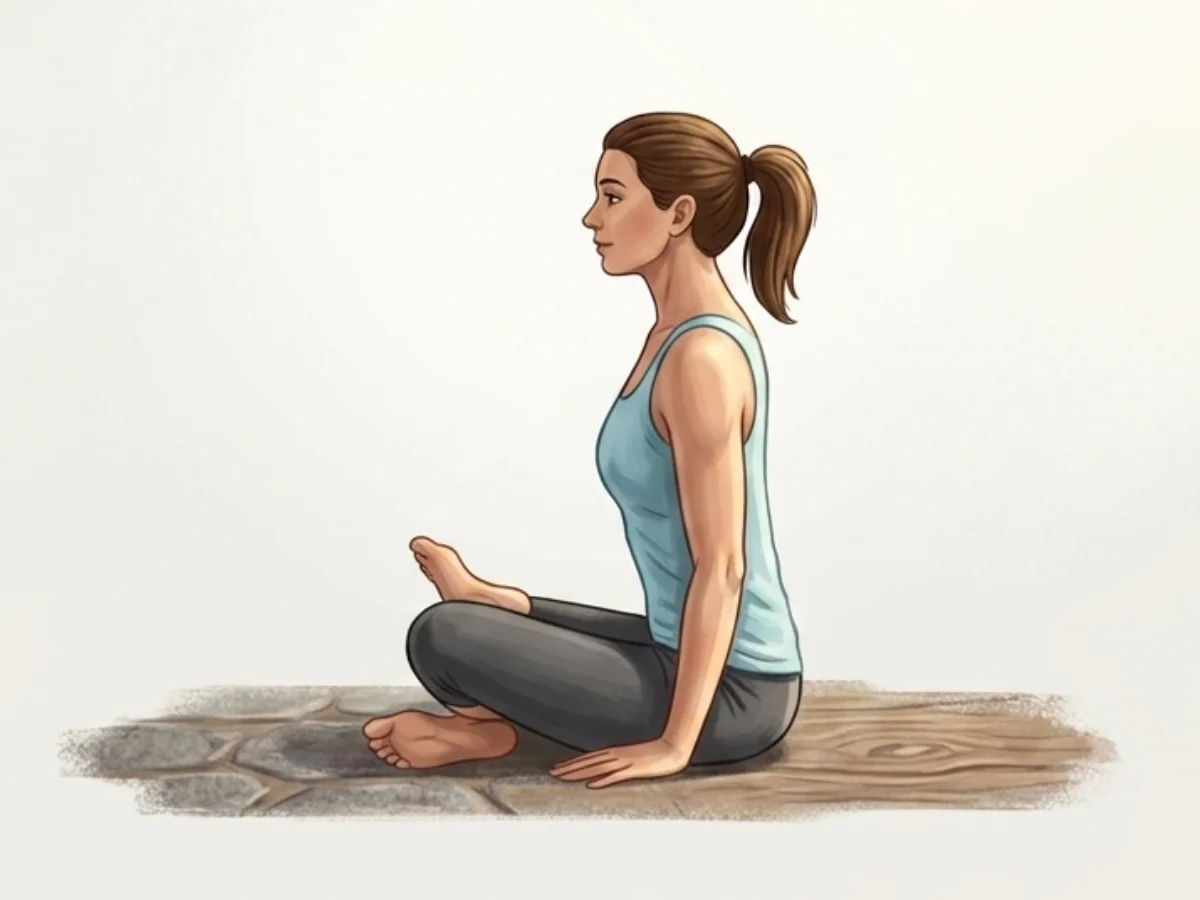
Fire Log
Agnistambhasana
By Elena Rostova Updated: verified Medically Reviewed
Fire Log Pose (Agnistambhasana), often referred to as Double Pigeon, is a profound hip-opening seated posture. It involves stacking the shins parallel to each other, like logs on a fire, creating an intense stretch in the outer hips, glutes, and piriformis.
Hold Time
1–3 minutes per side
Pronunciation
ag-nee-stahm-BAHS-anna
About Fire Log
Commonly practiced as Fire Log (Agnistambhasana), this dynamic posture is beautifully designed to help unlock tension. By gently focusing on deep outer hip opening, it actively stretches your muscles and builds heat. Ultimately, it is a fantastic pose for deeply stretches outer hips, leaving you with a profound sense of grounded energy.
How to Practice
Starting Base
Begin seated on your mat in Staff Pose (Dandasana) with your legs extended forward and your spine tall.
Position Bottom Leg
Bend your left knee and place your left shin parallel to the top edge of your mat. Keep your left foot actively flexed.
Stack the Top Leg
Bend your right knee and carefully stack your right ankle directly over your left knee, and let your right knee rest toward your left ankle. Your shins should form a straight stacked line, like fire logs.
Flex the Feet
Strongly flex both feet (draw the toes back toward the shins). This action stabilizes the knee joints and protects the ligaments.
Align the Spine
Place your fingertips on the floor beside your hips. Inhale deeply to lift your chest, lengthening your spine up out of your pelvis.
Deepen the Stretch
If you have the flexibility, exhale and begin to hinge forward from the hips, keeping the spine completely straight. Walk your hands forward on the floor in front of you.
Breathe and Hold
Hold the pose for 1 to 3 minutes, breathing deeply into the tight areas of your outer hips. Avoid tensing your jaw or shoulders.
Switch Sides
Inhale to walk your hands back and lift your torso. Carefully uncross your legs, extend them forward to neutralize, and repeat the pose with the right leg on the bottom and the left leg stacked on top.
Practice with the Yoga Timer
Keep track of your hold time and breath count for this pose.
Beginner Modifications & Prop Options
Yoga is a personal journey. These modifications and prop options allow you to adapt the pose to your current level of balance and flexibility, ensuring a safe and supportive practice.
Prop the Top Knee
Place a folded blanket or yoga block between the bottom ankle and top knee to bridge any gap and provide support.
Tip: Focus on alignment rather than depth.
Prop the Hips
Sit on the edge of a folded blanket or block to elevate hips. This makes it easier to stack shins and maintain a straight spine.
Tip: Focus on alignment rather than depth.
Easy Pose Variation
Revert to Easy Pose (Sukhasana) by crossing shins in front of one another rather than stacking them to avoid knee pain.
Tip: Focus on alignment rather than depth.
Benefits of Fire Log
Deeply Stretches Outer Hips
Provides a profound stretch to the glutes, piriformis, and tensor fasciae latae (TFL), releasing deep-seated tightness.
Relieves Lower Back Tension
By releasing tight hip rotators that often pull on the pelvis, this pose helps alleviate secondary lower back pain and sciatica symptoms.
Calms the Mind
The intense sensation requires deep, focused breathing, which activates the parasympathetic nervous system and encourages mental grounding.
Prepares for Lotus Pose
Regularly practicing Fire Log opens the necessary rotational pathways in the hip joints to eventually practice Lotus Pose safely.
Common Mistakes to Avoid
Mistake: Dropping the Foot
How to fix: Keep the top ankle fully resting on top of the bottom thigh/knee, and keep both feet strongly flexed.
Mistake: Rounding the Back to Fold
How to fix: Only hinge forward as far as you can while keeping the chest lifted and the spine perfectly straight. It is better to stay completely upright than to round the back.
Mistake: Forcing the Knees Down
How to fix: Let gravity slowly lower the knee over time. Never press forcefully on the knee joint.
Safety and Precautions
Knee Injuries
The lateral pressure on the knees makes this pose risky for anyone with meniscus tears or ligament damage.
Sciatica
While it can help relieve sciatica for some, it can aggravate it for others depending on the exact cause. Proceed with caution.
Acute Lower Back Injuries
Folding forward with tight hips can strain the lumbar spine. Stay upright if you have back issues.
Medical Disclaimer: If you have any of the above conditions, consult your doctor or a qualified yoga instructor before attempting this pose.
Muscles Worked in Fire Log
Fire Log demands synchronized muscular effort, creating a profound sense of engagement and release throughout the body. The activation of the primary muscles supports the structure, while the secondary muscles provide stability and balance.
Primary Muscles
Gluteus Maximus & Medius
Stretched intensely as the hips externally rotate and flex.
Piriformis
Receives a deep stretch under the glutes.
Erector Spinae
Engages to keep the back straight and chest lifted.
Secondary Muscles
Tensor Fasciae Latae (TFL)
Stretched along the outer hip.
Psoas Major
Flexes the hips to maintain the seated fold.
Poses to Practice Before and After Fire Log
Prepare with these Poses
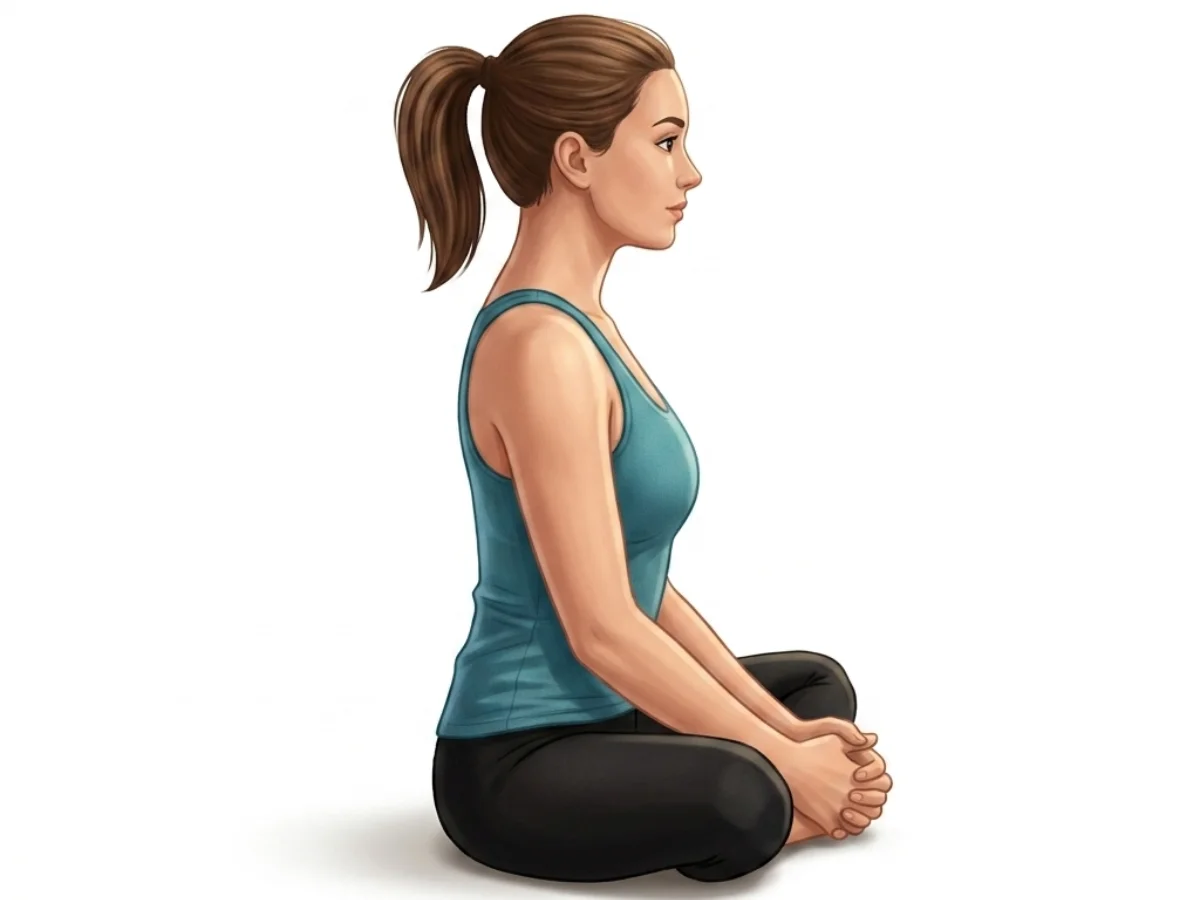
Bound Angle
Baddha KonasanaOpens the inner groins and prepares the hips for external rotation.
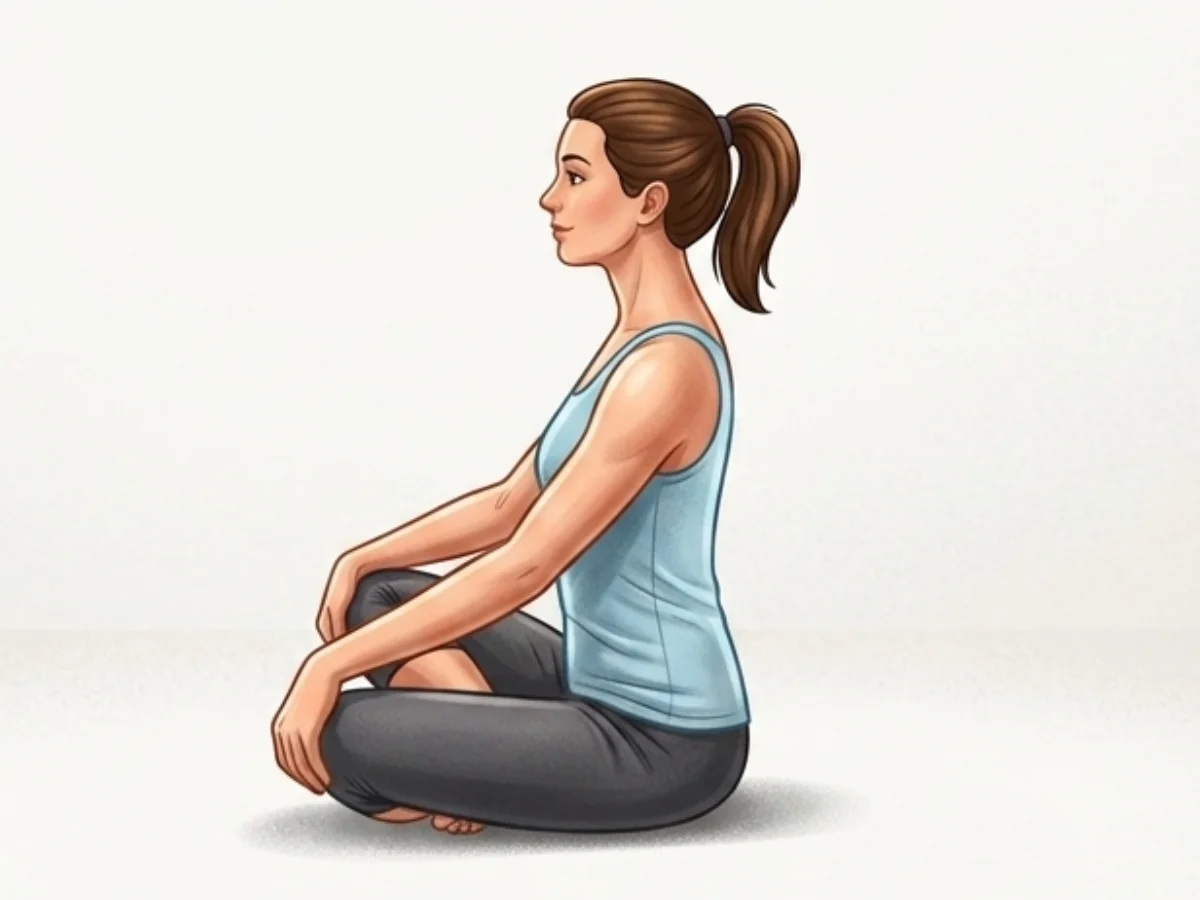
Easy Pose
SukhasanaA gentler hip opener that introduces the crossed-leg mechanic safely.
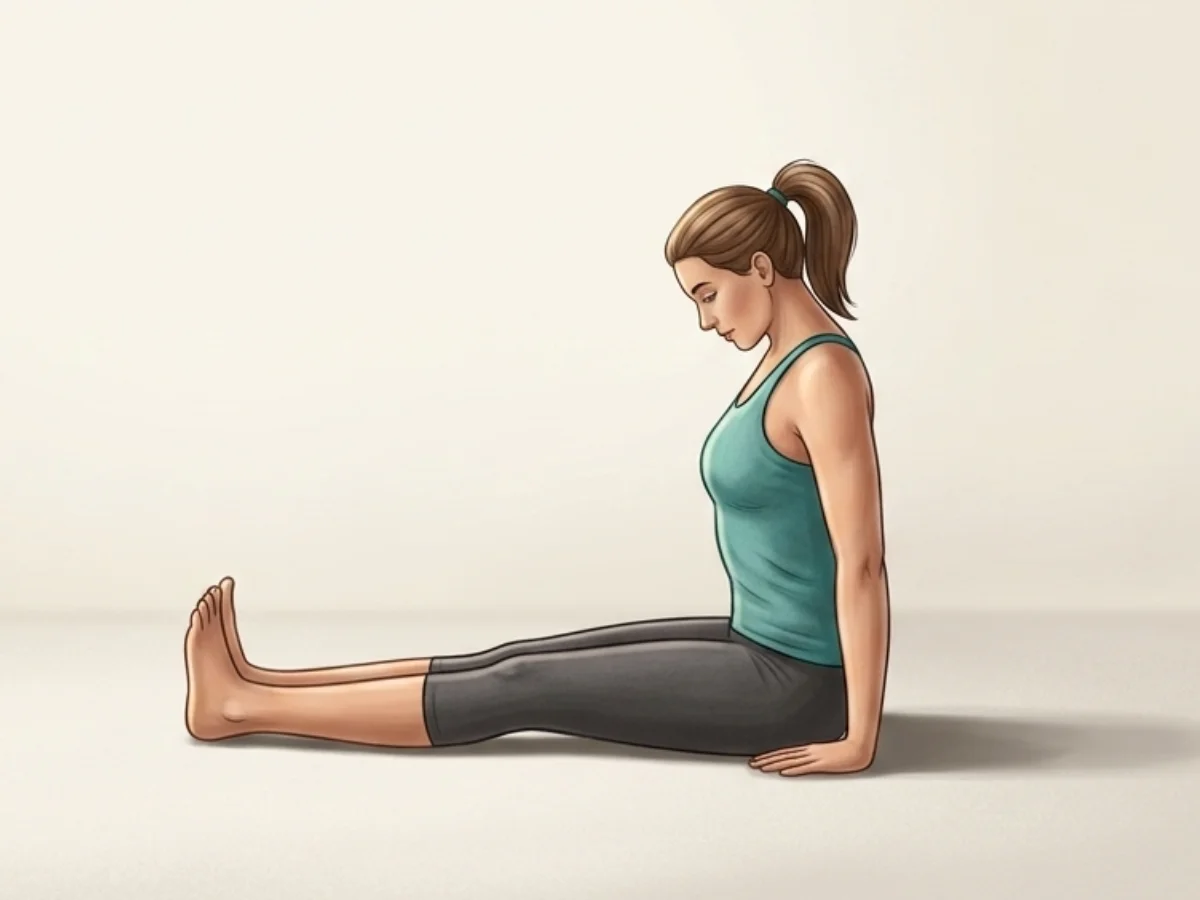
Staff Pose
DandasanaEstablishes proper pelvic tilt and spinal alignment before stacking the legs.
Follow with neutralizing Counter-poses
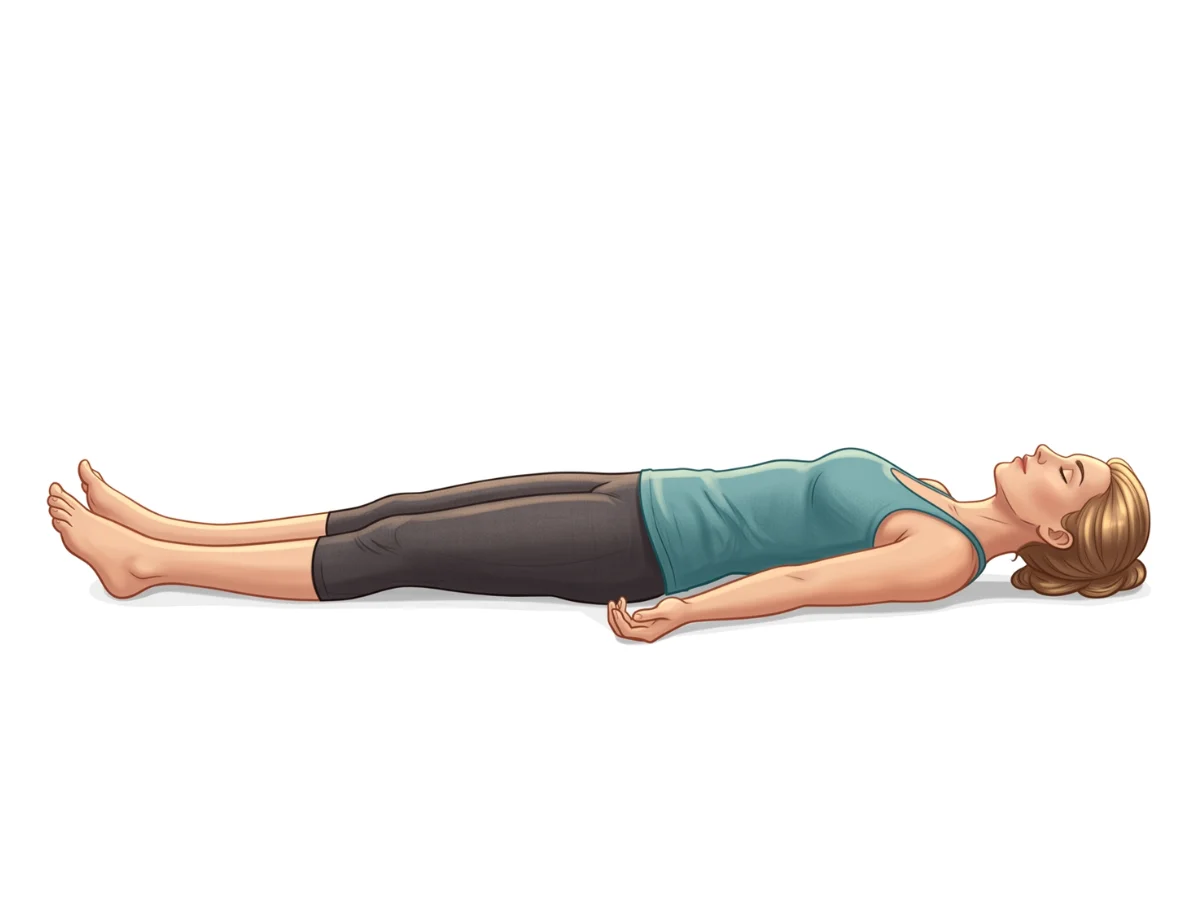
Corpse Pose
SavasanaAllows the body to fully rest and the deep hip rotators to relax completely.
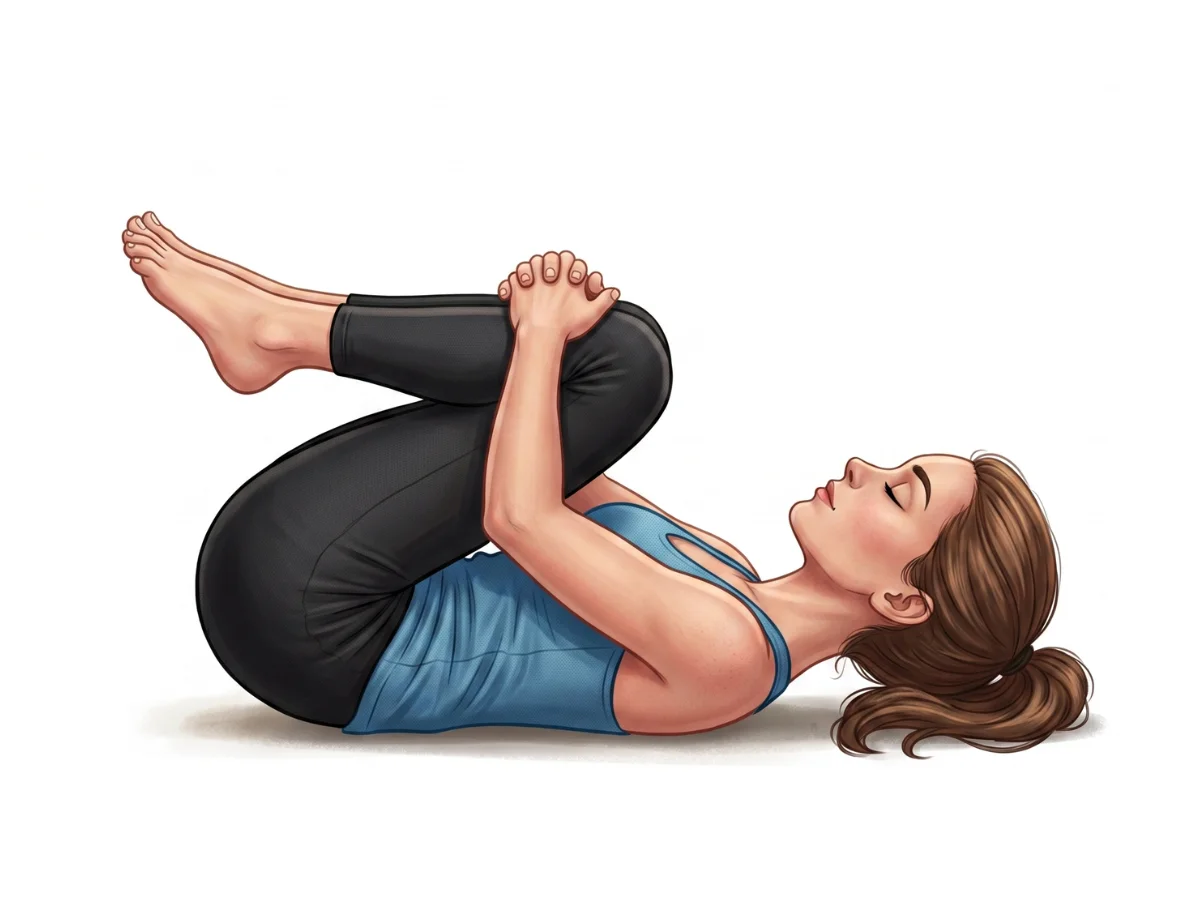
Wind-Relieving Pose
PawanmuktasanaGently releases the lower back and neutralizes the external rotation of the hips.
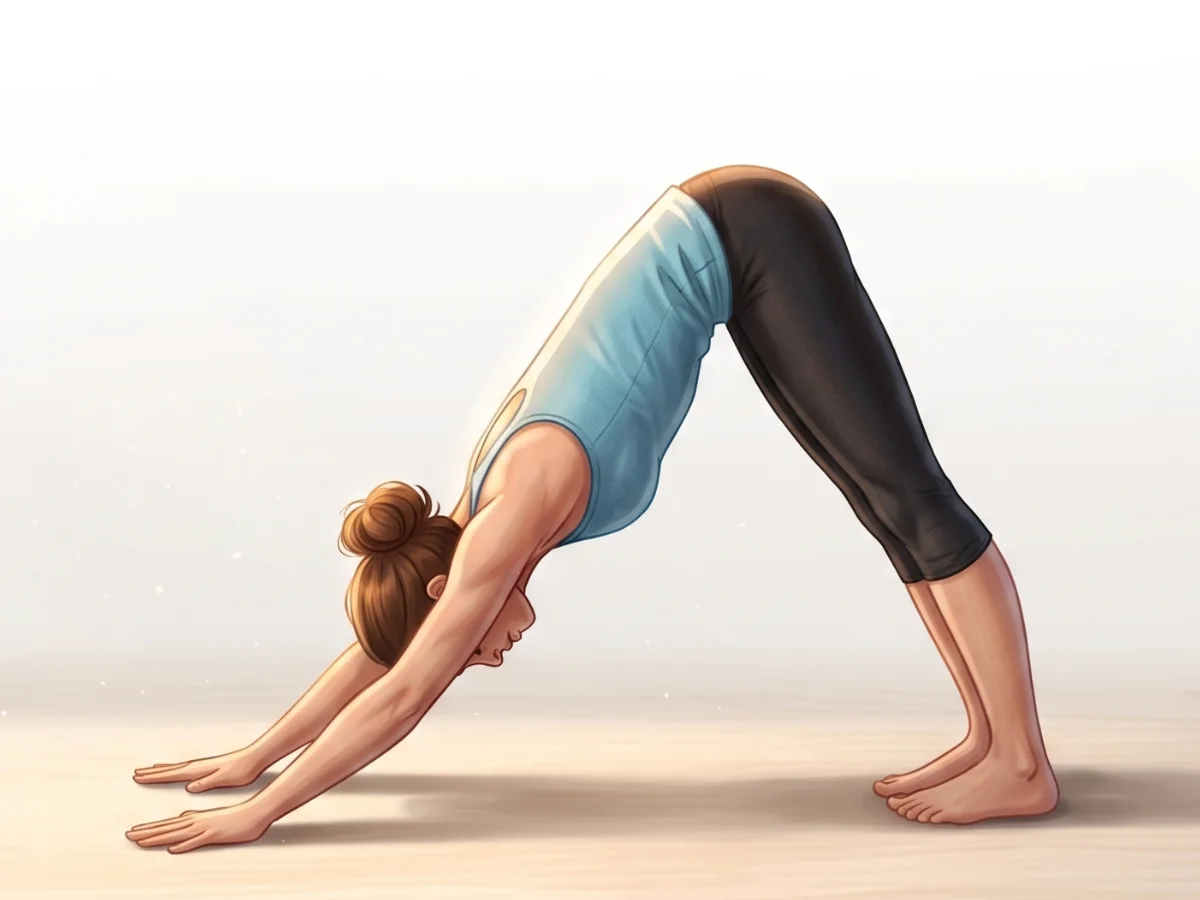
Downward-Facing Dog
Adho Mukha SvanasanaExtends the legs fully and brings symmetry back to the hips and spine.
Frequently Asked Questions
Why is there such a large gap between my knee and foot?
This gap is very common and simply indicates tightness in the outer hips and glutes. Over time and with consistent practice, the hip joints will open, and the knee will gradually lower. Use a block to fill the gap until then.
Why does this pose make me feel emotional?
In yoga, the hips are often considered the "junk drawer" of emotions, holding onto stress, trauma, and tension. Deep hip openers like Fire Log can release these physical restrictions, which sometimes triggers an emotional release as well.
Are my shins supposed to be perfectly parallel?
Yes, the goal is to align the shins parallel to the front edge of your mat. If you pull your feet too close to your groin, you are performing a variation of Easy Pose, which diminishes the stretch in the outer hips.

Elena Rostova is an accredited yoga educator and anatomy specialist with over 15 years of clinical experience. She focuses on functional biomechanics and injury prevention, translating complex anatomy into accessible guidance for safe, sustainable practice.
Read Full ProfileContinue Your Yoga Journey
Ready to deepen your practice? Explore our extensive library of poses, or join a structured program designed to build strength, flexibility, and mindfulness.