
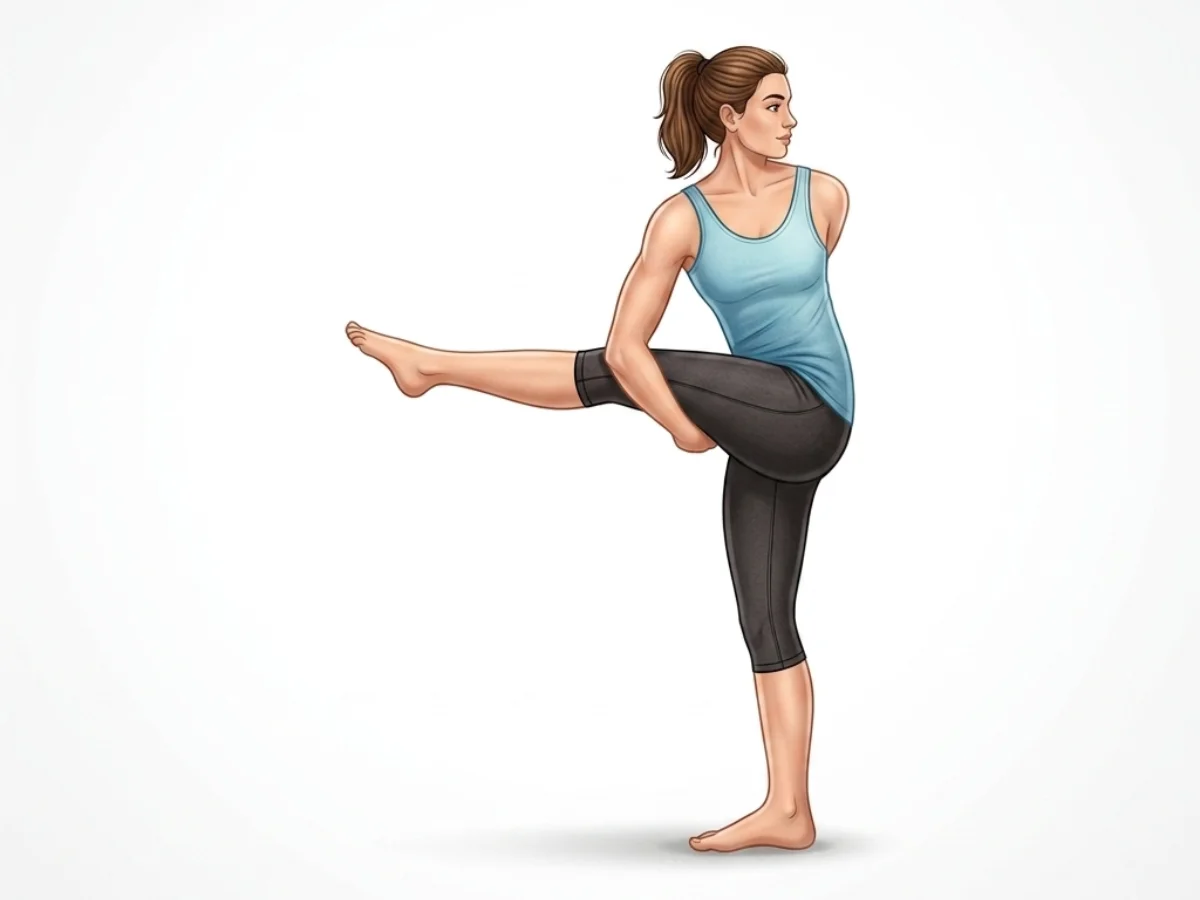
Revolved Bird of Paradise
Parivritta Svarga Dvijasana
By Elena Rostova Updated: verified Medically Reviewed
Revolved Bird of Paradise (Parivritta Svarga Dvijasana) is a highly advanced standing balance and twist. It reverses the standard posture by twisting the torso across the bound, elevated leg.
Hold Time
15–30 sec · 3–5 breaths
Pronunciation
pah-ree-vrit-tah svar-gah dvee-jahs-anna
About Revolved Bird of Paradise
Revolved Bird of Paradise (Parivritta Svarga Dvijasana) is a grounding posture that draws its natural shape from the animal kingdom. It primarily targets the rotational balance & deep twist, helping to create length and strength exactly where you need it most. Practicing this pose regularly helps with profound oblique & core strength and leaves you feeling completely refreshed.
How to Practice
Revolved Bound Side Angle Setup
Begin in a Revolved Side Angle Pose (Parivritta Parsvakonasana) with your left elbow crossed over your right thigh. Thread your left arm under your right thigh and wrap your right arm around your back to clasp hands in a bind.
Step Back Foot Forward
Look down at your front right foot. Shift your gaze, inhale, and on the exhale, step your left foot forward to stand beside your right foot at the front of your mat, keeping your feet parallel and hip-width apart.
Shift Your Weight
Settle your weight entirely into your right foot (your standing leg, which is opposite to the bound thigh). Ground firmly through all four corners of your right foot.
Core Engagement
Pull your navel firmly in toward your spine to activate your transverse abdominis and deep pelvic floor muscles, preparing your body to lift.
Slow Vertical Rise
Fix your gaze on a stable point (Drishti). On a slow, controlled inhale, press firmly into your standing right foot and lift your torso upright, bringing your bound left leg off the mat.
Stand Tall and Align
Find your vertical balance, extending your standing right leg as much as possible while maintaining the clasp around your left thigh.
Deepen the Spinal Twist
Actively twist your torso to the left, rotating your chest away from your elevated leg to deepen the revolving aspect of the pose.
Extend the Elevated Leg
If your balance feels completely steady, slowly begin to straighten your elevated left knee, reaching your left heel out to the side while holding the bind.
Open the Chest
Draw your right shoulder blade back and open your chest to the left, keeping your neck long and your breathing calm and deep.
Safe Descent
To exit the pose safely, slowly bend your elevated left knee on an exhale, lower your left foot to the floor, step your right foot back to return to Revolved Side Angle, and release your hands with control.
Practice with the Yoga Timer
Keep track of your hold time and breath count for this pose.
Beginner Modifications & Prop Options
Yoga is a personal journey. These modifications and prop options allow you to adapt the pose to your current level of balance and flexibility, ensuring a safe and supportive practice.
Using a Yoga Strap for the Twist
Hold a strap in your left hand before crossing it over your thigh. Thread it under your leg and grasp it with your right hand. Keep it taut as you stand upright.
Tip: Focus on alignment rather than depth.
Elevated Bent Knee (Half Revolved Bird)
Keep your elevated knee bent at a 90-degree angle instead of straightening it. Focus on stabilizing the standing leg, rotating your torso, and keeping the chest lifted.
Tip: Focus on alignment rather than depth.
Resting the Foot on a Chair or Block
Rest your opposite, bent knee on the seat of a sturdy chair while standing facing it. This removes the balance hazard while allowing focus on rotational alignment.
Tip: Focus on alignment rather than depth.
Benefits of Revolved Bird of Paradise
Profound Oblique & Core Strength
Balancing on one leg while in a deep twist engages the entire abdominal wall, especially the obliques and transverse abdominis to stabilize the pelvis.
Deep Thoracic Spinal Rotation
Challenges and increases the range of motion of the thoracic and lumbar spine through active, resisted twisting, supporting spinal health.
Advanced Propriocetion & Balance
Interlacing the limbs while standing on a single leg cultivates excellent brain-to-body coordination, proprioceptive awareness, and spatial control.
Stretches Outer Hips & IT Band
Lengthening the elevated leg across the midline provides a deep, therapeutic stretch to the gluteus medius, piriformis, and tensor fasciae latae.
Builds Shoulder Flexibility
The bound arm placement stretches the anterior deltoids and pectoral muscles against resistance, promoting chest expansion and heart opening.
Common Mistakes to Avoid
Mistake: Rounding the Spine Forward
How to fix: Prioritize an upright, tall spine; bend your elevated knee to keep the torso long and open.
Mistake: Tensing the Neck and Jaw
How to fix: Actively draw your shoulders away from your ears, broaden your collarbones, and soften your facial muscles.
Mistake: Hyperextending the Standing Knee
How to fix: Maintain a tiny, active micro-bend in the standing knee and keep the quadriceps engaged.
Safety and Precautions
Herniated or Bulging Spinal Discs
Deep rotational twists combined with weight-bearing load can aggravate spinal disc herniations.
Severe Shoulder or Rotator Cuff Injuries
The revolved bind puts the shoulder joints under high extension and rotation, which can aggravate healing tissues.
Acute Vestibular Balance Disorders
Standing on one leg in a deep twist can trigger dizzy spells, vertigo, or loss of balance.
Severe Knee or Hip Injuries
Twisting on the knee or forcing hip rotation in a single-leg stance can worsen joint injuries.
Pregnancy
The intense closed spinal twist and abdominal compression are strictly contraindicated for pregnant practitioners.
Medical Disclaimer: If you have any of the above conditions, consult your doctor or a qualified yoga instructor before attempting this pose.
Muscles Worked in Revolved Bird of Paradise
Revolved Bird of Paradise demands synchronized muscular effort, creating a profound sense of engagement and release throughout the body. The activation of the primary muscles supports the structure, while the secondary muscles provide stability and balance.
Primary Muscles
Internal & External Obliques
Engage deeply to rotate the torso across the midline.
Gluteus Medius (Standing)
Stabilizes the pelvis and knee of the standing leg.
Transversus Abdominis
Maintains deep core stability and balance.
Secondary Muscles
Hamstrings (Elevated)
Stretched under deep extension in the twist.
Rhomboids & Trapezius
Active to pull the shoulders back and open the chest.
Quadriceps (Standing)
Keeps the standing leg strong and extended.
Poses to Practice Before and After Revolved Bird of Paradise
Prepare with these Poses
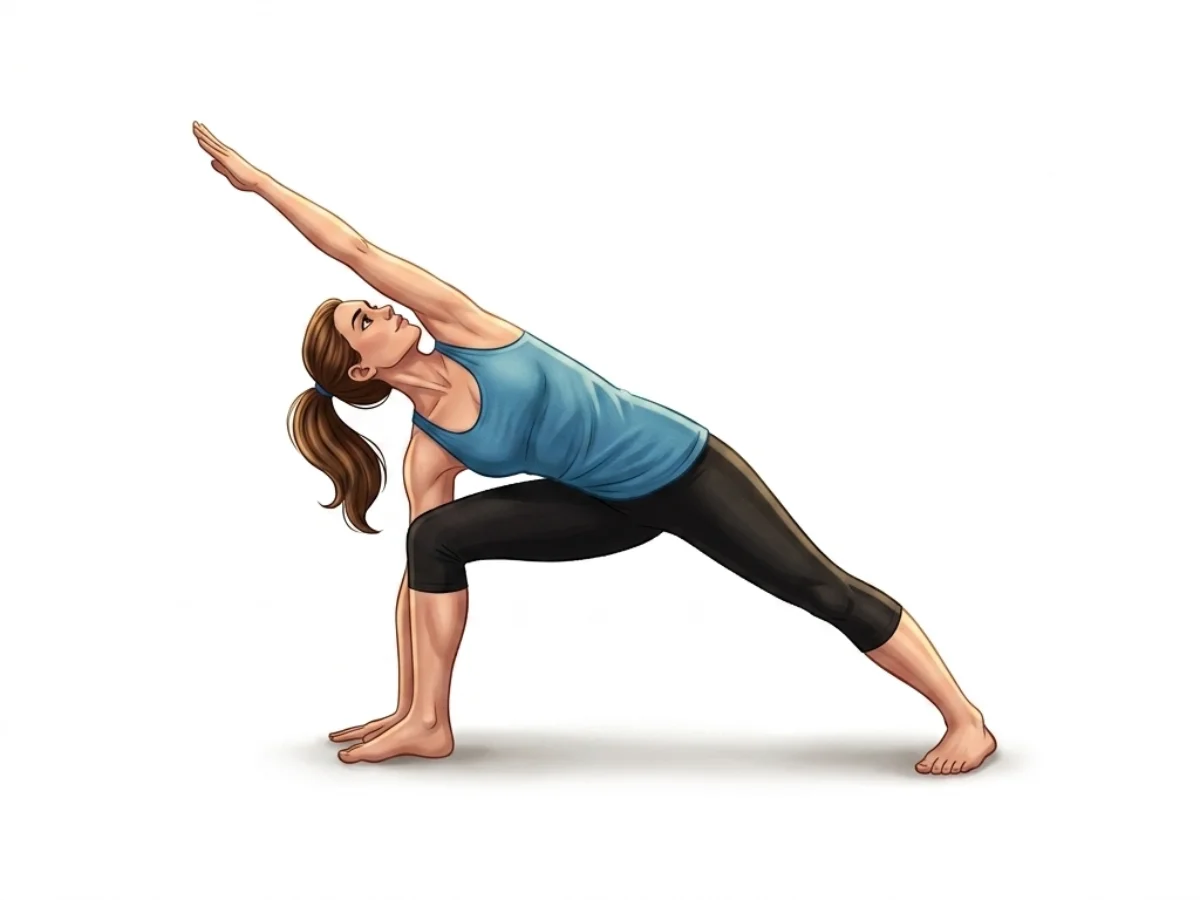
Bound Revolved Side Angle
Baddha Parivritta ParsvakonasanaEstablishes the deep twisting bind and hip alignment required for Revolved Bird of Paradise.
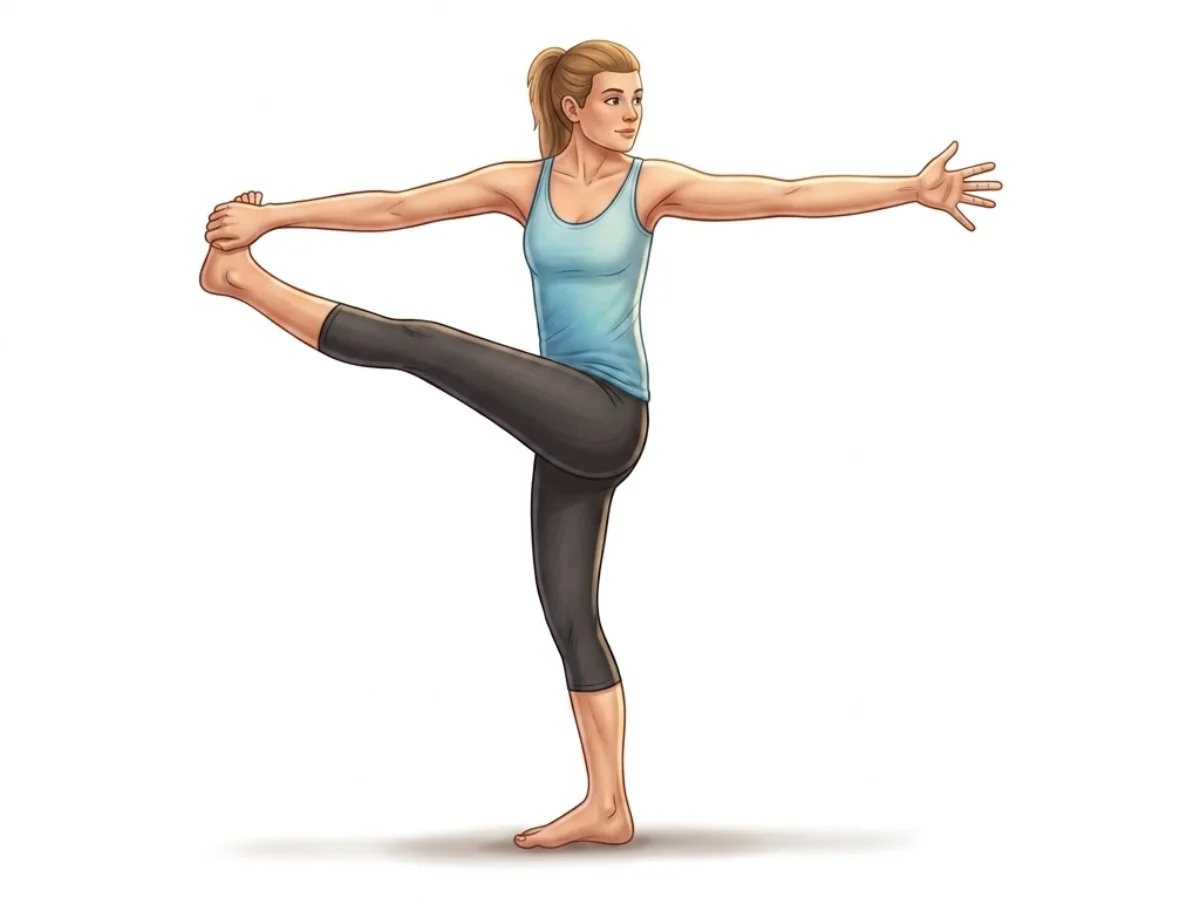
Revolved Standing Hand to Big Toe
Parivritta Hasta PadangusthasanaTeaches standing balance and spinal rotation with a hamstring stretch.
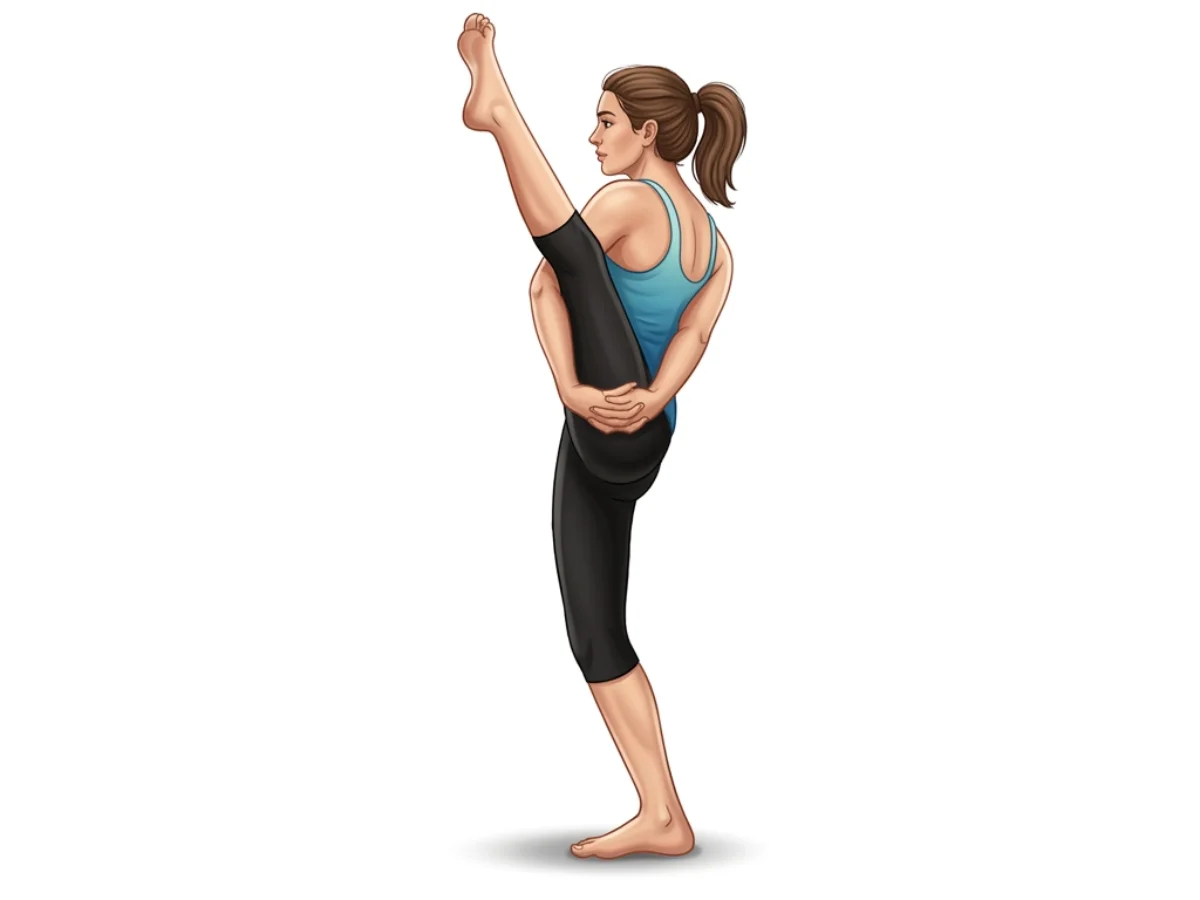
Bird of Paradise
Svarga DvijasanaTeaches the standing vertical bind and single-leg balance before adding the twist.
Follow with neutralizing Counter-poses
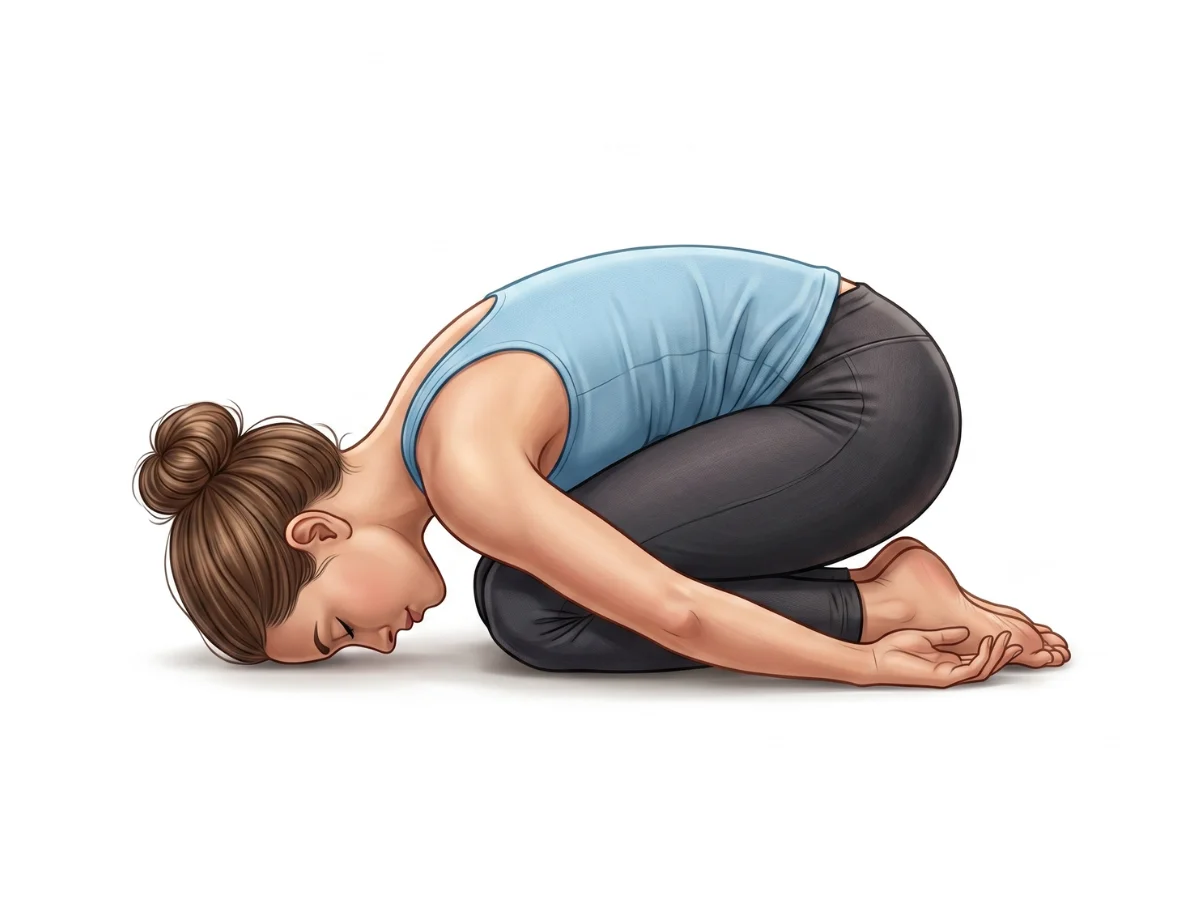
Child's Pose
BalasanaSinks the hips back to completely relax the spine, wrists, and shoulders after twisting.
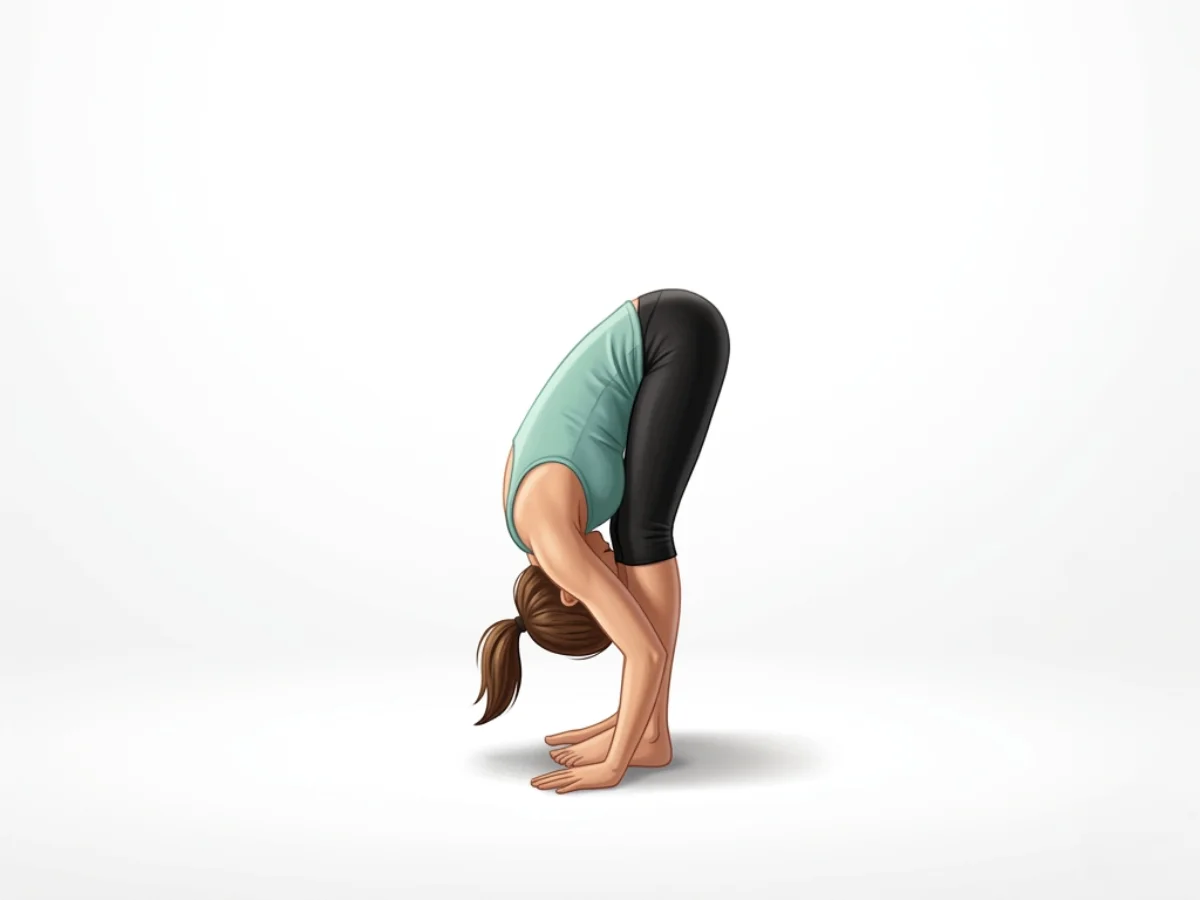
Standing Forward Bend
UttanasanaReleases the hips and neutralizes the spine in a gentle, symmetrical forward fold.
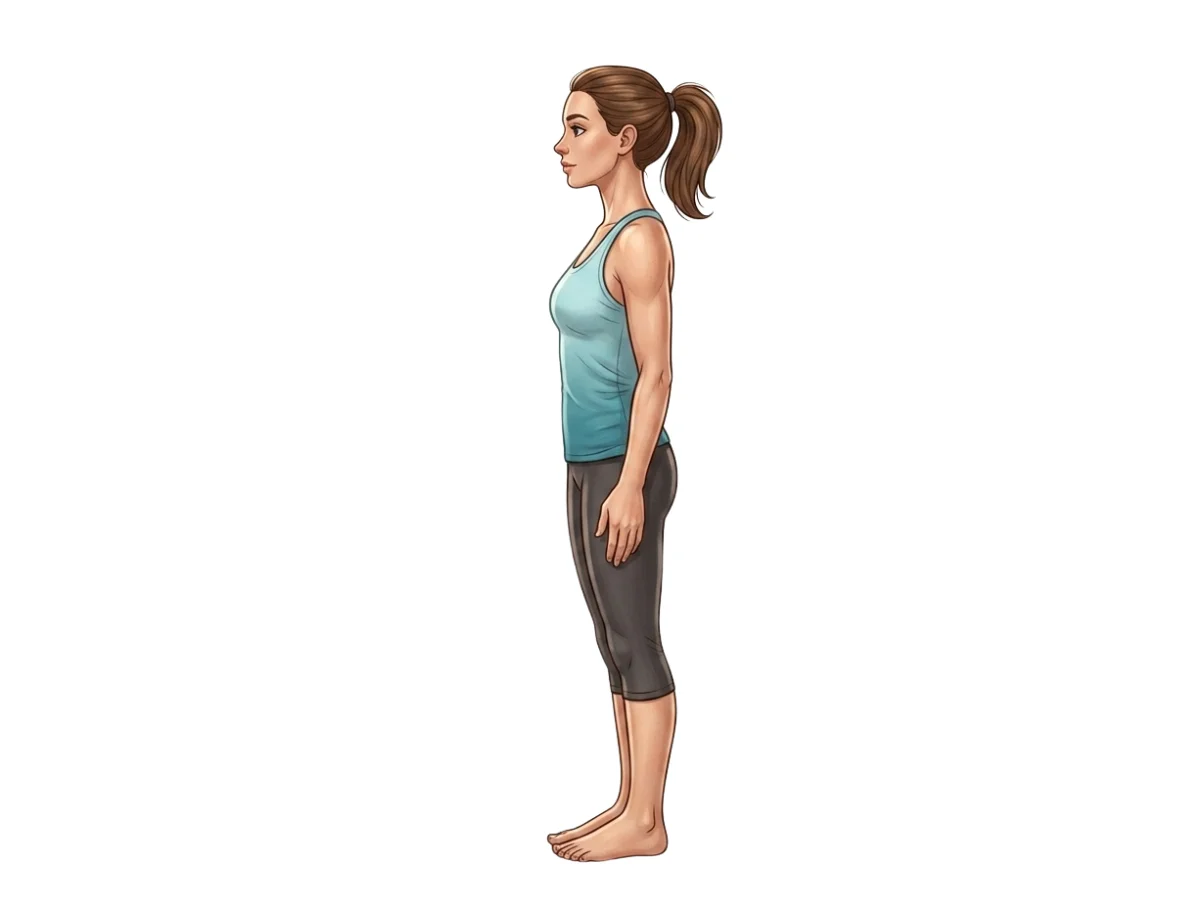
Mountain Pose
TadasanaRestores neutral vertical alignment and grounds the nervous system.
Frequently Asked Questions
What is the main difference between Bird of Paradise and Revolved Bird of Paradise?
In the standard Bird of Paradise, you twist your torso away from your elevated leg (an open twist). In Revolved Bird of Paradise, you twist your torso across your elevated leg (a closed twist), which requires much deeper spinal rotation, shoulder mobility, and core control.
Why does it feel so hard to breathe in this pose?
The deep bound twist compresses the abdomen and lungs, restricting the diaphragm. To breathe fully, focus on lengthening your spine to create space, and use slow, steady nasal breaths that expand the back and sides of your ribcage.
Can I do this pose if my hamstrings are tight?
Yes, by keeping the elevated knee bent. Focus entirely on the standing balance and the spinal twist first.
Elena Rostova is an accredited yoga educator and anatomy specialist with over 15 years of clinical experience. She focuses on functional biomechanics and injury prevention, translating complex anatomy into accessible guidance for safe, sustainable practice.
Read Full ProfileContinue Your Yoga Journey
Ready to deepen your practice? Explore our extensive library of poses, or join a structured program designed to build strength, flexibility, and mindfulness.